Apple Archives - gettectonic.com
Datassential’s AI-Powered Salesforce Plugin is Reshaping Sales

Datassential’s AI-Powered Salesforce Plugin is Reshaping Sales

The Global Foodservice Industry’s Silent Revolution: How Datassential’s AI-Powered Salesforce Plugin is Reshaping Sales The foodservice industry is at an inflection point. In the wake of the pandemic, operators are moving beyond reactive sales tactics, demanding AI tools that proactively anticipate needs, automate workflows, and transform data into strategic insights. Enter Datassential’s Salesforce Plugin—a breakthrough solution that integrates AI-driven market intelligence directly into CRM workflows, effectively becoming the operating system for foodservice sales. Here’s why this innovation matters—and why it deserves investor attention. The Problem: Outdated Systems in a High-Stakes Industry Foodservice sales teams grapple with fragmented data, fierce competition, and staffing shortages, leaving traditional CRMs ill-equipped to deliver actionable insights. Key pain points include: The Solution: Datassential’s AI-Powered Salesforce Plugin Datassential’s plugin tackles these challenges with two game-changing features: The result? A Chicago sales rep can instantly pinpoint Midwest Mexican restaurants expanding their menus, while a Tokyo distributor identifies cafes adopting plant-based offerings—all within a few clicks. Why Investors Should Take Notice Risks to Monitor Yet Datassential’s food-specific data edge and first-mover status in AI-driven CRM tools create a defensible niche. The Investment Thesis: Data as the Ultimate Differentiator Datassential isn’t just selling a plugin—it’s building the data infrastructure layer for foodservice sales. The plugin: For investors, this represents a high-margin, scalable opportunity in a sector ripe for AI disruption. As foodservice embraces data-driven sales, Datassential’s ability to turn raw data into agentic workflows positions it as a critical player in the industry’s tech stack. The Bottom Line The shift to AI-powered sales is inevitable. Datassential’s Salesforce Plugin isn’t just a tool—it’s a strategic imperative for foodservice businesses aiming to thrive in an era of efficiency. Like Related Posts AI Automated Offers with Marketing Cloud Personalization AI-Powered Offers Elevate the relevance of each customer interaction on your website and app through Einstein Decisions. Driven by a Read more Salesforce OEM AppExchange Expanding its reach beyond CRM, Salesforce.com has launched a new service called AppExchange OEM Edition, aimed at non-CRM service providers. Read more The Salesforce Story In Marc Benioff’s own words How did salesforce.com grow from a start up in a rented apartment into the world’s Read more Salesforce Jigsaw Salesforce.com, a prominent figure in cloud computing, has finalized a deal to acquire Jigsaw, a wiki-style business contact database, for Read more

Read More
The Promise of AI in Health Outcomes

10 AI Healthcare Trends Shaping the Future

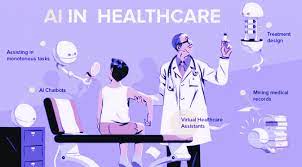
10 AI Healthcare Trends Shaping the Future (2025 & Beyond) Artificial intelligence is transforming healthcare at an unprecedented pace. With a projected 49% CAGR through 2030 (MarketsandMarkets) and generative AI accelerating innovation, hospitals, clinics, and insurers are integrating AI into clinical workflows, diagnostics, and operations. Here are the 10 biggest AI healthcare trends to watch: 1. AI Chatbots for Patient Engagement “AI chatbots cut our call center volume by 30% while improving response times.” —Jordan Archer, COO, Tryon Medical Partners 2. AI-Powered Clinical Documentation 3. Unstructured Data Analysis 4. AI Radiology & Imaging Assistants 5. Robotic Surgery & Automation 6. AI in Physical Therapy 7. AI-Generated Fitness & Wellness Plans 8. Automated Revenue Cycle Management 9. Predictive Supply Chain Optimization 10. AI-Driven Business Strategy Challenges: Equity & Adoption While AI offers immense potential, smaller clinics and rural hospitals risk falling behind due to: “We must ensure equitable access—AI shouldn’t just benefit large health systems.” —Dr. Margaret Lozovatsky, AMA The Future of AI in Healthcare ✅ 2025-2030: AI becomes standard in EHRs, diagnostics, and surgery✅ Generative AI drafts treatment plans, research papers, and insurance appeals✅ Regulatory frameworks evolve to ensure safety & fairness Bottom Line: AI isn’t replacing doctors—it’s empowering them to work smarter, faster, and more precisely. Which trend will impact your organization most? Like Related Posts AI Automated Offers with Marketing Cloud Personalization AI-Powered Offers Elevate the relevance of each customer interaction on your website and app through Einstein Decisions. Driven by a Read more Salesforce OEM AppExchange Expanding its reach beyond CRM, Salesforce.com has launched a new service called AppExchange OEM Edition, aimed at non-CRM service providers. Read more The Salesforce Story In Marc Benioff’s own words How did salesforce.com grow from a start up in a rented apartment into the world’s Read more Salesforce Jigsaw Salesforce.com, a prominent figure in cloud computing, has finalized a deal to acquire Jigsaw, a wiki-style business contact database, for Read more

Read More
Whoever cracks reliable, scalable atomic power first could gain an insurmountable edge in the AI arms race.

Nuclear Energy’s Resurgence

Nuclear Energy’s Resurgence: Can It Power the AI Revolution? The Nuclear Renaissance Takes Shape As the world grapples with soaring energy demands from AI and electrification, nuclear power is experiencing an unexpected revival. The reopening of plants and new investments suggest a shifting energy landscape—but can supply keep pace with the explosive demand for clean, reliable power? A Long-Planned Comeback Aniket Shah, Jefferies’ Global Head of Sustainability and Transition Strategy, notes that the nuclear resurgence isn’t sudden. The U.S. has been laying the groundwork for years through strategic partnerships, recognizing nuclear’s critical role in the energy transition. Key Drivers of the Nuclear Boom: The Execution Challenge Despite momentum, Shah warns of hurdles: Why AI is Fueling Nuclear’s Second Act The Power Demand Shock Durgesh Chopra, Evercore ISI Managing Director, highlights AI and electrification as the twin engines of energy demand. Data centers alone could double U.S. electricity consumption growth by 2030, per McKinsey. Why Utilities Are Betting on Nuclear: A Golden Era for Utilities? After a decade of stagnant demand, utilities now face a historic opportunity: The Road Ahead: Can Nuclear Scale Fast Enough? Opportunities ✅ SMRs & Advanced Reactors: Faster to deploy than traditional plants.✅ Tech’s Deep Pockets: Microsoft, Google, and Amazon are bankrolling innovation.✅ Policy Momentum: The U.S. recently streamlined nuclear approvals. Risks ⚠️ Labor Gaps: Training programs must expand rapidly.⚠️ Supply Chain Bottlenecks: Rare earth metals and reactor components face shortages.⚠️ Public Perception: Overcoming nuclear’s stigma remains a hurdle. The Bottom Line Nuclear energy is no longer a relic of the past—it’s becoming the keystone of AI’s future. While challenges persist, the alignment of tech investment, policy support, and energy economics suggests atomic power is poised for a lasting comeback. For investors, utilities, and tech giants alike, the message is clear: The race to scale nuclear is on. Whoever cracks the code first will power the next era of innovation. Like Related Posts AI Automated Offers with Marketing Cloud Personalization AI-Powered Offers Elevate the relevance of each customer interaction on your website and app through Einstein Decisions. Driven by a Read more Salesforce OEM AppExchange Expanding its reach beyond CRM, Salesforce.com has launched a new service called AppExchange OEM Edition, aimed at non-CRM service providers. Read more The Salesforce Story In Marc Benioff’s own words How did salesforce.com grow from a start up in a rented apartment into the world’s Read more Salesforce Jigsaw Salesforce.com, a prominent figure in cloud computing, has finalized a deal to acquire Jigsaw, a wiki-style business contact database, for Read more

Read More

Salesforce Supported Browsers – Summer ’25 Release Update

Browser Support for Lightning Experience Lightning Experience is available in Essentials, Group, Professional, Enterprise, Performance, Unlimited, and Developer editions. For the best mobile experience, Salesforce recommends using the Salesforce mobile app or accessing Lightning Experience via iPad Safari (with some limitations). Desktop & Laptop Browser Support Salesforce supports the latest stable versions of: ✅ Microsoft Edge (Chromium)✅ Google Chrome✅ Mozilla Firefox✅ Apple Safari Unsupported Browsers:❌ Internet Explorer (no longer supported)❌ Microsoft Edge (non-Chromium)❌ Incognito/private browsing modes Key Notes: Tablet Browser Support Device Supported Browser Notes iPadOS Safari (iOS 13+) Landscape mode only; no portrait switching. Android Salesforce Mobile App Browser access not supported. Important: Mobile (Phone) Support For the best experience, use the Salesforce mobile app. Third-Party Browser Extensions & JavaScript Libraries While some extensions can enhance Salesforce, DOM-manipulating extensions may cause instability. Recommendations: ✔ Check AppExchange for trusted partner extensions.✔ Use Salesforce-approved JavaScript libraries (uploaded as static resources).✔ For custom components: Risks: Salesforce Classic Browser Support Salesforce Classic is available in all editions but does not support mobile browsers—use the Salesforce mobile app instead. Supported Browsers: ✅ Microsoft Edge (Chromium)✅ Google Chrome✅ Mozilla Firefox✅ Apple Safari (except for Classic Console) Unsupported:❌ Internet Explorer 11 (deprecated after Dec 31, 2022)❌ Microsoft Edge (non-Chromium) CRM Analytics Browser Support Follows the same browser compatibility as Lightning Experience. Final Notes For more details, refer to Salesforce Help. Like Related Posts AI Automated Offers with Marketing Cloud Personalization AI-Powered Offers Elevate the relevance of each customer interaction on your website and app through Einstein Decisions. Driven by a Read more Salesforce OEM AppExchange Expanding its reach beyond CRM, Salesforce.com has launched a new service called AppExchange OEM Edition, aimed at non-CRM service providers. Read more The Salesforce Story In Marc Benioff’s own words How did salesforce.com grow from a start up in a rented apartment into the world’s Read more Salesforce Jigsaw Salesforce.com, a prominent figure in cloud computing, has finalized a deal to acquire Jigsaw, a wiki-style business contact database, for Read more

Read More
B2B Customer Service with Agentforce

Agents are the Future of Customer Engagement

Agentic Customer Engagement is Here There was a time when customer service meant going into a brick and mortar building and talking to a person face to face. It was time consuming and did not guarantee a solution. The mail order business brought on the need for the 800 number to contact a merchant. The dot com boom brought customer engagement opportunities directly to our homes. Ios and Android apps brought customer engagement to our fingertips. Yet we still were dependent upon the availability of humans or at least chatbots. Customer service often repressed customer engagement, not enhanced it. Agents, like Salesforce Agentforce, brought 24 7 customer engagement to us no matter where we are, when it is, or how complicated our issue is. And agents improved customer service! What’s next? Robots and drones who deliver our items and answer our questions? Who knows. AI bots are transforming client relationships and customer service. To achieve unparalleled efficiency, these intelligent systems plan and automate difficult activities, make deft decisions, and blend in seamlessly with current workflows. Yes, it’s widely believed that AI agents will play a crucial role in the future of customer engagement, offering personalized, efficient, and consistent experiences across various channels.  Here’s why AI agents are poised to be a key driver in customer engagement: AI agents are becoming smarter every day, using machine learning and natural language processing to predict customer needs, handle complex queries with empathy and offer real-time, personalized assistance. How AI Agents Are Redefining Customer Engagement Marketing is undergoing a seismic transformation. Tectonic shift, if you will. The past decade was dominated by complex tech stacks and data integration—now, AI is shifting the focus back to what truly matters: crafting impactful content and campaigns. Welcome to the era of agentic customer engagement and marketing. The Rise of Marketing Agents Unlike traditional customer service agents handling one-to-one interactions, marketing agents amplify human expertise to engage audiences at scale—whether targeting broad segments or hyper-personalized personas. They ensure consistent, high-quality messaging across every channel while automating the intricate backend work of delivering the right content to the right customer at the right time. This shift is powered by rapid AI advancements: How Agentic Engagement Amplifies Marketing Marketing agents don’t replace human creativity—they extend it. Once strategists set guidelines, approve messaging, and define brand voice, agents execute with precision across channels. At Typeface, for example, AI securely learns brand tones and styles to generate on-brand imagery, text, and videos—ensuring every asset aligns with the company’s identity. Key Capabilities of Marketing Agents The Human-Agent Partnership AI agents don’t replace marketers—they empower them. Humans bring creativity, emotional intelligence, and strategic decision-making; agents handle execution, data processing, and scalability. Marketers will evolve into “agent wranglers”, setting objectives, monitoring performance, and ensuring alignment with business goals. Meanwhile, agents will work in interconnected ecosystems—where a content agent’s blog post triggers a social agent’s promotion, while a performance agent optimizes distribution, and a brand agent tracks reception. Preparing for the Agent Era To stay ahead, businesses should:✅ Start small, think big – Pilot agents in low-risk areas before scaling.✅ Train teams – Ensure marketers understand agent management.✅ Build governance frameworks – Define oversight and intervention protocols.✅ Strengthen data infrastructure – Clean, structured data fuels agent effectiveness.✅ Maintain human oversight – Regularly audit agent outputs for quality and alignment. Work with a Salesforce partner like Tectonic to prepare for the Agent Era. The Future is Agentic The age of AI-driven marketing isn’t coming—it’s here. Companies that embrace agentic engagement will unlock unprecedented efficiency, personalization, and impact. The question isn’t if you’ll adopt AI agents—it’s how soon. Ready to accelerate your strategy? Discover how Agentforce (Salesforce’s agentic layer) can cut deployment time by 16x while boosting accuracy by 70%. The future of marketing isn’t just automated—it’s autonomous, adaptive, and agentic. Are you prepared? The Future of Customer Experience: AI-Driven Efficiency and Innovation Businesses have long understood the connection between operational efficiency and superior customer experience (CX). However, the rapid advancement of AI-powered technologies, including next-generation hardware and virtual agents, is transforming this connection into a measurable driver of value creation. Increasingly well-documented use cases for generative AI (GenAI) demonstrate that companies can simultaneously deliver a vastly superior customer experience at a significantly lower cost-to-serve, resulting in substantial financial gains. From Customer Journeys to Autonomous Customer Missions To achieve this ideal balance, companies are shifting from traditional customer journeys—where users actively manage their own experiences via apps—to a more comprehensive approach driven by trusted autonomous agents. These agents are designed to complete specific tasks with minimal human involvement, creating an entirely new paradigm for customer engagement. While early implementations may be rudimentary, the convergence of hardware and AI will lead to sophisticated, seamless experiences far beyond current capabilities. AI-Enabled Internal and External Transformation AI is already driving transformation both internally and externally. Internally, it streamlines processes, enhances employee experiences, and significantly boosts productivity. In customer service operations, for example, GenAI has driven productivity improvements of 15% to 30%, with some companies targeting up to 80% efficiency gains. Externally, AI is reshaping customer interactions, making them more personalized, efficient, and intuitive. Virtual co-pilots assist customers by answering inquiries, processing returns, and curating tailored offers—freeing human employees to focus on complex issues that require nuanced decision-making. Linking Operational Efficiency to Customer Experience Leading organizations are demonstrating how AI-driven efficiencies translate into enhanced CX. Despite these gains, companies must raise the bar even further to fully capitalize on AI’s potential. The convergence of next-generation hardware with AI-driven automation presents an unprecedented opportunity to redefine customer engagement. From App-Driven Experiences to Autonomous Agents At Dreamforce 2024, Salesforce CEO Marc Benioff highlighted that service employees waste over 40% of their time on repetitive, low-value tasks. Similarly, customers face friction in making significant purchases or planning events. Google research indicates that travelers may engage in over 700 digital touchpoints when planning a trip—a fragmented and often frustrating experience. Imagine instead a network of proprietary and third-party agents seamlessly executing customer missions—such as purchasing a car or planning a vacation—without requiring constant user input. These AI agents

Read More
agents and copilots

When to Use AI Agents and Copilots

Do Organizations Need AI Agents or Copilots for These Use Cases? Organizations often explore AI solutions for specific operational needs. Three primary AI use cases include: The question arises: Which AI tools best suit these needs? Should an organization invest in a high-end AI subscription, such as ChatGPT Pro with the Operator agent ($200/month), or opt for ChatGPT Plus with the o3-mini reasoning model and copilot features, such as memory and custom GPTs? AI Tool Selection Criteria When evaluating AI agents versus AI copilots, key considerations include: A. The time and effort required to articulate the problem for the AI. B. The level of control preferred in the problem-solving process. C. The importance of achieving the most optimal outcome. Use Case 1: Shopping AI Agents Many existing AI shopping solutions are labeled as agents, but they do not exhibit true autonomy. Instead, they serve as assistants with limited capabilities. For instance, Perplexity’s “Shop Like a Pro” assists with selecting products but depends on vendor integration for completing purchases, rather than executing transactions autonomously. Despite current limitations, some users create their own AI shopping agents by integrating browser-based AI tools with no-code automation platforms like n8n, Zapier, or Make.com. These custom-built agents offer greater autonomy and versatility than off-the-shelf solutions. However, the need for AI agents in shopping remains debatable. The act of shopping often provides a sense of anticipation and engagement, which a fully autonomous AI agent could eliminate. In contrast, AI copilots can enhance the experience by reducing time investment while preserving user involvement. The same applies to vacation planning—while an AI agent could book optimal flights and accommodations, many users prefer a guided approach to maintain a sense of anticipation and control. Moreover, financial transactions should not be fully entrusted to AI agents due to potential risks. AI-powered form-filling can be beneficial, but human oversight remains essential. The decision to use an AI agent for shopping depends on how much involvement users wish to retain in the process. Use Case 2: Executive AI Assistant Many professionals seek AI-driven solutions to handle routine tasks such as scheduling, reminders, and email management. However, current AI assistants lack full autonomy in managing these activities comprehensively. For instance, Google’s Gemini Advanced provides AI-powered features in Google Calendar and Gmail, but its integration remains limited—requiring manual activation and lacking full interconnectivity between tasks. Similarly, Apple Intelligence offers fragmented AI functionalities rather than a seamless assistant experience. Some technically inclined users have developed custom executive assistants using automation tools. However, for the broader market, fully functional, user-friendly AI executive assistants are still in development by major tech companies. When evaluating the necessity of AI agents in routine tasks, the key factors include: Use Case 3: AI Research Deep research AI agents have significantly outperformed traditional search methods in both speed and accuracy, provided sufficient relevant data is available. Advanced AI-driven research tools, such as Perplexity Deep Research and Grok 3 DeepSearch, have demonstrated superior efficiency compared to manual search. Despite their capabilities, these agents often require refinement in their responses. AI-generated reports may focus on irrelevant details without proper guidance. However, many researchers find that leveraging AI significantly enhances the efficiency and breadth of their work. For organizations, the decision to utilize AI agents for research depends on their need for: While AI agents remain imperfect, they are rapidly evolving, particularly in deep research applications. As technology advances, their ability to support decision-making processes will likely continue to expand. Like Related Posts AI Automated Offers with Marketing Cloud Personalization AI-Powered Offers Elevate the relevance of each customer interaction on your website and app through Einstein Decisions. Driven by a Read more Salesforce OEM AppExchange Expanding its reach beyond CRM, Salesforce.com has launched a new service called AppExchange OEM Edition, aimed at non-CRM service providers. Read more The Salesforce Story In Marc Benioff’s own words How did salesforce.com grow from a start up in a rented apartment into the world’s Read more Salesforce Jigsaw Salesforce.com, a prominent figure in cloud computing, has finalized a deal to acquire Jigsaw, a wiki-style business contact database, for Read more

Read More

Goodbye Skype

Microsoft to Shut Down Skype After 20 Years Microsoft has announced plans to shut down Skype on May 5, marking the end of a 20-year journey for the once-pioneering internet communications platform. This may be the perfect time to re-evaluate your internal comms tools. Launched in 2003, Skype revolutionized online communication by enabling free audio and video calls worldwide. The platform quickly gained popularity, amassing hundreds of millions of users and even becoming a verb — people would often say they would “Skype” someone. The Rise and Fall of Skype Founded by Swede Niklas Zennström and Dane Janus Friis, with software developed by Estonians Ahti Heinla, Priit Kasesalu, Jaan Tallinn, and Toivo Annus, Skype was initially based in Luxembourg. Its innovative approach to online communication made it a household name in the early 2000s. In 2011, Microsoft acquired Skype for $8.5 billion, outbidding tech giants like Google and Facebook. At the time, Skype had around 150 million active users. However, by 2020, the user base had dropped to 23 million, though the platform experienced a temporary resurgence during the pandemic. Decline Amid Growing Competition Microsoft faced challenges integrating Skype into its ecosystem. In 2017, the company launched Teams, a collaboration platform, which gradually overshadowed Skype. Additionally, growing competition from Apple’s FaceTime, Google’s communication apps, Zoom, and Salesforce-owned Slack further diminished Skype’s prominence. Transition to Teams Microsoft confirmed that Skype users will be transitioned to Teams, with all chats and contacts migrating automatically. The company emphasized that there would be no job losses resulting from the shutdown and highlighted Teams’ growing popularity, which currently boasts 320 million monthly active users. While Microsoft did not disclose Skype’s current user count, the company stated that it remains committed to supporting seamless communication through Teams. This shift signifies the end of an era for Skype but reinforces Microsoft’s focus on integrating advanced communication tools into its product suite. The closure of Skype marks the conclusion of a significant chapter in internet communication, as users transition to more modern, collaborative platforms like Slack. There are many alternatives to Skype, including Viber, Zoom, Slack, Microsoft Teams, Jitsi, WhatsA[[, Google Meet, FaceTime, and Google Hangouts. For sending video messages check out Marco Polo.  Features Other considerations Learn how Slack elevates team performance here Learn how Slack integrates with Salesforce here To migrate to Salesforce Slack, or discuss your options, contact Tectonic today. Like Related Posts AI Automated Offers with Marketing Cloud Personalization AI-Powered Offers Elevate the relevance of each customer interaction on your website and app through Einstein Decisions. Driven by a Read more Salesforce OEM AppExchange Expanding its reach beyond CRM, Salesforce.com has launched a new service called AppExchange OEM Edition, aimed at non-CRM service providers. Read more The Salesforce Story In Marc Benioff’s own words How did salesforce.com grow from a start up in a rented apartment into the world’s Read more Salesforce Jigsaw Salesforce.com, a prominent figure in cloud computing, has finalized a deal to acquire Jigsaw, a wiki-style business contact database, for Read more

Read More
salesforce agentforce rapid deployment

Businesses Face New Challenges

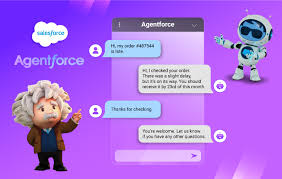
Businesses Face New Challenges: AI as the Key to Better Customer Experiences and EfficiencyModern businesses are under growing pressure to deliver exceptional customer experiences while boosting operational efficiency. To meet these demands, companies are turning to AI-powered solutions at an unprecedented pace. According to Capgemini’s 2024 Report on Harnessing the Value of Generative AI, 82% of organizations plan to integrate autonomous agents into their operations within the next one to three years. Agentforce: Salesforce’s Groundbreaking SolutionDriving this transformation is Salesforce’s Agentforce, launched in late 2024. This cutting-edge platform empowers businesses to build autonomous applications capable of handling customer interactions, automating operational tasks, and enabling employees to focus on strategic priorities. Beyond Chatbots: What Sets Agentforce Apart Unlike traditional chatbots or systems reliant on manual input, Agentforce acts autonomously. It retrieves relevant data, devises actionable plans, and executes tasks seamlessly. Equipped with real-time data capabilities, it adapts dynamically while maintaining compliance with secure, customizable guidelines. Agentforce not only performs tasks efficiently but also ensures contextually relevant and insightful interactions. It transitions tasks to human employees when necessary, providing summarized interactions and actionable recommendations to ensure smooth handoffs. Revolutionizing Customer Service: 24/7 Availability Without Delays Agentforce elevates customer service by engaging with users across various communication channels using natural language. It draws from trusted sources such as CRM systems, internal knowledge bases, and external platforms to deliver accurate and timely responses. For example, customers can use Agentforce to track orders, reschedule appointments, or resolve issues via platforms like WhatsApp or Apple Business Chat. By managing routine inquiries, Agentforce allows human agents to focus on complex, high-empathy issues requiring critical thinking. Supporting Sales Teams: From Lead Nurturing to Closing Deals Sales teams often face time constraints, and Agentforce addresses this by autonomously managing repetitive tasks such as answering product questions, scheduling meetings, and following up with leads. This allows sales professionals to concentrate on high-value deals. Agentforce can also act as an AI sales coach, using CRM data to simulate role-playing scenarios tailored to specific opportunities. This enables sales teams to refine skills like negotiation and objection handling. Notably, organizations that invest in sales coaching report a 16.7% revenue increase, even with minimal managerial input. With Agentforce, this process becomes scalable, offering real-time insights and actionable feedback to enhance performance. Transforming E-Commerce: Personalized Shopping Experiences Agentforce reshapes e-commerce by delivering personalized shopping experiences. Buyer Agents assist customers with natural-language product searches, offering tailored recommendations and enabling conversational reorders via mobile platforms. For returning customers, this creates a seamless, convenient experience. For larger-scale operations, Merchant Agents leverage conversational interfaces to create promotions, analyze store performance, and recommend strategies for improving key metrics. Streamlining Marketing Campaigns with Agentforce Agentforce’s Campaign Agent redefines marketing by automating every stage of the campaign lifecycle. From generating campaign briefs and audience segments to creating personalized content and building customer journeys in Salesforce Flow, the Campaign Agent accelerates workflows with unmatched precision. Using real-time analytics, the Campaign Agent monitors performance and identifies underperforming areas, offering proactive recommendations to optimize campaigns. This eliminates reliance on manual adjustments and ensures campaigns remain agile and effective. Focusing on Strategic Work A key advantage of Agentforce is its ability to handle repetitive tasks, freeing employees to focus on more complex and strategic activities. Whether addressing intricate customer needs, negotiating major deals, or developing innovative strategies, employees can dedicate their energy to driving long-term success. By automating routine processes and providing actionable insights, Agentforce not only enhances operational efficiency but also boosts employee satisfaction. Salesforce’s Bold Vision Salesforce CEO Marc Benioff shared the company’s ambitious goal: “Our vision is to empower one billion agents with Agentforce by the end of 2025. This is what AI is meant to be.” This statement underscores Salesforce’s commitment to delivering transformative AI solutions with tangible impact for businesses worldwide. Like Related Posts AI Automated Offers with Marketing Cloud Personalization AI-Powered Offers Elevate the relevance of each customer interaction on your website and app through Einstein Decisions. Driven by a Read more Salesforce OEM AppExchange Expanding its reach beyond CRM, Salesforce.com has launched a new service called AppExchange OEM Edition, aimed at non-CRM service providers. Read more The Salesforce Story In Marc Benioff’s own words How did salesforce.com grow from a start up in a rented apartment into the world’s Read more Salesforce Jigsaw Salesforce.com, a prominent figure in cloud computing, has finalized a deal to acquire Jigsaw, a wiki-style business contact database, for Read more

Read More
Native Salesforce App to Simplify Event Management

Native Salesforce App to Simplify Event Management

Why a Native Salesforce App Changes Everything Streamlined Event Operations Blackthorn.io’s platform eliminates the need for external integrations by operating entirely within Salesforce. This means event data—registrations, payments, and attendee interactions—is instantly accessible and linked to existing CRM records in real-time. Case in Point: USC Marshall School of Business Facing inefficiencies in manual data entry and registration processes, USC Marshall School adopted Blackthorn.io’s solution. They leveraged branded event pages, automated attendee check-ins, and simplified scaling for admissions events. The Salesforce-native architecture streamlined data analysis, ensuring a single source of truth and improving follow-ups with prospective students. Harnessing Salesforce Data for Personalization Blackthorn.io’s platform empowers organizations to personalize event experiences using CRM data. For example: Traditional event tech systems only pull basic fields into Salesforce. In contrast, Blackthorn.io leverages all standard and custom Salesforce fields, enabling planners to design deeply personalized event experiences. Addressing Integration Challenges Event planners often face inefficiencies caused by integrating third-party platforms with Salesforce, such as data flow disruptions, duplicate management, and delays. Blackthorn.io removes these obstacles by unifying event data with CRM data. This seamless approach enables real-time management of everything from registration to post-event follow-ups, cutting hours of manual work. 🔔🔔  Follow us on LinkedIn  🔔🔔 Applications Across Industries Corporate Events Higher Education Healthcare Nonprofits Associations AI and Automation: Redefining Event Planning Leverage Salesforce AI Blackthorn.io taps into Salesforce’s AI capabilities to deliver advanced insights, such as correlating event attendance with conversion likelihood. This reduces planning time and enhances decision-making. AgentForce AI AgentForce from SalesforceLaunching in 2025, Blackthorn.io’s upcoming AgentForce-based AI will analyze multiple data sources for insights beyond traditional reporting. It will answer questions like, “Which events are most effective for donor acquisition?” Scaling with Personalization Key Features Clients Love The Blackthorn Advantage By operating natively within Salesforce, Blackthorn.io simplifies event management while empowering organizations to deliver personalized, data-driven experiences. Its unified approach to event data eliminates inefficiencies, scales effortlessly, and opens up new opportunities for meaningful engagement across industries. Ready to transform your event management? Discover the power of Blackthorn.io with Tectonic and start planning smarter today. Like Related Posts AI Automated Offers with Marketing Cloud Personalization AI-Powered Offers Elevate the relevance of each customer interaction on your website and app through Einstein Decisions. Driven by a Read more Salesforce OEM AppExchange Expanding its reach beyond CRM, Salesforce.com has launched a new service called AppExchange OEM Edition, aimed at non-CRM service providers. Read more The Salesforce Story In Marc Benioff’s own words How did salesforce.com grow from a start up in a rented apartment into the world’s Read more Salesforce Jigsaw Salesforce.com, a prominent figure in cloud computing, has finalized a deal to acquire Jigsaw, a wiki-style business contact database, for Read more

Read More
Apple's Privacy Changes: A Call for Email Marketing Innovation

Liar Liar Apple on Fire

Apple Developing Update After AI System Generates Inaccurate News Summaries Apple is working on a software update to address inaccuracies generated by its Apple Intelligence system after multiple instances of false news summaries were reported. The BBC first alerted Apple in mid-December to significant errors in the system, including a fabricated summary that falsely attributed a statement to BBC News. The summary suggested Luigi Mangione, accused of killing United Healthcare CEO Brian Thompson, had shot himself, a claim entirely unsubstantiated. Other publishers, such as ProPublica, also raised concerns about Apple Intelligence producing misleading summaries. While Apple did not respond immediately to the BBC’s December report, it issued a statement after pressure mounted from groups like the National Union of Journalists and Reporters Without Borders, both of which called for the removal of Apple Intelligence. Apple assured stakeholders it is working to refine the technology. A Widespread AI Issue: Hallucinations Apple joins the ranks of other AI vendors struggling with generative AI hallucinations—instances where AI produces false or misleading information. In October 2024, Perplexity AI faced a lawsuit from Dow Jones & Co. and the New York Post over fabricated news content attributed to their publications. Similarly, Google had to improve its AI summaries after providing users with inaccurate information. On January 16, Apple temporarily disabled AI-generated summaries for news apps on iPhone, iPad, and Mac devices. The Core Problem: AI Hallucination Chirag Shah, a professor of Information Science at the University of Washington, emphasized that hallucination is inherent to the way large language models (LLMs) function. “The nature of AI models is to generate, synthesize, and summarize, which makes them prone to mistakes,” Shah explained. “This isn’t something you can debug easily—it’s intrinsic to how LLMs operate.” While Apple plans to introduce an update that clearly labels summaries as AI-generated, Shah believes this measure falls short. “Most people don’t understand how these headlines or summaries are created. The responsible approach is to pause the technology until it’s better understood and mitigation strategies are in place,” he said. Legal and Brand Implications for Apple The hallucinated summaries pose significant reputational and legal risks for Apple, according to Michael Bennett, an AI adviser at Northeastern University. Before launching Apple Intelligence, the company was perceived as lagging in the AI race. The release of this system was intended to position Apple as a leader. Instead, the inaccuracies have damaged its credibility. “This type of hallucinated summarization is both an embarrassment and a serious legal liability,” Bennett said. “These errors could form the basis for defamation claims, as Apple Intelligence misattributes false information to reputable news sources.” Bennett criticized Apple’s seemingly minimal response. “It’s surprising how casual Apple’s reaction has been. This is a major issue for their brand and could expose them to significant legal consequences,” he added. Opportunity for Publishers The incident highlights the need for publishers to protect their interests when partnering with AI vendors like Apple and Google. Publishers should demand stronger safeguards to prevent false attributions and negotiate new contractual clauses to minimize brand risk. “This is an opportunity for publishers to lead the charge, pushing AI companies to refine their models or stop attributing false summaries to news sources,” Bennett said. He suggested legal action as a potential recourse if vendors fail to address these issues. Potential Regulatory Action The Federal Trade Commission (FTC) may also scrutinize the issue, as consumers paying for products like iPhones with AI capabilities could argue they are not receiving the promised service. However, Bennett believes Apple will likely act to resolve the problem before regulatory involvement becomes necessary. Like Related Posts AI Automated Offers with Marketing Cloud Personalization AI-Powered Offers Elevate the relevance of each customer interaction on your website and app through Einstein Decisions. Driven by a Read more Salesforce OEM AppExchange Expanding its reach beyond CRM, Salesforce.com has launched a new service called AppExchange OEM Edition, aimed at non-CRM service providers. Read more The Salesforce Story In Marc Benioff’s own words How did salesforce.com grow from a start up in a rented apartment into the world’s Read more Salesforce Jigsaw Salesforce.com, a prominent figure in cloud computing, has finalized a deal to acquire Jigsaw, a wiki-style business contact database, for Read more

Read More
Speed to Launch of Agentforce

Speed to Launch of Agentforce

Agentforce isn’t just another AI platform that requires months of customization. At most customers, they quickly saw its power, launching transformative generative AI experiences in just days—no AI engineers needed. For companies with larger admin teams, the benefits can be even greater. Unlike other platforms, Agentforce places a strong emphasis on data privacy, building on the trust that Salesforce is known for, making these virtual assistants invaluable. We began with employee-facing use cases, saving our team several hours per week. Now, with Agentforce, we’re seeing even more opportunities to drive efficiencies and better serve our customers. “We’re excited to leverage Agentforce to completely overhaul recruitment and enrollment at Unity Environmental University. Instead of traditional forms or chatbots, our students will soon engage with an autonomous recruitment agent directly on our website, offering personalized support throughout the college application process.”– Dr. Melik Khoury, President & CEO, Unity Environmental University “For first-generation college students, the 1:385 coach-to-student ratio makes personalized guidance challenging. By integrating Agentforce into our platform, we’re deploying cutting-edge solutions to better support students. These agents enable our coaches to focus on high-touch, personalized experiences while handling vital tasks like sharing deadlines and answering common questions—24/7.”– Siva Kumari, CEO, College Possible “Agentforce offers organizations a unique opportunity to move beyond incremental improvements and achieve exponential ROI. By automating customer interactions, improving outcomes, and reducing costs, it integrates data, flows, and user interfaces to mitigate risks and accelerate value creation. This agent-based platform approach allows businesses to harness AI’s full potential, revolutionizing customer engagement and paving the way for exponential growth.”– Rebecca Wettemann, CEO and Principal Analyst, Valoir “Autonomous agents powered by Salesforce’s Agentforce are revolutionizing customer experiences by providing fast, accurate, and personalized support around the clock. With advanced AI making decisions and taking actions autonomously, businesses can resolve customer issues more efficiently, fostering deeper interactions and enhancing satisfaction. This innovation enables companies to reallocate human resources to more complex tasks, boosting individual productivity and scaling business growth. Agentforce is setting new standards for seamless sales, service, marketing, and commerce interactions, reinforcing its leadership in customer experience.”– Michael Fauscette, CEO and Chief Analyst, Arion Research LLC “The best way to predict the future is to invent it.” — Alan Kay, Computer Science Pioneer Technology progresses in what biologists call punctuated equilibrium, with new capabilities slowly emerging from labs and tinkerers until a breakthrough shifts the axis of possibility. These pioneering feats create new paradigms, unleashing waves of innovation—much like the Apple Macintosh, the iPhone, and the Salesforce Platform, which revolutionized the enterprise software-as-a-service (SaaS) model and sparked an entire industry. The Age of Agentforce Begins At Dreamforce 2024, Salesforce Futures reflected on the launch of Agentforce, inspired by visions like the Apple Knowledge Navigator. In 2023, we used this inspiration to craft our Salesforce 2030 film, which showcased the collaboration between humans and autonomous AI agents. Now, with Agentforce, we’re witnessing that vision come to life. Agentforce is a suite of customizable AI agents and tools built on the Salesforce Platform, offering an elegant solution to the complexity of AI deployment. It addresses the challenges of integrating data, models, infrastructure, and applications into a unified system. With powerful tools like Agent Builder and Model Builder, organizations can easily create, customize, and deploy AI agents. Salesforce’s Atlas Reasoning Engine empowers these agents to handle both routine and complex tasks autonomously. A New Era of AI Innovation At Dreamforce 2024, over 10,000 attendees raced to build their own agents using the “Agent Builder” experience, turning verbal instructions into fully functioning agents in under 15 minutes. This wasn’t just another chatbot—it’s a new breed of AI that could transform how businesses operate and deliver superior customer experiences. Companies like Saks, OpenTable, and Wiley have quickly embraced this technology. As Mick Costigan and David Berthy of Salesforce Futures explain, “When we see signals like this, it pushes us toward the future. Soon, we’ll see complex, multi-agent systems solving higher-order challenges, both in the enterprise and in consumer devices.” Shaping the Future Agentforce isn’t just a product—it’s a platform for experimentation. With hundreds of thousands of Salesforce customers soon gaining access, the full potential of these tools will unfold in ways we can’t yet imagine. As with every major technological shift, the real magic will lie in how people use it. Every interaction, every agent deployed, and every problem solved will shape the future in unexpected ways. Platform Evolution Adam Evans, Salesforce SVP of Product, notes that Agentforce builds on the company’s transformation over the past four years, following the pattern of Salesforce’s original disruption of enterprise software. Unlike traditional solutions, Agentforce eliminates the need for customers to build their own AI infrastructure, providing a ready-to-use solution. At the core of Agentforce is the Atlas Reasoning Engine, delivering results that are twice as relevant and 33% more accurate than competing solutions. This engine integrates Salesforce Data Cloud, Flow for automation, and the Einstein Trust Layer for governance. Early Customer Results Early Agentforce deployments highlight how organizations are using autonomous agents to enhance, rather than replace, human workers: George Pokorny, Senior VP of Global Customer Success at OpenTable, shared, “Just saving two minutes on a ten-minute call lets our service reps focus on strengthening customer relationships, thanks to seamless integration with Service Cloud, giving us a unified view of diner preferences and history.” Like Related Posts AI Automated Offers with Marketing Cloud Personalization AI-Powered Offers Elevate the relevance of each customer interaction on your website and app through Einstein Decisions. Driven by a Read more Salesforce OEM AppExchange Expanding its reach beyond CRM, Salesforce.com has launched a new service called AppExchange OEM Edition, aimed at non-CRM service providers. Read more The Salesforce Story In Marc Benioff’s own words How did salesforce.com grow from a start up in a rented apartment into the world’s Read more Salesforce Jigsaw Salesforce.com, a prominent figure in cloud computing, has finalized a deal to acquire Jigsaw, a wiki-style business contact database, for Read more

Read More
Salesforce Omni-Channel

Salesforce Channels

Channels Email Messaging Voice Open CTI Social Media Chat Channel Tools Email Updates Messaging Enhancements Voice Improvements Social Media Chat Updates Other Channel Tools These updates enhance the messaging, email, voice, and chat experiences, streamlining agent workflows, improving customer interactions, and providing greater customization. Like Related Posts AI Automated Offers with Marketing Cloud Personalization AI-Powered Offers Elevate the relevance of each customer interaction on your website and app through Einstein Decisions. Driven by a Read more Salesforce OEM AppExchange Expanding its reach beyond CRM, Salesforce.com has launched a new service called AppExchange OEM Edition, aimed at non-CRM service providers. Read more The Salesforce Story In Marc Benioff’s own words How did salesforce.com grow from a start up in a rented apartment into the world’s Read more Salesforce Jigsaw Salesforce.com, a prominent figure in cloud computing, has finalized a deal to acquire Jigsaw, a wiki-style business contact database, for Read more

Read More
gettectonic.com