The Modern Data Warehouse
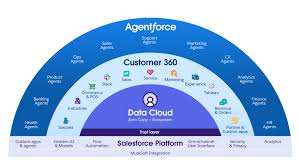
The Modern Data Warehouse: Powering Smarter Business Decisions What is a Data Warehouse? A data warehouse is a centralized repository that aggregates structured data from multiple business systems – including CRM platforms, POS systems, marketing automation tools, and operational databases. Unlike transactional databases, data warehouses are specifically designed for analysis and business intelligence, serving as an organization’s single source of truth for historical and aggregated data. Data Warehouse vs Database: Key Differences Feature Data Warehouse (OLAP) Database (OLTP) Primary Purpose Analyzing aggregated historical data Processing real-time transactions Data Structure Multidimensional models for complex analysis Simple tables for efficient transactions Performance Minutes for complex queries Milliseconds for transactions Scalability Highly scalable for large datasets Limited by transactional needs Typical Users Business analysts, executives Frontline staff, operational teams Example: A retail chain uses OLTP databases to process customer purchases in real-time, while their data warehouse analyzes monthly sales trends across regions. Beyond Traditional Warehousing: Data Lakes & Lakehouses Modern data ecosystems often combine multiple approaches: Key Benefits of Modern Data Warehousing Essential Components of a Data Warehouse Modern Deployment Options Type Pros Best For Cloud Data Warehouse Scalable, cost-effective, AI-ready Most modern businesses On-Premises Complete control, high security Regulated industries Hybrid Balance of control and flexibility Enterprises with legacy systems Data Warehouse Appliances Turnkey hardware/software combos Medium-sized businesses Implementation Best Practices The Future is Cloud-Native With the global big data analytics market projected to exceed 4 billion by 2032, cloud data warehouses are becoming the standard due to their: Example: Salesforce Data Cloud unifies customer data across touchpoints, enabling personalized experiences powered by trusted AI models. Conclusion In today’s data-driven landscape, modern data warehouses transform raw information into strategic assets. By breaking down data silos and enabling advanced analytics, they empower organizations to: Whether implementing a first warehouse or modernizing existing infrastructure, the key lies in choosing flexible, scalable solutions that grow with your business needs while providing actionable insights at speed. Like Related Posts Who is Salesforce? Who is Salesforce? Here is their story in their own words. From our inception, we’ve proudly embraced the identity of Read more Salesforce Marketing Cloud Transactional Emails Salesforce Marketing Cloud Transactional Emails are immediate, automated, non-promotional messages crucial to business operations and customer satisfaction, such as order Read more Salesforce Unites Einstein Analytics with Financial CRM Salesforce has unveiled a comprehensive analytics solution tailored for wealth managers, home office professionals, and retail bankers, merging its Financial Read more AI-Driven Propensity Scores AI plays a crucial role in propensity score estimation as it can discern underlying patterns between treatments and confounding variables Read more