Salesforce Health and Life Sciences Solutions Archives - gettectonic.com
Analytics tools like Einstein Analytics can identify patterns and trends in patient data, helping healthcare providers optimize workflows and improve the effectiveness of care delivery.

Cigna Enhances Member Experience with AI-Powered Digital Tools

Cigna is introducing a suite of AI-driven digital features designed to simplify healthcare navigation for its members. These innovations—focused on benefits verification, cost estimation, and provider matching—aim to address gaps in digital experience for commercial and Medicare Advantage plan users. Developed under a robust AI governance framework, the tools will roll out gradually via the myCigna member portal. Key Features Additional Support Initiatives By integrating these tools, Cigna aims to reduce friction in healthcare access while delivering a more intuitive, transparent member experience. Like Related Posts AI Automated Offers with Marketing Cloud Personalization AI-Powered Offers Elevate the relevance of each customer interaction on your website and app through Einstein Decisions. Driven by a Read more Salesforce OEM AppExchange Expanding its reach beyond CRM, Salesforce.com has launched a new service called AppExchange OEM Edition, aimed at non-CRM service providers. Read more The Salesforce Story In Marc Benioff’s own words How did salesforce.com grow from a start up in a rented apartment into the world’s Read more Salesforce Jigsaw Salesforce.com, a prominent figure in cloud computing, has finalized a deal to acquire Jigsaw, a wiki-style business contact database, for Read more

Read More
health and life sciences

Why B2C Experience Platforms Are the Next Big Investment

The Digital Healthcare Revolution: Why B2C Experience Platforms Are the Next Big Investment The healthcare sector is in the midst of a digital transformation revolution, with Business-to-Consumer (B2C) Digital Experience Platforms (DXPs) emerging as the dominant force for positive patient outcomes. Projected to grow at a 13.9% CAGR through 2030, these platforms are redefining patient engagement through AI-powered personalization, IoT integration, and cloud-based interoperability. For investors, this represents a generational opportunity—particularly in market leaders Adobe (ADBE), Microsoft (MSFT), and Salesforce (CRM)—as healthcare shifts from facility-centric to patient-first digital ecosystems. But this is not an investing article. It is an insight based on growth potential of the top Digital Experience Platform players. Why B2C DXPs Are Disrupting Healthcare The traditional healthcare model—reactive, fragmented, and provider-controlled—is being replaced by on-demand, data-driven patient experiences. B2C DXPs sit at the center of this shift by offering: ✔ Hyper-personalized care journeys – AI-driven platforms like Innovaccer’s HXP and Salesforce Health Cloud deliver tailored treatment plans, automated medication adherence tools, and condition-specific education. ✔ Seamless wearables/IoT integration – Real-time data from smartwatches, glucose monitors, and remote patient monitoring (RPM) devices enable preventive care and reduce hospital readmissions. ✔ Unified patient portals – A single digital front door for EHR access, telehealth visits, billing, and provider messaging—reducing friction in care delivery. North America leads adoption, but Asia-Pacific is the fastest-growing market, fueled by aging populations and government telehealth investments. The Winning Formula: AI + Cloud Scalability The most successful DXPs combine AI/ML intelligence with cloud infrastructure—a segment already commanding 63.7% market share. Key advantages: 🔹 Cost efficiency – Pay-as-you-go cloud models eliminate legacy IT costs.🔹 Regulatory compliance – Built-in HIPAA/GDPR adherence ensures data security.🔹 Interoperability – Open APIs connect EHRs, wearables, and third-party apps seamlessly. Microsoft’s Azure Healthcare APIs and Salesforce Health Cloud are already powering AI-driven patient engagement at scale, while Adobe Experience Cloud dominates personalized content delivery. Salesforce (CRM) – The Patient Engagement Leader Risks & Mitigations ⚠ Regulatory complexity – HIPAA/GDPR compliance requires ongoing investment (mitigated by cloud providers’ built-in security).⚠ EHR fragmentation – Legacy systems may slow interoperability (offset by FHIR API adoption).⚠ Competition – Startups like Innovaccer are innovating quickly (but lack scale of MSFT, CRM, ADBE). Bottom Line: The Time to Act Is Now The .3B DXP healthcare market by 2030 is just the beginning. With telehealth adoption up 70% post-pandemic and 416M connected health devices expected by 2030, patient demand for seamless digital experiences will only accelerate. Adobe, Microsoft, and Salesforce are not just tech stocks—they’re the infrastructure of healthcare’s digital future. Health care payers and providers who recognize this shift early will capitalize on a decade of growth. Data: Vision Research Reports, Grand View Research, company filings. Like Related Posts AI Automated Offers with Marketing Cloud Personalization AI-Powered Offers Elevate the relevance of each customer interaction on your website and app through Einstein Decisions. Driven by a Read more Salesforce OEM AppExchange Expanding its reach beyond CRM, Salesforce.com has launched a new service called AppExchange OEM Edition, aimed at non-CRM service providers. Read more The Salesforce Story In Marc Benioff’s own words How did salesforce.com grow from a start up in a rented apartment into the world’s Read more Salesforce Jigsaw Salesforce.com, a prominent figure in cloud computing, has finalized a deal to acquire Jigsaw, a wiki-style business contact database, for Read more

Read More
Tools to Liberate Salesforce Data

How To Unlock the Superpowers of a CRM

Want to learn how Salesforce CRM can help you create more efficient processes, reduce costs, and raise customer satisfaction? Download your free copy of our e-book to learn more. Like Related Posts AI Automated Offers with Marketing Cloud Personalization AI-Powered Offers Elevate the relevance of each customer interaction on your website and app through Einstein Decisions. Driven by a Read more Salesforce OEM AppExchange Expanding its reach beyond CRM, Salesforce.com has launched a new service called AppExchange OEM Edition, aimed at non-CRM service providers. Read more The Salesforce Story In Marc Benioff’s own words How did salesforce.com grow from a start up in a rented apartment into the world’s Read more Salesforce Jigsaw Salesforce.com, a prominent figure in cloud computing, has finalized a deal to acquire Jigsaw, a wiki-style business contact database, for Read more

Read More
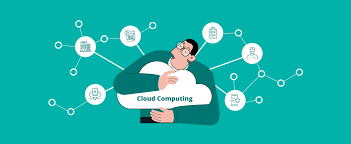
Healthcare Cloud Computing

How Salesforce Health Cloud is Transforming Modern Hospitals

The healthcare industry faces unprecedented challenges: delivering personalized patient care, maintaining strict compliance, and optimizing operational efficiency—all while managing complex data ecosystems. Salesforce Health Cloud has won as a leading solution, empowering hospitals to meet these demands through intelligent, integrated technology. Here’s why forward-thinking healthcare organizations are adopting Health Cloud—and how it’s reshaping hospital operations. 1. Personalized Patient Engagement Today’s patients expect seamless, consumer-grade experiences from their healthcare providers. Salesforce Health Cloud enables hospitals to:✔ Deliver mobile-responsive patient portals for easy access to records and appointments.✔ Automate personalized follow-ups (e.g., medication reminders, post-visit surveys).✔ Tailor communication based on patient history and preferences. Why it matters: Engaged patients adhere better to treatment plans and report higher satisfaction—key drivers of improved outcomes. 2. Seamless Care Team Coordination Fragmented care—where specialists, nurses, and administrators work in silos—leads to inefficiencies and errors. Health Cloud connects all stakeholders on a unified platform, enabling:✔ Real-time collaboration across departments.✔ Centralized patient histories (no more chasing down records).✔ Automated task assignments and progress tracking. Why it matters: Coordinated care reduces redundancies, improves accuracy, and elevates patient trust. 3. AI-Powered Decision-Making Health Cloud goes beyond data storage—it turns information into actionable intelligence with:✔ Real-time analytics on treatment outcomes, readmission risks, and patient satisfaction.✔ Predictive tools to identify high-risk patients before complications arise.✔ Custom dashboards for performance tracking at every level. Why it matters: Data-driven decisions lead to better resource allocation, fewer errors, and higher-quality care. 4. Unified Patient Data Management Hospitals juggle EHRs, lab systems, billing software, and more—often with no integration. Health Cloud consolidates all data into a single source of truth, offering:✔ A 360-degree patient view (medical history, appointments, insurance, social determinants of health).✔ Secure, instant access for authorized providers.✔ Reduced manual entry and duplicate records. Why it matters: Disjointed data causes delays and mistakes. Centralization improves efficiency and patient safety. 5. Built-In HIPAA Compliance & Security Healthcare data breaches cost millions and erode trust. Health Cloud provides:✔ Enterprise-grade encryption and access controls.✔ Audit trails for all data interactions.✔ Pre-configured HIPAA-compliant workflows. Why it matters: Compliance isn’t optional. Health Cloud protects sensitive data without sacrificing usability. 6. Scalability for Future Growth Whether expanding services, adding telehealth, or integrating new EHRs, Health Cloud adapts effortlessly thanks to:✔ Open APIs for seamless interoperability.✔ Modular design to add features as needs evolve.✔ Cloud-based flexibility to scale across locations. Why it matters: Healthcare never stands still. A future-proof system ensures long-term success. 7. Operational Efficiency & Cost Savings Administrative waste drains hospital resources. Health Cloud automates routine tasks, including:✔ Appointment scheduling and reminders.✔ Referral management and prior authorizations.✔ Case management workflows. Why it matters: Streamlined operations cut costs, reduce staff burnout, and improve patient throughput. The Bottom Line Salesforce Health Cloud isn’t just another IT tool—it’s a strategic asset that bridges the gap between patient care and operational excellence. Hospitals leveraging its full potential see:✅ Higher patient satisfaction (through personalized engagement).✅ Stronger care team alignment (breaking down silos).✅ Smarter decision-making (powered by AI and analytics).✅ Lower compliance risks (with built-in security). As healthcare evolves, the hospitals that thrive will be those that embrace connected, intelligent platforms like Health Cloud. The question isn’t if to adopt it—but how soon your organization can start reaping the benefits. Ready to transform your hospital’s operations? Salesforce Health Cloud is the proven solution for healthcare’s toughest challenges. Contact Tectonic to learn more. Like Related Posts AI Automated Offers with Marketing Cloud Personalization AI-Powered Offers Elevate the relevance of each customer interaction on your website and app through Einstein Decisions. Driven by a Read more Salesforce OEM AppExchange Expanding its reach beyond CRM, Salesforce.com has launched a new service called AppExchange OEM Edition, aimed at non-CRM service providers. Read more The Salesforce Story In Marc Benioff’s own words How did salesforce.com grow from a start up in a rented apartment into the world’s Read more Salesforce Jigsaw Salesforce.com, a prominent figure in cloud computing, has finalized a deal to acquire Jigsaw, a wiki-style business contact database, for Read more

Read More
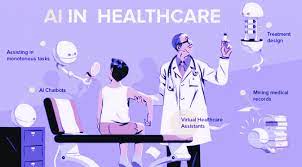
Salesforce Healthcare and AI

AI-Powered Maternal Care

AI-Powered Maternal Care: How Illinois is Tackling the Maternal Health Crisis with Nurse Avery The Maternal Health Emergency in America The U.S. maternal health crisis continues to worsen, with 18.6 deaths per 100,000 live births in 2023 (CDC). The disparities are even starker: Black mothers are three times more likely to die from pregnancy-related causes than white mothers. The root causes?✔ Provider shortages – Not enough OB-GYNs, especially in underserved areas.✔ Lack of proactive care – Many mothers don’t receive consistent check-ins.✔ Social determinants of health (SDOH) – Food deserts, transportation barriers, and digital divides limit access. The Solution: An AI Nurse Named Avery To combat this, Drive Health, Google Public Sector, and the State of Illinois are launching Healthy Baby, a pilot program in Cook County deploying Nurse Avery—an agentic AI-powered nurse designed to provide 24/7 maternal support. I’m a mom. Been a mom so long my children have children. I’m also a lover of technology. But it is hard to fathom that calm soothing voice of a nurse or doctor on the other end of the phone line when you don’t know what is going on with your pregnancy. So Avery has me very intrigued. How It Works Why This Matters 1. Addressing Provider Shortages 2. Proactive Care Saves Lives & Money 3. Breaking Down Barriers The Road Ahead A Vision for Equitable Care “Everyone should have access to equitable care—healthy babies, healthy mothers, and safe births, no matter their zip code.”—James F. Clayborne Jr., Former Illinois State Senator The Bottom Line Maternal healthcare is broken—but AI can help fix it. The question is no longer if AI belongs in healthcare—but how fast we can scale it to save lives. I’m convinced. And more than a little excited that my future grandkids might be carried with this technology! By Tectonic’s Marketing Operations Director, Shannan Hearne Like Related Posts AI Automated Offers with Marketing Cloud Personalization AI-Powered Offers Elevate the relevance of each customer interaction on your website and app through Einstein Decisions. Driven by a Read more Salesforce OEM AppExchange Expanding its reach beyond CRM, Salesforce.com has launched a new service called AppExchange OEM Edition, aimed at non-CRM service providers. Read more The Salesforce Story In Marc Benioff’s own words How did salesforce.com grow from a start up in a rented apartment into the world’s Read more Salesforce Jigsaw Salesforce.com, a prominent figure in cloud computing, has finalized a deal to acquire Jigsaw, a wiki-style business contact database, for Read more

Read More
Outcome Management

Outcome Management

Outcome Management: The Future of Impact Measurement A Paradigm Shift in Organizational Performance Tracking Outcome Management represents a fundamental transformation in how organizations define, measure, and achieve their strategic objectives. This revolutionary approach moves beyond traditional output metrics to create a unified system for tracking real-world impact across all programs and initiatives. Why Outcome Management Matters Now Core Capabilities of Outcome Management 1. Strategic Impact Architecture Example Framework: text Copy Download [Impact Strategy] → [Outcome Group] → [Outcome] → [Indicator] → [Result] 2. Holistic Performance Visualization 3. Integrated Measurement System Key Components Element Function Business Value Impact Strategies Group related outcomes Aligns with strategic plans/logic models Outcome Activities Link efforts to outcomes Shows which programs drive impact Indicator Definitions Standardized metrics Enables cross-program comparison Performance Periods Time-bound tracking Measures progress toward goals Implementation Roadmap Proven Impact Organizations using Outcome Management report: Getting Started For Implementation Teams: For Executives: “What gets measured gets managed—but only if measurement connects to real change. Outcome Management finally bridges that gap.”— Harvard Business Review, 2024 Like Related Posts AI Automated Offers with Marketing Cloud Personalization AI-Powered Offers Elevate the relevance of each customer interaction on your website and app through Einstein Decisions. Driven by a Read more Salesforce OEM AppExchange Expanding its reach beyond CRM, Salesforce.com has launched a new service called AppExchange OEM Edition, aimed at non-CRM service providers. Read more The Salesforce Story In Marc Benioff’s own words How did salesforce.com grow from a start up in a rented apartment into the world’s Read more Salesforce Jigsaw Salesforce.com, a prominent figure in cloud computing, has finalized a deal to acquire Jigsaw, a wiki-style business contact database, for Read more

Read More
Analytics tools like Einstein Analytics can identify patterns and trends in patient data, helping healthcare providers optimize workflows and improve the effectiveness of care delivery.

AgentForce and Healthcare

The AI Agent Revolution in Healthcare The healthcare industry is undergoing a seismic shift with the emergence of autonomous AI agents. Salesforce’s Agentforce, launched in September 2024, is at the forefront of this transformation, introducing intelligent, action-oriented AI agents specifically designed for healthcare’s complex ecosystem. Unlike conventional chatbots or virtual assistants, Agentforce agents can:✅ Analyze and reason through multi-step clinical workflows✅ Securely access and act on EHRs, payer systems, and operational databases✅ Execute decisions with human-like judgment but machine efficiency With 42% of health systems already reporting ROI from AI implementations, Agentforce promises to amplify these benefits by reducing administrative burdens by up to 30% while improving both provider satisfaction and patient outcomes. Agentforce in Action: Transforming Healthcare Operations Out-of-the-Box Healthcare Capabilities Agentforce comes pre-configured with specialized healthcare skills: Case Study: Prior Authorization Revolution Current Reality:❌ 16-minute average staff time per auth request❌ 38% initial denial rate due to missing information❌ 72-hour average processing time With Agentforce:✔ AI completes 89% of auths autonomously in <90 seconds✔ 92% first-pass approval rate✔ Full documentation auto-filed in EHR Impact: $2.3M annual savings per 200-bed hospital + faster treatment initiation Enterprise-Grade Healthcare AI Built for Trust Custom AI That Adapts to Your Workflows The Tectonic Trust Framework We extend Salesforce’s Einstein Trust Layer with:🔒 Military-grade encryption for PHI at rest/in transit🛡️ AI Governance Console for compliance monitoring⚖️ Explainable AI with decision audit trails Your Agentforce Implementation Partner: Tectonic Implementing healthcare AI requires deep domain expertise. Tectonic’s certified team delivers: The Road Ahead: AI’s Evolving Role in Healthcare Critical Success Factor:Interoperability maturity will separate leaders from laggards. Systems with API-first architectures will unlock 3-5x more AI value. The Time to Act is Now Agentforce represents healthcare’s single largest automation opportunity since EHR adoption, but success requires:🔹 Strategic prioritization of high-value use cases🔹 Architectural readiness for AI integration🔹 Ongoing optimization as models and regulations evolve Forward-thinking health systems are already achieving: Like Related Posts AI Automated Offers with Marketing Cloud Personalization AI-Powered Offers Elevate the relevance of each customer interaction on your website and app through Einstein Decisions. Driven by a Read more Salesforce OEM AppExchange Expanding its reach beyond CRM, Salesforce.com has launched a new service called AppExchange OEM Edition, aimed at non-CRM service providers. Read more The Salesforce Story In Marc Benioff’s own words How did salesforce.com grow from a start up in a rented apartment into the world’s Read more Salesforce Jigsaw Salesforce.com, a prominent figure in cloud computing, has finalized a deal to acquire Jigsaw, a wiki-style business contact database, for Read more

Read More

AdventHealth Pioneers AI-Powered Denials Prevention Strategy

Transforming Denials Management from Reactive to Proactive While many health systems struggle with claim denial rates as high as 20%, AdventHealth is taking an innovative approach—using artificial intelligence to prevent denials before they occur. The Florida-based health system has implemented AI-driven tools that analyze medical documentation for potential issues prior to claim submission, creating a more efficient revenue cycle and better patient experience. “By identifying documentation gaps early, we’re able to address them before they become claim denials,” said Dr. Christopher Riccard, Vice President of Hospital Medicine and Clinical Documentation Integrity at AdventHealth. “This proactive approach helps us reduce delays and confusion for patients while protecting our revenue stream.” The High Cost of Claim Denials Claim denials represent more than just an administrative headache: “Denials don’t just hurt hospitals—they impact patients directly,” Riccard emphasized. “Our goal is to ensure accurate, timely billing so patients understand their financial responsibility without unnecessary delays.” How AI Prevents Denials Before They Happen AdventHealth’s partnership with Iodine Software has yielded a cutting-edge solution: Key results include: Building an Intelligent Revenue Cycle Ecosystem AdventHealth views AI-powered denials prevention as just the beginning. The health system is exploring broader applications of AI across the revenue cycle: Emerging Technologies in Action Human-Centered Implementation Riccard stresses that technology alone isn’t the solution: “Success requires thoughtful integration into existing workflows. We worked closely with our clinical teams to ensure these tools actually solve real problems rather than create new ones.” The Future of Revenue Cycle Management AdventHealth’s strategy represents a paradigm shift in healthcare finance: As Riccard notes: “Our ultimate goal is creating a self-correcting revenue cycle that supports both financial health and patient experience—where potential issues are identified and resolved almost before they emerge.” The health system’s approach demonstrates how AI, when implemented strategically, can transform one of healthcare’s most persistent challenges into an opportunity for improvement across clinical, financial, and patient experience domains. Like Related Posts AI Automated Offers with Marketing Cloud Personalization AI-Powered Offers Elevate the relevance of each customer interaction on your website and app through Einstein Decisions. Driven by a Read more Salesforce OEM AppExchange Expanding its reach beyond CRM, Salesforce.com has launched a new service called AppExchange OEM Edition, aimed at non-CRM service providers. Read more The Salesforce Story In Marc Benioff’s own words How did salesforce.com grow from a start up in a rented apartment into the world’s Read more Salesforce Jigsaw Salesforce.com, a prominent figure in cloud computing, has finalized a deal to acquire Jigsaw, a wiki-style business contact database, for Read more

Read More
Analytics tools like Einstein Analytics can identify patterns and trends in patient data, helping healthcare providers optimize workflows and improve the effectiveness of care delivery.

Zulekha Healthcare Group Accelerates Digital Transformation with Salesforce

Dubai, UAE – Zulekha Healthcare Group, one of the UAE’s largest private healthcare networks, is taking a major leap in digital innovation by adopting Salesforce Health Cloud and Marketing Cloud to enhance patient care and operational efficiency. A Legacy of Healthcare Excellence Founded in 1964, Zulekha Healthcare Group operates:🏥 Two multidisciplinary hospitals (Dubai & Sharjah)🏨 Two medical centers & five pharmacies⚕️ 285+ beds, 300+ doctors, and 600+ nursing staff🩺 30+ specialized medical disciplines The group also runs a smart medical fitness center, offering visa-related health assessments, vaccinations, and occupational health certifications—serving both residents and visitors in the UAE. Why Salesforce? Driving the Future of Patient-Centric Care With ambitious expansion plans, Zulekha sought a scalable, AI-powered CRM to: ✔ Unify patient data – Consolidating interactions from in-person visits, calls, emails, and messaging into a single 360° patient profile✔ Enhance engagement – Delivering personalized, automated communications via Marketing Cloud✔ Reduce missed appointments – Improving adherence to care plans through smarter scheduling and reminders✔ Boost operational efficiency – Streamlining workflows by integrating with existing ERP & EMR systems Leadership Perspectives: A Digital-First Vision Taher Shams, Managing Director, Zulekha Healthcare Group, emphasized: “Our mission is to make healthcare more accessible through innovation. Salesforce’s AI-driven solutions will help us elevate patient experiences, optimize operations, and reinforce our commitment to the UAE’s healthcare leadership.” Amit Khanna, SVP & GM, Salesforce Health, added: “Personalized care starts with deeper patient insights. We’re proud to partner with Zulekha and explore how AI can further enhance engagement and treatment outcomes.” The Road Ahead: AI, Growth & Seamless Care The integration positions Zulekha to leverage predictive analytics, automation, and AI—paving the way for:🔹 Smarter patient outreach🔹 Data-driven treatment plans🔹 Expansion across the UAE By embracing cloud-based, intelligent healthcare, Zulekha is setting a new standard for patient-first, digitally empowered care in the region. About Zulekha Healthcare GroupA pioneer in UAE healthcare, Zulekha Healthcare Group has served communities for nearly 60 years, offering specialized treatments, cutting-edge technology, and compassionate care across its network. Like Related Posts AI Automated Offers with Marketing Cloud Personalization AI-Powered Offers Elevate the relevance of each customer interaction on your website and app through Einstein Decisions. Driven by a Read more Salesforce OEM AppExchange Expanding its reach beyond CRM, Salesforce.com has launched a new service called AppExchange OEM Edition, aimed at non-CRM service providers. Read more The Salesforce Story In Marc Benioff’s own words How did salesforce.com grow from a start up in a rented apartment into the world’s Read more Salesforce Jigsaw Salesforce.com, a prominent figure in cloud computing, has finalized a deal to acquire Jigsaw, a wiki-style business contact database, for Read more

Read More
The Promise of AI in Health Outcomes

10 AI Healthcare Trends Shaping the Future

10 AI Healthcare Trends Shaping the Future (2025 & Beyond) Artificial intelligence is transforming healthcare at an unprecedented pace. With a projected 49% CAGR through 2030 (MarketsandMarkets) and generative AI accelerating innovation, hospitals, clinics, and insurers are integrating AI into clinical workflows, diagnostics, and operations. Here are the 10 biggest AI healthcare trends to watch: 1. AI Chatbots for Patient Engagement “AI chatbots cut our call center volume by 30% while improving response times.” —Jordan Archer, COO, Tryon Medical Partners 2. AI-Powered Clinical Documentation 3. Unstructured Data Analysis 4. AI Radiology & Imaging Assistants 5. Robotic Surgery & Automation 6. AI in Physical Therapy 7. AI-Generated Fitness & Wellness Plans 8. Automated Revenue Cycle Management 9. Predictive Supply Chain Optimization 10. AI-Driven Business Strategy Challenges: Equity & Adoption While AI offers immense potential, smaller clinics and rural hospitals risk falling behind due to: “We must ensure equitable access—AI shouldn’t just benefit large health systems.” —Dr. Margaret Lozovatsky, AMA The Future of AI in Healthcare ✅ 2025-2030: AI becomes standard in EHRs, diagnostics, and surgery✅ Generative AI drafts treatment plans, research papers, and insurance appeals✅ Regulatory frameworks evolve to ensure safety & fairness Bottom Line: AI isn’t replacing doctors—it’s empowering them to work smarter, faster, and more precisely. Which trend will impact your organization most? Like Related Posts AI Automated Offers with Marketing Cloud Personalization AI-Powered Offers Elevate the relevance of each customer interaction on your website and app through Einstein Decisions. Driven by a Read more Salesforce OEM AppExchange Expanding its reach beyond CRM, Salesforce.com has launched a new service called AppExchange OEM Edition, aimed at non-CRM service providers. Read more The Salesforce Story In Marc Benioff’s own words How did salesforce.com grow from a start up in a rented apartment into the world’s Read more Salesforce Jigsaw Salesforce.com, a prominent figure in cloud computing, has finalized a deal to acquire Jigsaw, a wiki-style business contact database, for Read more

Read More
Whoever cracks reliable, scalable atomic power first could gain an insurmountable edge in the AI arms race.

How AI Can Strengthen Healthcare Cybersecurity

How AI Can Strengthen Healthcare Cybersecurity: Key Insights from H-ISAC As cyber threats grow more sophisticated, healthcare organizations must leverage artificial intelligence (AI) to enhance cybersecurity defenses—particularly in digital identity verification and fraud detection, according to a new Health Information Sharing and Analysis Center (H-ISAC) white paper. The Rising Threat: AI-Powered Cyberattacks Cybercriminals are increasingly using AI to craft advanced attacks, such as: H-ISAC warns that while attackers exploit AI for malicious purposes, healthcare Chief Information Security Officers (CISOs) should also focus on AI-driven defense strategies. 3 Key Ways AI Can Secure Healthcare Systems 1. AI-Powered Identity Verification Healthcare organizations can use AI to:✔ Analyze security features on identity documents (e.g., driver’s licenses, passports)✔ Detect deepfakes in remote job interviews and meetings using liveness detection✔ Flag suspicious applicants by cross-referencing IP addresses, device data, and known fraud databases “Fraud detection systems using AI can review an individual’s IP address, device information, and other metrics to spot anomalous behavior.” — H-ISAC 2. Automating Identity Governance & Access Control Managing hundreds of digital identities with varying access levels is a major challenge. AI can streamline Identity Governance and Administration (IGA) by:✔ Automating access certifications (reducing manual review burdens)✔ Customizing role-based access controls based on job functions✔ Ensuring compliance with regulatory requirements (e.g., HIPAA) “For managers overseeing large groups, AI-driven automation can save hours of manual access reviews.” 3. Phishing & Social Engineering Defense AI enhances threat detection by:✔ Identifying phishing emails with unnatural language patterns✔ Detecting fraudulent callers in healthcare call centers✔ Blocking social engineering attempts before breaches occur The Bottom Line: AI as a Cybersecurity Force Multiplier “AI is here to stay. Attackers will continue to leverage it for harm, but defenders can use the same technology to protect critical systems.” — H-ISAC Key Takeaways for Healthcare CISOs ✅ Deploy AI-driven identity verification to combat deepfakes & fraud.✅ Automate IGA processes to improve compliance & efficiency.✅ Use AI-enhanced monitoring to detect phishing & social engineering. By adopting AI-powered cybersecurity tools, healthcare organizations can stay ahead of evolving threats while safeguarding sensitive patient data. Like Related Posts AI Automated Offers with Marketing Cloud Personalization AI-Powered Offers Elevate the relevance of each customer interaction on your website and app through Einstein Decisions. Driven by a Read more Salesforce OEM AppExchange Expanding its reach beyond CRM, Salesforce.com has launched a new service called AppExchange OEM Edition, aimed at non-CRM service providers. Read more The Salesforce Story In Marc Benioff’s own words How did salesforce.com grow from a start up in a rented apartment into the world’s Read more Salesforce Jigsaw Salesforce.com, a prominent figure in cloud computing, has finalized a deal to acquire Jigsaw, a wiki-style business contact database, for Read more

Read More
Transformative Potential of AI in Healthcare

The Hidden Environmental Cost of Health AI

The Hidden Environmental Cost of Health AI: Why Sustainability Can’t Wait AI in Healthcare: A Double-Edged Sword AI is revolutionizing healthcare with:✅ Early disease detection (e.g., AI radiology tools)✅ Predictive analytics for personalized treatment✅ Automated admin tasks reducing clinician burnout Yet, its carbon footprint is staggering: Why Healthcare Must Act Now 3 Steps to a Greener Health AI Strategy 1. Adopt Energy-Efficient AI Models 2. Demand Transparency from Vendors 3. Implement an AI Sustainability Framework Factor Action Item Model Selection Opt for models with lower FLOPs (floating-point operations) Data Efficiency Use synthetic data where possible Hardware Deploy on carbon-neutral cloud providers Lifecycle Audit & retire unused AI workloads “We can’t sacrifice our planet for short-term AI gains. Healthcare must lead in sustainable innovation.”—Dr. Manijeh Berenji, UC Irvine The Bottom Line Health AI is indispensable—but so is preserving a livable planet. By adopting energy-conscious AI practices, healthcare can advance medicine without accelerating climate change. Next Steps: Sustainable AI starts with awareness. Like Related Posts AI Automated Offers with Marketing Cloud Personalization AI-Powered Offers Elevate the relevance of each customer interaction on your website and app through Einstein Decisions. Driven by a Read more Salesforce OEM AppExchange Expanding its reach beyond CRM, Salesforce.com has launched a new service called AppExchange OEM Edition, aimed at non-CRM service providers. Read more The Salesforce Story In Marc Benioff’s own words How did salesforce.com grow from a start up in a rented apartment into the world’s Read more Salesforce Jigsaw Salesforce.com, a prominent figure in cloud computing, has finalized a deal to acquire Jigsaw, a wiki-style business contact database, for Read more

Read More
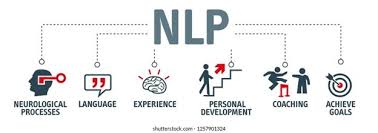
Natural Language Processing Explained

Exploring 3 Types of Natural Language Processing in Healthcare

Healthcare generates vast amounts of unstructured, text-based data—primarily in the form of clinical notes stored in electronic health records (EHRs). While this data holds immense potential for improving patient outcomes, extracting meaningful insights from it remains a challenge. Natural language processing (NLP) offers a solution by enabling healthcare stakeholders to analyze and interpret this data efficiently. NLP technologies can support population health management, clinical decision-making, and medical research by transforming unstructured text into actionable insights. Despite the excitement around NLP in healthcare—particularly amid clinician burnout and EHR inefficiencies—its two core components, natural language understanding (NLU) and natural language generation (NLG), receive less attention. This insight explores NLP, NLU, and NLG, highlighting their differences and healthcare applications. Understanding NLP, NLU, and NLG While related, these three concepts serve distinct purposes: Healthcare Applications NLP technologies offer diverse benefits across clinical, administrative, and research settings: 1. NLP in Clinical and Operational Use Cases Real-World Examples: 2. NLU for Research & Chatbots While less widely adopted than NLP, NLU shows promise in: 3. NLG for Generative AI in Healthcare Challenges & Barriers to Adoption Despite their potential, NLP technologies face several hurdles: 1. Data Quality & Accessibility 2. Bias & Fairness Concerns 3. Regulatory & Privacy Issues 4. Performance & Clinical Relevance The Future of NLP in Healthcare Despite these challenges, NLP, NLU, and NLG hold tremendous potential to revolutionize healthcare by:✔ Enhancing clinical decision-making✔ Streamlining administrative workflows✔ Accelerating medical research As the technology matures, addressing data, bias, and regulatory concerns will be key to unlocking its full impact. Like Related Posts AI Automated Offers with Marketing Cloud Personalization AI-Powered Offers Elevate the relevance of each customer interaction on your website and app through Einstein Decisions. Driven by a Read more Salesforce OEM AppExchange Expanding its reach beyond CRM, Salesforce.com has launched a new service called AppExchange OEM Edition, aimed at non-CRM service providers. Read more The Salesforce Story In Marc Benioff’s own words How did salesforce.com grow from a start up in a rented apartment into the world’s Read more Salesforce Jigsaw Salesforce.com, a prominent figure in cloud computing, has finalized a deal to acquire Jigsaw, a wiki-style business contact database, for Read more

Read More
Analytics tools like Einstein Analytics can identify patterns and trends in patient data, helping healthcare providers optimize workflows and improve the effectiveness of care delivery.

Healthcare Payers Turn to Data Analytics for Cost Savings and Improved Outcomes

Facing persistent financial and staffing pressures, healthcare payers are increasingly adopting data analytics platforms to streamline operations, reduce costs, and enhance member outcomes. A new April 2025 report from KLAS Research offers its first evaluation of payer experiences with these solutions, highlighting key vendors and emerging trends. The Growing Role of Data Analytics in Payer Operations With healthcare organizations under constant pressure to improve efficiency and decision-making, data analytics tools provide critical visibility into claims data, utilization patterns, and financial performance. These platforms enable payers to: While KLAS’ research in this space is still evolving, the initial report assesses three leading vendors, with plans to expand coverage as more data becomes available. Key Vendor Performances 1. MedInsight – Best in KLAS 2025 (Score: 85.8) 2. MedeAnalytics (Score: 87.1) 3. Clarify Health Solutions 4. Salesforce Health Cloud Looking Ahead: Expanding the Vendor Landscape Additional players like CareJourney (acquired by Arcadia in 2024), Cedar Gate Technologies, and Cognizant are expected to be evaluated in future KLAS reports as more performance data emerges. The Bottom Line As payers seek greater efficiency and data-driven decision-making, analytics platforms are becoming indispensable. While MedInsight and MedeAnalytics lead in early adoption, the competitive landscape is still evolving—making future KLAS insights critical for payer organizations evaluating their options. Next Steps: With the right analytics partner, payers can unlock cost savings, operational efficiencies, and better member outcomes—key priorities in today’s challenging healthcare environment. Like Related Posts AI Automated Offers with Marketing Cloud Personalization AI-Powered Offers Elevate the relevance of each customer interaction on your website and app through Einstein Decisions. Driven by a Read more Salesforce OEM AppExchange Expanding its reach beyond CRM, Salesforce.com has launched a new service called AppExchange OEM Edition, aimed at non-CRM service providers. Read more The Salesforce Story In Marc Benioff’s own words How did salesforce.com grow from a start up in a rented apartment into the world’s Read more Salesforce Jigsaw Salesforce.com, a prominent figure in cloud computing, has finalized a deal to acquire Jigsaw, a wiki-style business contact database, for Read more

Read More
Healthcare Cybersecurity Challenges Persist

Healthcare Cybersecurity Challenges Persist

Healthcare Cybersecurity Challenges Persist as Sector Struggles to Shift from Reactive to Proactive Strategies Healthcare organizations of all sizes continue to face significant challenges in addressing systemic cybersecurity risks, with new benchmarking data revealing that the industry remains largely reactive rather than proactive in its approach. The findings come from the 2025 Healthcare Cybersecurity Benchmarking Study, a collaborative effort by KLAS Research, Censinet, the American Hospital Association (AHA), the Health Information Sharing and Analysis Center (H-ISAC), the Healthcare and Public Health Sector Coordinating Council (HSCC), and the Scottsdale Institute. The study gathered responses from 69 healthcare and payer organizations between September and December 2024, assessing their alignment with key cybersecurity frameworks, including: Key Findings: Strong Response & Recovery, but Gaps in Prevention & Risk Management 1. Persistent Focus on Reactive Measures Consistent with past years, healthcare organizations reported high coverage in the “Respond” and “Recover” functions of the NIST CSF 2.0, indicating strong incident response and disaster recovery capabilities. However, long-term recovery planning lags behind immediate response efforts, suggesting room for improvement. “As cyber threats grow, healthcare organizations are preparing for when—not if—they will face a breach, emphasizing incident response and business continuity strategies,” the study noted. 2. Critical Gaps in Supply Chain & Asset Management Under the NIST CSF, the lowest coverage areas were: This is particularly concerning given the rising number of third-party breaches impacting healthcare. 3. Cybersecurity Insurance Benefits from Framework Adoption Organizations implementing the NIST CSF saw slower growth in cybersecurity insurance premiums, reinforcing the financial benefits of proactive risk management. 4. Emerging AI Risk Management Efforts Adoption of the NIST AI RMF remains in early stages, with many organizations still establishing governance structures for AI-related risks. 5. HICP & HPH CPG Findings Align with Past Trends Moving from Reactive to Proactive Security While progress has been made, the study highlights that greater adherence to leading cybersecurity frameworks can help healthcare organizations transition to a more proactive security posture, reducing risk and improving resilience. “The healthcare sector must prioritize foundational cybersecurity practices—particularly in supply chain and asset management—to mitigate escalating threats,” the report concluded. Final Takeaway:Healthcare cybersecurity remains heavily reactive, but organizations that invest in comprehensive risk management, third-party oversight, and AI governance can better protect patient data and reduce long-term vulnerabilities. Like Related Posts AI Automated Offers with Marketing Cloud Personalization AI-Powered Offers Elevate the relevance of each customer interaction on your website and app through Einstein Decisions. Driven by a Read more Salesforce OEM AppExchange Expanding its reach beyond CRM, Salesforce.com has launched a new service called AppExchange OEM Edition, aimed at non-CRM service providers. Read more The Salesforce Story In Marc Benioff’s own words How did salesforce.com grow from a start up in a rented apartment into the world’s Read more Salesforce Jigsaw Salesforce.com, a prominent figure in cloud computing, has finalized a deal to acquire Jigsaw, a wiki-style business contact database, for Read more

Read More
gettectonic.com