Case Management in Salesforce Sales Cloud
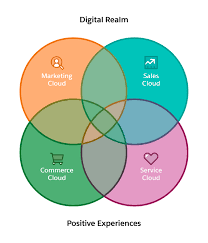
Does Salesforce provide a case management system? Desk is an all-in-one support application that comes ready-to-use, offering mobile support, case management, multi-channel support, and productivity tools. By integrating with other Salesforce solutions, Desk provides companies with a complete 360-degree view of each customer. Is case management included in Salesforce Sales Cloud? Sales Cloud and Service Cloud are both built on the core Salesforce Platform, sharing critical features like accounts, contacts, and case management (although in a basic form within Sales Cloud compared to Service Cloud). Sales Cloud is Salesforce’s core CRM product designed to help businesses manage their sales processes, including standard case functionality to manage cases, track customer issues, and provide support. Does Salesforce Sales Cloud support cases? Sales Cloud, as Salesforce’s primary CRM product, includes basic case functionality to help customer service teams manage cases, track customer issues, and provide support. A common misconception is that Salesforce customers believe they require Service Cloud licenses (or a separate third-party tool) to manage customer support tickets. If a Salesforce customer has a Sales Cloud license (often the entry point into the Salesforce world), they automatically gain case management features with Sales Cloud. How do I configure case management in Salesforce? Utilize queues and automated rules to assign cases to your team without constant monitoring. Cases can be assigned to a queue where team members can select from a list, helping prioritize work and automatically assign cases based on conditional rules. What is the difference between Salesforce Sales Cloud cases and Service Cloud? The primary distinction is that Sales Cloud focuses on streamlining sales efforts, while Service Cloud assists support agents in delivering exceptional customer service and resolving issues proactively. Is Email-to-Case included in Sales Cloud? Email-to-Case functionality is included in Sales Cloud licenses, providing case management features. It allows you to automatically create cases from incoming emails, which can then be managed within the Sales Cloud system. Essentially, you can have emails from customers turn into cases within Salesforce, streamlining your customer support processes. What are the limitations of Email-to-Case in Salesforce? Email-to-Case controls the number of cases that can be created within an organization, with a default limit of 2500 cases that cannot be increased. Daily Email Limits: Sales Cloud includes a range of case management features within its license. The Case object is a standard component that comes ‘out of the box’ with Sales Cloud, alongside Accounts, Contacts, Activities, Leads, and Opportunities. Additionally, Email-to-Case and Web-to-Case are available for self-service case creation, allowing inbound cases to be automatically generated by customers. Salesforce setup time is minimal, with configuration options such as Auto-Response rules to send branded email templates to customers and Case Assignment Rules to allocate cases to support agents or queues. Service Cloud is Salesforce’s customer service platform designed to enhance customer experiences. Adding Service Cloud to your Salesforce org unifies sales and customer service teams on a single platform, providing enhanced functionality and integration compared to standard case management with Sales Cloud. Like Related Posts Who is Salesforce? Who is Salesforce? Here is their story in their own words. From our inception, we’ve proudly embraced the identity of Read more Salesforce Marketing Cloud Transactional Emails Salesforce Marketing Cloud Transactional Emails are immediate, automated, non-promotional messages crucial to business operations and customer satisfaction, such as order Read more Salesforce Unites Einstein Analytics with Financial CRM Salesforce has unveiled a comprehensive analytics solution tailored for wealth managers, home office professionals, and retail bankers, merging its Financial Read more AI-Driven Propensity Scores AI plays a crucial role in propensity score estimation as it can discern underlying patterns between treatments and confounding variables Read more