ChatGPT Word Choices
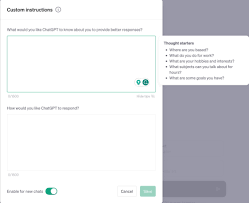
Why Does ChatGPT Use the Word “Delve” So Much? Mystery Solved. The mystery behind ChatGPT’s frequent use of the word “delve” (one of the 10 most common words it uses) has finally been unraveled, and the answer is quite unexpected. Why ChatGPT Word Choices are repetitive. While “delve” and other words like “tapestry” aren’t common in everyday conversations, ChatGPT seems to favor them. You may have noticed this tendency in its outputs. The sudden rise in the use of “delve” in medical papers from March 2024, coincides with the first full year of ChatGPT’s widespread use. “Delve,” along with phrases like “as an AI language model…,” has become a hallmark of ChatGPT’s language, almost a giveaway that a text is AI-generated. But why does ChatGPT overuse “delve”? If it’s trained on human data, how did it develop this preference? Is it emergent behavior? And why “delve” specifically? A Guardian article, “How Cheap, Outsourced Labour in Africa is Shaping AI English,” provides a clue. The key lies in how ChatGPT was built. Why “Delve” So Much? The overuse of “delve” suggests ChatGPT’s language might have been influenced after its initial training on internet data. After training on a massive corpus of data, an additional supervised learning step is used to align the AI’s behavior. Human annotators evaluate the AI’s outputs, and their feedback fine-tunes the model. Here’s a summary of the process: This iterative process involves human feedback to improve the AI’s responses, ensuring it stays aligned and useful. However, this feedback is often provided by a workforce in the global south, where English-speaking annotators are more affordable. In Nigeria, “delve” is more commonly used in business English than in the US or UK. Annotators from these regions provided examples using their familiar language, influencing the AI to adopt a slightly African English style. This is an example of poor sampling, where the evaluators’ language differs from that of the target users, introducing a bias in the writing style. This bias likely stems from the RLHF step rather than the initial training. ChatGPT’s writing style, with or without “delve,” is already somewhat robotic and easy to detect. Understanding these potential pitfalls helps us avoid similar issues in future AI development. Making ChatGPT More Human-Like To make ChatGPT sound more human and avoid overused words like “delve,” consider these Prompt Engineering approaches: These methods can be time-consuming. Ideally, a quick, reliable tool, like a Chrome extension, would streamline this process. If you’ve found a solution or a reliable tool for this issue, share it below in the comments. This is a widespread challenge that many users face. Like Related Posts Who is Salesforce? Who is Salesforce? Here is their story in their own words. From our inception, we’ve proudly embraced the identity of Read more Salesforce Marketing Cloud Transactional Emails Salesforce Marketing Cloud Transactional Emails are immediate, automated, non-promotional messages crucial to business operations and customer satisfaction, such as order Read more Salesforce Unites Einstein Analytics with Financial CRM Salesforce has unveiled a comprehensive analytics solution tailored for wealth managers, home office professionals, and retail bankers, merging its Financial Read more AI-Driven Propensity Scores AI plays a crucial role in propensity score estimation as it can discern underlying patterns between treatments and confounding variables Read more