Consent Management Archives - gettectonic.com
Salesforce Data Cloud Hits $900M in Revenue

Salesforce Data Cloud CDP

Salesforce Data Cloud: The Ultimate Customer Data Platform (CDP) Guide Transform Customer Data into Actionable Insights Salesforce Data Cloud (formerly Salesforce CDP) revolutionizes how businesses unify and activate customer data across every touchpoint. By consolidating information from websites, mobile apps, CRM systems, and more, it creates 360° customer profiles that power personalized marketing, sales, and service experiences. What is Salesforce Data Cloud? Salesforce Data Cloud is an AI-powered Customer Data Platform (CDP) that: 💡 Key Benefit: Break down data silos to deliver hyper-personalized customer journeys. Data Cloud vs. Traditional CRM: Key Differences Feature Salesforce CRM Salesforce Data Cloud Data Scope Sales/Service records only All customer interactions (web, email, ads, IoT) Real-Time Updates Manual/periodic syncs Instant profile enrichment AI Capabilities Basic analytics Predictive insights + GenAI recommendations Use Cases Pipeline management Omnichannel personalization Core Capabilities 1. Unified Customer Profiles 2. AI-Powered Segmentation 3. Activation Across Channels 4. Privacy & Compliance How Businesses Use Data Cloud 🚀 Boost E-Commerce Sales 📈 Optimize Ad Spend 🤖 Enhance Customer Service Technical Deep Dive Data Integration Options Key Concepts Getting Started 1. Choose Your Edition 2. Implement in 4 Steps 3. Train Your Team The Future of Data Cloud Final Verdict Salesforce Data Cloud is not just a CDP—it’s the central nervous system for customer-centric businesses. By unifying data + AI, it turns insights into personalized experiences at scale. Ready to explore? Contact Tectonic today. 🔥 Pro Tip: Pair with Einstein AI for predictive analytics and Genie for real-time streaming data. Content updated July 2025. Like Related Posts Who is Salesforce? Who is Salesforce? Here is their story in their own words. From our inception, we’ve proudly embraced the identity of Read more Salesforce Marketing Cloud Transactional Emails Salesforce Marketing Cloud Transactional Emails are immediate, automated, non-promotional messages crucial to business operations and customer satisfaction, such as order Read more Salesforce Unites Einstein Analytics with Financial CRM Salesforce has unveiled a comprehensive analytics solution tailored for wealth managers, home office professionals, and retail bankers, merging its Financial Read more AI-Driven Propensity Scores AI plays a crucial role in propensity score estimation as it can discern underlying patterns between treatments and confounding variables Read more


Read More
Salesforce Privacy Center for Customer Preferences

Salesforce Privacy Center for Customer Preferences

Managing Customer Privacy and Preferences with Salesforce In today’s inter-connected world, consumers are increasingly aware of the data collected about them. They want better control over their communication preferences, such as email, texts, and phone calls. Enter Salesforce Privacy Center for Customer Preferences. Organizations collecting this data must properly manage their customers’ privacy and preferences, adhere to privacy laws like the GDPR and CPRA, and stay compliant with the evolving landscape of US state and federal laws. Managing the complexity of communications, privacy, and compliance can be daunting, but Salesforce offers tools within its platform to help you stay compliant and meet your customers’ needs for preference management. Utilizing the Individual Object in Salesforce The first step is to use the Individual object in the Salesforce platform. When a customer shows interest in your products or services, you enter their information as a lead. Once they make a purchase, you convert that lead into a Contact Object, or store their information in a Person Account. Often, the same person’s information might be stored in multiple objects. For example, someone named Johnathan Smith might also be entered as John or Johnny, leading to multiple contacts with the same email but different names. The Individual Object helps manage preferences for that person across various objects or a single user record. It also enables: The Salesforce Consent Data Model The Individual Object is a key component of the Salesforce Consent Data Model, which forms the foundation of Salesforce’s long-term view of consent. This model considers the individual’s entire experience, not just a single contact point. Scenario Example: An individual wishes to be contacted via email (ContactPointTypeConsent) but only using their personal email address (ContactPointConsent) for promotional emails (Data Use Purpose). Later, they opt for SMS texting (ContactPointTypeConsent) for shipping notifications (Data Use Purpose). The data model allows managing multiple types of consent across different brands for various data use purposes, with the Individual Object linking all scenarios to a single person. This capability helps manage compliance with consent management requirements. Managing Customer Preferences with Privacy Center Once the Individual Object is enabled and the model understood, the next step is to enable customers to manage their preferences. Before configuring the Salesforce platform, you should plan for implementation by considering: With policies and procedures in place, you can start implementing the technology. Salesforce Privacy Center helps configure preference management and track the process. It allows you to create user-friendly forms for websites or emails, enabling secure capture of customer preferences for contact methods, reasons, and timing. Starting with Privacy Center To manage preferences, launch Privacy Center and set up consent templates in Privacy Preference Manager. Customize your contact point types (e.g., phone, web, social) using Apex or the Privacy Center interface. These templates ensure consistent forms across multiple brands and business lines, tailored to your specific business and compliance needs. After creating a form using a template, you can drag and drop it into Experience Builder or embed it into your site, ensuring a consistent user experience across sites and brands. Additional Privacy Center Functions Privacy Center also supports: These tools help manage your data, ensure regulatory compliance, and provide customers with an integrated and easy experience. By utilizing the Individual Object along with Privacy Center, you can track and monitor customer preferences effectively and ensure compliance. Like Related Posts Who is Salesforce? Who is Salesforce? Here is their story in their own words. From our inception, we’ve proudly embraced the identity of Read more Salesforce Marketing Cloud Transactional Emails Salesforce Marketing Cloud Transactional Emails are immediate, automated, non-promotional messages crucial to business operations and customer satisfaction, such as order Read more Salesforce Unites Einstein Analytics with Financial CRM Salesforce has unveiled a comprehensive analytics solution tailored for wealth managers, home office professionals, and retail bankers, merging its Financial Read more AI-Driven Propensity Scores AI plays a crucial role in propensity score estimation as it can discern underlying patterns between treatments and confounding variables Read more
Read More
Use Salesforce Data Protection Services

Use Salesforce Data Protection Services

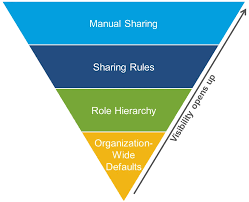
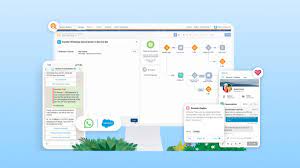
Ensuring Data Security in Salesforce: Use Salesforce Data Protection Services How is Data Protected in Salesforce? Salesforce.com employs cutting-edge Internet security technology, including Secure Socket Layer (SSL) with server authentication and data encryption, ensuring the protection of user information during access via supported web browsers. Why Use Salesforce Data Protection Services? Data Security is imperative to meet evolving privacy standards and safeguard sensitive information shared over the internet. Unauthorized access could pose significant risks to the entire organization, making data security a crucial aspect. Salesforce GDPR Certification: Yes, Salesforce is GDPR certified, as confirmed in Section 11 of the Data Processing Addendum, where Salesforce commits to providing reasonable assistance to customers. Salesforce CCPA Compliance with Customer 360: Salesforce 360 facilitates CCPA compliance by seamlessly connecting Marketing Cloud to Sales Cloud, ensuring a cohesive flow of customer data across the organization. Introduction to Salesforce Shield: Salesforce Shield comprises three security tools – Shield Platform Encryption, Event Monitoring, and Field Audit Trail – embedded into critical business applications to enhance trust, compliance, and governance. Data Protection and Privacy Regulations: Salesforce assists companies in complying with various data protection and privacy regulations, including GDPR, CCPA, PIPA, LGPD, PIPEDA, and more, offering guidance on common privacy principles. Guidance for Data Management and Privacy Compliance: Salesforce provides tools for efficient data management and privacy compliance, covering aspects such as data deletion, consent management, restriction of processing, data access and portability, and privacy center functionalities. Encryption of Data at Rest with Salesforce Shield Platform Encryption: Salesforce Shield Platform Encryption encrypts data at rest within servers, databases, search index files, and the file system, preserving functionality and ensuring secure storage. Use Salesforce Data Protection Services: To enable Data Privacy and Protection in Salesforce, users can navigate through Lightning Experience or Salesforce Classic, accessing the setup and entering “Data Protection and Privacy” in the Quick Find box. Various Data Security Settings in Salesforce: Salesforce offers multiple data security settings, including Object-Level Security through profiles, Permission Sets, Permission Set Groups, Ownership-Based Sharing Rules, Criteria-Based Sharing Rules, and Guest User Sharing Rules. Salesforce Data Ownership and Digital Chain of Custody: Salesforce Data Ownership involves maintaining a Digital Chain of Custody, ensuring meticulous tracking of data through each replication process. This guarantees data remains under control and protected at all times. Salesforce and DLP Functionality: Salesforce does not have built-in Data Loss Prevention (DLP) functionality. It relies on third-party apps like Nightfall to provide DLP capabilities, crucial for maintaining compliance with regulations such as HIPAA and PCI. Like Related Posts Who is Salesforce? Who is Salesforce? Here is their story in their own words. From our inception, we’ve proudly embraced the identity of Read more Salesforce Marketing Cloud Transactional Emails Salesforce Marketing Cloud Transactional Emails are immediate, automated, non-promotional messages crucial to business operations and customer satisfaction, such as order Read more Salesforce Unites Einstein Analytics with Financial CRM Salesforce has unveiled a comprehensive analytics solution tailored for wealth managers, home office professionals, and retail bankers, merging its Financial Read more AI-Driven Propensity Scores AI plays a crucial role in propensity score estimation as it can discern underlying patterns between treatments and confounding variables Read more

Read More
Salesforce Security and Privacy

Salesforce Security and Privacy

Tailor Salesforce security and privacy add-on solutions to fit your specific company needs, covering essential aspects such as monitoring and masking sensitive data, implementing backups to prevent accidental or malicious data loss, and ensuring compliance with evolving privacy, encryption, and data residency regulations. Maintaining data privacy and compliance is made easier with user-friendly tools that streamline processes in Salesforce. Reduce compliance costs and enhance customer data protection by automating data subject requests, managing consent efficiently, and consolidating identities into a single profile. Simplify privacy management while safeguarding customer data effectively. Protecting data in production involves various strategies to meet legal obligations and minimize risk. Utilize methods such as randomization for unique data, hardcoding for static values, and deletion when data is unnecessary. Additionally, minimize storage in your production org by automatically deleting old records and files, removing audit data, and implementing hard deletion when appropriate. Automate data subject requests to save time and ensure efficient processing. Create policies to fulfill Right To Be Forgotten and Data Subject Access Requests automatically, monitor request progress, and utilize Privacy Hold to prevent data anonymization or deletion. Streamline customer consent management with Preference Manager, capturing customer preferences to maintain compliance and trust. Use customizable templates for consent forms, enable customers to update preferences easily, and integrate responses into the Salesforce Consent Data Model for consistency. Secure access management and unify customer identities across diverse sources. Administer customer profiles seamlessly within Salesforce, tailor customer journeys across various channels, and enhance personalization. Implement Passwordless Login for a simplified registration and access experience, catering to mobile-first markets and enhancing user convenience. Enable Social Sign On to streamline registration using familiar social credentials, reducing friction and improving the overall user experience. Maximize ROI with Salesforce’s Success Ecosystem, offering support, expert guidance, and resources to unlock the full potential of your investment. Salesforce prioritizes security and transparency, providing robust data processing mechanisms and privacy commitments to ensure compliance with data protection laws. As the leading CRM platform, Salesforce empowers organizations to build trust while leveraging data intelligence to enhance customer experiences. Embrace a Zero Trust security strategy, grounded in the principle of least privilege, to fortify your organization’s security posture. Implementing Zero Trust requires continuous authentication and restricting access to essential resources, mitigating the risk of unauthorized network access. Adhere to the Principle of Least Privilege within your Salesforce org by granting minimal permissions necessary for users’ roles. Conduct regular privilege audits to prevent over-privileged users and maintain compliance with security best practices. Stay informed about upcoming changes, such as the end-of-life of permissions on profiles, and explore additional security measures to strengthen your Salesforce instance’s security further. Ensure data security at rest with encryption-enabled databases and adherence to regional data laws, such as GDPR. Salesforce’s secure server environment and robust firewall technologies protect customer data from external intruders. In order to keep your data secure and private, prioritize data privacy and security in your Salesforce implementation by leveraging tailored solutions, adopting best practices, and fostering collaboration between your organization, Salesforce, and security teams. For assistance doing an audit of your system’s security or adding security features, contact Tectonic today. Content updated March 2024. Like1 Related Posts Who is Salesforce? Who is Salesforce? Here is their story in their own words. From our inception, we’ve proudly embraced the identity of Read more Salesforce Marketing Cloud Transactional Emails Salesforce Marketing Cloud Transactional Emails are immediate, automated, non-promotional messages crucial to business operations and customer satisfaction, such as order Read more Salesforce Unites Einstein Analytics with Financial CRM Salesforce has unveiled a comprehensive analytics solution tailored for wealth managers, home office professionals, and retail bankers, merging its Financial Read more AI-Driven Propensity Scores AI plays a crucial role in propensity score estimation as it can discern underlying patterns between treatments and confounding variables Read more
Read More
Salesforce Marketing Cloud

Custom Preference Center in Salesforce Marketing Cloud

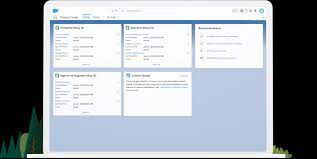
Improve your customer relationships by seamlessly integrating the Salesforce core Individual object with the Marketing Cloud profile center and subscription center when creating a custom preference center. Consider the following design considerations to optimize this process: Understanding the Preference Center: A preference center serves as a centralized contact management tool, empowering customers to: Customizing a Preference Center: As the dynamics of the relationship between a company and its customers evolve over time, influencing customer contact preferences, businesses should: Key Instances When a Preference Center Is Crucial: Common Data Considerations: Evaluate hosting options, considering platforms such as SFMC, EHI, Lacek, or Salesforce Experience Cloud. Address data model concerns by determining: Contact Governance: Contact governance involves guiding principles for enterprise-wide data management and contact strategy. To ensure a customer-first approach and streamline data management, consider: Creating a Custom Preference Center: Engage marketing and technology teams for segmentation, language, and channel considerations. Even with light initial adoption, align goals and priorities across brands to move into gathering technical requirements and scoping the project. SFMC Custom Preference Center: In Salesforce Marketing Cloud (SFMC), a custom preference center allows subscribers to choose the type and frequency of email messages they wish to receive, enabling them to “opt down” instead of unsubscribing completely. Importance of Preference Management: Preference management in marketing cloud is crucial for: Like3 Related Posts Who is Salesforce? Who is Salesforce? Here is their story in their own words. From our inception, we’ve proudly embraced the identity of Read more Salesforce Marketing Cloud Transactional Emails Salesforce Marketing Cloud Transactional Emails are immediate, automated, non-promotional messages crucial to business operations and customer satisfaction, such as order Read more Salesforce Unites Einstein Analytics with Financial CRM Salesforce has unveiled a comprehensive analytics solution tailored for wealth managers, home office professionals, and retail bankers, merging its Financial Read more AI-Driven Propensity Scores AI plays a crucial role in propensity score estimation as it can discern underlying patterns between treatments and confounding variables Read more
Read More
Salesforce Health Cloud

12 Transformative Benefits of Salesforce Health Cloud for Healthcare Organizations

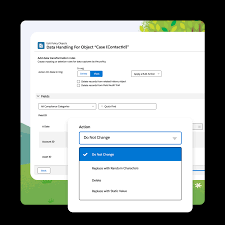
Why Health Cloud Leads the Healthcare CRM Market Recognized as the #1 healthcare CRM by KLAS and Forrester, Salesforce Health Cloud is revolutionizing how providers, payers, biotech/pharma, and medical device companies deliver care and manage operations. This powerful platform unifies patient data, streamlines workflows, and enables personalized engagement at scale. Key Advantages by Healthcare Sector For Healthcare Providers For Health Plans & Payers For Biotech & Pharmaceutical Companies For Medical Device Companies Implementation Success Factors Critical Capabilities ROI Drivers ✅ 30% faster care coordination✅ 25% improvement in patient adherence✅ 40% reduction in manual data entry Why Partner with Tectonic? As a certified Salesforce partner with deep healthcare expertise, Tectonic helps organizations: “Health Cloud users report 125% ROI through reduced administrative costs and improved patient outcomes.” – Forrester TEI Study Ready to transform your healthcare operations?Contact us today! Elevate patient care, streamline operations, and drive growth with the healthcare CRM leader—powered by Tectonic’s implementation excellence. Like Related Posts Who is Salesforce? Who is Salesforce? Here is their story in their own words. From our inception, we’ve proudly embraced the identity of Read more Salesforce Marketing Cloud Transactional Emails Salesforce Marketing Cloud Transactional Emails are immediate, automated, non-promotional messages crucial to business operations and customer satisfaction, such as order Read more Salesforce Unites Einstein Analytics with Financial CRM Salesforce has unveiled a comprehensive analytics solution tailored for wealth managers, home office professionals, and retail bankers, merging its Financial Read more AI-Driven Propensity Scores AI plays a crucial role in propensity score estimation as it can discern underlying patterns between treatments and confounding variables Read more
Read More
gettectonic.com