Databricks Archives - gettectonic.com
AI Agents Are the Future of Enterprise

Persona-Centric Intelligence at Scale

The CIO’s Playbook for AI Success: Persona-Centric Intelligence at Scale The New Imperative: AI That Works the Way Your Teams Do In today’s digital-first economy, AI isn’t just a tool—it’s the operating system of modern business. But too many enterprises treat AI as a one-size-fits-all solution, leading to low adoption, wasted investment, and fragmented value. The winning strategy? Persona-based AI—designing intelligence that adapts to how different roles actually work. From Siloed to Strategic: The Evolution of Enterprise AI The Problem With Platform-Locked AI Most organizations deploy AI in disconnected pockets—Salesforce for sales, Workday for HR, SAP for finance. This creates:🔴 Duplicated efforts (multiple AI models doing similar tasks)🔴 Inconsistent insights (CRM AI says one thing, ERP AI another)🔴 Vendor lock-in (intelligence trapped in specific systems) The Solution: System-Agnostic Intelligence Forward-thinking CIOs are shifting to centralized AI “as a service”—decoupling intelligence from individual platforms to power seamless, cross-functional workflows. Example: 4 Pillars of a Persona-Based AI Strategy 1. Role-Specific Intelligence AI should augment, not disrupt existing workflows:🔹 Sales Reps: Real-time deal coaching, automated lead scoring🔹 Customer Support: AI-generated case summaries, sentiment-triggered escalations🔹 HR Teams: Smart resume screening, personalized onboarding bots Real-World Impact: *”Salesforce’s Agentforce cuts rep ramp time by 40% with AI role-plays tailored to each rep’s deal pipeline.”* 2. Generative AI That Works Behind the Scenes GenAI isn’t just for drafting emails—it’s automating high-value workflows:✔ Marketing: Dynamically localizing campaign creatives✔ Legal: Auto-redlining contracts against playbooks✔ IT: Converting trouble tickets into executable scripts Key Consideration: Guardrails matter—implement strict controls for data privacy and IP protection. 3. Edge AI for Real-Time Action Smart Cities Example:📍 Problem: Mumbai’s traffic gridlock costs $22B/year in lost productivity📍 AI Solution: Edge-powered cameras + sensors dynamically reroute vehicles without cloud latency📍 Outcome: 30% faster emergency response times Enterprise Use Cases: 4. Intelligent Automation: The Silent Productivity Engine Combining RPA + AI automates complex processes end-to-end:🔸 Finance: Invoice matching → fraud detection → payment approvals🔸 Supply Chain: Demand forecasting → autonomous PO generation🔸 IT: Self-healing network alerts → auto-remediation The CIO Action Plan 1. Audit Existing AI Deployments 2. Build a Central AI Layer 3. Start With High-Impact Personas Prioritize roles where AI drives measurable ROI:🎯 Field Service Techs: AR-guided repairs + parts forecasting🎯 Account Managers: Churn risk alerts + upsell scripts 4. Measure What Matters Track persona-specific metrics: The Future Is Adaptive The next frontier? “Living Intelligence”—AI that evolves with user behavior: *”By 2026, persona-driven AI will boost enterprise productivity by 35%.”*—Gartner “The best AI doesn’t feel like AI—it feels like a smarter way to work.” Like Related Posts Who is Salesforce? Who is Salesforce? Here is their story in their own words. From our inception, we’ve proudly embraced the identity of Read more Salesforce Marketing Cloud Transactional Emails Salesforce Marketing Cloud Transactional Emails are immediate, automated, non-promotional messages crucial to business operations and customer satisfaction, such as order Read more Salesforce Unites Einstein Analytics with Financial CRM Salesforce has unveiled a comprehensive analytics solution tailored for wealth managers, home office professionals, and retail bankers, merging its Financial Read more AI-Driven Propensity Scores AI plays a crucial role in propensity score estimation as it can discern underlying patterns between treatments and confounding variables Read more

Read More
Building the Foundation for AI Success

Building the Foundation for AI Success

The Data Imperative: Building the Foundation for AI Success The AI Revolution Demands a Data-First Approach As enterprises race to deploy generative AI, AI agents, and Model Context Protocol (MCP) systems, one critical truth emerges: AI is only as powerful as the data that fuels it. Why Data Platforms Are the Unsung Heroes of AI Modern data platforms solve five existential challenges for AI adoption: 1. Unified Data Fabric 2. Real-Time Performance at Scale 3. Context-Aware Intelligence 4. Governance Without Friction 5. Rapid AI Experimentation Model Context Protocol (MCP): The Nervous System for AI What Makes MCP Revolutionary Traditional AI Integration MCP Approach Custom APIs per system Standardized protocol Months of development Plug-and-play connectivity Brittle point-to-point links Adaptive ecosystem How MCP Transforms AI Capabilities The Strategic Imperative Organizations leading the AI race share three traits: “The AI winners won’t have better algorithms—they’ll have better data systems.”— MIT Technology Review, 2025 AI Predictions Next Steps for Enterprises: The future belongs to organizations that build data moats—not just models. Like Related Posts Who is Salesforce? Who is Salesforce? Here is their story in their own words. From our inception, we’ve proudly embraced the identity of Read more Salesforce Unites Einstein Analytics with Financial CRM Salesforce has unveiled a comprehensive analytics solution tailored for wealth managers, home office professionals, and retail bankers, merging its Financial Read more AI-Driven Propensity Scores AI plays a crucial role in propensity score estimation as it can discern underlying patterns between treatments and confounding variables Read more Tectonic’s Successful Salesforce Track Record Salesforce Technology Services Integrator – Tectonic has successfully delivered Salesforce in a variety of industries including Public Sector, Hospitality, Manufacturing, Read more

Read More
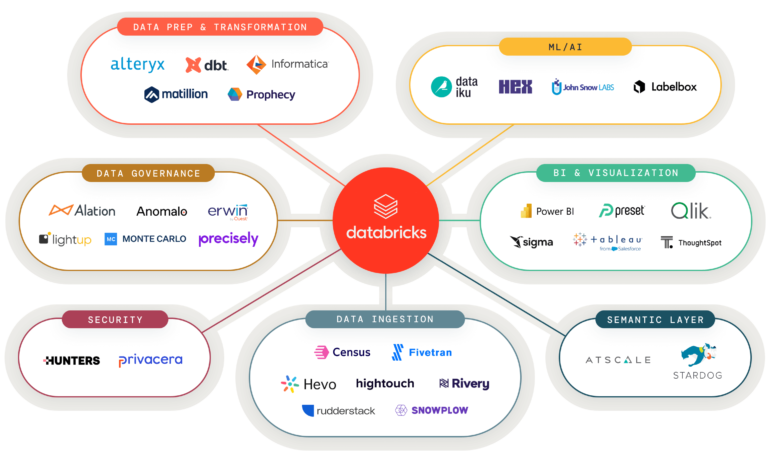
Databricks Tools

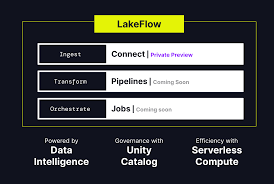
Databricks Launches Lakeflow Connect to Simplify Enterprise Data Ingestion

San Francisco, [April 2, 2025] – Databricks has taken a major step toward streamlining enterprise data integration with the general availability of Lakeflow Connect, its new low-code/no-code connector system. The initial release features preconfigured integrations with Salesforce and Workday, with plans to expand support to additional SaaS platforms, databases, and file sources in the coming months. Simplifying the Data Ingestion Challenge Data ingestion—the process of moving data from source systems into analytics environments—has long been a complex, resource-intensive task for enterprises. Traditional approaches require stitching together multiple tools (such as Apache Kafka or CDC solutions) and maintaining custom pipelines, often leading to scalability issues and high operational overhead. Lakeflow Connect aims to eliminate these pain points by providing: “Customers need this data, but before Lakeflow Connect, they were forced to rely on third-party tools that often failed at scale—or build custom solutions,” said Michael Armbrust, Distinguished Software Engineer at Databricks. “Now, ingestion is point-and-click within Databricks.” Why Salesforce and Workday First? The choice of initial connectors reflects the growing demand for real-time, structured data to power AI and generative AI applications. According to Kevin Petrie, Analyst at BARC U.S., more than 90% of AI leaders are experimenting with structured data, and nearly two-thirds use real-time feeds for model training. “Salesforce and Workday provide exactly the type of data needed for real-time ML and GenAI,” Petrie noted. “Databricks is smart to simplify access in this way.” Competitive Differentiation While other vendors offer connector solutions (e.g., Qlik’s Connector Factory), Lakeflow Connect stands out through: “Serverless compute is quietly important,” said Donald Farmer, Principal at TreeHive Strategy. “It’s not just about scalability—rapid startup times are critical for reducing pipeline latency.” The Road Ahead Databricks has already outlined plans to expand Lakeflow Connect with connectors for: Though the company hasn’t committed to a timeline, Armbrust hinted at upcoming announcements at the Data + AI Summit in June. Broader Vision: Democratizing Data Engineering Beyond ingestion, Databricks is focused on unifying the data engineering lifecycle. “Historically, you needed deep Spark or Scala expertise to build production-grade pipelines,” Armbrust said. “Now, we’re enabling SQL users—or even UI-only users—to achieve the same results.” Looking further ahead, Petrie suggested Databricks could enhance cross-team collaboration for agentic AI development, integrating Lakeflow with Mosaic AI and MLflow to bridge data, model, and application lifecycles. The Bottom LineLakeflow Connect marks a strategic move by Databricks to reduce friction in data pipelines—addressing a key bottleneck for enterprises scaling AI initiatives. As the connector ecosystem grows, it could further solidify Databricks’ position as an end-to-end platform for data and AI. For more details, visit Databricks.com. Key Takeaways:✅ Now Available: Salesforce & Workday connectors✅ Serverless, governed, and scalable ingestion✅ Future integrations with Google Analytics, ServiceNow, and more✅ June previews expected at Data + AI Summit Like Related Posts Who is Salesforce? Who is Salesforce? Here is their story in their own words. From our inception, we’ve proudly embraced the identity of Read more Salesforce Marketing Cloud Transactional Emails Salesforce Marketing Cloud Transactional Emails are immediate, automated, non-promotional messages crucial to business operations and customer satisfaction, such as order Read more Salesforce Unites Einstein Analytics with Financial CRM Salesforce has unveiled a comprehensive analytics solution tailored for wealth managers, home office professionals, and retail bankers, merging its Financial Read more AI-Driven Propensity Scores AI plays a crucial role in propensity score estimation as it can discern underlying patterns between treatments and confounding variables Read more

Read More
Unlocking Sales Potential with Data Activation

Unlocking Sales Potential with Data Activation

Selling has never been easy — and it’s not getting any simpler. Sales representatives are under constant pressure to research markets, navigate gatekeepers, and craft compelling pitches to win over decision-makers. But in today’s market, that’s not enough. Nearly 90% of business buyers expect personalized, insightful interactions — and delivering on that expectation requires more than persuasive messaging. It demands access to accurate, real-time data. The challenge? Sales reps often struggle to find the information they need. Instead of focusing on closing deals, they waste time chasing down customer data, piecing together fragmented insights, or working off outdated information. In fact: The root cause? Data silos. Data Silos are Crippling Sales Efficiency In most companies, critical customer data is scattered across: This fragmented data structure creates massive blind spots for sales teams. Consider this: The impact is costly — missed opportunities, slower deal cycles, and lost revenue. Without a unified approach to data management, sales teams remain limited by incomplete information, preventing them from delivering personalized, high-impact customer experiences. The Answer: Data Activation The solution isn’t just unifying your data — it’s activating it. Data activation means making your customer data accessible, actionable, and visible within your CRM so your sales team can use it in real-time. It eliminates the need to toggle between systems, request data from other teams, or work from static spreadsheets. Instead, activated data flows directly into the workflows and tools that your sales reps use every day — giving them everything they need to engage, sell, and close deals faster. Here’s what data activation looks like in practice: Data activation ensures that every team member works from the same, real-time, unified view of the customer — eliminating data silos and transforming sales productivity. Why Data Activation is a Game-Changer for Sales By bringing your unified data directly into your CRM, your sales team gains immediate access to valuable insights that drive better outcomes. Here are some powerful data types that become actionable through data activation: 1. Web Engagement Data Understand customer behavior based on their interactions with your website. Track which products or services they’ve browsed, downloaded, or engaged with — allowing your sales team to tailor conversations and offers accordingly. Use case: 2. Marketing Campaign Data Eliminate disjointed outreach by giving your sales team visibility into marketing campaigns. Sales reps can instantly see which emails, ads, or events a prospect engaged with — ensuring their outreach feels relevant, not redundant. Use case: 3. Consumption Data Track product usage, subscriptions, and consumption patterns from your ERP or product database. This data empowers sales reps to identify upsell and cross-sell opportunities or proactively prevent churn. Use case: 4. Unstructured Data (Emails, Call Logs, Chat Transcripts) Unlock insights from past customer interactions by analyzing emails, call center transcripts, chat logs, and even social media comments. Sales teams can use this data to understand sentiment, previous objections, and overall engagement history. Use case: 5. Billing and Subscription Data Integrate billing, purchase, and subscription information directly into your CRM. This allows sales reps to track contract renewals, upcoming billing cycles, or outstanding invoices — enabling more proactive and strategic outreach. Use case: 6. Third-Party Data for Enhanced Lead Scoring Enhance your lead scoring models with third-party data, such as firmographic information, buying intent signals, or demographic insights. This helps your team prioritize high-quality leads and drive faster conversions. Use case: Why Third-Party Data Tools Fall Short Many organizations attempt to solve their data challenges by investing in third-party data platforms like Snowflake, Databricks, or Redshift. While these tools excel at aggregating data, they introduce a new problem — they still create a data silo. The data sits outside of your CRM, meaning: This is why true data activation matters. It doesn’t just unify your data — it embeds it directly into your sales reps’ day-to-day tools, making insights instantly actionable. The Competitive Advantage of Data Activation By embracing data activation, your organization gains three major competitive advantages: ✅ 1. Increased Sales Productivity Sales reps no longer waste time tracking down information or switching between systems. With all customer data at their fingertips, they can spend more time building relationships and closing deals. ✅ 2. Enhanced Personalization at Scale With access to web behavior, campaign engagement, and product usage data, your team can personalize every interaction — at scale. This drives higher conversion rates and better customer experiences. ✅ 3. Smarter Forecasting and Planning By integrating billing, subscription, and past purchase data, sales managers gain accurate revenue forecasting and better visibility into growth opportunities. Activate Your Data. Unlock Your Revenue. The future of sales is not about more tools — it’s about better data accessibility. Data activation eliminates silos, unlocks powerful insights, and delivers real-time, actionable data directly into your CRM. This empowers your sales team to: The result? Faster sales, higher revenue, and exceptional customer experiences. Ready to activate your data and supercharge your sales performance? Start by bringing all your data — web, marketing, subscription, and service — directly into your CRM. Your sales team will thank you — and your revenue will show it. Like1 Related Posts Who is Salesforce? Who is Salesforce? Here is their story in their own words. From our inception, we’ve proudly embraced the identity of Read more Salesforce Marketing Cloud Transactional Emails Salesforce Marketing Cloud Transactional Emails are immediate, automated, non-promotional messages crucial to business operations and customer satisfaction, such as order Read more Salesforce Unites Einstein Analytics with Financial CRM Salesforce has unveiled a comprehensive analytics solution tailored for wealth managers, home office professionals, and retail bankers, merging its Financial Read more AI-Driven Propensity Scores AI plays a crucial role in propensity score estimation as it can discern underlying patterns between treatments and confounding variables Read more

Read More
AI evolves with tools like Agentforce and Atlas

Agentforce Powered Marketing

Maximize Team Productivity and Customer Engagement with Agentforce and AI-Powered Marketing Tools Transform your marketing operations with Agentforce, an advanced AI-powered suite seamlessly integrated into your platform. From building end-to-end campaigns to personalizing touchpoints in real time, Agentforce empowers your team to optimize performance with actionable AI insights. Here’s how: Revolutionize Campaign Management with Agentforce Agent-Driven Campaign Briefs Streamline campaign creation with Agentforce, which uses structured and unstructured data from Data Cloud to create tailored campaign briefs. Define your target segments and key messages effortlessly with the support of AI. AI-Powered Content Creation Leverage Agentforce to generate on-brand content at scale, including email subject lines, body copy, and SMS messages. Every piece of content aligns with your brand guidelines and campaign goals, ensuring consistency and relevance across audiences. Unified SMS Conversations Turn static promotions into dynamic, two-way conversations with Agentforce Unified SMS. Automatically connect customers to AI agents for tasks like appointment scheduling and offer redemption, delivering seamless customer experiences. Supercharge Insights and Actions with Data Cloud Agent-Driven AI Segmentation Create target audience segments in minutes using natural language prompts. With Agentforce and Data Cloud working in harmony, agents translate prompts into precise segment attributes—no technical expertise or SQL required. Integrate or Build Custom AI Models Develop predictive AI models with clicks, not code, or bring in existing models via direct integrations with tools like Amazon SageMaker, Google Vertex AI, or Databricks. Use these models to generate actionable predictions, such as purchase propensity or churn likelihood. Secure, Harmonized Data Foundation Keep your data safe on the Einstein Trust Layer while enabling agents to analyze harmonized, structured, and unstructured data in Data Cloud. This ensures informed decision-making without compromising security. Automate Intelligent Journeys with Marketing Cloud Engagement Journey Optimization Automate personalized campaign variations with predictive AI. Optimize engagement by tailoring content, timing, channels, and frequency dynamically across customer journeys. Generative AI for Content Creation Solve the content bottleneck with generative AI tools that instantly create on-brand copy and visuals grounded in first-party data, campaign insights, and brand guidelines—all while safeguarding trust. Real-Time Messaging Insights Stay proactive with Einstein Messaging Insights, which flags engagement anomalies like sudden drops in click-through rates. These real-time insights enable quick resolutions, preventing performance surprises. Unified WhatsApp Conversations Transform WhatsApp into a dynamic two-way engagement channel. Use a single WhatsApp number to connect marketing and service teams while enabling AI-driven self-service actions like appointment booking and offer redemptions. Scale Lead Generation and Account-Based Marketing Agent-Driven Campaign Creation Accelerate campaign planning with Agentforce, which handles everything from briefs to audience segmentation, content, and journey creation. Ground campaigns in real-time customer data for accurate targeting, all with marketer oversight for approvals. AI Lead and Account Scoring Boost alignment between marketing and sales with Einstein AI Scoring, which identifies top leads and prospects automatically. Improve ABM strategies with automated account rankings based on historical and behavioral data, driving higher conversions. Full-Funnel Attribution Gain end-to-end visibility with AI-powered multi-touch attribution. Use models like Einstein Attribution to measure the impact of each channel, event, or team activity on your pipeline, boosting ROI and campaign efficiency. Personalization on Auto-Pilot with AI Objective-Based AI Recommendations Set business objectives and let AI optimize product and content recommendations to achieve those goals. AI-Automated Offers Combine real-time customer behavior data with AI-driven insights to personalize offers across touchpoints. This results in higher satisfaction and conversion rates tailored to each individual customer. Real-Time Affinity Profiling Use AI to uncover customer affinities, preferences, and intent in real time. Deliver hyper-personalized messaging and offers across your website, app, and other channels for maximum engagement. Optimize Spend, Planning, and Performance with Marketing Cloud Intelligence AI-Powered Data Integration Say goodbye to spreadsheets and manual data maintenance. Automate data unification, KPI standardization, and cross-channel analytics with AI-powered connectors, saving time and boosting campaign effectiveness. AI Campaign Performance Insights Get interactive visualizations and AI-generated insights to adjust campaign spend and offers mid-flight. Use these insights to optimize ROI and maximize in-the-moment opportunities. Predictive Budgeting and Planning Allocate budgets more effectively with predictive AI. Real-time alerts help prevent overages or underspending, ensuring your marketing dollars are used efficiently for maximum return. With Agentforce and AI marketing tools, your team can focus on what matters most—building stronger customer relationships and driving measurable results. Like Related Posts Who is Salesforce? Who is Salesforce? Here is their story in their own words. From our inception, we’ve proudly embraced the identity of Read more Salesforce Marketing Cloud Transactional Emails Salesforce Marketing Cloud Transactional Emails are immediate, automated, non-promotional messages crucial to business operations and customer satisfaction, such as order Read more Salesforce Unites Einstein Analytics with Financial CRM Salesforce has unveiled a comprehensive analytics solution tailored for wealth managers, home office professionals, and retail bankers, merging its Financial Read more AI-Driven Propensity Scores AI plays a crucial role in propensity score estimation as it can discern underlying patterns between treatments and confounding variables Read more

Read More
Transform Customer Experiences

Transform Customer Experiences

How to Transform Customer Experiences with AI and Sub-Second E2E Real-Time Data Sync Introducing Data Cloud’s Sub-Second E2E Real-Time FeatureDeliver hyper-personalized experiences in real time, no matter how or where customers engage with your brand. Exceptional customer experiences hinge on unifying interactions across every touchpoint. Yet, fragmented data dispersed across systems, channels, and clouds often stands in the way. Salesforce Data Cloud eliminates these silos by delivering a synchronized, real-time customer data ecosystem, enabling brands to create personalized, seamless experiences instantly—regardless of how or where customers connect. We’re excited to announce that the Sub-Second E2E Real-Time feature in Salesforce Data Cloud is now available. This innovation processes and analyzes data as it’s generated, empowering brands to make immediate, data-driven decisions. Combined with Einstein Personalization—which leverages advanced machine learning (ML) and rules-based automation—businesses can deliver individualized experiences across all channels, driving deeper engagement and improved outcomes. What is Sub-Second Real-Time? Sub-second real-time refers to the ability to process and deliver data or responses in less than one second, ensuring ultra-low latency and near-instantaneous results. This capability is critical for applications requiring immediate data updates, such as live analytics, responsive user interfaces, and time-sensitive decision-making. The Sub-Second E2E Real-Time feature empowers industries like fraud detection, predictive maintenance, and real-time marketing with instant insights. By synchronizing data across systems, channels, and clouds, Data Cloud ensures a unified, real-time customer view, giving businesses a competitive edge. Real-World Examples of Sub-Second Real-Time in Action 1. Real-Time Web Personalization Imagine a user browsing a website. As they interact with products, Data Cloud instantly captures this activity and updates their customer profile. Using Einstein Personalization, the system processes this data in milliseconds to tailor their browsing experience. For instance, personalized product recommendations can appear as the user clicks, leveraging insights from their behavior across platforms such as websites, point-of-sale systems, mobile apps, and other data sources. This seamless personalization is made possible by Data Cloud’s integrations, including zero-copy ingestion from major data warehouses like Snowflake, Databricks, and Redshift. The result? A continuously updated, 360-degree customer view that enhances every touchpoint. 2. Real-Time Support with Agentforce Now, consider a customer engaging in a live chat for assistance. As they browse, their actions are captured and updated in real time. When they initiate a chat, whether through Agentforce AI agents or human support, the agent has immediate access to their full activity history, updated within milliseconds. This enables the agent to provide tailored responses and solutions, ensuring a frictionless and engaging customer support experience. Why Sub-Second Real-Time Matters From personalization to support, the Sub-Second E2E Real-Time feature in Data Cloud ensures every customer interaction feels relevant, timely, and connected. By bridging the gap between data silos and intelligent automation, businesses can unlock new opportunities to exceed customer expectations—at scale and in real time. Explore how Salesforce Data Cloud can transform your customer experience today. Like Related Posts Who is Salesforce? Who is Salesforce? Here is their story in their own words. From our inception, we’ve proudly embraced the identity of Read more Salesforce Marketing Cloud Transactional Emails Salesforce Marketing Cloud Transactional Emails are immediate, automated, non-promotional messages crucial to business operations and customer satisfaction, such as order Read more Salesforce Unites Einstein Analytics with Financial CRM Salesforce has unveiled a comprehensive analytics solution tailored for wealth managers, home office professionals, and retail bankers, merging its Financial Read more AI-Driven Propensity Scores AI plays a crucial role in propensity score estimation as it can discern underlying patterns between treatments and confounding variables Read more

Read More
Snowflake Security and Development

Snowflake Security and Development

Snowflake Unveils AI Development and Enhanced Security Features At its annual Build virtual developer conference, Snowflake introduced a suite of new capabilities focused on AI development and strengthened security measures. These enhancements aim to simplify the creation of conversational AI tools, improve collaboration, and address data security challenges following a significant breach earlier this year. AI Development Updates Snowflake announced updates to its Cortex AI suite to streamline the development of conversational AI applications. These new tools focus on enabling faster, more efficient development while ensuring data integrity and trust. Highlights include: These features address enterprise demands for generative AI tools that boost productivity while maintaining governance over proprietary data. Snowflake aims to eliminate barriers to data-driven decision-making by enabling natural language queries and easy integration of structured and unstructured data into AI models. According to Christian Kleinerman, Snowflake’s EVP of Product, the goal is to reduce the time it takes for developers to build reliable, cost-effective AI applications: “We want to help customers build conversational applications for structured and unstructured data faster and more efficiently.” Security Enhancements Following a breach last May, where hackers accessed customer data via stolen login credentials, Snowflake has implemented new security features: These additions come alongside existing tools like the Horizon Catalog for data governance. Kleinerman noted that while Snowflake’s previous security measures were effective at preventing unauthorized access, the company recognizes the need to improve user adoption of these tools: “It’s on us to ensure our customers can fully leverage the security capabilities we offer. That’s why we’re adding more monitoring, insights, and recommendations.” Collaboration Features Snowflake is also enhancing collaboration through its new Internal Marketplace, which enables organizations to share data, AI tools, and applications across business units. The Native App Framework now integrates with Snowpark Container Services to simplify the distribution and monetization of analytics and AI products. AI Governance and Competitive Position Industry analysts highlight the growing importance of AI governance as enterprises increasingly adopt generative AI tools. David Menninger of ISG’s Ventana Research emphasized that Snowflake’s governance-focused features, such as LLM observability, fill a critical gap in AI tooling: “Trustworthy AI enhancements like model explainability and observability are vital as enterprises scale their use of AI.” With these updates, Snowflake continues to compete with Databricks and other vendors. Its strategy focuses on offering both API-based flexibility for developers and built-in tools for users seeking simpler solutions. By combining innovative AI development tools with robust security and collaboration features, Snowflake aims to meet the evolving needs of enterprises while positioning itself as a leader in the data platform and AI space. Like Related Posts Who is Salesforce? Who is Salesforce? Here is their story in their own words. From our inception, we’ve proudly embraced the identity of Read more Salesforce Unites Einstein Analytics with Financial CRM Salesforce has unveiled a comprehensive analytics solution tailored for wealth managers, home office professionals, and retail bankers, merging its Financial Read more AI-Driven Propensity Scores AI plays a crucial role in propensity score estimation as it can discern underlying patterns between treatments and confounding variables Read more Tectonic’s Successful Salesforce Track Record Salesforce Technology Services Integrator – Tectonic has successfully delivered Salesforce in a variety of industries including Public Sector, Hospitality, Manufacturing, Read more

Read More
gettectonic.com