Digital Experience Archives - gettectonic.com
Analytics tools like Einstein Analytics can identify patterns and trends in patient data, helping healthcare providers optimize workflows and improve the effectiveness of care delivery.

Cigna Enhances Member Experience with AI-Powered Digital Tools

Cigna is introducing a suite of AI-driven digital features designed to simplify healthcare navigation for its members. These innovations—focused on benefits verification, cost estimation, and provider matching—aim to address gaps in digital experience for commercial and Medicare Advantage plan users. Developed under a robust AI governance framework, the tools will roll out gradually via the myCigna member portal. Key Features Additional Support Initiatives By integrating these tools, Cigna aims to reduce friction in healthcare access while delivering a more intuitive, transparent member experience. Like Related Posts Who is Salesforce? Who is Salesforce? Here is their story in their own words. From our inception, we’ve proudly embraced the identity of Read more Salesforce Unites Einstein Analytics with Financial CRM Salesforce has unveiled a comprehensive analytics solution tailored for wealth managers, home office professionals, and retail bankers, merging its Financial Read more AI-Driven Propensity Scores AI plays a crucial role in propensity score estimation as it can discern underlying patterns between treatments and confounding variables Read more Tectonic’s Successful Salesforce Track Record Salesforce Technology Services Integrator – Tectonic has successfully delivered Salesforce in a variety of industries including Public Sector, Hospitality, Manufacturing, Read more

Read More
health and life sciences

Why B2C Experience Platforms Are the Next Big Investment

The Digital Healthcare Revolution: Why B2C Experience Platforms Are the Next Big Investment The healthcare sector is in the midst of a digital transformation revolution, with Business-to-Consumer (B2C) Digital Experience Platforms (DXPs) emerging as the dominant force for positive patient outcomes. Projected to grow at a 13.9% CAGR through 2030, these platforms are redefining patient engagement through AI-powered personalization, IoT integration, and cloud-based interoperability. For investors, this represents a generational opportunity—particularly in market leaders Adobe (ADBE), Microsoft (MSFT), and Salesforce (CRM)—as healthcare shifts from facility-centric to patient-first digital ecosystems. But this is not an investing article. It is an insight based on growth potential of the top Digital Experience Platform players. Why B2C DXPs Are Disrupting Healthcare The traditional healthcare model—reactive, fragmented, and provider-controlled—is being replaced by on-demand, data-driven patient experiences. B2C DXPs sit at the center of this shift by offering: ✔ Hyper-personalized care journeys – AI-driven platforms like Innovaccer’s HXP and Salesforce Health Cloud deliver tailored treatment plans, automated medication adherence tools, and condition-specific education. ✔ Seamless wearables/IoT integration – Real-time data from smartwatches, glucose monitors, and remote patient monitoring (RPM) devices enable preventive care and reduce hospital readmissions. ✔ Unified patient portals – A single digital front door for EHR access, telehealth visits, billing, and provider messaging—reducing friction in care delivery. North America leads adoption, but Asia-Pacific is the fastest-growing market, fueled by aging populations and government telehealth investments. The Winning Formula: AI + Cloud Scalability The most successful DXPs combine AI/ML intelligence with cloud infrastructure—a segment already commanding 63.7% market share. Key advantages: 🔹 Cost efficiency – Pay-as-you-go cloud models eliminate legacy IT costs.🔹 Regulatory compliance – Built-in HIPAA/GDPR adherence ensures data security.🔹 Interoperability – Open APIs connect EHRs, wearables, and third-party apps seamlessly. Microsoft’s Azure Healthcare APIs and Salesforce Health Cloud are already powering AI-driven patient engagement at scale, while Adobe Experience Cloud dominates personalized content delivery. Salesforce (CRM) – The Patient Engagement Leader Risks & Mitigations ⚠ Regulatory complexity – HIPAA/GDPR compliance requires ongoing investment (mitigated by cloud providers’ built-in security).⚠ EHR fragmentation – Legacy systems may slow interoperability (offset by FHIR API adoption).⚠ Competition – Startups like Innovaccer are innovating quickly (but lack scale of MSFT, CRM, ADBE). Bottom Line: The Time to Act Is Now The .3B DXP healthcare market by 2030 is just the beginning. With telehealth adoption up 70% post-pandemic and 416M connected health devices expected by 2030, patient demand for seamless digital experiences will only accelerate. Adobe, Microsoft, and Salesforce are not just tech stocks—they’re the infrastructure of healthcare’s digital future. Health care payers and providers who recognize this shift early will capitalize on a decade of growth. Data: Vision Research Reports, Grand View Research, company filings. Like Related Posts Who is Salesforce? Who is Salesforce? Here is their story in their own words. From our inception, we’ve proudly embraced the identity of Read more Salesforce Marketing Cloud Transactional Emails Salesforce Marketing Cloud Transactional Emails are immediate, automated, non-promotional messages crucial to business operations and customer satisfaction, such as order Read more Salesforce Unites Einstein Analytics with Financial CRM Salesforce has unveiled a comprehensive analytics solution tailored for wealth managers, home office professionals, and retail bankers, merging its Financial Read more AI-Driven Propensity Scores AI plays a crucial role in propensity score estimation as it can discern underlying patterns between treatments and confounding variables Read more

Read More
DXP - Digital Experience Platform

DXP – Digital Experience Platform

A Digital Experience Platform (DXP) is a set of integrated technologies that help organizations create, manage, and deliver personalized digital experiences across various touchpoints. DXPs aim to provide a central hub for managing a company’s digital ecosystem, enabling consistent and engaging customer interactions. They often include features like content management, e-commerce, personalization, and experimentation.  Key aspects of a DXP: Benefits of using a DXP: Like Related Posts Who is Salesforce? Who is Salesforce? Here is their story in their own words. From our inception, we’ve proudly embraced the identity of Read more Salesforce Marketing Cloud Transactional Emails Salesforce Marketing Cloud Transactional Emails are immediate, automated, non-promotional messages crucial to business operations and customer satisfaction, such as order Read more Salesforce Unites Einstein Analytics with Financial CRM Salesforce has unveiled a comprehensive analytics solution tailored for wealth managers, home office professionals, and retail bankers, merging its Financial Read more AI-Driven Propensity Scores AI plays a crucial role in propensity score estimation as it can discern underlying patterns between treatments and confounding variables Read more

Read More
Smart Communications Partners with Salesforce

Smart Communications Partners with Salesforce

Smart Communications Partners with Salesforce to Revolutionize Digital Customer Experience MANILA, Philippines — Smart Communications, the leading mobile services provider under PLDT Inc., has partnered with Salesforce to launch a next-generation digital storefront powered by Salesforce Commerce Cloud. This strategic collaboration will transform how over 50 million prepaid and postpaid subscribers in the Philippines discover, purchase, and manage telecom services—all through a seamless, AI-driven digital experience. A Unified Digital Storefront for Seamless Transactions Smart’s new platform will enable customers to: “This transformation positions Smart for long-term success in the Philippines’ competitive telecom market,” said Abraham Cuevas, Country Manager at Salesforce Philippines. AI, Automation & Scalability at the Core The solution leverages Salesforce AI, MuleSoft, and Service Cloud to:🔹 Personalize offers using customer data insights.🔹 Streamline order fulfillment with automated workflows.🔹 Integrate seamlessly with Smart’s existing CRM and backend systems. “Salesforce Commerce Cloud’s robust architecture empowers our customers with unmatched convenience,” said Gilbert Gaw, SVP of IT & Transformation at Smart & PLDT. Future Expansion: Enterprise & Beyond Smart is also exploring extending this platform to its enterprise segment, further enhancing B2B sales and support. Why It Matters:With rising digital adoption in the Philippines, this partnership ensures Smart stays ahead by delivering frictionless, scalable, and intelligent customer experiences. Like Related Posts Who is Salesforce? Who is Salesforce? Here is their story in their own words. From our inception, we’ve proudly embraced the identity of Read more Salesforce Marketing Cloud Transactional Emails Salesforce Marketing Cloud Transactional Emails are immediate, automated, non-promotional messages crucial to business operations and customer satisfaction, such as order Read more Salesforce Unites Einstein Analytics with Financial CRM Salesforce has unveiled a comprehensive analytics solution tailored for wealth managers, home office professionals, and retail bankers, merging its Financial Read more AI-Driven Propensity Scores AI plays a crucial role in propensity score estimation as it can discern underlying patterns between treatments and confounding variables Read more

Read More
FormAssembly Gov Cloud Achieves FedRAMP High Impact Authorization

Modernizing Government CX

Modernizing Government CX: How AI and Unified Platforms Can Transform Public Services Government agencies are under growing pressure to deliver personalized, proactive digital experiences that rival private-sector interactions. Yet many still struggle with disconnected legacy systems, strict compliance demands, and limited budgets. Emerging technologies—particularly AI and cloud platforms—offer solutions, but adoption remains a challenge. In a recent FedScoop podcast, Mia Jordan, former Federal CIO (USDA, Department of Education) and current Public Sector Transformation Advisor at Salesforce, breaks down the key hurdles—and how agencies can overcome them. The Core Challenge: “Digital but Not Connected” Many agencies have digitized services, but silos persist, leading to:🔹 “Swivel chair chaos” – Staff juggle multiple systems, slowing response times.🔹 Frustrating constituent experiences – Citizens face fragmented, confusing processes.🔹 Missed opportunities for automation – Manual work bogs down efficiency. “The challenge isn’t about will—it’s about wiring,” says Jordan. “Agencies may be digital, but they’re not always connected.” The Solution: Secure, Unified Engagement Platforms To bridge gaps, agencies need: 1. FedRAMP-Authorized Cloud Solutions Salesforce’s Agentforce and Marketing Cloud now hold FedRAMP High authorization, enabling secure, AI-driven engagement—even for high-sensitivity programs. 2. A Single System for Outreach “Too often, engagement lives in silos—an email tool here, a website there, a separate CRM,” Jordan notes. A unified platform (like Salesforce Marketing Cloud) ensures:✅ Consistent messaging across email, web, and SMS.✅ Real-time data sharing between teams.✅ Automated workflows to reduce manual tasks. 3. AI Agents That Go Beyond Chatbots Unlike basic chatbots, AI agents (like those in Salesforce Agentforce):🔹 Learn and act proactively – Drafting tailored content, triaging inquiries, flagging incomplete forms.🔹 Operate within existing systems – No disruptive overhauls needed. A Real-World Example: Rural Broadband, Transformed Jordan recalls the 2017 USDA rural broadband initiative, where: Today, a unified platform + AI agents could:✔ Automate application reviews.✔ Provide live dashboards for policymakers.✔ Guide citizens with personalized updates. The Big Win: Restoring Trust Through Clarity “Now you can guide people through their journey with clarity and confidence,” says Jordan. “That improves trust in government.” 🔗 Listen to the full podcast: [Here] TL;DR: Government CX doesn’t have to lag behind the private sector. With unified platforms + AI, agencies can cut chaos, boost efficiency, and rebuild public trust. Should all federal programs adopt AI-driven engagement? Share your take below. Like Related Posts Who is Salesforce? Who is Salesforce? Here is their story in their own words. From our inception, we’ve proudly embraced the identity of Read more Salesforce Marketing Cloud Transactional Emails Salesforce Marketing Cloud Transactional Emails are immediate, automated, non-promotional messages crucial to business operations and customer satisfaction, such as order Read more Salesforce Unites Einstein Analytics with Financial CRM Salesforce has unveiled a comprehensive analytics solution tailored for wealth managers, home office professionals, and retail bankers, merging its Financial Read more AI-Driven Propensity Scores AI plays a crucial role in propensity score estimation as it can discern underlying patterns between treatments and confounding variables Read more

Read More
Next-Gen Fundraising: How Salesforce Empowers Nonprofits of All Sizes

Next-Gen Fundraising: How Salesforce Empowers Nonprofits of All Sizes

Personalized donor engagement has always been the cornerstone of successful fundraising. Building meaningful connections—tailored to individual interests and giving histories—drives generosity and loyalty. Yet, scaling this level of personalization has been a persistent challenge for nonprofits. Enter Salesforce, the world’s leading CRM, now transforming nonprofit fundraising with AI-driven insights, automation, and hyper-personalized engagement. By unifying donor data and leveraging cutting-edge technology, Salesforce empowers organizations—from grassroots initiatives to large institutions—to deepen relationships and maximize impact. Here’s how Salesforce is revolutionizing nonprofit fundraising: 1. Unified Donor Intelligence Salesforce consolidates donor data from giving history, event attendance, email interactions, advocacy actions, and more into a single, actionable profile. No more siloed spreadsheets—just a 360-degree view of every supporter. 2. AI-Powered Fundraising Salesforce Einstein AI analyzes donor behavior to:✔ Predict future giving potential✔ Identify major gift prospects✔ Recommend personalized engagement strategies 3. Automated, Personalized Outreach From targeted emails to tailored event invites, Salesforce automates communications that resonate—boosting engagement and increasing repeat donations. Scalable for Nonprofits of Any Size Whether you’re a small local charity or a national organization, Salesforce grows with you. Its flexible, cloud-based platform ensures you always have the right tools to meet—and exceed—your fundraising goals. How to Get Started with Salesforce 1. Identify Your Fundraising Pain Points 2. Prepare Your Data Start with a lean migration (e.g., last 3-5 years of giving history). You can always add more later. 3. Implement Core Features Begin with essentials:✔ Donation tracking✔ Moves management✔ Automated reporting 4. Integrate with Existing Tools Connect Salesforce to your:✔ Website✔ Email marketing✔ Event & volunteer management systems 5. Leverage Automation Reduce manual work with automated workflows, acknowledgments, and follow-ups. 6. Train Your Team Salesforce offers extensive training resources—take advantage to maximize adoption. Take Your Fundraising to the Next Level 1. Advanced Donor Segmentation Go beyond basic filters. Use engagement analytics (email opens, event attendance, website behavior) to create dynamic, AI-refined segments. 2. Predictive Analytics with Einstein AI 3. Smarter Email Marketing ✔ Personalize content beyond just names✔ Automate journeys (welcome series, re-engagement campaigns)✔ Track performance in real time 4. Optimize the Donor Lifecycle Map each stage—from first-time donor to loyal advocate—and identify areas to improve retention. 5. Personalized Digital Experiences Integrate Salesforce with your website to customize donation forms, CTAs, and content based on donor profiles. Tectonic: Your Salesforce Fundraising Partner As certified Salesforce nonprofit experts, Tectonic helps organizations unlock the platform’s full potential. We provide: ✔ Custom Salesforce strategy tailored to your goals✔ Seamless implementation & integration✔ Ongoing training & support✔ Expert guidance on AI & automation Partner with Tectonic today and transform your fundraising with Salesforce. Ready to elevate your donor engagement? Contact us to get started. Like Related Posts Who is Salesforce? Who is Salesforce? Here is their story in their own words. From our inception, we’ve proudly embraced the identity of Read more Salesforce Marketing Cloud Transactional Emails Salesforce Marketing Cloud Transactional Emails are immediate, automated, non-promotional messages crucial to business operations and customer satisfaction, such as order Read more Salesforce Unites Einstein Analytics with Financial CRM Salesforce has unveiled a comprehensive analytics solution tailored for wealth managers, home office professionals, and retail bankers, merging its Financial Read more AI-Driven Propensity Scores AI plays a crucial role in propensity score estimation as it can discern underlying patterns between treatments and confounding variables Read more

Read More

Salesforce Summer 25 Release Updates

Mandatory Changes Taking Effect 1. Modernized Record Experience in Aura Sites (Enforced) What’s Changing: Action Required: 2. Secure Roles Behavior & Sharing Group Updates in Sandboxes (Enforced) What’s Changing: Action Required: 3. LinkedIn Lead Capture Configuration Update (Enforced) Why the Change?LinkedIn is retiring its legacy Ads Lead Sync APIs, requiring Salesforce admins to reconfigure lead sync. Action Required: Deadline: 4. API Versions 21.0–30.0 Retirement (Enforced) What’s Happening? Action Required: 5. SAML Framework Upgrade (Enforced) Why the Change? Action Required: Key Takeaways ✅ Test modernized Aura components for compatibility.✅ Update “Roles and Subordinates” references in code.✅ Reconfigure LinkedIn Lead Sync before enforcement.✅ Upgrade legacy API integrations to avoid disruptions.✅ Validate SAML setups in Summer ’25 sandboxes. Need Help? Deadline: All updates take effect in Summer ’25. Act now to avoid service interruptions!  Like Related Posts Who is Salesforce? Who is Salesforce? Here is their story in their own words. From our inception, we’ve proudly embraced the identity of Read more Salesforce Marketing Cloud Transactional Emails Salesforce Marketing Cloud Transactional Emails are immediate, automated, non-promotional messages crucial to business operations and customer satisfaction, such as order Read more Salesforce Unites Einstein Analytics with Financial CRM Salesforce has unveiled a comprehensive analytics solution tailored for wealth managers, home office professionals, and retail bankers, merging its Financial Read more AI-Driven Propensity Scores AI plays a crucial role in propensity score estimation as it can discern underlying patterns between treatments and confounding variables Read more

Read More
Tectonic Salesforce Integrations

Digital Experience and Ecommerce Dictionary

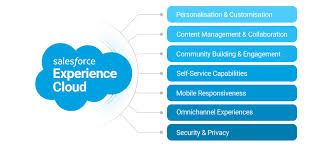
Essential Ecommerce and Digital Experience Terminology The world of ecommerce and digital experiences is constantly evolving, bringing with it a steady stream of new buzzwords and concepts. While this list isn’t exhaustive, it serves as an excellent introduction to some of the latest trends and terminology shaping online shopping experiences. Accessibility Ensuring that web content is accessible across all devices is only part of the equation—compliance with international regulations is crucial to supporting individuals with disabilities. Here are key terms related to digital accessibility: Content Marketing Content marketing has evolved beyond catalogs and newsletters. It’s now an integral part of the shopping experience, helping customers discover and engage with brands in meaningful ways. Data-Driven Strategies Leading brands leverage data-driven ecommerce to deliver personalized, seamless shopping experiences. This ever-evolving space includes key concepts such as: Mobile Commerce Consumers expect to shop seamlessly across multiple devices. Mobile commerce trends ensure a smooth experience, no matter where they browse. Omnichannel Experiences Shoppers today expect a cohesive experience whether they shop online, on social media, or in-store. Here are key omnichannel concepts: Tech & Digital Experience Platforms To meet changing consumer expectations, retailers are adopting advanced technologies that streamline operations and enhance user experiences. Social Commerce Social commerce enables direct purchases through social media platforms, streamlining the shopping journey from discovery to checkout. Security & Privacy Data privacy is a growing concern among consumers. Here are key regulations shaping ecommerce security: Search Search functionality is crucial for delivering relevant results and optimizing user experience. Emerging trends include: Final Thoughts The ecommerce webscape is always changing, with new technologies and trends shaping the way consumers shop online. By staying abreast of these key terms, businesses can enhance customer experiences and remain competitive in the digital marketplace. Explore these topics further with our resources and insights! Like Related Posts Who is Salesforce? Who is Salesforce? Here is their story in their own words. From our inception, we’ve proudly embraced the identity of Read more Salesforce Marketing Cloud Transactional Emails Salesforce Marketing Cloud Transactional Emails are immediate, automated, non-promotional messages crucial to business operations and customer satisfaction, such as order Read more Salesforce Unites Einstein Analytics with Financial CRM Salesforce has unveiled a comprehensive analytics solution tailored for wealth managers, home office professionals, and retail bankers, merging its Financial Read more AI-Driven Propensity Scores AI plays a crucial role in propensity score estimation as it can discern underlying patterns between treatments and confounding variables Read more

Read More
Financial Services Sector

Future of Financial Services

The Future of Financial Services: AI Agents, Consumer Trust, and Digital Transformation Fewer than half of consumers are fully satisfied with the service they receive from banks, insurance providers, and wealth management advisors. This underscores the urgent need for financial service institutions (FSIs) to prioritize standout customer experiences—both human and digital—leveraging AI agents to enhance personalization, efficiency, and responsiveness. Why Customer Experience is Key Consumer loyalty has long been driven by competitive pricing, fees, and interest rates. However, with declining rates making promotional incentives less feasible, FSIs are refocusing on customer service as a key differentiator. AI-powered digital experiences provide an opportunity to exceed customer expectations, offering speed, convenience, and hyper-personalization at scale. A significant portion of consumers are willing to stay with an institution that offers an exceptional experience, even if it raises its rates or fees. For instance, 46% of consumers—and 55% of high earners in the U.S. (households making over $100,000 per year)—value experience over pricing alone. Digital self-service is a primary component of this enhanced experience, with many consumers preferring to complete tasks online rather than through traditional phone or in-branch interactions. Institutions like Credit Unions are already meeting this demand by deploying self-service tools that provide instant resolutions, 24/7. AI Agents: Transforming the FSI Landscape AI agents represent a major leap forward in customer service, automating interactions and resolving issues without human intervention. However, trust in these AI-driven systems remains a work in progress. Only 41% of wealth management clients report being fully satisfied with their institution’s speed and effectiveness, and satisfaction levels are even lower among banking and insurance customers. Despite some skepticism, AI adoption is accelerating. Half of consumers expect AI to significantly impact their financial relationships, a belief even more pronounced among Millennials and Gen Z. The percentage of customers anticipating AI-driven transaction speed improvements has risen from 46% in 2023 to 65% today. Yet, consumer education on AI’s capabilities remains a challenge. AI agents have the potential to act as financial advisors, enhancing financial literacy, optimizing savings, and even increasing earnings. Salesforce’s Agentforce aims to bridge this gap, offering digital financial assistants that can answer questions like, “Am I saving enough for retirement?” or “Can I afford this vacation?”—delivering expert insights instantly and at scale. Building Trust in AI-Powered Finance Despite AI’s promise, trust issues persist. While 54% of consumers express confidence in AI agents, only 10% fully trust them. This skepticism is fueled by concerns over data privacy, security, and transparency. Many consumers are wary of how FSIs handle their personal information and are seeking greater clarity on AI’s role in financial decision-making. A Salesforce study revealed that 73% of consumers want to know when they’re interacting with AI, highlighting the importance of transparency in AI implementation. “For AI to succeed in financial services, trust and compliance must be built into the foundation,” said Eran Agrios, SVP & GM of Financial Services at Salesforce. “FSIs need to ensure their AI strategies are not only effective but also worthy of customer confidence.” AI in Action: Case Studies in Financial Services Financial institutions leveraging Agentforce are already seeing tangible benefits: Integrating Agentforce with ERP for Maximum Impact To maximize the potential of AI agents, FSIs must integrate them seamlessly into their broader enterprise ecosystems. Best practices for integration include: The Next Two Years: Defining the Future of AI in Finance As AI continues to disrupt the financial sector, FSIs that embrace AI-first strategies will outperform competitors in efficiency, security, and customer experience. Here’s what the future holds: The Takeaway Financial institutions that invest in AI-driven experiences today will define the future of finance. By adopting transparent, compliant, and consumer-centric AI strategies, FSIs can build trust, drive efficiency, and deliver exceptional customer experiences that set them apart in an increasingly AI-powered world. Like1 Related Posts Who is Salesforce? Who is Salesforce? Here is their story in their own words. From our inception, we’ve proudly embraced the identity of Read more Salesforce Marketing Cloud Transactional Emails Salesforce Marketing Cloud Transactional Emails are immediate, automated, non-promotional messages crucial to business operations and customer satisfaction, such as order Read more Salesforce Unites Einstein Analytics with Financial CRM Salesforce has unveiled a comprehensive analytics solution tailored for wealth managers, home office professionals, and retail bankers, merging its Financial Read more AI-Driven Propensity Scores AI plays a crucial role in propensity score estimation as it can discern underlying patterns between treatments and confounding variables Read more

Read More
AI-Driven Healthcare

The Future of Healthcare is Digital

Transforming Healthcare with Salesforce Health Cloud In our rapidly evolving healthcare world, digital transformation is no longer optional—it’s essential. Healthcare organizations must leverage innovative solutions to improve patient outcomes, streamline operations, and drive financial growth. Salesforce Health Cloud empowers providers, payers, and life sciences companies to deliver personalized, connected, and data-driven care. The Urgency of Digital Transformation in Healthcare Healthcare organizations face increasing pressure from regulatory requirements, patient expectations for seamless digital experiences, and operational inefficiencies. Traditional systems are often fragmented, making it difficult to provide a unified patient experience. Salesforce Health Cloud addresses these challenges by enhancing communication, centralizing data, and optimizing workflows. Key Benefits of Salesforce Health Cloud ✅ Enhanced Patient EngagementPatients expect convenience, transparency, and personalization. Health Cloud delivers seamless communication through patient portals, automated reminders, and AI-driven insights—leading to higher engagement and improved adherence to treatment plans. ✅ 360-Degree Patient ViewBy integrating data from electronic health records (EHRs), wearable devices, and other sources, Health Cloud provides a unified patient profile. This empowers providers and payers to make data-driven decisions that improve both clinical and business outcomes. ✅ Operational Efficiency & Cost ReductionHealth Cloud automates workflows, reduces redundancies, and improves productivity by integrating clinical, operational, and administrative processes. Real-time collaboration enhances care coordination across teams and organizations. ✅ AI-Powered Insights for Better Decision-MakingWith AI-driven analytics and predictive insights, healthcare organizations can identify at-risk populations, optimize resource allocation, and enhance population health management. Salesforce Einstein AI helps forecast trends and personalize care recommendations. ✅ Interoperability & Regulatory ComplianceNavigating complex healthcare regulations is easier with Health Cloud’s secure architecture, ensuring compliance while enabling seamless data exchange between systems and stakeholders. Why Healthcare Organizations Should Adopt Health Cloud Investing in digital transformation provides a competitive advantage by improving patient satisfaction, reducing operational costs, and driving better health outcomes. Salesforce Health Cloud enables organizations to future-proof their operations, boost revenue, and implement a seamless, value-based care model. Use Cases of Salesforce Health Cloud 🏥 Health Insurers – Improve member engagement, claims processing, and care management to enhance efficiency and reduce costs. 🏥 Hospitals & Health Systems – Streamline care coordination, minimize readmissions, and enhance patient experiences with personalized care plans. 🏥 Home Healthcare & Telemedicine – Enable remote patient monitoring and virtual care, improving accessibility while reducing hospital visits. 🏥 Life Sciences Companies – Accelerate drug development, streamline clinical trials, and enhance collaboration with providers and patients. The Future of Healthcare is Digital Salesforce Health Cloud is at the forefront of healthcare’s digital revolution. By leveraging AI, automation, and seamless integrations, healthcare leaders can improve patient experiences, drive operational efficiency, and ensure long-term success. Now is the time to embrace a data-driven approach to healthcare management. Like Related Posts Who is Salesforce? Who is Salesforce? Here is their story in their own words. From our inception, we’ve proudly embraced the identity of Read more Salesforce Marketing Cloud Transactional Emails Salesforce Marketing Cloud Transactional Emails are immediate, automated, non-promotional messages crucial to business operations and customer satisfaction, such as order Read more Salesforce Unites Einstein Analytics with Financial CRM Salesforce has unveiled a comprehensive analytics solution tailored for wealth managers, home office professionals, and retail bankers, merging its Financial Read more AI-Driven Propensity Scores AI plays a crucial role in propensity score estimation as it can discern underlying patterns between treatments and confounding variables Read more

Read More
Tectonic Salesforce Integrations

Guide to Reinventing Your Business for the Digital Age

Digital Transformation: The Complete Guide to Reinventing Your Business for the Digital Age What Is Digital Transformation? Digital transformation is the strategic adoption of digital technologies to fundamentally reshape business processes, culture, and customer experiences. It’s not just about upgrading IT systems—it’s a holistic reinvention of how a company operates, competes, and delivers value in an increasingly digital world. “Every digital transformation begins and ends with the customer.”— Marc Benioff, Chairman & Co-CEO, Salesforce Digitization vs. Digitalization vs. Digital Transformation Concept Definition Example Digitization Converting analog data to digital Scanning paper invoices into PDFs Digitalization Using digital tools to improve existing processes CRM systems replacing Rolodexes Digital Transformation Reimagining business models with digital-first strategies Netflix shifting from DVDs to streaming Why Digital Transformation Matters 1. Customer Expectations Are Evolving 2. Employees Demand Modern Tools 3. Industry Disruption Is Accelerating Key Drivers of Digital Transformation Real-World Examples of Digital Transformation 1. Banking: From Branches to Apps 2. Retail: Personalization at Scale 3. Insurance: Proactive Risk Management How to Start Your Digital Transformation Step 1: Assess Your Current State Step 2: Build a Cross-Functional Strategy Step 3: Choose the Right Technology Step 4: Foster a Digital-First Culture Avoiding Common Pitfalls 🚫 Mistake: Buying disconnected point solutions✅ Fix: Invest in an integrated platform 🚫 Mistake: Treating it as an “IT project”✅ Fix: Make it a company-wide initiative 🚫 Mistake: Ignoring change management✅ Fix: Get employee buy-in early The Future of Digital Transformation Ready to Transform? Start small, think big, and put your customers at the center. The businesses that thrive in the next decade will be those that embrace continuous digital evolution. Need help? Contact us. Like Related Posts Who is Salesforce? Who is Salesforce? Here is their story in their own words. From our inception, we’ve proudly embraced the identity of Read more Salesforce Marketing Cloud Transactional Emails Salesforce Marketing Cloud Transactional Emails are immediate, automated, non-promotional messages crucial to business operations and customer satisfaction, such as order Read more Salesforce Unites Einstein Analytics with Financial CRM Salesforce has unveiled a comprehensive analytics solution tailored for wealth managers, home office professionals, and retail bankers, merging its Financial Read more AI-Driven Propensity Scores AI plays a crucial role in propensity score estimation as it can discern underlying patterns between treatments and confounding variables Read more

Read More
New Service Cloud Tools

Service Cloud for HR

Salesforce has expanded its Service Cloud capabilities to include a new HR-focused solution, Employee Service, designed to streamline employee support and enhance productivity. Employee Service introduces a dedicated HR service console paired with an employee portal. This portal acts as a centralized hub for staff to access HR resources, offering instant answers via Generative AI (GenAI), direct communication with HR specialists across multiple channels, and self-service options for tasks like requesting paid time off (PTO). For HR teams, the service console consolidates employee data, case details, and a company’s knowledge base into a unified workspace. It leverages AI-driven tools to resolve cases faster, automate routine tasks, and deliver seamless employee experiences. Salesforce’s Agentforce customers can integrate AI agents into Employee Service to further automate processes, saving time and reducing repetitive workloads. In a LinkedIn announcement, Kishan Chetan, EVP and GM for Service Cloud, highlighted the solution’s potential: “This new solution unifies employee data, case details, and a company’s corporate knowledge base all in one workspace that gives HR teams a 360-degree view of each employee and the ability to manage employee support cases with built-in AI and productivity tools. HR teams can efficiently resolve employee issues using Agentforce to quickly search, respond, summarize, and close cases, extending teams to get work done faster.” Salesforce’s broader goal is to eliminate the reliance on fragmented HR tools and reduce the need for employees to navigate disparate platforms like email, internal systems, and collaboration tools to complete HR-related tasks. By doing so, Salesforce aims to simplify HR processes, minimize manual effort, and enhance overall productivity. Early adopters of Employee Service are already reporting significant results. According to Sherin Sunny, Sr. Director of Product Management at Salesforce, customers have observed a 31% increase in employee productivity. This aligns with broader trends: Recognizing the need for a unified HR ecosystem, Salesforce includes a prebuilt MuleSoft integration with Workday and configurable connectors to other Human Capital Management (HCM) systems. These integrations establish a centralized HR data foundation, reducing inefficiencies caused by siloed tools. Looking ahead, Beth Schultz, VP of Research & Principal Analyst at Metrigy, emphasized the importance of integrating Employee Service with Slack, Salesforce’s collaboration platform: “We’ll be particularly watching how Salesforce’s multifaceted plans for bringing [Employee Service] into Slack play out as Slack evolves into a fully connected, collaborative workspace.” Slack itself is undergoing a transformation, with Salesforce Co-Founder Patrick Harris returning to revamp the platform as a core part of the Salesforce ecosystem. Meanwhile, Salesforce continues to expand Service Cloud’s offerings beyond Employee Service. Recent developments include a revamped CCaaS (Contact Center as a Service) integration program and a new product discovery tool. Still, Agentforce remains a key focus for Salesforce’s marketing efforts, showcasing its potential to redefine how businesses deploy autonomous AI agents across use cases like HR and beyond. Like Related Posts Who is Salesforce? Who is Salesforce? Here is their story in their own words. From our inception, we’ve proudly embraced the identity of Read more Salesforce Marketing Cloud Transactional Emails Salesforce Marketing Cloud Transactional Emails are immediate, automated, non-promotional messages crucial to business operations and customer satisfaction, such as order Read more Salesforce Unites Einstein Analytics with Financial CRM Salesforce has unveiled a comprehensive analytics solution tailored for wealth managers, home office professionals, and retail bankers, merging its Financial Read more AI-Driven Propensity Scores AI plays a crucial role in propensity score estimation as it can discern underlying patterns between treatments and confounding variables Read more

Read More
gettectonic.com