Business leaders face an ongoing challenge in dealing with overwhelming volumes of data, which is expected to increase by an average of 22% over the next year, according to over two-thirds of analytics and IT leaders. The growth spans various sources, including third-party data and device data. Managing the increasing and diverse data sources necessitates more effort to standardize data, exacerbating the challenge of data harmonization—standardizing data from different sources. Overcoming this challenge presents a differentiation opportunity, as 65% of customers expect companies to adapt experiences to their changing needs. However, 80% of business leaders find personalization difficult to scale, making mature data management capabilities a crucial competitive advantage. Data and cleansing Salesforce data are an imperative.
Salesforce Data Cleaning Tips:
- Choose the right data cleaning tools.
- Set a data cleaning schedule.
- Create standards for data entry.
- Identify root causes.
- Review your requirements.
- Document your data entry points.
- Search for duplicates, missing fields, invalid data, and inconsistencies.
Ways to Maintain Salesforce Data Integrity:
- Define Data Standards and Guidelines.
- Implement Data Validation Rules.
- Regularly Cleanse and Deduplicate Data.
- Establish Data Governance Processes.
- Train Users on Data Entry Best Practices.
- Monitor Data Quality Metrics.
- Implement Data Backup and Recovery Strategies.
“Dirty data” in Salesforce—missing, duplicate, or outdated data—can lead to challenges such as long sales cycles, stalled deals, inaccurate forecasts, poor customer experiences, and churn. Data and cleansing Salesforce solutions address all the challenges that bad, dirty, and incorrect data create.
Methods Ensuring Data Integrity:
- Redundancy and Replication: Create multiple copies of data across different systems or locations.
- Data Distribution: Distribute data redundantly to mitigate the impact of hardware failures, system outages, or disasters.
Managing Data Quality in Salesforce:
- Use Duplicate Management to reduce and prevent duplicate records.
- Leverage Data Integration, Data.com Prospector, or Data.com Clean to incorporate data from third parties and Data.com.
Data Cleaning Definition:
Data cleaning is the process of identifying and removing corrupt or imprecise records from a database, often stored in a CRM system as customer or prospect information.
Benefits of Regular Data and Cleansing Salesforce:
- Better Data Insights: Clean data facilitates identifying trends and patterns for informed business decisions.
- Improved Decision-Making: Incorrect data leads to incorrect conclusions, impacting the bottom line. Regular cleansing ensures accurate insights and better decision-making.
Data and cleansing salesforce
Content updated April 2023.
Who is Salesforce? Here is their story in their own words. From our inception, we've proudly embraced the identity of Read more
Salesforce Marketing Cloud Transactional Emails are immediate, automated, non-promotional messages crucial to business operations and customer satisfaction, such as order Read more

Salesforce has unveiled a comprehensive analytics solution tailored for wealth managers, home office professionals, and retail bankers, merging its Financial Read more
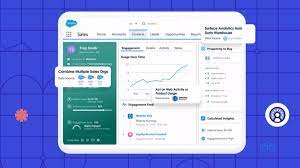
AI plays a crucial role in propensity score estimation as it can discern underlying patterns between treatments and confounding variables Read more