Data Warehouse Archives - gettectonic.com

Once Upon a Time in Data Land

Once Upon a Time in Data Land: Building the Artificial Intelligence-Ready Warehouse In the early days of data, businesses simply wanted to know what had already happened in the past. Questions like “How many units shipped?” or “What were last month’s sales?” drove the first major digital settlements—the Digitally Filed Data Warehouse. Looking back this seems like the aluminum carport you can have erected in your driveway. The Meticulously Organized Library (The Digitally Filed Data Warehouse Era) Imagine a grand, meticulously organized library. Data from sales, finance, and inventory wasn’t just dumped inside—it went through ETL (Extract, Transform, Load), where it was cleaned, standardized, and structured into predefined formats. Need quarterly sales figures? They were always in the same place, ready for reliable reporting. But then, the world outside got messy. Suddenly, businesses weren’t just dealing with neat rows and columns—they faced website clicks, customer emails, sensor data, social media streams, images, and videos. The rigid Digitally Filed Data Warehouse struggled to adapt. Trying to force unstructured data through ETL was like trying to shelve a waterfall—slow, expensive, and often impossible. The Everything Shed (The Rise of the AI-Powered Warehouse) Enter the AI-Powered Warehouse—a vast, flexible storage space built for raw, unstructured data. Instead of forcing structure upfront, it embraced “store first, organize later” (schema-on-read). Data scientists could explore everything, from tweets to video transcripts, without constraints. But freedom had a cost. Without governance, many AI-Powered Warehouses became “data swamps”—cluttered, unreliable, and slow. Finding clean, trustworthy data was a treasure hunt, and building reliable AI pipelines was a challenge. Organizing the Shed (The AI-Ready Warehouse Paradigm) The solution? Structure without sacrifice. The AI-Ready Warehouse kept the flexibility of raw storage but added intelligence on top. Technologies like Delta Lake, Apache Iceberg, and Apache Hudi introduced:✔ ACID transactions (no more corrupted data)✔ Data versioning (“time travel” to past states)✔ Schema enforcement (order without rigidity)✔ Performance optimizations (speed at scale) A key innovation was the Medallion Architecture, organizing data by quality: This hybrid approach unified BI dashboards, analytics, and machine learning—all on the same foundation. The AI Factory (The Modern AI-Functioning Warehouse) Just as businesses adapted, AI evolved. Generative AI, autonomous agents, and real-time decision-making demanded more than batch-processed data. The AI-Ready Warehouse transformed into a fully integrated AI factory, built for: 🔹 Real-Time & Streaming Data 🔹 Seamless MLOps Integration 🔹 Vector Databases & Embeddings 🔹 Robust AI Governance Why This Matters for AI Agents Autonomous AI agents don’t just analyze data—they act on it. The AI-Functioning Warehouse gives them:✔ Context: Real-time data + historical insights✔ Consistency: Features match training data✔ Memory: Logged actions for continuous learning The Future: An AI-Native Data Ecosystem The journey from Digitally Filed Data Warehouse to AI-Powered Warehouse to AI-Functioning Warehouse reflects a shift from static reporting to dynamic intelligence. For businesses embracing AI, the question is no longer “Do we need a data strategy?” but “Is our data foundation AI-ready?” The answer will separate the leaders from the laggards in the age of AI. Next Steps: The future belongs to those who build not just for data, but for AI. Like Related Posts Who is Salesforce? Who is Salesforce? Here is their story in their own words. From our inception, we’ve proudly embraced the identity of Read more Salesforce Unites Einstein Analytics with Financial CRM Salesforce has unveiled a comprehensive analytics solution tailored for wealth managers, home office professionals, and retail bankers, merging its Financial Read more AI-Driven Propensity Scores AI plays a crucial role in propensity score estimation as it can discern underlying patterns between treatments and confounding variables Read more Tectonic’s Successful Salesforce Track Record Salesforce Technology Services Integrator – Tectonic has successfully delivered Salesforce in a variety of industries including Public Sector, Hospitality, Manufacturing, Read more

Read More
Salesforce Einstein Discovery

Salesforce Einstein Discovery

Unlock the Power of Historical Salesforce Data with Einstein Discovery Streamline Access to Historical Insights Salesforce Einstein Discovery (formerly Salesforce Discover) eliminates the complexity of manual data extraction, giving you instant access to complete historical Salesforce data—without maintaining pipelines or infrastructure. 🔹 Effortless Trend Analysis – Track changes across your entire org over time.🔹 Seamless Reporting – Accelerate operational insights with ready-to-use historical data.🔹 Cost Efficiency – Reduce overhead by retrieving trend data from backups instead of production. Why Use Historical Backup Data for Analytics? Most organizations struggle with incomplete or outdated SaaS data, making trend analysis slow and unreliable. With Einstein Discovery, you can:✅ Eliminate data gaps – Access every historical change in your Salesforce org.✅ Speed up decision-making – Feed clean, structured data directly to BI tools.✅ Cut infrastructure costs – Skip costly ETL processes and data warehouses. Einstein Discovery vs. Traditional Data Warehouses Traditional Approach Einstein Discovery Requires ETL pipelines & data warehouses No pipelines needed – backups auto-update Needs ongoing engineering maintenance Zero maintenance – always in sync with your org Limited historical visibility Full change history with minute-level accuracy 💡 Key Advantage: Einstein Discovery automates what used to take months of data engineering. How It Works Einstein Discovery leverages Salesforce Backup & Recover to:🔹 Track every field & record change in real time.🔹 Feed historical data directly to Tableau, Power BI, or other BI tools.🔹 Stay schema-aware – no manual adjustments needed. AI-Powered Predictive Analytics Beyond historical data, Einstein Discovery uses AI and machine learning to:🔮 Predict outcomes (e.g., sales forecasts, churn risk).📊 Surface hidden trends with automated insights.🛠 Suggest improvements (e.g., “Increase deal size by focusing on X”). Supported Use Cases: ✔ Regression (e.g., revenue forecasting)✔ Binary Classification (e.g., “Will this lead convert?”)✔ Multiclass Classification (e.g., “Which product will this customer buy?”) Deploy AI Insights Across Salesforce Once trained, models can be embedded in:📌 Lightning Pages📌 Experience Cloud📌 Tableau Dashboards📌 Salesforce Flows & Automation Get Started with Einstein Discovery 🔹 License Required: CRM Analytics Plus or Einstein Predictions.🔹 Data Prep: Pull from Salesforce or external sources.🔹 Bias Detection: Ensure ethical AI with built-in fairness checks. Transform raw data into actionable intelligence—without coding. Talk to your Salesforce rep to enable Einstein Discovery today! Like1 Related Posts Who is Salesforce? Who is Salesforce? Here is their story in their own words. From our inception, we’ve proudly embraced the identity of Read more Salesforce Marketing Cloud Transactional Emails Salesforce Marketing Cloud Transactional Emails are immediate, automated, non-promotional messages crucial to business operations and customer satisfaction, such as order Read more Salesforce Unites Einstein Analytics with Financial CRM Salesforce has unveiled a comprehensive analytics solution tailored for wealth managers, home office professionals, and retail bankers, merging its Financial Read more AI-Driven Propensity Scores AI plays a crucial role in propensity score estimation as it can discern underlying patterns between treatments and confounding variables Read more

Read More
AI Agents Are the Future of Enterprise

AI Agents Are the Future of Enterprise

AI Agents Are the Future of Enterprise—But They Need the Right Architecture AI agents are poised to revolutionize enterprise operations with autonomous problem-solving, adaptive workflows, and scalability. However, the biggest challenge isn’t improving models—it’s building the infrastructure to support them. Agents require seamless access to data, tools, and the ability to share insights across systems—with outputs usable by multiple services, including other agents. This isn’t just an AI challenge; it’s an infrastructure and data interoperability problem. Traditional approaches—like chaining commands—won’t cut it. Instead, enterprises need an event-driven architecture (EDA) powered by real-time data streams. As HubSpot CTO Dharmesh Shah put it, “Agents are the new apps.” To unlock their potential, businesses must invest in the right design patterns from the start. This insight explores why EDA is critical for scaling AI agents and integrating them into modern enterprise systems. The Evolution of AI: From Predictive Models to Autonomous Agents AI has progressed through three key waves, each overcoming—but also introducing—new limitations. 1. The First Wave: Predictive Models Early AI relied on traditional machine learning (ML) for narrow, domain-specific tasks. These models were rigid, requiring extensive retraining for new use cases. Limitations: 2. The Second Wave: Generative AI Generative AI, powered by large language models (LLMs), introduced general-purpose intelligence. Unlike predictive models, LLMs could handle diverse tasks—from text generation to code synthesis. Limitations: For example, asking an LLM to recommend an insurance policy based on a user’s health history fails—unless the model can dynamically retrieve personal data. 3. The Third Wave: Compound AI & Agentic Systems To overcome these gaps, Compound AI systems combine LLMs with: But even RAG has limits—it relies on fixed workflows, making it inflexible for dynamic tasks. Enter AI agents: autonomous systems that reason, plan, and adapt in real time. Why Agents Are the Next Frontier Salesforce CEO Marc Benioff recently noted that LLMs are hitting their limits, and the future lies in autonomous agents. Unlike static models, agents: Key Agent Design Patterns These patterns enable Agentic RAG, where retrieval isn’t fixed but adaptive—agents decide what data to fetch based on context. The Scaling Challenge: It’s an Infrastructure Problem Agents need real-time data access and seamless interoperability—but connecting them via APIs creates tight coupling, leading to: The Solution: Event-Driven Architecture (EDA) EDA decouples agents using asynchronous event streams (e.g., Kafka, Redpanda). Benefits:✅ Loose coupling – Agents communicate without direct dependencies.✅ Real-time reactivity – Instant responses to changing data.✅ Scalability – New agents join without redesigning the system.✅ Resilience – Failures don’t cascade. Example: An agent analyzing customer data publishes an event—other agents, CRMs, or analytics tools consume it without explicit coordination. Why EDA is the Future for AI Agents Just as microservices replaced monoliths, EDA will replace rigid AI pipelines. Early adopters (like Facebook with scalable infrastructure) outcompeted those that couldn’t scale (like Friendster). The same will happen with AI agents. Enterprises that embrace event-driven agents will: The Bottom Line AI agents are the next evolution of enterprise software—but without EDA, they’ll hit a wall. Companies that invest in event-driven infrastructure today will lead the next wave of AI innovation. The rest? They’ll struggle to keep up. Ready to future-proof your AI strategy? AI Agents Are the Future of Enterprise. The time to build for agents is now. Contact Tectonic today. Like Related Posts Who is Salesforce? Who is Salesforce? Here is their story in their own words. From our inception, we’ve proudly embraced the identity of Read more Salesforce Marketing Cloud Transactional Emails Salesforce Marketing Cloud Transactional Emails are immediate, automated, non-promotional messages crucial to business operations and customer satisfaction, such as order Read more Salesforce Unites Einstein Analytics with Financial CRM Salesforce has unveiled a comprehensive analytics solution tailored for wealth managers, home office professionals, and retail bankers, merging its Financial Read more AI-Driven Propensity Scores AI plays a crucial role in propensity score estimation as it can discern underlying patterns between treatments and confounding variables Read more
Read More
Data Labeling

Data Activation Explained

Data activation is the process of transforming raw data into actionable insights, making it accessible and usable for decision-making across various business functions and channels. It involves moving data from silos to operational tools, enabling real-time decision-making and personalized experiences.  Explanation: What it is: Why it’s important: How it works: Like Related Posts Who is Salesforce? Who is Salesforce? Here is their story in their own words. From our inception, we’ve proudly embraced the identity of Read more Salesforce Marketing Cloud Transactional Emails Salesforce Marketing Cloud Transactional Emails are immediate, automated, non-promotional messages crucial to business operations and customer satisfaction, such as order Read more Salesforce Unites Einstein Analytics with Financial CRM Salesforce has unveiled a comprehensive analytics solution tailored for wealth managers, home office professionals, and retail bankers, merging its Financial Read more AI-Driven Propensity Scores AI plays a crucial role in propensity score estimation as it can discern underlying patterns between treatments and confounding variables Read more

Read More

Salesforce Custom Development

Salesforce Custom Development: Your Competitive Edge in 2025 The global custom software market is booming—projected to reach $146.18 billion by 2030, growing at 22.5% annually (Grand View Research). If your business is still relying on a generic, “one-size-fits-all” CRM setup, you’re likely missing out on growth, efficiency, and customer satisfaction. The solution? Custom Salesforce development. Beyond simple tweaks like adjusting page layouts or adding fields, true customization transforms Salesforce into a tailored business engine—giving your team superpowers, streamlining operations, and accelerating growth. Let’s explore why Salesforce custom development is a game-changer in 2025. What Is Salesforce Custom Development? Salesforce custom development means building unique features, automations, and integrations that align perfectly with your business needs. Instead of settling for out-of-the-box functionality, you enhance Salesforce to solve your specific challenges, such as: ✔ Developing custom apps on the Salesforce Platform✔ Building advanced workflows for sales, service, or operations✔ Integrating with third-party systems (ERPs, data warehouses, marketing tools)✔ Designing personalized dashboards & reports for real-time insights The result? A CRM that works the way your business does—not the other way around. Top 5 Benefits of Salesforce Custom Development 1. Tailored Workflows That Boost Efficiency Every business has unique processes—whether it’s lead qualification, customer onboarding, or support escalations. Custom workflows eliminate friction, improve adoption, and help teams work faster and smarter. 2. Automation That Saves Time (and Sanity) In 2025, manual work = lost opportunities. Custom development automates repetitive tasks—like follow-ups, data entry, and deal updates—freeing your team to focus on high-value work. 3. Real-Time Insights for Smarter Decisions Generic dashboards often miss the mark. Custom reports and visualizations align with your KPIs, helping leaders spot trends, risks, and opportunities faster. 4. Seamless Integrations for a Unified System Salesforce shouldn’t operate in a silo. Custom integrations with tools like HubSpot, QuickBooks, or SAP create a single source of truth, eliminating data silos and inefficiencies. 5. Hyper-Personalized Customer Experiences Custom development lets you deliver tailored interactions at scale—triggering behavior-based emails, dynamic portal content, or personalized support flows. The result? Happier, more loyal customers. Why Custom Development Matters More Than Ever The business landscape is more competitive than ever. Off-the-shelf CRM setups won’t cut it if you want to: ✔ Move faster than competitors✔ Make data-driven decisions with confidence✔ Deliver standout customer experiences With Salesforce’s evolving platform capabilities, the potential for customization is bigger and more accessible than ever—without blowing budgets or timelines. And the best part? Every team benefits—sales, marketing, service, and operations all work smarter with the right customizations. Is It Time for Custom Development? Ask yourself:🔹 Is your team wasting time on manual work?🔹 Are you fighting Salesforce limitations?🔹 Is reporting unclear or inconsistent?🔹 Do multiple systems fail to communicate?🔹 Is user adoption lagging? If you answered yes, custom development could be your competitive turning point. Avoiding Common Customization Pitfalls Custom development delivers huge rewards—but only if done right. Key tips: ✅ Start small, then scale (avoid over-engineering)✅ Document all customizations for future updates✅ Align changes with business goals✅ Test thoroughly before launch✅ Involve end users early And most importantly: Don’t go it alone. How Tectonic Can Help Custom development unlocks massive potential—but it requires expert execution. At Tectonic, we don’t just write code. We deeply understand your business, then build strategic Salesforce solutions that solve your biggest challenges. Our Salesforce-certified experts specialize in:✔ Complex automations✔ Smarter dashboards & reporting✔ Seamless third-party integrations Ready to transform your Salesforce experience? 📩 Contact Tectonic today. Final Thoughts Salesforce is powerful—but custom development makes it unstoppable. From tailored workflows to real-time insights, the benefits are too significant to ignore in 2025. Whether you’re scaling fast or streamlining operations, customization is your edge. And with the right partner, it’s easier than you think. Why settle for average? Build a CRM that works for you.  Like Related Posts Who is Salesforce? Who is Salesforce? Here is their story in their own words. From our inception, we’ve proudly embraced the identity of Read more Salesforce Marketing Cloud Transactional Emails Salesforce Marketing Cloud Transactional Emails are immediate, automated, non-promotional messages crucial to business operations and customer satisfaction, such as order Read more Salesforce Unites Einstein Analytics with Financial CRM Salesforce has unveiled a comprehensive analytics solution tailored for wealth managers, home office professionals, and retail bankers, merging its Financial Read more AI-Driven Propensity Scores AI plays a crucial role in propensity score estimation as it can discern underlying patterns between treatments and confounding variables Read more
Read More
Integrate Digital Delivery and Human Connection

Types of Salesforce Integration

Types of Salesforce Integration: A Comprehensive Guide As a leading CRM platform, Salesforce is often required to integrate with other systems to deliver a seamless experience and ensure efficient business operations. Whether it’s syncing data, automating workflows, or enabling real-time communication, Salesforce provides robust integration methods tailored to various needs. In this guide, we’ll explore the different types of Salesforce integrations, their practical applications, and how to choose the right approach for your business. Why Integrate Salesforce? Integrating Salesforce with other systems empowers businesses to: Types of Salesforce Integration 1. Data Integration Ensures data consistency between Salesforce and external systems, enabling seamless synchronization. 2. Process Integration Links workflows across systems, ensuring actions in one system trigger automated processes in another. 3. User Interface (UI) Integration Combines multiple applications into a single interface for a unified user experience. 4. Application Integration Connects Salesforce with external apps for real-time data exchange and functional synchronization. 5. Real-Time Integration Facilitates instant synchronization of data and events between Salesforce and external systems. 6. Batch Integration Processes large data volumes in chunks, typically during off-peak hours. 7. Hybrid Integration Combines multiple integration types, such as real-time and batch, to handle complex requirements. Tools for Salesforce Integration Native Salesforce Tools: Third-Party Tools: Best Practices for Salesforce Integration Conclusion Salesforce integration is essential for streamlining operations and unlocking business potential. With options like data, process, and real-time integration, Salesforce offers the flexibility to meet diverse needs. By adopting the right integration approach and adhering to best practices, businesses can create a unified, efficient ecosystem, enhancing operations and improving customer experience. Whether integrating with ERP systems, marketing tools, or support platforms, Salesforce provides the tools to make integration seamless and impactful. Like Related Posts Who is Salesforce? Who is Salesforce? Here is their story in their own words. From our inception, we’ve proudly embraced the identity of Read more Salesforce Marketing Cloud Transactional Emails Salesforce Marketing Cloud Transactional Emails are immediate, automated, non-promotional messages crucial to business operations and customer satisfaction, such as order Read more Salesforce Unites Einstein Analytics with Financial CRM Salesforce has unveiled a comprehensive analytics solution tailored for wealth managers, home office professionals, and retail bankers, merging its Financial Read more AI-Driven Propensity Scores AI plays a crucial role in propensity score estimation as it can discern underlying patterns between treatments and confounding variables Read more

Read More
MoEngage Unveils New Tools to Help Marketers Adapt to Consumer Trends

MoEngage Unveils New Tools to Help Marketers Adapt to Consumer Trends

MoEngage, a leading cross-channel customer engagement platform, has launched new features designed to help marketers quickly adapt to shifting consumer behaviors. These updates, introduced at the bi-annual MoEngage NEXT event, include Connected Apps for seamless data integration, a Salesforce CRM integration for streamlined data exchange, and Coupons for managing single-use discounts. “Our new capabilities reinforce our commitment to empowering marketers with tools to understand and adapt to evolving consumer expectations,” said Raviteja Dodda, CEO and Co-Founder of MoEngage. “These innovations enable our clients to scale personalized engagement based on individual preferences and behaviors.” Tackling Fragmented Engagement Tools Marketers often struggle to deliver personalized experiences due to disconnected engagement tools and data silos. To bridge this gap, MoEngage introduced Connected Apps, a low-code framework that integrates data across messaging platforms, advertising channels, IVR systems, data warehouses, and chatbots. Enhanced Integration with Salesforce CRM The new bi-directional native integration with Salesforce CRM simplifies data exchange between the two platforms. Marketers can now trigger real-time personalized campaigns without needing costly custom integrations. This integration not only improves efficiency but also reduces operational costs. Streamlining Coupon Management To enhance customer engagement, MoEngage launched Coupons, a feature that helps marketers allocate and manage single-use discount codes from a centralized dashboard. The tool includes real-time updates on coupon status, alerts for shortages and expiration dates, and ingestion tracking, ensuring smooth campaign execution while optimizing costs. Driving Scalable and Personalized Engagement With these innovations, MoEngage continues to solidify its position as a go-to platform for marketers seeking to adapt quickly to consumer trends. By addressing common pain points like data fragmentation and inefficient tools, MoEngage enables marketers to deliver meaningful, personalized customer experiences at scale. Like Related Posts Who is Salesforce? Who is Salesforce? Here is their story in their own words. From our inception, we’ve proudly embraced the identity of Read more Salesforce Marketing Cloud Transactional Emails Salesforce Marketing Cloud Transactional Emails are immediate, automated, non-promotional messages crucial to business operations and customer satisfaction, such as order Read more Salesforce Unites Einstein Analytics with Financial CRM Salesforce has unveiled a comprehensive analytics solution tailored for wealth managers, home office professionals, and retail bankers, merging its Financial Read more AI-Driven Propensity Scores AI plays a crucial role in propensity score estimation as it can discern underlying patterns between treatments and confounding variables Read more

Read More
Transform Customer Experiences

Transform Customer Experiences

How to Transform Customer Experiences with AI and Sub-Second E2E Real-Time Data Sync Introducing Data Cloud’s Sub-Second E2E Real-Time FeatureDeliver hyper-personalized experiences in real time, no matter how or where customers engage with your brand. Exceptional customer experiences hinge on unifying interactions across every touchpoint. Yet, fragmented data dispersed across systems, channels, and clouds often stands in the way. Salesforce Data Cloud eliminates these silos by delivering a synchronized, real-time customer data ecosystem, enabling brands to create personalized, seamless experiences instantly—regardless of how or where customers connect. We’re excited to announce that the Sub-Second E2E Real-Time feature in Salesforce Data Cloud is now available. This innovation processes and analyzes data as it’s generated, empowering brands to make immediate, data-driven decisions. Combined with Einstein Personalization—which leverages advanced machine learning (ML) and rules-based automation—businesses can deliver individualized experiences across all channels, driving deeper engagement and improved outcomes. What is Sub-Second Real-Time? Sub-second real-time refers to the ability to process and deliver data or responses in less than one second, ensuring ultra-low latency and near-instantaneous results. This capability is critical for applications requiring immediate data updates, such as live analytics, responsive user interfaces, and time-sensitive decision-making. The Sub-Second E2E Real-Time feature empowers industries like fraud detection, predictive maintenance, and real-time marketing with instant insights. By synchronizing data across systems, channels, and clouds, Data Cloud ensures a unified, real-time customer view, giving businesses a competitive edge. Real-World Examples of Sub-Second Real-Time in Action 1. Real-Time Web Personalization Imagine a user browsing a website. As they interact with products, Data Cloud instantly captures this activity and updates their customer profile. Using Einstein Personalization, the system processes this data in milliseconds to tailor their browsing experience. For instance, personalized product recommendations can appear as the user clicks, leveraging insights from their behavior across platforms such as websites, point-of-sale systems, mobile apps, and other data sources. This seamless personalization is made possible by Data Cloud’s integrations, including zero-copy ingestion from major data warehouses like Snowflake, Databricks, and Redshift. The result? A continuously updated, 360-degree customer view that enhances every touchpoint. 2. Real-Time Support with Agentforce Now, consider a customer engaging in a live chat for assistance. As they browse, their actions are captured and updated in real time. When they initiate a chat, whether through Agentforce AI agents or human support, the agent has immediate access to their full activity history, updated within milliseconds. This enables the agent to provide tailored responses and solutions, ensuring a frictionless and engaging customer support experience. Why Sub-Second Real-Time Matters From personalization to support, the Sub-Second E2E Real-Time feature in Data Cloud ensures every customer interaction feels relevant, timely, and connected. By bridging the gap between data silos and intelligent automation, businesses can unlock new opportunities to exceed customer expectations—at scale and in real time. Explore how Salesforce Data Cloud can transform your customer experience today. Like Related Posts Who is Salesforce? Who is Salesforce? Here is their story in their own words. From our inception, we’ve proudly embraced the identity of Read more Salesforce Marketing Cloud Transactional Emails Salesforce Marketing Cloud Transactional Emails are immediate, automated, non-promotional messages crucial to business operations and customer satisfaction, such as order Read more Salesforce Unites Einstein Analytics with Financial CRM Salesforce has unveiled a comprehensive analytics solution tailored for wealth managers, home office professionals, and retail bankers, merging its Financial Read more AI-Driven Propensity Scores AI plays a crucial role in propensity score estimation as it can discern underlying patterns between treatments and confounding variables Read more

Read More
NetSuite Salesforce Collaboration

NetSuite Salesforce Collaboration

NetSuite Bets on Strategic Growth and Embraces Collaboration with Salesforce Growing on All Fronts At SuiteWorld 2024, the theme, “All Systems Grow,” reflected a pivotal moment for NetSuite. While the event lacked groundbreaking announcements, it showcased a fulfillment of past promises and a notable strategic shift toward openness and collaboration. Oracle and NetSuite are now welcoming competitors as partners, signaling a move toward interoperability that could redefine their market positioning. With over 40,000 customers, NetSuite continues its strong growth in the ERP space, particularly among SMBs. The company’s Q3 sales surged 20% year-over-year, underlining its momentum in the mid-market. Beyond traditional ERP capabilities, NetSuite’s expanded suite of solutions positions it as more than just an ERP provider. Delivering on AI Innovations While there were no splashy acquisitions, NetSuite made significant strides by rolling out 170 new modules and features, many leveraging AI. These enhancements blend predictive AI and generative AI to increase accuracy and user productivity. These updates aim to elevate both the platform’s quality and the efficiency of its users. Redwood Design: A Transformative User Experience NetSuite is adopting Oracle’s Redwood design language, promising a more intuitive and user-friendly interface. While Redwood is not new, its phased rollout within NetSuite is a significant step forward. Notable Additions: SuiteProcurement and Salesforce Integration SuiteProcurement: NetSuite’s new procurement automation solution integrates directly with Amazon Business and Staples Business Advantage, automating ordering, invoicing, approvals, and deliveries. Plans are underway to expand vendor support, offering broader applicability in the future. Salesforce Partnership: NetSuite’s most significant announcement was its strategic partnership with Salesforce, enabling real-time data exchange between the platforms. Evan Goldberg, NetSuite’s founder and EVP, explained the rationale:“It’s up to the customer to decide what software they want to use.” The partnership reflects NetSuite’s commitment to addressing customer needs, with more SaaS integrations expected in the future. Expanding Field Service Management (FSM) NetSuite’s Field Service Management (FSM) capabilities, acquired last year, are now better integrated into its platform. While development progress has been slower than anticipated, significant enhancements are expected in the coming year, leveraging Oracle technology to extend FSM’s functionality across industries. And Field Service Management is available in Salesforce, as well. Positioned for Continued SMB Growth NetSuite’s investments are yielding results, as demonstrated by its rapid growth and deeper integration of Oracle technology. The NetSuite Analytics Data Warehouse and Enterprise Performance Management are driving adoption among existing users, showcasing the platform’s scalability. NetSuite’s ability to quickly integrate Oracle updates into its infrastructure gives it a competitive edge, ensuring customers benefit from the latest innovations without delays. With its robust feature set, AI-powered tools, and strategic partnerships like the one with Salesforce, NetSuite has strengthened its position as a go-to ERP platform for SMBs. Its consistent 20% year-over-year growth indicates a bright future, making it an increasingly attractive option for mid-market businesses. Like Related Posts Who is Salesforce? Who is Salesforce? Here is their story in their own words. From our inception, we’ve proudly embraced the identity of Read more Salesforce Marketing Cloud Transactional Emails Salesforce Marketing Cloud Transactional Emails are immediate, automated, non-promotional messages crucial to business operations and customer satisfaction, such as order Read more Salesforce Unites Einstein Analytics with Financial CRM Salesforce has unveiled a comprehensive analytics solution tailored for wealth managers, home office professionals, and retail bankers, merging its Financial Read more AI-Driven Propensity Scores AI plays a crucial role in propensity score estimation as it can discern underlying patterns between treatments and confounding variables Read more
Read More
SingleStore Acquires BryteFlow

SingleStore Acquires BryteFlow

SingleStore Acquires BryteFlow, Paving the Way for Real-Time Analytics and Next-Gen AI Use Cases SingleStore, the world’s only database designed to transact, analyze, and search petabytes of data in milliseconds, has announced its acquisition of BryteFlow, a leading data integration platform. This move enhances SingleStore’s capabilities to ingest data from diverse sources—including SAP, Oracle, and Salesforce—while empowering users to operationalize data from their CRM and ERP systems. With the acquisition, SingleStore will integrate BryteFlow’s data integration technology into its core offering, launching a new experience called SingleConnect. This addition will complement SingleStore’s existing functionalities, enabling users to gain deeper insights from their data, accelerate real-time analytics, and support emerging generative AI (GenAI) use cases. “This acquisition marks a pivotal step in our mission to deliver unparalleled speed, scale, and simplicity,” said Raj Verma, CEO of SingleStore. “Customer demands are evolving rapidly due to shifts in big data storage formats and advancements in generative AI. We believe that data is the foundation of all intelligence, and SingleConnect comes at a perfect time to address this need.” BryteFlow’s platform provides scalable change data capture (CDC) capabilities across multiple data sources, ensuring data integrity between source and target. It integrates seamlessly with major cloud platforms like AWS, Microsoft Azure, and Google Cloud, making it a powerful tool for cloud-based data warehouses and data lakes. Its no-code interface allows for easy and accessible data integration, ensuring that existing BryteFlow customers will experience uninterrupted service and ongoing support. “By combining BryteFlow’s real-time data integration expertise with SingleStore’s capabilities, we aim to help global organizations extract maximum value from their data and scale modern applications,” said Pradnya Bhandary, CEO of BryteFlow. “With SingleConnect, developers will find it easier and faster to access enterprise data sources, tackle complex workloads, and deliver exceptional experiences to their customers.” Like Related Posts Who is Salesforce? Who is Salesforce? Here is their story in their own words. From our inception, we’ve proudly embraced the identity of Read more Salesforce Marketing Cloud Transactional Emails Salesforce Marketing Cloud Transactional Emails are immediate, automated, non-promotional messages crucial to business operations and customer satisfaction, such as order Read more Salesforce Unites Einstein Analytics with Financial CRM Salesforce has unveiled a comprehensive analytics solution tailored for wealth managers, home office professionals, and retail bankers, merging its Financial Read more AI-Driven Propensity Scores AI plays a crucial role in propensity score estimation as it can discern underlying patterns between treatments and confounding variables Read more
Read More
Fivetrans Hybrid Deployment

Fivetrans Hybrid Deployment

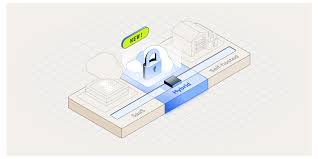
Fivetran’s Hybrid Deployment: A Breakthrough in Data Engineering In the data engineering world, balancing efficiency with security has long been a challenge. Fivetran aims to shift this dynamic with its Hybrid Deployment solution, designed to seamlessly move data across any environment while maintaining control and flexibility. Fivetrans Hybrid Deployment. The Hybrid Advantage: Flexibility Meets Control Fivetran’s Hybrid Deployment offers a new approach for enterprises, particularly those handling sensitive data or operating in regulated sectors. Often, these businesses struggle to adopt data-driven practices due to security concerns. Hybrid Deployment changes this by enabling the secure movement of data across cloud and on-premises environments, giving businesses full control over their data while maintaining the agility of the cloud. As George Fraser, Fivetran’s CEO, notes, “Businesses no longer have to choose between managed automation and data control. They can now securely move data from all their critical sources—like Salesforce, Workday, Oracle, SAP—into a data warehouse or data lake, while keeping that data under their own control.” How it Works: A Secure, Streamlined Approach Fivetran’s Hybrid Deployment relies on a lightweight local agent to move data securely within a customer’s environment, while the Fivetran platform handles the management and monitoring. This separation of control and data planes ensures that sensitive information stays within the customer’s secure perimeter. Vinay Kumar Katta, a managing delivery architect at Capgemini, highlights the flexibility this provides, enabling businesses to design pipelines without sacrificing security. Beyond Security: Additional Benefits Hybrid Deployment’s benefits go beyond just security. It also offers: Early adopters are already seeing its value. Troy Fokken, chief architect at phData, praises how it “streamlines data pipeline processes,” especially for customers in regulated industries. AI Agent Architectures: Defining the Future of Autonomous Systems In the rapidly evolving world of AI, a new framework is emerging—AI agents designed to act autonomously, adapt dynamically, and explore digital environments. These AI agents are built on core architectural principles, bringing the next generation of autonomy to AI-driven tasks. What Are AI Agents? AI agents are systems designed to autonomously or semi-autonomously perform tasks, leveraging tools to achieve objectives. For instance, these agents may use APIs, perform web searches, or interact with digital environments. At their core, AI agents use Large Language Models (LLMs) and Foundation Models (FMs) to break down complex tasks, similar to human reasoning. Large Action Models (LAMs) Just as LLMs transformed natural language processing, Large Action Models (LAMs) are revolutionizing how AI agents interact with environments. These models excel at function calling—turning natural language into structured, executable actions, enabling AI agents to perform real-world tasks like scheduling or triggering API calls. Salesforce AI Research, for instance, has open-sourced several LAMs designed to facilitate meaningful actions. LAMs bridge the gap between unstructured inputs and structured outputs, making AI agents more effective in complex environments. Model Orchestration and Small Language Models (SLMs) Model orchestration complements LAMs by utilizing smaller, specialized models (SLMs) for niche tasks. Instead of relying on resource-heavy models, AI agents can call upon these smaller models for specific functions—such as summarizing data or executing commands—creating a more efficient system. SLMs, combined with techniques like Retrieval-Augmented Generation (RAG), allow smaller models to perform comparably to their larger counterparts, enhancing their ability to handle knowledge-intensive tasks. Vision-Enabled Language Models for Digital Exploration AI agents are becoming even more capable with vision-enabled language models, allowing them to interact with digital environments. Projects like Apple’s Ferret-UI and WebVoyager exemplify this, where agents can navigate user interfaces, recognize elements via OCR, and explore websites autonomously. Function Calling: Structured, Actionable Outputs A fundamental shift is happening with function calling in AI agents, moving from unstructured text to structured, actionable outputs. This allows AI agents to interact with systems more efficiently, triggering specific actions like booking meetings or executing API calls. The Role of Tools and Human-in-the-Loop AI agents rely on tools—algorithms, scripts, or even humans-in-the-loop—to perform tasks and guide actions. This approach is particularly valuable in high-stakes industries like healthcare and finance, where precision is crucial. The Future of AI Agents With the advent of Large Action Models, model orchestration, and function calling, AI agents are becoming powerful problem solvers. These agents are evolving to explore, learn, and act within digital ecosystems, bringing us closer to a future where AI mimics human problem-solving processes. As AI agents become more sophisticated, they will redefine how we approach digital tasks and interactions. Like Related Posts Who is Salesforce? Who is Salesforce? Here is their story in their own words. From our inception, we’ve proudly embraced the identity of Read more Salesforce Marketing Cloud Transactional Emails Salesforce Marketing Cloud Transactional Emails are immediate, automated, non-promotional messages crucial to business operations and customer satisfaction, such as order Read more Salesforce Unites Einstein Analytics with Financial CRM Salesforce has unveiled a comprehensive analytics solution tailored for wealth managers, home office professionals, and retail bankers, merging its Financial Read more AI-Driven Propensity Scores AI plays a crucial role in propensity score estimation as it can discern underlying patterns between treatments and confounding variables Read more
Read More
gettectonic.com