
08Nov
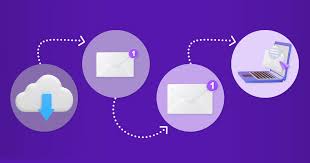
Email Nurture Guide
Nurture marketing significantly increases the chances that your ideal buyers will consider your products or services when they’re ready to purchase.
Nurture marketing significantly increases the chances that your ideal buyers will consider your products or services when they’re ready to purchase.

Deactivated Users & Record Ownership: When a Salesforce user is deactivated, the records they own may not be automatically transferred to a new active owner. Pardot syncs prospect records based on the Salesforce owner. If the owner is inactive, it can prevent prospects from syncing correctly or being included in dynamic lists in Pardot.
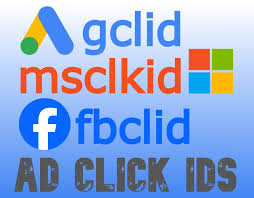
Yes, you can aggregate GCLID (Google Click Identifier) data within Marketing Cloud Account Engagement (formerly Pardot) by enabling auto-tagging in Google Ads, which allows the platform to capture and track the Google Ad click details. Detailed explanation: Like Related Posts Who is Salesforce? Who is Salesforce? Here is their story in their own words. From our inception, we’ve proudly embraced the identity of Read more Salesforce Marketing Cloud Transactional Emails Salesforce Marketing Cloud Transactional Emails are immediate, automated, non-promotional messages crucial to business operations and customer satisfaction, such as order Read more Salesforce Unites Einstein Analytics with Financial CRM Salesforce has unveiled a comprehensive analytics solution tailored for wealth managers, home office professionals, and retail bankers, merging its Financial Read more AI-Driven Propensity Scores AI plays a crucial role in propensity score estimation as it can discern underlying patterns between treatments and confounding variables Read more
Integrate Salesforce Account Engagement, fka Pardot, with Evernote Using Tray.io for Seamless Automation Connecting Salesforce Marketing Cloud Account Engagement and Evernote is simple and powerful with the Tray.io platform. Using Tray.io’s connectors, you can integrate Pardot with Evernote and other services without needing multiple integration tools. About Account Engagement: Account Engagement, formerly known as Pardot, is Salesforce’s lead marketing automation system, designed to help businesses reach potential clients through automated email, targeted campaigns, and other channels. Getting Started with Pardot on Tray.io Once authenticated, you can use Tray.io’s intuitive workflow builder to create custom automation flows between Pardot and Evernote. This integration allows teams to sync notes, manage lead information, and coordinate marketing tasks with minimal effort, maximizing both platforms’ capabilities. Like Related Posts Who is Salesforce? Who is Salesforce? Here is their story in their own words. From our inception, we’ve proudly embraced the identity of Read more Salesforce Marketing Cloud Transactional Emails Salesforce Marketing Cloud Transactional Emails are immediate, automated, non-promotional messages crucial to business operations and customer satisfaction, such as order Read more Salesforce Unites Einstein Analytics with Financial CRM Salesforce has unveiled a comprehensive analytics solution tailored for wealth managers, home office professionals, and retail bankers, merging its Financial Read more AI-Driven Propensity Scores AI plays a crucial role in propensity score estimation as it can discern underlying patterns between treatments and confounding variables Read more
Pardot vs. Marketing Cloud: A Comparative Overview When choosing a marketing automation solution within the Salesforce ecosystem, the decision typically comes down to Pardot (now Marketing Cloud Account Engagement) and Marketing Cloud. While both are powerful, they are designed for different purposes. Pardot (MCAE): Marketing Cloud: Pardot vs. Marketing Cloud: A Comparative Overview In summary, Pardot is tailored for B2B companies focused on lead nurturing and driving sales, while Marketing Cloud offers broader capabilities for managing customer engagement across multiple channels. The best option depends on your business needs and objectives. Like Related Posts Who is Salesforce? Who is Salesforce? Here is their story in their own words. From our inception, we’ve proudly embraced the identity of Read more Salesforce Marketing Cloud Transactional Emails Salesforce Marketing Cloud Transactional Emails are immediate, automated, non-promotional messages crucial to business operations and customer satisfaction, such as order Read more Salesforce Unites Einstein Analytics with Financial CRM Salesforce has unveiled a comprehensive analytics solution tailored for wealth managers, home office professionals, and retail bankers, merging its Financial Read more AI-Driven Propensity Scores AI plays a crucial role in propensity score estimation as it can discern underlying patterns between treatments and confounding variables Read more

The Salesforce Winter ’25 release notes are here! Let’s discover the key highlights and what Account Engagement (formerly Pardot) users can expect this October. Duplicate Management When Salesforce introduced the Email Uniqueness field in 2021, which let us know if a Prospect’s email address was unique within the system. While useful, this field had its limitations—it couldn’t be exported, and it only indicated the existence of a duplicate email. Now, with the Winter ’25 release, Advanced and Premium Account Engagement users will gain full-fledged duplicate management capabilities. Account Engagement Optimizer will help keep databases clean by enabling users to view and merge duplicate prospect records easily. Default System Emails to Lightning App Links If you’ve been receiving system notification emails from Account Engagement, such as the Daily Prospect Activity report, you’re likely familiar with the pi.pardot.com (Pardot Classic) links these emails typically include. However, with Winter ’25, all orgs will have the option to default Account Engagement system emails to use Lightning App links. This update directs users to the correct app or prospect without requiring a login to pi.pardot.com. One note: this update won’t change the “Account Engagement URL” field on Salesforce Leads and Contacts, which will still contain a pi.pardot.com link. However, you can create a Formula field on the Lead and Contact objects to display the Lightning link instead. Use the following formula, and be sure to update the highlighted section with your own Salesforce URL: plaintextCopy codeSUBSTITUTE(pi__url__c, “http://pi.pardot.com/prospect/read?id=”, “https://company.lightning.force.com/lightning/page/pardot/home?pardot__path=/prospect/read/id/”) While the Pardot Classic App will always hold a nostalgic place in our hearts, it’s exciting to see this last remnant of the Classic interface being phased out. Do More with Data Cloud The integration between Account Engagement and Data Cloud continues to evolve. With the Winter ’25 release, orgs will be able to connect form, landing page, and tracked website engagement data to Data Cloud, enabling more personalized marketing efforts, calculated insights, and improved segmentation. In addition, the number of Data Cloud segments available per business unit in Account Engagement has increased from 5 to 25, though this enhancement is currently only available to users with the Growth or Plus edition. Copy Forms and Emails to CMS Building on the “Copy Images from Account Engagement to CMS” feature introduced in Summer ’24, orgs with the Growth or Plus editions can now also copy forms and emails to their CMS. Additionally, support for PDF, MP4, and Zip file types has been added in this release. Pause or Cancel Permanent Prospect Deletions One of the worst experiences for any admin is accidentally deleting something important—especially when it’s a permanent deletion. Fortunately, Salesforce is now offering a safeguard: deletion requests can be paused or canceled via the Table Action Manager in Account Engagement Optimizer. Get Help Understanding the Salesforce Winter ’25 Release and Its Impact on Account Engagement Orgs What questions do you have about the new features coming to Account Engagement? Let us know in the comments or reach out to the team at Tectonic to start a conversation. Like1 Related Posts Who is Salesforce? Who is Salesforce? Here is their story in their own words. From our inception, we’ve proudly embraced the identity of Read more Salesforce Marketing Cloud Transactional Emails Salesforce Marketing Cloud Transactional Emails are immediate, automated, non-promotional messages crucial to business operations and customer satisfaction, such as order Read more Salesforce Unites Einstein Analytics with Financial CRM Salesforce has unveiled a comprehensive analytics solution tailored for wealth managers, home office professionals, and retail bankers, merging its Financial Read more AI-Driven Propensity Scores AI plays a crucial role in propensity score estimation as it can discern underlying patterns between treatments and confounding variables Read more

The Salesforce Winter ’25 release introduces a range of innovative tools and enhancements tailored to elevate marketing strategies. Whether your focus is on personalization, database management, or campaign automation, these new features are designed to help you excel in the fast-paced world of digital marketing. Here’s a look at the top five marketing features in Salesforce Winter ’25 that marketers need to know about to stay ahead of the curve. Top 5 Marketing Features in Salesforce Winter ’25 1. Einstein Personalization: Real-Time Customer EngagementEinstein Personalization is a standout feature of the Winter ’25 release, integrated within the Customer 360 platform. Leveraging Data Cloud, this tool delivers real-time, personalized experiences across Salesforce clouds. By combining business objectives with rules-based targeting, it enables marketers to make informed, personalized decisions across various channels. With native integration into Marketing Cloud Growth, Einstein Personalization ensures a seamless and cohesive customer journey across all Marketing Cloud products. 2. Enhanced Data Management with Marketing Cloud Account Engagement (Pardot)Effective database management is crucial for successful marketing, and Salesforce has significantly improved this with the Winter ’25 release. The updated Marketing Cloud Account Engagement (formerly Pardot) feature allows marketers to find and merge duplicate prospects, maintaining an accurate and streamlined database. Additionally, you can now copy marketing forms and emails directly to Salesforce CMS and integrate landing page and form engagement details into Data Cloud. These enhancements not only preserve data integrity but also offer deeper insights for more effective segmentation and campaign targeting. 3. Advanced API Integrations and General EnhancementsThe Winter ’25 release introduces powerful API and integration updates that revolutionize how marketers manage and utilize data. New capabilities include managing tags, processing permanent prospect deletion requests, and sending list emails more efficiently. Moreover, marketers can now gain valuable insights by ingesting Account Engagement form and landing page engagement data into Data Cloud. General enhancements also allow for the opening of system email links within the Lightning App and building segments in Data Cloud using engagement data from forms and landing pages, streamlining marketing operations and ensuring they are more data-driven. 4. Dynamic Content and Automation in Marketing Cloud GrowthSignificant updates to Marketing Cloud Growth in Winter ’25 focus on dynamic content and automation. Marketers can now create highly personalized and timely campaigns using dynamic content variations and event-triggered automation. This ensures messages are not only relevant but also delivered at the most impactful moments, driving higher engagement and conversion rates. The ability to clone content and avoid duplicating records when sharing branded content across workspaces further enhances efficiency in marketing processes. 5. Einstein AI and Campaign ROI AttributionUnderstanding the return on investment (ROI) of marketing campaigns is made easier with new Einstein AI tools and campaign ROI attribution features in Winter ’25. The introduction of Einstein Copilot features and grounding tools in Marketing Cloud Growth enhances content creation and optimization using generative AI. Additionally, the Opportunity Influence feature allows marketers to automatically attribute revenue from closed deals to the most influential campaigns using email click engagement data. With options for first-touch and last-touch attribution models, marketers can clearly identify which campaigns drive success at different stages of the customer journey. Recap The Salesforce Winter ’25 release equips marketers with a robust set of features designed to empower the creation of more personalized, efficient, and effective campaigns. From real-time personalization with Einstein to enhanced data management and dynamic content automation, these updates provide the tools needed to stay competitive in the digital marketing landscape. By leveraging these new features, marketers can optimize their strategies to ensure relevance and maximize impact. Like Related Posts Who is Salesforce? Who is Salesforce? Here is their story in their own words. From our inception, we’ve proudly embraced the identity of Read more Salesforce Marketing Cloud Transactional Emails Salesforce Marketing Cloud Transactional Emails are immediate, automated, non-promotional messages crucial to business operations and customer satisfaction, such as order Read more Salesforce Unites Einstein Analytics with Financial CRM Salesforce has unveiled a comprehensive analytics solution tailored for wealth managers, home office professionals, and retail bankers, merging its Financial Read more AI-Driven Propensity Scores AI plays a crucial role in propensity score estimation as it can discern underlying patterns between treatments and confounding variables Read more
MCAE User Question: “Hello, is there a way to mass transfer a group of contacts or leads to Pardot?” Response: You can’t directly use the “Send to Account Engagement” button from the lead or contact list views, as this option is only available on individual records. Although the list view includes a “Send to Account Engagement Prospect List” option, it doesn’t actually create prospects in Pardot. To mass transfer leads or contacts to Pardot, follow these steps: This process will create new prospects in Pardot and sync all mapped field data from Salesforce, using only the ID and email address. Like1 Related Posts Who is Salesforce? Who is Salesforce? Here is their story in their own words. From our inception, we’ve proudly embraced the identity of Read more Salesforce Marketing Cloud Transactional Emails Salesforce Marketing Cloud Transactional Emails are immediate, automated, non-promotional messages crucial to business operations and customer satisfaction, such as order Read more Salesforce Unites Einstein Analytics with Financial CRM Salesforce has unveiled a comprehensive analytics solution tailored for wealth managers, home office professionals, and retail bankers, merging its Financial Read more AI-Driven Propensity Scores AI plays a crucial role in propensity score estimation as it can discern underlying patterns between treatments and confounding variables Read more
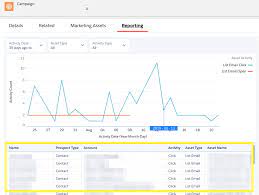
Engagement History Dashboard Overview The Engagement History Dashboard, powered by CRM Analytics, enables sales and marketing users to explore and visualize key data. It can be embedded on campaign, account, lead, contact, person account, or opportunity records, with tailored widgets for each type of record. Account Engagement Dashboards give a 360 degree view. Account Engagement Dashboards Key Considerations for Using Engagement History Dashboards Permissions and Allocations Data and Storage Email Data Dashboard Functionality Working with Dashboards Using the Opportunity Dashboard Getting Started with Engagement History Dashboards Dashboard Types and Widgets Campaign Dashboard Account Dashboard Lead/Contact Dashboard Opportunity Dashboard By leveraging the Engagement History Dashboard, you can start exploring Account Engagement marketing data on various Salesforce records, enhancing your ability to analyze and act on key engagement metrics. Like Related Posts Who is Salesforce? Who is Salesforce? Here is their story in their own words. From our inception, we’ve proudly embraced the identity of Read more Salesforce Marketing Cloud Transactional Emails Salesforce Marketing Cloud Transactional Emails are immediate, automated, non-promotional messages crucial to business operations and customer satisfaction, such as order Read more Salesforce Unites Einstein Analytics with Financial CRM Salesforce has unveiled a comprehensive analytics solution tailored for wealth managers, home office professionals, and retail bankers, merging its Financial Read more AI-Driven Propensity Scores AI plays a crucial role in propensity score estimation as it can discern underlying patterns between treatments and confounding variables Read more

In Salesforce, object tagging refers to the practice of adding keywords or categories to records (objects) to organize and categorize them for easier searching and reporting. This helps users quickly find relevant information and insights. Salesforce offers several ways to implement object tagging, including using standard Salesforce tags, topics, or custom fields. Object tagging in Salesforce: 1. Standard Salesforce Tags: 2. Topics: 3. Custom Fields: 4. Account Engagement (Pardot) Tags: 5. Other Uses: Choosing the Right Approach: Like Related Posts Who is Salesforce? Who is Salesforce? Here is their story in their own words. From our inception, we’ve proudly embraced the identity of Read more Salesforce Marketing Cloud Transactional Emails Salesforce Marketing Cloud Transactional Emails are immediate, automated, non-promotional messages crucial to business operations and customer satisfaction, such as order Read more Salesforce Unites Einstein Analytics with Financial CRM Salesforce has unveiled a comprehensive analytics solution tailored for wealth managers, home office professionals, and retail bankers, merging its Financial Read more AI-Driven Propensity Scores AI plays a crucial role in propensity score estimation as it can discern underlying patterns between treatments and confounding variables Read more
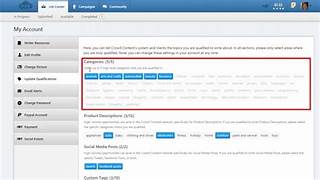
Effective Use Cases for Tags in Account Engagement Tags in Account Engagement are a powerful tool similar to folders. They help you sort, organize, report, and search your data more efficiently. Here’s how you can leverage tags to streamline your marketing efforts: Organize Your Content By Campaign If you recently launched a webinar campaign and want to track all associated forms, landing pages, email templates, lists, and segmentation or automation rules, tags can help. Tagging all items related to a campaign allows you to easily find, copy, and manage them later. Organize Your Content By Type Account EngagementTags can categorize various files uploaded into Account Engagement, making it easier to create new marketing materials and track prospects. Apply tags like “image,” “logo,” “white paper,” and “data sheet” to different file types. Similarly, you can tag emails (newsletter, autoresponder, nurturing) and forms (kiosk-mode/tradeshow, website, paid search conversion) to streamline finding and reporting on specific items. Sort Your Prospects Create custom criteria for tagging prospects, making it easy to review or report on specific groups. For example, tag prospects as “Sales Ready” when their score exceeds 100 and they have attended at least one webinar. Tags can be applied through completion actions, segmentation rules, or automation rules, allowing for both automated and manual tagging based on your needs. Omit Clients, Partners, or Unqualified Prospects From Daily Prospect Emails Exclude prospects with specific tags from Daily Email Alerts to reduce noise and help your sales team focus on the best leads. To tag prospects: Tag clients, partners, unqualified prospects, or other less relevant leads and omit them from daily reports. For example, set up an automation rule to tag clients: Track Campaign Touch Points Tags can highlight key campaigns that engage your prospects the most. Apply a tag when a prospect participates in significant campaigns, such as registering via a kiosk-mode form at a trade show booth or downloading a Buyer’s Guide. This tagging allows you to quickly see important engagements, track prospects’ journeys towards becoming sales-ready, and identify those with notable actions. By strategically using tags in Account Engagement, you can enhance your marketing organization, improve reporting, and better manage your prospect interactions. Like Related Posts Who is Salesforce? Who is Salesforce? Here is their story in their own words. From our inception, we’ve proudly embraced the identity of Read more Salesforce Marketing Cloud Transactional Emails Salesforce Marketing Cloud Transactional Emails are immediate, automated, non-promotional messages crucial to business operations and customer satisfaction, such as order Read more Salesforce Unites Einstein Analytics with Financial CRM Salesforce has unveiled a comprehensive analytics solution tailored for wealth managers, home office professionals, and retail bankers, merging its Financial Read more AI-Driven Propensity Scores AI plays a crucial role in propensity score estimation as it can discern underlying patterns between treatments and confounding variables Read more
Summer ’24 Salesforce Release: A Game-Changer for Marketing Cloud Account Engagement, formerly Pardot The Salesforce Summer ’24 release notes are here, bringing with them one of the most anticipated features for Marketing Cloud Account Engagement (MCAE/Pardot). The ability to send operational emails in Engagement Studio has long been requested, earning the fifth most points in the Account Engagement category on the IdeaExchange. Transactional Operational Emails and Account Engagement are here! What is an Operational Email? Operational emails are informational and differ from marketing emails. Operational emails include transactional emails such as receipts, shipping acknowledgements, etc. But when using the label operational or transactional you must refrain from including marketing content. Marking an email as “operational” allows it to bypass the recipient’s opt-in status, ensuring delivery even if the subscriber has opted out. However, it’s crucial to use operational emails correctly to maintain your sending reputation and comply with the CAN-SPAM Act. Enabling Transactional Operational Emails and Account Engagement To enable operational emails in MCAE: Only Account Engagement Admin users and custom user roles can send operational emails. Sending Operational Emails with Engagement Studio Previously, operational emails could only be sent through list sends, requiring manual audience selection, email content creation, and sending. Now, operational emails can be sent directly from Engagement Studio, where recipients are enrolled based on user-defined criteria, and emails are automatically sent according to your parameters. Practical Applications Imagine you’re a SaaS company needing to communicate about planned system outages. Instead of setting up multiple operational list sends, you can create an Engagement Studio program to automate outage and issue-resolved notifications. Another scenario could involve notifying customers about upcoming product license expirations. An Engagement Studio program can be set to send timely renewal reminders, eliminating the need for manual list sends. Other potential use cases include: Effective use of operational emails in Engagement Studio requires planning: crafting appropriate email content, ensuring accurate data for recipient targeting, and complying with the Marketing Cloud Account Engagement Permission Based Marketing Policy. Limitations Salesforce has outlined several limitations for using operational emails in Engagement Studio: A Significant Advancement in Email Marketing This new feature greatly enhances efficiency for marketers and improves customer experiences by ensuring timely delivery of crucial information without manual intervention. Like Related Posts Who is Salesforce? Who is Salesforce? Here is their story in their own words. From our inception, we’ve proudly embraced the identity of Read more Salesforce Marketing Cloud Transactional Emails Salesforce Marketing Cloud Transactional Emails are immediate, automated, non-promotional messages crucial to business operations and customer satisfaction, such as order Read more Salesforce Unites Einstein Analytics with Financial CRM Salesforce has unveiled a comprehensive analytics solution tailored for wealth managers, home office professionals, and retail bankers, merging its Financial Read more AI-Driven Propensity Scores AI plays a crucial role in propensity score estimation as it can discern underlying patterns between treatments and confounding variables Read more

Maximize Your Marketing with Account Engagement Seamless B2B Marketing on the Salesforce Platform Account Engagement (formerly Pardot) empowers marketers to build stronger customer relationships, accelerate pipeline growth, and drive revenue—all within the Salesforce ecosystem. ✔ Supported Editions: New: Unified Campaign Experience with Salesforce Data Cloud & AI Upgrade your strategy with deeper insights and automation by integrating Account Engagement with:✅ Salesforce Data Cloud – Unify customer data for hyper-targeted campaigns✅ Marketing Cloud Innovations – Leverage generative AI for smarter content✅ Historical Activity Sync – Use past engagement data to refine future outreach 📌 Check back frequently—we’re continuously adding new resources! Key Features & Capabilities 1. Lead Generation & Conversion 2. Personalization at Scale 3. Email Marketing Excellence 4. Lead Qualification & Scoring 5. Automation & Efficiency 6. Analytics & Reporting Integrations to Amplify Your Strategy Salesforce Native Tools Third-Party Connectors Sync data with platforms like: Agentforce Integration Manage Account Engagement prospects directly from Salesforce with Agentforce actions. Enterprise-Grade Performance For organizations with millions of prospects, Account Engagement delivers: Getting Started Resources Why Choose Account Engagement? Unlike standalone marketing tools, Account Engagement natively connects to your Salesforce CRM, giving you:🔹 Full-funnel visibility – From first touch to closed deal🔹 AI-powered insights – Predict which leads will convert🔹 True sales-marketing alignment – No more data silos Ready to transform your B2B marketing? Contact Tectonic today. Like Related Posts Who is Salesforce? Who is Salesforce? Here is their story in their own words. From our inception, we’ve proudly embraced the identity of Read more Salesforce Marketing Cloud Transactional Emails Salesforce Marketing Cloud Transactional Emails are immediate, automated, non-promotional messages crucial to business operations and customer satisfaction, such as order Read more Salesforce Unites Einstein Analytics with Financial CRM Salesforce has unveiled a comprehensive analytics solution tailored for wealth managers, home office professionals, and retail bankers, merging its Financial Read more AI-Driven Propensity Scores AI plays a crucial role in propensity score estimation as it can discern underlying patterns between treatments and confounding variables Read more
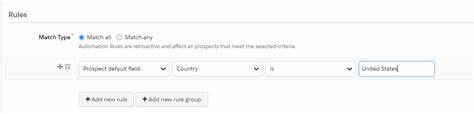
Automating Prospect Grading with Automation Rules Instead of manually qualifying prospects by evaluating each profile criterion, you can build Automating Prospect Grading with Automation Rules on prospect field data. How Grading with Automation Rules Works Grading Condition Impact on Grade Matches Positive: Increases Grade Does Not Match Negative: Decreases Grade Not Known Neutral: No Impact Important: You need to create a rule for each profile criterion. Steps to Set Up Automation Rules Note: You can list multiple field values separated by semicolons to match any value in the list. Best Practices for Automation Rules Avoid using a single automation rule to apply a new profile and match criteria simultaneously, as the new profile might not be applied in time for the criteria change. Instead, use two separate automation rules: Example: Rule 1: Apply Profile Rule 2: Change Criteria Based on Profile This approach ensures that the new profile is applied before the criteria change action takes place, providing accurate and timely grading adjustments. Like Related Posts Who is Salesforce? Who is Salesforce? Here is their story in their own words. From our inception, we’ve proudly embraced the identity of Read more Salesforce Marketing Cloud Transactional Emails Salesforce Marketing Cloud Transactional Emails are immediate, automated, non-promotional messages crucial to business operations and customer satisfaction, such as order Read more Salesforce Unites Einstein Analytics with Financial CRM Salesforce has unveiled a comprehensive analytics solution tailored for wealth managers, home office professionals, and retail bankers, merging its Financial Read more AI-Driven Propensity Scores AI plays a crucial role in propensity score estimation as it can discern underlying patterns between treatments and confounding variables Read more

Marketing Salesforce offers three marketing products: Account Engagement (formerly known as Pardot), Engagement (formerly known as Marketing Cloud), and Marketing Cloud Growth edition. Unified Messaging tools support Marketing Cloud Growth and other Salesforce apps. Salesforce Summer 24 Marketing Release. Salesforce Summer 24 Marketing Release Like Related Posts Who is Salesforce? Who is Salesforce? Here is their story in their own words. From our inception, we’ve proudly embraced the identity of Read more Salesforce Marketing Cloud Transactional Emails Salesforce Marketing Cloud Transactional Emails are immediate, automated, non-promotional messages crucial to business operations and customer satisfaction, such as order Read more Salesforce Unites Einstein Analytics with Financial CRM Salesforce has unveiled a comprehensive analytics solution tailored for wealth managers, home office professionals, and retail bankers, merging its Financial Read more AI-Driven Propensity Scores AI plays a crucial role in propensity score estimation as it can discern underlying patterns between treatments and confounding variables Read more


