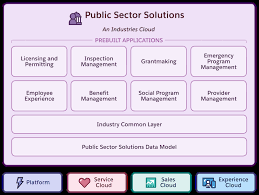
Public Sector Solutions Record Aggregation to Simplify Information Access for Caseworkers
Caseworkers often need to review benefit applications and associated benefits for household members to determine eligibility. However, this process can be complex due to the indirect relationship between benefit assignments and party relationship groups. Caseworkers must navigate through multiple objects to access this information, which can be time-consuming and inefficient.
Record aggregation offers a solution to this challenge by allowing caseworkers and other users to easily access information from two unrelated objects. With record aggregation, records from one object (e.g., benefit assignments) are aggregated and linked to records of another unrelated object (e.g., party relationship group). This consolidated view helps users quickly access relevant information without navigating through multiple layers of data.
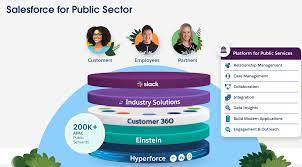
Setting Public Sector Solutions Record Aggregation
To implement record aggregation:
- Identify the objects whose records you want to aggregate (e.g., benefit application and party relationship group).
- Create a record aggregation definition component, which specifies the objects and join conditions.
- Deploy the component to your organization.
- Configure and run a Data Processing Engine definition to perform join operations, aggregate records, and store results in the Record Aggregation Result object.
- Add the Record Aggregation Results related list to the party relationship group record page for easy access.
Benefits of Record Aggregation
Record aggregation enables:
- Simplified access to information across unrelated objects.
- Application of filters to view specific subsets of aggregated records.
- Quick decision-making based on consolidated information.
By leveraging record aggregation, public sector organizations can streamline processes for caseworkers and enhance efficiency in benefit application reviews. This approach ensures that relevant information is readily available, ultimately improving service delivery and decision-making.

Who is Salesforce? Here is their story in their own words. From our inception, we've proudly embraced the identity of Read more
Salesforce Marketing Cloud Transactional Emails are immediate, automated, non-promotional messages crucial to business operations and customer satisfaction, such as order Read more

Salesforce has unveiled a comprehensive analytics solution tailored for wealth managers, home office professionals, and retail bankers, merging its Financial Read more
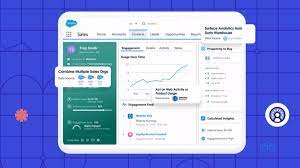
AI plays a crucial role in propensity score estimation as it can discern underlying patterns between treatments and confounding variables Read more