Email Marketing Archives - gettectonic.com
The Power of Sales Automation

The Power of Sales Automation

The Power of Sales Automation: Key Benefits & Tools Sales automation streamlines repetitive tasks, allowing sales teams to focus on high-impact activities while improving accuracy, scalability, and customer engagement. Here’s how automation transforms sales operations: Key Benefits of Sales Automation ✅ Increased EfficiencyAutomation eliminates manual tasks, enabling sales teams to work smarter—not harder—and prioritize strategic efforts like closing deals. ✅ Boosted ProductivityBy handling routine processes, automation frees up time for sales reps to engage in relationship-building and revenue-driving activities. ✅ Enhanced Customer ExperienceAutomated follow-ups, personalized messaging, and timely responses create a seamless and positive buyer journey. ✅ Reduced ErrorsMinimizes human mistakes in data entry, follow-ups, and reporting, ensuring more reliable sales operations. ✅ Accurate ForecastingReal-time data and AI-driven insights improve sales predictions, helping teams make smarter decisions. ✅ Effortless ScalabilityGrow your sales operations without proportionally increasing overhead, making expansion more cost-effective. Common Sales Automation Tasks 🔹 Lead GenerationAutomated tools identify and qualify leads through social media, web forms, and AI-driven prospecting. 🔹 Email MarketingPersonalized drip campaigns nurture leads and keep prospects engaged at every stage. 🔹 Sales Call SchedulingAI-powered schedulers book meetings and send reminders, reducing back-and-forth emails. 🔹 Data ManagementCRM automation ensures customer records stay updated, improving sales team efficiency. 🔹 Quote GenerationInstant, customized quotes speed up the sales cycle and reduce manual work. 🔹 Sales ForecastingAI analyzes trends and historical data to predict future performance with greater accuracy. Top Sales Automation Tools 📌 CRM SystemsThe backbone of sales automation, centralizing customer data and streamlining workflows (e.g., Salesforce, HubSpot). 📌 Sales Engagement PlatformsAutomate outreach with sequenced emails, calls, and follow-ups (e.g., Outreach, SalesLoft). 📌 Lead Generation ToolsAI-powered solutions to find and qualify prospects (e.g., LinkedIn Sales Navigator, ZoomInfo). 📌 Email Marketing SoftwareDesign and deploy automated campaigns (e.g., Mailchimp, ActiveCampaign). 📌 AI-Powered Sales AssistantsAdvanced tools that predict customer needs, personalize interactions, and automate complex tasks (e.g., Conversica, Gong). The Future of Sales: Smarter, Faster, More Efficient Sales automation isn’t just about cutting costs—it’s about empowering teams to sell more effectively. By leveraging AI and automation, businesses can enhance productivity, improve customer relationships, and scale operations seamlessly. Is your sales team ready to automate? Like Related Posts AI Automated Offers with Marketing Cloud Personalization AI-Powered Offers Elevate the relevance of each customer interaction on your website and app through Einstein Decisions. Driven by a Read more Salesforce OEM AppExchange Expanding its reach beyond CRM, Salesforce.com has launched a new service called AppExchange OEM Edition, aimed at non-CRM service providers. Read more The Salesforce Story In Marc Benioff’s own words How did salesforce.com grow from a start up in a rented apartment into the world’s Read more Salesforce Jigsaw Salesforce.com, a prominent figure in cloud computing, has finalized a deal to acquire Jigsaw, a wiki-style business contact database, for Read more

Read More

Hotel CRM Solutions Salesforce

Salesforce CRM is a popular choice for hotel and hospitality businesses, offering a comprehensive platform for managing guest interactions, streamlining operations, and improving customer experience. It allows hotels to create a 360-degree view of each guest, personalize interactions, and automate tasks to enhance efficiency and profitability.  Here’s a deeper look at how Salesforce helps hotels: Benefits of Using Salesforce in Hospitality: Salesforce Solutions for Hospitality: Like1 Related Posts AI Automated Offers with Marketing Cloud Personalization AI-Powered Offers Elevate the relevance of each customer interaction on your website and app through Einstein Decisions. Driven by a Read more Salesforce OEM AppExchange Expanding its reach beyond CRM, Salesforce.com has launched a new service called AppExchange OEM Edition, aimed at non-CRM service providers. Read more The Salesforce Story In Marc Benioff’s own words How did salesforce.com grow from a start up in a rented apartment into the world’s Read more Salesforce Jigsaw Salesforce.com, a prominent figure in cloud computing, has finalized a deal to acquire Jigsaw, a wiki-style business contact database, for Read more

Read More
Next-Gen Fundraising: How Salesforce Empowers Nonprofits of All Sizes

Next-Gen Fundraising: How Salesforce Empowers Nonprofits of All Sizes

Personalized donor engagement has always been the cornerstone of successful fundraising. Building meaningful connections—tailored to individual interests and giving histories—drives generosity and loyalty. Yet, scaling this level of personalization has been a persistent challenge for nonprofits. Enter Salesforce, the world’s leading CRM, now transforming nonprofit fundraising with AI-driven insights, automation, and hyper-personalized engagement. By unifying donor data and leveraging cutting-edge technology, Salesforce empowers organizations—from grassroots initiatives to large institutions—to deepen relationships and maximize impact. Here’s how Salesforce is revolutionizing nonprofit fundraising: 1. Unified Donor Intelligence Salesforce consolidates donor data from giving history, event attendance, email interactions, advocacy actions, and more into a single, actionable profile. No more siloed spreadsheets—just a 360-degree view of every supporter. 2. AI-Powered Fundraising Salesforce Einstein AI analyzes donor behavior to:✔ Predict future giving potential✔ Identify major gift prospects✔ Recommend personalized engagement strategies 3. Automated, Personalized Outreach From targeted emails to tailored event invites, Salesforce automates communications that resonate—boosting engagement and increasing repeat donations. Scalable for Nonprofits of Any Size Whether you’re a small local charity or a national organization, Salesforce grows with you. Its flexible, cloud-based platform ensures you always have the right tools to meet—and exceed—your fundraising goals. How to Get Started with Salesforce 1. Identify Your Fundraising Pain Points 2. Prepare Your Data Start with a lean migration (e.g., last 3-5 years of giving history). You can always add more later. 3. Implement Core Features Begin with essentials:✔ Donation tracking✔ Moves management✔ Automated reporting 4. Integrate with Existing Tools Connect Salesforce to your:✔ Website✔ Email marketing✔ Event & volunteer management systems 5. Leverage Automation Reduce manual work with automated workflows, acknowledgments, and follow-ups. 6. Train Your Team Salesforce offers extensive training resources—take advantage to maximize adoption. Take Your Fundraising to the Next Level 1. Advanced Donor Segmentation Go beyond basic filters. Use engagement analytics (email opens, event attendance, website behavior) to create dynamic, AI-refined segments. 2. Predictive Analytics with Einstein AI 3. Smarter Email Marketing ✔ Personalize content beyond just names✔ Automate journeys (welcome series, re-engagement campaigns)✔ Track performance in real time 4. Optimize the Donor Lifecycle Map each stage—from first-time donor to loyal advocate—and identify areas to improve retention. 5. Personalized Digital Experiences Integrate Salesforce with your website to customize donation forms, CTAs, and content based on donor profiles. Tectonic: Your Salesforce Fundraising Partner As certified Salesforce nonprofit experts, Tectonic helps organizations unlock the platform’s full potential. We provide: ✔ Custom Salesforce strategy tailored to your goals✔ Seamless implementation & integration✔ Ongoing training & support✔ Expert guidance on AI & automation Partner with Tectonic today and transform your fundraising with Salesforce. Ready to elevate your donor engagement? Contact us to get started. Like Related Posts AI Automated Offers with Marketing Cloud Personalization AI-Powered Offers Elevate the relevance of each customer interaction on your website and app through Einstein Decisions. Driven by a Read more Salesforce OEM AppExchange Expanding its reach beyond CRM, Salesforce.com has launched a new service called AppExchange OEM Edition, aimed at non-CRM service providers. Read more The Salesforce Story In Marc Benioff’s own words How did salesforce.com grow from a start up in a rented apartment into the world’s Read more Salesforce Jigsaw Salesforce.com, a prominent figure in cloud computing, has finalized a deal to acquire Jigsaw, a wiki-style business contact database, for Read more

Read More
What is a CRM

Customer Relationship Management

Salesforce has transformed the way businesses manage customer relationships, sales, and marketing. Its capabilities extend into the events industry, enabling seamless integration for event planning, marketing, sales, and attendee engagement. By leveraging Salesforce, event organizers can streamline lead management, automate marketing campaigns, track event performance, and enhance attendee experiences. This guide explores how Salesforce can optimize event success and drive higher ROI. Managing Leads with Salesforce Effective lead management is critical to maximizing event ROI. Salesforce offers powerful tools to streamline lead capture, scoring, nurturing, segmentation, and tracking—helping sales teams convert attendees into customers. Seamless Lead Capture Salesforce integrates with event registration forms, mobile apps, and onsite check-in systems to: A centralized approach provides a 360-degree view of each attendee, empowering sales and marketing teams to act strategically. AI-Powered Lead Scoring Salesforce’s AI-driven lead scoring prioritizes leads by tracking: This data-driven approach helps sales teams focus on the most promising leads for personalized follow-ups. Automated Lead Nurturing Salesforce automation tools keep leads engaged post-event through: Advanced Lead Segmentation Salesforce enables lead categorization for targeted outreach: Tracking Sales Opportunities with Salesforce Beyond lead management, Salesforce empowers event teams with tools to monitor revenue-generating opportunities, such as ticket sales, sponsorship deals, and exhibitor partnerships. Comprehensive Opportunity Management Salesforce enables tracking of every stage of the sales process, including: Real-Time Sales Pipeline Visibility Salesforce’s pipeline management tools allow teams to: Customizable Sales Reporting Salesforce reporting capabilities help event organizers: Automating Event Marketing Tasks with Salesforce Marketing automation is key to scaling outreach, enhancing engagement, and driving conversions. Salesforce provides tools that streamline marketing efforts, personalize communication, and measure campaign success. Email Marketing Automation Salesforce automates email campaigns to ensure timely communication: Social Media Integration & Management Salesforce allows teams to manage and track social media engagement from one platform: Integrating Salesforce with Event Technology Seamless integration between Salesforce and event technology centralizes data, improves efficiency, and enhances engagement. Event Management Platform Integration Salesforce integrates with platforms like Cvent, Bizzabo, and Eventbrite to enable: Mobile Event Apps & On-Site Engagement Tools Syncing Salesforce with mobile event apps provides real-time insights and tracking: Marketing Automation Tool Integrations Salesforce enhances marketing efficiency by integrating with platforms like HubSpot, Marketo, and Pardot: Reporting and Analytics: Unlocking Actionable Insights Salesforce provides robust analytics to help organizers measure performance, optimize strategies, and maximize ROI. Customizable Reports for Event Insights Salesforce enables comprehensive reporting on: ROI Analysis for Strategic Planning Salesforce’s ROI analysis tools help organizers: Best Practices for Using Salesforce for Events To maximize Salesforce’s value in event management, organizations should adopt best practices: 1. Data Hygiene: Keeping Information Accurate 2. Training & Adoption: Empowering Teams 3. Customization: Tailoring Salesforce for Event Needs 4. Integration Strategy: Creating a Unified Event Tech Ecosystem By implementing these best practices, organizations can fully leverage Salesforce to enhance event success, improve attendee engagement, and drive higher ROI. Like Related Posts AI Automated Offers with Marketing Cloud Personalization AI-Powered Offers Elevate the relevance of each customer interaction on your website and app through Einstein Decisions. Driven by a Read more Salesforce OEM AppExchange Expanding its reach beyond CRM, Salesforce.com has launched a new service called AppExchange OEM Edition, aimed at non-CRM service providers. Read more The Salesforce Story In Marc Benioff’s own words How did salesforce.com grow from a start up in a rented apartment into the world’s Read more Salesforce Jigsaw Salesforce.com, a prominent figure in cloud computing, has finalized a deal to acquire Jigsaw, a wiki-style business contact database, for Read more

Read More
Sending Emails Through Salesforce

Are Email Open Rates the Key to Success

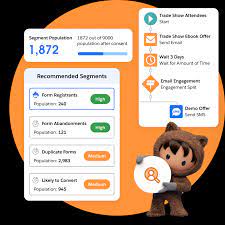
Are Email Open Rates the Key to Success? Myth or Truth? Email marketing remains a cornerstone for digital marketers aiming to generate leads. Many believe that higher email open rates directly correlate with better campaign performance, while others argue that email marketing alone isn’t enough to drive conversions. The truth? Open rates matter—but only when paired with the right strategy and technology. This guide explores why email open rates are important, how they impact lead generation, and how Salesforce tools like Marketing Cloud and Agentforce can help optimize email marketing efforts. Why Email Open Rates Matter Email open rates serve as an early indicator of campaign success. When recipients open an email, it signals interest and engagement, which can lead to conversions. According to a 2023 Statista report, email open rates vary widely: While open rates are a useful metric, they shouldn’t be the sole measure of success. Instead, they should be analyzed alongside click-through rates (CTR) and conversion rates to get a full picture of campaign performance. The Challenges of Low Email Open Rates Many businesses struggle with low open rates due to several factors: To overcome these challenges, businesses must segment their audience, personalize messaging, and automate workflows—which is where Salesforce excels. Boosting Email Open Rates with Salesforce Salesforce, a leader in CRM solutions, offers powerful tools like Marketing Cloud and Agentforce to optimize email marketing. Here’s how: 1. Advanced Segmentation for Higher Open Rates Segmenting your email list ensures that your messages reach the right audience. Salesforce enables businesses to group recipients based on: 2. Personalization with AI-Powered Recommendations Generic emails no longer cut it. With AI-driven insights, Salesforce allows businesses to: 3. Automated Email Workflows for Efficiency Automation helps marketers reach audiences at the right time with minimal effort. Using Salesforce Agentforce, businesses can: 4. Data-Driven Insights for Continuous Improvement Salesforce’s analytics tools provide real-time performance tracking, including: 5. Integration with Other Salesforce Tools Email marketing works best when integrated with CRM data and sales pipelines. Salesforce enables: Are Email Open Rates the Ultimate Metric? While email open rates matter, they are just one piece of the puzzle. When combined with CTR, conversion rates, and AI-driven automation, businesses can refine their strategy and generate more leads. By leveraging Salesforce Marketing Cloud and Agentforce, companies can optimize segmentation, personalization, and automation—ensuring that their email marketing campaigns not only get opened but also convert. Ready to boost your email marketing performance? Explore Salesforce solutions today. Like Related Posts AI Automated Offers with Marketing Cloud Personalization AI-Powered Offers Elevate the relevance of each customer interaction on your website and app through Einstein Decisions. Driven by a Read more Salesforce OEM AppExchange Expanding its reach beyond CRM, Salesforce.com has launched a new service called AppExchange OEM Edition, aimed at non-CRM service providers. Read more The Salesforce Story In Marc Benioff’s own words How did salesforce.com grow from a start up in a rented apartment into the world’s Read more Salesforce Jigsaw Salesforce.com, a prominent figure in cloud computing, has finalized a deal to acquire Jigsaw, a wiki-style business contact database, for Read more

Read More
Marketing Cloud Growth Edition

HubSpot vs. Salesforce Marketing Cloud Growth

HubSpot vs. Salesforce Marketing Cloud Growth: Which Marketing Automation Platform is Right For You? EDITOR’S NOTE: Due to Marketing Cloud Growth being a new release, some of the SFMC data reflects Marketing Cloud Engagement as well. Salesforce and HubSpot are both powerful customer relationship management (CRM) platforms, but they cater to different needs and business sizes. Salesforce, with its extensive customization and robust integrations, is better suited for growing enterprises, while HubSpot is better suited for small to medium-sized businesses that don’t require modular, ease of growth solutions.  Salesforce is a leading CRM platform, largely preferred for its extensive suite of features and functionalities. It offers high-level customization tools and advanced predictive analytics. Therefore, Salesforce is ideal for growing businesses, complex sales organizations, and large enterprises with deeper needs for configurability and scalability.  HubSpot vs. Salesforce: A High-Level Comparison Beyond Features When organizations evaluate Customer Relationship Management (CRM) solutions, Salesforce and HubSpot frequently appear on their shortlists. While many online resources focus on feature-by-feature comparisons, this post takes a different approach—highlighting the key strategic differences between the two platforms. Why a Features-First Approach Isn’t Enough Editorial Note: We do not earn commissions from vendors covered on this site. Vendor Overviews Both Salesforce (founded 1999) and HubSpot (founded 2006) are leading CRM providers with strong market presence. Products & Evolution Marketing & Sales Dominance Key Differences to Consider 1. Scope & Complexity “HubSpot has a higher floor; Salesforce has a significantly higher ceiling.” — Reddit User 2. Native vs. Integrated Marketing 3. Consultant & App Ecosystems 4. Pricing Models 5. AI & Automation 6. Business Process Automation 7. User Experience (UX) Final Considerations Which is right for you? Before making a decision, evaluate your unique business needs—not just the platform differences. Investing in flexible CRM software improves efficiency through task automation and creates an invaluable information resource for your employees. Key Differences at a Glance Feature HubSpot Salesforce Marketing Cloud Growth Ideal Use Case Inbound marketing Omnichannel customer journeys and outbound sales and marketing communications, and inbound marketing Best for Small Business X Best for Mid-Market X Best for Enterprise X Software Categories Ranked #1 in 69 164 5 Star Customer Reviews 8260 15055 Positive Reviews of Ease of Use 1095 4674 All Salesforce plans let you send 5,000 email marketing campaign messages daily — a generous allowance we haven’t seen from any other provider. Here are some of the core capabilities of Salesforce Marketing Cloud: Salesforce has powerful APIs and a vast array of third-party integrations that can efficiently handle diverse business processes and requirements. Additionally, the CRM offers various tools and options for ease of use and rapid scaling. It is a reliable cloud solution that can help businesses dive deeper into data-driven decision-making to optimize sales and operations. Key Features in HubSpot Marketing Hub From automation features for attracting, nurturing, and converting leads to blogging, SEO, and ad management, HubSpot has some value to offer marketers while lacking the robust features of Marketing Cloud. Here are some of the core features of this solution: Customization and Flexibility HubSpot Salesforce Customization Custom objects, display information, basic API support, UI extensions, but with limitations Customizable sales view, standard tabs, record types, page layouts, cust fields, help, content, and business processes with in-depth customization for your business App integrations HubSpot App Marketplace for app integrations Extensive AppExchange library with more than 7000 apps Although HubSpot offers customization for display, layouts, and data models, there are limited options. The HubSpot App Marketplace also helps with swift app integrations. However, it can’t beat Salesforce in customization and flexibility.  With Salesforce, you get high-level customization features, allowing you to set up your data, websites, layouts, configurations, records, fields, interfaces, and several other options the way you want. The AppExchange platform offers ready-to-install third-party applications, building blocks, pre-built templates, scalable data solutions, guides, and other relevant resources for CRM processes.  Best for Pricing Salesforce wins because its entry-level plan is more feature-packed than HubSpot’s and providees 5,000 free daily emails. Additionally, if you desire more features, the price jump from Starter to Pro isn’t as jarring as HubSpot’s jump from Starter to Professional. Detailed Platform Comparison 1. Target Audience HubSpot excels for: Salesforce Marketing Cloud Growth is built for: 2. Core Capabilities HubSpot Strengths: SFMC Growth Advantages: This platform offers many marketing tools in one centralized place. They’re all part of two unique modules: Builders and Studios. Salesforce comes out ahead in the category of reporting and anlytics thanks to its comprehensive toolset and visually appealing dashboards. The AI-powered Einstein tool and its predictive anlaytics and decision-making support add real value. 3. Implementation Factor HubSpot SFMC Growth Setup Time 36 days 17 days Training Needed 10-20 hours 15-20 hours HubSpot can build customized onboarding plans that are aligned with specific business goals. It extends technical and strategic guidance to help users at every step. Moreover, the HubSpot academy further helps with implementation strategies and continuous support through unlimited access to onboarding content, playlists, boot camps, and communities. For smoother onboarding, Salesforce offers detailed product documentation, demos, and learning resources. Its extensive self-help portal and user community make it even easier to onboard new customers. The Trailhead training system is a go-to resource for exploring Salesforce and caters to learners at all levels and roles. Key Takeaway: HubSpot offers a better user experience and ensures smoother onboarding. However, businesses willing to invest time and resources in understanding functionalities and enhancing their workforce skills with proper training can go with Salesforce. 4. AI & Automation HubSpot AI: Salesforce Einstein: User Experience Reviews Cons of HubSpot Decision Guide Choose HubSpot if you: Choose SFMC Growth if you: The Bottom Line Long-term scalability: Which platform better supports growth and complexity HubSpot allows businesses to expand their operations with increasing users, marketing intact tiers, unlimited workflow automation, and other add-ons. These options are best for startups and small-scale businesses. However, it lacks the advanced customization, analytics, and reporting features required for complex business needs. Salesforce is a top-tier CRM tool that

Read More
Sending Emails Through Salesforce

Building Trust and Consistency in Email Marketing

Maintain Consistency Consistency in email volume and frequency is essential for a strong email marketing program. Once your IP addresses are warmed up, internet service providers (ISPs) expect regular sending patterns from each IP. Sudden spikes or dips in sending activity can impact your deliverability and sender reputation. Implement Email Authentication Email authentication ensures that emails sent from your business are genuinely from you, protecting your reputation from spammers attempting to impersonate your organization. Your email service provider can help set up authentication protocols such as: These systems prevent unauthorized senders from misusing your domain and enhance email security. Monitor Your Sending Practices Take ownership of your email deliverability by tracking key metrics: Regularly reviewing these insights helps you avoid common mistakes and optimize email performance. Demonstrate Customer Care Email marketing isn’t just about promotion—it’s a channel for building meaningful relationships with your audience. Show empathy by addressing customer concerns and providing valuable resources when they need them most. According to Salesforce Research’s State of the Connected Customer report, most customers appreciate having a spam filter. This underscores the importance of maintaining trust and relevance in your email strategy. Key Strategies to Build Trust with Email Recipients ✅ Deliver Valuable Content Ensure your emails provide useful information, industry insights, or practical solutions tailored to your audience’s needs. ✅ Personalize Your Messages Leverage recipient names, past interactions, and behavioral data to create personalized, relevant content that fosters engagement. ✅ Be Transparent Clearly communicate why you’re reaching out, how you use subscriber data, and avoid misleading tactics that can erode trust. ✅ Maintain Consistency Send emails at predictable intervals with a consistent brand voice and design to establish familiarity. ✅ Craft Clear Subject Lines Use concise, descriptive subject lines that accurately reflect the email’s content to improve open rates. ✅ Make Unsubscribing Easy Provide a simple opt-out option to respect user preferences and maintain a clean, engaged email list. ✅ Engage with Your Audience Encourage two-way communication by responding to replies, gathering feedback, and incorporating customer suggestions where applicable. ✅ Leverage Social Proof Include testimonials, customer reviews, or industry recognitions to build credibility and reinforce trust. ✅ Respect Privacy Regulations Comply with data protection laws and clearly communicate how you handle subscriber information. ✅ Use a Professional Email Address Send emails from a recognizable domain-based address rather than generic or free email providers. Common Email Marketing Mistakes to Avoid ❌ Overly Sales-Driven Content – Prioritize value and relationship-building over aggressive sales pitches. ❌ Spammy Tactics – Avoid misleading subject lines, excessive punctuation, and overly promotional language. ❌ Poor Email Design – Ensure emails are visually appealing, easy to read, and mobile-friendly. ❌ Outdated Email Lists – Regularly clean your subscriber list to remove inactive addresses and improve deliverability. By following these best practices, you can build stronger relationships with your audience, improve email engagement, and maintain a positive sender reputation. By Tectonic Marketing Opps Director, Shannan Hearne Like Related Posts AI Automated Offers with Marketing Cloud Personalization AI-Powered Offers Elevate the relevance of each customer interaction on your website and app through Einstein Decisions. Driven by a Read more Salesforce OEM AppExchange Expanding its reach beyond CRM, Salesforce.com has launched a new service called AppExchange OEM Edition, aimed at non-CRM service providers. Read more The Salesforce Story In Marc Benioff’s own words How did salesforce.com grow from a start up in a rented apartment into the world’s Read more Salesforce Jigsaw Salesforce.com, a prominent figure in cloud computing, has finalized a deal to acquire Jigsaw, a wiki-style business contact database, for Read more

Read More
Transforming Fundraising for Nonprofits

Salesforce Personalization for Fundraising

The Power of Personalization in Fundraising with Salesforce Successful fundraisers have long recognized that personalization in communicaation drives stronger donor relationships and inspires far greater generosity. However, achieving meaningful engagement at scale has traditionally been a time-intensive challenge. Salesforce, the world’s leading CRM, is transforming nonprofit fundraising by seamlessly integrating donor data with cutting-edge artificial intelligence. This powerful combination enables organizations to build deeper connections with donors through hyper-personalized interactions. How Salesforce is Revolutionizing Donor Engagement: Scalable Solutions for Every Nonprofit Salesforce is built to support organizations of all sizes, from small grassroots initiatives to large national institutions. As your objectives evolve, Salesforce’s flexible platform scales with you, ensuring you always have the right tools to achieve your fundraising goals. Now is the perfect time to leverage Salesforce’s power to enhance personalized giving. Getting Started with Salesforce Advancing Your Salesforce Strategy By leveraging Salesforce’s powerful tools and automation, nonprofits can enhance personalization, drive engagement, and build lasting donor relationships—all while streamlining operations and maximizing fundraising success. Like Related Posts AI Automated Offers with Marketing Cloud Personalization AI-Powered Offers Elevate the relevance of each customer interaction on your website and app through Einstein Decisions. Driven by a Read more Salesforce OEM AppExchange Expanding its reach beyond CRM, Salesforce.com has launched a new service called AppExchange OEM Edition, aimed at non-CRM service providers. Read more The Salesforce Story In Marc Benioff’s own words How did salesforce.com grow from a start up in a rented apartment into the world’s Read more Salesforce Jigsaw Salesforce.com, a prominent figure in cloud computing, has finalized a deal to acquire Jigsaw, a wiki-style business contact database, for Read more

Read More
Enhance Business Communication with Accurate Email Verification in Salesforce

Enhance Business Communication with Accurate Email Verification in Salesforce

Email is the backbone of business communication, powering client interactions, customer engagement, and marketing campaigns. However, inaccurate email data can hurt your marketing efforts, damage your sender reputation, and lead to wasted resources. Verifying email addresses in Salesforce ensures data accuracy, improves deliverability, and strengthens overall communication efficiency. This guide explores how to easily verify email addresses in Salesforce, including a seamless solution—VTM (Verify the Email)—designed to simplify the process. How to Verify User Email Addresses in Salesforce Salesforce provides a built-in feature for verifying user email addresses when setting up accounts. This ensures that the email is active and functional. Here’s how: 1️⃣ Access Salesforce Setup – Navigate to the Setup Menu in Salesforce.2️⃣ Find the User Profile – Go to the Administration page, select Users, and choose the specific user account that needs verification.3️⃣ Trigger the Verification Email – When an email address is updated, Salesforce sends an automated verification email to the user.4️⃣ Confirm the Email – The user must click the link in the email to complete verification. While this method ensures the validity of user emails, it’s limited to Salesforce accounts. What about verifying emails for leads, contacts, and accounts? That’s where VTM comes in. Why Email Verification Matters in Salesforce Before diving into how VTM enhances verification, let’s explore why email validation is crucial: ✅ Improved Deliverability – Invalid email addresses cause bounces, harming your sender reputation and lowering future email success rates. ✅ Data Accuracy – Keeping Salesforce records clean ensures your team engages with valid contacts, reducing inefficiencies and missed opportunities. ✅ Compliance & Trust – Verifying emails helps maintain compliance with GDPR, CAN-SPAM, and other regulations, protecting your business from legal risks. ✅ Cost Efficiency – Many email marketing tools charge per email sent. Verifying addresses prevents wasted spending on invalid contacts. Given these challenges, VTM offers a scalable, automated solution for seamless email verification directly within Salesforce. How VTM Streamlines Email Verification in Salesforce Verify Email Addresses Without Sending Emails VTM checks the existence, domain status, and active mailbox availability of an email address—without sending actual emails. This prevents spam filter triggers and ensures verification happens discreetly. Batch Verification for Large Datasets Managing a large database? VTM enables bulk verification, allowing users to validate thousands of email addresses at once. This ensures your Salesforce data stays accurate and reliable, improving email campaign success rates. Real-Time Email Validation VTM performs instant email verification when new addresses are added to Salesforce. This proactive approach helps sales and marketing teams avoid bad data before campaigns even begin. Ensure Compliance with Email Regulations VTM helps businesses meet email security and compliance standards, ensuring verified addresses align with GDPR, CAN-SPAM, and other email regulations. This protects your organization from potential penalties while maintaining customer trust. Boost Marketing ROI Invalid email addresses can cause even the best-planned campaigns to fail. By verifying emails with VTM, businesses increase open rates, click-through rates, and overall campaign ROI. Seamless Salesforce Integration VTM operates entirely within Salesforce, offering a user-friendly experience with no need to switch between platforms. Its intuitive interface makes email verification simple and efficient for all users. Take Control of Your Email Data in Salesforce Ensuring email accuracy is key to business success. Whether you’re looking to improve deliverability, reduce bounces, or enhance campaign efficiency, VTM provides a powerful solution to keep your Salesforce data clean and reliable. Like Related Posts AI Automated Offers with Marketing Cloud Personalization AI-Powered Offers Elevate the relevance of each customer interaction on your website and app through Einstein Decisions. Driven by a Read more Salesforce OEM AppExchange Expanding its reach beyond CRM, Salesforce.com has launched a new service called AppExchange OEM Edition, aimed at non-CRM service providers. Read more The Salesforce Story In Marc Benioff’s own words How did salesforce.com grow from a start up in a rented apartment into the world’s Read more Salesforce Jigsaw Salesforce.com, a prominent figure in cloud computing, has finalized a deal to acquire Jigsaw, a wiki-style business contact database, for Read more

Read More
Data Labeling

Data Activation Explained

Data activation is the process of transforming raw data into actionable insights, making it accessible and usable for decision-making across various business functions and channels. It involves moving data from silos to operational tools, enabling real-time decision-making and personalized experiences.  Explanation: What it is: Why it’s important: How it works: Like Related Posts AI Automated Offers with Marketing Cloud Personalization AI-Powered Offers Elevate the relevance of each customer interaction on your website and app through Einstein Decisions. Driven by a Read more Salesforce OEM AppExchange Expanding its reach beyond CRM, Salesforce.com has launched a new service called AppExchange OEM Edition, aimed at non-CRM service providers. Read more The Salesforce Story In Marc Benioff’s own words How did salesforce.com grow from a start up in a rented apartment into the world’s Read more Salesforce Jigsaw Salesforce.com, a prominent figure in cloud computing, has finalized a deal to acquire Jigsaw, a wiki-style business contact database, for Read more

Read More

Digital Marketing for Casinos

Unveiling the Casino Experience: Harnessing the Power of Digital Marketing In the exciting world of casinos—where entertainment meets sophistication—the influence of digital marketing is undeniable. A strategic approach is packed with actionable insights designed to boost online presence, engage audiences, and drive sustained success. Discover how to craft compelling content, wield social media’s dynamic power, utilize a customer relationship platform, and optimize visibility to ensure your casino stands out in an increasingly competitive digital arena. Tectonic has a successful, winning track record in Salesforce implementation for casinos. Whether you’re promoting exclusive guest events, captivating diverse demographics, or showcasing the unique experience of your casino, this insight equips you to master the digital space with Salesforce. With these strategies, casinos can create a ever-growing online presence that not only strengthens bonds with existing patrons but also entices new guests. Generating New and Repeat Guest Traffic with Salesforce Key Takeaways Why Digital Marketing is a Critical Component for Casinos Digital marketing serves as a critical driver of customer engagement, loyalty, and revenue growth in the casino industry. Strategies such as SEO, email marketing, and social media engagement empower casinos to connect with target audiences and continuously refine their efforts to remain competitive. In today’s crowded and competitive gaming world, leveraging data-driven marketing offers the competitive edge needed to captivate and retain customers. Winning Strategies for Casino Marketing 1. Search Engine Optimization (SEO):Ensure your casino is easy to find with these tactics: 2. Pay-Per-Click Advertising (PPC):Drive traffic with targeted PPC campaigns by: 3. Social Media Marketing:Create buzz with engaging social media campaigns: 4. Email Marketing:Maintain direct communication with: 5. Salesforce 360 Degree Guest View:Maintain personalized communication with: Reaching the Right Audience with Precision Audience Segmentation:Segmenting your audience by behavior, demographics, and preferences ensures more effective marketing. Navigating Legal and Ethical Challenges in Casino Marketing Compliance is essential in maintaining trust and navigating complex regulations. Measuring Success: Metrics and Optimization Key Metrics to Monitor: Campaign Optimization: Addressing Industry Challenges with Marketing 1. Rising Competition:Stand out by delivering unmatched gaming experiences and innovative promotions. 2. High Player Churn:Combat churn with data-driven marketing and personalized offerings to boost player lifetime value. 3. ROI Challenges:Optimize your mix of games and services to balance player satisfaction and profitability. The Road Ahead: Commitment to Digital Transformation With the global online gaming market projected to grow at a significant pace, casinos must embrace a future grounded in digital and data-driven marketing. Investments in technology, analytics, and talent will be pivotal in securing long-term profitability and differentiation. In an industry where chance often rules, success lies in a deliberate, strategic approach to digital marketing. This insight equips you with the tools to not only compete but thrive in this dynamic landscape. Contact Tectonic today to explore Salesforce tools to better reach, engage, and serve your guests. Like Related Posts AI Automated Offers with Marketing Cloud Personalization AI-Powered Offers Elevate the relevance of each customer interaction on your website and app through Einstein Decisions. Driven by a Read more Salesforce OEM AppExchange Expanding its reach beyond CRM, Salesforce.com has launched a new service called AppExchange OEM Edition, aimed at non-CRM service providers. Read more The Salesforce Story In Marc Benioff’s own words How did salesforce.com grow from a start up in a rented apartment into the world’s Read more Salesforce Jigsaw Salesforce.com, a prominent figure in cloud computing, has finalized a deal to acquire Jigsaw, a wiki-style business contact database, for Read more

Read More

Salesforce Marketing Cloud Gamechanger

Why Choose Salesforce Marketing Cloud for Your Business? Before diving into the features, let’s explore what makes Salesforce Marketing Cloud (SFMC) a game-changer for businesses. At its core, SFMC streamlines marketing automation, handling tasks like email outreach and audience segmentation with ease. This efficiency allows you to focus on strategy instead of repetitive tasks. As marketing shifts toward personalization, understanding your customers is more important than ever. SFMC helps businesses analyze customer behaviors, purchasing patterns, and engagement trends, making it easier to deliver highly targeted campaigns. Now, let’s dive into the top five features that set Salesforce Marketing Cloud apart. 1. Journey Builder – Create Personalized Customer Journeys Every customer follows a unique path, and Journey Builder lets you design tailored experiences across multiple channels. It helps map out customer interactions, ensuring they receive the right message at the right time. For example, if you run an e-commerce store, Journey Builder can automatically trigger: Marketing Value: ✔ Enhances personalization, leading to higher engagement.✔ Automates follow-ups so no opportunity is missed. Use Case: A customer browses sneakers on your website but doesn’t purchase. With Journey Builder, you can set up an automated sequence: 2. Email Studio – Simplify Your Email Marketing Email remains one of the most effective marketing channels. With Email Studio, you can craft high-impact email campaigns using a drag-and-drop interface—no coding required. From newsletters to transactional emails, SFMC ensures your message reaches the right audience. You can also A/B test subject lines and layouts to optimize performance. Marketing Value: ✔ Personalized emails generate 6x more transactions than generic ones.✔ Built-in analytics help refine email strategies. Use Case: Instead of blasting the same email to all customers, SFMC lets you segment audiences: This targeted approach drives better results and improves ROI. 3. Audience Studio – Harness the Power of Data Keeping track of customer data across platforms can be overwhelming. Audience Studio centralizes data from multiple sources—your website, social media, and emails—into a unified customer profile. It then segments customers based on behaviors and preferences, making it easier to deliver hyper-targeted campaigns. Marketing Value: ✔ Better audience insights lead to more effective marketing.✔ Integrates data from different platforms into one dashboard. Use Case: Launching a new product? Audience Studio – now known as Data Cloud – can identify your most interested customers based on their browsing history and past purchases. This ensures your ad spend is focused on high-intent buyers instead of a general, broad, uninterested audience. 4. Mobile Studio – Reach Customers on Their Phones With over 50% of emails opened on mobile, a strong mobile strategy is crucial. Mobile Studio enables businesses to connect with customers via SMS, push notifications, and in-app messaging. Even better, messages can be personalized based on user behavior, ensuring relevance. Marketing Value: ✔ Engage customers on their most-used device.✔ Mobile marketing sees higher open and conversion rates than email. Use Case: With most users glued to their phones, Mobile Studio ensures your brand stays top of mind. 5. Analytics Builder – Measure Your Success Running campaigns is one thing, but knowing what’s working is what truly drives growth. Analytics Builder tracks campaign performance in real time, providing insights on open rates, clicks, and conversions. Its user-friendly dashboards allow businesses to quickly identify top-performing campaigns and optimize underperforming ones. Marketing Value: ✔ Data-driven decisions outperform guesswork.✔ Helps fine-tune campaigns for maximum ROI. Use Case: If email engagement is low, Analytics Builder may reveal that your CTA is too subtle. By refining the email design, click-through rates can improve almost instantly. Unlock the Full Potential of Salesforce Marketing Cloud Salesforce Marketing Cloud offers a powerful, data-driven marketing suite that elevates customer engagement and drives conversions. It is as important in B2B marketing as it is to B2C and creates amazing customer experiences. By leveraging tools like Journey Builder, Email Studio, and Audience Studio (now known as Salesforce Data Cloud), businesses can create personalized, automated campaigns that resonate with their customers. Want to maximize engagement and ROI? Salesforce Marketing Cloud is a gamechanger. Start exploring Salesforce Marketing Cloud today—because the future of marketing is all about smarter, more connected and data-driven experiences. Content updated February 2025. Like1 Related Posts AI Automated Offers with Marketing Cloud Personalization AI-Powered Offers Elevate the relevance of each customer interaction on your website and app through Einstein Decisions. Driven by a Read more Salesforce OEM AppExchange Expanding its reach beyond CRM, Salesforce.com has launched a new service called AppExchange OEM Edition, aimed at non-CRM service providers. Read more The Salesforce Story In Marc Benioff’s own words How did salesforce.com grow from a start up in a rented apartment into the world’s Read more Salesforce Jigsaw Salesforce.com, a prominent figure in cloud computing, has finalized a deal to acquire Jigsaw, a wiki-style business contact database, for Read more

Read More
gettectonic.com