
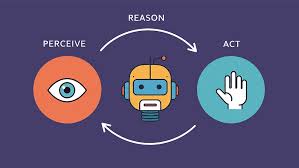
Designing AI Agents the Right Way
Designing AI agents effectively involves a structured approach, starting with defining clear objectives and aligning them with business needs. It also requires careful data collection and preparation, selecting the right machine learning models, and crafting a robust architecture. Finally, building in feedback loops and prioritizing continuous monitoring and improvement are crucial for success. Here’s a more detailed breakdown: 1. Define Objectives and Purpose: 2. Data Collection and Preparation: 3. Choose the Right Models and Tools: 4. Design the Agent Architecture: 5. Training and Refinement: 6. Testing and Validation: 7. Deployment, Monitoring, and Iteration: 8. Key Considerations: By following these principles, you can design AI agents that are not only effective but also robust, scalable, and aligned with your business objectives. Like Related Posts Who is Salesforce? Who is Salesforce? Here is their story in their own words. From our inception, we’ve proudly embraced the identity of Read more Salesforce Unites Einstein Analytics with Financial CRM Salesforce has unveiled a comprehensive analytics solution tailored for wealth managers, home office professionals, and retail bankers, merging its Financial Read more AI-Driven Propensity Scores AI plays a crucial role in propensity score estimation as it can discern underlying patterns between treatments and confounding variables Read more Tectonic’s Successful Salesforce Track Record Salesforce Technology Services Integrator – Tectonic has successfully delivered Salesforce in a variety of industries including Public Sector, Hospitality, Manufacturing, Read more


