
Understanding Agentic AI
Agentic AI represents a paradigm shift in artificial intelligence, moving beyond static automation to dynamic systems capable of independent decision-making and real-time adaptation. Unlike traditional rule-based automation, these AI agents can:
- Reason through complex problems
- Plan multi-step workflows
- Execute actions autonomously
- Adapt to changing conditions
According to Thadeous Goodwyn of Booz Allen Hamilton, agentic AI achieves objectives by breaking them into subtasks delegated to specialized AI models. This capability is accelerating rapidly due to advances in large language models and generative AI.
10 Transformative Use Cases of Agentic AI
1. Cybersecurity & Risk Management
AI agents are revolutionizing security operations by:
- Proactively scanning for emerging threats
- Investigating anomalies autonomously
- Implementing corrective actions without human intervention
- Streamlining fraud detection and risk assessment workflows
2. Supply Chain Optimization
Agentic AI transforms logistics by:
- Automating end-to-end supply chain orchestration
- Dynamically rerouting shipments during disruptions
- Identifying optimal suppliers based on cost/timing
- Managing inventory replenishment across global networks
3. Advanced Customer Service
Beyond basic chatbots, agentic AI enhances support by:
- Analyzing customer sentiment in real-time
- Accessing complete interaction histories
- Providing personalized recommendations
- Proactively addressing potential issues (e.g., high utility bills)
4. Call Center Automation
Modern contact centers leverage agentic AI to:
- Simultaneously process multiple data streams
- Route complex cases with full context
- Reduce average handling times
- Maintain consistent service quality
5. Scientific Discovery & R&D
In research applications, AI agents:
- Accelerate drug discovery processes
- Propose novel material combinations
- Source required components automatically
- Document findings in research frameworks
6. Defense Logistics Planning
Military applications include:
- Complex troop and equipment movement coordination
- Multi-modal transportation optimization
- Scenario modeling and contingency planning
- Augmenting (not replacing) human strategists
7. Smart Manufacturing
Agentic systems streamline production by:
- Monitoring inventory levels across suppliers
- Automating procurement processes
- Adjusting production schedules dynamically
- Reconciling data across enterprise systems
8. Utility Infrastructure Management
Energy providers use agentic AI for:
- Outage response prioritization
- Customer vulnerability identification
- Repair crew dispatching
- Regulatory compliance automation
9. Multimedia Content Creation
Beyond basic generation, agentic AI:
- Orchestrates research, writing, and design
- Selects optimal media assets
- Maintains brand consistency
- Produces complete multimedia packages
10. Knowledge Management
Modern retrieval systems:
- Provide contextual answers
- Execute follow-up actions
- Triage unresolved issues
- Maintain conversation continuity
Implementation Considerations
While 26% of enterprises are actively exploring agentic AI (per Deloitte), adoption requires addressing:
- Governance Frameworks – Establishing oversight protocols
- System Integration – Connecting with legacy infrastructure
- Change Management – Preparing workforces for new paradigms
- Ethical Safeguards – Ensuring responsible deployment
The Future of Autonomous Operations
As noted by industry experts, agentic AI represents more than incremental improvement – it enables fundamentally new ways of working. Organizations that successfully implement these systems will gain:
✔ Enhanced operational resilience
✔ Improved decision velocity
✔ Greater process efficiency
✔ New competitive advantages
The transition requires careful planning but offers transformative potential across virtually every industry sector. As the technology matures, agentic AI will increasingly become the cornerstone of intelligent business operations.


Who is Salesforce? Here is their story in their own words. From our inception, we've proudly embraced the identity of Read more

Salesforce has unveiled a comprehensive analytics solution tailored for wealth managers, home office professionals, and retail bankers, merging its Financial Read more
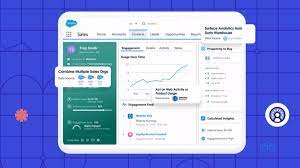
AI plays a crucial role in propensity score estimation as it can discern underlying patterns between treatments and confounding variables Read more

Salesforce Technology Services Integrator - Tectonic has successfully delivered Salesforce in a variety of industries including Public Sector, Hospitality, Manufacturing, Read more