
Understanding AI Agents
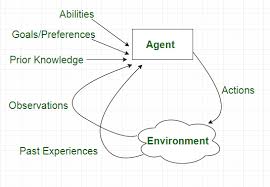
Understanding AI Agents: A Comprehensive Guide Artificial Intelligence (AI) has come a long way, offering systems that automate tasks and provide intelligent, responsive solutions. One key concept within AI is the AI agent—an autonomous system capable of perceiving its environment and taking actions to achieve specific goals. This guide explores AI agents, their types, working mechanisms, and how to build them using platforms like Microsoft Autogen and Google Vertex AI Agent Builder. It also highlights how companies like LeewayHertz and Markovate can assist in the development of AI agents. What is an AI Agent? AI agents are systems designed to interact with their environment autonomously. They process inputs, make decisions, and execute actions based on predefined rules or learned experiences. These agents range from simple rule-based systems to complex machine learning models that adapt over time. Types of AI Agents AI agents can be classified based on complexity and functionality: How AI Agents Work The working mechanism of an AI agent involves four key components: Architectural Blocks of an Autonomous AI Agent An autonomous AI agent typically includes: Building an AI Agent: The Basics Building an AI agent involves several essential steps: Microsoft Autogen: A Platform Overview Microsoft Autogen is a powerful tool for building AI agents, offering a range of features that simplify the development, training, and deployment process. Its user-friendly interface allows developers to create custom agents quickly. Key Steps to Building AI Agents with Autogen: Benefits of Autogen: Vertex AI Agent Builder: Enabling No-Code AI Development Google’s Vertex AI Agent Builder simplifies AI agent development through a no-code platform, making it accessible to users without extensive programming experience. Its drag-and-drop functionality allows for quick and efficient AI agent creation. Key Features of Vertex AI Agent Builder: Conclusion AI agents play a critical role in automating decision-making and performing tasks independently. Platforms like Microsoft Autogen and Google Vertex AI Agent Builder make the development of these agents more accessible, providing powerful tools for both novice and experienced developers. By leveraging these technologies and partnering with companies like LeewayHertz and Markovate, businesses can build custom AI agents that enhance automation, decision-making, and operational efficiency. Whether you’re starting from scratch or looking to integrate AI capabilities into your existing systems, the right tools can make the process seamless and effective. How do you think these tools stack up next to Salesforce AI Agents? Comment below. Content updated October 2024. Like Related Posts Who is Salesforce? Who is Salesforce? Here is their story in their own words. From our inception, we’ve proudly embraced the identity of Read more Salesforce Unites Einstein Analytics with Financial CRM Salesforce has unveiled a comprehensive analytics solution tailored for wealth managers, home office professionals, and retail bankers, merging its Financial Read more AI-Driven Propensity Scores AI plays a crucial role in propensity score estimation as it can discern underlying patterns between treatments and confounding variables Read more Tectonic’s Successful Salesforce Track Record Salesforce Technology Services Integrator – Tectonic has successfully delivered Salesforce in a variety of industries including Public Sector, Hospitality, Manufacturing, Read more


