Predictive AI Archives - gettectonic.com - Page 2
being ai-driven

Being AI-Driven

Imagine a company where every decision, strategy, customer interaction, and routine task is enhanced by AI. From predictive analytics uncovering market insights to intelligent automation streamlining operations, this AI-driven enterprise represents what a successful business could look like. Does this company exist? Not yet, but the building blocks for creating it are already here. To envision a day in the life of such an AI enterprise, let’s fast forward to the year 2028 and visit Tectonic 5.0, a fictional 37-year-old mid-sized company in Oklahoma that provides home maintenance services. After years of steady sales and profit growth, the 2,300-employee company has hit a rough patch. Tectonic 5.0’s revenue grew just 3% last year, and its 8% operating margin is well below the industry benchmark. To jumpstart growth, Tectonic 5.0 has expanded its product portfolio and decided to break into the more lucrative commercial real estate market. But Tectonic 5.0 needs to act fast. The firm must quickly bring its new offerings to market while boosting profitability by eliminating inefficiencies and fostering collaboration across teams. To achieve these goals, Tectonic 5.0 is relying on artificial intelligence (AI). Here’s how each department at Tectonic 5.0 is using AI to reach these objectives. Spot Inefficiencies with AI With a renewed focus on cost-cutting, Tectonic 5.0 needed to identify and eliminate inefficiencies throughout the company. To assist in this effort, the company developed a tool called Jenny, an AI agent that’s automatically invited to all meetings. Always listening and analyzing, Jenny spots problems and inefficiencies that might otherwise go unnoticed. For example, Jenny compares internal data against industry benchmarks and historical data, identifying opportunities for optimization based on patterns in spending and resource allocation. Suggestions for cost-cutting can be offered in real time during meetings or shared later in a synthesized summary. AI can also analyze how meeting time is spent, revealing if too much time is wasted on non-essential issues and suggesting ways to have more constructive meetings. It does this by comparing meeting summaries against the company’s broader objectives. Tectonic 5.0’s leaders hope that by highlighting inefficiencies and communication gaps with Jenny’s help, employees will be more inclined to take action. In fact, it has already shown considerable promise, with employees being five times more likely to consider cost-cutting measures suggested by Penny. Market More Effectively with AI With cost management underway, Tectonic 5.0’s next step in its transformation is finding new revenue sources. The company has adopted a two-pronged approach: introducing a new lineup of products and services for homeowners, including smart home technology, sustainable living solutions like solar panels, and predictive maintenance on big-ticket systems like internet-connected HVACs; and expanding into commercial real estate maintenance. Smart home technology is exactly what homeowners are looking for, but Tectonic 5.0 needs to market it to the right customers, at the right time, and in the right way. A marketing platform with built-in AI capabilities is essential for spreading the word quickly and effectively about its new products. To start, the company segments its audience using generative AI, allowing marketers to ask the system, in natural language, to identify tech-savvy homeowners between the ages of 30 and 60 who have spent a certain amount on home maintenance in the last 18 months. This enables more precise audience targeting and helps marketing teams bring products to market faster. Previously, segmentation using legacy systems could take weeks, with marketing teams relying on tech teams for an audience breakdown. Now, Tectonic 5.0 is ready to reach out to its targeted customers. Using predictive AI, it can optimize personalized marketing campaigns. For example, it can determine which customers prefer to be contacted by text, email, or phone, the best time of day to reach out, and how often. The system also identifies which messaging—focused on cost savings, environmental impact, or preventative maintenance—will resonate most with each customer. This intelligence helps Tectonic 5.0 reach the optimal customer quickly in a way that speaks to their specific needs and concerns. AI also enables marketers to monitor campaign performance for red flags like decreasing open rates or click-through rates and take appropriate action. Sell More, and Faster, with AI With interested buyers lined up, it’s now up to the sales team to close deals. Generative AI for sales, integrated into CRM, can speed up and personalize the sales process for Tectonic 5.0 in several ways. First, it can generate email copy tailored to products and services that customers are interested in. Tectonic 5.0’s sales reps can prompt AI to draft solar panel prospecting emails. To maximize effectiveness, the system pulls customer info from the CRM, uncovering which emails have performed well in the past. Second, AI speeds up data analysis. Sales reps spend a significant amount of time generating, pulling, and analyzing data. Generative AI can act like a digital assistant, uncovering patterns and relationships in CRM data almost instantaneously, guiding Tectonic 5.0’s reps toward high-value deals most likely to close. Machine learning increases the accuracy of lead scoring, predicting which customers are most likely to buy based on historical data and predictive analytics. Provide Better Customer Service with AI Tectonic 5.0’s new initiatives are progressing well. Costs are starting to decrease, and sales of its new products are growing faster than expected. However, customer service calls are rising as well. Tectonic 5.0 is committed to maintaining excellent customer service, but smart home technology presents unique challenges. It’s more complex than analog systems, and customers often need help with setup and use, raising the stakes for Tectonic 5.0’s customer service team. The company knows that customers have many choices in home maintenance providers, and one bad experience could drive them to a competitor. Tectonic 5.0’s embedded AI-powered chatbots help deliver a consistent and delightful autonomous customer service experience across channels and touchpoints. Beyond answering common questions, these chatbots can greet customers, serve up knowledge articles, and even dispatch a field technician if needed. In the field, technicians can quickly diagnose and fix problems thanks to LLMs like xGen-Small, which

Read More

Agentforce Campaigns

Revolutionizing Content Marketing with Agentforce: AI-Powered Marketing Agents Content creation and distribution have long been challenging for marketers. According to new research from the Content Marketing Institute, 54% of B2B marketers lack the resources to produce quality content at scale. A similar issue plagues the B2C sector, where marketers often struggle to make their efforts repeatable, consistent, or scalable due to the relentless demand for content. On top of this, they must manage resources effectively to deliver efficient, successful campaigns that engage customers and outshine competitors. What’s the solution to these challenges? Marketing agents powered by data and AI, which can create, manage, and optimize campaigns seamlessly. At this year’s Dreamforce, Salesforce unveiled Agentforce, a suite of tools to design and customize AI-powered agents across the Customer 360 platform. A key component of this launch is Agentforce Campaigns, a tool already generating buzz among customers eager to harness its potential. According to Salesforce’s 9th State of Marketing report, 71% of marketers plan to use generative and predictive AI within the next 18 months. In this insight, we’ll explore how marketing agents like those in Agentforce can transform your customer engagement strategies while boosting your team’s productivity and cohesion. What Are Marketing Agents? If you’re new to AI in marketing, it’s important to understand the concept of marketing agents and how they can reshape your approach to campaign execution. Marketing agents are part of a broader family of AI virtual assistants designed to collaborate with humans. These tools leverage data to build and execute plans, analyze tasks, and make decisions. In marketing, they handle activities such as content creation, campaign optimization, and results analysis. Salesforce has developed AI agents to serve as partners within the customer experience. They take on time-consuming, repetitive tasks, freeing marketers to focus on high-value activities. For example, instead of spending hours sourcing and analyzing data, marketers can act on insights immediately. Similarly, rather than crafting endless variations of content, they can devote time to strategic personalization and targeting. The real shift lies in changing your mindset from, “How can these agents help me improve efficiency?” to, “How can these agents help me radically enhance the customer experience?” How Agentforce Campaigns Simplify Marketing Let’s explore some of the groundbreaking features of Agentforce Campaigns and how they streamline campaign creation, execution, and optimization. 1. Intelligent Recommendations That Lead to Action Salesforce’s AI engine, Einstein, already tracks your data and goals, offering contextual recommendations. Agentforce Campaigns elevates this capability by turning static suggestions into actionable steps. For example, it might recommend adjusting your audience, refining an existing campaign, or launching a new one you hadn’t considered. 2. Instant Campaign Briefs Agentforce Campaigns enables you to generate campaign briefs in seconds. By using simple language prompts, you can create a comprehensive brief aligned with your organization’s goals and marketing guidelines. The brief is embedded in Salesforce, making it easy to refine and share with stakeholders for approval. 3. Contextual Content Creation Once your brief is approved, marketing agents can generate content tailored to your brand. From subject lines to body copy and calls to action, Agentforce Campaigns creates branded emails and landing pages within pre-configured templates. Marketers can refine this content using natural language prompts to ensure it aligns with their campaign strategy and tone. 4. Data-Driven Audience Segmentation Agentforce Campaigns simplifies audience segmentation by translating natural language prompts into segment attributes. You don’t need to be a data scientist or SQL expert to create precise target audiences. 5. Personalized Journey Activation Marketing agents can automatically build multi-channel, personalized journey flows based on your campaign brief. Using natural language prompts, you can configure and activate draft journeys with ease. 6. Effortless Content Variations Agentforce Campaigns allows marketers to generate multiple content variations in seconds. This capability enables personalized messaging for different audience segments, such as high-value customers, new prospects, or long-time brand advocates. 7. Expanding Audience Segmentation With AI handling segmentation, marketers can explore nuanced audiences that were previously inaccessible due to limited resources. For instance, you can create churn segments based on engagement scores, location, or purchase history using simple prompts. 8. Building a Culture of Testing and Learning Time constraints often limit testing in marketing campaigns. Agentforce Campaigns automates journey flows, making it easier to embed testing and continuous learning into every campaign. Reimagining Marketing with AI Agentforce Campaigns isn’t just about efficiency—it’s about rethinking how marketing can deliver exceptional customer experiences. By leveraging AI-powered agents, marketers can overcome resource constraints, enhance personalization, and unlock new opportunities for growth. Now is the time to embrace this transformation. With Agentforce, you can move beyond “business as usual” and start building campaigns that resonate with your audience like never before. Like Related Posts Who is Salesforce? Who is Salesforce? Here is their story in their own words. From our inception, we’ve proudly embraced the identity of Read more Salesforce Marketing Cloud Transactional Emails Salesforce Marketing Cloud Transactional Emails are immediate, automated, non-promotional messages crucial to business operations and customer satisfaction, such as order Read more Salesforce Unites Einstein Analytics with Financial CRM Salesforce has unveiled a comprehensive analytics solution tailored for wealth managers, home office professionals, and retail bankers, merging its Financial Read more AI-Driven Propensity Scores AI plays a crucial role in propensity score estimation as it can discern underlying patterns between treatments and confounding variables Read more

Read More
What is Explainable AI

What is Explainable AI

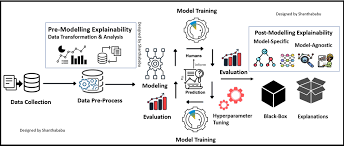
Building a trusted AI system starts with ensuring transparency in how decisions are made. Explainable AI is vital not only for addressing trust issues within organizations but also for navigating regulatory challenges. According to research from Forrester, many business leaders express concerns over AI, particularly generative AI, which surged in popularity following the 2022 release of ChatGPT by OpenAI. “AI faces a trust issue,” explained Forrester analyst Brandon Purcell, underscoring the need for explainability to foster accountability. He highlighted that explainability helps stakeholders understand how AI systems generate their outputs. “Explainability builds trust,” Purcell stated at the Forrester Technology and Innovation Summit in Austin, Texas. “When employees trust AI systems, they’re more inclined to use them.” Implementing explainable AI does more than encourage usage within an organization—it also helps mitigate regulatory risks, according to Purcell. Explainability is crucial for compliance, especially under regulations like the EU AI Act. Forrester analyst Alla Valente emphasized the importance of integrating accountability, trust, and security into AI efforts. “Don’t wait for regulators to set standards—ensure you’re already meeting them,” she advised at the summit. Purcell noted that explainable AI varies depending on whether the AI model is predictive, generative, or agentic. Building an Explainable AI System AI explainability encompasses several key elements, including reproducibility, observability, transparency, interpretability, and traceability. For predictive models, transparency and interpretability are paramount. Transparency involves using “glass-box modeling,” where users can see how the model analyzed the data and arrived at its predictions. This approach is likely to be a regulatory requirement, especially for high-risk applications. Interpretability is another important technique, useful for lower-risk cases such as fraud detection or explaining loan decisions. Techniques like partial dependence plots show how specific inputs affect predictive model outcomes. “With predictive AI, explainability focuses on the model itself,” Purcell noted. “It’s one area where you can open the hood and examine how it works.” In contrast, generative AI models are often more opaque, making explainability harder. Businesses can address this by documenting the entire system, a process known as traceability. For those using models from vendors like Google or OpenAI, tools like transparency indexes and model cards—which detail the model’s use case, limitations, and performance—are valuable resources. Lastly, for agentic AI systems, which autonomously pursue goals, reproducibility is key. Businesses must ensure that the model’s outputs can be consistently replicated with similar inputs before deployment. These systems, like self-driving cars, will require extensive testing in controlled environments before being trusted in the real world. “Agentic systems will need to rack up millions of virtual miles before we let them loose,” Purcell concluded. Like Related Posts Who is Salesforce? Who is Salesforce? Here is their story in their own words. From our inception, we’ve proudly embraced the identity of Read more Salesforce Unites Einstein Analytics with Financial CRM Salesforce has unveiled a comprehensive analytics solution tailored for wealth managers, home office professionals, and retail bankers, merging its Financial Read more AI-Driven Propensity Scores AI plays a crucial role in propensity score estimation as it can discern underlying patterns between treatments and confounding variables Read more Tectonic’s Successful Salesforce Track Record Salesforce Technology Services Integrator – Tectonic has successfully delivered Salesforce in a variety of industries including Public Sector, Hospitality, Manufacturing, Read more

Read More
Build Launch and Track Campaigns

Build Launch and Track Campaigns

Revolutionizing Campaigns: How Marketing Agents Empower Your Marketing Team Marketing agents are transforming how businesses create, launch, and track campaigns—delivering better results while boosting internal team productivity and cohesion. With the power of AI and data, these agents act as collaborative partners, enhancing marketing efficiency and creativity in unprecedented ways. A Smarter Approach to Campaign Challenges Marketers have long faced the challenge of creating quality content at scale. According to the Content Marketing Institute, 54% of B2B marketers struggle to meet this demand, while B2C marketers often lack the resources to make their efforts scalable and consistent. On top of this, they must ensure campaigns are efficient, customer-centric, and stand out in a competitive landscape. Enter marketing agents—AI-powered tools that help teams manage and optimize campaigns, from strategy to execution. At Dreamforce 2024, Salesforce unveiled Agentforce, a suite of intelligent agents integrated across the Customer 360 platform, including Agentforce Campaigns. With 71% of marketers planning to adopt generative and predictive AI within the next 18 months, as per Salesforce’s State of Marketing report, tools like Agentforce are poised to redefine how campaigns are built and delivered. How Humans and AI Agents Work Together Marketing agents are AI-powered virtual assistants that collaborate with humans to analyze data, generate insights, and execute marketing plans. Unlike traditional tools, they understand the context behind your needs and suggest actionable solutions—whether that’s creating content, optimizing campaigns, or analyzing results. By automating time-consuming tasks, marketing agents free teams to focus on high-value activities like strategy and personalization. But the key to maximizing their potential lies in shifting your mindset: instead of simply seeking efficiency, aim to transform how you deliver exceptional customer experiences. 8 Ways Agentforce Campaigns Elevates Your Marketing 1. Intelligent Recommendations Agentforce Campaigns turns insights into actions. For example, Marketing Cloud’s Einstein not only tracks your goals but also suggests adjustments or new campaigns tailored to your objectives, helping you stay ahead. 2. Instant Campaign Briefs Building a campaign starts with a solid brief. With Agentforce, you can create one in seconds using natural language prompts. The AI-generated brief incorporates your goals and guidelines, making collaboration and approvals seamless. 3. Contextual Content Creation Agentforce generates emails, landing pages, and calls to action directly aligned with your brand’s tone and campaign goals. Marketers can refine outputs with natural language prompts, ensuring a perfect fit for their strategy. 4. Effortless Audience Segmentation No SQL skills? No problem. Describe your ideal audience in natural language, and Agentforce will translate that into actionable segments—helping you target precisely the right customers. 5. Automated Journey Activation Agentforce simplifies multi-channel journey creation by drafting personalized campaign flows. You can refine, approve, and activate these journeys with ease, saving time while enhancing impact. 6. Unlimited Content Variations AI eliminates content constraints, allowing you to generate multiple variations for personalized campaigns. Target high-value customers, newcomers, or loyal fans with tailored messages—all at scale. 7. Explore Nuanced Segments Agentforce enables marketers to create segments without relying on overburdened data science teams. Dive into deeper audience insights, such as churn rates based on location, age, or past behavior, with just a prompt. 8. Embed Continuous Testing Testing is often deprioritized due to time limitations. Agentforce automates testing workflows, making it easier to incorporate A/B testing and iterative learning into every campaign. Getting Started with Agentforce Campaigns Agentforce Campaigns is available in Marketing Cloud Growth and Advanced Editions, designed to empower businesses of all sizes. By integrating AI-driven tools into your workflow, you can elevate your marketing to new heights—enhancing creativity, efficiency, and customer engagement. Ready to revolutionize your campaigns? Explore how Agentforce can help you win customers and foster a more productive, cohesive marketing team. Salesforce Disclaimer: Unreleased features mentioned here are subject to change and may not become available as described. Make purchasing decisions based on currently available features. Like1 Related Posts Who is Salesforce? Who is Salesforce? Here is their story in their own words. From our inception, we’ve proudly embraced the identity of Read more Salesforce Marketing Cloud Transactional Emails Salesforce Marketing Cloud Transactional Emails are immediate, automated, non-promotional messages crucial to business operations and customer satisfaction, such as order Read more Salesforce Unites Einstein Analytics with Financial CRM Salesforce has unveiled a comprehensive analytics solution tailored for wealth managers, home office professionals, and retail bankers, merging its Financial Read more AI-Driven Propensity Scores AI plays a crucial role in propensity score estimation as it can discern underlying patterns between treatments and confounding variables Read more

Read More
Marketing Cloud and Commerce Cloud Innovations

Marketing Cloud and Commerce Cloud Innovations

What Our Dreamforce Marketing Cloud and Commerce Cloud Innovations Mean for You This year’s Dreamforce was nothing short of amazing. It was exciting to reconnect with fellow Trailblazers, exchange brilliant ideas, and showcase the innovations we’ve been crafting at Salesforce. A recurring theme throughout the event was how businesses can leverage data and AI to forge deeper customer-driven relationships by bringing internal teams closer together. These innovations are designed to transform not only how companies engage with customers but also how their teams work together. Marketing Cloud and Commerce Cloud Innovations. Seamless integration between Marketing, Commerce, Sales, and Service teams is crucial for creating unified customer experiences. Often, customers feel as though they are interacting with separate departments rather than one cohesive company—this is largely due to disconnected technology and processes. But thanks to Salesforce’s advancements in unified data, AI, and automation, those days are numbered. Now, departments can collaborate more effectively, delivering hyper-personalized, frictionless experiences across the entire customer lifecycle. Let’s explore the latest Marketing Cloud and Commerce Cloud innovations announced at Dreamforce 2024 and how they can benefit your business. What You’ll Learn Salesforce Marketing Cloud Innovations These four innovations in Marketing Cloud are built on the Salesforce Platform and powered by Data Cloud, offering marketers a seamless view of customer data across the business. This foundation makes it easier to deliver unified customer experiences, improve handoffs between teams, and measure success more effectively. 1. Agentforce Embedded in Marketing Workflows Agentforce for Marketing combines generative and predictive AI to create an end-to-end campaign experience that marketers can launch and optimize with ease. Here’s how it helps: Example: A marketer looking to prevent customer churn can launch a re-engagement campaign. Agentforce will identify the right audience, craft personalized messages, and optimize delivery based on customer behavior. 2. Empowering Small and Medium Businesses The new Marketing Cloud Advanced Edition brings enhanced AI and automation capabilities to SMBs, enabling them to scale personalization and improve productivity: 3. Automating Data Preparation and Analytics with Einstein Marketing Intelligence (EMI) EMI uses AI and Data Cloud to automate the ingestion, transformation, and analysis of marketing data: 4. Einstein Personalization for 1:1 Experiences Einstein Personalization uses AI to recommend products, content, or services based on individual customer preferences: Example: A service agent could offer a discount on a product a customer was recently viewing, creating a seamless, personalized experience. Salesforce Commerce Cloud Innovations As businesses scale and handle increasing amounts of data, managing complex commerce systems can be a challenge. The new Commerce Cloud updates simplify these complexities by extending unified commerce capabilities across the organization. 1. Simplifying Cross-Functional Commerce Tasks By unifying data from across the business, Commerce Cloud enables better cross-functional collaboration: 2. AI-Powered Commerce Agents with Agentforce Commerce Cloud introduces three AI-powered agents to streamline business processes: 3. Streamlining Checkout for a Faster, Easier Experience With new express payment options like Link by Stripe and Amazon Pay, Commerce Cloud Checkout speeds up transactions and improves conversion rates by 14%. Plus, Buy with Prime integration allows shoppers to use their Amazon Prime accounts for a faster checkout experience, complete with trusted delivery and hassle-free returns. The Future of Unified Commerce Salesforce Commerce Cloud offers a unified platform that brings together sales, service, and marketing, providing a 360-degree view of the entire customer journey. This unified commerce approach enables businesses to deliver seamless B2B and B2C experiences, all powered by a single platform. By integrating enterprise-wide data, trusted AI, and automated workflows, Salesforce helps businesses scale personalized, intelligent experiences across every touchpoint. Every interaction becomes an opportunity for growth, setting the standard for success in today’s customer-driven world. Like Related Posts Who is Salesforce? Who is Salesforce? Here is their story in their own words. From our inception, we’ve proudly embraced the identity of Read more Salesforce Marketing Cloud Transactional Emails Salesforce Marketing Cloud Transactional Emails are immediate, automated, non-promotional messages crucial to business operations and customer satisfaction, such as order Read more Salesforce Unites Einstein Analytics with Financial CRM Salesforce has unveiled a comprehensive analytics solution tailored for wealth managers, home office professionals, and retail bankers, merging its Financial Read more AI-Driven Propensity Scores AI plays a crucial role in propensity score estimation as it can discern underlying patterns between treatments and confounding variables Read more

Read More
Salesforce AI Evolves with the Generative AI Landscape

Salesforce AI Evolves with the Generative AI Landscape

Salesforce AI: Powering Customer Relationship Management Salesforce is a leading CRM solution that has long delivered cutting-edge cloud technologies to manage customer relationships effectively. In recent months, the platform has further advanced with the integration of generative AI and AI-powered features, primarily through its AI engine, Einstein. Salesforce AI Evolves with the Generative AI Landscape. To explore how AI operates within the Salesforce ecosystem and how various business teams can leverage these innovations, this guide delves into Salesforce’s AI capabilities, products, and features. Salesforce AI: Transforming CRM Capabilities Salesforce remains a top choice in the CRM software market, offering one of the most comprehensive solutions for managing relationships across departments, industries, and initiatives. Through dedicated cloud platforms, Salesforce enables teams to oversee marketing, sales, customer service, e-commerce, and more, with tools focused on delivering enhanced customer experiences supported by powerful data analytics. With the introduction of generative AI, Salesforce has significantly elevated its native automation, workflow management, data analytics, and assistive capabilities for customer lifecycle management. Einstein Copilot exemplifies this innovation, aiding internal users with tasks such as outreach, analysis, and improving external user experiences. What is Salesforce Einstein? Salesforce Einstein is an AI-driven suite of tools integrated natively into various Salesforce Cloud applications, including Sales Cloud, Marketing Cloud, Service Cloud, and Commerce Cloud. It also operates through assistive technologies like Einstein Copilot. Einstein is built on a multitenant platform and incorporates numerous automated machine learning features to unify organizational data with CRM capabilities. Designed to make intelligent, data-driven decisions, Einstein requires no additional installation, offering a seamless user experience when paired with a compatible subscription plan. 7 Key Features of Salesforce Einstein 7 Applications of Salesforce Einstein Future Trends in Salesforce AI Bottom Line: Salesforce AI Evolves with the Generative AI Landscape Salesforce continues to enhance its AI-powered features, keeping pace with advancements in generative and predictive AI. Whether new to the platform or a seasoned user, Salesforce offers innovative, AI-centric solutions to streamline customer relationship management and business operations. Like1 Related Posts Who is Salesforce? Who is Salesforce? Here is their story in their own words. From our inception, we’ve proudly embraced the identity of Read more Salesforce Marketing Cloud Transactional Emails Salesforce Marketing Cloud Transactional Emails are immediate, automated, non-promotional messages crucial to business operations and customer satisfaction, such as order Read more Salesforce Unites Einstein Analytics with Financial CRM Salesforce has unveiled a comprehensive analytics solution tailored for wealth managers, home office professionals, and retail bankers, merging its Financial Read more AI-Driven Propensity Scores AI plays a crucial role in propensity score estimation as it can discern underlying patterns between treatments and confounding variables Read more

Read More
Introducing Marketing Cloud Advanced

Introducing Marketing Cloud Advanced

Salesforce has unveiled a series of innovations in its Marketing Cloud, (Introducing Marketing Cloud Advanced) designed to empower businesses with AI-driven tools and enhanced data capabilities to elevate customer engagement. These new features aim to deepen customer relationships, improve team productivity, and boost operational efficiency. Introducing Marketing Cloud Advanced One of the standout innovations is Marketing Cloud Advanced, an upcoming edition that integrates advanced automation and AI. This edition is designed to connect marketing journeys with sales, service, and commerce workflows, offering a more personalized experience across multiple customer touchpoints. Additionally, the introduction of Agentforce for Marketing will bring generative and predictive AI into the marketing realm, helping marketers create comprehensive, end-to-end campaign experiences. Steve Hammond, Executive Vice President and General Manager of Marketing Cloud at Salesforce, commented: “Today’s most successful marketers engage customers on their terms and act as value multipliers across the entire customer experience—whether helping sales or service have more personalized conversations or re-engaging inactive customers. Built on Data Cloud, Marketing Cloud is the only solution that unifies data across every department and moment in the customer lifecycle, powered by Agentforce Agents and automation, driving growth, loyalty, and optimizing ROI.” Agentforce for Marketing introduces several capabilities that streamline marketing processes. Marketers can now plan, launch, and optimize campaigns with ease. Agentforce allows marketers to set campaign goals and brand guidelines, after which the AI generates campaign briefs, identifies target audience segments, and drafts initial emails and landing pages. The system continuously monitors performance and provides data-driven optimization suggestions based on key performance indicators (KPIs). A key addition is Einstein Marketing Intelligence (EMI), which helps marketers manage and optimize cross-channel campaign performance. EMI automates the process of data preparation, enrichment, harmonization, and visualization, enabling marketers to measure campaign effectiveness and make informed decisions to improve return on investment. Furthermore, Salesforce introduced Einstein Personalization, an AI-powered decision engine that delivers tailored customer experiences. This tool allows sales, service, and commerce teams to engage customers in real time based on live interactions and data. Using Flow’s A/B split testing feature, marketers can select dynamic email content for different audience segments and track performance to adjust strategies effectively. Sarah Lukins, General Manager of Digital at Fisher & Paykel Appliances, praised the new functionality: “Salesforce enables us to seamlessly access all of our marketing, commerce, service, sales, and external data in one place and leverage AI for more targeted audience engagement. We can now deliver more relevant and consistent personalized experiences across email, ads, web, social, and service engagements.” The Marketing Cloud Advanced Edition will roll out to customers in North America, Europe, and Latin America, while Agentforce Personalization is expected to become generally available by next summer. Additional releases include expanded Einstein multi-language support and unified SMS conversation capabilities. These innovations are part of Salesforce’s ongoing efforts to equip marketers with unified and actionable data, enhancing the performance of marketing teams and fostering deeper integration across organizations. Through AI and automation, Salesforce is helping businesses deliver more personalized, connected, and seamless customer experiences. Like Related Posts Who is Salesforce? Who is Salesforce? Here is their story in their own words. From our inception, we’ve proudly embraced the identity of Read more Salesforce Marketing Cloud Transactional Emails Salesforce Marketing Cloud Transactional Emails are immediate, automated, non-promotional messages crucial to business operations and customer satisfaction, such as order Read more Salesforce Unites Einstein Analytics with Financial CRM Salesforce has unveiled a comprehensive analytics solution tailored for wealth managers, home office professionals, and retail bankers, merging its Financial Read more AI-Driven Propensity Scores AI plays a crucial role in propensity score estimation as it can discern underlying patterns between treatments and confounding variables Read more

Read More
Dreamforce 24 Insights

Dreamforce 24 Insights

Three Key Insights You Might Have Missed from Dreamforce ’24 In today’s digital-driven world, interconnected systems are commonplace and essential, making platform integration and unified operations critical. As AI becomes more central, technologies like Salesforce Agentforce AI are drawing increased attention. At Dreamforce ’24, automation and AI were the event’s stars, particularly Salesforce’s plans for Agentforce AI. Dreamforce 24 Insights. Here are three key insights from Dreamforce ’24 that you might have missed: 1. Salesforce’s Automation Plans Could Reshape Its Future Salesforce has a solid reputation for business automation, but now, with agentic systems entering the picture, the company is looking at a transformative opportunity. John Furrier of theCUBE noted during Dreamforce, “Salesforce is positioned to use generative AI to simplify complexity and reduce the steps required to get things done.” As Salesforce integrates generative AI, the emphasis on securing and utilizing data becomes paramount. Christophe Bertrand of theCUBE pointed out that many organizations are not fully utilizing their data. The introduction of Agentforce AI, which aims to leverage this untapped potential, could bring automation to new heights and fundamentally transform how businesses operate. 2. Salesforce Agentforce AI Aims to Integrate Seamlessly Into Business Workflows A major focus of Dreamforce was Salesforce’s new AI offering—Agentforce. According to Muralidhar Krishnaprasad, Salesforce’s CTO, this represents the next stage of AI for the company. While earlier efforts focused on predictive AI (Einstein) and generative AI copilots, Agentforce moves toward more autonomous AI agents. “Our platform will be one of the most comprehensive for agent development,” Krishnaprasad explained. He highlighted that Agentforce will allow businesses to deploy AI agents across various functions—advertising, sales, service, and analytics—creating a seamless AI-driven ecosystem within the Salesforce platform. David Schmaier, president and CPO of Salesforce, added that Agentforce will transform customer interactions by integrating AI agents with Salesforce Data Cloud to deliver more personalized and efficient experiences. 3. Strategic Partnerships Are Streamlining Business and Enhancing Customer Solutions At Dreamforce, partnerships played a key role in Salesforce’s strategy for the future. A collaboration between Salesforce and AWS is streamlining procurement for joint customers through AWS Marketplace. This partnership allows companies to optimize their spend management and simplify the purchasing process for Salesforce products. IBM is also leveraging Agentforce to drive new outcomes through watsonx Orchestrate, as Nick Otto, IBM’s head of global strategic partnerships, explained. Automation and orchestration have been focal points for both IBM and Salesforce. Another partnership with Canva showcased AI-driven data autofill capabilities that integrate with Salesforce CRM. This allows sales teams to create personalized presentations at scale, automating workflows and increasing efficiency, as noted by Canva’s Chief Customer Officer, Rob Giglio. These insights from Dreamforce ’24 highlight the growing importance of AI, automation, and strategic partnerships in shaping the future of business operations with Salesforce at the forefront. Like Related Posts Who is Salesforce? Who is Salesforce? Here is their story in their own words. From our inception, we’ve proudly embraced the identity of Read more Salesforce Marketing Cloud Transactional Emails Salesforce Marketing Cloud Transactional Emails are immediate, automated, non-promotional messages crucial to business operations and customer satisfaction, such as order Read more Salesforce Unites Einstein Analytics with Financial CRM Salesforce has unveiled a comprehensive analytics solution tailored for wealth managers, home office professionals, and retail bankers, merging its Financial Read more AI-Driven Propensity Scores AI plays a crucial role in propensity score estimation as it can discern underlying patterns between treatments and confounding variables Read more

Read More
ai analytics

AI Analytics Explained

While both AI analytics and predictive AI leverage data analysis, AI analytics is a broader field encompassing various AI techniques for data processing and analysis, while predictive AI specifically focuses on forecasting future outcomes based on historical data patterns. Here’s a more detailed breakdown: AI Analytics (Broad) Predictive AI (Specific) What is AI Analytics? AI analytics leverages machine learning (ML) and artificial intelligence (AI) to automate the analysis of vast amounts of data, uncovering insights faster and more accurately than traditional methods. By continuously monitoring data streams, AI analytics identifies patterns, anomalies, and trends—tasks that would typically require extensive manual effort from data analysts. Business Analytics in the AI Era AI is transforming industries, and business analytics is no exception. While traditional analytics relies on statistical models developed over centuries, AI-powered analytics introduces unprecedented speed, scalability, and precision, enabling businesses to make real-time, data-driven decisions. This article explores: What is Analytics? Analytics is the process of extracting meaningful insights from raw data to answer business questions, predict trends, and guide decision-making. It involves various techniques, including: The Four Stages of Analytics (Gartner’s Analytic Ascendancy Model) AI, Machine Learning, and AI Analytics Artificial Intelligence (AI) AI refers to machines performing tasks that typically require human intelligence, such as: Machine Learning (ML) A subset of AI, ML uses algorithms trained on data to make predictions without explicit programming. Key approaches include: AI Analytics AI analytics automates data analysis by: Unlike traditional analytics, which relies on manual hypothesis testing, AI analytics continuously scans data, delivering faster, more objective insights. AI Analytics vs. Traditional Analytics Feature Traditional Analytics AI Analytics Speed Slow (weeks to months) Real-time processing Scale Limited by human capacity Handles billions of data points Granularity Broad trends Micro-level insights (e.g., per-user) Bias Human assumptions influence results Data-driven, unbiased analysis Automation Manual hypothesis testing Self-learning algorithms Advantages of AI Analytics ✅ Faster detection – Identifies issues in hours, not weeks.✅ Higher accuracy – Reduces errors by 30-50% (McKinsey).✅ Unbiased insights – Tests millions of hypotheses objectively. Real-World Applications of AI Analytics 1. Demand Forecasting (Predictive Analytics) 2. Predictive Maintenance 3. Business Monitoring (Diagnostic Analytics) 4. Cloud Cost Optimization Conclusion: AI Analytics is the Future AI analytics supercharges business intelligence by:🚀 Automating tedious analysis – Freeing analysts for strategic work.🔍 Uncovering hidden insights – Detecting patterns humans miss.⏱ Delivering real-time decisions – Keeping businesses agile. As AI continues to evolve, companies that adopt AI-powered analytics will gain a competitive edge—transforming raw data into actionable intelligence at unprecedented speed. Ready to integrate AI analytics into your business? Explore how AI can revolutionize your data strategy today. Contact Tectonic. Like Related Posts Who is Salesforce? Who is Salesforce? Here is their story in their own words. From our inception, we’ve proudly embraced the identity of Read more Salesforce Marketing Cloud Transactional Emails Salesforce Marketing Cloud Transactional Emails are immediate, automated, non-promotional messages crucial to business operations and customer satisfaction, such as order Read more Salesforce Unites Einstein Analytics with Financial CRM Salesforce has unveiled a comprehensive analytics solution tailored for wealth managers, home office professionals, and retail bankers, merging its Financial Read more AI-Driven Propensity Scores AI plays a crucial role in propensity score estimation as it can discern underlying patterns between treatments and confounding variables Read more

Read More
What is a CRM

What is a CRM?

Ask ten small and midsize business (SMB) owners to define a customer relationship management (CRM) system, and you’ll likely receive ten different answers. For some, a CRM supports their sales process; for others, it measures sales or stores customer histories. However, the true value of a CRM lies beyond these basic functions, according to Adam Alfano, EVP of Small Business Sales at Salesforce. “Unlocking the real enterprise value comes when the CRM becomes a front office platform that leverages one of your business’s most valuable assets—your data,” Alfano explains. An effective CRM with comprehensive capabilities helps your front office team, those interacting directly with customers, serve clients more efficiently. It also aids sales teams in automating and refining their processes. By understanding the full potential of today’s CRM solutions, you can harness data to: These elements can lead to transformative results for your business. Here’s how: Building a Solid Data Foundation Most business leaders acknowledge the importance of data, but making meaningful use of it can be challenging. According to a global AWS survey, over half (53 percent) of SMBs are unsure what insights their data could reveal. A common problem is data siloing, where information is scattered across different platforms, making it difficult to gain a comprehensive view and derive actionable insights. The most valuable CRMs integrate back-office and front-office processes, providing a unified platform. Salesforce CRM, powered by Salesforce’s Data Cloud, connects all your CRM data and integrates other data sources, eliminating silos that hinder productivity and growth. “When all your data is centralized, your employees can deliver better customer experiences with a unified view of customers and business,” Alfano says. Quick Wins with AI A 2024 survey by Inc. and Salesforce reveals that 91 percent of CEOs are optimistic about AI’s potential. However, impactful AI applications don’t need to be complex or grand. Alfano suggests starting with simple AI applications to boost efficiency. “Successful companies often create a checklist of tasks they can automate,” Alfano notes. Identify friction points and repetitive tasks that can be automated. A robust CRM will include integrated AI to handle functions such as: By automating routine tasks, salespeople can focus on more strategic activities, like engaging with customers and having value-driven conversations. Salesforce’s Sales Cloud, for instance, features AI technology that includes predictive AI for accurate forecasting and recommendations on the “next best action” to close deals and build relationships. Partnering for Success The most successful CRM implementations involve stakeholders from across the organization, along with gathering feedback from employees and customers to refine processes and explore new use cases. Choosing a technology provider that acts as a true partner is also crucial. They should offer guidance on leveraging the platform to achieve your goals. With the right CRM, SMBs can operate more efficiently, boost sales, enhance customer and employee experiences, and compete effectively with larger enterprises. “You can accomplish more with fewer resources and scale your processes without needing a larger workforce,” Alfano explains. “SMBs are already demonstrating impressive competitive and operational capabilities, largely due to these advanced tools.” Like Related Posts Who is Salesforce? Who is Salesforce? Here is their story in their own words. From our inception, we’ve proudly embraced the identity of Read more Salesforce Marketing Cloud Transactional Emails Salesforce Marketing Cloud Transactional Emails are immediate, automated, non-promotional messages crucial to business operations and customer satisfaction, such as order Read more Salesforce Unites Einstein Analytics with Financial CRM Salesforce has unveiled a comprehensive analytics solution tailored for wealth managers, home office professionals, and retail bankers, merging its Financial Read more AI-Driven Propensity Scores AI plays a crucial role in propensity score estimation as it can discern underlying patterns between treatments and confounding variables Read more

Read More
Generative AI Replaces Legacy Systems

Securing AI for Efficiency and Building Customer Trust

As businesses increasingly adopt AI to enhance automation, decision-making, customer support, and growth, they face crucial security and privacy considerations. The Salesforce Platform, with its integrated Einstein Trust Layer, enables organizations to leverage AI securely by ensuring robust data protection, privacy compliance, transparent AI functionality, strict access controls, and detailed audit trails. Why Secure AI Workflows Matter AI technology empowers systems to mimic human-like behaviors, such as learning and problem-solving, through advanced algorithms and large datasets that leverage machine learning. As the volume of data grows, securing sensitive information used in AI systems becomes more challenging. A recent Salesforce study found that 68% of Analytics and IT teams expect data volumes to increase over the next 12 months, underscoring the need for secure AI implementations. AI for Business: Predictive and Generative Models In business, AI depends on trusted data to provide actionable recommendations. Two primary types of AI models support various business functions: Addressing Key LLM Risks Salesforce’s Einstein Trust Layer addresses common risks associated with large language models (LLMs) and offers guidance for secure Generative AI deployment. This includes ensuring data security, managing access, and maintaining transparency and accountability in AI-driven decisions. Leveraging AI to Boost Efficiency Businesses gain a competitive edge with AI by improving efficiency and customer experience through: Four Strategies for Secure AI Implementation To ensure data protection in AI workflows, businesses should consider: The Einstein Trust Layer: Protecting AI-Driven Data The Einstein Trust Layer in Salesforce safeguards generative AI data by providing: Salesforce’s Einstein Trust Layer addresses the security and privacy challenges of adopting AI in business, offering reliable data security, privacy protection, transparent AI operations, and robust access controls. Through this secure approach, businesses can maximize AI benefits while safeguarding customer trust and meeting compliance requirements. Like Related Posts Who is Salesforce? Who is Salesforce? Here is their story in their own words. From our inception, we’ve proudly embraced the identity of Read more Salesforce Marketing Cloud Transactional Emails Salesforce Marketing Cloud Transactional Emails are immediate, automated, non-promotional messages crucial to business operations and customer satisfaction, such as order Read more Salesforce Unites Einstein Analytics with Financial CRM Salesforce has unveiled a comprehensive analytics solution tailored for wealth managers, home office professionals, and retail bankers, merging its Financial Read more AI-Driven Propensity Scores AI plays a crucial role in propensity score estimation as it can discern underlying patterns between treatments and confounding variables Read more

Read More
Building Trust in AI-Powered CRM

Building Trust in AI-Powered CRM

Building Trust in AI-Powered CRM: The Key to Successful Adoption Why Education and Trust Matter in AI-Driven CRM To maximize the benefits of AI-powered CRM systems, organizations must focus on two critical pillars: Despite growing AI adoption, Forrester’s research reveals significant gaps: 1. The AI Knowledge Gap 2. Trust Barriers in Generative AI Top concerns delaying genAI adoption:🔒 Security risks – Fear of leaking customer PII or confidential data⚖️ Compliance risks – Potential violations of GDPR, CCPA, or copyright laws✍️ Output reliability – AI-generated content may be misleading or inaccurate “Deploying unchecked AI responses can damage brand credibility. Human oversight remains essential.” 3. AI-Powered CRM: Security as a Competitive Advantage Businesses prioritize vendors who proactively address: How to Build AI Confidence in Your Organization For Employees ✔ Role-based AI training – Tailor education to sales, service, and marketing teams✔ Hands-on sandbox environments – Let teams test AI tools risk-free✔ Clear guidelines – Define approved vs. restricted AI use cases For Customers ✔ Transparent data policies – Explain how AI improves their experience✔ Opt-in controls – Let users manage data-sharing preferences✔ Human-AI collaboration – Ensure sensitive interactions always have human review The Path Forward While AI-powered CRM adoption continues rising, trust remains the differentiator. Companies that:✅ Invest in AI education✅ Prioritize responsible data practices✅ Choose vendors with robust security …will gain a competitive edge—turning AI skepticism into customer and employee confidence. Ready to implement AI-powered CRM the right way? Let Tectonic lead the way! Like Related Posts Who is Salesforce? Who is Salesforce? Here is their story in their own words. From our inception, we’ve proudly embraced the identity of Read more Salesforce Marketing Cloud Transactional Emails Salesforce Marketing Cloud Transactional Emails are immediate, automated, non-promotional messages crucial to business operations and customer satisfaction, such as order Read more Salesforce Unites Einstein Analytics with Financial CRM Salesforce has unveiled a comprehensive analytics solution tailored for wealth managers, home office professionals, and retail bankers, merging its Financial Read more AI-Driven Propensity Scores AI plays a crucial role in propensity score estimation as it can discern underlying patterns between treatments and confounding variables Read more

Read More
Salesforce Hyperforce

Salesforce Hyperforce in 2025

Salesforce Hyperforce in 2025: The Multi-Cloud Revolution By 2025, 78% of enterprise customers have adopted Salesforce Hyperforce, running multi-cloud deployments across AWS, GCP, and Azure simultaneously. What began as a flexibility advantage has become the non-negotiable backbone of zero-trust security, enabling cross-cloud data residency that was unthinkable just months ago. This insight reveals the five critical security patterns top enterprises are implementing—and the third one is sparking fierce debate among compliance teams. Hyperforce in 2025: Market Dominance & Strategic Impact A. Key Milestones in Hyperforce’s 3-Year Evolution Since its 2022 acceleration, Hyperforce has shattered every single roadmap target: B. How Hyperforce Redefined Enterprise Cloud Strategy Enterprises no longer debate whether to migrate—they strategize which cloud to use for each workload. The result? Faster innovation, reduced vendor lock-in, and unprecedented flexibility. Multi-Cloud Mastery: AWS, GCP & Azure in Action A. Why Multi-Cloud is Now Mandatory B. AWS: Powering Compliance & Serverless Workflows C. GCP: AI & Analytics at Hyperscale D. Azure: Seamless Microsoft 365 Integration E. Performance Benchmarks: Which Cloud Wins? Metric AWS GCP Azure Transaction Speed 15ms 18ms 16ms Data Transfer Cost High Low Medium Global Availability 27 22 25 AI Integration Good Best Very Good AWS leads in speed, GCP dominates cost-efficiency, and Azure excels in enterprise integration. Security Breakthroughs: Zero-Trust & Data Sovereignty Enterprise Migration: How to Deploy at Scale A. Proven Migration Strategies B. Real-World Success Stories What’s Next? Hyperforce’s 2025 Roadmap Conclusion: Hyperforce is the Enterprise Standard Salesforce Hyperforce has redefined cloud infrastructure—delivering multi-cloud agility, ironclad security, and 43% cost savings. For finance, healthcare, and global enterprises, it’s no longer optional. Ready to future-proof your cloud strategy? [Inquire Now] to speak with a Hyperforce specialist. Leverage Tectonic’s Salesforce Development Services—migrate, secure, and scale with Hyperforce today! Like Related Posts Who is Salesforce? Who is Salesforce? Here is their story in their own words. From our inception, we’ve proudly embraced the identity of Read more Salesforce Marketing Cloud Transactional Emails Salesforce Marketing Cloud Transactional Emails are immediate, automated, non-promotional messages crucial to business operations and customer satisfaction, such as order Read more Salesforce Unites Einstein Analytics with Financial CRM Salesforce has unveiled a comprehensive analytics solution tailored for wealth managers, home office professionals, and retail bankers, merging its Financial Read more AI-Driven Propensity Scores AI plays a crucial role in propensity score estimation as it can discern underlying patterns between treatments and confounding variables Read more

Read More
gettectonic.com