Provider Archives - gettectonic.com - Page 10
Salesforce and FedEx

Salesforce and FedEx

FedEx has officially launched its e-commerce platform, fdx, which is now available to U.S. customers. Originally introduced in January and accessible to select shippers through a private preview, fdx is designed to help online businesses increase demand, optimize fulfillment, and streamline returns management. The platform integrates with major providers like Shopify, Etsy, Salesforce, and others, and supports multiple carriers beyond FedEx, including UPS, the U.S. Postal Service, and DHL. Dive Insight: The fdx launch marks FedEx’s continued efforts to strengthen its partnerships with e-commerce merchants and create smarter supply chains, as highlighted by President and CEO Raj Subramaniam. FedEx showcased how fashion brand Z Supply saw revenue growth after adopting fdx, and noted rising interest from other sectors, including healthcare and beauty. Key features of fdx include more accurate delivery timeframes, which FedEx believes can encourage customer purchases. The company uses data from over 15 million daily shipments to improve delivery date estimates. The platform also offers FedEx Sustainability Insights for forecasting future emissions, customizable order tracking pages, and a centralized hub for managing returns. According to Brie Carere, EVP and Chief Customer Officer, fdx enables retailers, brands, and merchants to handle returns, manage exchanges and inventory, and integrate branded tracking and customer communications directly on their websites, calling it a “powerful offering.” Despite the platform’s potential, some experts question its ability to stand out in a crowded market of e-commerce solutions providers. However, FedEx indicated that fdx will continue evolving with additional features and enhancements over time. Like Related Posts Who is Salesforce? Who is Salesforce? Here is their story in their own words. From our inception, we’ve proudly embraced the identity of Read more Salesforce Marketing Cloud Transactional Emails Salesforce Marketing Cloud Transactional Emails are immediate, automated, non-promotional messages crucial to business operations and customer satisfaction, such as order Read more Salesforce Unites Einstein Analytics with Financial CRM Salesforce has unveiled a comprehensive analytics solution tailored for wealth managers, home office professionals, and retail bankers, merging its Financial Read more AI-Driven Propensity Scores AI plays a crucial role in propensity score estimation as it can discern underlying patterns between treatments and confounding variables Read more

Read More
Discharge Planning

Discharge Planning

Discharge planning is crucial for smoothly transitioning patients from hospital care to the next stage of their recovery. This process requires collaboration among patients, caregivers, and providers to create a personalized plan that ensures continuity of care after hospitalization. Effective discharge planning must consider the patient’s care needs, preferences, and concerns. When done well, it helps prevent readmissions and alleviates strain on both patients and hospitals. However, balancing clinical judgment with patient data can challenge care teams already burdened with heavy workloads. Jean Halpin, COO at Grant Medical Center, shared how the organization has integrated AI tools to predict discharge dates and automate parts of the discharge planning process, helping to streamline patient care. Challenges of Effective Discharge Planning Halpin emphasized that a streamlined discharge process is essential for reducing wait times and improving patient engagement. Yet, various factors influence how quickly patients are discharged, particularly in emergency rooms where delays can affect overall patient flow. “Most of the wait time we experience as patients boils down to a lengthy discharge process that isn’t effectively moving patients,” Halpin explained. “It’s a domino effect. Someone waiting in the ER for a bed is delayed because another patient hasn’t been discharged when they should have been.” To address these inefficiencies, Grant Medical Center implemented the Qventus Inpatient Solution. This tool integrates with electronic health records (EHRs) to analyze patient data—such as clinical notes, history, and labs—and provides recommendations on discharge timing. These insights have helped reduce ER wait times and improved patient flow. Integrating AI into Clinical Workflows Adopting AI in healthcare comes with integration challenges, particularly ensuring that tools enhance, rather than hinder, clinicians’ workflows. Halpin noted that the Qventus tool minimizes disruptions by seamlessly pulling EHR data to generate an estimated discharge date, allowing care teams to focus on patient care without extra administrative burdens. “As a patient’s health changes, the [discharge] date can fluctuate, but AI uses its data to predict the most accurate day based on similar cases,” Halpin explained. “The care teams can then review the date and determine whether they agree, without having to sift through records to develop their own recommendation.” Halpin also highlighted the value of AI in reducing the administrative load. Tasks like coordinating discharges to rehab facilities, ordering tests, and prescribing medication consume significant time, and automating these functions allows care teams to focus more on direct patient care. Embracing AI to Alleviate Healthcare Worker Burdens For healthcare systems adopting AI, accurately assessing its impact is critical. At Grant Medical Center, leadership is measuring success by evaluating employee satisfaction, patient outcomes, and administrative improvements—such as time and cost savings. “By improving our patient flow, we reduced unnecessary stays by nearly 1,400 days. Patients are happy to go home on time, and our care teams can focus on working at the top of their license,” said Halpin. Despite the benefits, Halpin stressed that implementing AI requires thoughtful onboarding to ensure staff are comfortable with the new tools. Training and support are key to making the transition seamless and enabling teams to see how AI can enhance their workflows. “Health system leaders should embrace advancements that help alleviate burdens for workers,” she said. “Once teams understand the tool, they can prioritize patient care while AI handles the time-consuming admin tasks.” Halpin concluded that embracing AI in discharge planning not only improves operational efficiency but also empowers healthcare teams to deliver better, more focused care. Like Related Posts Who is Salesforce? Who is Salesforce? Here is their story in their own words. From our inception, we’ve proudly embraced the identity of Read more Salesforce Unites Einstein Analytics with Financial CRM Salesforce has unveiled a comprehensive analytics solution tailored for wealth managers, home office professionals, and retail bankers, merging its Financial Read more AI-Driven Propensity Scores AI plays a crucial role in propensity score estimation as it can discern underlying patterns between treatments and confounding variables Read more Tectonic’s Successful Salesforce Track Record Salesforce Technology Services Integrator – Tectonic has successfully delivered Salesforce in a variety of industries including Public Sector, Hospitality, Manufacturing, Read more


Read More
Scale and AI Influence Shape Partner Ecosystems

Scale and AI Influence Shape Partner Ecosystems

Hyperscalers’ Scale and AI Influence Shape Partner Ecosystems Despite their seemingly saturated networks, the largest cloud vendors continue to dominate as top ecosystems for service providers, according to a recent survey. Hyperscalers are playing a critical role in partner alliances, a trend that has only intensified in recent years. A study released by Tercera, an investment firm specializing in IT services, highlights the dominance of cloud giants AWS, Google Cloud, and Microsoft Azure in the partner ecosystem landscape. More than 50% of the 250 technology service providers surveyed by Tercera identified one of these three vendors as their primary partner. This data comes from Tercera’s third annual report on the Top 30 Partner Ecosystems. The report emphasizes the “gravitational pull” of these hyperscalers, attracting partners despite their already vast networks. Each of the major cloud vendors maintains relationships with thousands of software and services partners. “The hyperscalers continue to defy the law of large numbers when you look at how many partners are in their ecosystems,” said Michelle Swan, CMO at Tercera. The Shift in Channel Alliances The emergence of cloud vendors as top partners for service providers has been evident since at least 2021. That year, a survey by Accenture of 1,150 channel companies found that AWS, Google, and Microsoft accounted for the majority of revenue for these partners. This represents a significant shift in channel economics, where traditionally large hardware companies occupied the top spots in partner alliances. AI’s Role in Partner Ecosystem Growth The rise of generative AI (GenAI) is reshaping alliance strategies, as service providers increasingly align themselves with hyperscalers and their AI technology partners. For instance, AWS channel partners interested in GenAI are likely to work with Anthropic, following Amazon’s $4 billion investment in the AI company. Meanwhile, Microsoft partners tend to collaborate with OpenAI, as Microsoft has committed up to $13 billion in investments to expand their partnership. “They have their own solar systems,” Swan remarked, referencing AWS, Google, Microsoft, and the AI startups within their ecosystems. Tiers of Partner Ecosystems Tercera categorizes its top 30 ecosystems into three tiers. The first tier, known as “market anchors,” includes AWS, Google, Microsoft, and large independent software vendors (ISVs) such as Salesforce and ServiceNow. The second tier, “market movers,” features publicly traded vendors with evolving partner ecosystems. The third tier, “market challengers,” is made up of privately held vendors with a partner-centric focus, such as Anthropic and OpenAI. Generative AI Ecosystem Survey A 2024 generative AI survey conducted by TechTarget and its Enterprise Strategy Group supports the idea that the leading cloud vendors play a central role in AI ecosystems. In a poll of 610 GenAI decision-makers and users, Microsoft topped the list of ecosystems supporting GenAI initiatives, with 54% of respondents citing it as the best ecosystem. Microsoft’s partner, OpenAI, followed with 35%. Google and AWS ranked third and fourth, with 30% and 24% of the responses, respectively. The survey covered a wide range of industries, including business services and IT, further reinforcing the dominant role hyperscalers play in shaping AI and partner ecosystems. Like Related Posts Who is Salesforce? Who is Salesforce? Here is their story in their own words. From our inception, we’ve proudly embraced the identity of Read more Salesforce Marketing Cloud Transactional Emails Salesforce Marketing Cloud Transactional Emails are immediate, automated, non-promotional messages crucial to business operations and customer satisfaction, such as order Read more Salesforce Unites Einstein Analytics with Financial CRM Salesforce has unveiled a comprehensive analytics solution tailored for wealth managers, home office professionals, and retail bankers, merging its Financial Read more AI-Driven Propensity Scores AI plays a crucial role in propensity score estimation as it can discern underlying patterns between treatments and confounding variables Read more

Read More
AI and Digital Transformation

AI and Digital Transformation

The buzz around AI has become the latest trend, but there’s a deeper truth behind it. While some may joke that AI’s rise means no longer needing to discuss Digital Transformation, the reality is quite the opposite. Communication Service Providers (CSPs) and infrastructure companies that have embraced Digital Transformation are now reaping the rewards of AI. But what exactly is Digital Transformation, and how has it paved the way for AI? Let’s explore. The Digital Transformation Journey Digital transformation is about more than just adopting new technologies. It involves integrating digital technology into every aspect of a business, fundamentally altering how operations are conducted and how value is delivered to customers. This transformation requires a cultural shift, pushing organizations to challenge the status quo, experiment with new ideas, and embrace the possibility of failure. For CSPs that have successfully undergone digital transformation, the benefits are clear: streamlined operations, enhanced customer experiences, and valuable data insights. This transformation has created the ideal environment for AI to thrive, as AI relies on vast amounts of data, particularly structured data. The COVID-19 pandemic accelerated the pace of digital transformation, especially for CSPs. As companies adapted to new ways of working and serving customers, the need for robust digital infrastructure became more apparent. The surge in demand for digital services—driven by remote work, e-learning, and online communication—highlighted the importance of digital agility and the ability to leverage AI to meet rapidly changing customer needs. The pandemic not only pushed CSPs to advance their digital transformation efforts but also to innovate more quickly, ensuring they remain competitive in a fast-evolving digital landscape. The AI and Data Dilemma AI is revolutionizing industries by enabling smarter decision-making, process automation, and personalized customer experiences. However, AI’s effectiveness is heavily dependent on data—clean, well-organized, and easily accessible data. This is where digital transformation becomes crucial. CSPs that have invested in digital transformation have the necessary infrastructure to effectively collect, store, and analyze data, providing the fuel that powers AI. The Consequences of Falling Behind CSPs that have not embraced digital transformation face significant challenges in the AI race. Without a solid digital foundation, these companies struggle to harness AI’s potential. Their data is often siloed, outdated, or simply unusable. Many organizations still operate with multiple billing systems and customer care platforms for each line of business, all functioning in silos without any cross-functional intelligence. Attempting to implement AI on a weak digital foundation is akin to building the house on the sand—it’s doomed to fail. Without digital transformation, companies lack the infrastructure needed to support AI initiatives, resulting in missed opportunities for efficiency gains, cost savings, and competitive advantages. This is a common reason why enterprises fail in AI adoption, with Gartner reporting that over 80% of enterprises struggle with data quality or quantity issues. Real-World Examples Companies like Amazon and Netflix have successfully undergone digital transformation and are now leveraging AI to enhance their services. Amazon uses AI for personalized recommendations and optimizing its supply chain, while Netflix utilizes AI to analyze viewer preferences and recommend content that keeps users engaged. Conversely, companies slow to adopt digital transformation face significant challenges. Traditional retailers, for example, struggle to compete with e-commerce giants. Without the ability to leverage AI for personalized marketing and inventory management, they are losing market share. The Role of IFS IFS, through its flagship product IFS Cloud, offers a unified platform with a consistent data layer, ensuring that all data is clean, well-organized, and accessible. IFS also applies “Industrial AI,” embedding AI into applications where and when it makes sense. This approach ensures that AI evolves with the product and that the necessary AI governance is embedded. By integrating AI in a way that aligns with CSP operations, IFS not only supports AI implementation but also guides organizations through their digital transformation journey in a symbiotic manner. The Path Forward The key takeaway is clear: If an organization hasn’t started its digital transformation journey, the time to begin is now. Embracing change, investing in technology, and fostering a culture that values innovation will position companies to fully leverage AI and maintain a competitive edge. Starting with AI without a strong data foundation can lead to costly investments that fail to deliver the expected efficiencies. Digital transformation is not a one-time project but an ongoing process. Companies must remain open to advances, continuously experiment, and not fear failure. Remember Edison never said he failed. He just discovered another way not to create a light bulb. The future belongs to those who are willing to adapt and evolve. Like Related Posts Who is Salesforce? Who is Salesforce? Here is their story in their own words. From our inception, we’ve proudly embraced the identity of Read more Salesforce Marketing Cloud Transactional Emails Salesforce Marketing Cloud Transactional Emails are immediate, automated, non-promotional messages crucial to business operations and customer satisfaction, such as order Read more Salesforce Unites Einstein Analytics with Financial CRM Salesforce has unveiled a comprehensive analytics solution tailored for wealth managers, home office professionals, and retail bankers, merging its Financial Read more AI-Driven Propensity Scores AI plays a crucial role in propensity score estimation as it can discern underlying patterns between treatments and confounding variables Read more

Read More
Small Language Models Explained

Small Language Models Explained

Exploring Small Language Models (SLMs): Capabilities and Applications Large Language Models (LLMs) have been prominent in AI for some time, but Small Language Models (SLMs) are now enhancing our ability to work with natural and programming languages. While LLMs excel in general language understanding, certain applications require more accuracy and domain-specific knowledge than these models can provide. This has created a demand for custom SLMs that offer LLM-like performance while reducing runtime costs and providing a secure, manageable environment. In this insight, we dig down into the world of SLMs, exploring their unique characteristics, benefits, and applications. We also discuss fine-tuning methods applied to Llama-2–13b, an SLM, to address specific challenges. The goal is to investigate how to make the fine-tuning process platform-independent. We selected Databricks for this purpose due to its compatibility with major cloud providers like Azure, Amazon Web Services (AWS), and Google Cloud Platform. What Are Small Language Models? In AI and natural language processing, SLMs are lightweight generative models with a focus on specific tasks. The term “small” refers to: SLMs like Google Gemini Nano, Microsoft’s Orca-2–7b, and Meta’s Llama-2–13b run efficiently on a single GPU and include over 5 billion parameters. SLMs vs. LLMs Applications of SLMs SLMs are increasingly used across various sectors, including healthcare, technology, and beyond. Common applications include: Fine-Tuning Small Language Models Fine-tuning involves additional training of a pre-trained model to make it more domain-specific. This process updates the model’s parameters with new data to enhance its performance in targeted applications, such as text generation or question answering. Hardware Requirements for Fine-Tuning The hardware needs depend on the model size, project scale, and dataset. General recommendations include: Data Preparation Preparing data involves extracting text from PDFs, cleaning it, generating question-and-answer pairs, and then fine-tuning the model. Although GPT-3.5 was used for generating Q&A pairs, SLMs can also be utilized for this purpose based on the use case. Fine-Tuning Process You can use HuggingFace tools for fine-tuning Llama-2–13b-chat-hf. The dataset was converted into a HuggingFace-compatible format, and quantization techniques were applied to optimize performance. The fine-tuning lasted about 16 hours over 50 epochs, with the cost around $100/£83, excluding trial costs. Results and Observations The fine-tuned model demonstrated strong performance, with over 70% of answers being highly similar to those generated by GPT-3.5. The SLM achieved comparable results despite having fewer parameters. The process was successful on both AWS and Databricks platforms, showcasing the model’s adaptability. SLMs have some limitations compared to LLMs, such as higher operational costs and restricted knowledge bases. However, they offer benefits in efficiency, versatility, and environmental impact. As SLMs continue to evolve, their relevance and popularity are likely to increase, especially with new models like Gemini Nano and Mixtral entering the market. Like Related Posts Who is Salesforce? Who is Salesforce? Here is their story in their own words. From our inception, we’ve proudly embraced the identity of Read more Salesforce Marketing Cloud Transactional Emails Salesforce Marketing Cloud Transactional Emails are immediate, automated, non-promotional messages crucial to business operations and customer satisfaction, such as order Read more Salesforce Unites Einstein Analytics with Financial CRM Salesforce has unveiled a comprehensive analytics solution tailored for wealth managers, home office professionals, and retail bankers, merging its Financial Read more AI-Driven Propensity Scores AI plays a crucial role in propensity score estimation as it can discern underlying patterns between treatments and confounding variables Read more

Read More
Cortex Framework Integration with Salesforce (SFDC)

Cortex Framework Integration with Salesforce (SFDC)

Cortex Framework: Integration with Salesforce (SFDC) This insight outlines the process of integrating Salesforce (SFDC) operational workloads into the Cortex Framework Data Foundation. By integrating Salesforce data through Dataflow pipelines into BigQuery, Cloud Composer can schedule and monitor these pipelines, allowing you to gain insights from your Salesforce data. Cortex Framework Integration with Salesforce explained. Prerequisite: Before configuring any workload integration, ensure that the Cortex Framework Data Foundation is deployed. Configuration File The config.json file in the Cortex Framework Data Foundation repository manages settings for transferring data from various sources, including Salesforce. Below is an example of how Salesforce workloads are configured: jsonCopy code”SFDC”: { “deployCDC”: true, “createMappingViews”: true, “createPlaceholders”: true, “datasets”: { “cdc”: “”, “raw”: “”, “reporting”: “REPORTING_SFDC” } } Explanation of Parameters: Parameter Meaning Default Value Description SFDC.deployCDC Deploy CDC true Generates Change Data Capture (CDC) processing scripts to run as DAGs in Cloud Composer. SFDC.createMappingViews Create mapping views true Creates views in the CDC processed dataset to show the “latest version of the truth” from the raw dataset. SFDC.createPlaceholders Create placeholders true Creates empty placeholder tables if they aren’t generated during ingestion, ensuring smooth downstream reporting deployment. SFDC.datasets.raw Raw landing dataset (user-defined) The dataset where replication tools land data from Salesforce. SFDC.datasets.cdc CDC processed dataset (user-defined) Source for reporting views and target for records processed by DAGs. SFDC.datasets.reporting Reporting dataset for SFDC “REPORTING_SFDC” Name of the dataset accessible for end-user reporting, where views and user-facing tables are deployed. Salesforce Data Requirements Table Structure: Loading SFDC Data into BigQuery The Cortex Framework offers several methods for loading Salesforce data into BigQuery: CDC Processing The CDC scripts rely on two key fields: You can adjust the CDC processing to handle different field names or add custom fields to suit your data schema. Configuration of API Integration and CDC To configure Salesforce data integration into BigQuery, Cortex provides the following methods: Example Configuration (settings.yaml): yamlCopy codesalesforce_to_raw_tables: – base_table: accounts raw_table: Accounts api_name: Account load_frequency: “@daily” Data Mapping and Polymorphic Fields Cortex Framework supports mapping data fields to the expected format. For example, a field named unicornId in your source system would be mapped to AccountId in Cortex with the string data type. Polymorphic Fields: Fields whose names vary but have the same structure can be mapped in Cortex using [Field Name]_Type, such as Who_Type for the Who.Type field in the Task object. Modifying DAG Templates You can customize DAG templates as needed for CDC or raw data processing. To disable CDC or raw data processing from API calls, set deployCDC=false in the configuration file. Setting Up the Extraction Module Follow these steps to set up the Salesforce to BigQuery extraction module: Cloud Composer Setup To run Python scripts for replication, install the necessary Python packages depending on your Airflow version. For Airflow 2.x: bashCopy codegcloud composer environments update my-composer-instance –location us-central1 –update-pypi-package apache-airflow-providers-salesforce>=5.2.0 Security and Permissions Ensure Cloud Composer has access to Google Secret Manager for retrieving stored secrets, enhancing the security of sensitive data like passwords and API keys. Conclusion By following these steps, you can successfully integrate Salesforce workloads into Cortex Framework, ensuring a seamless data flow from Salesforce into BigQuery for reporting and analytics. Like Related Posts Who is Salesforce? Who is Salesforce? Here is their story in their own words. From our inception, we’ve proudly embraced the identity of Read more Salesforce Marketing Cloud Transactional Emails Salesforce Marketing Cloud Transactional Emails are immediate, automated, non-promotional messages crucial to business operations and customer satisfaction, such as order Read more Salesforce Unites Einstein Analytics with Financial CRM Salesforce has unveiled a comprehensive analytics solution tailored for wealth managers, home office professionals, and retail bankers, merging its Financial Read more AI-Driven Propensity Scores AI plays a crucial role in propensity score estimation as it can discern underlying patterns between treatments and confounding variables Read more

Read More
Currys and LTIMindtree Partner on Salesforce Platform

Currys and LTIMindtree Partner on Salesforce Platform

Currys Expands Partnership with Salesforce partner to Enhance Omnichannel Retail Experience UK-based technology retailer Currys has expanded its partnership with a Salesforce partner to transform its omnichannel customer experience. The collaboration focuses on leveraging Salesforce Service Cloud, Commerce Cloud, and MuleSoft to drive innovation and streamline operations. Key initiatives in this transformation include re-platforming Currys’ website to Salesforce Commerce Cloud, launching an in-store client app via Experience Cloud, and implementing Service Cloud for enhanced post-sales support. These upgrades aim to deliver a seamless shopping experience, improve customer service, and boost operational efficiency. Andy Gamble, CIO of Currys, emphasized the impact of the partnership: “Our collaboration with LTIMindtree has enabled our teams to deliver exceptional experiences for both colleagues and customers. With our new omnichannel platform, we are set to achieve greater operational efficiencies, faster service, and continuous innovation for future growth.” Since the partnership began in 2021, Currys and LTIMindtree have overhauled the retailer’s commerce and support systems, resulting in improved customer experiences, streamlined store operations, and increased employee satisfaction. The success of this collaboration was recently recognized with a Salesforce award, underscoring the companies’ commitment to innovation and addressing current business challenges while preparing for future advancements. Srinivas Rao, Executive Vice President and Chief Business Officer at LTIMindtree, added: “Our partnership with Currys showcases our expertise in the retail sector. Together, we have delivered a best-in-class omnichannel shopping experience that unlocks new growth opportunities by catering to each customer’s unique needs. We remain dedicated to helping our clients harness digital technologies that foster innovation and productivity.” This collaboration represents a key milestone for Currys, solidifying its commitment to providing enhanced customer experiences through advanced digital solutions. Like1 Related Posts Who is Salesforce? Who is Salesforce? Here is their story in their own words. From our inception, we’ve proudly embraced the identity of Read more Salesforce Marketing Cloud Transactional Emails Salesforce Marketing Cloud Transactional Emails are immediate, automated, non-promotional messages crucial to business operations and customer satisfaction, such as order Read more Salesforce Unites Einstein Analytics with Financial CRM Salesforce has unveiled a comprehensive analytics solution tailored for wealth managers, home office professionals, and retail bankers, merging its Financial Read more AI-Driven Propensity Scores AI plays a crucial role in propensity score estimation as it can discern underlying patterns between treatments and confounding variables Read more

Read More
Salesforce ERP Integration

Salesforce ERP Integration

Unlock the Power of Salesforce and ERP Integration Salesforce is known worldwide for its unmatched capabilities as a CRM platform. But when integrated with an ERP system, the potential multiplies. Together, they create a cohesive environment where workflows are streamlined, financial processes are optimized, decision-making is enhanced, and customer relationships are improved—all within one unified system. However, you might have questions like: How does ERP integration with Salesforce work? or What are the benefits of this integration? Let’s jump in and answer all your questions! What is ERP and Its Benefits? ERP (Enterprise Resource Planning) is software that integrates multiple business functions into a single platform. It enables you to manage key processes like human resources, accounting, sales, inventory, compliance, and order management. What makes ERP systems unique is the shared database that gives all employees access to the same real-time information across departments. While different from a CRM platform, ERP can be integrated with Salesforce to further boost business efficiency and productivity. Key benefits of an ERP system include: How Do Salesforce and ERP Work Together? Salesforce focuses on managing customer relationships, sales, marketing, and service operations. In contrast, ERP systems handle core business processes like finance, human resources, and supply chain management. When Salesforce and ERP are integrated, they create a seamless data flow between both systems. This integration synchronizes key data, like transactions and customer information, providing unified visibility across departments. It enhances efficiency and delivers better customer experiences by offering personalized services. Why Integrate Your ERP with Salesforce? While Salesforce helps manage customer relationships, integrating it with an ERP system offers additional advantages: Types of Salesforce – ERP Integrations There are various ways to integrate Salesforce with an ERP, depending on your business needs: Choosing the Right ERP to Integrate with Salesforce Not sure which ERP system is right for your Salesforce integration? Consider the following factors: ERP Systems Compatible with Salesforce Salesforce’s flexibility allows it to integrate with most ERP systems, including Sage Intacct, Sage X3, Sage 300, Sage 100, Sage 50 US, and Acumatica, among others. This flexibility ensures you can find the right ERP for your business operations. Key Functionalities with Salesforce – ERP Integration Here are some essential features you can expect from Salesforce and ERP integration: Best Practices for Seamless Integration To ensure a smooth Salesforce and ERP integration, follow these best practices: Conclusion Integrating an ERP system with Salesforce CRM can transform your business by unlocking new levels of productivity, efficiency, and growth. As your integration partner, Tectonic offers expertise in Salesforce and third-party ERP systems. Ready to streamline your operations and boost performance? Contact us today to start your ERP-Salesforce integration journey! Like1 Related Posts Who is Salesforce? Who is Salesforce? Here is their story in their own words. From our inception, we’ve proudly embraced the identity of Read more Salesforce Marketing Cloud Transactional Emails Salesforce Marketing Cloud Transactional Emails are immediate, automated, non-promotional messages crucial to business operations and customer satisfaction, such as order Read more Salesforce Unites Einstein Analytics with Financial CRM Salesforce has unveiled a comprehensive analytics solution tailored for wealth managers, home office professionals, and retail bankers, merging its Financial Read more AI-Driven Propensity Scores AI plays a crucial role in propensity score estimation as it can discern underlying patterns between treatments and confounding variables Read more

Read More

How to Hire the Right Salesforce Developer

Maximizing Salesforce: How to Hire the Right Salesforce Developer Salesforce has revolutionized how businesses manage customer relationships, becoming a cornerstone for enhancing customer service and engagement. However, to fully leverage its potential, skilled professionals are needed to customize and develop the platform to meet specific business needs. Hiring the right Salesforce developer is crucial for ensuring your organization gets the most out of this powerful tool. In this guide, we’ll explore key considerations before hiring a Salesforce developer, the steps involved in the hiring process, and tips for effective Salesforce recruitment. How to Hire the Right Salesforce Developer. Understanding Salesforce Developer Roles Before diving into the hiring process, it’s essential to understand the different Salesforce roles: Your business needs may require a combination of these roles. Depending on the complexity of your Salesforce environment, you might need more than just a developer. Key Factors to Consider Before Hiring a Salesforce Developer The most critical factor when hiring a Salesforce developer is their skill set. Salesforce development requires deep knowledge of various technologies and tools. Key skills include: Assessing a candidate’s industry-specific experience can provide insight into their ability to address your business challenges. Salesforce certifications validate a professional’s expertise. Key certifications to look for include: These certifications provide assurance of the candidate’s competency. A strong Salesforce developer should not only possess technical skills but also understand business processes. Developers who can translate business requirements into technical solutions will drive business value. Salesforce development often involves troubleshooting complex issues. Assess a candidate’s problem-solving abilities through technical interviews or practical tests. Strong problem-solvers will be invaluable when unexpected challenges arise. Effective communication is vital for a Salesforce developer. They must explain technical concepts to non-technical stakeholders and document processes clearly for future maintenance. How to Hire the Right Salesforce Developer Start by defining the skills, experience, and certifications needed for the role. A well-defined job description will attract the right candidates. Create job postings that reflect the role’s responsibilities and qualifications. Use relevant keywords like “Salesforce job postings” and “Salesforce employment opportunities” to attract suitable candidates. Screen candidates based on their resumes and initial interviews, looking for a strong match between their experience and your job requirements. Evaluate candidates through practical tests to assess their Salesforce-specific coding skills and problem-solving abilities. Conduct multiple interview rounds: Salesforce Recruitment Tips Use platforms like LinkedIn and Salesforce-specific groups to find candidates and connect with the Salesforce community. Partnering with recruitment agencies that specialize in Salesforce roles can streamline the hiring process. Salesforce professionals are in high demand, so offering competitive salaries and benefits is key to attracting top talent. Identify candidates committed to professional development, as Salesforce is constantly evolving with new features and practices. Highlighting your company’s culture, values, and growth opportunities can attract top talent. Why Choose Tectonic – How to Hire the Right Salesforce Developer? Hiring the right Salesforce developer requires a thorough understanding of your business needs, a clear definition of the required skills, and a meticulous hiring process. By emphasizing these factors, you can ensure you recruit the right talent to drive your Salesforce initiatives. However many Salesforce projects don’t require a long term developer, business analyst, or project manager. Outsourcing these roles to Tectonic can provide a valuable savings in cost and improved project outcomes with a clean CRM in place from day one. At Tectonic, we take pride in being a leading Salesforce provider. Our team of certified Salesforce professionals is equipped with the skills and experience to meet your business demands. Whether you need a developer, administrator, or consultant, Tectonic’s rigorous recruiting process ensures we deliver the best talent. Partner with Tectonic to fully harness the potential of Salesforce and elevate your business to the next level. Contact us today to learn more about our Salesforce staffing solutions and how we can help you achieve your CRM goals. Like Related Posts Who is Salesforce? Who is Salesforce? Here is their story in their own words. From our inception, we’ve proudly embraced the identity of Read more Salesforce Marketing Cloud Transactional Emails Salesforce Marketing Cloud Transactional Emails are immediate, automated, non-promotional messages crucial to business operations and customer satisfaction, such as order Read more Salesforce Unites Einstein Analytics with Financial CRM Salesforce has unveiled a comprehensive analytics solution tailored for wealth managers, home office professionals, and retail bankers, merging its Financial Read more AI-Driven Propensity Scores AI plays a crucial role in propensity score estimation as it can discern underlying patterns between treatments and confounding variables Read more

Read More
AI Beneficial for Mental Healthcare

AI Beneficial for Mental Healthcare

Nearly half of the participants in a U.S. survey viewed AI as beneficial for mental healthcare, though concerns around incorrect diagnoses and reduced interaction with providers remain significant. A recent study from Columbia University School of Nursing highlighted that, while AI adoption in healthcare is growing, limited research has explored patient perspectives, especially in mental healthcare. Previous studies mainly focused on somatic healthcare issues like perinatal health and radiology, with patient trust hinging on the use case and clinician endorsement. The survey, which included 500 U.S. adults, revealed that 49.3% believed AI could be beneficial in mental healthcare, though opinions varied by demographic. Black respondents and those with lower health literacy were more likely to see the benefits, while women were less inclined to share that view. Major concerns included AI’s accuracy, risk of incorrect diagnoses, potential for inappropriate treatments, and fear of losing personal connection with providers. Additionally, most participants (81.6%) believed that mental health misdiagnoses involving AI would remain the provider’s responsibility. Key values identified by respondents included confidentiality, autonomy, and the ability to understand personal mental health risk factors. The researchers emphasized the need to communicate AI tool accuracy and ensure trust between patients and providers when implementing AI in mental healthcare. Lead researcher Dr. Natalie Benda emphasized the importance of understanding patient perspectives, as AI becomes more prevalent, to ensure safe and effective deployment of AI tools in mental health. Like Related Posts Who is Salesforce? Who is Salesforce? Here is their story in their own words. From our inception, we’ve proudly embraced the identity of Read more Salesforce Unites Einstein Analytics with Financial CRM Salesforce has unveiled a comprehensive analytics solution tailored for wealth managers, home office professionals, and retail bankers, merging its Financial Read more AI-Driven Propensity Scores AI plays a crucial role in propensity score estimation as it can discern underlying patterns between treatments and confounding variables Read more Tectonic’s Successful Salesforce Track Record Salesforce Technology Services Integrator – Tectonic has successfully delivered Salesforce in a variety of industries including Public Sector, Hospitality, Manufacturing, Read more

Read More
Benefits of AI in Banking

Benefits of AI in Banking

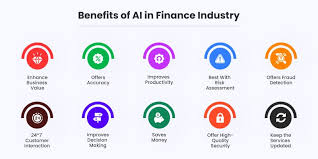
Artificial intelligence (AI) is rapidly gaining traction in the banking and finance sector, with generative AI (GenAI) emerging as a transformative force. Financial institutions are increasingly adopting AI technologies to automate processes, cut operational costs, and boost overall productivity, according to Sameer Gupta, North America Financial Services Organization Advanced Analytics Leader at EY. While traditional machine learning (ML) techniques are commonly used for fraud detection, loan approvals, and personalized marketing, banks are now advancing to incorporate more sophisticated technologies, including ML, natural language processing (NLP), and GenAI. Gupta notes that EY is observing a growing trend of banks using ML to enhance credit approvals, improve fraud detection, and refine marketing strategies, leading to greater efficiency and better decision-making. A recent survey by Gartner’s Jasleen Kaur Sindhu reveals that 58% of banking CIOs have either deployed or plan to deploy AI initiatives in 2024, with this number expected to rise to 77% by 2025. “This indicates not only the growing importance of AI but also its fundamental role in shaping how banks operate and deliver value to their customers,” Sindhu said. “AI is becoming essential to the success of banking institutions.” Here are five key benefits of AI applications in banking: Despite the benefits, concerns about AI in banking persist, particularly regarding data privacy, bias, and ethics. AI can inadvertently extract personal information and raise privacy issues. Regulatory challenges and the potential for AI systems to perpetuate biases are also major concerns. As AI technology evolves, banks are investing in robust governance frameworks, continuous monitoring, and adherence to ethical standards to address these risks. Looking ahead, AI is expected to revolutionize banking by delivering personalized services, enhancing customer interactions, and driving productivity. Deloitte forecasts that GenAI could boost productivity by up to 35% in the top 14 global investment banks, generating significant additional revenue per employee by 2026. Like Related Posts Who is Salesforce? Who is Salesforce? Here is their story in their own words. From our inception, we’ve proudly embraced the identity of Read more Salesforce Marketing Cloud Transactional Emails Salesforce Marketing Cloud Transactional Emails are immediate, automated, non-promotional messages crucial to business operations and customer satisfaction, such as order Read more Salesforce Unites Einstein Analytics with Financial CRM Salesforce has unveiled a comprehensive analytics solution tailored for wealth managers, home office professionals, and retail bankers, merging its Financial Read more AI-Driven Propensity Scores AI plays a crucial role in propensity score estimation as it can discern underlying patterns between treatments and confounding variables Read more

Read More
Integrate Digital Delivery and Human Connection

Integrate Digital Delivery and Human Connection

Salesforce’s latest data reveals a complex challenge for banks: while digital excellence is now essential for customer satisfaction, a fully digital experience risks alienating customers who value human connections at critical moments. Banks often feel torn between scaling digital capabilities and preserving the personal touch that fosters customer loyalty. How can they strike the right balance?

Read More
Choose Salesforce for SMS

Choose Salesforce for SMS

Why Integrating SMS with Salesforce Transforms Business Communication Effective communication is crucial in today’s fast-paced business environment. A company’s success often hinges on its ability to interact seamlessly with customers—whether through personalized service, timely updates, or the latest product offerings. Choose Salesforce for SMS. Today’s customers demand a seamless, omnichannel experience that goes beyond traditional communication methods like flyers and emails. They expect real-time, two-way interactions, which is where Salesforce SMS apps come into play. These apps, which integrate smoothly with existing CRM systems, are transforming how businesses engage with their customers. 5 Reasons to Integrate SMS with Salesforce Integrating SMS with Salesforce offers numerous benefits, primarily enhancing customer-facing efficiency and effectiveness. Here are five key advantages: SMS for Salesforce enables businesses to provide immediate customer support. For instance, logistics companies can use SMS to notify customers about delivery statuses or appointment updates in real time. SMS boasts an impressive open rate—over 95% within the first three minutes—making it a highly effective medium for increasing marketing engagement compared to email. You can even couple Salesforce SMS with tools like geofencing to send notifications via SMS when they are in the store. Integrating SMS with Salesforce allows for streamlined automation of processes such as order updates and appointment reminders. This reduces the need for manual intervention, boosts productivity, and frees up resources for more strategic tasks. Automated texts can be scheduled based on customer behavior or sales stages, optimizing workflows and enhancing efficiency. With a response rate of approximately 45%, SMS is highly effective for engaging customers. It facilitates prompt replies due to its immediate nature. Sales and marketing teams can leverage SMS for direct interactions, while retailers can use it to distribute discount codes and drive quick responses. Additionally, SMS is ideal for important notifications, enhancing customer service. By integrating SMS with Salesforce, businesses can tailor their messages to address specific customer needs and preferences. This personalization fosters stronger customer relationships and improves conversion rates. For example, a travel agency can send personalized vacation recommendations, while financial advisors can provide client-specific updates and advice. Salesforce’s integration with SMS allows for robust tracking and analysis of customer interactions and campaign effectiveness. Marketing teams can refine their strategies by reviewing metrics such as open rates, click-through rates, and conversion rates from SMS campaigns. Additionally, customer support teams can evaluate response times and resolution rates to improve service efficiency. How to Implement SMS in Salesforce To send and receive texts via Salesforce, you have several options: Salesforce offers two primary SMS solutions: Mobile Studio and Digital Engagement. For more tailored functionality, you can use Salesforce API or another API provider to develop a custom texting solution. While this offers greater flexibility and avoids extra costs, it involves significant development time and expense. Opting for a Salesforce-native SMS app from the Salesforce AppExchange can be advantageous. These apps, designed specifically for SMS within Salesforce, often offer: These native apps also come with dedicated customer support, making them a cost-effective and efficient choice. Best Practices for SMS Communication While SMS boasts high engagement rates, it’s essential to follow best practices to maintain a positive customer experience: Ensure compliance with data privacy regulations like GDPR and CCPA by securing clear consent from customers before sending SMS. Automate re-opt-in processes to maintain compliance. Send messages during the recipient’s regular business hours to avoid disturbing them at inconvenient times. Stay in touch with your audience regularly but avoid overwhelming them with excessive messages. Provide valuable content to keep engagement high. Use the same number for messaging to help customers recognize your communications and build trust. Respond promptly and courteously to customer replies. Provide clear, detailed responses to inquiries. Acknowledge and reward outstanding customer actions with thoughtful messages or gestures, such as donations to their favorite charities. Even a thank you for your purchase message can contain a surprise such as a coupon or a notification that a free gift is included with their order. Use SMS to highlight important announcements, events, or opportunities, tapping into the fear of missing out to drive engagement. SMS is the perfect omnichannel tool to incorporate into all your Salesforce journeys. Balance promotional content with conversational engagement to avoid appearing pushy and to keep the communication enjoyable for customers. People are much happier to get news they can use rather than advertisements. Encourage further engagement by including clear, actionable steps in your SMS messages, such as signing up for a free trial or using a discount code. A call to action must be designed with smaller screen views in mind. Include an easy way for recipients to unsubscribe from future messages to comply with legal requirements and respect customer preferences. By integrating SMS with Salesforce and adhering to these best practices, businesses can enhance their communication strategies, foster better customer relationships, and drive greater engagement. Like1 Related Posts Who is Salesforce? Who is Salesforce? Here is their story in their own words. From our inception, we’ve proudly embraced the identity of Read more Salesforce Marketing Cloud Transactional Emails Salesforce Marketing Cloud Transactional Emails are immediate, automated, non-promotional messages crucial to business operations and customer satisfaction, such as order Read more Salesforce Unites Einstein Analytics with Financial CRM Salesforce has unveiled a comprehensive analytics solution tailored for wealth managers, home office professionals, and retail bankers, merging its Financial Read more AI-Driven Propensity Scores AI plays a crucial role in propensity score estimation as it can discern underlying patterns between treatments and confounding variables Read more

Read More
Salesforce to Acquire Zoomin

Salesforce to Acquire Zoomin

Salesforce to Acquire Zoomin: Enhancing AI Capabilities with Unstructured Data Salesforce, the world’s leading AI CRM, has signed a definitive agreement to acquire Zoomin, a top data management provider specializing in unstructured data. This acquisition is a pivotal move that will strengthen Salesforce’s Data Cloud, empowering AI agents with more personalized, context-aware capabilities. With Zoomin’s technology, Salesforce’s Agentforce platform will gain new intelligence, allowing customers to build AI that delivers real-time, data-driven responses tailored to individual needs. The acquisition is expected to close in the fourth quarter of Salesforce’s fiscal year 2025, subject to customary closing conditions. “Proprietary unstructured data is powerful fuel our customers can use for AI agents and customer experiences,” said Rahul Auradkar, EVP & GM of Unified Data Services & Einstein at Salesforce. “Zoomin’s proven expertise and technology will accelerate Data Cloud’s innovation and enable our customers to get better value from Agentforce. This transaction underscores our commitment to help customers harness the value of all their data, offering contextual AI experiences backed by enterprise-leading trust controls.” Strategic Value of the Acquisition With the integration of Zoomin’s technology, Salesforce can unlock new use cases for customers across various touchpoints. For example, Service Cloud users will be able to automate service interactions by leveraging enterprise knowledge, enhancing the efficiency of Agentforce for service representatives. This integration will lead to faster issue resolution, increased customer satisfaction, and reduced operational costs. Zoomin’s ability to consolidate unstructured data from multiple sources will empower service teams with a comprehensive understanding of their customers, turning distributed knowledge into actionable insights. Zoomin’s CEO, Gal Oron, echoed this sentiment: “We’re both humbled and excited to join forces with Salesforce. As organizations accelerate their enterprise AI transformation, our joint mission is to support them and ensure AI doesn’t hit the data wall. As part of the #1 AI CRM, we’ll enable customers to leverage their existing enterprise data in ways they never thought possible.” A Long-Standing Partnership Zoomin has been a Salesforce AppExchange partner since 2018 and became a part of the Salesforce Ventures portfolio in 2019. Through this partnership, hundreds of Salesforce customers already use Zoomin’s unified knowledge platform to deliver intuitive customer experiences. This acquisition builds on that foundation, with Zoomin set to enhance Salesforce’s AI-driven platforms by making enterprise knowledge more accessible and usable for AI agents. Despite the significance of this acquisition, Salesforce noted that it would not result in any changes to its financial guidance provided in August 2024, and no further financial details will be disclosed. This move is part of Salesforce’s broader strategy to push deeper into AI-powered customer experiences, enabling customers to utilize the full potential of their data for more intelligent, personalized interactions across all channels. Like Related Posts Who is Salesforce? Who is Salesforce? Here is their story in their own words. From our inception, we’ve proudly embraced the identity of Read more Salesforce Marketing Cloud Transactional Emails Salesforce Marketing Cloud Transactional Emails are immediate, automated, non-promotional messages crucial to business operations and customer satisfaction, such as order Read more Salesforce Unites Einstein Analytics with Financial CRM Salesforce has unveiled a comprehensive analytics solution tailored for wealth managers, home office professionals, and retail bankers, merging its Financial Read more AI-Driven Propensity Scores AI plays a crucial role in propensity score estimation as it can discern underlying patterns between treatments and confounding variables Read more

Read More
gettectonic.com