

Recruitment Archives - gettectonic.com - Page 2
Digital Transformation for Life Sciences

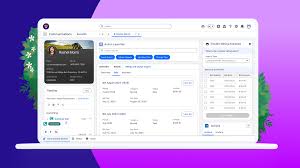
Salesforce Winter 25 Release for Life Sciences

The Salesforce Winter ’25 release introduces groundbreaking updates tailored to the life sciences industry. Whether you’re in pharmaceuticals, biotech, or medical devices, these innovations aim to streamline operations, enhance patient care, and strengthen stakeholder relationships. Let’s explore the key enhancements: Quote and Agreement Automation Salesforce’s advancements in Quote and Agreement Automation simplify pricing and contractual negotiations for life sciences organizations. Key benefits include: These updates not only improve operational efficiency but also reduce errors and compliance risks, helping organizations stay ahead in a highly regulated industry. Financial Assistance Programs Navigating financial support for patients can be challenging, but Salesforce is making it easier. The Winter ’25 release enhances tools for managing financial assistance programs, ensuring eligible patients get the support they need. Key features include: By easing the financial burden on patients, these updates strengthen trust and foster better patient-provider relationships. Participant Recruitment and Enrollment Recruiting and enrolling participants for clinical trials is now more efficient with Salesforce’s new AI-driven tools. Notable improvements include: These updates not only shorten recruitment timelines but also enhance the overall trial experience for participants. Patient Program Outcome Management Tracking patient outcomes is vital for life sciences companies, and Salesforce’s Patient Program Outcome Management tools deliver powerful capabilities. Features include: These tools empower organizations to make data-driven decisions, improving program effectiveness and elevating patient care. Pharmacy Benefits Verification Verifying patient benefits is often a time-consuming task. The Winter ’25 release introduces automation to streamline this process. Key highlights: By simplifying benefits verification, this update enhances efficiency for providers and ensures a smoother experience for patients. Why It Matters for Life Sciences The Winter ’25 release is a leap forward for the life sciences industry, offering tools that: From automating quotes and agreements to improving patient support and trial management, these updates empower organizations to focus on delivering exceptional care and innovation. Ready to Transform Your Salesforce Experience?Tectonic is here to help you unlock the full potential of these enhancements. Whether you’re looking to optimize patient care, streamline operations, or improve outcomes, we’ll guide you every step of the way. Contact Tectonic today to get started! Like Related Posts Who is Salesforce? Who is Salesforce? Here is their story in their own words. From our inception, we’ve proudly embraced the identity of Read more Salesforce Marketing Cloud Transactional Emails Salesforce Marketing Cloud Transactional Emails are immediate, automated, non-promotional messages crucial to business operations and customer satisfaction, such as order Read more Salesforce Unites Einstein Analytics with Financial CRM Salesforce has unveiled a comprehensive analytics solution tailored for wealth managers, home office professionals, and retail bankers, merging its Financial Read more AI-Driven Propensity Scores AI plays a crucial role in propensity score estimation as it can discern underlying patterns between treatments and confounding variables Read more

Read More
AI Agents and Digital Transformation

Ready for AI Agents

Brands that can effectively integrate agentic AI into their operations stand to gain a significant competitive edge. But as with any innovation, success will depend on balancing the promise of automation with the complexities of trust, privacy, and user experience.

Read More
AI Agents and Digital Transformation

AI Agents and Digital Transformation

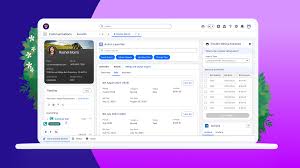
In the rapidly developingng world of technology, Artificial Intelligence (AI) is revolutionizing industries and reshaping how we interact with digital systems. One of the most promising advancements within AI is the development of AI agents. These intelligent entities, often powered by Large Language Models (LLMs), are driving the next wave of digital transformation by enabling automation, personalization, and enhanced decision-making across various sectors. AI Agents and digital transformation are here to stay. What is an AI Agent? An AI agent, or intelligent agent, is a software entity capable of perceiving its environment, reasoning about its actions, and autonomously working toward specific goals. These agents mimic human-like behavior using advanced algorithms, data processing, and machine-learning models to interact with users and complete tasks. LLMs to AI Agents — An Evolution The evolution of AI agents is closely tied to the rise of Large Language Models (LLMs). Models like GPT (Generative Pre-trained Transformer) have showcased remarkable abilities to understand and generate human-like text. This development has enabled AI agents to interpret complex language inputs, facilitating advanced interactions with users. Key Capabilities of LLM-Based Agents LLM-powered agents possess several key advantages: Two Major Types of LLM Agents LLM agents are classified into two main categories: Multi-Agent Systems (MAS) A Multi-Agent System (MAS) is a group of autonomous agents working together to achieve shared goals or solve complex problems. MAS applications span robotics, economics, and distributed computing, where agents interact to optimize processes. AI Agent Architecture and Key Elements AI agents generally follow a modular architecture comprising: Learning Strategies for LLM-Based Agents AI agents utilize various learning techniques, including supervised, reinforcement, and self-supervised learning, to adapt and improve their performance in dynamic environments. How Autonomous AI Agents Operate Autonomous AI agents act independently of human intervention by perceiving their surroundings, reasoning through possible actions, and making decisions autonomously to achieve set goals. AI Agents’ Transformative Power Across Industries AI agents are transforming numerous industries by automating tasks, enhancing efficiency, and providing data-driven insights. Here’s a look at some key use cases: Platforms Powering AI Agents The Benefits of AI Agents and Digital Transformation AI agents offer several advantages, including: The Future of AI Agents The potential of AI agents is immense, and as AI technology advances, we can expect more sophisticated agents capable of complex reasoning, adaptive learning, and deeper integration into everyday tasks. The future promises a world where AI agents collaborate with humans to drive innovation, enhance efficiency, and unlock new opportunities for growth in the digital age. AI Agents and Digital Transformation By partnering with AI development specialists at Tectonic, organizations can access cutting-edge solutions tailored to their needs, positioning themselves to stay ahead in the rapidly evolving AI-driven market. Agentforce Like Related Posts Who is Salesforce? Who is Salesforce? Here is their story in their own words. From our inception, we’ve proudly embraced the identity of Read more Salesforce Marketing Cloud Transactional Emails Salesforce Marketing Cloud Transactional Emails are immediate, automated, non-promotional messages crucial to business operations and customer satisfaction, such as order Read more Salesforce Unites Einstein Analytics with Financial CRM Salesforce has unveiled a comprehensive analytics solution tailored for wealth managers, home office professionals, and retail bankers, merging its Financial Read more AI-Driven Propensity Scores AI plays a crucial role in propensity score estimation as it can discern underlying patterns between treatments and confounding variables Read more
Read More

How to Hire the Right Salesforce Developer

Maximizing Salesforce: How to Hire the Right Salesforce Developer Salesforce has revolutionized how businesses manage customer relationships, becoming a cornerstone for enhancing customer service and engagement. However, to fully leverage its potential, skilled professionals are needed to customize and develop the platform to meet specific business needs. Hiring the right Salesforce developer is crucial for ensuring your organization gets the most out of this powerful tool. In this guide, we’ll explore key considerations before hiring a Salesforce developer, the steps involved in the hiring process, and tips for effective Salesforce recruitment. How to Hire the Right Salesforce Developer. Understanding Salesforce Developer Roles Before diving into the hiring process, it’s essential to understand the different Salesforce roles: Your business needs may require a combination of these roles. Depending on the complexity of your Salesforce environment, you might need more than just a developer. Key Factors to Consider Before Hiring a Salesforce Developer The most critical factor when hiring a Salesforce developer is their skill set. Salesforce development requires deep knowledge of various technologies and tools. Key skills include: Assessing a candidate’s industry-specific experience can provide insight into their ability to address your business challenges. Salesforce certifications validate a professional’s expertise. Key certifications to look for include: These certifications provide assurance of the candidate’s competency. A strong Salesforce developer should not only possess technical skills but also understand business processes. Developers who can translate business requirements into technical solutions will drive business value. Salesforce development often involves troubleshooting complex issues. Assess a candidate’s problem-solving abilities through technical interviews or practical tests. Strong problem-solvers will be invaluable when unexpected challenges arise. Effective communication is vital for a Salesforce developer. They must explain technical concepts to non-technical stakeholders and document processes clearly for future maintenance. How to Hire the Right Salesforce Developer Start by defining the skills, experience, and certifications needed for the role. A well-defined job description will attract the right candidates. Create job postings that reflect the role’s responsibilities and qualifications. Use relevant keywords like “Salesforce job postings” and “Salesforce employment opportunities” to attract suitable candidates. Screen candidates based on their resumes and initial interviews, looking for a strong match between their experience and your job requirements. Evaluate candidates through practical tests to assess their Salesforce-specific coding skills and problem-solving abilities. Conduct multiple interview rounds: Salesforce Recruitment Tips Use platforms like LinkedIn and Salesforce-specific groups to find candidates and connect with the Salesforce community. Partnering with recruitment agencies that specialize in Salesforce roles can streamline the hiring process. Salesforce professionals are in high demand, so offering competitive salaries and benefits is key to attracting top talent. Identify candidates committed to professional development, as Salesforce is constantly evolving with new features and practices. Highlighting your company’s culture, values, and growth opportunities can attract top talent. Why Choose Tectonic – How to Hire the Right Salesforce Developer? Hiring the right Salesforce developer requires a thorough understanding of your business needs, a clear definition of the required skills, and a meticulous hiring process. By emphasizing these factors, you can ensure you recruit the right talent to drive your Salesforce initiatives. However many Salesforce projects don’t require a long term developer, business analyst, or project manager. Outsourcing these roles to Tectonic can provide a valuable savings in cost and improved project outcomes with a clean CRM in place from day one. At Tectonic, we take pride in being a leading Salesforce provider. Our team of certified Salesforce professionals is equipped with the skills and experience to meet your business demands. Whether you need a developer, administrator, or consultant, Tectonic’s rigorous recruiting process ensures we deliver the best talent. Partner with Tectonic to fully harness the potential of Salesforce and elevate your business to the next level. Contact us today to learn more about our Salesforce staffing solutions and how we can help you achieve your CRM goals. Like Related Posts Who is Salesforce? Who is Salesforce? Here is their story in their own words. From our inception, we’ve proudly embraced the identity of Read more Salesforce Marketing Cloud Transactional Emails Salesforce Marketing Cloud Transactional Emails are immediate, automated, non-promotional messages crucial to business operations and customer satisfaction, such as order Read more Salesforce Unites Einstein Analytics with Financial CRM Salesforce has unveiled a comprehensive analytics solution tailored for wealth managers, home office professionals, and retail bankers, merging its Financial Read more AI-Driven Propensity Scores AI plays a crucial role in propensity score estimation as it can discern underlying patterns between treatments and confounding variables Read more

Read More
Salesforce has launched Industries AI

Salesforce has launched Industries AI

Salesforce has launched Industries AI, a comprehensive suite of AI tools tailored for specific industries, including government and related public-sector fields. This initiative integrates AI use case libraries into Salesforce’s 15 industry clouds, covering sectors such as public sector, energy and utilities, healthcare, education, and communications. Kristin Ruiz, Deputy CIO of the U.S. Transportation Security Administration, praised the partnership with Salesforce, noting the potential for AI to enhance passenger experiences by providing faster, more intuitive access to information. She emphasized the importance of using AI responsibly to improve security efficiency and safeguard the nation’s transportation system from emerging threats. The initial rollout of Industries AI focuses on three use cases within the public-sector cloud: These tools are scheduled for release in October. Additionally, Industries AI features tools designed to help utilities explain billing changes, streamline college recruitment, and summarize nonprofit program participant case histories. Like Related Posts Who is Salesforce? Who is Salesforce? Here is their story in their own words. From our inception, we’ve proudly embraced the identity of Read more Salesforce Marketing Cloud Transactional Emails Salesforce Marketing Cloud Transactional Emails are immediate, automated, non-promotional messages crucial to business operations and customer satisfaction, such as order Read more Salesforce Unites Einstein Analytics with Financial CRM Salesforce has unveiled a comprehensive analytics solution tailored for wealth managers, home office professionals, and retail bankers, merging its Financial Read more AI-Driven Propensity Scores AI plays a crucial role in propensity score estimation as it can discern underlying patterns between treatments and confounding variables Read more

Read More
Army of AI Bots

Army of AI Bots

Salesforce Inc. has announced a significant upgrade with the launch of Industries AI, a new automation platform designed to handle a wide range of time-consuming tasks, enhancing productivity across various sectors. We are NOT advocating that the next war will be fought with AI Bots. We aren’t even suggesting there is anything negative about these bots. However, if the next war were to be information and data based, who knows. Industries AI will be integrated into all 15 of Salesforce’s cloud platforms, including Sales Cloud, Data Cloud, Service Cloud, Commerce Cloud, and Marketing Cloud. This expansive solution is capable of managing over 100 common tasks, from matching patients with clinical trials and providing maintenance alerts for vehicles and machinery, to streamlining recruitment processes and enhancing government services. The launch of Industries AI responds to findings from Salesforce’s Trends in AI for CRM Report, which indicated that over 75% of business leaders are concerned about missing out on AI advancements if they do not adopt the technology soon. With a 700% increase in urgency to implement AI over the past six months, many organizations struggle with the resources and expertise needed to develop and train AI models. Salesforce aims to address this by offering a ready-made framework for creating AI agents tailored to industry-specific needs, utilizing each customer’s proprietary data within the Salesforce platform. Industries AI will provide a foundation for quickly deploying autonomous agents, with setup times estimated at just a few minutes. To assist customers in leveraging AI automation, Salesforce has created use case libraries for each of its cloud platforms, featuring over 100 capabilities at launch. These capabilities span multiple industries: Salesforce will begin rolling out Industries AI capabilities in October 2024, with some features available by February 2025. The company plans to regularly update Industries AI with new capabilities as part of its annual Salesforce releases. Jeff Amann, executive vice president and general manager of Salesforce Industries, emphasized that this innovation aims to make powerful AI accessible to all enterprises, regardless of size or budget. “Organizations can now easily start with AI solutions tailored to their specific challenges, enhancing efficiency and productivity across various functions,” he said. Like Related Posts Who is Salesforce? Who is Salesforce? Here is their story in their own words. From our inception, we’ve proudly embraced the identity of Read more Salesforce Marketing Cloud Transactional Emails Salesforce Marketing Cloud Transactional Emails are immediate, automated, non-promotional messages crucial to business operations and customer satisfaction, such as order Read more Salesforce Unites Einstein Analytics with Financial CRM Salesforce has unveiled a comprehensive analytics solution tailored for wealth managers, home office professionals, and retail bankers, merging its Financial Read more AI-Driven Propensity Scores AI plays a crucial role in propensity score estimation as it can discern underlying patterns between treatments and confounding variables Read more

Read More
Education Cloud Recruitment and Admissions

Education Cloud Recruitment and Admissions

Today’s prospective students and learners expect a seamless, connected online experience throughout their higher education journey. The days of relying on phone calls and postal mail for application processes are behind us. Faculty and staff require a complete, unified view of each learner—no more data scattered across departments. Education Cloud recruitment and admissions enables your institution to operate efficiently and effectively in the digital age. At its very heart, recuitment and admissions is only a variation on any other marketing process that has been improved with automation. No one knows automation like Salesforce. And no one knows how to build a engaging portal in Education Cloud to cator to your students than Tectonic. At the core of the recruitment and admissions process in Education Cloud is an online portal that allows learners to: This learner portal captures and records all relevant information directly in Salesforce. However, managing the multitude of interactions and documents can be challenging. That’s where the Recruiting and Admissions Consoles come in, serving as a centralized hub for faculty and staff to manage their tasks and monitor progress. The Recruitment & Admissions Consoles offer several key benefits: Like Related Posts Who is Salesforce? Who is Salesforce? Here is their story in their own words. From our inception, we’ve proudly embraced the identity of Read more Salesforce Marketing Cloud Transactional Emails Salesforce Marketing Cloud Transactional Emails are immediate, automated, non-promotional messages crucial to business operations and customer satisfaction, such as order Read more Salesforce Unites Einstein Analytics with Financial CRM Salesforce has unveiled a comprehensive analytics solution tailored for wealth managers, home office professionals, and retail bankers, merging its Financial Read more AI-Driven Propensity Scores AI plays a crucial role in propensity score estimation as it can discern underlying patterns between treatments and confounding variables Read more
Read More
Impact of Generative AI on Workforce

Impact of Generative AI on Workforce

The Impact of Generative AI on the Future of Work Automation has long been a source of concern and hope for the future of work. Now, generative AI is the latest technology fueling both fear and optimism. AI’s Role in Job Augmentation and Replacement While AI is expected to enhance many jobs, there’s a growing argument that job augmentation for some might lead to job replacement for others. For instance, if AI makes a worker’s tasks ten times easier, the roles created to support that job could become redundant. A June 2023 McKinsey report highlighted that generative AI (GenAI) could automate 60% to 70% of employee workloads. In fact, AI has already begun replacing jobs, contributing to nearly 4,000 job cuts in May 2023 alone, according to Challenger, Gray & Christmas Inc. OpenAI, the creator of ChatGPT, estimates that 80% of the U.S. workforce could see at least 10% of their jobs impacted by large language models (LLMs). Examples of AI Job Replacement One notable example involves a writer at a tech startup who was let go without explanation, only to later discover references to her as “Olivia/ChatGPT” in internal communications. Managers had discussed how ChatGPT was a cheaper alternative to employing a writer. This scenario, while not officially confirmed, strongly suggested that AI had replaced her role. The Writers Guild of America also went on strike, seeking not only higher wages and more residuals from streaming platforms but also more regulation of AI. Research from the Frank Hawkins Kenan Institute of Private Enterprise indicates that GenAI might disproportionately affect women, with 79% of working women holding positions susceptible to automation compared to 58% of working men. Unlike past automation that typically targeted repetitive tasks, GenAI is different—it automates creative work such as writing, coding, and even music production. For example, Paul McCartney used AI to partially generate his late bandmate John Lennon’s voice to create a posthumous Beatles song. In this case, AI enhanced creativity, but the broader implications could be more complex. Other Impacts of AI on Jobs AI’s impact on jobs goes beyond replacement. Human-machine collaboration presents a more positive angle, where AI helps improve the work experience by automating repetitive tasks. This could lead to a rise in AI-related jobs and a growing demand for AI skills. AI systems require significant human feedback, particularly in training processes like reinforcement learning, where models are fine-tuned based on human input. A May 2023 paper also warned about the risk of “model collapse,” where LLMs deteriorate without continuous human data. However, there’s also the risk that AI collaboration could hinder productivity. For example, generative AI might produce an overabundance of low-quality content, forcing editors to spend more time refining it, which could deprioritize more original work. Jobs Most Affected by AI AI Legislation and Regulation Despite the rapid advancement of AI, comprehensive federal regulation in the U.S. remains elusive. However, several states have introduced or passed AI-focused laws, and New York City has enacted regulations for AI in recruitment. On the global stage, the European Union has introduced the AI Act, setting a common legal framework for AI. Meanwhile, U.S. leaders, including Senate Majority Leader Chuck Schumer, have begun outlining plans for AI regulation, emphasizing the need to protect workers, national security, and intellectual property. In October 2023, President Joe Biden signed an executive order on AI, aiming to protect consumer privacy, support workers, and advance equity and civil rights in the justice system. AI regulation is becoming increasingly urgent, and it’s a question of when, not if, comprehensive laws will be enacted. As AI continues to evolve, its impact on the workforce will be profound and multifaceted, requiring careful consideration and regulation to ensure it benefits society as a whole. Like Related Posts Who is Salesforce? Who is Salesforce? Here is their story in their own words. From our inception, we’ve proudly embraced the identity of Read more Salesforce Marketing Cloud Transactional Emails Salesforce Marketing Cloud Transactional Emails are immediate, automated, non-promotional messages crucial to business operations and customer satisfaction, such as order Read more Salesforce Unites Einstein Analytics with Financial CRM Salesforce has unveiled a comprehensive analytics solution tailored for wealth managers, home office professionals, and retail bankers, merging its Financial Read more AI-Driven Propensity Scores AI plays a crucial role in propensity score estimation as it can discern underlying patterns between treatments and confounding variables Read more
Read More
Salesforce Education Cloud

Get to Know Salesforce Education Cloud

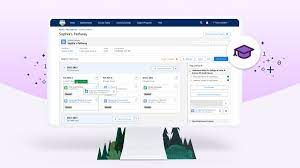
Introducing the next-generation CRM for education: Education Cloud, your institution’s digital foundation for the future. In an ever-changing digital world of education, Education Cloud’s configurable and secure platform equips your institution to stay ahead, ready to meet the challenges of tomorrow. Let’s get to know Salesforce Education Cloud. Harnessing the full power of Salesforce, Education Cloud integrates insights across recruitment, admissions, and student success, providing a unified view of every learner’s complete and varied journey. With a single source of truth, your institution can create personalized experiences that foster lifelong learning — from prospective students to engaged alumni. With Salesforce at the heart of your institution’s IT solution, tasks are streamlined, scalable, and foster collaboration across departments. Education Cloud empowers your institution with cutting-edge technologies, including: Join the Trailblazer Community to connect with user groups, share best practices, and get support as you explore Education Cloud. Log in with your Salesforce credentials and engage with the Education Hub and Education Release Readiness groups. Get to Know Salesforce Education Cloud Education Cloud offers a learner-first, organization-wide platform that enhances stakeholder engagement and collaboration. Dive into what Education Cloud provides, experience it firsthand with a trial org, and discover recommended setups to prepare for your implementation. Explore What’s Included with Education Cloud Education Cloud provides an education-centric data model within Salesforce, enabling you to build applications that support the entire learning experience and meet user needs. Recruitment and Admissions Education Cloud modernizes recruitment and admissions by providing an online portal and powerful collaboration tools. Today’s prospective students expect a connected, online experience, and Education Cloud ensures your institution is ready to meet those expectations. The heart of this process is an online portal where learners can: The portal collects essential information, which is seamlessly integrated into Salesforce. To manage the complexities of recruitment and admissions, use the Recruiting and Admissions Consoles, which offer: Academic Operations Centralize and manage your institution’s academic offerings with Education Cloud’s Academic Operations. This feature allows staff to: The data you manage here becomes the foundation for tools in Recruitment & Admissions and Student Success apps, ensuring a seamless flow of information across your institution. Student Success Education Cloud equips your institution with powerful tools to support learner success, from career counseling to large-scale orientation programs. Use it to: Example: Empowering Success At Valley School District, counselor Devi Gill uses Education Cloud’s Student Success app to manage remote learning challenges, like coordinating book deliveries and assisting seniors with college applications. At Callaras University, academic advisor Adrian Morges utilizes the same app to help students like Stephanie and Stuart navigate their educational paths. Mentoring Programs Mentoring is vital for student success, providing academic guidance, career development, and personal support. Education Cloud helps you manage mentoring programs by allowing you to: Alumni Relations Sustained alumni engagement is essential for institutional growth. Education Cloud offers tools to manage alumni relationships effectively, providing a 360-degree view of each alumnus. Use it to: Developer Resources for Education Cloud Access developer resources like entity relationship diagrams (ERD), object references, and apex references to customize and extend Education Cloud to meet your institution’s needs. Explore these features and more with Education Cloud to elevate your institution’s ability to deliver personalized, scalable, and impactful educational experiences. Like Related Posts Who is Salesforce? Who is Salesforce? Here is their story in their own words. From our inception, we’ve proudly embraced the identity of Read more Salesforce Marketing Cloud Transactional Emails Salesforce Marketing Cloud Transactional Emails are immediate, automated, non-promotional messages crucial to business operations and customer satisfaction, such as order Read more Salesforce Unites Einstein Analytics with Financial CRM Salesforce has unveiled a comprehensive analytics solution tailored for wealth managers, home office professionals, and retail bankers, merging its Financial Read more AI-Driven Propensity Scores AI plays a crucial role in propensity score estimation as it can discern underlying patterns between treatments and confounding variables Read more
Read More
Education Cloud Academic Operations Explained

Education Cloud Academic Operations Explained

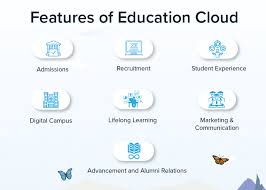
Education Cloud Academic Operations Academic Operations serves as the central hub for creating and managing your institution’s learning-related objects and the relationships between them. With this powerful tool, staff can: The entities you set up in Academic Operations—such as learning courses, programs, and schedules—lay the groundwork for the Recruitment & Admissions and Student Success apps. For instance, curricula and program data form the basis of your course catalog, while plans created in Program Plan Builder flow into Intelligent Degree Planning, guiding the Learner Progress View. Configuring Academic Operations To configure Academic Operations for your institution: Integration Capabilities Salesforce’s education data model seamlessly integrates with various Salesforce tools, including Data Cloud, Marketing Cloud, Salesforce Scheduler, and Einstein AI, as well as custom components like a comments feature and outcome management tools. This integration ensures a comprehensive solution for managing and enhancing the entire learning experience. Like Related Posts Who is Salesforce? Who is Salesforce? Here is their story in their own words. From our inception, we’ve proudly embraced the identity of Read more Salesforce Marketing Cloud Transactional Emails Salesforce Marketing Cloud Transactional Emails are immediate, automated, non-promotional messages crucial to business operations and customer satisfaction, such as order Read more Salesforce Unites Einstein Analytics with Financial CRM Salesforce has unveiled a comprehensive analytics solution tailored for wealth managers, home office professionals, and retail bankers, merging its Financial Read more AI-Driven Propensity Scores AI plays a crucial role in propensity score estimation as it can discern underlying patterns between treatments and confounding variables Read more
Read More
Education Cloud AI Innovations

Education Cloud AI Innovations

Salesforce AI Innovations: Empowering Student Success and Faculty Efficiency Salesforce is introducing new Education Cloud AI Innovations, AI-powered tools designed to streamline the educational journey, enabling students to chart clear paths to graduation, translate their coursework into resume-ready skills, and connect with mentors who can guide them toward their career goals. Enhancing Faculty and Staff Efficiency with AI New generative AI capabilities are set to automate time-consuming tasks for faculty and staff, allowing them to focus on what matters most—driving student success. Personalizing Student Experiences with AI Institutions like the University of Nevada Las Vegas and Texas Tech are leveraging Salesforce for Education to create personalized student experiences and improve staff efficiency through AI-driven solutions. Salesforce Introduces AI-Powered Student Success Tools for Education Cloud Today, Salesforce unveiled cutting-edge AI tools for Education Cloud, including Intelligent Degree Planning and Skills Generator. These innovations are designed to help institutions craft personalized graduation pathways, translate coursework into tangible skills, and facilitate impactful mentorship programs. Additionally, Salesforce introduced Data Cloud for Education and Einstein Copilot Recruitment & Admissions Actions. These tools will enable institutions to automate routine tasks, enhance recruitment and enrollment processes, and bolster student support. Why It Matters Education professionals face the highest burnout rates across industries, and students are feeling the impact—only 11% of college students believe they are workforce-ready. As the education sector approaches an enrollment cliff, confidence in the value of a college degree is declining, and educators are leaving the profession in significant numbers. Schools must find ways to reduce staff workload while improving student experiences and outcomes. Explore Education Cloud Elevate the educational experience with the #1 AI CRM for learner and institution success. DIVE IN AI Innovation for Lifelong Student Success The new AI capabilities for Education Cloud, built on Salesforce’s Einstein 1 Platform, will help higher education and K-12 institutions unlock the power of their data to deliver trusted AI solutions. These innovations are designed to improve staff efficiency while enhancing student experiences and learning outcomes. Key features include: AI in Action for Faculty and Staff Salesforce is delivering new AI and data tools to automate tasks related to recruitment, enrollment, and student experience management. New features include: With these industry-specific AI and data tools, Education Cloud is poised to help K-12 and higher education institutions offer more individualized support to every student while increasing operational efficiency and reducing staff burnout. The Salesforce Perspective “Every institution wants to provide the best possible experiences for their students and staff. With industry-specific AI and data tools, Education Cloud will help K-12 and higher ed institutions offer more personalized support to every student while increasing efficiency and helping to reduce staff burnout. This will free educators and staff to focus on improving student outcomes, such as career readiness, well-being, and graduation rates.”— Bala Subramanian, VP & GM of Education Like Related Posts Who is Salesforce? Who is Salesforce? Here is their story in their own words. From our inception, we’ve proudly embraced the identity of Read more Salesforce Marketing Cloud Transactional Emails Salesforce Marketing Cloud Transactional Emails are immediate, automated, non-promotional messages crucial to business operations and customer satisfaction, such as order Read more Salesforce Unites Einstein Analytics with Financial CRM Salesforce has unveiled a comprehensive analytics solution tailored for wealth managers, home office professionals, and retail bankers, merging its Financial Read more AI-Driven Propensity Scores AI plays a crucial role in propensity score estimation as it can discern underlying patterns between treatments and confounding variables Read more
Read More
Why Education Cloud

Why Education Cloud

Salesforce Education Cloud is a comprehensive solution designed for higher education institutions, offering powerful tools to manage every aspect of the student lifecycle—from recruitment and admissions to student success and alumni engagement. However, to fully maximize the benefits of Salesforce Education Cloud, institutions need a partner that understands the unique challenges and needs of higher education. Our team specializes in implementing Salesforce Education Cloud, ensuring that your institution has the right tools to drive success at every stage of the student journey. Student 360 Customization We can help tailor Salesforce’s Student 360 to fit your institution’s specific needs, providing a unified, comprehensive view of each student. By integrating all your data sources seamlessly, we empower your staff with actionable insights that enhance student success and support. Customized Solutions for Your Institution Our Tectonic team focuses on delivering custom configurations aligned with your institution’s unique processes and goals. This tailored approach ensures you have the precise tools needed to support and optimize every stage of the student lifecycle. Continuous Optimization As your institution evolves, so should your Salesforce Education Cloud solution. We’re committed to helping your system grow with you, optimizing it to meet changing demands and driving ongoing success and improvement. AI and Automation to Streamline Processes From automating admissions workflows to using predictive analytics for student retention, Salesforce’s AI and automation features keep your institution ahead of the curve. We collaborate closely with your team to streamline repetitive tasks, set up AI-driven insights, and ensure your staff can leverage these tools to improve efficiency and make data-informed decisions. Alumni Engagement and Fundraising Salesforce Education Cloud offers advanced tools to foster alumni relationships and manage donor relations. We help you customize these tools to segment alumni databases, execute targeted outreach campaigns, and strengthen fundraising efforts, ensuring lasting engagement with graduates. By partnering with Tectonic, your institution will harness the full potential of Salesforce Education Cloud, driving student success and strengthening alumni connections for the long term. Content updated August 2024. Like Related Posts Who is Salesforce? Who is Salesforce? Here is their story in their own words. From our inception, we’ve proudly embraced the identity of Read more Salesforce Marketing Cloud Transactional Emails Salesforce Marketing Cloud Transactional Emails are immediate, automated, non-promotional messages crucial to business operations and customer satisfaction, such as order Read more Salesforce Unites Einstein Analytics with Financial CRM Salesforce has unveiled a comprehensive analytics solution tailored for wealth managers, home office professionals, and retail bankers, merging its Financial Read more AI-Driven Propensity Scores AI plays a crucial role in propensity score estimation as it can discern underlying patterns between treatments and confounding variables Read more
Read More
Who Calls AI Ethical

Who Calls AI Ethical

Background – Who Calls AI Ethical On March 13, 2024, the European Union (EU) enacted the EU AI Act, a move that some argue has hindered its position in the global AI race. This legislation aims to ‘unify’ the development and implementation of AI within the EU, but it is seen as more restrictive than progressive. Rather than fostering innovation, the act focuses on governance, which may not be sufficient for maintaining a competitive edge. The EU AI Act embodies the EU’s stance on Ethical AI, a concept that has been met with skepticism. Critics argue that Ethical AI is often misinterpreted and, at worst, a monetizable construct. In contrast, Responsible AI, which emphasizes ensuring products perform as intended without causing harm, is seen as a more practical approach. This involves methodologies such as red-teaming and penetration testing to stress-test products. This critique of Ethical AI forms the basis of this insight,and Eric Sandosham article here. The EU AI Act To understand the implications of the EU AI Act, it is essential to summarize its key components and address the broader issues with the concept of Ethical AI. The EU defines AI as “a machine-based system designed to operate with varying levels of autonomy and that may exhibit adaptiveness after deployment. It infers from the input it receives to generate outputs such as predictions, content, recommendations, or decisions that can influence physical or virtual environments.” Based on this definition, the EU AI Act can be summarized into several key points: Fear of AI The EU AI Act appears to be driven by concerns about AI being weaponized or becoming uncontrollable. Questions arise about whether the act aims to prevent job disruptions or protect against potential risks. However, AI is essentially automating and enhancing tasks that humans already perform, such as social scoring, predictive policing, and background checks. AI’s implementation is more consistent, reliable, and faster than human efforts. Existing regulations already cover vehicular safety, healthcare safety, and infrastructure safety, raising the question of why AI-specific regulations are necessary. AI solutions automate decision-making, but the parameters and outcomes are still human-designed. The fear of AI becoming uncontrollable lacks evidence, and the path to artificial general intelligence (AGI) remains distant. Ethical AI as a Red Herring In AI research and development, the terms Ethical AI and Responsible AI are often used interchangeably, but they are distinct. Ethics involve systematized rules of right and wrong, often with legal implications. Morality is informed by cultural and religious beliefs, while responsibility is about accountability and obligation. These constructs are continuously evolving, and so must the ethics and rights related to technology and AI. Promoting AI development and broad adoption can naturally improve governance through market forces, transparency, and competition. Profit-driven organizations are incentivized to enhance AI’s positive utility. The focus should be on defining responsible use of AI, especially for non-profit and government agencies. Towards Responsible AI Responsible AI emphasizes accountability and obligation. It involves defining safeguards against misuse rather than prohibiting use cases out of fear. This aligns with responsible product development, where existing legal frameworks ensure products work as intended and minimize misuse risks. AI can improve processes such as recruitment by reducing errors compared to human solutions. AI’s role is to make distinctions based on data attributes, striving for accuracy. The concern is erroneous discrimination, which can be mitigated through rigorous testing for bias as part of product quality assurance. Conclusion The EU AI Act is unlikely to become a global standard. It may slow AI research, development, and implementation within the EU, hindering AI adoption in the region and causing long-term harm. Humanity has an obligation to push the boundaries of AI innovation. As a species facing eventual extinction from various potential threats, AI could represent a means of survival and advancement beyond our biological limitations. Like Related Posts Who is Salesforce? Who is Salesforce? Here is their story in their own words. From our inception, we’ve proudly embraced the identity of Read more Salesforce Marketing Cloud Transactional Emails Salesforce Marketing Cloud Transactional Emails are immediate, automated, non-promotional messages crucial to business operations and customer satisfaction, such as order Read more Salesforce Unites Einstein Analytics with Financial CRM Salesforce has unveiled a comprehensive analytics solution tailored for wealth managers, home office professionals, and retail bankers, merging its Financial Read more AI-Driven Propensity Scores AI plays a crucial role in propensity score estimation as it can discern underlying patterns between treatments and confounding variables Read more

Read More
Gov Agencies AI Workforce Challenges

Gov Agencies AI Workforce Challenges

Federal agencies are placing a higher priority on providing AI training to their workforces with a focus on principles of transparency and accountability, officials announced at ATARC’s GITEC conference in Charlottesville, Virginia earlier. Gov Agencies AI Workforce Challenges. Alexis Bonnell, Air Force Research Laboratory CIO and Director of the Digital Capabilities Directorate, emphasized the importance of upholding existing ethics standards rather than creating new ones. She stressed that agencies need to exercise the ethical principles they have always been expected to follow. President Biden’s October 2023 executive order on artificial intelligence mandated that agencies develop ethical AI and establish AI offices, among other directives. While agencies like the Defense Department and the Department of Homeland Security are optimistic about AI’s potential, leaders remain cautious about its ethical implications and stress the importance of safe technology development. It’s not just technologists who require AI training. To ensure all employees understand AI’s risks and benefits, government leaders are prioritizing education and upskilling efforts. Steven Brand, Energy Deputy CIO of Resource Management, highlighted the initiative to provide foundational AI training across his department, emphasizing that the goal is not to make employees experts. Tammy Hornsby-Fink, Executive Vice President and System CISO at the Federal Reserve Bank of Richmond, emphasized the need for accessible learning opportunities for all department members, from data scientists to executive assistants, to grasp AI concepts in manageable increments. Hornsby-Fink also emphasized the importance of providing sandboxes for employees to experiment with new technologies safely, stressing that experimentation is key to understanding how these technologies can create business value. According to Tony Boese, Department of Veterans Affairs Interagency Programs Manager, consistent education is essential to combat misinformation about AI. He mentioned the agency’s ASPIRE data-literacy program, which leverages AI to identify skills gaps and tailor educational pathways for individuals. Karen Howard, IRS Office of Online Services Executive Director, highlighted the need to modernize recruitment strategies and change management principles to attract top talent and leverage digital transformation and AI effectively. Jamie Holcombe, U.S. Patent and Trademark Office CIO, emphasized the importance of diversifying agency workforces by bringing in new perspectives from industry, such as those from Silicon Valley, to move away from outdated organizational playbooks. Gov Agencies AI Workforce Challenges Like Related Posts Who is Salesforce? Who is Salesforce? Here is their story in their own words. From our inception, we’ve proudly embraced the identity of Read more Salesforce Unites Einstein Analytics with Financial CRM Salesforce has unveiled a comprehensive analytics solution tailored for wealth managers, home office professionals, and retail bankers, merging its Financial Read more AI-Driven Propensity Scores AI plays a crucial role in propensity score estimation as it can discern underlying patterns between treatments and confounding variables Read more Tectonic’s Successful Salesforce Track Record Salesforce Technology Services Integrator – Tectonic has successfully delivered Salesforce in a variety of industries including Public Sector, Hospitality, Manufacturing, Read more

Read More
gettectonic.com