
SMBs Archives - gettectonic.com - Page 2
Generative AI Overview

Generative AI Overview

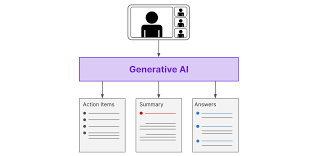
Editor’s Note: AI Cloud, Einstein GPT, and other cloud GPT products are now Einstein. For the latest on Salesforce Einstein The Rise of Generative AI: What It Means for Business and CRM Generative artificial intelligence (AI) made headlines in late 2022, sparking widespread curiosity and questions about its potential impact on various industries. What is Generative AI? Generative AI is a technology that creates new content—such as poetry, emails, images, or music—based on a set of input data. Unlike traditional AI, which focuses on classifying or predicting, generative AI can produce novel content with a human-like understanding of language, as noted by Salesforce Chief Scientist Silvio Savarese. However, successful generative AI depends on the quality of the input data. “AI is only as good as the data you give it, and you must ensure that datasets are representative,” emphasizes Paula Goldman, Salesforce’s Chief Ethical and Humane Use Officer. How Does Generative AI Work? Generative AI can be developed using several deep learning approaches, including: Other methods include Variational Autoencoders (VAEs) and Neural Radiance Fields (NeRFs), which generate new data or create 2D and 3D images based on sample data. Generative AI and Business Generative AI has captured the attention of global business leaders. A recent Salesforce survey found that 67% of IT leaders are focusing on generative AI in the next 18 months, with 33% considering it a top priority. Salesforce has long been exploring generative AI applications. For instance, CodeGen helps transform simple English prompts into executable code, and LAVIS makes language-vision AI accessible to researchers. More recently, Salesforce’s ProGen project demonstrated the creation of novel proteins using AI, potentially advancing medicine and treatment development. Ketan Karkhanis, Salesforce’s Executive VP and GM of Sales Cloud, highlights that generative AI benefits not just large enterprises but also small and medium-sized businesses (SMBs) by automating proposals, customer communications, and predictive sales modeling. Challenges and Ethical Considerations Despite its potential, generative AI poses risks, as noted by Paula Goldman and Kathy Baxter of Salesforce’s Ethical AI practice. They stress the importance of responsible innovation to ensure that generative AI is used safely and ethically. Accuracy in AI recommendations is crucial, and the authoritative tone of models like ChatGPT can sometimes lead to misleading results. Salesforce is committed to building trusted AI with embedded guardrails to prevent misuse. As generative AI evolves, it’s vital to balance its capabilities with ethical considerations, including its environmental impact. Generative AI can increase IT energy use, which 71% of IT leaders acknowledge. Generative AI at Salesforce Salesforce has integrated AI into its platform for years, with Einstein AI providing billions of daily predictions to enhance sales, service, and customer understanding. The recent launch of Einstein GPT, the world’s first generative AI for CRM, aims to transform how businesses interact with customers by automating content creation across various functions. Salesforce Ventures is also expanding its Generative AI Fund to $500 million, supporting AI startups and fostering responsible AI development. This expansion includes investments in companies like Anthropic and Cohere. As Salesforce continues to lead in AI innovation, the focus remains on creating technology that is inclusive, responsible, and sustainable, paving the way for the future of CRM and business. The Future of Business: AI-Powered Leadership and Decision-Making Tomorrow’s business landscape will be transformed by specialized, autonomous AI agents that will significantly change how companies are run. Future leaders will depend on these AI agents to support and enhance their teams, with AI chiefs of staff overseeing these agents and harnessing their capabilities. New AI-powered tools will bring businesses closer to their customers and enable faster, more informed decision-making. This shift is not just a trend—it’s backed by significant evidence. The Slack Workforce Index reveals a sevenfold increase in leaders seeking to integrate AI tools since September 2023. Additionally, Salesforce research shows that nearly 80% of global workers are open to an AI-driven future. While the pace of these changes may vary, it is clear that the future of work will look vastly different from today. According to the Slack Workforce Index, the number of leaders looking to integrate AI tools into their business has skyrocketed 7x since September 2023. Mick Costigan, VP, Salesforce Futures In the [still] early phases of a major technology shift, we tend to over-focus on the application of technology innovations to existing workflows. Such advances are important, but closing the imagination gap about the possible new shapes of work requires us to consider more than just technology. It requires us to think about people, both as the customers who react to new offerings and as the employees who are responsible for delivering them. Some will eagerly adopt new technology. Others will resist and drag their feet. Like1 Related Posts Who is Salesforce? Who is Salesforce? Here is their story in their own words. From our inception, we’ve proudly embraced the identity of Read more Salesforce Marketing Cloud Transactional Emails Salesforce Marketing Cloud Transactional Emails are immediate, automated, non-promotional messages crucial to business operations and customer satisfaction, such as order Read more Salesforce Unites Einstein Analytics with Financial CRM Salesforce has unveiled a comprehensive analytics solution tailored for wealth managers, home office professionals, and retail bankers, merging its Financial Read more AI-Driven Propensity Scores AI plays a crucial role in propensity score estimation as it can discern underlying patterns between treatments and confounding variables Read more
Read More
What is a CRM

What is a CRM?

Ask ten small and midsize business (SMB) owners to define a customer relationship management (CRM) system, and you’ll likely receive ten different answers. For some, a CRM supports their sales process; for others, it measures sales or stores customer histories. However, the true value of a CRM lies beyond these basic functions, according to Adam Alfano, EVP of Small Business Sales at Salesforce. “Unlocking the real enterprise value comes when the CRM becomes a front office platform that leverages one of your business’s most valuable assets—your data,” Alfano explains. An effective CRM with comprehensive capabilities helps your front office team, those interacting directly with customers, serve clients more efficiently. It also aids sales teams in automating and refining their processes. By understanding the full potential of today’s CRM solutions, you can harness data to: These elements can lead to transformative results for your business. Here’s how: Building a Solid Data Foundation Most business leaders acknowledge the importance of data, but making meaningful use of it can be challenging. According to a global AWS survey, over half (53 percent) of SMBs are unsure what insights their data could reveal. A common problem is data siloing, where information is scattered across different platforms, making it difficult to gain a comprehensive view and derive actionable insights. The most valuable CRMs integrate back-office and front-office processes, providing a unified platform. Salesforce CRM, powered by Salesforce’s Data Cloud, connects all your CRM data and integrates other data sources, eliminating silos that hinder productivity and growth. “When all your data is centralized, your employees can deliver better customer experiences with a unified view of customers and business,” Alfano says. Quick Wins with AI A 2024 survey by Inc. and Salesforce reveals that 91 percent of CEOs are optimistic about AI’s potential. However, impactful AI applications don’t need to be complex or grand. Alfano suggests starting with simple AI applications to boost efficiency. “Successful companies often create a checklist of tasks they can automate,” Alfano notes. Identify friction points and repetitive tasks that can be automated. A robust CRM will include integrated AI to handle functions such as: By automating routine tasks, salespeople can focus on more strategic activities, like engaging with customers and having value-driven conversations. Salesforce’s Sales Cloud, for instance, features AI technology that includes predictive AI for accurate forecasting and recommendations on the “next best action” to close deals and build relationships. Partnering for Success The most successful CRM implementations involve stakeholders from across the organization, along with gathering feedback from employees and customers to refine processes and explore new use cases. Choosing a technology provider that acts as a true partner is also crucial. They should offer guidance on leveraging the platform to achieve your goals. With the right CRM, SMBs can operate more efficiently, boost sales, enhance customer and employee experiences, and compete effectively with larger enterprises. “You can accomplish more with fewer resources and scale your processes without needing a larger workforce,” Alfano explains. “SMBs are already demonstrating impressive competitive and operational capabilities, largely due to these advanced tools.” Like Related Posts Who is Salesforce? Who is Salesforce? Here is their story in their own words. From our inception, we’ve proudly embraced the identity of Read more Salesforce Marketing Cloud Transactional Emails Salesforce Marketing Cloud Transactional Emails are immediate, automated, non-promotional messages crucial to business operations and customer satisfaction, such as order Read more Salesforce Unites Einstein Analytics with Financial CRM Salesforce has unveiled a comprehensive analytics solution tailored for wealth managers, home office professionals, and retail bankers, merging its Financial Read more AI-Driven Propensity Scores AI plays a crucial role in propensity score estimation as it can discern underlying patterns between treatments and confounding variables Read more

Read More
AI Safety and Responsibility

AI Safety and Responsibility

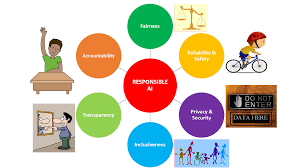
The Future of AI: Balancing Innovation and Trust Authored by Justin Tauber, General Manager, Innovation and AI Culture at Salesforce, ANZ. AI Safety and Responsibility AI holds the promise of transforming business operations and freeing up our most precious resource: time. This is particularly beneficial for small businesses, where customer-facing staff must navigate a complex set of products, policies, and data with limited time and support. AI-assisted customer engagement can lead to more timely, personalized, and intelligent interactions. However, trust is paramount, and businesses must use AI power safely and ethically. The Trust Challenge According to the AI Trust Quotient, 89% of Australian office workers don’t trust AI to operate without human oversight, and 62% fear that humans will lose control of AI. Small businesses must build competence and confidence in using AI responsibly. Companies that successfully combine human and machine intelligence will lead in AI transformation. Building trust and confidence in AI requires focusing on the employee experience of AI. Employees should be integrated early into decision-making, output refinement, and feedback processes. Generative AI outcomes improve when humans are actively involved. Humans need to lead their partnership with AI, ensuring AI works effectively with humans at the helm. Strategies for Building Trust One strategy is to remind employees of AI’s strengths and weaknesses within their workflow. Showing confidence values — how much the model believes its output is correct — helps employees handle AI responses with the appropriate level of care. Lower-scored content can still be valuable, but human reviews provide deeper scrutiny. Prompt templates for staff ensure consistent inputs and predictable outputs. Explainability or citing sources for AI-generated content also addresses trust and accuracy issues. Another strategy focuses on use cases that enhance customer trust. The sweet spot is where productivity and trust-building benefits align. For example, generative AI can reassure customers that a product will arrive on time. AI in fraud detection and prevention is another area where AI can flag suspicious transactions for human review, improving the accuracy and effectiveness of fraud detection systems. Salesforce’s Commitment to Ethical AI Salesforce ensures that its AI solutions keep humans at the helm by respecting ethical guardrails in AI product development. Salesforce goes further by creating capabilities and solutions that lower the cost of responsible AI deployment and use. AI safety products help businesses use AI power without significant risks. Salesforce AI products are built with trust and reliability in mind, embodying Trustworthy AI principles to help customers deploy these products ethically. It’s unrealistic and unfair to expect employees, especially in SMBs, to refine every AI-generated output. Therefore, Salesforce provides businesses with powerful, system-wide controls and intuitive interfaces to make timely and responsible judgments about testing, refining responses, or escalating problems. Salesforce has invested in ethical AI for nearly a decade, focusing on principles, policies, and protections for itself and its customers. New guidelines for responsible generative AI development expand on core Trusted AI principles. Updated Acceptable Use Policy safeguards and the Einstein Trust layer protect customer data from external LLMs. Commitment to a Trusted AI Future While we’re still in the early days of AI, Salesforce is committed to learning and iterating in close collaboration with customers and regulators to make trusted AI a reality for all. Originally published in Smart Company. Like Related Posts Who is Salesforce? Who is Salesforce? Here is their story in their own words. From our inception, we’ve proudly embraced the identity of Read more Salesforce Marketing Cloud Transactional Emails Salesforce Marketing Cloud Transactional Emails are immediate, automated, non-promotional messages crucial to business operations and customer satisfaction, such as order Read more Salesforce Unites Einstein Analytics with Financial CRM Salesforce has unveiled a comprehensive analytics solution tailored for wealth managers, home office professionals, and retail bankers, merging its Financial Read more AI-Driven Propensity Scores AI plays a crucial role in propensity score estimation as it can discern underlying patterns between treatments and confounding variables Read more
Read More
Big Marketing Strategies for Small Businesses

Big Marketing Strategies for Small Businesses

Smart Marketing Strategies for SMBs and Startups on a Budget Running a small or medium-sized business (SMB) or startup means finding creative ways to attract customers while maximizing limited resources. While marketing on a tight budget may seem challenging, the right approach can turn constraints into opportunities. Read on to discover great big tactics for little businesses. With a mix of technology and creativity, you can effectively grow your business without overspending. In fact, 76% of SMBs are investing more in technology this year than last. With a strategic mindset and the right tools, budget-conscious marketing can be just as impactful as big-budget campaigns. Build a Cost-Effective Website Start your marketing journey with a free or low-cost website—your business’s digital storefront. You don’t need a massive investment to make your site engaging and effective. With easy-to-use ecommerce platforms, you can create a clean, user-friendly site that connects with your audience. How to Make Your Website Shine: Leverage SEO and Content Marketing Search engine optimization (SEO) and content marketing are your best allies in boosting online visibility without high costs. A well-optimized website with valuable content can drive organic traffic and increase engagement. SEO Tips for SMBs: Maximize Google My Business (GMB) Google My Business is a free tool that enhances your visibility in local searches. Keep your profile updated with accurate contact details, business hours, and engaging photos to build credibility and attract local customers. How to Optimize GMB: Personalize Email Marketing Campaigns Email marketing is a cost-effective way to stay connected with customers. A well-crafted email strategy fosters engagement and brand loyalty. Email Marketing Best Practices: Invest in a CRM System A customer relationship management (CRM) tool helps streamline communication, track leads, and improve customer interactions. Platforms like Starter Suite make it easy to follow up with potential customers and create targeted marketing campaigns. Why Use a CRM? Optimize Social Media Marketing Social media is a powerful and free tool for brand awareness, but success depends on consistency and strategy. Focus on platforms where your target audience is most active. Social Media Best Practices: Leverage Video and Podcasts Encourage Customer Testimonials Nothing builds trust like genuine customer reviews and testimonials. Positive feedback can influence potential buyers and reinforce credibility. How to Gather Great Testimonials: Pro Tip: Use AI-powered tools to generate surveys, craft follow-up emails, and request reviews efficiently. Track Progress with Analytics Marketing efforts should be data-driven. Tools like Google Analytics and CRM platforms provide insights into customer behavior, traffic sources, and campaign effectiveness. How to Use Analytics: Market Your SMB Like a Pro—Without a Big Budget Effective marketing doesn’t require a massive budget—just smart strategies and the right tools. By building a strong online presence, leveraging cost-effective marketing channels, and connecting with customers personally, you can make a lasting impact. Get started with Starter Suite today to streamline your marketing and grow your business with ease. If you have read this far, you may be concerned you don’t have the manpower to make these changes. Tectonic is here to help. Contact us today! Like Related Posts Who is Salesforce? Who is Salesforce? Here is their story in their own words. From our inception, we’ve proudly embraced the identity of Read more Salesforce Marketing Cloud Transactional Emails Salesforce Marketing Cloud Transactional Emails are immediate, automated, non-promotional messages crucial to business operations and customer satisfaction, such as order Read more Salesforce Unites Einstein Analytics with Financial CRM Salesforce has unveiled a comprehensive analytics solution tailored for wealth managers, home office professionals, and retail bankers, merging its Financial Read more AI-Driven Propensity Scores AI plays a crucial role in propensity score estimation as it can discern underlying patterns between treatments and confounding variables Read more

Read More
Improved Quoting Process

Improved Quoting Process

Is Your Quoting Process Suffering from Pricing Errors or Delays? Are pricing errors or inconsistencies slowing down your quoting process and leading to customer dissatisfaction? Is the generation of quotes or proposals hampered by bottlenecks? Are your sales reps finding it challenging to navigate complex pricing structures, discounts, or promotions? Its time for an Improved Quoting Process from Salesforce. For many businesses leveraging Salesforce for sales automation, CPQ (Configure, Price, Quote) software provides solutions to these challenging issues, helping companies scale their pricing and selling strategies more effectively. If your current Salesforce quoting process is fraught with inefficiencies and errors, it may be time to explore Salesforce CPQ software options. Let’s examine the challenges you might be facing and the signs that indicate it’s time to adopt a CPQ solution. What Problem Does Improved Quoting Process Solve? As market demands shift toward self-service, omnichannel support, industry-specific solutions, and intelligent, user-friendly interfaces, businesses need to adapt to stay competitive. This is particularly important in industries such as manufacturing, telecommunications, and software as a service (SaaS). Common hurdles businesses face before implementing Salesforce quoting software include: Who Benefits from Salesforce Quoting Software? Approximately 83% of sales representatives use configure, price, and quote solutions, underscoring their importance. Among Salesforce users, those who benefit most from CPQ software include: Embracing Salesforce CPQ can help streamline your quoting process, improve accuracy, and boost overall efficiency. If these challenges resonate with your current operations, it might be time to consider the benefits of a CPQ solution from Tectonic. Contact us today. Like Related Posts Who is Salesforce? Who is Salesforce? Here is their story in their own words. From our inception, we’ve proudly embraced the identity of Read more Salesforce Marketing Cloud Transactional Emails Salesforce Marketing Cloud Transactional Emails are immediate, automated, non-promotional messages crucial to business operations and customer satisfaction, such as order Read more Salesforce Unites Einstein Analytics with Financial CRM Salesforce has unveiled a comprehensive analytics solution tailored for wealth managers, home office professionals, and retail bankers, merging its Financial Read more AI-Driven Propensity Scores AI plays a crucial role in propensity score estimation as it can discern underlying patterns between treatments and confounding variables Read more

Read More
Salesforce Quickstart

Advantages and Disadvantages of a Salesforce Quickstart

What is Quickstart in Salesforce? Quickstarts packages are great for individual departments or small sales & customer services teams who want to get the most out of their Salesforce experience from day one. Who is it for? Small to medium-sized businesses who are looking for quick deployment and want to get started with Salesforce as soon as possible. The Quickstart Advantage: Fast, Affordable, and Proven Salesforce Quickstart packages provide a streamlined path to CRM adoption, ideal for businesses that need rapid deployment without extensive customization. Key Benefits ✔ Weeks, Not Months – Pre-configured setups reduce implementation time by 60-70%✔ Cost Savings – Up to 50% lower than custom builds (initial TCO)✔ Built-in Best Practices – Leverages Salesforce’s 2M+ deployments of proven configurations✔ Faster User Adoption – Includes role-specific training for immediate productivity✔ Scalable Foundation – Designed to grow with modular add-ons When Quickstart Makes Sense Ideal Use Cases Industries Well-Suited for Quickstart Critical Limitations to Consider 1. Customization Constraints 2. Hidden Cost Drivers Potential Add-on Costs Typical Price Range Data migration services $5k-$25k Third-party integrations $10k-$50k Advanced reporting $3k-$15k 3. Scalability Challenges Strategic Decision Framework Choose Quickstart if:✅ You need core CRM functionality fast✅ Your processes align with standard Salesforce models✅ Budget is constrained (<$50k implementation) Opt for Custom if:❌ You require deep industry-specific workflows❌ You anticipate complex integrations (ERP, legacy systems)❌ You expect >50% customization of standard objects Implementation Best Practices *”Quickstart gets you 80% of the way there at 50% of the cost—but that last 20% determines long-term success.”*— Implementation Playbook The Bottom Line Salesforce Quickstart delivers speed-to-value for standardized deployments, but growing enterprises should plan for eventual re-platforming. Companies that: Achieve 3x faster breakeven compared to custom builds while maintaining flexibility for future scaling. Like Related Posts Who is Salesforce? Who is Salesforce? Here is their story in their own words. From our inception, we’ve proudly embraced the identity of Read more Salesforce Marketing Cloud Transactional Emails Salesforce Marketing Cloud Transactional Emails are immediate, automated, non-promotional messages crucial to business operations and customer satisfaction, such as order Read more Salesforce Unites Einstein Analytics with Financial CRM Salesforce has unveiled a comprehensive analytics solution tailored for wealth managers, home office professionals, and retail bankers, merging its Financial Read more AI-Driven Propensity Scores AI plays a crucial role in propensity score estimation as it can discern underlying patterns between treatments and confounding variables Read more

Read More
gettectonic.com