

- gettectonic.com - Page 6
user q and a

B2B Company With B2C Users

My company sells to dealers (so our Accounts are our dealers), but the dealers have B2C end consumers that we would also like to sometimes capture as leads to market our product to and to forward on to our dealers as leads. These B2C consumers could be sent as leads to more than one dealer, and/or could buy from more than one dealer. Does anyone have a recommendation on which object to use for the B2C consumers?     I am currently leaning toward using Contacts. I would create one Account called B2C Account and have all the B2C consumers as Contacts under that Account. Then I would create a many-to-many relationship between these B2C Contacts and our regular Accounts using a junction object called something like B2CContacts-Accounts.    Some other options I’ve considered are Person Accounts, regular Accounts/Contacts (with dummy info in the Account fields), and keeping them as Leads. It seems like Person Accounts are more for when your company does mostly B2C?     I would love any advice or to hear from anyone who has handled a similar situation. Thank you!  We would suggest using Person Accounts.  It is a standard object.  You have to enable it and then create a Business Accounts record type for the Accounts object.  Person Accounts was made exactly for this scenario.  The good news is one you enable Person Accounts, you will we walked through the steps required to prepare your Org for it’s use. We would also look into creating a partner portal in conjunction with the person’s accounts and routing leads to the correct partner. I’ve set up Salesforce both ways and say that because Salesforce person accounts have improved, it’s the way to go moving forward, but it will require proper security settings, and report adjustments so your internal users will know how to search leads/accounts with that filter.  Once you get past that, it should be ok.  Like Related Posts Who is Salesforce? Who is Salesforce? Here is their story in their own words. From our inception, we’ve proudly embraced the identity of Read more Salesforce Marketing Cloud Transactional Emails Salesforce Marketing Cloud Transactional Emails are immediate, automated, non-promotional messages crucial to business operations and customer satisfaction, such as order Read more Salesforce Unites Einstein Analytics with Financial CRM Salesforce has unveiled a comprehensive analytics solution tailored for wealth managers, home office professionals, and retail bankers, merging its Financial Read more AI-Driven Propensity Scores AI plays a crucial role in propensity score estimation as it can discern underlying patterns between treatments and confounding variables Read more


Read More
The 5G Letdown

The 5G Letdown

The 5G Letdown: How Hype Outpaced Reality When 5G first arrived, it wasn’t just sold as an upgrade—it was pitched as the backbone of a futuristic society. Telecom giants promised self-driving car networks, remote robotic surgeries, and hyper-connected smart cities. Five years later, most of those visions remain science fiction. So what happened? The Grand Promises vs. The Reality 1. Remote Surgery? Not So Fast Marketing campaigns showed doctors performing precision operations from miles away using 5G’s “ultra-low latency.” But in reality:✔ Wired connections are still more reliable for critical medical procedures.✔ Regulatory and ethical hurdles (like patient consent and sterile environments) were glossed over.✔ Most hospitals never needed 5G for this in the first place. 2. Autonomous Cars Didn’t Need 5G The vision: A seamless 5G-powered traffic grid where cars communicate to prevent accidents. The truth?✔ Self-driving systems rely on onboard sensors and AI, not constant wireless signals.✔ Network dropouts would be deadly—so engineers designed cars to function independently.✔ 5G’s spotty coverage makes it an unreliable backbone for safety-critical systems. 3. Smart Cities? More Like Slow Rollouts While some cities have deployed IoT sensors (like smart streetlights), most “smart city” projects:✔ Use existing 4G or Wi-Fi instead of 5G.✔ Face budget and bureaucracy issues—not tech limitations.✔ Don’t actually require the speed 5G theoretically offers. Why 5G Fell Short 1. Millimeter Wave Limitations 5G’s fastest frequencies (mmWave) can’t penetrate walls and require antennas every few hundred meters. Carriers skipped the expensive infrastructure, relying instead on:✔ “Non-standalone 5G”—a rebranded 4G/5G hybrid that delivers barely noticeable speed boosts.✔ Misleading coverage maps showing 5G in areas where it barely functions. 2. Consumers Didn’t Notice (or Care) Most people’s daily use—streaming, browsing, social media—works fine on 4G. The average user sees little benefit from 5G, especially when:✔ Real-world speeds often match LTE.✔ Battery drain is worse on 5G phones.✔ Rural areas still lack coverage, despite ads claiming nationwide availability. 3. The Real Winners Were Equipment Makers Carriers spent $100B+ on spectrum licenses and infrastructure, but struggled to monetize 5G. Meanwhile:✔ Ericsson, Nokia, and Qualcomm made billions selling hardware.✔ Lobbyists pushed 5G as a “national priority”—even though the benefits were exaggerated. The Conspiracies & Health Panics The rapid deployment of 5G towers sparked baseless fears over radiation, despite studies showing:✔ 5G emissions are well below safety limits.✔ FM radio waves are stronger than 5G signals.✔ Scam products (like “5G-blocking” stickers) exploited public confusion. Was 5G a Scam? Not entirely—but it was the most overhyped tech of the decade. The truth?✔ Some industries (like factories) benefit from private 5G networks.✔ 6G is already being hyped—will we fall for it again?✔ The lesson? Demand proof, not promises. Final Verdict: 5G delivered incremental upgrades, not a revolution. And with 6G looming, we should ask: Will the next “game-changer” actually change anything? Like Related Posts Who is Salesforce? Who is Salesforce? Here is their story in their own words. From our inception, we’ve proudly embraced the identity of Read more Salesforce Marketing Cloud Transactional Emails Salesforce Marketing Cloud Transactional Emails are immediate, automated, non-promotional messages crucial to business operations and customer satisfaction, such as order Read more Salesforce Unites Einstein Analytics with Financial CRM Salesforce has unveiled a comprehensive analytics solution tailored for wealth managers, home office professionals, and retail bankers, merging its Financial Read more AI-Driven Propensity Scores AI plays a crucial role in propensity score estimation as it can discern underlying patterns between treatments and confounding variables Read more

Read More
The AI SDR Revolution

The AI SDR Revolution

The AI SDR Revolution: How AI is Transforming Sales Development The Problem: Sales Teams Are Drowning in Leads Your marketing team is crushing it—inbound leads are pouring in. But your Sales Development Representatives (SDRs) are overwhelmed, spending over two-thirds of their time on non-selling tasks like data entry, follow-ups, and lead qualification. The result? Missed opportunities, slower response times, and fewer deals closed. Enter the AI SDR—a game-changing solution that automates top-of-funnel sales tasks, letting human reps focus on what they do best: closing deals. What is an AI SDR? An AI-powered Sales Development Representative (SDR) automates repetitive sales tasks like:✅ Lead qualification (identifying high-intent prospects)✅ Automated outreach (personalized emails, follow-ups)✅ Meeting scheduling (booking demos directly into reps’ calendars)✅ CRM updates (logging interactions automatically) Unlike human SDRs, AI SDRs work 24/7, ensuring no lead slips through the cracks. How AI SDRs Work Human SDRs juggle: AI SDRs handle the same tasks—but autonomously—using:🔹 Machine Learning (ML) to analyze lead intent🔹 Natural Language Processing (NLP) to engage in human-like conversations🔹 Automation to execute tasks end-to-end Example: Agentforce AI SDRs Powered by Salesforce’s Customer 360, Data Cloud, and Einstein AI, these AI agents: AI SDR vs. Human SDR: Who Wins? Capability AI SDR Human SDR Response Time Instant Hours/Days Availability 24/7 Business hours Personalization Data-driven Relationship-driven Scalability Thousands of leads at once Limited by bandwidth Emotional IQ Rule-based High empathy The Best Approach? AI + Human Collaboration Salesforce data shows reps using AI see higher win rates and more closed deals. 5 Key Benefits of AI SDRs AI SDRs in Action: Real-World Results Case Study: VTT Technical Research Centre (Finland) The Future of AI SDRs 🚀 Greater Autonomy – Handling prospecting & research🎯 Hyper-Personalization – Leveraging Data Cloud for tailored messaging📞 Multimodal Engagement – Voice, video, and chat interactions 84% of sales leaders believe AI will dominate lead gen in the next 2 years. How to Implement AI SDRs Successfully Final Verdict: AI SDRs Are a Sales Superpower AI won’t replace SDRs—it will make them unstoppable. By automating grunt work, AI SDRs help teams:✔ Respond faster✔ Qualify smarter✔ Close more deals The question isn’t if you should adopt AI SDRs—it’s how soon can you start? Ready to supercharge your sales team? Explore AI SDR solutions today. Like Related Posts Who is Salesforce? Who is Salesforce? Here is their story in their own words. From our inception, we’ve proudly embraced the identity of Read more Salesforce Marketing Cloud Transactional Emails Salesforce Marketing Cloud Transactional Emails are immediate, automated, non-promotional messages crucial to business operations and customer satisfaction, such as order Read more Salesforce Unites Einstein Analytics with Financial CRM Salesforce has unveiled a comprehensive analytics solution tailored for wealth managers, home office professionals, and retail bankers, merging its Financial Read more AI-Driven Propensity Scores AI plays a crucial role in propensity score estimation as it can discern underlying patterns between treatments and confounding variables Read more

Read More
digital transformation for tourism

Digital Transformation for Tourism

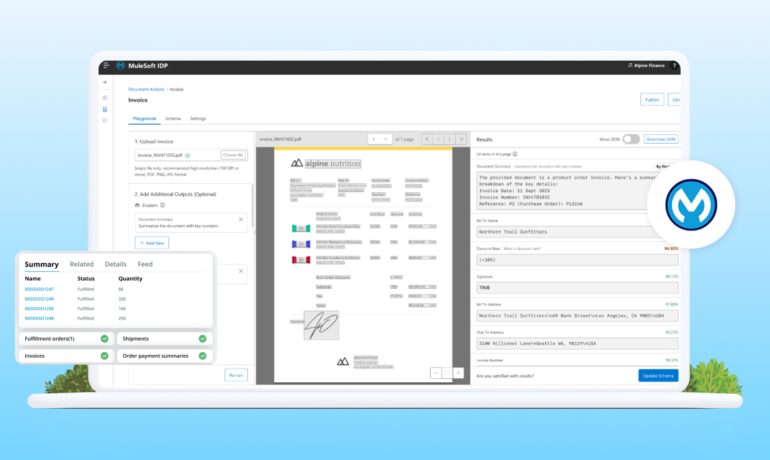
The digital revolution is in full swing, with individuals and businesses increasingly interacting through social networks and digital devices. In this new era, consumers have grown more discerning, leveraging mobile technology to make informed decisions about products, services, and trusted providers. As mobile apps become integral to daily life, organizations are compelled to reinvent their customer value propositions and operating models through digital transformation to remain competitive in today’s market. Digital transformation has become a critical priority across industries, with the tourism sector standing out as a prime example of significant disruption driven by digital technologies. According to McKinsey & Company, the tourism industry has been undergoing a digital revolution for over a decade, transforming how travelers plan, book, and experience their trips. This shift has led to changing consumer behaviors, with travelers now demanding more personalized and seamless experiences. The push toward digital adoption in tourism is accelerating. A Skift survey found that 83% of respondents view digital transformation as a top priority. Tourism businesses are increasingly investing in technology to enhance customer experiences, optimize operations, and drive revenue growth. To boost enterprise agility, companies must make strategic decisions across five key dimensions of their operating models: One of the most notable impacts of digital transformation is the revolution in the booking process. Travelport Digital estimates that over 700 million people will book trips online by 2023, marking a 15% increase from previous years. Key statistics highlight this global shift in traveler preferences: Mobile apps have become essential tools for travelers, enabling them to research, plan, and book trips seamlessly. In the hospitality and tourism sector, key digital transformation trends include: Emerging technologies like cognitive computing, omnichannel models, and advanced personalization are further reshaping the future of the industry. Artificial intelligence (AI) and machine learning are increasingly used to tailor travel experiences based on consumer preferences and behaviors, as noted by GlobalData. AI also improves operational efficiency, with chatbots handling customer inquiries effectively. Augmented reality (AR) and virtual reality (VR) are enhancing customer experiences by allowing travelers to explore destinations virtually before booking. Meanwhile, social media continues to play a pivotal role in promoting tourism businesses and reaching new audiences. In conclusion, digital transformation is no longer optional for tourism businesses—it is a necessity to remain competitive. The adoption of digital technologies has fundamentally reshaped the travel experience, and businesses must embrace this evolution to meet changing consumer expectations and maintain relevance in an increasingly digital world. Like1 Related Posts Who is Salesforce? Who is Salesforce? Here is their story in their own words. From our inception, we’ve proudly embraced the identity of Read more Salesforce Marketing Cloud Transactional Emails Salesforce Marketing Cloud Transactional Emails are immediate, automated, non-promotional messages crucial to business operations and customer satisfaction, such as order Read more Salesforce Unites Einstein Analytics with Financial CRM Salesforce has unveiled a comprehensive analytics solution tailored for wealth managers, home office professionals, and retail bankers, merging its Financial Read more AI-Driven Propensity Scores AI plays a crucial role in propensity score estimation as it can discern underlying patterns between treatments and confounding variables Read more
Read More
How AI is Transforming Self-Appraisals

How AI is Transforming Self-Appraisals

How AI is Transforming Self-Appraisals—Making Them Easier and Fairer for Employees and Managers Performance reviews are often dreaded—evaluating a year’s worth of your hard work can feel overwhelming, and many struggle to articulate their achievements objectively. But AI is changing that, making self-assessments more efficient, balanced, and even empowering—especially for groups like women, who often face biases in traditional reviews. The Rise of AI in Performance Reviews AI-powered tools are increasingly being used to streamline self-appraisals, helping employees structure their evaluations and align them with company goals. According to Microsoft’s 2024 Work Trend Index, 75% of knowledge workers—including engineers, scientists, and lawyers—already use AI in some capacity. The demand is clear: When Oracle introduced an AI-driven performance review system in 2023, 89% of employees said they were willing to be early adopters. “That shows how much people believe in this technology and how much they need it,” said Triparna de Vreede, a professor at the University of South Florida who studies AI and workplace well-being. Why Traditional Reviews Fall Short Conventional performance evaluations are often subjective, influenced by recency bias (where recent mistakes overshadow past successes) and workplace power dynamics. Employees may not always understand how their work contributes to broader business goals, while managers can struggle to provide unbiased feedback. “If you did great things all year but made one mistake last month, that can overshadow everything,” de Vreede explained. “AI helps standardize feedback so employees don’t feel like favoritism is at play.” How AI Improves the Process The Gender Gap in Self-Assessments Women frequently face challenges in performance reviews. A Textio study found that 38% of feedback for high-performing women contained exaggerated or clichéd language, and 75% were called “emotional”—compared to just 11% of men. Additionally, women tend to undersell their achievements. A 2022 National Bureau of Economic Research study found that women rated their performance at 46 out of 100, while men gave themselves 61. “AI can help women confidently showcase their impact without imposter syndrome getting in the way,” said de Vreede. The Human Touch Still Matters Despite AI’s benefits, human oversight remains crucial. Privacy concerns, transparency about data usage, and ensuring softer skills (like communication and teamwork) are evaluated fairly all require human judgment. “AI can’t fully understand human nuances, but it can prompt employees to reflect on them,” de Vreede noted. “The best reviews come from a collaboration between AI and the employee—not just AI doing all the work.” The Future of AI in Performance Reviews Companies like Oracle and Textio (used by 25% of Fortune 500 firms) are already refining AI-powered evaluations. However, de Vreede cautions against over-reliance: employees must still self-refect rather than letting AI do all the thinking. “AI can draft your review, but you need to refine it,” she said. “Otherwise, the evaluation loses its meaning.” As AI continues to evolve, it promises to make performance reviews less stressful, more accurate, and fairer for everyone—finally turning a dreaded process into one that actually helps employees grow. Salesforce AI can significantly enhance performance reviews by automating tasks, analyzing data, and providing actionable insights. AI tools can help streamline the review process, generate clearer and more unbiased feedback, and even predict future performance trends. Salesforce Einstein, for example, can analyze vast amounts of employee data to identify patterns and generate insights that inform performance reviews.  Here’s how Salesforce AI can be used in performance reviews: 1. Automating and Streamlining the Process: 2. Enhancing Accuracy and Objectivity: 3. Providing Actionable Insights: Examples of Salesforce AI Tools for Performance Reviews: Like Related Posts Who is Salesforce? Who is Salesforce? Here is their story in their own words. From our inception, we’ve proudly embraced the identity of Read more Salesforce Marketing Cloud Transactional Emails Salesforce Marketing Cloud Transactional Emails are immediate, automated, non-promotional messages crucial to business operations and customer satisfaction, such as order Read more Salesforce Unites Einstein Analytics with Financial CRM Salesforce has unveiled a comprehensive analytics solution tailored for wealth managers, home office professionals, and retail bankers, merging its Financial Read more AI-Driven Propensity Scores AI plays a crucial role in propensity score estimation as it can discern underlying patterns between treatments and confounding variables Read more

Read More
MuleSoft B2B and B2C With AI

AI in B2B Marketing

AI in B2B Marketing: The Game-Changer You Can’t Afford to Ignore The B2B marketing landscape is undergoing an AI revolution. While some businesses are already leveraging artificial intelligence to drive unprecedented growth, others risk falling behind. Here’s why AI isn’t just the future—it’s the present competitive edge in B2B marketing. The AI Imperative in B2B Marketing AI is no longer optional—it’s the key to smarter targeting, hyper-efficient campaigns, and data-driven decision-making. 6 Ways AI is Transforming B2B Marketing 1. Hyper-Personalization at Scale AI analyzes behavioral data, past interactions, and firmographics to deliver bespoke content for each prospect.✅ Example: HubSpot’s AI recommends next-best content based on engagement history, boosting conversions by 30%+. 2. Predictive Lead Scoring & Analytics AI identifies high-intent leads and predicts churn risks before they happen.📊 Impact: Companies using AI lead scoring see 50%+ higher win rates (Gartner).✅ Example: Marketo’s AI prioritizes leads with the highest conversion potential, optimizing sales efforts. 3. AI-Powered Content Creation From SEO-optimized blogs to personalized email sequences, AI generates high-quality content in minutes.🛠 Tools: Jasper, ContentBot, and ChatGPT streamline B2B content production. 4. Conversational AI & Chatbots AI chatbots handle lead qualification, FAQs, and meeting scheduling—24/7.💡 Stat: AI chatbots will drive B+ in B2B sales by 2024 (Juniper Research).✅ Example: Drift’s AI engages visitors in real-time, cutting response times by 90%. 5. Automated Social Media Optimization AI determines the best posting times, hashtags, and content types for maximum engagement.📱 Tools: Hootsuite AI and Sprout Social analyze trends to boost engagement by 40%. 6. Smarter Ad Targeting & Budget Optimization AI adjusts bidding strategies, audience segments, and creatives in real-time.📈 Result: Businesses using AI-driven ads see 20-30% lower CAC. The Future: AI as Your Marketing Co-Pilot The Bottom Line B2B marketers who ignore AI will lose to competitors who embrace it. The question isn’t if you should adopt AI—it’s how fast you can integrate it into your strategy. 🚀 Next Steps: AI isn’t replacing marketers—it’s empowering them to work smarter, faster, and more effectively. Ready to transform your B2B marketing with AI? Like Related Posts Who is Salesforce? Who is Salesforce? Here is their story in their own words. From our inception, we’ve proudly embraced the identity of Read more Salesforce Marketing Cloud Transactional Emails Salesforce Marketing Cloud Transactional Emails are immediate, automated, non-promotional messages crucial to business operations and customer satisfaction, such as order Read more Salesforce Unites Einstein Analytics with Financial CRM Salesforce has unveiled a comprehensive analytics solution tailored for wealth managers, home office professionals, and retail bankers, merging its Financial Read more AI-Driven Propensity Scores AI plays a crucial role in propensity score estimation as it can discern underlying patterns between treatments and confounding variables Read more

Read More
salesforce end to end

Salesforce Summer ’25 Release: The Ultimate Flow Update

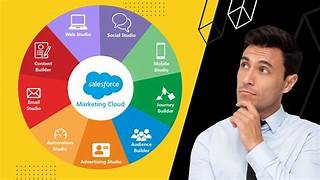
The Summer ’25 release is set to be the most powerful update yet for Salesforce Flow, packed with game-changing features that make automation smarter, faster, and easier to manage. Whether you’re an admin building screen flows or a developer orchestrating AI-powered processes, this release delivers next-level automation capabilities. Let’s look at the biggest highlights. 🚀 Top Flow Builder Enhancements 1. A Brand-New Flow Creation Experience 2. Smarter Debugging & Testing 3. Dynamic Screen Flows (GA) 4. Better Slack & Approval Integrations 🤖 AI & Agentforce Upgrades 1. Structured Agent Outputs 2. Custom App Integration 🎨 Screen Flow Modernization 1. Visual Pickers with Icons 2. Compact, Customizable Repeaters 3. Improved Email Actions 📅 Release Timeline 🔥 Why This Release Matters Summer ’25 makes Flow Builder more powerful than ever with:✅ AI-assisted development✅ Real-time interactive screens✅ Stronger debugging & testing✅ Seamless Slack & approvals✅ Smarter AI agent controls Ready to explore? Refresh your sandbox before May 9 to get early access! #Salesforce #FlowBuilder #CRM #Automation #AI #Summer25Release Like Related Posts Who is Salesforce? Who is Salesforce? Here is their story in their own words. From our inception, we’ve proudly embraced the identity of Read more Salesforce Marketing Cloud Transactional Emails Salesforce Marketing Cloud Transactional Emails are immediate, automated, non-promotional messages crucial to business operations and customer satisfaction, such as order Read more Salesforce Unites Einstein Analytics with Financial CRM Salesforce has unveiled a comprehensive analytics solution tailored for wealth managers, home office professionals, and retail bankers, merging its Financial Read more AI-Driven Propensity Scores AI plays a crucial role in propensity score estimation as it can discern underlying patterns between treatments and confounding variables Read more
Read More

Get a Grip on Agentforce

Salesforce Agentforce: The Next Evolution in AI Automation Salesforce is a powerhouse for sales, customer support, and marketing. While automations and integrations already help streamline workflows, Salesforce Agentforce takes efficiency to a whole new level. This guide breaks down what Agentforce is, how it works, and five impactful ways to use it in your organization. What is Salesforce Agentforce? Agentforce is Salesforce’s AI-driven automation tool that enables businesses to deploy autonomous AI agents for tasks like managing customer requests, scheduling meetings, and optimizing sales pipelines. Unlike basic chatbots, these AI agents operate independently—analyzing data, making decisions, and executing actions without constant user input. How AI Agents Work Traditional AI tools like ChatGPT and Jasper assist with tasks when prompted, but AI agents go further. They: With Agentforce, Salesforce users can automate more than ever before—including delegating routine decisions to AI. 5 Ways to Use Salesforce Agentforce 1. Enhancing Customer Support with AI Agents AI agents go beyond standard chatbots by dynamically searching company data in real time to provide personalized support. They can: 2. Automating Routine Support Tasks Many customer requests are too complex for basic automation but still repetitive for human agents. AI agents can independently process requests like: ✔ Updating reservations (restaurants, hotels, events)✔ Redeeming loyalty points (e-commerce, retail)✔ Processing refunds (subscriptions, software)✔ Rescheduling appointments (professional services, healthcare) 3. Delivering Smarter, Data-Driven Sales Engagement AI agents can identify opportunities for engagement based on real-time customer data. Instead of waiting for reps to manually review accounts, AI agents can: 4. Launching Workflows Directly from Chat Apps Sales and project teams often brainstorm in chat apps like Slack. Instead of manually transferring ideas into Salesforce, Agentforce can: 5. Scaling Sales Training with AI Sales training is essential but resource-intensive. AI agents can roleplay as prospects, allowing reps to: Take Your AI Automation to the Next Level With Salesforce Agentforce, businesses can go beyond basic automation and deploy intelligent AI agents that handle repetitive tasks, optimize workflows, and drive better customer experiences. FAQ: Salesforce Agentforce What makes Agentforce different from regular automation?Unlike traditional automation, Agentforce AI agents can act independently—analyzing data, making decisions, and executing workflows without human intervention. Is Agentforce the same as Microsoft Copilot?No. While both use AI, Agentforce deploys autonomous AI agents that complete tasks, while Copilot assists users in real time with insights and recommendations. Who should use Agentforce?Salesforce admins, sales teams, and customer support leaders who want to automate complex workflows and free up their teams for high-value tasks. Looking to supercharge your Salesforce automation? Start with Agentforce today. Like1 Related Posts Who is Salesforce? Who is Salesforce? Here is their story in their own words. From our inception, we’ve proudly embraced the identity of Read more Salesforce Marketing Cloud Transactional Emails Salesforce Marketing Cloud Transactional Emails are immediate, automated, non-promotional messages crucial to business operations and customer satisfaction, such as order Read more Salesforce Unites Einstein Analytics with Financial CRM Salesforce has unveiled a comprehensive analytics solution tailored for wealth managers, home office professionals, and retail bankers, merging its Financial Read more AI-Driven Propensity Scores AI plays a crucial role in propensity score estimation as it can discern underlying patterns between treatments and confounding variables Read more
Read More
salesforce nodes

Salesforce Nodes

Data Processing Engine: A Guide to Nodes and Transformations Introduction to Nodes In Data Processing Engine (DPE), nodes are the fundamental building blocks that enable you to construct sophisticated data processing workflows. Each node performs a specific operation—such as filtering, joining, or aggregating—allowing you to manipulate and analyze data efficiently. Availability & Permissions ✔ Editions: Professional, Enterprise, Unlimited, Developer✔ Access: Lightning Experience✔ Required Permissions: Core Node Types 1. Data Source Node 2. Transformation Nodes Apply logic to modify or enhance your data: 3. Advanced Nodes 4. Writeback Nodes Key Workflows Batch Data Transforms Joining Data Appending Datasets Pro Tips 🔹 Reference Nodes: Check dependencies before modifying a node to avoid downstream issues.🔹 Node Cloning: Copy/paste nodes across workflows for efficiency.🔹 Hierarchical Aggregation: Roll up multi-level data (e.g., sales team → region → global). Example Use Cases Permissions & Best Practices Next Steps ✔ Experiment: Build a simple transform (e.g., filter + append).✔ Explore: Use forecast nodes for predictive analytics.✔ Collaborate: Share reference node insights with your team. DPE’s modular node system empowers you to streamline ETL, reporting, and AI-driven analytics—all within Salesforce. Like Related Posts Who is Salesforce? Who is Salesforce? Here is their story in their own words. From our inception, we’ve proudly embraced the identity of Read more Salesforce Marketing Cloud Transactional Emails Salesforce Marketing Cloud Transactional Emails are immediate, automated, non-promotional messages crucial to business operations and customer satisfaction, such as order Read more Salesforce Unites Einstein Analytics with Financial CRM Salesforce has unveiled a comprehensive analytics solution tailored for wealth managers, home office professionals, and retail bankers, merging its Financial Read more AI-Driven Propensity Scores AI plays a crucial role in propensity score estimation as it can discern underlying patterns between treatments and confounding variables Read more

Read More
July Changes to Marketing Cloud

Benefits of Salesforce Marketing Cloud

Make every moment count across the entire customer relationship Fuel creativity with data-driven answersUnlock efficiency with AI-powered campaignsRedefine the limits of personalization at scaleAsk your trusted first-party data any question about your customers, past content, future campaigns, ROI, you name it, and get an answer instantly.Save countless hours on everything from writing campaign briefs, to creating segments and content, to optimizing performance, with AI infused across the entire campaign lifecycle.And actually scale 1:1 personalization with the combination of AI-powered content creation and recommendations based on real-time customer profiles. Like Related Posts Who is Salesforce? Who is Salesforce? Here is their story in their own words. From our inception, we’ve proudly embraced the identity of Read more Salesforce Marketing Cloud Transactional Emails Salesforce Marketing Cloud Transactional Emails are immediate, automated, non-promotional messages crucial to business operations and customer satisfaction, such as order Read more Salesforce Unites Einstein Analytics with Financial CRM Salesforce has unveiled a comprehensive analytics solution tailored for wealth managers, home office professionals, and retail bankers, merging its Financial Read more AI-Driven Propensity Scores AI plays a crucial role in propensity score estimation as it can discern underlying patterns between treatments and confounding variables Read more

Read More
Databricks Tools

Databricks Launches Lakeflow Connect to Simplify Enterprise Data Ingestion

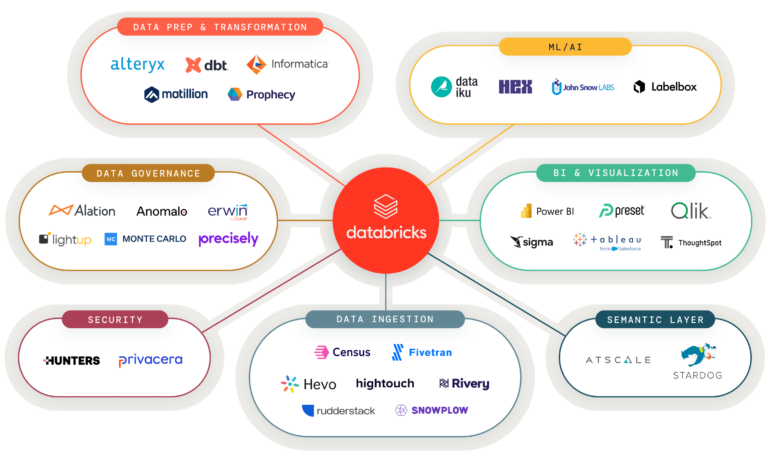
San Francisco, [April 2, 2025] – Databricks has taken a major step toward streamlining enterprise data integration with the general availability of Lakeflow Connect, its new low-code/no-code connector system. The initial release features preconfigured integrations with Salesforce and Workday, with plans to expand support to additional SaaS platforms, databases, and file sources in the coming months. Simplifying the Data Ingestion Challenge Data ingestion—the process of moving data from source systems into analytics environments—has long been a complex, resource-intensive task for enterprises. Traditional approaches require stitching together multiple tools (such as Apache Kafka or CDC solutions) and maintaining custom pipelines, often leading to scalability issues and high operational overhead. Lakeflow Connect aims to eliminate these pain points by providing: “Customers need this data, but before Lakeflow Connect, they were forced to rely on third-party tools that often failed at scale—or build custom solutions,” said Michael Armbrust, Distinguished Software Engineer at Databricks. “Now, ingestion is point-and-click within Databricks.” Why Salesforce and Workday First? The choice of initial connectors reflects the growing demand for real-time, structured data to power AI and generative AI applications. According to Kevin Petrie, Analyst at BARC U.S., more than 90% of AI leaders are experimenting with structured data, and nearly two-thirds use real-time feeds for model training. “Salesforce and Workday provide exactly the type of data needed for real-time ML and GenAI,” Petrie noted. “Databricks is smart to simplify access in this way.” Competitive Differentiation While other vendors offer connector solutions (e.g., Qlik’s Connector Factory), Lakeflow Connect stands out through: “Serverless compute is quietly important,” said Donald Farmer, Principal at TreeHive Strategy. “It’s not just about scalability—rapid startup times are critical for reducing pipeline latency.” The Road Ahead Databricks has already outlined plans to expand Lakeflow Connect with connectors for: Though the company hasn’t committed to a timeline, Armbrust hinted at upcoming announcements at the Data + AI Summit in June. Broader Vision: Democratizing Data Engineering Beyond ingestion, Databricks is focused on unifying the data engineering lifecycle. “Historically, you needed deep Spark or Scala expertise to build production-grade pipelines,” Armbrust said. “Now, we’re enabling SQL users—or even UI-only users—to achieve the same results.” Looking further ahead, Petrie suggested Databricks could enhance cross-team collaboration for agentic AI development, integrating Lakeflow with Mosaic AI and MLflow to bridge data, model, and application lifecycles. The Bottom LineLakeflow Connect marks a strategic move by Databricks to reduce friction in data pipelines—addressing a key bottleneck for enterprises scaling AI initiatives. As the connector ecosystem grows, it could further solidify Databricks’ position as an end-to-end platform for data and AI. For more details, visit Databricks.com. Key Takeaways:✅ Now Available: Salesforce & Workday connectors✅ Serverless, governed, and scalable ingestion✅ Future integrations with Google Analytics, ServiceNow, and more✅ June previews expected at Data + AI Summit Like Related Posts Who is Salesforce? Who is Salesforce? Here is their story in their own words. From our inception, we’ve proudly embraced the identity of Read more Salesforce Marketing Cloud Transactional Emails Salesforce Marketing Cloud Transactional Emails are immediate, automated, non-promotional messages crucial to business operations and customer satisfaction, such as order Read more Salesforce Unites Einstein Analytics with Financial CRM Salesforce has unveiled a comprehensive analytics solution tailored for wealth managers, home office professionals, and retail bankers, merging its Financial Read more AI-Driven Propensity Scores AI plays a crucial role in propensity score estimation as it can discern underlying patterns between treatments and confounding variables Read more

Read More
AI Agents as Tools of Trust

5 Attributes of Agents

Salesforce predicts you will have deployed over 100 AI Agents by the end of the year. What are they? What do they do? Why do you need them? Let’s explore the 5 key attributes of AI Agents. What Is an AI Agent? An AI agent is an intelligent software system that uses artificial intelligence to autonomously pursue goals and complete tasks on behalf of users. Unlike traditional programs, AI agents exhibit reasoning, planning, memory, and decision-making abilities, allowing them to learn, adapt, and operate with minimal human intervention. These agents leverage generative AI and foundation models to process multimodal inputs—such as text, voice, video, and code—enabling them to:✔ Understand and analyze information✔ Make logical decisions✔ Learn from interactions✔ Collaborate with other agents✔ Automate complex workflows From customer service bots to autonomous research assistants, AI agents are transforming industries by handling tasks that once required human intelligence. Key Features of an AI Agent Modern AI agents go beyond simple automation—they possess advanced cognitive and interactive capabilities: Feature Description Reasoning Uses logic to analyze data, solve problems, and make decisions. Acting Executes tasks—whether digital (sending messages, updating databases) or physical (controlling robots). Observing Gathers real-time data via sensors, NLP, or computer vision to understand its environment. Planning Strategizes steps to achieve goals, anticipating obstacles and optimizing actions. Collaborating Works with humans or other AI agents to accomplish shared objectives. Self-Refining Continuously improves through machine learning and feedback. AI Agents vs. AI Assistants vs. Bots While all three automate tasks, they differ in autonomy, complexity, and learning ability: Aspect AI Agent AI Assistant Bot Purpose Autonomously performs complex tasks. Assists users with guided interactions. Follows pre-set rules for simple tasks. Autonomy High—makes independent decisions. Medium—requires user input. Low—limited to scripted responses. Learning Adapts and improves over time. May learn from interactions. Minimal or no learning. Interaction Proactive and goal-driven. Reactive (responds to user requests). Trigger-based (e.g., chatbots). Example: How Do AI Agents Work? AI agents operate through a structured framework: Types of AI Agents AI agents can be classified based on interaction style and collaboration level: 1. By Interaction 2. By Number of Agents Benefits of AI Agents ✅ 24/7 Automation – Handles repetitive tasks without fatigue.✅ Enhanced Decision-Making – Analyzes vast data for insights.✅ Scalability – Manages workflows across industries.✅ Continuous Learning – Improves performance over time. The Future of AI Agents As AI advances, agents will become more autonomous, intuitive, and integrated into daily workflows—from healthcare diagnostics to smart city management. Want to see AI agents in action? Explore 300+ real-world AI use cases from leading organizations. Like Related Posts Who is Salesforce? Who is Salesforce? Here is their story in their own words. From our inception, we’ve proudly embraced the identity of Read more Salesforce Marketing Cloud Transactional Emails Salesforce Marketing Cloud Transactional Emails are immediate, automated, non-promotional messages crucial to business operations and customer satisfaction, such as order Read more Salesforce Unites Einstein Analytics with Financial CRM Salesforce has unveiled a comprehensive analytics solution tailored for wealth managers, home office professionals, and retail bankers, merging its Financial Read more AI-Driven Propensity Scores AI plays a crucial role in propensity score estimation as it can discern underlying patterns between treatments and confounding variables Read more

Read More
Salesforce CPQ to RLM/RCA Migration: A 7-Step Guide for Success

Salesforce CPQ to RLM/RCA Migration: A 7-Step Guide for Success

Why Top Companies Are Shifting from CPQ to Revenue Lifecycle Management In today’s competitive landscape, 87% of leading cloud companies prioritize sales enablement to accelerate deal cycles and maximize revenue efficiency. For years, Salesforce CPQ (Configure, Price, Quote) has been the go-to solution for streamlining quotes, improving pricing accuracy, and closing deals faster—delivering: ✔ 80% faster quote generation✔ Reduced manual approvals✔ Higher win rates with structured deal execution But as businesses adopt subscription-based, usage-based, and contract-driven revenue models, CPQ alone is no longer enough. Limited updates and a lack of end-to-end revenue automation have led organizations to seek a more advanced, unified solution. Enter Salesforce Revenue Lifecycle Management (RLM), now rebranded as Revenue Cloud Advanced (RCA) in Spring ’24. This AI-powered platform integrates CPQ, billing, renewals, revenue recognition, and compliance into a single system—eliminating silos, reducing revenue leakage, and ensuring financial compliance. This guide explores why businesses are migrating from CPQ to RLM/RCA, the key benefits, and a step-by-step migration plan for a seamless transition. What is Salesforce Revenue Lifecycle Management (RLM/RCA)? Revenue Cloud Advanced (RCA)—built on the Einstein 1 Platform—is Salesforce’s most advanced revenue operations solution. It combines AI-driven automation, billing intelligence, and compliance management to handle complex pricing models, subscriptions, and revenue recognition. Key Components of RLM/RCA Feature Benefit Configure, Price, Quote (CPQ+) Advanced pricing models (subscription, usage-based, tiered) Automated Billing & Invoicing Supports milestone, recurring, and consumption-based billing Revenue Recognition (ASC 606/IFRS 15) Ensures compliance with automated revenue allocation Contract Lifecycle Management (CLM) Streamlines contract creation, renewals, and amendments AI-Powered Revenue Forecasting Einstein AI predicts revenue trends and anomalies Extensible APIs Seamless ERP, accounting, and payment gateway integrations Unlike CPQ, RLM/RCA provides a complete revenue engine, eliminating manual processes and ensuring end-to-end financial accuracy. Why Migrate from CPQ to RLM/RCA? 1. Advanced Pricing & Billing Needs CPQ handles standard pricing but struggles with subscription, usage-based, and dynamic pricing models. RLM/RCA automates complex billing scenarios. 2. Disconnected Sales & Finance Workflows CPQ focuses on quotes but doesn’t integrate natively with billing, revenue recognition, or renewals. RLM/RCA unifies these processes. 3. Revenue Leakage from Manual Processes Manual contract adjustments in CPQ lead to errors. RLM/RCA automates renewals, amendments, and real-time revenue tracking. 4. Compliance & Audit Risks CPQ lacks built-in ASC 606 / IFRS 15 compliance. RLM/RCA automates revenue recognition, reducing audit exposure. 5. AI-Driven Revenue Intelligence RLM/RCA leverages Einstein AI for predictive forecasting, pricing optimization, and anomaly detection—capabilities CPQ doesn’t offer. 7 Steps to Migrate from Salesforce CPQ to RLM/RCA Step 1: Assess Your CPQ Setup Step 2: Define Revenue Goals Step 3: Map CPQ Data to RLM/RCA Step 4: Configure RLM/RCA Step 5: Test & Validate Step 6: Train Teams Step 7: Go Live & Optimize Key Considerations for a Smooth Migration ✅ Assess system dependencies (ERP, billing, CRM integrations)✅ Ensure data integrity with test migrations✅ Optimize workflows for automation & compliance✅ Train teams on new AI-driven features The Bottom Line Migrating from CPQ to RLM/RCA unlocks end-to-end revenue automation, smarter billing, and AI-powered forecasting. But success depends on structured planning, data accuracy, and user adoption. Need Expert Guidance? Tectonic specializes in seamless CPQ → RLM/RCA migrations, ensuring:✔ Zero revenue disruption✔ AI-driven optimization✔ Compliance-ready configurations 📩 Contact us at info@tectonic.com to accelerate your migration! FAQs 1. How long does migration take? 2. Can CPQ & RLM run in parallel? 3. Is custom development needed? 4. What training is required? 5. How does Revenue Lifecycle Management improve revenue forecasting? Ready to transform your revenue operations? Let Tectonic guide your RLM/RCA migration—reach out today! Like Related Posts Who is Salesforce? Who is Salesforce? Here is their story in their own words. From our inception, we’ve proudly embraced the identity of Read more Salesforce Marketing Cloud Transactional Emails Salesforce Marketing Cloud Transactional Emails are immediate, automated, non-promotional messages crucial to business operations and customer satisfaction, such as order Read more Salesforce Unites Einstein Analytics with Financial CRM Salesforce has unveiled a comprehensive analytics solution tailored for wealth managers, home office professionals, and retail bankers, merging its Financial Read more AI-Driven Propensity Scores AI plays a crucial role in propensity score estimation as it can discern underlying patterns between treatments and confounding variables Read more

Read More
Salesforce and Healthcare

Aligning Payers and Providers for True Patient-Centered Care

Patient-centered care is an approach to healthcare that prioritizes the patient’s needs, values, and preferences. It involves treating patients with respect, dignity, and compassion, and ensuring that they are actively involved in their own healthcare decisions. Key Principles of Patient-Centered Care: Benefits of Patient-Centered Care: Improved patient satisfaction and adherence to treatment plans, Enhanced health outcomes, Reduced healthcare costs, and Stronger patient-provider relationships. Examples of Patient-Centered Care: Patient-centered care is a holistic approach to healthcare that focuses on the patient as an individual. By empowering patients and respecting their needs, it aims to improve their health and overall well-being. The Shared Vision vs. Systemic Barriers All healthcare stakeholders agree on one fundamental principle: care should revolve around patients’ needs and preferences. Yet despite this shared goal, competing priorities between payers and providers often create friction that undermines patient-centered care delivery. Theresa Dreyer of the Health Care Transformation Task Force observes: “Payers and providers both want patients to receive accessible, appropriate care. But the current system’s structure frequently puts these groups at odds.” Defining Patient-Centered Care At its core, patient-centered care means: “Imagine the care you’d want for your own family members,” Dreyer suggests. “That’s the standard we should apply across healthcare.” The Fee-for-Service Roadblock The dominant fee-for-service (FFS) model creates inherent conflicts: “FFS turns cost containment into a zero-sum negotiation,” Dreyer explains. “Value-based models offer a collaborative alternative.” Value-Based Care as the Unifying Framework 1. Quality-Focused Contracting 2. Streamlined Prior Authorization 3. Holistic Care Integration The Preventive Care Imperative The long-term nature of prevention creates systemic challenges: “Diabetes management today prevents kidney failure tomorrow,” Dreyer notes. “We need payment models that reward this foresight.” Building Collaborative Solutions For Payers: For Providers: Joint Opportunities: The Path Forward The healthcare industry stands at an inflection point. By embracing value-based models that: Payers and providers can transform their relationship from adversarial to collaborative—with patients as the ultimate beneficiaries. As Dreyer concludes: “Beyond the contracting details and quality metrics, we must remember our shared purpose: helping people achieve and maintain health. When we center that mission, the rest follows.” Like Related Posts Who is Salesforce? Who is Salesforce? Here is their story in their own words. From our inception, we’ve proudly embraced the identity of Read more Salesforce Marketing Cloud Transactional Emails Salesforce Marketing Cloud Transactional Emails are immediate, automated, non-promotional messages crucial to business operations and customer satisfaction, such as order Read more Salesforce Unites Einstein Analytics with Financial CRM Salesforce has unveiled a comprehensive analytics solution tailored for wealth managers, home office professionals, and retail bankers, merging its Financial Read more AI-Driven Propensity Scores AI plays a crucial role in propensity score estimation as it can discern underlying patterns between treatments and confounding variables Read more

Read More

Is AI Replacing Developers

Is AI Replacing Developers? The Truth About AI-Generated Code Anthropic’s CEO predicts AI will write 90% of code within 3 to 6 years. Google already reports 25% of its code is AI-generated. With numbers like these, it’s tempting to wonder: Are developers becoming obsolete? The short answer? No. Here’s why—and what AI-generated code actually means for software development. 1. AI Isn’t Replacing Developer Work—It’s Changing It Just because AI writes code doesn’t mean developers do less. AI doesn’t eliminate developer effort—it shifts it. 2. AI Writes More Code Than Necessary (And That’s a Problem) AI doesn’t know when to stop. More AI-generated code ≠ better software. In fact, poorly managed AI code can make apps harder to maintain. 3. Developers Have Always Relied on External Code Before AI, developers used: AI is just another tool—like a smarter Stack Overflow. The Worst Mistakes Companies Can Make with AI Code ❌ Setting Arbitrary “AI Code %” Targets ❌ Assuming AI Reduces the Need for Developers ❌ Ignoring AI’s Blind Spots The Future: AI as a Developer’s Co-Pilot The bottom line? AI is changing coding—not eliminating it. Developers who embrace AI as a tool will stay ahead. Those who fear it will fall behind. Key Takeaways:✔ AI generates code, but developers still design, debug, and refine it.✔ Blindly trusting AI leads to bloated, buggy software.✔ The best developers use AI to augment—not replace—their skills.✔ Companies should encourage AI adoption—not mandate arbitrary AI code quotas. Like Related Posts Who is Salesforce? Who is Salesforce? Here is their story in their own words. From our inception, we’ve proudly embraced the identity of Read more Salesforce Unites Einstein Analytics with Financial CRM Salesforce has unveiled a comprehensive analytics solution tailored for wealth managers, home office professionals, and retail bankers, merging its Financial Read more AI-Driven Propensity Scores AI plays a crucial role in propensity score estimation as it can discern underlying patterns between treatments and confounding variables Read more Tectonic’s Successful Salesforce Track Record Salesforce Technology Services Integrator – Tectonic has successfully delivered Salesforce in a variety of industries including Public Sector, Hospitality, Manufacturing, Read more

Read More
gettectonic.com