
Salesforce Einstein Archives - gettectonic.com - Page 2
AI-Driven Healthcare

The Future of Healthcare is Digital

Transforming Healthcare with Salesforce Health Cloud In our rapidly evolving healthcare world, digital transformation is no longer optional—it’s essential. Healthcare organizations must leverage innovative solutions to improve patient outcomes, streamline operations, and drive financial growth. Salesforce Health Cloud empowers providers, payers, and life sciences companies to deliver personalized, connected, and data-driven care. The Urgency of Digital Transformation in Healthcare Healthcare organizations face increasing pressure from regulatory requirements, patient expectations for seamless digital experiences, and operational inefficiencies. Traditional systems are often fragmented, making it difficult to provide a unified patient experience. Salesforce Health Cloud addresses these challenges by enhancing communication, centralizing data, and optimizing workflows. Key Benefits of Salesforce Health Cloud ✅ Enhanced Patient EngagementPatients expect convenience, transparency, and personalization. Health Cloud delivers seamless communication through patient portals, automated reminders, and AI-driven insights—leading to higher engagement and improved adherence to treatment plans. ✅ 360-Degree Patient ViewBy integrating data from electronic health records (EHRs), wearable devices, and other sources, Health Cloud provides a unified patient profile. This empowers providers and payers to make data-driven decisions that improve both clinical and business outcomes. ✅ Operational Efficiency & Cost ReductionHealth Cloud automates workflows, reduces redundancies, and improves productivity by integrating clinical, operational, and administrative processes. Real-time collaboration enhances care coordination across teams and organizations. ✅ AI-Powered Insights for Better Decision-MakingWith AI-driven analytics and predictive insights, healthcare organizations can identify at-risk populations, optimize resource allocation, and enhance population health management. Salesforce Einstein AI helps forecast trends and personalize care recommendations. ✅ Interoperability & Regulatory ComplianceNavigating complex healthcare regulations is easier with Health Cloud’s secure architecture, ensuring compliance while enabling seamless data exchange between systems and stakeholders. Why Healthcare Organizations Should Adopt Health Cloud Investing in digital transformation provides a competitive advantage by improving patient satisfaction, reducing operational costs, and driving better health outcomes. Salesforce Health Cloud enables organizations to future-proof their operations, boost revenue, and implement a seamless, value-based care model. Use Cases of Salesforce Health Cloud 🏥 Health Insurers – Improve member engagement, claims processing, and care management to enhance efficiency and reduce costs. 🏥 Hospitals & Health Systems – Streamline care coordination, minimize readmissions, and enhance patient experiences with personalized care plans. 🏥 Home Healthcare & Telemedicine – Enable remote patient monitoring and virtual care, improving accessibility while reducing hospital visits. 🏥 Life Sciences Companies – Accelerate drug development, streamline clinical trials, and enhance collaboration with providers and patients. The Future of Healthcare is Digital Salesforce Health Cloud is at the forefront of healthcare’s digital revolution. By leveraging AI, automation, and seamless integrations, healthcare leaders can improve patient experiences, drive operational efficiency, and ensure long-term success. Now is the time to embrace a data-driven approach to healthcare management. Like Related Posts Who is Salesforce? Who is Salesforce? Here is their story in their own words. From our inception, we’ve proudly embraced the identity of Read more Salesforce Marketing Cloud Transactional Emails Salesforce Marketing Cloud Transactional Emails are immediate, automated, non-promotional messages crucial to business operations and customer satisfaction, such as order Read more Salesforce Unites Einstein Analytics with Financial CRM Salesforce has unveiled a comprehensive analytics solution tailored for wealth managers, home office professionals, and retail bankers, merging its Financial Read more AI-Driven Propensity Scores AI plays a crucial role in propensity score estimation as it can discern underlying patterns between treatments and confounding variables Read more

Read More
The Future of AI in Salesforce

The Future of AI in Salesforce

The Future of AI in Salesforce: Smarter, Predictive, and Deeply Integrated Artificial Intelligence (AI) is revolutionizing the Salesforce ecosystem, reshaping customer interactions, automating workflows, and driving revenue growth. As we move into 2025 and beyond, AI within Salesforce will become even more intelligent, predictive, and seamlessly embedded across the platform. Let’s explore the key advancements defining the next era of AI in Salesforce. 1. Next-Gen Einstein AI: A Smarter CRM Assistant Salesforce Einstein continues to evolve, equipping businesses with powerful AI-driven capabilities: 2. AI-Powered Revenue Intelligence & Forecasting AI is transforming revenue intelligence, helping sales teams make data-driven decisions: 3. AI-Driven Sales & Service Automation AI-powered automation will streamline workflows and improve efficiency: 4. Hyper-Personalization with AI & Data Cloud Salesforce Data Cloud and AI will power personalized customer experiences at scale: 5. AI-Optimized Lead Generation & Marketing Automation AI will continue to enhance lead generation and marketing strategies: 6. AI & Low-Code/No-Code Innovation Salesforce is democratizing AI with accessible low-code and no-code tools: 7. Ethical AI & Governance: Building Trust in AI Salesforce remains committed to ethical, transparent, and bias-free AI: Conclusion As AI becomes deeply embedded in every Salesforce cloud, businesses will experience faster automation, smarter decision-making, and hyper-personalized customer engagement. From AI-powered sales forecasting to generative AI-driven content, the future of Salesforce AI is set to redefine CRM strategies in 2025 and beyond. Like Related Posts Who is Salesforce? Who is Salesforce? Here is their story in their own words. From our inception, we’ve proudly embraced the identity of Read more Salesforce Marketing Cloud Transactional Emails Salesforce Marketing Cloud Transactional Emails are immediate, automated, non-promotional messages crucial to business operations and customer satisfaction, such as order Read more Salesforce Unites Einstein Analytics with Financial CRM Salesforce has unveiled a comprehensive analytics solution tailored for wealth managers, home office professionals, and retail bankers, merging its Financial Read more AI-Driven Propensity Scores AI plays a crucial role in propensity score estimation as it can discern underlying patterns between treatments and confounding variables Read more

Read More
Salesforce Nonprofit Cloud

Transforming Nonprofit Fundraising with AI-Powered Solutions

The Fundraising Challenge Nonprofits face critical obstacles in achieving their mission-driven goals: 🔴 Limited Data Visibility – Lack of predictive insights to forecast donation trends🔴 Manual Processes – Time-consuming donor management and campaign tracking🔴 Donor Retention Struggles – Difficulty maintaining meaningful, long-term engagement Without data-driven strategies, organizations miss fundraising targets—limiting their ability to create real change. The Tectonic Solution: AI-Driven Fundraising Optimization Tectonic harnesses Salesforce Einstein AI and Agentforce to revolutionize nonprofit fundraising with intelligent automation, predictive analytics, and personalized engagement. Key Features 1. Predictive Donation Analysis 2. Real-Time Campaign Tracking 3. AI-Generated Recommendations 4. Automated Stakeholder Engagement 5. Personalized Donor Communications Industry-Wide Impact Fundraising is the lifeblood of nonprofits—directly affecting their ability to drive change. Tectonic’s AI-powered approach helps organizations: ✅ Boost Donation Predictability – AI forecasts likely contributions, improving goal attainment✅ Enhance Campaign Performance – Real-time tracking optimizes fundraising strategies✅ Deepen Donor Relationships – Personalized engagement increases retention✅ Drive Data-Backed Decisions – Historical insights refine future efforts✅ Amplify Community Impact – More efficient fundraising = greater mission fulfillment Why Tectonic? By integrating AI, automation, and Salesforce’s power, Tectonic enables nonprofits to:✔ Work smarter – Reduce manual effort with intelligent automation✔ Engage better – Strengthen donor loyalty through personalization✔ Raise more – Data-driven strategies maximize fundraising success 🚀 Empower your mission with Tectonic—where AI meets impact. Like Related Posts Who is Salesforce? Who is Salesforce? Here is their story in their own words. From our inception, we’ve proudly embraced the identity of Read more Salesforce Marketing Cloud Transactional Emails Salesforce Marketing Cloud Transactional Emails are immediate, automated, non-promotional messages crucial to business operations and customer satisfaction, such as order Read more Salesforce Unites Einstein Analytics with Financial CRM Salesforce has unveiled a comprehensive analytics solution tailored for wealth managers, home office professionals, and retail bankers, merging its Financial Read more AI-Driven Propensity Scores AI plays a crucial role in propensity score estimation as it can discern underlying patterns between treatments and confounding variables Read more

Read More
agentforce digital workforce

How Agentforce Works

Salesforce Agentforce: Everything You Need to Know Salesforce Agentforce represents a paradigm shift from generative AI to agentic AI—a new class of AI capable of autonomous action. Since its launch at Dreamforce in September 2024, Agentforce has redefined the conversation around AI, customer service, and experience management. To meet skyrocketing demand, Salesforce announced plans to hire more than 1,000 employees shortly after the launch. What is Salesforce Agentforce? Agentforce is a next-generation platform layer within the Salesforce ecosystem. While its bots leverage generative AI capabilities, they differ significantly from platforms like ChatGPT or Google Gemini. Agentforce bots are designed not just to generate responses but to act autonomously within predefined organizational guardrails. Unlike traditional chatbots, which follow scripted patterns, Agentforce AI agents are trained on proprietary data, enabling flexible and contextually accurate responses. They also integrate with Salesforce’s Data Cloud, enhancing their capacity to access and utilize customer data effectively. Agentforce combines three core tools—Agent Builder, Model Builder, and Prompt Builder—allowing businesses to create customized bots using low-code tools. Key Features of Agentforce The platform offers ready-to-deploy AI agents tailored for various industries, including: Agentforce officially became available on October 25, 2024, with pricing starting at $2 per conversation, and volume discounts offered for enterprise customers. Salesforce also launched the Agentforce Partner Network, enabling third-party integrations and custom agent designs for expanded functionality. How Agentforce Works Salesforce designed Agentforce for users without deep technical expertise in AI. As CEO Marc Benioff said, “This is AI for the rest of us.” The platform is powered by the upgraded Atlas Reasoning Engine, a component of Salesforce Einstein AI, which mimics human reasoning and planning. Like self-driving cars, Agentforce interprets real-time data to adapt its actions and operates autonomously within its established parameters. Enhanced Atlas Reasoning Engine In December 2024, Salesforce enhanced the Atlas Reasoning Engine with retrieval-augmented generation (RAG) and advanced reasoning capabilities. These upgrades allow agents to: Seamless Integrations with Salesforce Tools Agentforce is deeply integrated with Salesforce’s ecosystem: Key Developments Agentforce Testing Center Launched in December 2024, the Testing Center allows businesses to test agents before deployment, ensuring they are accurate, fast, and aligned with organizational goals. Skill and Integration Library Salesforce introduced a pre-built library for CRM, Slack, Tableau, and MuleSoft integrations, simplifying agent customization. Examples include: Industry-Specific Expansion Agentforce for Retail Announced at the NRF conference in January 2025, this solution offers pre-built skills tailored to retail, such as: Additionally, Salesforce unveiled Retail Cloud with Modern POS, unifying online and offline inventory data. Notable Agentforce Customers Looking Ahead Marc Benioff calls Agentforce “the third wave of AI”, advancing beyond copilots into a new era of autonomous, low-hallucination intelligent agents. With its robust capabilities, Agentforce is positioned to transform how businesses interact with customers, automate workflows, and drive success. Like Related Posts Who is Salesforce? Who is Salesforce? Here is their story in their own words. From our inception, we’ve proudly embraced the identity of Read more Salesforce Marketing Cloud Transactional Emails Salesforce Marketing Cloud Transactional Emails are immediate, automated, non-promotional messages crucial to business operations and customer satisfaction, such as order Read more Salesforce Unites Einstein Analytics with Financial CRM Salesforce has unveiled a comprehensive analytics solution tailored for wealth managers, home office professionals, and retail bankers, merging its Financial Read more AI-Driven Propensity Scores AI plays a crucial role in propensity score estimation as it can discern underlying patterns between treatments and confounding variables Read more
Read More
Mastering Sales Forecasting

Mastering Sales Forecasting

Mastering Sales Forecasting: The Art and Science Behind Predicting Revenue Building a sales forecast is both a strategic art and a data-driven science. Accurate sales predictions ensure business stability, keep leadership informed, and enable better decision-making. This guide explores the essentials of sales forecasting, equipping you with the knowledge to create precise revenue projections and align expectations effectively. A Comprehensive Guide to Sales Forecasting Drawing from over 20 years of experience in sales solutions, we’ve structured this guide around the most pressing questions sales teams face in forecasting. If you’re a seasoned sales leader familiar with the basics, you can skip ahead to sections on designing a forecasting strategy and leveraging tools to enhance forecast accuracy. For insights on handling unpredictable market conditions, explore the section on adapting forecasts during uncertainty. Insights from 7,700 Sales Professionals Our latest report unveils how sales professionals drive productivity and efficiency through data-driven forecasting. Understanding Sales Forecasting What Is a Sales Forecast? A sales forecast estimates expected sales revenue over a specific period, such as a quarter or year. The most effective forecasts are highly accurate and rely on data-driven insights. Sales forecasts address two fundamental questions: Achieving these projections requires careful analysis of key factors: By balancing factual data with industry expertise, sales teams improve forecasting precision over time. The Importance of Sales Forecasting Sales forecasting plays a vital role in business operations, influencing everything from inventory management to hiring decisions. Consider these examples: Accurate forecasting enables businesses to plan effectively, ensuring smooth operations and sustained growth. When forecasts align with actual sales, companies can make strategic investments, such as expanding teams or launching new initiatives. Who Is Responsible for Sales Forecasting? Different teams contribute to sales forecasting, including: Ultimately, sales leadership is accountable for the final forecast, ensuring transparency and accuracy throughout the process. Who Uses Sales Forecasts? Sales forecasts impact multiple business functions: At every level, accurate forecasts enhance strategic decision-making and operational efficiency. Objectives of Sales Forecasting The primary goal of sales forecasting is to predict revenue with precision. When forecasts align with actual performance, companies can optimize internal operations and maintain strong external relationships. Key objectives include: A reliable forecast fosters a positive work environment, boosting morale and collaboration. How to Design a Sales Forecasting Plan Sales forecasting is an ongoing process that evolves with business needs. A strong forecasting plan includes: Adapting Sales Forecasts in Uncertain Times Market fluctuations, economic shifts, and global events can disrupt sales forecasts. When uncertainty arises, sales and finance leaders must quickly assess: Leveraging CRM solutions ensures real-time visibility into deal statuses, allowing businesses to pivot strategies as needed. Accurate data collection and analysis enable informed decision-making, mitigating risks in volatile conditions. Sales Forecast Accuracy Based on extensive industry research, most sales leaders achieve forecast accuracy within 10%. Achieving a 5% variance or lower is rare but signifies exceptional forecasting capabilities. Tools for Sales Forecasting The Role of CRM in Forecasting Customer Relationship Management (CRM) systems, such as Salesforce, enhance forecast accuracy by providing: CRM-driven forecasting consolidates opportunities into a structured framework, improving precision through collaborative insights and AI-powered recommendations. How AI Enhances Forecasting AI-powered tools, like Salesforce Einstein, analyze historical data to identify trends and anomalies. AI-driven alerts highlight potential risks, improving forecast reliability and efficiency. Why CRM Outperforms Traditional Methods While spreadsheets suffice for early-stage businesses, scaling companies require CRM solutions for accurate sales forecasting. CRM systems streamline data integration, improving decision-making and revenue predictions. Conclusion Sales forecasting is a critical business function that blends analytical precision with industry expertise. By leveraging CRM tools and AI-driven insights, organizations can refine their forecasting strategies, optimize resource allocation, and drive sustained growth. Let’s continue the conversation and explore how data-driven forecasting can elevate your sales strategy. Contact Tectonic today! Like Related Posts Who is Salesforce? Who is Salesforce? Here is their story in their own words. From our inception, we’ve proudly embraced the identity of Read more Salesforce Marketing Cloud Transactional Emails Salesforce Marketing Cloud Transactional Emails are immediate, automated, non-promotional messages crucial to business operations and customer satisfaction, such as order Read more Salesforce Unites Einstein Analytics with Financial CRM Salesforce has unveiled a comprehensive analytics solution tailored for wealth managers, home office professionals, and retail bankers, merging its Financial Read more AI-Driven Propensity Scores AI plays a crucial role in propensity score estimation as it can discern underlying patterns between treatments and confounding variables Read more

Read More
Opportunity Scoring with Einstein

Agentforce Versus Einstein

Salesforce offers a variety of tools and platforms to help businesses manage customer relationships, automate processes, and leverage AI for better decision-making. Two of its prominent offerings in the customer service and AI space are Service Cloud (Agent Console) and Einstein AI. Here’s a comparison of Agent Console (part of Service Cloud) and Einstein: 1. Salesforce Agent Console (Service Cloud) The Agent Console is a core component of Salesforce’s Service Cloud, which is designed to help customer service agents manage cases, interactions, and customer data efficiently. Key Features: Use Case: The Agent Console is ideal for customer service teams that need a centralized platform to manage customer interactions and resolve issues quickly. 2. Salesforce Einstein Einstein is Salesforce’s AI platform that integrates artificial intelligence across Salesforce products, including Service Cloud, Sales Cloud, Marketing Cloud, and more. It provides predictive analytics, automation, and personalized recommendations. Key Features: Use Case: Einstein is ideal for organizations looking to leverage AI to enhance customer service, improve decision-making, and automate routine tasks. Agent Console vs. Einstein: Key Differences Feature/Aspect Agent Console (Service Cloud) Einstein AI Purpose Centralized platform for managing customer service operations. AI-powered insights, automation, and personalization. Core Functionality Case management, omnichannel support, and agent productivity tools. Predictive analytics, chatbots, and AI-driven recommendations. Automation Workflow automation for case management and task routing. AI bots and automated responses for customer inquiries. Insights Basic reporting and analytics for agent performance. Advanced predictive analytics and AI-driven insights. Integration Part of Service Cloud, focused on customer service. Integrated across Salesforce products (Sales, Service, Marketing, etc.). User Interaction Primarily used by customer service agents. Used by agents, managers, and customers (via bots). How They Work Together The Agent Console and Einstein are not mutually exclusive; they complement each other. For example: Which One Should You Use? In many cases, businesses use both together to create a seamless, AI-enhanced customer service experience. Like Related Posts Who is Salesforce? Who is Salesforce? Here is their story in their own words. From our inception, we’ve proudly embraced the identity of Read more Salesforce Marketing Cloud Transactional Emails Salesforce Marketing Cloud Transactional Emails are immediate, automated, non-promotional messages crucial to business operations and customer satisfaction, such as order Read more Salesforce Unites Einstein Analytics with Financial CRM Salesforce has unveiled a comprehensive analytics solution tailored for wealth managers, home office professionals, and retail bankers, merging its Financial Read more AI-Driven Propensity Scores AI plays a crucial role in propensity score estimation as it can discern underlying patterns between treatments and confounding variables Read more

Read More
Slack AI Exploit Prevented

Salesforce Einstein Copilot and Slack

Salesforce Einstein Copilot (now Agentforce) can be connected to Slack, allowing users to access AI-powered CRM insights and take actions directly within Slack.  Here’s a more detailed explanation: Like Related Posts Who is Salesforce? Who is Salesforce? Here is their story in their own words. From our inception, we’ve proudly embraced the identity of Read more Salesforce Marketing Cloud Transactional Emails Salesforce Marketing Cloud Transactional Emails are immediate, automated, non-promotional messages crucial to business operations and customer satisfaction, such as order Read more Salesforce Unites Einstein Analytics with Financial CRM Salesforce has unveiled a comprehensive analytics solution tailored for wealth managers, home office professionals, and retail bankers, merging its Financial Read more AI-Driven Propensity Scores AI plays a crucial role in propensity score estimation as it can discern underlying patterns between treatments and confounding variables Read more

Read More
Salesforce prompt builder

Salesforce Prompt Builder

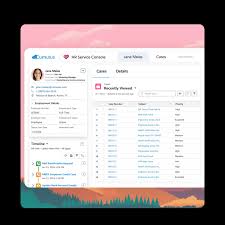
Salesforce Prompt Builder: Field Generation Prompt Template What is a Prompt? A prompt is a set of detailed instructions designed to guide a Large Language Model (LLM) in generating relevant and high-quality output. Just like chefs fine-tune their recipes through testing and adjustments, prompt design involves iterating on instructions to ensure that the LLM delivers accurate, actionable results. Effective prompt design involves “grounding” your prompts with specific data, such as business context, product details, and customer information. By tailoring prompts to your particular needs, you help the LLM provide responses that align with your business goals. Like a well-crafted recipe, an effective prompt consists of both ingredients and instructions that work together to produce optimal results. A great prompt offers clear directions to the LLM, ensuring it generates output that meets your expectations. But what does an ideal prompt template look like? Here’s a breakdown: What is a Field Generation Prompt Template? The Field Generation Prompt Template is a tool that integrates AI-powered workflows directly into fields within Lightning record pages. This template allows users to populate fields with summaries or descriptions generated by an LLM, streamlining interactions and enhancing productivity during customer conversations. Let’s explore how to set up a Field Generation Prompt Template by using an example: generating a summary of case comments to help customer service agents efficiently review a case. Steps to Create a Field Generation Prompt Template 1. Create a New Rich Text Field on the Case Object 2. Enable Einstein Setup 3. Create a Prompt Template with the Field Generation Template Type 4. Configure the Prompt Template Workspace Optional: You can also use Flow or Apex to incorporate additional merge fields. 5. Preview the LLM’s Response Example Prompt: Scenario:You are a customer service representative at a company called ENForce.com, and you need a quick summary of a case’s comments. Record Merge Fields: Instructions: vbnetCopy codeFollow these instructions precisely. Do not add information not provided. – Refer to the “contact” as “client” in the summary. – Use clear, concise, and straightforward language in the active voice with a friendly, informal, and informative tone. – Include an introductory sentence and closing sentence, along with several bullet points. – Use a variety of emojis as bullet points to make the list more engaging. – Limit the summary to no more than seven sentences. – Do not include any reference to missing values or incomplete data. 6. Add the “Case Summary” Field to the Lightning Record Page 7. Generate the Summary By following these steps, you can leverage Salesforce’s Prompt Builder to enhance case management processes and improve the efficiency of customer service interactions through AI-assisted summaries. Like Related Posts Who is Salesforce? Who is Salesforce? Here is their story in their own words. From our inception, we’ve proudly embraced the identity of Read more Salesforce Marketing Cloud Transactional Emails Salesforce Marketing Cloud Transactional Emails are immediate, automated, non-promotional messages crucial to business operations and customer satisfaction, such as order Read more Salesforce Unites Einstein Analytics with Financial CRM Salesforce has unveiled a comprehensive analytics solution tailored for wealth managers, home office professionals, and retail bankers, merging its Financial Read more AI-Driven Propensity Scores AI plays a crucial role in propensity score estimation as it can discern underlying patterns between treatments and confounding variables Read more
Read More
Salesforce is Powering the Future of Digital Careers

Salesforce is Powering the Future of Digital Careers

The Remote Work Revolution: How Salesforce is Powering the Future of Digital Careers The way we work has undergone a fundamental shift. Remote work has reshaped traditional workplace dynamics, allowing professionals to connect, collaborate, and thrive from anywhere. This transformation, driven by technological advancements, shifting workplace expectations, and global events, has made flexibility the new standard. At the heart of this change is Salesforce, a platform that is redefining how businesses operate in a digital-first world. Salesforce: The Foundation of Remote Work Success As the leading CRM and cloud platform, Salesforce has become indispensable for companies navigating the modern workforce. Its cloud-based solutions provide businesses with the agility to adopt remote work models without sacrificing productivity, collaboration, or efficiency. From customer engagement and workflow automation to data-driven decision-making, Salesforce empowers organizations to build robust digital infrastructures that support distributed teams. Building a Remote-First Culture What was once a luxury or temporary solution has now become the standard. Remote work not only empowers employees but also enables companies to tap into top talent globally. With Salesforce, businesses can create seamless digital work experiences—regardless of location. Salesforce’s cloud-first architecture ensures employees can securely access critical business applications and data from any device, anytime. This fosters a remote-first culture where teams can collaborate in real-time, track progress, and communicate effectively with clients—all while maintaining enterprise-grade security. Driving Productivity & Seamless Collaboration One of the biggest challenges of remote work is maintaining productivity and efficiency across different time zones. Salesforce tackles this with powerful collaboration and automation tools: With platforms like Crossover, Salesforce professionals can tap into global job opportunities and build flexible, remote-first careers in industries like finance, healthcare, retail, and technology. Enhancing Business Agility & Scalability In today’s digital economy, agility and scalability are key to staying competitive. Businesses must be able to adapt quickly, scale operations, and respond to market changes with ease. Salesforce provides:✔ Cloud scalability – No reliance on physical infrastructure, allowing businesses to scale up or down effortlessly.✔ AI-driven analytics & forecasting – Tools like Salesforce Einstein deliver real-time insights to inform strategy and optimize operations.✔ Seamless integrations – Businesses can connect Salesforce with collaboration tools, marketing automation, and financial software for a unified digital ecosystem. Adapting to the Evolving Workforce Today’s workforce values flexibility, work-life balance, and career growth. Companies must rethink hiring strategies to attract and retain top talent. Salesforce helps businesses manage remote teams effectively through: ✅ AI-powered recruitment – Simplifies hiring, onboarding, and performance tracking to ensure businesses attract the right talent.✅ HR automation – Streamlines employee engagement and performance monitoring for data-driven workforce management. For professionals, this means digital careers are more accessible than ever. As demand for Salesforce expertise grows, opportunities in remote work are expanding across every industry. The Future of Remote Work with Salesforce As technology continues to evolve, so will remote work. Salesforce is pushing the boundaries with advancements in AI, machine learning, and automation to enhance productivity, decision-making, and customer experiences. With Salesforce Einstein, businesses can:🔹 Analyze trends and personalize customer experiences🔹 Automate processes for smarter, more efficient workflows🔹 Empower remote teams with AI-driven recommendations Beyond technology, Salesforce is also committed to building an inclusive, sustainable future—reducing reliance on office spaces and fostering well-being-focused remote work cultures. Conclusion: A Future Built on Flexibility & Growth The remote work revolution is here to stay, and Salesforce is powering the transformation. With scalable solutions, advanced automation, and AI-driven insights, businesses can operate seamlessly in a digital-first world. For professionals, a Salesforce-powered career opens doors to global opportunities—offering flexibility, growth, and limitless potential. Whether you’re an experienced Salesforce expert or transitioning into the field, now is the time to embrace the future of work. Like Related Posts Who is Salesforce? Who is Salesforce? Here is their story in their own words. From our inception, we’ve proudly embraced the identity of Read more Salesforce Marketing Cloud Transactional Emails Salesforce Marketing Cloud Transactional Emails are immediate, automated, non-promotional messages crucial to business operations and customer satisfaction, such as order Read more Salesforce Unites Einstein Analytics with Financial CRM Salesforce has unveiled a comprehensive analytics solution tailored for wealth managers, home office professionals, and retail bankers, merging its Financial Read more AI-Driven Propensity Scores AI plays a crucial role in propensity score estimation as it can discern underlying patterns between treatments and confounding variables Read more
Read More
HR Support With Salesforce

HR Support With Salesforce

Salesforce, with over 72,000 employees worldwide, competes aggressively for talent in a fast-growing tech industry. Despite its younger employee demographic, Salesforce also sees a steadily rising median age within its workforce, indicating strong retention. The company emphasizes a people-first culture and strives for a balanced, inclusive environment, with a global commitment to hiring more women and minorities. These efforts have cemented its reputation as a top employer globally.

Read More
Salesforce Strategies to Improve a Nonprofit

Salesforce Strategies to Improve a Nonprofit

Transforming Nonprofit Operations with Salesforce: Lessons from a Real-Life Success Story Actionable insights for nonprofits to streamline operations and amplify impact-Salesforce Strategies to Improve a Nonprofit Running a nonprofit is challenging enough without the added frustration of disjointed systems. Many nonprofits grapple with scattered databases, isolated email tools, and incompatible fundraising platforms, resulting in inefficiencies and operational headaches. When systems operate in silos, teams waste time on manual data entry and backtracking, which hinders program delivery and donor engagement—putting the mission at risk. Enter Salesforce Nonprofit Cloud, a transformative platform designed to centralize operations, improve donor communication, and provide actionable insights. With 93% of Salesforce users reporting positive ROI, the platform empowers nonprofits to focus on what matters most: driving impact. Salesforce can revolutionize nonprofit operations. Case Study: Supporting Families Through Salesforce Client: Children’s Organization for displaced children in Ukraine Mission: To help children separated from their families during the war in Ukraine by providing bilingual, family-narrated audiobooks and beautifully illustrated storybooks. Challenge:While Better Time Stories had a meaningful mission, their operational processes were a roadblock. Their delivery system struggled with: The Approach 1. Goals Set Results With these optimizations, Better Time Stories significantly improved delivery success: Continuous system support ensured seamless operations and enhanced the organization’s ability to meet its mission. Key Strategies for Nonprofits Using Salesforce 1. Automate Donation and Impact Tracking 2. Personalize Donor Journeys 3. Create Custom Workflows 4. Integrate Salesforce with Other Tools 5. Enable Advanced Reporting 6. Build Volunteer and Beneficiary Portals 7. Leverage AI for Strategic Decisions 8. Design Scalable Data Architecture 9. Conduct Regular Health Checks Conclusion Nonprofits need solutions that simplify operations and maximize impact. Salesforce Nonprofit Cloud offers the tools to centralize processes, enhance donor engagement, and drive mission-critical outcomes. By following these strategies and working with an experienced implementation partner, your nonprofit can achieve operational excellence and focus on delivering meaningful results. Ready to transform your nonprofit operations with Salesforce? Let’s make it happen! Like1 Related Posts Who is Salesforce? Who is Salesforce? Here is their story in their own words. From our inception, we’ve proudly embraced the identity of Read more Salesforce Marketing Cloud Transactional Emails Salesforce Marketing Cloud Transactional Emails are immediate, automated, non-promotional messages crucial to business operations and customer satisfaction, such as order Read more Salesforce Unites Einstein Analytics with Financial CRM Salesforce has unveiled a comprehensive analytics solution tailored for wealth managers, home office professionals, and retail bankers, merging its Financial Read more AI-Driven Propensity Scores AI plays a crucial role in propensity score estimation as it can discern underlying patterns between treatments and confounding variables Read more

Read More
Energy and Utilities with Salesforce Winter 25 Updates

Energy and Utilities with Salesforce Winter 25 Updates

If you’re ready to embrace these innovations, reach out to Tectonic for expert guidance on optimizing your Salesforce instance. Together, we can help your organization harness the full potential of these game-changing features.

Read More
iot and salesforce einstein

IoT and Salesforce Einstein

IoT and Salesforce Einstein: Revolutionizing Data-Driven Decision Making The combination of Internet of Things (IoT) and Salesforce Einstein is transforming how businesses collect, analyze, and act on data. By integrating IoT devices with Salesforce’s AI-powered Einstein platform, organizations can unlock real-time insights, automate processes, and deliver personalized customer experiences. Let’s dive into how IoT and Salesforce Einstein work together and the benefits they bring to businesses. What is IoT? The Internet of Things (IoT) refers to a network of physical devices (e.g., sensors, wearables, smart appliances, industrial machines) that are connected to the internet and can collect, share, and act on data. These devices generate vast amounts of data, which can be used to monitor performance, predict issues, and optimize operations. What is Salesforce Einstein? Salesforce Einstein is an AI layer integrated into the Salesforce platform. It uses machine learning, predictive analytics, and natural language processing to provide intelligent insights, automate tasks, and enhance decision-making. Einstein powers features like predictive lead scoring, personalized recommendations, and automated workflows. How IoT and Salesforce Einstein Work Together When IoT devices are connected to Salesforce Einstein, the data they generate can be analyzed in real-time to drive actionable insights. Here’s how the integration works: Key Use Cases of IoT and Salesforce Einstein 1. Predictive Maintenance 2. Smart Customer Service 3. Personalized Marketing 4. Supply Chain Optimization 5. Smart Cities and Utilities Benefits of Combining IoT and Salesforce Einstein 1. Real-Time Insights 2. Proactive Problem Solving 3. Enhanced Customer Experiences 4. Operational Efficiency 5. Competitive Advantage How to Get Started with IoT and Salesforce Einstein The Future of IoT and Salesforce Einstein As IoT and AI technologies continue to evolve, their integration will become even more powerful. Future trends include: Conclusion The combination of IoT and Salesforce Einstein is a game-changer for businesses looking to harness the power of data. By integrating IoT devices with Einstein’s AI capabilities, organizations can gain real-time insights, automate processes, and deliver exceptional customer experiences. Whether you’re in manufacturing, retail, healthcare, or any other industry, IoT and Salesforce Einstein can help you stay ahead of the curve and drive innovation. Start exploring the possibilities today and unlock the full potential of IoT and Salesforce Einstein! Like Related Posts Who is Salesforce? Who is Salesforce? Here is their story in their own words. From our inception, we’ve proudly embraced the identity of Read more Salesforce Marketing Cloud Transactional Emails Salesforce Marketing Cloud Transactional Emails are immediate, automated, non-promotional messages crucial to business operations and customer satisfaction, such as order Read more Salesforce Unites Einstein Analytics with Financial CRM Salesforce has unveiled a comprehensive analytics solution tailored for wealth managers, home office professionals, and retail bankers, merging its Financial Read more AI-Driven Propensity Scores AI plays a crucial role in propensity score estimation as it can discern underlying patterns between treatments and confounding variables Read more
Read More
salesforce einstein insights

Salesforce Einstein Conversation Insights

Unlocking Einstein Conversation Insights in Salesforce: Setup, Integration, and Customization In this insight, we’ll guide you through setting up Einstein Conversation Insights in Salesforce, integrating it with platforms like Zoom, managing permissions, and customizing the dataflow schedule for optimal performance. As a marketer from way back when, little gets me as excited about the future of technology than marketing tools that make us smarter and faster. What is Einstein Conversation Insights? Einstein Conversation Insights (ECI) empowers teams to analyze and identify patterns, phrases, and areas of focus within voice and video interactions. By tracking terms and extracting actionable insights, managers and representatives can prioritize follow-ups and improve decision-making through detailed call logs and actionable dashboards. No longer are we hampered by the limitations of written text! Step 1: Enabling Einstein Conversation Insights To begin utilizing Einstein Conversation Insights: Step 2: Assigning Permissions To grant users access to ECI: Step 3: Connecting Recording Providers Voice Recording Providers To analyze call recordings: Video Recording Providers For video analysis, integrate your conferencing platform: Setting Up Zoom Integration To integrate Salesforce with Zoom: Once complete, users will need to link their Zoom accounts individually. A message will confirm successful setup. Click Take me there to finalize the connection. Step 4: Exploring the Conversation Insights App After linking your Zoom account, visit the Conversation Insights App under the Analytics tab. This app provides a comprehensive view of call details, recordings, and actionable insights, empowering teams to focus on strategic improvements. Step 5: Customizing Dataflow Schedule By default, ECI updates its dataflow every eight hours, refreshing your dashboards with new insights. To modify this schedule: Frequently Asked Questions 1. What are the benefits of Einstein Conversation Insights?Einstein Conversation Insights automates the transcription and analysis of calls, identifies trends, and recommends next steps to accelerate sales cycles and free up sales staff to focus on opportunity closing efforts. 2. Does ECI record calls?No, ECI does not record calls. Instead, it analyzes existing recordings from connected providers to generate insights. 3. Are there any limitations?Yes, Salesforce allows up to 100 custom insights, with each insight accommodating a maximum of 25 keywords, each up to 255 characters long. Conclusion Einstein Conversation Insights is a game-changing tool that analyzes voice and video interactions to provide actionable insights, empowering teams to make data-driven decisions. By integrating with Salesforce and platforms like Zoom, you can effortlessly track call details, identify trends, and streamline workflows. Customizing your dataflow schedule ensures your dashboards always reflect the latest information, enhancing efficiency and enabling timely decision-making. Ready to take your insights further? Start integrating Einstein Conversation Insights today! By Tectonic MarketingOpps Director, Shannan Hearne Like Related Posts Who is Salesforce? Who is Salesforce? Here is their story in their own words. From our inception, we’ve proudly embraced the identity of Read more Salesforce Marketing Cloud Transactional Emails Salesforce Marketing Cloud Transactional Emails are immediate, automated, non-promotional messages crucial to business operations and customer satisfaction, such as order Read more Salesforce Unites Einstein Analytics with Financial CRM Salesforce has unveiled a comprehensive analytics solution tailored for wealth managers, home office professionals, and retail bankers, merging its Financial Read more AI-Driven Propensity Scores AI plays a crucial role in propensity score estimation as it can discern underlying patterns between treatments and confounding variables Read more

Read More
gettectonic.com