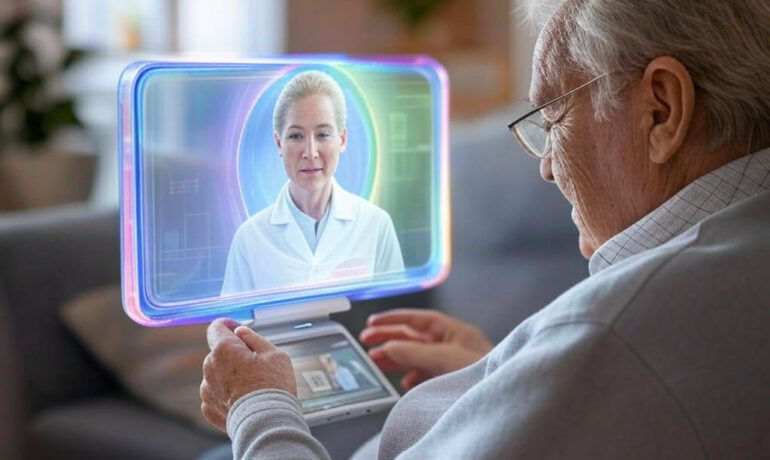
Dementia Care and Telemedicine
How 3 Health Systems Are Leveraging Telemedicine for Dementia Care Telemedicine is expanding access to dementia care, particularly for rural and elderly patients, though challenges like technology barriers and sustainability remain. Dementia—an umbrella term for cognitive and memory disorders—affects millions of Americans directly and indirectly. By 2060, nearly 1 million people in the U.S. are projected to develop dementia. While no cure exists, the growing prevalence underscores the need for accessible and effective care solutions. Telehealth has emerged as a critical tool in meeting this demand. The rapid adoption of virtual care during the COVID-19 pandemic transformed dementia care delivery. A 2024 study found that telehealth use surged among dementia patients, particularly those with long travel distances to clinics and the oldest age groups. For health systems like the University of Mississippi Medical Center (UMMC), telemedicine has been a game-changer. “COVID-19 changed things almost overnight,” said Dr. Kim Tarver, associate professor of medicine and director of clinical services at UMMC’s MIND Center. “We have patients who travel three hours to see us. Being able to communicate without requiring a clinic visit every time is incredibly helpful.” UMMC is among several health systems integrating telehealth into dementia care, though challenges like technology access and financial sustainability persist. Telehealth’s Role in Dementia Care: Benefits and Applications Dementia care is uniquely suited for telehealth. Virtual visits allow for evaluations, treatment adjustments, and follow-ups while offering privacy and flexibility that in-person visits cannot. At UMMC, clinicians conduct cognitive assessments like the Montreal Cognitive Assessment (MoCA) remotely. A nurse guides patients through the test via screen-sharing, while caregivers assist with physical exam components when needed. “I’ll ask the caregiver to perform parts of the exam, like cerebellar function tests, while I observe via video,” Tarver explained. Though in-person visits are still used for verification, virtual assessments have proven comparably accurate. Telemedicine also enables family members to discuss concerns privately—especially valuable when patients are unaware of or resistant to acknowledging their condition. Extending Dementia Care Through Virtual Workforce Solutions Health systems are also using telehealth to expand their dementia care workforce. At the University of California, San Francisco (UCSF), unlicensed but trained care navigators support families, handling routine assessments and triaging complex cases to specialists. “Navigators manage caseloads of families, consulting licensed experts only when needed,” said Dr. Katherine Possin, a neurology professor at UCSF. “This extends the reach of our limited dementia specialist workforce.” Similarly, Banner Health’s Dementia Care Partners program employs health coaches (Certified Nursing Assistants) to conduct initial assessments and provide ongoing support, reducing clinician workload. “If I train 30 people who each support 3,000 patients, the impact multiplies rapidly,” said Dr. Ganesh Gopalakrishna of Banner Alzheimer’s Institute. Banner also uses Project ECHO, a telehealth-based training model, to educate community providers—from physicians to elder care attorneys—on dementia care best practices. Overcoming Telehealth Challenges in Dementia Care Despite its benefits, implementing telehealth in dementia care presents hurdles: The Future of Telehealth in Dementia Care Despite obstacles, providers see immense value in virtual dementia care—reducing caregiver burden, preventing unnecessary hospitalizations, and improving patients’ quality of life. “I hope telehealth becomes the standard of care,” Possin said. As health systems refine their approaches, telemedicine promises to play an increasingly vital role in dementia care—bridging gaps in access and delivering support to patients and families when they need it most. Tectonic can help you transform telehealth in your organization. Contact us today. Like Related Posts Who is Salesforce? Who is Salesforce? Here is their story in their own words. From our inception, we’ve proudly embraced the identity of Read more Salesforce Marketing Cloud Transactional Emails Salesforce Marketing Cloud Transactional Emails are immediate, automated, non-promotional messages crucial to business operations and customer satisfaction, such as order Read more Salesforce Unites Einstein Analytics with Financial CRM Salesforce has unveiled a comprehensive analytics solution tailored for wealth managers, home office professionals, and retail bankers, merging its Financial Read more AI-Driven Propensity Scores AI plays a crucial role in propensity score estimation as it can discern underlying patterns between treatments and confounding variables Read more