
Salesforce Implementation Services Archives - gettectonic.com - Page 2
Salesforce Nonprofit Cloud

Transforming Nonprofit Fundraising with AI-Powered Solutions

The Fundraising Challenge Nonprofits face critical obstacles in achieving their mission-driven goals: 🔴 Limited Data Visibility – Lack of predictive insights to forecast donation trends🔴 Manual Processes – Time-consuming donor management and campaign tracking🔴 Donor Retention Struggles – Difficulty maintaining meaningful, long-term engagement Without data-driven strategies, organizations miss fundraising targets—limiting their ability to create real change. The Tectonic Solution: AI-Driven Fundraising Optimization Tectonic harnesses Salesforce Einstein AI and Agentforce to revolutionize nonprofit fundraising with intelligent automation, predictive analytics, and personalized engagement. Key Features 1. Predictive Donation Analysis 2. Real-Time Campaign Tracking 3. AI-Generated Recommendations 4. Automated Stakeholder Engagement 5. Personalized Donor Communications Industry-Wide Impact Fundraising is the lifeblood of nonprofits—directly affecting their ability to drive change. Tectonic’s AI-powered approach helps organizations: ✅ Boost Donation Predictability – AI forecasts likely contributions, improving goal attainment✅ Enhance Campaign Performance – Real-time tracking optimizes fundraising strategies✅ Deepen Donor Relationships – Personalized engagement increases retention✅ Drive Data-Backed Decisions – Historical insights refine future efforts✅ Amplify Community Impact – More efficient fundraising = greater mission fulfillment Why Tectonic? By integrating AI, automation, and Salesforce’s power, Tectonic enables nonprofits to:✔ Work smarter – Reduce manual effort with intelligent automation✔ Engage better – Strengthen donor loyalty through personalization✔ Raise more – Data-driven strategies maximize fundraising success 🚀 Empower your mission with Tectonic—where AI meets impact. Like Related Posts Who is Salesforce? Who is Salesforce? Here is their story in their own words. From our inception, we’ve proudly embraced the identity of Read more Salesforce Marketing Cloud Transactional Emails Salesforce Marketing Cloud Transactional Emails are immediate, automated, non-promotional messages crucial to business operations and customer satisfaction, such as order Read more Salesforce Unites Einstein Analytics with Financial CRM Salesforce has unveiled a comprehensive analytics solution tailored for wealth managers, home office professionals, and retail bankers, merging its Financial Read more AI-Driven Propensity Scores AI plays a crucial role in propensity score estimation as it can discern underlying patterns between treatments and confounding variables Read more

Read More
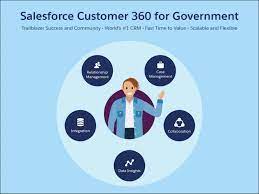
Salesforce Government Cloud

4 Warning Signs Your Government Agency Needs a Data Strategy Overhaul

The Critical Role of Data in Modern Government In an era where Spotify predicts your next favorite song and Amazon anticipates your orders, citizens now expect the same level of responsiveness from government services. Yet many agencies struggle with disjointed systems, inaccessible data, and slow insights – creating costly inefficiencies when they can least afford them. McKinsey estimates that better data utilization could unlock .2 trillion annually across public sectors. With AI advancements accelerating, here’s how to spot if your agency’s data strategy is falling behind: 🔴 Red Flag #1: Data Silos Are Strangling Your Operations 🔴 Red Flag #2: Insights Arrive Too Late to Matter 🔴 Red Flag #3: Data Doesn’t Connect to Mission Goals 🔴 Red Flag #4: Your Systems Can’t Adapt to New Demands The Path Forward: Building a Smarter Data Foundation Leading agencies are taking these steps to transform their data capabilities: “The best-performing agencies treat data like a strategic asset – not an IT afterthought.”– Public Sector Technology Director, Salesforce Your Next Move:Conduct a 30-day data health check to identify your biggest gaps. Start by interviewing frontline staff about their daily data frustrations – their pain points will reveal your most urgent priorities. Need help assessing your data readiness?  Contact the Public Sector team at Tectonic today. Like Related Posts Who is Salesforce? Who is Salesforce? Here is their story in their own words. From our inception, we’ve proudly embraced the identity of Read more Salesforce Marketing Cloud Transactional Emails Salesforce Marketing Cloud Transactional Emails are immediate, automated, non-promotional messages crucial to business operations and customer satisfaction, such as order Read more Salesforce Unites Einstein Analytics with Financial CRM Salesforce has unveiled a comprehensive analytics solution tailored for wealth managers, home office professionals, and retail bankers, merging its Financial Read more AI-Driven Propensity Scores AI plays a crucial role in propensity score estimation as it can discern underlying patterns between treatments and confounding variables Read more

Read More
Healthcare Cloud Computing

Member Experience in Healthcare

Member Experience in Healthcare: Why It Matters for Payers In today’s consumer-driven healthcare market, member experience is no longer a nice-to-have—it’s a competitive necessity for health payers. With rising consumer expectations and fierce competition during open enrollment, payers must prioritize seamless, digital-first interactions to attract, retain, and satisfy members—while also protecting their bottom line. What Is Member Experience for Health Payers? Member experience refers to how health plan beneficiaries interact with their insurers—from finding providers and filing claims to accessing customer support and digital tools. A positive experience means:✔ Ease of use (intuitive portals, quick claims processing)✔ Transparency (clear benefits, no surprise denials)✔ Responsive support (fast resolutions via phone, chat, or AI)✔ Personalized engagement (tailored recommendations, proactive outreach) Poor experiences, on the other hand, lead to frustration, distrust, and member churn. Why Member Experience Matters More Than Ever 1. Consumers Are Voting With Their Wallets 2. Payers Lag Behind Other Industries 3. Better Experience = Better Business Outcomes Investing in member experience drives:✅ Higher retention & acquisition (loyalty = lower marketing costs)✅ Reduced call center volume (AI & self-service cut costs)✅ Fewer claim disputes & appeals (transparency builds trust) What Do Members Actually Want? According to Accenture & Bain, top member demands include:🔹 Easy access to plan information (no digging through PDFs)🔹 Fast, omnichannel support (chat, phone, portal—all synced)🔹 Frictionless digital tools (mobile apps, AI chatbots, e-billing)🔹 Transparent claims & approvals (no surprise denials) Members who rate their plan as “very easy to use” are 2X more likely to stay. How Can Payers Improve Member Experience? 1. Boost Digital Maturity 2. Fix Pain Points First 3. Measure What Matters Key KPIs to track:📊 Net Promoter Score (NPS) – Would members recommend you?📊 First Call Resolution (FCR) – Are issues solved quickly?📊 Claims Processing Time – How fast are claims paid?📊 Retention Rate – Are members renewing? The Bottom Line Health payers can no longer afford slow, confusing, or frustrating member experiences. With consumer expectations rising, the winners will be those who: The future belongs to payers that treat members like valued customers—not just policyholders. “Member experience isn’t just about satisfaction—it’s about loyalty, retention, and growth. Payers that get it right will outperform those stuck in legacy models.”—Bain & Company, 2024 Ready to transform your member experience? Contact Tectonic, your health and life sciences partner. Like Related Posts Who is Salesforce? Who is Salesforce? Here is their story in their own words. From our inception, we’ve proudly embraced the identity of Read more Salesforce Marketing Cloud Transactional Emails Salesforce Marketing Cloud Transactional Emails are immediate, automated, non-promotional messages crucial to business operations and customer satisfaction, such as order Read more Salesforce Unites Einstein Analytics with Financial CRM Salesforce has unveiled a comprehensive analytics solution tailored for wealth managers, home office professionals, and retail bankers, merging its Financial Read more AI-Driven Propensity Scores AI plays a crucial role in propensity score estimation as it can discern underlying patterns between treatments and confounding variables Read more
Read More
Benefits of Linking CloudSign with Salesforce

Benefits of Linking CloudSign with Salesforce

CloudSign provides seamless integration with Salesforce, enabling businesses to streamline their contract and application management processes. Here are the tailored solutions offered by CloudSign to meet different needs: Benefits of Linking CloudSign with Salesforce 1. Automate Sales Processes with CloudSign Sales Automation For businesses managing customer information in Salesforce and looking to create, send, and manage application forms efficiently, CloudSign Sales Automation is the ideal solution. 2. Manage Contracts with CloudSign for Salesforce If your business creates forms externally but needs a streamlined way to manage contracts and customer data in Salesforce, CloudSign for Salesforce is recommended. 3. Face-to-Face Contract Management with CloudSign NOW For businesses that handle in-person contracts or customer data collection, CloudSign NOW offers a convenient solution. Request More Information To explore the right CloudSign solution for your business, request documentation on CloudSign for Salesforce or other offerings today. By integrating CloudSign with Salesforce, you can automate workflows, reduce processing times, and manage customer information more effectively. Like Related Posts Who is Salesforce? Who is Salesforce? Here is their story in their own words. From our inception, we’ve proudly embraced the identity of Read more Salesforce Marketing Cloud Transactional Emails Salesforce Marketing Cloud Transactional Emails are immediate, automated, non-promotional messages crucial to business operations and customer satisfaction, such as order Read more Salesforce Unites Einstein Analytics with Financial CRM Salesforce has unveiled a comprehensive analytics solution tailored for wealth managers, home office professionals, and retail bankers, merging its Financial Read more AI-Driven Propensity Scores AI plays a crucial role in propensity score estimation as it can discern underlying patterns between treatments and confounding variables Read more

Read More
Tectonic Salesforce Customization

Maximizing Salesforce Customizations

Data Goldmine: Maximizing Salesforce Customizations to Supercharge Contact Center Efficiency In the fast-paced realm of customer relationship management (CRM), Salesforce has become an indispensable tool for businesses aiming to optimize customer interactions and streamline operations. Despite its widespread use, many organizations barely scratch the surface of its customization potential. The issue isn’t a lack of tools but rather the underutilization of powerful resources like Apex code—a hidden goldmine that can significantly elevate contact center performance. Unlocking Potential with Apex Customizations Salesforce’s Apex code empowers businesses to craft tailored solutions that meet unique operational needs. However, these customizations often remain static, failing to evolve alongside changing business requirements. By revisiting and repurposing existing Apex code, businesses can unlock advanced features and innovative applications that go beyond their original scope. Here are a few ways Apex customizations can transform your contact center: 1. Intelligent Task Routing Picture a contact center where customer inquiries are dynamically routed to the most qualified agents based on expertise, availability, and historical performance. With Apex, businesses can design systems that enable intelligent task assignment. This improves operational efficiency while boosting customer satisfaction, ensuring every inquiry is resolved by the right person at the right time. 2. Proactive Workload Optimization Workload imbalances can lead to agent burnout and reduced service quality. By analyzing Salesforce data, businesses can develop Apex-driven algorithms to optimize workload distribution. These systems identify interaction trends and allocate tasks in real time, ensuring that no agent is overburdened. The result? A healthier, more productive team and consistently superior customer service. 3. AI-Augmented Decision-Making AI integration with Salesforce customizations is reshaping customer support. By leveraging AI-driven insights, businesses can equip agents with real-time recommendations, allowing for more personalized, informed interactions. These tools not only enhance the customer experience but also empower agents to make faster, smarter decisions. Taking Action: Steps to Unleash Your CRM’s Full Potential To harness the full power of Salesforce customizations, consider these actionable steps: Looking Ahead: Preparing for Next-Gen Customer Support The future of customer support is driven by data, AI, and personalized experiences. Salesforce customizations can help businesses stay ahead by enabling cutting-edge capabilities like multilingual support, visual troubleshooting, and advanced interactive features. By revisiting your existing customizations and aligning them with emerging trends, you can not only enhance customer satisfaction but also set your organization apart in a competitive marketplace. Salesforce isn’t just a CRM—it’s a platform for building next-generation customer service. A Call to Action: Unlock the Potential of Your Salesforce Ecosystem Are you ready to explore how your Salesforce customizations can revolutionize customer service? The potential is vast, and the rewards are significant. Let’s discuss how to harness the full power of your CRM to drive smarter workflows and enhance your contact center’s efficiency. Take a closer look at your existing customizations—they may hold the key to the innovation and success you’ve been seeking. By embracing Salesforce’s full potential, you can create a future-ready customer support ecosystem that works harder for your business. Like Related Posts Who is Salesforce? Who is Salesforce? Here is their story in their own words. From our inception, we’ve proudly embraced the identity of Read more Salesforce Marketing Cloud Transactional Emails Salesforce Marketing Cloud Transactional Emails are immediate, automated, non-promotional messages crucial to business operations and customer satisfaction, such as order Read more Salesforce Unites Einstein Analytics with Financial CRM Salesforce has unveiled a comprehensive analytics solution tailored for wealth managers, home office professionals, and retail bankers, merging its Financial Read more AI-Driven Propensity Scores AI plays a crucial role in propensity score estimation as it can discern underlying patterns between treatments and confounding variables Read more

Read More

Digital Marketing for Casinos

Unveiling the Casino Experience: Harnessing the Power of Digital Marketing In the exciting world of casinos—where entertainment meets sophistication—the influence of digital marketing is undeniable. A strategic approach is packed with actionable insights designed to boost online presence, engage audiences, and drive sustained success. Discover how to craft compelling content, wield social media’s dynamic power, utilize a customer relationship platform, and optimize visibility to ensure your casino stands out in an increasingly competitive digital arena. Tectonic has a successful, winning track record in Salesforce implementation for casinos. Whether you’re promoting exclusive guest events, captivating diverse demographics, or showcasing the unique experience of your casino, this insight equips you to master the digital space with Salesforce. With these strategies, casinos can create a ever-growing online presence that not only strengthens bonds with existing patrons but also entices new guests. Generating New and Repeat Guest Traffic with Salesforce Key Takeaways Why Digital Marketing is a Critical Component for Casinos Digital marketing serves as a critical driver of customer engagement, loyalty, and revenue growth in the casino industry. Strategies such as SEO, email marketing, and social media engagement empower casinos to connect with target audiences and continuously refine their efforts to remain competitive. In today’s crowded and competitive gaming world, leveraging data-driven marketing offers the competitive edge needed to captivate and retain customers. Winning Strategies for Casino Marketing 1. Search Engine Optimization (SEO):Ensure your casino is easy to find with these tactics: 2. Pay-Per-Click Advertising (PPC):Drive traffic with targeted PPC campaigns by: 3. Social Media Marketing:Create buzz with engaging social media campaigns: 4. Email Marketing:Maintain direct communication with: 5. Salesforce 360 Degree Guest View:Maintain personalized communication with: Reaching the Right Audience with Precision Audience Segmentation:Segmenting your audience by behavior, demographics, and preferences ensures more effective marketing. Navigating Legal and Ethical Challenges in Casino Marketing Compliance is essential in maintaining trust and navigating complex regulations. Measuring Success: Metrics and Optimization Key Metrics to Monitor: Campaign Optimization: Addressing Industry Challenges with Marketing 1. Rising Competition:Stand out by delivering unmatched gaming experiences and innovative promotions. 2. High Player Churn:Combat churn with data-driven marketing and personalized offerings to boost player lifetime value. 3. ROI Challenges:Optimize your mix of games and services to balance player satisfaction and profitability. The Road Ahead: Commitment to Digital Transformation With the global online gaming market projected to grow at a significant pace, casinos must embrace a future grounded in digital and data-driven marketing. Investments in technology, analytics, and talent will be pivotal in securing long-term profitability and differentiation. In an industry where chance often rules, success lies in a deliberate, strategic approach to digital marketing. This insight equips you with the tools to not only compete but thrive in this dynamic landscape. Contact Tectonic today to explore Salesforce tools to better reach, engage, and serve your guests. Like Related Posts Who is Salesforce? Who is Salesforce? Here is their story in their own words. From our inception, we’ve proudly embraced the identity of Read more Salesforce Marketing Cloud Transactional Emails Salesforce Marketing Cloud Transactional Emails are immediate, automated, non-promotional messages crucial to business operations and customer satisfaction, such as order Read more Salesforce Unites Einstein Analytics with Financial CRM Salesforce has unveiled a comprehensive analytics solution tailored for wealth managers, home office professionals, and retail bankers, merging its Financial Read more AI-Driven Propensity Scores AI plays a crucial role in propensity score estimation as it can discern underlying patterns between treatments and confounding variables Read more

Read More
Tectonic Salesforce Implementation Partner

Choosing a 2025 Salesforce Solutions Partner

Salesforce has revolutionized how companies manage customer relationships, offering a powerful CRM platform that drives efficiency, productivity, and sales growth. However, fully unlocking its potential requires more than just subscribing to the platform. Successful deployment, seamless integration, and tailored customization are critical to maximizing Salesforce’s benefits. That’s where selecting the right Salesforce Cloud Solutions Partner becomes crucial. This guide will walk you through the key factors to consider when choosing a Salesforce implementation partner to ensure a successful deployment and seamless integration tailored to your business needs. Why You Need a Salesforce Cloud Solutions Partner The Salesforce ecosystem is vast and complex, offering a range of tools, services, and integrations that can be overwhelming without the right guidance. From pricing options to technical aspects of Salesforce Sales Cloud, implementation, and integrations, the right partner can simplify the process. A skilled Salesforce Cloud Solutions Partner can: Choosing the right partner can significantly impact your Salesforce journey, ensuring a smooth transition and long-term success. Key Factors to Consider When Choosing a Partner 1. Assess Expertise and Experience Salesforce implementation requires technical proficiency and industry-specific expertise. Look for a partner who: Additionally, ensure the partner is skilled in services you may require, such as Salesforce Outlook Integration or trial configurations. 2. Evaluate Customization Capabilities Every business is unique, and your Salesforce CRM must reflect that. A capable partner will tailor the platform to your needs, including: Customization ensures your Salesforce environment fits your business like a glove, optimizing operations and delivering maximum ROI. 3. Look for a Holistic Approach to Integration Salesforce excels at integrating with various platforms to streamline workflows. Choose a partner who offers: A well-integrated system simplifies operations, enhances productivity, and positions your business for scalable success. 4. Ensure Support and Training Salesforce implementation is only the beginning; ongoing support and training are critical to success. Your partner should offer: Continuous support ensures your team fully leverages Salesforce, adapting to new features and growing with the platform. 5. Prioritize Pricing Transparency Salesforce offers flexible pricing plans, but implementation costs can vary. Ensure your partner provides: Pricing transparency helps you plan effectively and avoid surprises during your Salesforce journey. Conclusion Selecting the right Salesforce Cloud Solutions Partner is a critical decision that can profoundly impact your business’s efficiency and growth. By focusing on expertise, customization, integration, and support, you can ensure a smooth Salesforce implementation that maximizes your investment. A trusted partner doesn’t just implement Salesforce; they become an integral part of your success, helping you scale confidently and adapt to future challenges. For tailored guidance on selecting the ideal Salesforce partner or learning more about best practices for Salesforce CRM implementation, explore our detailed insights and resources. Make an informed choice and set your organization up for long-term success with Salesforce. Like Related Posts Who is Salesforce? Who is Salesforce? Here is their story in their own words. From our inception, we’ve proudly embraced the identity of Read more Salesforce Marketing Cloud Transactional Emails Salesforce Marketing Cloud Transactional Emails are immediate, automated, non-promotional messages crucial to business operations and customer satisfaction, such as order Read more Salesforce Unites Einstein Analytics with Financial CRM Salesforce has unveiled a comprehensive analytics solution tailored for wealth managers, home office professionals, and retail bankers, merging its Financial Read more AI-Driven Propensity Scores AI plays a crucial role in propensity score estimation as it can discern underlying patterns between treatments and confounding variables Read more

Read More
salesforce manufacturing sales service experience case study

Manufacturing Deep Dive into Salesforce Winter 25 Release

The Salesforce Winter ’25 release is packed with game-changing updates tailored to manufacturers. With features designed to optimize asset management, inventory, and sales agreements, Salesforce is redefining how manufacturers stay competitive in today’s fast-paced market. Let’s explore the key highlights. Connected Assets The enhanced Connected Assets functionality is a standout feature in this release. By leveraging advanced IoT integrations, manufacturers can monitor and manage equipment in real time, enabling predictive maintenance and reducing downtime. Picture this: foreseeing potential machine issues before they escalate. This proactive approach helps manufacturers schedule maintenance at optimal times, saving both time and money. Enhanced visibility into asset performance also empowers teams to make data-driven decisions, boosting operational efficiency. Asset Service Lifecycle Management The Asset Service Lifecycle Management updates streamline the entire lifecycle of an asset—from installation to decommissioning. For manufacturers, where equipment performance is pivotal, these updates are a game-changer. Key features include: These enhancements not only improve service delivery but also boost customer satisfaction by keeping production schedules on track. Inventory Search and Transfer Efficient inventory management is critical for manufacturers, and the Inventory Search and Transfer update addresses this need directly. By improving visibility and accessibility, manufacturers can operate with greater agility and responsiveness, ensuring smooth operations even under tight timelines. Sales Agreement Enhancements Sales agreements are a cornerstone of manufacturing transactions, and the Winter ’25 release introduces significant improvements to streamline this process. These enhancements reduce negotiation time, minimize risks of misunderstandings, and enable manufacturers to close deals faster—key advantages in a competitive market. Sales Agreement Summary To complement these updates, the new Sales Agreement Summary feature provides a concise overview of all active agreements, including key dates, terms, and stakeholders. This enhanced visibility fosters better collaboration among teams and helps businesses stay ahead of their goals. Why It Matters for Manufacturers Salesforce’s Winter ’25 release is more than just an update—it’s a tool kit for driving growth and operational excellence. From predictive asset management to streamlined inventory control and faster sales cycles, these innovations empower manufacturers to: Ready to Transform?Leverage these powerful tools to gain a competitive edge. At Tectonic, we specialize in guiding manufacturers through their Salesforce journey, helping you maximize the impact of these updates. Reach out to our team today to get started! Like Related Posts Who is Salesforce? Who is Salesforce? Here is their story in their own words. From our inception, we’ve proudly embraced the identity of Read more Salesforce Marketing Cloud Transactional Emails Salesforce Marketing Cloud Transactional Emails are immediate, automated, non-promotional messages crucial to business operations and customer satisfaction, such as order Read more Salesforce Unites Einstein Analytics with Financial CRM Salesforce has unveiled a comprehensive analytics solution tailored for wealth managers, home office professionals, and retail bankers, merging its Financial Read more AI-Driven Propensity Scores AI plays a crucial role in propensity score estimation as it can discern underlying patterns between treatments and confounding variables Read more

Read More
Potential of GenAI in Healthcare

Potential of GenAI in Healthcare

Clinicians spend about 28 hours per week on administrative tasks, mainly clinical documentation and communication. Medical and claims staff reported even higher administrative loads, with 34 and 36 hours spent weekly on tasks like documentation, communication, and prior authorization. Many respondents linked these demands directly to burnout, with 77% of claims staff, 81% of medical staff, and 82% of clinicians citing administrative burdens as significant contributors. Additionally, 78% of payer executives and 85% of provider executives noted that administrative work is a key driver of staffing shortages.

Read More
Value-Based Care Technologies

Value-Based Care Technologies

Essential Technologies for Value-Based Care Success As healthcare providers increasingly adopt value-based care, they must invest in the right technologies and resources to succeed in this model, which incentivizes high-quality, cost-effective care. Value-Based Care Technologies tie reimbursement to care quality, making providers accountable for patient outcomes while providing resources to enhance care. As of 2021, nearly 60% of healthcare payments were already tied to value-based models, according to the Health Care Payment Learning and Action Network (HCP LAN). While partnerships can initiate value-based care, providers must invest in the right technology to fully achieve the intended outcomes. Health Information Exchange (HIE) A robust health information exchange (HIE) is fundamental to value-based care, as it enables providers and payers to access high-quality data seamlessly. HIE allows healthcare professionals to share patients’ medical information electronically across organizations, promoting care coordination by giving providers a comprehensive view of patient needs. For patients, HIE enables more informed involvement in their care by making their health data accessible across specialists, labs, and pharmacies. While joining an HIE may involve new technology investments and workflow adjustments, it ultimately enhances provider access to critical health data. Population Health Management Tools Population health management tools help providers assess health outcomes within groups rather than focusing on individuals alone. These tools aggregate and analyze data, allowing practices to identify high-risk patients and create targeted interventions. This not only enhances health outcomes but can also reduce costs by avoiding expensive treatments. Patient engagement tools, such as telehealth and remote patient monitoring, are essential in population health management, especially for monitoring high-risk patients when in-person care is not feasible. Digital surveys integrated within patient portals can provide insights into social determinants of health, adding a broader context to patient needs. Data Analytics Data analytics transform healthcare data into actionable insights across four types: descriptive, diagnostic, predictive, and prescriptive. Providers can use these analytics to reduce hospital readmissions, predict diseases, and identify chronic illnesses. Data integration and risk stratification capabilities are especially valuable in value-based care, enabling providers to track patient health outcomes effectively and prioritize high-risk cases. Artificial Intelligence & Machine Learning AI and machine learning support many data analytics functions, helping identify patient needs and easing administrative burdens. Given staffing shortages and burnout—reported by 63% of physicians in 2021, according to the American Medical Association (AMA)—AI can automate tasks like documentation, charting, and scheduling, allowing providers to focus more on patient care. Additionally, AI-driven automation in revenue cycle management tasks, such as billing and coding, can reduce the administrative workload associated with value-based care. Price Transparency Technology Price transparency empowers patients to seek cost-effective care, a core principle of value-based models. When providers comply with transparency regulations, patients can better understand their costs and make informed decisions. For providers, leveraging price transparency tools ensures compliance and facilitates partnerships with payers by enabling more effective negotiation, which supports the overall goals of value-based care. As healthcare continues shifting to value-based models, investing in these technologies is critical for providers aiming for long-term success. While these tools rdo equire substantial investment, they are essential for improving patient outcomes, optimizing care quality, and ensuring sustainability in value-based care. When evaluating and choosing healthcare technology tools, contact Tectonic for help. Like1 Related Posts Who is Salesforce? Who is Salesforce? Here is their story in their own words. From our inception, we’ve proudly embraced the identity of Read more Salesforce Marketing Cloud Transactional Emails Salesforce Marketing Cloud Transactional Emails are immediate, automated, non-promotional messages crucial to business operations and customer satisfaction, such as order Read more Salesforce Unites Einstein Analytics with Financial CRM Salesforce has unveiled a comprehensive analytics solution tailored for wealth managers, home office professionals, and retail bankers, merging its Financial Read more AI-Driven Propensity Scores AI plays a crucial role in propensity score estimation as it can discern underlying patterns between treatments and confounding variables Read more
Read More

Customization and Configuration in Salesforce

Salesforce Customization vs. Configuration: Choosing the Right Approach for Your Business Salesforce has become a top choice for businesses aiming to strengthen customer relationships and achieve their goals. Its flexibility to adapt to diverse needs through customization and configuration makes it stand out. While both approaches aim to tailor your Salesforce Org to meet specific business requirements, they differ in methodology and use cases. This insight will help you understand their differences and provide insights into when and how to choose between them. Let’s get the insight! What is Salesforce Customization? Salesforce customization involves enhancing your Salesforce Org by introducing tailored features, functionalities, and applications through coding. It goes beyond the out-of-the-box capabilities, enabling you to extend your platform to meet unique and complex business requirements. This approach requires expertise from a Salesforce developer who leverages tools such as Apex, Lightning Components, and the Salesforce Code Builder to create custom solutions. Examples of Customization: What is Salesforce Configuration? Salesforce configuration refers to adapting Salesforce’s native features to meet business needs without modifying the underlying code. By using tools such as drag-and-drop builders, configuration allows users—even those without technical expertise—to optimize the platform’s functionality. Examples of Configuration: Key Differences Between Customization and Configuration Basis Customization Configuration Level of Personalization High personalization, tailored to unique needs Limited to Salesforce’s native capabilities Implementation Requires coding expertise and detailed development Simpler, relies on drag-and-drop tools Time to Deploy Longer development cycles Faster implementation and deployment Maintenance Can require ongoing updates and compatibility adjustments during Salesforce upgrades Easier to maintain, as it aligns with standard platform updates Cost Higher costs due to skilled developer involvement Cost-effective; can be handled by in-house admins Risk Higher risks due to potential code conflicts or errors Lower risks, but over-configuration can lead to complexity Best Practices for Customization and Configuration Choosing the Right Approach The decision to opt for customization or configuration depends on factors like business requirements, budget, timeline, and project complexity. Sometimes, a hybrid approach that combines customization and configuration is the best solution, providing flexibility while optimizing costs and implementation speed. Why Partner with Salesforce Experts? Partnering with experienced Salesforce consultants at Tectonic ensures your Org is tailored to meet your specific business needs. They analyze your workflows, processes, and challenges to recommend the most effective approach—whether it’s customization, configuration, or a blend of both. At Tectonic, our team of 200+ Salesforce experts specializes in delivering tailored solutions that maximize ROI. From development to ongoing maintenance, we ensure your Salesforce Org aligns with your long-term goals. Ready to transform your Salesforce platform? Let’s discuss how we can help. Like Related Posts Who is Salesforce? Who is Salesforce? Here is their story in their own words. From our inception, we’ve proudly embraced the identity of Read more Salesforce Marketing Cloud Transactional Emails Salesforce Marketing Cloud Transactional Emails are immediate, automated, non-promotional messages crucial to business operations and customer satisfaction, such as order Read more Salesforce Unites Einstein Analytics with Financial CRM Salesforce has unveiled a comprehensive analytics solution tailored for wealth managers, home office professionals, and retail bankers, merging its Financial Read more AI-Driven Propensity Scores AI plays a crucial role in propensity score estimation as it can discern underlying patterns between treatments and confounding variables Read more

Read More
Data Analytics for Disease Management

Data Analytics for Disease Management

Healthcare IT advancements, especially electronic health records (EHRs), have made it easier to gather and store data, which, in turn, fuels population health initiatives and improves patient outcomes. The Agency for Healthcare Research and Quality highlights that using health IT tools can significantly enhance chronic disease management by promoting efficient care delivery, information-sharing, and patient education. However, selecting and adopting the right analytics tools remains challenging. Here are five essential data analytics tools that healthcare providers can leverage for effective chronic disease management.

Read More
Tectonic Salesforce Customization

Salesforce Customization Requests

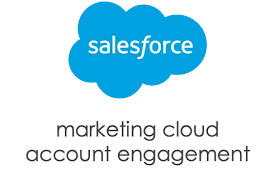
The Most Commonly Requested Salesforce Customizations Salesforce’s flexibility is one of its biggest strengths, allowing businesses to tailor the platform to meet their unique needs. Here are the most frequently requested types of customizations: 1. Declarative Customization Make adjustments using Salesforce’s built-in tools—no coding required. Examples: Ideal For:Businesses looking for straightforward changes to enhance usability without requiring programming expertise. 2. Integration Customization Connect Salesforce with third-party systems to streamline workflows and centralize data. Examples: Benefits:Boost operational efficiency by enabling seamless communication between systems. 3. Custom Code Development Go beyond standard functionality with tailored solutions using Apex, Visualforce, or Lightning Web Components. Examples: Best For:Organizations with advanced or highly specific requirements that declarative tools can’t fulfill. 4. User Interface (UI) Customization Adapt the look and feel of Salesforce to improve user experience and align with your brand. Examples: Goal:Create an intuitive, visually appealing interface that boosts productivity and user adoption. 5. Workflow Automation Save time by automating repetitive tasks and processes. Examples: Impact:Streamline operations, reduce manual workloads, and improve efficiency. 6. Reporting and Analytics Customization Provide actionable insights with tailored reports and dashboards. Examples: Advantage:Empower teams to make data-driven decisions with clear, relevant insights. 7. Mobile Optimization Ensure a seamless Salesforce experience for users on mobile devices. Examples: Purpose:Keep teams connected and productive, regardless of location. Conclusion Salesforce customization goes beyond CRM—it transforms the platform into a tailored solution that aligns with your unique business processes. Whether you’re looking for simple adjustments or advanced integrations, these customizations unlock Salesforce’s full potential to drive operational success. Ready to Get Started?Discover how our Salesforce customization services can help tailor the platform to your specific needs. Let’s work together to maximize your investment and achieve your business goals! Like Related Posts Who is Salesforce? Who is Salesforce? Here is their story in their own words. From our inception, we’ve proudly embraced the identity of Read more Salesforce Marketing Cloud Transactional Emails Salesforce Marketing Cloud Transactional Emails are immediate, automated, non-promotional messages crucial to business operations and customer satisfaction, such as order Read more Salesforce Unites Einstein Analytics with Financial CRM Salesforce has unveiled a comprehensive analytics solution tailored for wealth managers, home office professionals, and retail bankers, merging its Financial Read more AI-Driven Propensity Scores AI plays a crucial role in propensity score estimation as it can discern underlying patterns between treatments and confounding variables Read more
Read More
gettectonic.com