Digital Transformation Archives - gettectonic.com - Page 2
Salesforce Energy and Utilities Cloud Explained

Salesforce Energy and Utilities Cloud Explained

Salesforce Energy and Utilities Cloud is a specialized industry solution built on the Salesforce platform, designed to meet the unique needs of energy and utility companies. It helps these organizations manage customer relationships, streamline operations, and drive digital transformation in an increasingly complex and regulated industry. The cloud solution provides tools for customer engagement, field service management, and regulatory compliance, among other functionalities. Key Features of Salesforce Energy and Utilities Cloud: Benefits of Salesforce Energy and Utilities Cloud: Use Cases: Implementation Considerations: In summary, Salesforce Energy and Utilities Cloud is a comprehensive solution designed to help energy and utility companies enhance customer engagement, streamline operations, and achieve regulatory compliance. By leveraging advanced technologies and industry-specific functionalities, utilities can drive digital transformation and improve overall performance. Like1 Related Posts Who is Salesforce? Who is Salesforce? Here is their story in their own words. From our inception, we’ve proudly embraced the identity of Read more Salesforce Marketing Cloud Transactional Emails Salesforce Marketing Cloud Transactional Emails are immediate, automated, non-promotional messages crucial to business operations and customer satisfaction, such as order Read more Salesforce Unites Einstein Analytics with Financial CRM Salesforce has unveiled a comprehensive analytics solution tailored for wealth managers, home office professionals, and retail bankers, merging its Financial Read more AI-Driven Propensity Scores AI plays a crucial role in propensity score estimation as it can discern underlying patterns between treatments and confounding variables Read more


Read More
Financial Services Sector

Future of Financial Services

The Future of Financial Services: AI Agents, Consumer Trust, and Digital Transformation Fewer than half of consumers are fully satisfied with the service they receive from banks, insurance providers, and wealth management advisors. This underscores the urgent need for financial service institutions (FSIs) to prioritize standout customer experiences—both human and digital—leveraging AI agents to enhance personalization, efficiency, and responsiveness. Why Customer Experience is Key Consumer loyalty has long been driven by competitive pricing, fees, and interest rates. However, with declining rates making promotional incentives less feasible, FSIs are refocusing on customer service as a key differentiator. AI-powered digital experiences provide an opportunity to exceed customer expectations, offering speed, convenience, and hyper-personalization at scale. A significant portion of consumers are willing to stay with an institution that offers an exceptional experience, even if it raises its rates or fees. For instance, 46% of consumers—and 55% of high earners in the U.S. (households making over $100,000 per year)—value experience over pricing alone. Digital self-service is a primary component of this enhanced experience, with many consumers preferring to complete tasks online rather than through traditional phone or in-branch interactions. Institutions like Credit Unions are already meeting this demand by deploying self-service tools that provide instant resolutions, 24/7. AI Agents: Transforming the FSI Landscape AI agents represent a major leap forward in customer service, automating interactions and resolving issues without human intervention. However, trust in these AI-driven systems remains a work in progress. Only 41% of wealth management clients report being fully satisfied with their institution’s speed and effectiveness, and satisfaction levels are even lower among banking and insurance customers. Despite some skepticism, AI adoption is accelerating. Half of consumers expect AI to significantly impact their financial relationships, a belief even more pronounced among Millennials and Gen Z. The percentage of customers anticipating AI-driven transaction speed improvements has risen from 46% in 2023 to 65% today. Yet, consumer education on AI’s capabilities remains a challenge. AI agents have the potential to act as financial advisors, enhancing financial literacy, optimizing savings, and even increasing earnings. Salesforce’s Agentforce aims to bridge this gap, offering digital financial assistants that can answer questions like, “Am I saving enough for retirement?” or “Can I afford this vacation?”—delivering expert insights instantly and at scale. Building Trust in AI-Powered Finance Despite AI’s promise, trust issues persist. While 54% of consumers express confidence in AI agents, only 10% fully trust them. This skepticism is fueled by concerns over data privacy, security, and transparency. Many consumers are wary of how FSIs handle their personal information and are seeking greater clarity on AI’s role in financial decision-making. A Salesforce study revealed that 73% of consumers want to know when they’re interacting with AI, highlighting the importance of transparency in AI implementation. “For AI to succeed in financial services, trust and compliance must be built into the foundation,” said Eran Agrios, SVP & GM of Financial Services at Salesforce. “FSIs need to ensure their AI strategies are not only effective but also worthy of customer confidence.” AI in Action: Case Studies in Financial Services Financial institutions leveraging Agentforce are already seeing tangible benefits: Integrating Agentforce with ERP for Maximum Impact To maximize the potential of AI agents, FSIs must integrate them seamlessly into their broader enterprise ecosystems. Best practices for integration include: The Next Two Years: Defining the Future of AI in Finance As AI continues to disrupt the financial sector, FSIs that embrace AI-first strategies will outperform competitors in efficiency, security, and customer experience. Here’s what the future holds: The Takeaway Financial institutions that invest in AI-driven experiences today will define the future of finance. By adopting transparent, compliant, and consumer-centric AI strategies, FSIs can build trust, drive efficiency, and deliver exceptional customer experiences that set them apart in an increasingly AI-powered world. Like1 Related Posts Who is Salesforce? Who is Salesforce? Here is their story in their own words. From our inception, we’ve proudly embraced the identity of Read more Salesforce Marketing Cloud Transactional Emails Salesforce Marketing Cloud Transactional Emails are immediate, automated, non-promotional messages crucial to business operations and customer satisfaction, such as order Read more Salesforce Unites Einstein Analytics with Financial CRM Salesforce has unveiled a comprehensive analytics solution tailored for wealth managers, home office professionals, and retail bankers, merging its Financial Read more AI-Driven Propensity Scores AI plays a crucial role in propensity score estimation as it can discern underlying patterns between treatments and confounding variables Read more

Read More

Cloud-Based Housing Repairs with Salesforce

Bernicia Leads the Way in Cloud-Based Housing Repairs with Salesforce Bernicia has become the first housing association in the UK to deliver end-to-end repairs services through Salesforce’s cloud-based, nonprofit solution—setting a new industry benchmark for streamlined, automated housing repairs. Transforming Repairs with Salesforce Field Services All electrical repairs at tenants’ homes are now managed through Salesforce Field Services, enhancing the customer experience with seamless, automated processes. By this summer, all responsive repairs will transition into the system, delivering key benefits such as: A Customer-Centric Digital Transformation In 2023, Bernicia reinforced its commitment to tenants by launching a multi-year cultural development program, supported by a £4 million investment in world-class technology. By listening to customer feedback and leveraging data-driven insights, Bernicia has aligned its new digital repairs service with tenant expectations and evolving habits. Andrea Malcolm, Deputy Chief Executive at Bernicia and project sponsor, stated: “The introduction of Field Services marks a major milestone in our journey to customer service excellence. The dedication and expertise of our team have been outstanding, creating an incredible momentum across the business. We’re excited to see the real difference this will make for both customers and colleagues.” Jude Comber, Account Executive at Salesforce Nonprofits, praised the project team, saying: “The level of skill and attention to detail in this project is outstanding. Bernicia’s customer-first approach is a model for how to successfully implement a digital transformation.” Strategic Collaboration with Alscient Achieving this milestone was made possible through Bernicia’s partnership with Alscient, a multi-cloud specialist. Their expertise in Salesforce integration and digital transformation played a key role in designing and implementing the Field Services solution. Salesforce: A Game-Changer for Housing Associations Salesforce offers housing associations a single, integrated platform to streamline operations, enhance tenant relationships, and eliminate inefficiencies caused by data silos. By embracing cloud-based, automated solutions, housing providers can transform service delivery and drive long-term tenant satisfaction. Like Related Posts Who is Salesforce? Who is Salesforce? Here is their story in their own words. From our inception, we’ve proudly embraced the identity of Read more Salesforce Marketing Cloud Transactional Emails Salesforce Marketing Cloud Transactional Emails are immediate, automated, non-promotional messages crucial to business operations and customer satisfaction, such as order Read more Salesforce Unites Einstein Analytics with Financial CRM Salesforce has unveiled a comprehensive analytics solution tailored for wealth managers, home office professionals, and retail bankers, merging its Financial Read more AI-Driven Propensity Scores AI plays a crucial role in propensity score estimation as it can discern underlying patterns between treatments and confounding variables Read more

Read More
Proper Programmers Desk

Rise of Citizen Development

The Rise of Citizen Development: How Low-Code is Democratizing App Creation From IT-Exclusive to Democratized Development Gone are the days when software development was the sole domain of IT specialists. Today, the demand for rapid, agile application development has broken down traditional barriers, empowering non-technical employees to build powerful business apps—without writing a single line of code. This shift is fueled by citizen development, a movement where business users collaborate with IT to create applications using low-code and no-code platforms. With intuitive drag-and-drop interfaces, pre-built templates, and AI-assisted automation, these tools enable employees across departments—from marketing to HR to operations—to turn ideas into functional apps in record time. The Citizen Developer Boom: By the Numbers Why Businesses Are Embracing Citizen Development 1. Relieving IT Bottlenecks IT teams are overwhelmed with app requests while managing infrastructure, security, and maintenance. Citizen development:✔ Reduces IT backlog by letting business users build their own solutions.✔ Frees IT to focus on high-value, complex projects. 2. Faster, More Relevant App Delivery Business users understand their needs best. When they lead app development:✔ Development cycles shrink—no more waiting for IT prioritization.✔ Solutions better fit real-world use cases, improving adoption and ROI. 3. Bridging the Digital Skills Gap Low-code platforms eliminate the need for deep coding expertise, allowing:✔ Employees at all skill levels to contribute to digital transformation.✔ Faster innovation without costly developer hiring or training. Choosing the Right Low-Code Platform Not all low-code solutions are equal. The best platforms offer: ✅ Cloud-native architecture – Enables real-time collaboration and remote access.✅ Seamless data integration – Connects to live databases for accurate, dynamic apps.✅ Cross-platform compatibility – Build once, deploy everywhere (web, mobile, desktop).✅ Intuitive UX – Drag-and-drop builders, templates, and guided workflows.✅ Built-in governance – Ensures security and compliance without stifling creativity. Salesforce Lightning Platform: The Ultimate Citizen Development Engine Built on the world’s #1 CRM, Salesforce Lightning Platform empowers businesses to: The Future is Low-Code With 76% of companies actively exploring minimal-code development, the line between IT and business is blurring. Citizen development isn’t just a trend—it’s the future of agile innovation. Like Related Posts Who is Salesforce? Who is Salesforce? Here is their story in their own words. From our inception, we’ve proudly embraced the identity of Read more Salesforce Marketing Cloud Transactional Emails Salesforce Marketing Cloud Transactional Emails are immediate, automated, non-promotional messages crucial to business operations and customer satisfaction, such as order Read more Salesforce Unites Einstein Analytics with Financial CRM Salesforce has unveiled a comprehensive analytics solution tailored for wealth managers, home office professionals, and retail bankers, merging its Financial Read more AI-Driven Propensity Scores AI plays a crucial role in propensity score estimation as it can discern underlying patterns between treatments and confounding variables Read more

Read More
The Evolving Role of the Chief Experience Officer

Have We Got a Job for You

The Evolving Role of the Chief Experience Officer The chief experience officer (CXO) role varies significantly across different organizations, depending on which department owns customer experience—marketing, customer service, or an independent team. Many companies are still on their first CXO, and the position continues to evolve, particularly as artificial intelligence (AI) becomes integral to customer experience (CX) strategies. According to new research from Deloitte, who surveyed 250 CX leaders across various industries, the CXO role is becoming increasingly technology-driven. AI-powered personalization and automation are reshaping CX, yet CXOs often face significant challenges, including limited influence and budget constraints. Defining the CXO’s Responsibilities The responsibilities of a CXO vary widely based on the organization’s structure. Some CXOs lead initiatives within contact centers, while others focus on product development or digital transformation. Regardless of their direct oversight, CXOs are typically accountable for the end-to-end customer journey, addressing pain points, and driving customer-centric strategies. Reporting structures also differ. Some CXOs report to the chief marketing officer (CMO), while others operate at the same level as the CMO or report directly to the CEO or board. Their role extends beyond operational oversight, requiring them to influence company-wide CX strategies, advocate for customer needs, and oversee the technology platforms that shape customer interactions. One of the critical challenges many CXOs face is acting as the customer’s voice in executive meetings, often playing the role of a contrarian to ensure that customer-centric decisions remain a priority. However, the ultimate goal is to create a company culture where customer advocacy is embedded across leadership, making the CXO’s role less about persuasion and more about strategic execution. Driving Change with Limited Resources CXOs often must drive meaningful change despite limited budgets and internal resistance. In the early stages of the role, proving the business value of CX improvements is imparative. Organizations are more likely to invest in CX when presented with compelling data demonstrating a direct impact on pipeline growth, customer lifetime value, and revenue. By leveraging data-driven insights, CXOs can build a strong business case for customer experience initiatives, making it easier to influence executive decisions and organizational behavior. Technology’s Role in Human-Centered CX With nearly every customer touchpoint mediated through technology, the CXO’s role has increasingly aligned with human-centered design principles. As organizations adopt AI and automation, CXOs ensure that these technologies serve a human purpose—reducing friction in customer interactions, streamlining employee workflows, and enhancing overall engagement. Rather than implementing technology for its own sake, CXOs focus on solving real customer problems, such as minimizing complexity in digital interactions, improving accessibility, and enhancing service responsiveness. This requires a balance between technological feasibility and human desirability, ensuring that innovations align with customer needs rather than complicate them. Emerging Technologies and Their Impact on CX The research highlights that CXOs must stay informed about emerging technologies, including edge computing, blockchain, and neuromorphic computing. These innovations have the potential to reshape CX by enabling real-time data processing, enhancing personalization, and providing new ways to understand customer behavior. As experience leaders, CXOs are constantly evaluating whether these advancements improve or hinder customer interactions. Many are approached by startups offering AI-driven solutions such as sentiment analysis and voice recognition. Their challenge is to discern which technologies genuinely enhance CX and which may introduce unnecessary complexity. Overcoming Organizational Resistance Many CXOs encounter frustration due to the slow pace of change within their organizations. Despite their best efforts, progress can be hindered by structural challenges, risk aversion, and competing priorities. However, perseverance remains key. As technology becomes increasingly powerful, so does the influence of executives who understand its impact on human experiences. Organizations that recognize the value of CX will continue to seek leaders who can quantify its business impact, develop strong use cases, and drive transformation. The growing emphasis on CX and AI-driven customer engagement suggests that demand for skilled CXOs will only increase. Those who can navigate the complexities of organizational change while championing human-centered innovation will play a pivotal role in shaping the future of customer experience. Like Related Posts Who is Salesforce? Who is Salesforce? Here is their story in their own words. From our inception, we’ve proudly embraced the identity of Read more Salesforce Marketing Cloud Transactional Emails Salesforce Marketing Cloud Transactional Emails are immediate, automated, non-promotional messages crucial to business operations and customer satisfaction, such as order Read more Salesforce Unites Einstein Analytics with Financial CRM Salesforce has unveiled a comprehensive analytics solution tailored for wealth managers, home office professionals, and retail bankers, merging its Financial Read more AI-Driven Propensity Scores AI plays a crucial role in propensity score estimation as it can discern underlying patterns between treatments and confounding variables Read more

Read More
AI-Driven Healthcare

The Future of Healthcare is Digital

Transforming Healthcare with Salesforce Health Cloud In our rapidly evolving healthcare world, digital transformation is no longer optional—it’s essential. Healthcare organizations must leverage innovative solutions to improve patient outcomes, streamline operations, and drive financial growth. Salesforce Health Cloud empowers providers, payers, and life sciences companies to deliver personalized, connected, and data-driven care. The Urgency of Digital Transformation in Healthcare Healthcare organizations face increasing pressure from regulatory requirements, patient expectations for seamless digital experiences, and operational inefficiencies. Traditional systems are often fragmented, making it difficult to provide a unified patient experience. Salesforce Health Cloud addresses these challenges by enhancing communication, centralizing data, and optimizing workflows. Key Benefits of Salesforce Health Cloud ✅ Enhanced Patient EngagementPatients expect convenience, transparency, and personalization. Health Cloud delivers seamless communication through patient portals, automated reminders, and AI-driven insights—leading to higher engagement and improved adherence to treatment plans. ✅ 360-Degree Patient ViewBy integrating data from electronic health records (EHRs), wearable devices, and other sources, Health Cloud provides a unified patient profile. This empowers providers and payers to make data-driven decisions that improve both clinical and business outcomes. ✅ Operational Efficiency & Cost ReductionHealth Cloud automates workflows, reduces redundancies, and improves productivity by integrating clinical, operational, and administrative processes. Real-time collaboration enhances care coordination across teams and organizations. ✅ AI-Powered Insights for Better Decision-MakingWith AI-driven analytics and predictive insights, healthcare organizations can identify at-risk populations, optimize resource allocation, and enhance population health management. Salesforce Einstein AI helps forecast trends and personalize care recommendations. ✅ Interoperability & Regulatory ComplianceNavigating complex healthcare regulations is easier with Health Cloud’s secure architecture, ensuring compliance while enabling seamless data exchange between systems and stakeholders. Why Healthcare Organizations Should Adopt Health Cloud Investing in digital transformation provides a competitive advantage by improving patient satisfaction, reducing operational costs, and driving better health outcomes. Salesforce Health Cloud enables organizations to future-proof their operations, boost revenue, and implement a seamless, value-based care model. Use Cases of Salesforce Health Cloud 🏥 Health Insurers – Improve member engagement, claims processing, and care management to enhance efficiency and reduce costs. 🏥 Hospitals & Health Systems – Streamline care coordination, minimize readmissions, and enhance patient experiences with personalized care plans. 🏥 Home Healthcare & Telemedicine – Enable remote patient monitoring and virtual care, improving accessibility while reducing hospital visits. 🏥 Life Sciences Companies – Accelerate drug development, streamline clinical trials, and enhance collaboration with providers and patients. The Future of Healthcare is Digital Salesforce Health Cloud is at the forefront of healthcare’s digital revolution. By leveraging AI, automation, and seamless integrations, healthcare leaders can improve patient experiences, drive operational efficiency, and ensure long-term success. Now is the time to embrace a data-driven approach to healthcare management. Like Related Posts Who is Salesforce? Who is Salesforce? Here is their story in their own words. From our inception, we’ve proudly embraced the identity of Read more Salesforce Marketing Cloud Transactional Emails Salesforce Marketing Cloud Transactional Emails are immediate, automated, non-promotional messages crucial to business operations and customer satisfaction, such as order Read more Salesforce Unites Einstein Analytics with Financial CRM Salesforce has unveiled a comprehensive analytics solution tailored for wealth managers, home office professionals, and retail bankers, merging its Financial Read more AI-Driven Propensity Scores AI plays a crucial role in propensity score estimation as it can discern underlying patterns between treatments and confounding variables Read more

Read More
The Event-Driven Paradigm for Next-Generation AI Agents

The Event-Driven Paradigm for Next-Generation AI Agents

The Infrastructure Imperative for AI Evolution The enterprise landscape stands at an inflection point where AI agents promise autonomous decision-making and adaptive workflows at scale. However, the critical barrier to realizing this potential isn’t model sophistication—it’s architectural. True agentic systems require: These requirements fundamentally represent an infrastructure challenge that demands event-driven architecture (EDA) as the foundational framework for agent deployment and scaling. The Three Waves of AI Evolution First Wave: Predictive Models Characterized by: These deterministic systems excelled at specialized tasks but proved rigid and unscalable across business functions. Second Wave: Generative Models Marked by breakthroughs in: However, these models remained constrained by: Third Wave: Agentic Systems Emerging capabilities include: This evolution shifts focus from model architecture to system architecture, where EDA becomes the critical enabler. The Compound AI Advantage Modern agent systems combine multiple architectural components: This compound approach overcomes the limitations of standalone models through: Event-Driven Architecture: The Nervous System for Agents Core EDA Principles for AI Systems Implementation Benefits Architectural Patterns for Agentic Systems 1. Reflective Processing <img src=”reflection-pattern.png” width=”400″ alt=”Reflection design pattern diagram”> Agents employ meta-cognition to: 2. Dynamic Tool Orchestration <img src=”tool-use-pattern.png” width=”400″ alt=”Tool use design pattern diagram”> Capabilities include: 3. Hierarchical Planning <img src=”planning-pattern.png” width=”400″ alt=”Planning design pattern diagram”> Features: 4. Collaborative Multi-Agent Systems <img src=”multi-agent-pattern.png” width=”400″ alt=”Multi-agent collaboration diagram”> Enables: The Enterprise Integration Challenge Critical Success Factors Implementation Roadmap Phase 1: Foundation Phase 2: Capability Expansion Phase 3: Optimization The Competitive Imperative Enterprise readiness data reveals: Early adopters of event-driven agent architectures gain: The transition to agentic operations represents not just technological evolution but fundamental business transformation. Organizations that implement EDA foundations today will dominate the AI-powered enterprise landscape of tomorrow. Those failing to adapt risk joining the legacy systems they currently maintain—as historical footnotes in the annals of digital transformation. Like Related Posts Who is Salesforce? Who is Salesforce? Here is their story in their own words. From our inception, we’ve proudly embraced the identity of Read more Salesforce Unites Einstein Analytics with Financial CRM Salesforce has unveiled a comprehensive analytics solution tailored for wealth managers, home office professionals, and retail bankers, merging its Financial Read more AI-Driven Propensity Scores AI plays a crucial role in propensity score estimation as it can discern underlying patterns between treatments and confounding variables Read more Tectonic’s Successful Salesforce Track Record Salesforce Technology Services Integrator – Tectonic has successfully delivered Salesforce in a variety of industries including Public Sector, Hospitality, Manufacturing, Read more

Read More
Leveraging Data to Enhance Customer Experiences

Leveraging Data to Enhance Customer Experiences

Imagine leveraging your organization’s existing data to enhance customer experiences, enable faster decision-making, and boost efficiency. With the combined power of Data + AI + CRM, this becomes a reality. The Foundation: CRM as the Single Source of Truth At the heart of this transformation is Customer Relationship Management (CRM)—technology that centralizes customer records, providing a unified view for every department. But CRM data alone only tells part of the story. Most businesses store valuable data across various systems. By integrating Artificial Intelligence (AI), you can unify and harness this data to generate insights, automate processes, and create predictive models that drive smarter business decisions. AI: Your Ultimate Business Co-Pilot AI—especially generative AI—is a game-changer. It doesn’t just analyze data; it creates. From predicting customer behavior to generating personalized content, AI enhances productivity and innovation. When AI is integrated with your business systems, it acts as a powerful assistant, uncovering new opportunities and streamlining operations. Even more transformative are autonomous AI agents. These intelligent assistants engage with customers and teams through natural conversations, helping scale operations without increasing workload or costs. How Data + AI + CRM Work Together Each component is powerful alone, but together they create better customer experiences, faster decision-making, and increased efficiency. Let’s explore how this synergy benefits different business areas. Business Area What Data + AI + CRM Can Do Sales AI-generated, hyper-personalized emails streamline prospecting and save reps valuable time. AI agents engage inbound leads via chat, optimizing sales interactions. Customer Service AI auto-generates responses using real-time data, speeding up issue resolution. Post-interaction summaries capture key details for future reference. AI agents provide 24/7 customer support, freeing up human agents for complex cases. Marketing AI analyzes CRM data to generate personalized landing pages and campaign content. Assistive AI identifies trends and helps teams engage audiences more effectively. Commerce AI predicts product demand based on CRM and social data, ensuring optimal inventory and merchandising decisions. AI agents manage site experiences to optimize business operations. IT AI-driven code generation automates repetitive tasks, improving development efficiency and consistency. AI supports low-code solutions, enabling seamless IT operations. Implementing a Trusted Generative AI Strategy The potential of AI is immense, but responsible implementation is key. To build trust and ensure safe, effective AI adoption, focus on these core areas: ✅ Build Trust – Establish ethical AI guidelines, conduct risk assessments, and use transparency tools like the Einstein Trust Layer to mitigate bias. ✅ Ready Your Technology – Align on data metrics, enhance productivity through automation, and unify data under a single source of truth. ✅ Empower Your People – Foster continuous learning, equip teams with AI-driven tools, and customize AI agents to complement human expertise. The Future of Business: Data + AI + CRM AI continues to evolve, offering new ways to drive success. As businesses integrate autonomous agents and AI-driven insights, the potential for growth, efficiency, and customer satisfaction only expands. This is just the beginning—by implementing Data + AI + CRM strategically, your organization is poised to lead in the next era of digital transformation. Like Related Posts Who is Salesforce? Who is Salesforce? Here is their story in their own words. From our inception, we’ve proudly embraced the identity of Read more Salesforce Marketing Cloud Transactional Emails Salesforce Marketing Cloud Transactional Emails are immediate, automated, non-promotional messages crucial to business operations and customer satisfaction, such as order Read more Salesforce Unites Einstein Analytics with Financial CRM Salesforce has unveiled a comprehensive analytics solution tailored for wealth managers, home office professionals, and retail bankers, merging its Financial Read more AI-Driven Propensity Scores AI plays a crucial role in propensity score estimation as it can discern underlying patterns between treatments and confounding variables Read more

Read More
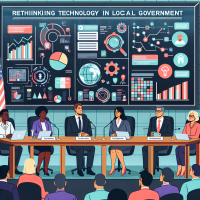
Rethinking Technology in Local Government

Rethinking Technology in Local Government

Rethinking Technology in Local Government: A Call to Action By Richard Young, Head of Local Government, Salesforce The latest survey from Salesforce and LGC underscores an urgent need for a technology transformation in local government. Legacy systems and fragmented infrastructure remain significant roadblocks to digital progress, with nearly half of respondents identifying them as barriers to adoption. Outdated, disconnected systems limit efficiency, frustrate staff and residents, and prevent seamless data sharing—ultimately hindering councils from delivering modern, responsive services. Breaking Down Silos: A Unified Approach To move beyond fragmented solutions, councils must embrace a connected digital ecosystem that integrates systems, data, and stakeholders. Salesforce enables this shift through: ✅ MuleSoft – Seamlessly integrates legacy and modern systems, allowing for real-time data sharing and eliminating silos.✅ Salesforce Customer 360 – Provides a single, unified view of residents, enabling personalized, consistent service delivery across all touchpoints. By adopting a resident-first approach, councils can streamline operations, enhance engagement, and deliver services more effectively. Overcoming Barriers to Digital Transformation While the benefits of modern technology are clear, our survey reveals significant challenges to implementation, including: Salesforce supports councils through these challenges by providing: 🎓 Comprehensive training programs – Equipping staff with the skills to confidently adopt new technology.🤝 Shared service models – Encouraging collaboration across councils to pool resources and scale best practices.🚀 The Government Innovators Network – A knowledge-sharing platform connecting public sector leaders and private technology partners to drive innovation. By focusing on incremental modernization and ROI-driven deployments, councils can maximize value while staying within budget constraints. Empowering Councils for the Future To truly future-proof local government, technology must be: ✔ User-friendly – Intuitive systems reduce friction, enabling both staff and residents to self-service with ease.✔ Scalable and secure – Protecting against cyber threats and evolving challenges.✔ Designed for impact – Fostering collaboration between public and private sectors to drive long-term innovation. Salesforce has already made a measurable impact: 🏛 A UK council integrated over 30 legacy systems, reducing administrative overhead by 40% and increasing resident satisfaction by 25%.🇦🇺 An Australian local authority centralized resident engagement, cutting service request response times by 50%. Across the globe, we are transforming council operations, governance, and resident experiences. A Connected Future Starts Now Now is the time for councils to rethink their approach to technology. By embracing scalable, integrated solutions, they can deliver better services, empower staff, and put residents at the heart of every decision. Together, we can reimagine local government—creating a more connected, efficient, and empowered future. Richard Young, Head of Local Government, Salesforce Like Related Posts Who is Salesforce? Who is Salesforce? Here is their story in their own words. From our inception, we’ve proudly embraced the identity of Read more Salesforce Marketing Cloud Transactional Emails Salesforce Marketing Cloud Transactional Emails are immediate, automated, non-promotional messages crucial to business operations and customer satisfaction, such as order Read more Salesforce Unites Einstein Analytics with Financial CRM Salesforce has unveiled a comprehensive analytics solution tailored for wealth managers, home office professionals, and retail bankers, merging its Financial Read more AI-Driven Propensity Scores AI plays a crucial role in propensity score estimation as it can discern underlying patterns between treatments and confounding variables Read more

Read More
Tectonic Salesforce Integrations

Guide to Reinventing Your Business for the Digital Age

Digital Transformation: The Complete Guide to Reinventing Your Business for the Digital Age What Is Digital Transformation? Digital transformation is the strategic adoption of digital technologies to fundamentally reshape business processes, culture, and customer experiences. It’s not just about upgrading IT systems—it’s a holistic reinvention of how a company operates, competes, and delivers value in an increasingly digital world. “Every digital transformation begins and ends with the customer.”— Marc Benioff, Chairman & Co-CEO, Salesforce Digitization vs. Digitalization vs. Digital Transformation Concept Definition Example Digitization Converting analog data to digital Scanning paper invoices into PDFs Digitalization Using digital tools to improve existing processes CRM systems replacing Rolodexes Digital Transformation Reimagining business models with digital-first strategies Netflix shifting from DVDs to streaming Why Digital Transformation Matters 1. Customer Expectations Are Evolving 2. Employees Demand Modern Tools 3. Industry Disruption Is Accelerating Key Drivers of Digital Transformation Real-World Examples of Digital Transformation 1. Banking: From Branches to Apps 2. Retail: Personalization at Scale 3. Insurance: Proactive Risk Management How to Start Your Digital Transformation Step 1: Assess Your Current State Step 2: Build a Cross-Functional Strategy Step 3: Choose the Right Technology Step 4: Foster a Digital-First Culture Avoiding Common Pitfalls 🚫 Mistake: Buying disconnected point solutions✅ Fix: Invest in an integrated platform 🚫 Mistake: Treating it as an “IT project”✅ Fix: Make it a company-wide initiative 🚫 Mistake: Ignoring change management✅ Fix: Get employee buy-in early The Future of Digital Transformation Ready to Transform? Start small, think big, and put your customers at the center. The businesses that thrive in the next decade will be those that embrace continuous digital evolution. Need help? Contact us. Like Related Posts Who is Salesforce? Who is Salesforce? Here is their story in their own words. From our inception, we’ve proudly embraced the identity of Read more Salesforce Marketing Cloud Transactional Emails Salesforce Marketing Cloud Transactional Emails are immediate, automated, non-promotional messages crucial to business operations and customer satisfaction, such as order Read more Salesforce Unites Einstein Analytics with Financial CRM Salesforce has unveiled a comprehensive analytics solution tailored for wealth managers, home office professionals, and retail bankers, merging its Financial Read more AI-Driven Propensity Scores AI plays a crucial role in propensity score estimation as it can discern underlying patterns between treatments and confounding variables Read more

Read More
Healthcare Cloud Computing

Member Experience in Healthcare

Member Experience in Healthcare: Why It Matters for Payers In today’s consumer-driven healthcare market, member experience is no longer a nice-to-have—it’s a competitive necessity for health payers. With rising consumer expectations and fierce competition during open enrollment, payers must prioritize seamless, digital-first interactions to attract, retain, and satisfy members—while also protecting their bottom line. What Is Member Experience for Health Payers? Member experience refers to how health plan beneficiaries interact with their insurers—from finding providers and filing claims to accessing customer support and digital tools. A positive experience means:✔ Ease of use (intuitive portals, quick claims processing)✔ Transparency (clear benefits, no surprise denials)✔ Responsive support (fast resolutions via phone, chat, or AI)✔ Personalized engagement (tailored recommendations, proactive outreach) Poor experiences, on the other hand, lead to frustration, distrust, and member churn. Why Member Experience Matters More Than Ever 1. Consumers Are Voting With Their Wallets 2. Payers Lag Behind Other Industries 3. Better Experience = Better Business Outcomes Investing in member experience drives:✅ Higher retention & acquisition (loyalty = lower marketing costs)✅ Reduced call center volume (AI & self-service cut costs)✅ Fewer claim disputes & appeals (transparency builds trust) What Do Members Actually Want? According to Accenture & Bain, top member demands include:🔹 Easy access to plan information (no digging through PDFs)🔹 Fast, omnichannel support (chat, phone, portal—all synced)🔹 Frictionless digital tools (mobile apps, AI chatbots, e-billing)🔹 Transparent claims & approvals (no surprise denials) Members who rate their plan as “very easy to use” are 2X more likely to stay. How Can Payers Improve Member Experience? 1. Boost Digital Maturity 2. Fix Pain Points First 3. Measure What Matters Key KPIs to track:📊 Net Promoter Score (NPS) – Would members recommend you?📊 First Call Resolution (FCR) – Are issues solved quickly?📊 Claims Processing Time – How fast are claims paid?📊 Retention Rate – Are members renewing? The Bottom Line Health payers can no longer afford slow, confusing, or frustrating member experiences. With consumer expectations rising, the winners will be those who: The future belongs to payers that treat members like valued customers—not just policyholders. “Member experience isn’t just about satisfaction—it’s about loyalty, retention, and growth. Payers that get it right will outperform those stuck in legacy models.”—Bain & Company, 2024 Ready to transform your member experience? Contact Tectonic, your health and life sciences partner. Like Related Posts Who is Salesforce? Who is Salesforce? Here is their story in their own words. From our inception, we’ve proudly embraced the identity of Read more Salesforce Marketing Cloud Transactional Emails Salesforce Marketing Cloud Transactional Emails are immediate, automated, non-promotional messages crucial to business operations and customer satisfaction, such as order Read more Salesforce Unites Einstein Analytics with Financial CRM Salesforce has unveiled a comprehensive analytics solution tailored for wealth managers, home office professionals, and retail bankers, merging its Financial Read more AI-Driven Propensity Scores AI plays a crucial role in propensity score estimation as it can discern underlying patterns between treatments and confounding variables Read more
Read More
Public Sector Spring 25 Advances

Public Sector Spring 25 Advances

The Salesforce Spring ’25 Release: Transforming Public Sector Operations The Salesforce Spring ’25 release has arrived, bringing transformative updates to public sector workflows, including faster document generation, AI-powered household insights, and smarter grantmaking processes. At Tectonic, we’re passionate about driving digital transformation for our clients. Here’s a deep dive into the key enhancements and how they can elevate your public sector operations. 1. Faster, More Flexible Document Generation OmniStudio Document Generation 2.0 introduces significant improvements in speed and flexibility for public sector workflows. With higher batch limits, support for custom fonts, and a document previewer, teams can generate documents more efficiently and accurately. Whether you’re managing applications, approvals, or citizen communications, this update reduces processing times and enhances overall workflows. This transition also improves performance by moving PDF generation from client-side to server-side, ensuring a seamless upgrade with minimal regression impact. The enhanced functionality makes it easier to handle high-demand periods and large document volumes. Pro Tip: Transition to OmniStudio Document Generation 2.0 before Document Generation 1.0 is retired in July 2025. Use the preview tool to refine templates during peak times. 2. AI-Powered Household Overviews for Caseworkers Salesforce Generative AI introduces a new household overview feature, empowering caseworkers with detailed insights into benefit applicants’ households. This tool streamlines eligibility assessments, enabling faster and more accurate decisions. It even automates energy savings calculations for Clean Energy Programs, aligning citizen support with sustainability goals. By simplifying data collection and decision-making, caseworkers can focus on high-priority cases, ensuring faster and more equitable approvals. Pro Tip: Pair this feature with Energy Cloud insights to enhance decision-making and allocate resources more effectively for citizens in need. 3. Supercharge Grantmaking with Stage Management Stage Management automates key grantmaking tasks, ensuring compliance and improving efficiency. Grant managers can bulk-assign reviews, reducing manual workload and freeing up time for high-priority tasks. This feature provides better control by defining each stage of the grant process, enabling faster and more accurate progress. With automated workflows and robust progress tracking, Stage Management ensures timely execution of grant operations. Pro Tip: Use automated workflows to manage multiple grants simultaneously, ensuring deadlines are met and every stage is completed on time. 4. Empower Employees with Personalized Care Plans Spring ’25 introduces personalized care plans, a game-changer for public sector organizations. These plans allow agencies to create and assign tailored growth and well-being strategies for employees. By setting customizable goals and aligning benefits with individual needs, organizations can foster a supportive work environment that drives employee engagement and retention. This targeted approach enhances morale and supports professional development, making it invaluable for workforce motivation and talent retention. Pro Tip: Use personalized care plans during onboarding to set new hires up for success or integrate them into professional development initiatives for ongoing growth and engagement. 5. Unified Voice Routing for Seamless Citizen Interaction (Beta) Unified Voice Routing consolidates communication channels in Salesforce, streamlining citizen interactions. By routing voice calls based on skills or specific representatives, public sector teams can reduce wait times and deliver more effective service. This feature also introduces a new Reassign button, enabling teams to transfer work between queues, service reps, AI agents, skills, or Omni-Channel flows. Reassigned tasks are automatically routed to the correct destination. Pro Tip: Combine Unified Voice Routing with Amazon Connect to route calls to the most qualified representatives, ensuring quick and effective resolutions. Conclusion The Salesforce Spring ’25 updates are a game-changer for public sector organizations, enabling teams to deliver faster, more efficient, and more impactful services. From AI-powered household insights to smarter grantmaking and seamless communication, these tools empower organizations to better serve their communities. At Tectonic, we’re excited to help you leverage these updates to optimize your operations and make a greater impact in your community. Want to learn more about how these tools can transform your workflows? Contact us today, and let’s explore the possibilities together! Like Related Posts Who is Salesforce? Who is Salesforce? Here is their story in their own words. From our inception, we’ve proudly embraced the identity of Read more Salesforce Marketing Cloud Transactional Emails Salesforce Marketing Cloud Transactional Emails are immediate, automated, non-promotional messages crucial to business operations and customer satisfaction, such as order Read more Salesforce Unites Einstein Analytics with Financial CRM Salesforce has unveiled a comprehensive analytics solution tailored for wealth managers, home office professionals, and retail bankers, merging its Financial Read more AI-Driven Propensity Scores AI plays a crucial role in propensity score estimation as it can discern underlying patterns between treatments and confounding variables Read more

Read More

Digital Marketing for Casinos

Unveiling the Casino Experience: Harnessing the Power of Digital Marketing In the exciting world of casinos—where entertainment meets sophistication—the influence of digital marketing is undeniable. A strategic approach is packed with actionable insights designed to boost online presence, engage audiences, and drive sustained success. Discover how to craft compelling content, wield social media’s dynamic power, utilize a customer relationship platform, and optimize visibility to ensure your casino stands out in an increasingly competitive digital arena. Tectonic has a successful, winning track record in Salesforce implementation for casinos. Whether you’re promoting exclusive guest events, captivating diverse demographics, or showcasing the unique experience of your casino, this insight equips you to master the digital space with Salesforce. With these strategies, casinos can create a ever-growing online presence that not only strengthens bonds with existing patrons but also entices new guests. Generating New and Repeat Guest Traffic with Salesforce Key Takeaways Why Digital Marketing is a Critical Component for Casinos Digital marketing serves as a critical driver of customer engagement, loyalty, and revenue growth in the casino industry. Strategies such as SEO, email marketing, and social media engagement empower casinos to connect with target audiences and continuously refine their efforts to remain competitive. In today’s crowded and competitive gaming world, leveraging data-driven marketing offers the competitive edge needed to captivate and retain customers. Winning Strategies for Casino Marketing 1. Search Engine Optimization (SEO):Ensure your casino is easy to find with these tactics: 2. Pay-Per-Click Advertising (PPC):Drive traffic with targeted PPC campaigns by: 3. Social Media Marketing:Create buzz with engaging social media campaigns: 4. Email Marketing:Maintain direct communication with: 5. Salesforce 360 Degree Guest View:Maintain personalized communication with: Reaching the Right Audience with Precision Audience Segmentation:Segmenting your audience by behavior, demographics, and preferences ensures more effective marketing. Navigating Legal and Ethical Challenges in Casino Marketing Compliance is essential in maintaining trust and navigating complex regulations. Measuring Success: Metrics and Optimization Key Metrics to Monitor: Campaign Optimization: Addressing Industry Challenges with Marketing 1. Rising Competition:Stand out by delivering unmatched gaming experiences and innovative promotions. 2. High Player Churn:Combat churn with data-driven marketing and personalized offerings to boost player lifetime value. 3. ROI Challenges:Optimize your mix of games and services to balance player satisfaction and profitability. The Road Ahead: Commitment to Digital Transformation With the global online gaming market projected to grow at a significant pace, casinos must embrace a future grounded in digital and data-driven marketing. Investments in technology, analytics, and talent will be pivotal in securing long-term profitability and differentiation. In an industry where chance often rules, success lies in a deliberate, strategic approach to digital marketing. This insight equips you with the tools to not only compete but thrive in this dynamic landscape. Contact Tectonic today to explore Salesforce tools to better reach, engage, and serve your guests. Like Related Posts Who is Salesforce? Who is Salesforce? Here is their story in their own words. From our inception, we’ve proudly embraced the identity of Read more Salesforce Marketing Cloud Transactional Emails Salesforce Marketing Cloud Transactional Emails are immediate, automated, non-promotional messages crucial to business operations and customer satisfaction, such as order Read more Salesforce Unites Einstein Analytics with Financial CRM Salesforce has unveiled a comprehensive analytics solution tailored for wealth managers, home office professionals, and retail bankers, merging its Financial Read more AI-Driven Propensity Scores AI plays a crucial role in propensity score estimation as it can discern underlying patterns between treatments and confounding variables Read more

Read More
gettectonic.com