Ethical AI Archives - gettectonic.com - Page 3
EU AI Act

EU AI Act

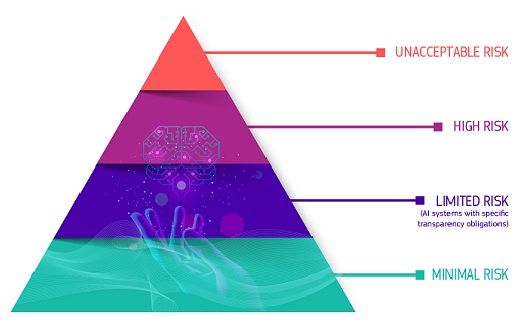
The EU AI Act is a complex piece of legislation, packed with various sections, definitions, and guidelines, making it challenging for organizations to navigate. However, understanding the EU AI Act is crucial for companies aiming to innovate with AI while staying compliant with both legal and ethical standards. Arnoud Engelfriet, chief knowledge officer at ICTRecht, an Amsterdam-based legal services firm, specializes in IT, privacy, security, and data law. As the head of ICTRecht Academy, he is responsible for educating others on AI legislation, including the AI Act. In his book AI and Algorithms: Mastering Legal and Ethical Compliance, published by Technics, Engelfriet explores the intersection of AI legislation and ethical AI development, using the AI Act as a key example. He emphasizes that while new AI guidelines can raise concerns about creativity and compliance, it’s quite necessary for organizations to grasp the current and future legal landscape to build trustworthy AI systems. Balancing Compliance and Innovation As of August 2024, the much-anticipated AI Act is in effect, with implementation timelines extending from six months to over a year. Many businesses worry that the regulations might slow down AI innovation, especially given the rapid pace of technological advancements. Engelfriet acknowledges this tension, noting that “compliance and innovation have always been somewhat at odds.” However, he believes the act’s flexible, tiered approach offers space for businesses to adapt. For instance, the inclusion of regulatory sandboxes allows companies to test AI systems safely, without releasing them into the market. Engelfriet suggests that while innovation might slow down, the safety and trustworthiness of AI systems will improve. Ensuring Trustworthy AI The AI Act aims to promote “trustworthy AI,” a term that became central to discussions after its inclusion in the first draft of the act in 2019. Although the concept remains somewhat undefined, the act outlines three key characteristics of trustworthy AI: legality, technical robustness, and ethical soundness. Engelfriet underscores that trust in AI systems is ultimately about trusting the humans behind them. “You cannot really trust a machine,” he explained, “but you can trust its designers and operators.” The AI Act requires transparency around how AI systems function, ensuring they reliably perform their intended tasks, such as making automated decisions or serving as chatbots. Ethics has gained even more prominence with the rise of generative AI. Engelfriet highlights the fragmented nature of AI ethics guidelines, which address everything from data protection to bias prevention. The EU’s Assessment List for Trustworthy AI provides a framework to guide organizations in applying ethical standards, though Engelfriet notes that it may need to be tailored to specific industry needs. The Role of AI Compliance Officers Given the complexity of AI regulations, organizations may find it overwhelming to manage compliance efforts. To meet this growing need, Engelfriet recommends appointing AI compliance officers to help companies integrate AI responsibly into their operations. ICTRecht has also developed a course, based on AI and Algorithms, to teach employees how to navigate AI compliance. Participants from various roles—particularly those in data, privacy, and risk functions—attend the course to expand their knowledge in this increasingly important area. Salesforce is developing Trailblazer content to address these challenges as well. As with GDPR, Engelfriet believes the AI Act will set the tone for future AI regulations. He advises businesses to proactively engage with the AI Act to ensure they are prepared for the evolving regulatory landscape. To get assistance exploring your EU risks, contact Tectonic today. Like Related Posts Who is Salesforce? Who is Salesforce? Here is their story in their own words. From our inception, we’ve proudly embraced the identity of Read more Salesforce Unites Einstein Analytics with Financial CRM Salesforce has unveiled a comprehensive analytics solution tailored for wealth managers, home office professionals, and retail bankers, merging its Financial Read more AI-Driven Propensity Scores AI plays a crucial role in propensity score estimation as it can discern underlying patterns between treatments and confounding variables Read more Tectonic’s Successful Salesforce Track Record Salesforce Technology Services Integrator – Tectonic has successfully delivered Salesforce in a variety of industries including Public Sector, Hospitality, Manufacturing, Read more
Read More
Generative AI Overview

Generative AI Overview

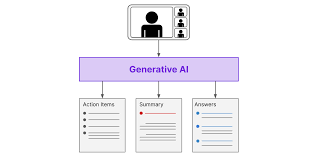
Editor’s Note: AI Cloud, Einstein GPT, and other cloud GPT products are now Einstein. For the latest on Salesforce Einstein The Rise of Generative AI: What It Means for Business and CRM Generative artificial intelligence (AI) made headlines in late 2022, sparking widespread curiosity and questions about its potential impact on various industries. What is Generative AI? Generative AI is a technology that creates new content—such as poetry, emails, images, or music—based on a set of input data. Unlike traditional AI, which focuses on classifying or predicting, generative AI can produce novel content with a human-like understanding of language, as noted by Salesforce Chief Scientist Silvio Savarese. However, successful generative AI depends on the quality of the input data. “AI is only as good as the data you give it, and you must ensure that datasets are representative,” emphasizes Paula Goldman, Salesforce’s Chief Ethical and Humane Use Officer. How Does Generative AI Work? Generative AI can be developed using several deep learning approaches, including: Other methods include Variational Autoencoders (VAEs) and Neural Radiance Fields (NeRFs), which generate new data or create 2D and 3D images based on sample data. Generative AI and Business Generative AI has captured the attention of global business leaders. A recent Salesforce survey found that 67% of IT leaders are focusing on generative AI in the next 18 months, with 33% considering it a top priority. Salesforce has long been exploring generative AI applications. For instance, CodeGen helps transform simple English prompts into executable code, and LAVIS makes language-vision AI accessible to researchers. More recently, Salesforce’s ProGen project demonstrated the creation of novel proteins using AI, potentially advancing medicine and treatment development. Ketan Karkhanis, Salesforce’s Executive VP and GM of Sales Cloud, highlights that generative AI benefits not just large enterprises but also small and medium-sized businesses (SMBs) by automating proposals, customer communications, and predictive sales modeling. Challenges and Ethical Considerations Despite its potential, generative AI poses risks, as noted by Paula Goldman and Kathy Baxter of Salesforce’s Ethical AI practice. They stress the importance of responsible innovation to ensure that generative AI is used safely and ethically. Accuracy in AI recommendations is crucial, and the authoritative tone of models like ChatGPT can sometimes lead to misleading results. Salesforce is committed to building trusted AI with embedded guardrails to prevent misuse. As generative AI evolves, it’s vital to balance its capabilities with ethical considerations, including its environmental impact. Generative AI can increase IT energy use, which 71% of IT leaders acknowledge. Generative AI at Salesforce Salesforce has integrated AI into its platform for years, with Einstein AI providing billions of daily predictions to enhance sales, service, and customer understanding. The recent launch of Einstein GPT, the world’s first generative AI for CRM, aims to transform how businesses interact with customers by automating content creation across various functions. Salesforce Ventures is also expanding its Generative AI Fund to $500 million, supporting AI startups and fostering responsible AI development. This expansion includes investments in companies like Anthropic and Cohere. As Salesforce continues to lead in AI innovation, the focus remains on creating technology that is inclusive, responsible, and sustainable, paving the way for the future of CRM and business. The Future of Business: AI-Powered Leadership and Decision-Making Tomorrow’s business landscape will be transformed by specialized, autonomous AI agents that will significantly change how companies are run. Future leaders will depend on these AI agents to support and enhance their teams, with AI chiefs of staff overseeing these agents and harnessing their capabilities. New AI-powered tools will bring businesses closer to their customers and enable faster, more informed decision-making. This shift is not just a trend—it’s backed by significant evidence. The Slack Workforce Index reveals a sevenfold increase in leaders seeking to integrate AI tools since September 2023. Additionally, Salesforce research shows that nearly 80% of global workers are open to an AI-driven future. While the pace of these changes may vary, it is clear that the future of work will look vastly different from today. According to the Slack Workforce Index, the number of leaders looking to integrate AI tools into their business has skyrocketed 7x since September 2023. Mick Costigan, VP, Salesforce Futures In the [still] early phases of a major technology shift, we tend to over-focus on the application of technology innovations to existing workflows. Such advances are important, but closing the imagination gap about the possible new shapes of work requires us to consider more than just technology. It requires us to think about people, both as the customers who react to new offerings and as the employees who are responsible for delivering them. Some will eagerly adopt new technology. Others will resist and drag their feet. Like1 Related Posts Who is Salesforce? Who is Salesforce? Here is their story in their own words. From our inception, we’ve proudly embraced the identity of Read more Salesforce Marketing Cloud Transactional Emails Salesforce Marketing Cloud Transactional Emails are immediate, automated, non-promotional messages crucial to business operations and customer satisfaction, such as order Read more Salesforce Unites Einstein Analytics with Financial CRM Salesforce has unveiled a comprehensive analytics solution tailored for wealth managers, home office professionals, and retail bankers, merging its Financial Read more AI-Driven Propensity Scores AI plays a crucial role in propensity score estimation as it can discern underlying patterns between treatments and confounding variables Read more

Read More
Einstein Chatbot

Einstein Chatbot

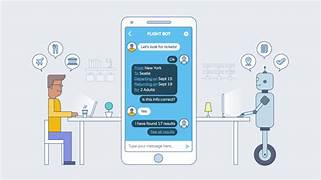
Businesses have increasingly adopted “chatbots” to provide quick answers to customer queries outside regular business hours or to route customers to the appropriate department after answering preliminary questions. While these chatbots can be useful, they often fall short in delivering the same level of value as human interaction, sometimes leading to frustration. Today, chatbots are advancing significantly, with Salesforce’s Einstein Service Agent leading this evolution. This technology offers notable benefits but also presents challenges that businesses must address for effective implementation. Advantages of Einstein Service Agent Seamless Integration with Salesforce: Unlike standalone AI tools, Einstein Service Agent leverages comprehensive customer profiles, purchase histories, and previous interactions to offer personalized responses. Its integration within established Salesforce workflows allows for rapid deployment, reducing both time and cost associated with implementation. Experience has shown that selecting technologies with built-in CRM or ERP integration is a significant advantage over those requiring separate integration efforts. Built on Salesforce’s Trust Layer: Einstein Service Agent ensures secure handling of customer data, adhering to relevant regulations. This enhances trust among businesses and their customers, facilitating smoother adoption. GenAI Capabilities: The AI can manage complex, multi-step tasks like processing returns or refunds, and deliver tailored responses based on specific customer needs, enhancing the overall customer experience. Scalability Across Salesforce Clouds: Einstein Service Agent is adaptable to various business needs and can evolve as those needs change. Whether a company expands, introduces new services, or shifts its customer service strategy, the agent can be scaled and customized to maintain long-term value and utility. Challenges in Implementing AI Agents Data Quality and Integration: The effectiveness of AI tools relies heavily on the quality of the data they access. Incomplete, outdated, or poorly maintained data can lead to inaccurate or ineffective responses. To address this, businesses should prioritize data quality through regular audits and ensure comprehensive and up-to-date customer information. Change Management and Employee Training: The introduction of AI can lead to resistance from employees concerned about job displacement or unfamiliarity with new technology. Businesses should invest in change management strategies, including clear communication about AI as a complement to, not a replacement for, human agents. Training programs should focus on helping employees work alongside AI tools, enhancing skills where human judgment and empathy are crucial. Balancing Customer Service: Over-reliance on AI may diminish the personal touch essential in customer service. AI should handle straightforward and repetitive inquiries, while more complex or sensitive issues should be escalated to human agents who can provide personalized responses. Considerations for a Successful Deployment Customization and Flexibility: Tailoring the AI to fit unique processes and customer service requirements may require additional configuration or custom development to align with the company’s goals and service expectations. Ethical and Bias Concerns: AI systems can unintentionally perpetuate biases present in their training data, leading to unfair interactions. Businesses must actively identify and mitigate biases, ensuring that their AI operates fairly and equitably. This includes regularly reviewing training data for biases, implementing safeguards, and maintaining a commitment to ethical AI practices. Customer Acceptance and User Experience: Some customers may be hesitant to interact with AI or have negative perceptions of automated service. To improve acceptance, businesses should design user-friendly AI interactions, ensure transparency, and provide clear options for escalating issues to human agents. Einstein Chatbot Implementing AI agents like Salesforce’s Einstein Service Agent can significantly enhance customer service efficiency, personalization, and scalability. However, businesses must carefully navigate challenges related to data quality, change management, and maintaining trust. A thoughtful approach to AI deployment can transform customer service operations and drive business growth. Like Related Posts Who is Salesforce? Who is Salesforce? Here is their story in their own words. From our inception, we’ve proudly embraced the identity of Read more Salesforce Marketing Cloud Transactional Emails Salesforce Marketing Cloud Transactional Emails are immediate, automated, non-promotional messages crucial to business operations and customer satisfaction, such as order Read more Salesforce Unites Einstein Analytics with Financial CRM Salesforce has unveiled a comprehensive analytics solution tailored for wealth managers, home office professionals, and retail bankers, merging its Financial Read more AI-Driven Propensity Scores AI plays a crucial role in propensity score estimation as it can discern underlying patterns between treatments and confounding variables Read more

Read More
State of AI

State of AI

With the Dreamforce conference just a few weeks away, AI is set to be a central theme once again. This week, Salesforce offered a preview of what to expect in September with the release of its “Trends in AI for CRM” report. This report consolidates findings from several Salesforce research studies conducted from February last year to April this year. The report’s executive summary highlights four key insights: The Fear of Missing Out (FOMO) An intriguing statistic from Salesforce’s “State of Data and Analytics” report reveals that 77% of business leaders feel a fear of missing out on generative AI. This concern is particularly pronounced among marketers (88%), followed by sales executives (78%) and customer service professionals (73%). Given the continued hype around generative AI, these numbers are likely still relevant or even higher as of July 2024. As Salesforce AI CEO Clara Shih puts it: “The majority of business executives fear they’re missing out on AI’s benefits, and it’s a well-founded concern. Today’s technology world is reminiscent of 1998 for the Internet—full of opportunities but also hype.” Shih adds: “How do we separate the signal from the noise and identify high-impact enterprise use cases?” The Quest for ROI and Value The surge of hype around generative AI over the past 18 months has led to high expectations. While Salesforce has been more responsible in managing user expectations, many executives view generative AI as a cure-all. However, this perspective can be problematic, as “silver bullets” often miss their mark. Recent tech sector developments reflect a shift toward a longer-term view of AI’s impact. Meta’s share price fell when Mark Zuckerberg emphasized AI as a multi-year project, and Alphabet’s Sundar Pichai faced tough questions from Wall Street about the need for continued investment. State of AI Shih notes a growing impatience with the time required to realize AI’s value: “It’s been over 18 months since ChatGPT sparked excitement about AI in business. Many companies are still grappling with building or buying solutions that are not overly siloed and can be customized. The challenge is finding a balance between quick implementation and configurability.” She adds: “The initial belief was that companies could just integrate ChatGPT and see instant transformation. However, there are security risks and practical challenges. For LLMs to be effective, they need contextual data about users and customers.” Conclusion: A Return to the Future Shih likens the current AI landscape to the late 90s Internet boom, noting: “It’s similar to the late 90s when people questioned if the Internet was overhyped. While some investments will not pan out, the transformative potential of successful use cases is enormous. Just as with the Internet, discovering the truly valuable applications of AI may require experimentation and time. We are very much in the 1998 moment for AI now.” Like Related Posts Who is Salesforce? Who is Salesforce? Here is their story in their own words. From our inception, we’ve proudly embraced the identity of Read more Salesforce Marketing Cloud Transactional Emails Salesforce Marketing Cloud Transactional Emails are immediate, automated, non-promotional messages crucial to business operations and customer satisfaction, such as order Read more Salesforce Unites Einstein Analytics with Financial CRM Salesforce has unveiled a comprehensive analytics solution tailored for wealth managers, home office professionals, and retail bankers, merging its Financial Read more AI-Driven Propensity Scores AI plays a crucial role in propensity score estimation as it can discern underlying patterns between treatments and confounding variables Read more

Read More
Used YouTube to Train AI

Used YouTube to Train AI

Announced by siliconANGLE’s Duncan Riley. Companies Used YouTube to Train AI. A new report released today reveals that companies such as Anthropic PBC, Nvidia Corp., Apple Inc., and Salesforce Inc. have used subtitles from YouTube videos to train their AI services without obtaining permission. This raises significant ethical questions about the use of publicly available materials and facts without consent. According to Proof News, these companies allegedly utilized subtitles from 173,536 YouTube videos sourced from over 48,000 channels to enhance their AI models. Rather than scraping the content themselves, Anthropic, Nvidia, Apple, and Salesforce reportedly used a dataset provided by EleutherAI, a nonprofit AI organization. EleutherAI, founded in 2020, focuses on the interpretability and alignment of large AI models. The organization aims to democratize access to advanced AI technologies by developing and releasing open-source AI models like GPT-Neo and GPT-J. EleutherAI also advocates for open science norms in natural language processing, promoting transparency and ethical AI development. The dataset in question, known as “YouTube Subtitles,” includes transcripts from educational and online learning channels, as well as several media outlets and YouTube personalities. Notable YouTubers whose transcripts are included in the dataset are Mr. Beast, Marques Brownlee, PewDiePie, and left-wing political commentator David Pakman. Some creators whose content was used are outraged. Pakman, for example, argues that using his transcripts jeopardizes his livelihood and that of his staff. David Wiskus, CEO of streaming service Nebula, has even called the use of the data “theft.” Despite the data being publicly accessible, the controversy revolves around the fact that large language models are utilizing it. This situation echoes recent legal actions regarding the use of publicly available data to train AI models. For instance, Microsoft Corp. and OpenAI were sued in November over their use of nonfiction authors’ works for AI training. The class-action lawsuit, led by a New York Times reporter, claimed that OpenAI scraped the content of hundreds of thousands of nonfiction books to develop their AI models. Additionally, The New York Times accused OpenAI, Google LLC, and Meta Holdings Inc. in April of skirting legal boundaries in their use of AI training data. While the legality of using AI training data remains a gray area, it has yet to be extensively tested in court. Should a case arise, the key issue will likely be whether publicly stated facts, including utterances, can be copyrighted. Relevant U.S. case law includes Feist Publications Inc. v. Rural Telephone Service Co., 499 U.S. 340 (1991) and International News Service v. Associated Press (1918). In both cases, the U.S. Supreme Court ruled that facts cannot be copyrighted. Like Related Posts Who is Salesforce? Who is Salesforce? Here is their story in their own words. From our inception, we’ve proudly embraced the identity of Read more Salesforce Marketing Cloud Transactional Emails Salesforce Marketing Cloud Transactional Emails are immediate, automated, non-promotional messages crucial to business operations and customer satisfaction, such as order Read more Salesforce Unites Einstein Analytics with Financial CRM Salesforce has unveiled a comprehensive analytics solution tailored for wealth managers, home office professionals, and retail bankers, merging its Financial Read more AI-Driven Propensity Scores AI plays a crucial role in propensity score estimation as it can discern underlying patterns between treatments and confounding variables Read more

Read More
AI Safety and Responsibility

AI Safety and Responsibility

The Future of AI: Balancing Innovation and Trust Authored by Justin Tauber, General Manager, Innovation and AI Culture at Salesforce, ANZ. AI Safety and Responsibility AI holds the promise of transforming business operations and freeing up our most precious resource: time. This is particularly beneficial for small businesses, where customer-facing staff must navigate a complex set of products, policies, and data with limited time and support. AI-assisted customer engagement can lead to more timely, personalized, and intelligent interactions. However, trust is paramount, and businesses must use AI power safely and ethically. The Trust Challenge According to the AI Trust Quotient, 89% of Australian office workers don’t trust AI to operate without human oversight, and 62% fear that humans will lose control of AI. Small businesses must build competence and confidence in using AI responsibly. Companies that successfully combine human and machine intelligence will lead in AI transformation. Building trust and confidence in AI requires focusing on the employee experience of AI. Employees should be integrated early into decision-making, output refinement, and feedback processes. Generative AI outcomes improve when humans are actively involved. Humans need to lead their partnership with AI, ensuring AI works effectively with humans at the helm. Strategies for Building Trust One strategy is to remind employees of AI’s strengths and weaknesses within their workflow. Showing confidence values — how much the model believes its output is correct — helps employees handle AI responses with the appropriate level of care. Lower-scored content can still be valuable, but human reviews provide deeper scrutiny. Prompt templates for staff ensure consistent inputs and predictable outputs. Explainability or citing sources for AI-generated content also addresses trust and accuracy issues. Another strategy focuses on use cases that enhance customer trust. The sweet spot is where productivity and trust-building benefits align. For example, generative AI can reassure customers that a product will arrive on time. AI in fraud detection and prevention is another area where AI can flag suspicious transactions for human review, improving the accuracy and effectiveness of fraud detection systems. Salesforce’s Commitment to Ethical AI Salesforce ensures that its AI solutions keep humans at the helm by respecting ethical guardrails in AI product development. Salesforce goes further by creating capabilities and solutions that lower the cost of responsible AI deployment and use. AI safety products help businesses use AI power without significant risks. Salesforce AI products are built with trust and reliability in mind, embodying Trustworthy AI principles to help customers deploy these products ethically. It’s unrealistic and unfair to expect employees, especially in SMBs, to refine every AI-generated output. Therefore, Salesforce provides businesses with powerful, system-wide controls and intuitive interfaces to make timely and responsible judgments about testing, refining responses, or escalating problems. Salesforce has invested in ethical AI for nearly a decade, focusing on principles, policies, and protections for itself and its customers. New guidelines for responsible generative AI development expand on core Trusted AI principles. Updated Acceptable Use Policy safeguards and the Einstein Trust layer protect customer data from external LLMs. Commitment to a Trusted AI Future While we’re still in the early days of AI, Salesforce is committed to learning and iterating in close collaboration with customers and regulators to make trusted AI a reality for all. Originally published in Smart Company. Like Related Posts Who is Salesforce? Who is Salesforce? Here is their story in their own words. From our inception, we’ve proudly embraced the identity of Read more Salesforce Marketing Cloud Transactional Emails Salesforce Marketing Cloud Transactional Emails are immediate, automated, non-promotional messages crucial to business operations and customer satisfaction, such as order Read more Salesforce Unites Einstein Analytics with Financial CRM Salesforce has unveiled a comprehensive analytics solution tailored for wealth managers, home office professionals, and retail bankers, merging its Financial Read more AI-Driven Propensity Scores AI plays a crucial role in propensity score estimation as it can discern underlying patterns between treatments and confounding variables Read more

Read More
Cautionary AI Tale

A Cautionary AI Tale

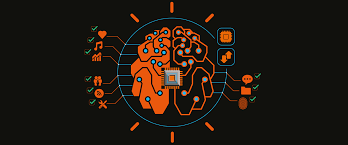
Oliver Lovstrom, an AI student, wrote an interesting perspective on artificial intelligence, a cautionary AI tale, if you will. The Theory and Fairy Tale My first introduction to artificial intelligence was during high school when I began exploring its theories and captivating aspects. In 2018, as self-driving cars were gaining traction, I decided to create a simple autonomous vehicle for my final project. This project filled me with excitement and hope, spurring my continued interest and learning in AI. However, I had no idea that within a few years, AI would become significantly more advanced and accessible, reaching the masses through affordable robots. For instance, who could have imagined that just two years later, we would have access to incredible AI models like ChatGPT and Gemini, developed by tech giants? The Dark Side of Accessibility My concerns grew as I observed the surge in global cybersecurity issues driven by advanced language model-powered bots. Nowadays, it’s rare to go a day without hearing about some form of cybercrime somewhere in the world. A Brief Intro to AI for Beginners To understand the risks associated with AI, we must first comprehend what AI is and its inspiration: the human brain. In biology, I learned that the human brain consists of neurons, which have two main functions: Neurons communicate with sensory organs or other neurons, determining the signals they send through learning. Throughout our lives, we learn to associate different external stimuli (inputs) with sensory outputs, like emotions. Imagine returning to your childhood home. Walking in, you are immediately overwhelmed by nostalgia. This is a learned response, where the sensory input (the scene) passes through a network of billions of neurons, triggering an emotional output. Similarly, I began learning about artificial neural networks, which mimic this behavior in computers. Artificial Neural Networks Just as biological neurons communicate within our brains, artificial neural networks try to replicate this in computers. Each dot in the graph above represents an artificial neuron, all connected and communicating with one another. Sensory inputs, like a scene, enter the network, and the resulting output, such as an emotion, emerges from the network’s processing. A unique feature of these networks is their ability to learn. Initially, an untrained neural network might produce random outputs for a given input. However, with training, these networks learn to associate specific inputs with particular outputs, mirroring the learning process of the human brain. This capability can be leveraged to handle tedious tasks, but there are deeper implications to explore. The Wishing Well As AI technology advances, it begins to resemble a wishing well from a fairy tale—a tool that could fulfill any desire, for better or worse. In 2022, the release of ChatGPT and various generative AI tools astonished many. For the first time, people had free access to a system capable of generating coherent and contextually appropriate responses to almost any prompt. And this is just the beginning. Multimodal AI and the Next Step I explored multimodal AI, which allows the processing of data in different formats, such as text, images, audio, and possibly even physical actions. This development supports the “wishing well” hypothesis, but also revealed a darker side of AI. The Villains While a wishing well in fairy tales is associated with good intentions and moral outcomes, the reality of AI is more complex. The morality of AI usage depends on the people who wield it, and the potential for harm by a single bad actor is immense. The Big Actors and Bad Apples The control of AI technology is likely to be held by powerful entities, whether governments or private corporations. Speculating on their use of this technology can be unsettling. While we might hope AI acts as a deterrent, similar to nuclear weapons, AI’s invisibility and potential for silent harm make it particularly dangerous. We are already witnessing malicious uses of AI, from fake kidnappings to deepfakes, impacting everyone from ordinary people to politicians. As AI becomes more accessible, the risk of bad actors exploiting it grows. Even if AI maintains peace on a global scale, the issue of individuals causing harm remains—a few bad apples can spoil the bunch. Unexpected Actions and the Future AI systems today can perform unexpected actions, often through jailbreaking—manipulating models to give unintended information. While currently, the consequences might seem minor, they could escalate significantly in the future. AI does not follow predetermined rules but chooses the “best” path to achieve a goal, often learned independently from human oversight. This unpredictability, especially in multimodal models, is alarming. Consider an AI tasked with making pancakes. It might need money for ingredients and, determined by its learning, might resort to creating deepfakes for blackmail. This scenario, though seemingly absurd, highlights potential dangers as AI evolves with the growth of IoT, quantum computing, and big data, leading to superintelligent, self-managing systems. As AI surpasses human intelligence, more issues will emerge, potentially leading to a loss of control. Dr. Yildiz, an AI expert, highlighted these concerns in a story titled “Artificial Intelligence Does Not Concern Me, but Artificial Super-Intelligence Frightens Me.” Hope and Optimism Despite the fears surrounding AI, I remain hopeful. We are still in the early stages of this technology, providing ample time to course-correct. This can be achieved through recognizing the risks, fostering ethical AI systems, and raising a morally conscious new generation. Although I emphasized potential dangers, my intent is not to incite fear. Like previous industrial and digital revolutions, AI has the potential to greatly enhance our lives. I stay optimistic and continue my studies to contribute positively to the field. The takeaway from my story is that by using AI ethically and collaboratively, we can harness its power for positive change and a better future for everyone. This article by Oliver Lovstrom originally was published by Medium, here. Like Related Posts Who is Salesforce? Who is Salesforce? Here is their story in their own words. From our inception, we’ve proudly embraced the identity of Read more Salesforce Unites Einstein Analytics

Read More
Salesforce AI

Salesforce AI

Salesforce AI is the cornerstone of our Einstein 1 Platform, offering reliable and adaptable AI solutions seamlessly integrated into your customer data. With Einstein, you can craft tailored, predictive, and generative AI experiences to address all your business requirements securely. Einstein brings conversational AI to every facet of your operations, from workflows and users to departments and industries. Here’s what Einstein can do for you: Sales AI: Accelerate sales cycles with trusted AI capabilities. Einstein can compose emails enriched with customer insights, summarize sales calls, and provide real-time predictions to guide sellers towards successful deals. Customer Service AI: Enhance customer service experiences while boosting agent efficiency. Einstein surfaces relevant information during support interactions, automates case resolutions, and empowers agents with a knowledge base. Marketing AI: Drive personalized and efficient marketing campaigns at scale. Einstein provides insights to enhance engagement, create personalized customer journeys, and automate outreach efforts. Commerce AI: Personalize every buyer and merchant interaction with flexible ecommerce AI tools. Einstein generates product descriptions, recommends relevant products, and optimizes buying experiences. Einstein 1 Studio: Customize and extend AI for CRM with ease. Configure actions, prompts, and models to tailor Einstein Copilot to your specific business needs. Copilot Builder: Extend Einstein Copilot with familiar platform features to streamline workflows and monitor interactions seamlessly. Prompt Builder: Create prompt templates to expedite tasks and generate content grounded in your business data, ensuring relevance across Einstein Copilot, Lightning pages, and flows. Model Builder: Build or import predictive AI models into Salesforce and the Einstein Trust Layer, seamlessly managing AI models in a unified control plane. Deploy AI you can trust with the Einstein Trust Layer, ensuring privacy, security, and responsible use across your organization. Features like Dynamic Grounding, Sensitive Data Masking, and Ethics and Inclusivity policies uphold ethical AI principles while optimizing accuracy and relevance. Join companies like General Mills and Riley Children’s Health in leveraging the power of Salesforce AI to drive personalized experiences and optimize operations for greater impact and efficiency. Like Related Posts Who is Salesforce? Who is Salesforce? Here is their story in their own words. From our inception, we’ve proudly embraced the identity of Read more Salesforce Marketing Cloud Transactional Emails Salesforce Marketing Cloud Transactional Emails are immediate, automated, non-promotional messages crucial to business operations and customer satisfaction, such as order Read more Salesforce Unites Einstein Analytics with Financial CRM Salesforce has unveiled a comprehensive analytics solution tailored for wealth managers, home office professionals, and retail bankers, merging its Financial Read more AI-Driven Propensity Scores AI plays a crucial role in propensity score estimation as it can discern underlying patterns between treatments and confounding variables Read more

Read More
Who Calls AI Ethical

Who Calls AI Ethical

Background – Who Calls AI Ethical On March 13, 2024, the European Union (EU) enacted the EU AI Act, a move that some argue has hindered its position in the global AI race. This legislation aims to ‘unify’ the development and implementation of AI within the EU, but it is seen as more restrictive than progressive. Rather than fostering innovation, the act focuses on governance, which may not be sufficient for maintaining a competitive edge. The EU AI Act embodies the EU’s stance on Ethical AI, a concept that has been met with skepticism. Critics argue that Ethical AI is often misinterpreted and, at worst, a monetizable construct. In contrast, Responsible AI, which emphasizes ensuring products perform as intended without causing harm, is seen as a more practical approach. This involves methodologies such as red-teaming and penetration testing to stress-test products. This critique of Ethical AI forms the basis of this insight,and Eric Sandosham article here. The EU AI Act To understand the implications of the EU AI Act, it is essential to summarize its key components and address the broader issues with the concept of Ethical AI. The EU defines AI as “a machine-based system designed to operate with varying levels of autonomy and that may exhibit adaptiveness after deployment. It infers from the input it receives to generate outputs such as predictions, content, recommendations, or decisions that can influence physical or virtual environments.” Based on this definition, the EU AI Act can be summarized into several key points: Fear of AI The EU AI Act appears to be driven by concerns about AI being weaponized or becoming uncontrollable. Questions arise about whether the act aims to prevent job disruptions or protect against potential risks. However, AI is essentially automating and enhancing tasks that humans already perform, such as social scoring, predictive policing, and background checks. AI’s implementation is more consistent, reliable, and faster than human efforts. Existing regulations already cover vehicular safety, healthcare safety, and infrastructure safety, raising the question of why AI-specific regulations are necessary. AI solutions automate decision-making, but the parameters and outcomes are still human-designed. The fear of AI becoming uncontrollable lacks evidence, and the path to artificial general intelligence (AGI) remains distant. Ethical AI as a Red Herring In AI research and development, the terms Ethical AI and Responsible AI are often used interchangeably, but they are distinct. Ethics involve systematized rules of right and wrong, often with legal implications. Morality is informed by cultural and religious beliefs, while responsibility is about accountability and obligation. These constructs are continuously evolving, and so must the ethics and rights related to technology and AI. Promoting AI development and broad adoption can naturally improve governance through market forces, transparency, and competition. Profit-driven organizations are incentivized to enhance AI’s positive utility. The focus should be on defining responsible use of AI, especially for non-profit and government agencies. Towards Responsible AI Responsible AI emphasizes accountability and obligation. It involves defining safeguards against misuse rather than prohibiting use cases out of fear. This aligns with responsible product development, where existing legal frameworks ensure products work as intended and minimize misuse risks. AI can improve processes such as recruitment by reducing errors compared to human solutions. AI’s role is to make distinctions based on data attributes, striving for accuracy. The concern is erroneous discrimination, which can be mitigated through rigorous testing for bias as part of product quality assurance. Conclusion The EU AI Act is unlikely to become a global standard. It may slow AI research, development, and implementation within the EU, hindering AI adoption in the region and causing long-term harm. Humanity has an obligation to push the boundaries of AI innovation. As a species facing eventual extinction from various potential threats, AI could represent a means of survival and advancement beyond our biological limitations. Like Related Posts Who is Salesforce? Who is Salesforce? Here is their story in their own words. From our inception, we’ve proudly embraced the identity of Read more Salesforce Marketing Cloud Transactional Emails Salesforce Marketing Cloud Transactional Emails are immediate, automated, non-promotional messages crucial to business operations and customer satisfaction, such as order Read more Salesforce Unites Einstein Analytics with Financial CRM Salesforce has unveiled a comprehensive analytics solution tailored for wealth managers, home office professionals, and retail bankers, merging its Financial Read more AI-Driven Propensity Scores AI plays a crucial role in propensity score estimation as it can discern underlying patterns between treatments and confounding variables Read more

Read More
ai voice agent

Voice Agents

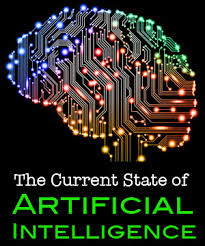
A voice agent, also known as a voice AI agent, is a system that uses artificial intelligence (AI) to understand, interpret, and respond to human speech, enabling natural, conversational interactions for tasks like answering questions, providing information, or completing actions. Functionality:Voice agents use technologies like natural language processing (NLP) and machine learning to engage in conversations, answer queries, and perform tasks, much like a customer service representative would. Voice AI agents represent a transformative leap in how humans interact with technology. These sophisticated systems combine speech recognition, natural language understanding, and human-like speech synthesis to enable fluid, real-time conversations. Unlike traditional AI tools, voice AI agents can autonomously reason, make decisions, and execute tasks—revolutionizing industries from customer service to healthcare. What Are Voice AI Agents? Voice AI agents are autonomous software systems that:✔ Understand spoken language (speech recognition).✔ Reason like humans (powered by large language models).✔ Respond with natural-sounding speech (text-to-speech synthesis).✔ Perform tasks with minimal human intervention (agentic workflows). They excel in 24/7 interactive services, such as customer support, personal assistants, and accessibility tools, offering human-like interactions at scale. How Voice AI Agents Work Voice AI agents integrate multiple AI disciplines: 1. Speech Recognition (ASR) 2. Natural Language Understanding (NLU) 3. Decision-Making & Task Execution 4. Speech Synthesis (TTS) Key Advancements Over Traditional Assistants Feature Virtual Assistants (Siri, Alexa) Modern Voice AI Agents Reasoning Limited, scripted responses Dynamic, LLM-powered decisions Task Complexity Single-step commands Multi-step workflows Adaptability Static knowledge Learns from interactions Personalization Basic user profiles Context-aware responses Architecture of a Voice AI Agent A typical client-server setup includes: Client-Side Server-Side Communication Protocols: Challenges & Limitations Despite rapid progress, voice AI agents still face hurdles: 🔹 Accents & Dialects – Performance drops with underrepresented languages.🔹 Speech Disorders – Struggles with stuttering or atypical speech patterns.🔹 Continuous Learning – Requires frequent retraining to stay current.🔹 Privacy Concerns – Handling sensitive voice data securely. How to Build a Voice AI Agent Real-World Applications ✅ Customer Service – Automated call centers (Vapi, Skit.ai).✅ Healthcare – Voice assistants for patients & diagnostics.✅ Education – Personalized tutoring & language learning.✅ Accessibility – Assistive tech for visually impaired (Be My AI).✅ Smart Homes – Voice-controlled IoT devices (Alexa, Google Home). The Future of Voice AI Agents As LLMs, speech synthesis, and agentic frameworks improve, voice AI will: However, ethical AI development remains critical to address biases, privacy, and security. Final Thoughts Voice AI agents are reshaping human-computer interaction, moving beyond rigid chatbots to true conversational partners. Businesses adopting this tech early will gain a competitive edge—while those lagging risk obsolescence. The era of talking machines is here. Are you ready? Like Related Posts Who is Salesforce? Who is Salesforce? Here is their story in their own words. From our inception, we’ve proudly embraced the identity of Read more Salesforce Unites Einstein Analytics with Financial CRM Salesforce has unveiled a comprehensive analytics solution tailored for wealth managers, home office professionals, and retail bankers, merging its Financial Read more AI-Driven Propensity Scores AI plays a crucial role in propensity score estimation as it can discern underlying patterns between treatments and confounding variables Read more Tectonic’s Successful Salesforce Track Record Salesforce Technology Services Integrator – Tectonic has successfully delivered Salesforce in a variety of industries including Public Sector, Hospitality, Manufacturing, Read more
Read More
Ethical and Responsible AI

Ethical and Responsible AI

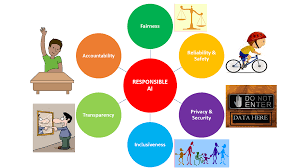
Responsible AI and ethical AI are closely connected, with each offering complementary yet distinct principles for the development and use of AI systems. Organizations that aim for success must integrate both frameworks, as they are mutually reinforcing. Responsible AI emphasizes accountability, transparency, and adherence to regulations. Ethical AI—sometimes called AI ethics—focuses on broader moral values like fairness, privacy, and societal impact. In recent discussions, the significance of both has come to the forefront, encouraging organizations to explore the unique advantages of integrating these frameworks. While Responsible AI provides the practical tools for implementation, ethical AI offers the guiding principles. Without clear ethical grounding, responsible AI initiatives can lack purpose, while ethical aspirations cannot be realized without concrete actions. Moreover, ethical AI concerns often shape the regulatory frameworks responsible AI must comply with, showing how deeply interwoven they are. By combining ethical and responsible AI, organizations can build systems that are not only compliant with legal requirements but also aligned with human values, minimizing potential harm. The Need for Ethical AI Ethical AI is about ensuring that AI systems adhere to values and moral expectations. These principles evolve over time and can vary by culture or region. Nonetheless, core principles—like fairness, transparency, and harm reduction—remain consistent across geographies. Many organizations have recognized the importance of ethical AI and have taken initial steps to create ethical frameworks. This is essential, as AI technologies have the potential to disrupt societal norms, potentially necessitating an updated social contract—the implicit understanding of how society functions. Ethical AI helps drive discussions about this evolving social contract, establishing boundaries for acceptable AI use. In fact, many ethical AI frameworks have influenced regulatory efforts, though some regulations are being developed alongside or ahead of these ethical standards. Shaping this landscape requires collaboration among diverse stakeholders: consumers, activists, researchers, lawmakers, and technologists. Power dynamics also play a role, with certain groups exerting more influence over how ethical AI takes shape. Ethical AI vs. Responsible AI Ethical AI is aspirational, considering AI’s long-term impact on society. Many ethical issues have emerged, especially with the rise of generative AI. For instance, machine learning bias—when AI outputs are skewed due to flawed or biased training data—can perpetuate inequalities in high-stakes areas like loan approvals or law enforcement. Other concerns, like AI hallucinations and deepfakes, further underscore the potential risks to human values like safety and equality. Responsible AI, on the other hand, bridges ethical concerns with business realities. It addresses issues like data security, transparency, and regulatory compliance. Responsible AI offers practical methods to embed ethical aspirations into each phase of the AI lifecycle—from development to deployment and beyond. The relationship between the two is akin to a company’s vision versus its operational strategy. Ethical AI defines the high-level values, while responsible AI offers the actionable steps needed to implement those values. Challenges in Practice For modern organizations, efficiency and consistency are key, and standardized processes are the norm. This applies to AI development as well. Ethical AI, while often discussed in the context of broader societal impacts, must be integrated into existing business processes through responsible AI frameworks. These frameworks often include user-friendly checklists, evaluation guides, and templates to help operationalize ethical principles across the organization. Implementing Responsible AI To fully embed ethical AI within responsible AI frameworks, organizations should focus on the following areas: By effectively combining ethical and responsible AI, organizations can create AI systems that are not only technically and legally sound but also morally aligned and socially responsible. Content edited October 2024. Like Related Posts Who is Salesforce? Who is Salesforce? Here is their story in their own words. From our inception, we’ve proudly embraced the identity of Read more Salesforce Marketing Cloud Transactional Emails Salesforce Marketing Cloud Transactional Emails are immediate, automated, non-promotional messages crucial to business operations and customer satisfaction, such as order Read more Salesforce Unites Einstein Analytics with Financial CRM Salesforce has unveiled a comprehensive analytics solution tailored for wealth managers, home office professionals, and retail bankers, merging its Financial Read more AI-Driven Propensity Scores AI plays a crucial role in propensity score estimation as it can discern underlying patterns between treatments and confounding variables Read more

Read More
Gov Agencies AI Workforce Challenges

Gov Agencies AI Workforce Challenges

Federal agencies are placing a higher priority on providing AI training to their workforces with a focus on principles of transparency and accountability, officials announced at ATARC’s GITEC conference in Charlottesville, Virginia earlier. Gov Agencies AI Workforce Challenges. Alexis Bonnell, Air Force Research Laboratory CIO and Director of the Digital Capabilities Directorate, emphasized the importance of upholding existing ethics standards rather than creating new ones. She stressed that agencies need to exercise the ethical principles they have always been expected to follow. President Biden’s October 2023 executive order on artificial intelligence mandated that agencies develop ethical AI and establish AI offices, among other directives. While agencies like the Defense Department and the Department of Homeland Security are optimistic about AI’s potential, leaders remain cautious about its ethical implications and stress the importance of safe technology development. It’s not just technologists who require AI training. To ensure all employees understand AI’s risks and benefits, government leaders are prioritizing education and upskilling efforts. Steven Brand, Energy Deputy CIO of Resource Management, highlighted the initiative to provide foundational AI training across his department, emphasizing that the goal is not to make employees experts. Tammy Hornsby-Fink, Executive Vice President and System CISO at the Federal Reserve Bank of Richmond, emphasized the need for accessible learning opportunities for all department members, from data scientists to executive assistants, to grasp AI concepts in manageable increments. Hornsby-Fink also emphasized the importance of providing sandboxes for employees to experiment with new technologies safely, stressing that experimentation is key to understanding how these technologies can create business value. According to Tony Boese, Department of Veterans Affairs Interagency Programs Manager, consistent education is essential to combat misinformation about AI. He mentioned the agency’s ASPIRE data-literacy program, which leverages AI to identify skills gaps and tailor educational pathways for individuals. Karen Howard, IRS Office of Online Services Executive Director, highlighted the need to modernize recruitment strategies and change management principles to attract top talent and leverage digital transformation and AI effectively. Jamie Holcombe, U.S. Patent and Trademark Office CIO, emphasized the importance of diversifying agency workforces by bringing in new perspectives from industry, such as those from Silicon Valley, to move away from outdated organizational playbooks. Gov Agencies AI Workforce Challenges Like Related Posts Who is Salesforce? Who is Salesforce? Here is their story in their own words. From our inception, we’ve proudly embraced the identity of Read more Salesforce Unites Einstein Analytics with Financial CRM Salesforce has unveiled a comprehensive analytics solution tailored for wealth managers, home office professionals, and retail bankers, merging its Financial Read more AI-Driven Propensity Scores AI plays a crucial role in propensity score estimation as it can discern underlying patterns between treatments and confounding variables Read more Tectonic’s Successful Salesforce Track Record Salesforce Technology Services Integrator – Tectonic has successfully delivered Salesforce in a variety of industries including Public Sector, Hospitality, Manufacturing, Read more

Read More
Customized Conversational AI Assistant

Customized Conversational AI Assistant

Create and Customize a Conversational AI Assistant for CRM Einstein Copilot is your all-in-one CRM AI assistant, seamlessly integrated into every Salesforce application. It empowers teams to accelerate tasks with intelligent actions, deploy conversational AI with built-in trust, and easily scale a unified copilot across your organization. Customized Conversational AI Assistant. Einstein 1 Studio Customize and Enhance AI for CRM:Einstein 1 Studio allows you to tailor Einstein Copilot to your specific business needs. Configure actions, prompts, and models to create a personalized AI experience. Users can interact with the AI using natural language, making task execution more intuitive and efficient. Copilot Builder Expand Einstein Copilot with Advanced Features:Enhance Einstein Copilot by integrating actions with familiar Salesforce platform features like Flows, Apex code, and Mulesoft APIs. Convert workflows into copilot actions and test these interactions within a user-friendly interface, enabling you to monitor and refine your copilot’s performance. Prompt Builder Accelerate Employee Task Completion:Design prompt templates that quickly summarize and generate content, helping employees complete tasks faster. Create prompts that draw from CRM data, Data Cloud, and external sources to make every business task more relevant. Develop prompts once and deploy them across Einstein Copilot, Lightning pages, and flows. Model Builder Integrate and Manage AI Models:Incorporate your predictive AI models and large language models (LLMs) within Salesforce through the Einstein Trust Layer. Utilize no-code ML models in Data Cloud, and manage all your AI models from a centralized control platform, ensuring seamless operation and integration. Deploy Trustworthy AI Leverage Generative AI with Built-In Safeguards:Einstein Copilot is designed to ensure the privacy and security of your data, while improving result accuracy and promoting responsible AI use across your organization. Built directly into the Salesforce Platform, the Einstein Trust Layer offers top-tier features and safeguards to ensure your AI deployments are trustworthy. “The combination of AI, data, and CRM allows us to help busy parents solve the ‘what’s for dinner’ dilemma with personalized recipe recommendations their family will love.”— Heather Conneran, Director, Brand Experience Platforms, General Mills Like1 Related Posts Who is Salesforce? Who is Salesforce? Here is their story in their own words. From our inception, we’ve proudly embraced the identity of Read more Salesforce Marketing Cloud Transactional Emails Salesforce Marketing Cloud Transactional Emails are immediate, automated, non-promotional messages crucial to business operations and customer satisfaction, such as order Read more Salesforce Unites Einstein Analytics with Financial CRM Salesforce has unveiled a comprehensive analytics solution tailored for wealth managers, home office professionals, and retail bankers, merging its Financial Read more AI-Driven Propensity Scores AI plays a crucial role in propensity score estimation as it can discern underlying patterns between treatments and confounding variables Read more

Read More

Salesforce Unveils Einstein Copilot

Salesforce Unveils Einstein Copilot: A New Era in AI-Powered CRM Salesforce, the world’s leading customer relationship management (CRM) platform, has introduced Einstein Copilot, an advanced AI-powered assistant designed to revolutionize business interactions with CRM systems. Seamlessly integrated within Salesforce’s ecosystem, including Data Cloud, Einstein Copilot automates complex workflows, enhances operational efficiency, and delivers highly personalized customer insights. By leveraging AI, it empowers sales, marketing, and customer service teams while ensuring compliance with data privacy and governance standards. The Challenge: Enhancing CRM Efficiency with AI As customer relationships became more intricate, businesses sought a CRM solution that could: Salesforce responded by integrating cutting-edge AI capabilities into its CRM platform, ensuring a seamless, secure, and intelligent customer experience. The Einstein Copilot Solution Salesforce has embedded Einstein Copilot across its CRM applications, transforming customer relationships through AI-driven automation. By harnessing Data Cloud, Einstein Copilot accesses unified, reliable data to generate real-time insights, helping businesses make smarter decisions and enhance customer interactions. With customization tools like Copilot Builder, Prompt Builder, Skill Builder, and Model Builder, businesses can tailor Einstein Copilot to meet their unique needs. Integration with Salesforce extensions and external APIs further optimizes workflows, automating tasks and streamlining operations. Key Features of Einstein Copilot Results: Transforming CRM with AI Since its launch, Einstein Copilot has significantly improved customer satisfaction and operational productivity by: Challenges & Considerations Despite its success, deploying Einstein Copilot presented some challenges, including: The Future of Einstein Copilot Salesforce is committed to expanding Einstein Copilot’s capabilities, focusing on: Salesforce envisions Einstein Copilot setting a new benchmark in AI-driven CRM, enabling businesses to foster stronger customer relationships, drive growth, and streamline operations. About Salesforce Salesforce is the world’s leading CRM platform, empowering businesses with innovative solutions that blend cloud computing, artificial intelligence, and big data analytics. Since its founding in 1999, Salesforce has been at the forefront of digital transformation, helping organizations optimize operations and elevate customer engagement. Conclusion Einstein Copilot marks a transformative shift in CRM, leveraging AI to enhance efficiency, automate workflows, and deliver superior customer experiences. With AI-driven automation and intelligent decision-making, businesses can now focus on building long-lasting customer relationships that drive loyalty and success. Einstein Copilot is now Agentforce. Content updated January 2025. Like Related Posts Who is Salesforce? Who is Salesforce? Here is their story in their own words. From our inception, we’ve proudly embraced the identity of Read more Salesforce Marketing Cloud Transactional Emails Salesforce Marketing Cloud Transactional Emails are immediate, automated, non-promotional messages crucial to business operations and customer satisfaction, such as order Read more Salesforce Unites Einstein Analytics with Financial CRM Salesforce has unveiled a comprehensive analytics solution tailored for wealth managers, home office professionals, and retail bankers, merging its Financial Read more AI-Driven Propensity Scores AI plays a crucial role in propensity score estimation as it can discern underlying patterns between treatments and confounding variables Read more

Read More
gettectonic.com