Salesforce’s Vision for Smarter, More Efficient Government Services
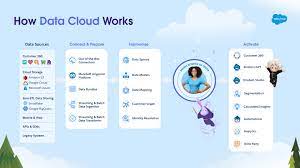
Agentic AI: Salesforce’s Vision for Smarter, More Efficient Government Services Transforming Public Sector Service Delivery with AI At the recent Agentforce World Tour in London, Kishan Chetan, Salesforce’s Global Service Cloud Lead, outlined how agentic AI is revolutionizing government operations—streamlining citizen services, reducing bureaucratic friction, and improving efficiency. The Challenge: Meeting Rising Citizen Expectations Citizens today expect fast, seamless, and personalized services—similar to what they experience with private sector giants like Amazon or Uber. Yet many government agencies struggle with:🔹 Complex, manual processes (e.g., DMV queues, permit approvals)🔹 Disjointed data silos (policy docs, case files, eligibility criteria)🔹 Overburdened staff (high administrative workloads leading to burnout) The Solution: Agentic AI + Unified Data Salesforce’s approach combines intelligent automation with harmonized data to: ✔ Automate Routine Tasks – License renewals, appointment scheduling, FAQs✔ Retrieve Policy & Eligibility Info Instantly – No more digging through PDFs✔ Proactively Notify Citizens – Alerts for deadlines, document submissions Real-World Impact: The Data Foundation: Zero-Copy Integration Why Traditional Systems Fail Most agencies store data across:📁 Legacy databases📝 Unstructured documents (PDFs, policies, case notes)🌐 External sources (press releases, regulatory updates) Problem: AI can’t work effectively with fragmented data. Salesforce Data Cloud: The Key to Smarter AI Salesforce’s “zero-copy” integration allows agencies to:🔹 Access data in real time without costly migrations🔹 Unify structured & unstructured sources (e.g., policy docs + CRM records)🔹 Power AI with context-aware insights “Government is knowledge-centric—you need to understand policies, eligibility, and case history. AI can’t do that without clean, connected data.”— Kishan Chetan, Salesforce Agentic AI in Action: Use Cases 1. Social Care Management 2. Grant & Permit Approvals 3. Citizen Self-Service 4. Policy Compliance The Human-AI Partnership Contrary to fears of job displacement, Chetan emphasized that agentic AI augments—not replaces—civil servants:✅ Frees up time for complex decision-making✅ Reduces burnout by automating repetitive tasks✅ Enhances service quality with 24/7 availability Example: Global Alignment with Digital Government Initiatives Salesforce’s strategy aligns with:🇬🇧 UK’s Blueprint for Digital Government – AI as a core enabler🇪🇺 EU’s Digital Decade – 100% online public services by 2030🇺🇸 US AI Executive Order – Modernizing federal workflows The Road Ahead 2025 Priorities for Public Sector AI:🚀 Expanding pre-built solutions (e.g., welfare eligibility engines)🤖 Multi-agent collaboration – AI systems coordinating across departments🔐 Ethical AI governance – Bias detection, transparency tools Bottom Line: Agentic AI is not just a tech upgrade—it’s a public trust accelerator. By delivering faster, fairer, and more transparent services, governments can rebuild citizen confidence in the digital age. 🔗 Explore Salesforce’s Public Sector AI Solutions🔗 Read Forrester’s Take on GovTech Trends “The future of government isn’t just digital—it’s intelligently autonomous.” Like Related Posts Who is Salesforce? Who is Salesforce? Here is their story in their own words. From our inception, we’ve proudly embraced the identity of Read more Salesforce Marketing Cloud Transactional Emails Salesforce Marketing Cloud Transactional Emails are immediate, automated, non-promotional messages crucial to business operations and customer satisfaction, such as order Read more Salesforce Unites Einstein Analytics with Financial CRM Salesforce has unveiled a comprehensive analytics solution tailored for wealth managers, home office professionals, and retail bankers, merging its Financial Read more AI-Driven Propensity Scores AI plays a crucial role in propensity score estimation as it can discern underlying patterns between treatments and confounding variables Read more