

Health Cloud Archives - gettectonic.com
health and life sciences

Why B2C Experience Platforms Are the Next Big Investment

The Digital Healthcare Revolution: Why B2C Experience Platforms Are the Next Big Investment The healthcare sector is in the midst of a digital transformation revolution, with Business-to-Consumer (B2C) Digital Experience Platforms (DXPs) emerging as the dominant force for positive patient outcomes. Projected to grow at a 13.9% CAGR through 2030, these platforms are redefining patient engagement through AI-powered personalization, IoT integration, and cloud-based interoperability. For investors, this represents a generational opportunity—particularly in market leaders Adobe (ADBE), Microsoft (MSFT), and Salesforce (CRM)—as healthcare shifts from facility-centric to patient-first digital ecosystems. But this is not an investing article. It is an insight based on growth potential of the top Digital Experience Platform players. Why B2C DXPs Are Disrupting Healthcare The traditional healthcare model—reactive, fragmented, and provider-controlled—is being replaced by on-demand, data-driven patient experiences. B2C DXPs sit at the center of this shift by offering: ✔ Hyper-personalized care journeys – AI-driven platforms like Innovaccer’s HXP and Salesforce Health Cloud deliver tailored treatment plans, automated medication adherence tools, and condition-specific education. ✔ Seamless wearables/IoT integration – Real-time data from smartwatches, glucose monitors, and remote patient monitoring (RPM) devices enable preventive care and reduce hospital readmissions. ✔ Unified patient portals – A single digital front door for EHR access, telehealth visits, billing, and provider messaging—reducing friction in care delivery. North America leads adoption, but Asia-Pacific is the fastest-growing market, fueled by aging populations and government telehealth investments. The Winning Formula: AI + Cloud Scalability The most successful DXPs combine AI/ML intelligence with cloud infrastructure—a segment already commanding 63.7% market share. Key advantages: 🔹 Cost efficiency – Pay-as-you-go cloud models eliminate legacy IT costs.🔹 Regulatory compliance – Built-in HIPAA/GDPR adherence ensures data security.🔹 Interoperability – Open APIs connect EHRs, wearables, and third-party apps seamlessly. Microsoft’s Azure Healthcare APIs and Salesforce Health Cloud are already powering AI-driven patient engagement at scale, while Adobe Experience Cloud dominates personalized content delivery. Salesforce (CRM) – The Patient Engagement Leader Risks & Mitigations ⚠ Regulatory complexity – HIPAA/GDPR compliance requires ongoing investment (mitigated by cloud providers’ built-in security).⚠ EHR fragmentation – Legacy systems may slow interoperability (offset by FHIR API adoption).⚠ Competition – Startups like Innovaccer are innovating quickly (but lack scale of MSFT, CRM, ADBE). Bottom Line: The Time to Act Is Now The .3B DXP healthcare market by 2030 is just the beginning. With telehealth adoption up 70% post-pandemic and 416M connected health devices expected by 2030, patient demand for seamless digital experiences will only accelerate. Adobe, Microsoft, and Salesforce are not just tech stocks—they’re the infrastructure of healthcare’s digital future. Health care payers and providers who recognize this shift early will capitalize on a decade of growth. Data: Vision Research Reports, Grand View Research, company filings. Like Related Posts Who is Salesforce? Who is Salesforce? Here is their story in their own words. From our inception, we’ve proudly embraced the identity of Read more Salesforce Marketing Cloud Transactional Emails Salesforce Marketing Cloud Transactional Emails are immediate, automated, non-promotional messages crucial to business operations and customer satisfaction, such as order Read more Salesforce Unites Einstein Analytics with Financial CRM Salesforce has unveiled a comprehensive analytics solution tailored for wealth managers, home office professionals, and retail bankers, merging its Financial Read more AI-Driven Propensity Scores AI plays a crucial role in propensity score estimation as it can discern underlying patterns between treatments and confounding variables Read more

Read More
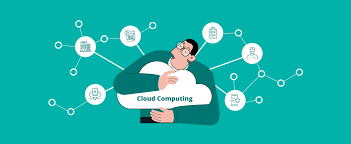
Healthcare Cloud Computing

How Salesforce Health Cloud is Transforming Modern Hospitals

The healthcare industry faces unprecedented challenges: delivering personalized patient care, maintaining strict compliance, and optimizing operational efficiency—all while managing complex data ecosystems. Salesforce Health Cloud has won as a leading solution, empowering hospitals to meet these demands through intelligent, integrated technology. Here’s why forward-thinking healthcare organizations are adopting Health Cloud—and how it’s reshaping hospital operations. 1. Personalized Patient Engagement Today’s patients expect seamless, consumer-grade experiences from their healthcare providers. Salesforce Health Cloud enables hospitals to:✔ Deliver mobile-responsive patient portals for easy access to records and appointments.✔ Automate personalized follow-ups (e.g., medication reminders, post-visit surveys).✔ Tailor communication based on patient history and preferences. Why it matters: Engaged patients adhere better to treatment plans and report higher satisfaction—key drivers of improved outcomes. 2. Seamless Care Team Coordination Fragmented care—where specialists, nurses, and administrators work in silos—leads to inefficiencies and errors. Health Cloud connects all stakeholders on a unified platform, enabling:✔ Real-time collaboration across departments.✔ Centralized patient histories (no more chasing down records).✔ Automated task assignments and progress tracking. Why it matters: Coordinated care reduces redundancies, improves accuracy, and elevates patient trust. 3. AI-Powered Decision-Making Health Cloud goes beyond data storage—it turns information into actionable intelligence with:✔ Real-time analytics on treatment outcomes, readmission risks, and patient satisfaction.✔ Predictive tools to identify high-risk patients before complications arise.✔ Custom dashboards for performance tracking at every level. Why it matters: Data-driven decisions lead to better resource allocation, fewer errors, and higher-quality care. 4. Unified Patient Data Management Hospitals juggle EHRs, lab systems, billing software, and more—often with no integration. Health Cloud consolidates all data into a single source of truth, offering:✔ A 360-degree patient view (medical history, appointments, insurance, social determinants of health).✔ Secure, instant access for authorized providers.✔ Reduced manual entry and duplicate records. Why it matters: Disjointed data causes delays and mistakes. Centralization improves efficiency and patient safety. 5. Built-In HIPAA Compliance & Security Healthcare data breaches cost millions and erode trust. Health Cloud provides:✔ Enterprise-grade encryption and access controls.✔ Audit trails for all data interactions.✔ Pre-configured HIPAA-compliant workflows. Why it matters: Compliance isn’t optional. Health Cloud protects sensitive data without sacrificing usability. 6. Scalability for Future Growth Whether expanding services, adding telehealth, or integrating new EHRs, Health Cloud adapts effortlessly thanks to:✔ Open APIs for seamless interoperability.✔ Modular design to add features as needs evolve.✔ Cloud-based flexibility to scale across locations. Why it matters: Healthcare never stands still. A future-proof system ensures long-term success. 7. Operational Efficiency & Cost Savings Administrative waste drains hospital resources. Health Cloud automates routine tasks, including:✔ Appointment scheduling and reminders.✔ Referral management and prior authorizations.✔ Case management workflows. Why it matters: Streamlined operations cut costs, reduce staff burnout, and improve patient throughput. The Bottom Line Salesforce Health Cloud isn’t just another IT tool—it’s a strategic asset that bridges the gap between patient care and operational excellence. Hospitals leveraging its full potential see:✅ Higher patient satisfaction (through personalized engagement).✅ Stronger care team alignment (breaking down silos).✅ Smarter decision-making (powered by AI and analytics).✅ Lower compliance risks (with built-in security). As healthcare evolves, the hospitals that thrive will be those that embrace connected, intelligent platforms like Health Cloud. The question isn’t if to adopt it—but how soon your organization can start reaping the benefits. Ready to transform your hospital’s operations? Salesforce Health Cloud is the proven solution for healthcare’s toughest challenges. Contact Tectonic to learn more. Like Related Posts Who is Salesforce? Who is Salesforce? Here is their story in their own words. From our inception, we’ve proudly embraced the identity of Read more Salesforce Marketing Cloud Transactional Emails Salesforce Marketing Cloud Transactional Emails are immediate, automated, non-promotional messages crucial to business operations and customer satisfaction, such as order Read more Salesforce Unites Einstein Analytics with Financial CRM Salesforce has unveiled a comprehensive analytics solution tailored for wealth managers, home office professionals, and retail bankers, merging its Financial Read more AI-Driven Propensity Scores AI plays a crucial role in propensity score estimation as it can discern underlying patterns between treatments and confounding variables Read more
Read More
Analytics tools like Einstein Analytics can identify patterns and trends in patient data, helping healthcare providers optimize workflows and improve the effectiveness of care delivery.

Zulekha Healthcare Group Accelerates Digital Transformation with Salesforce

Dubai, UAE – Zulekha Healthcare Group, one of the UAE’s largest private healthcare networks, is taking a major leap in digital innovation by adopting Salesforce Health Cloud and Marketing Cloud to enhance patient care and operational efficiency. A Legacy of Healthcare Excellence Founded in 1964, Zulekha Healthcare Group operates:🏥 Two multidisciplinary hospitals (Dubai & Sharjah)🏨 Two medical centers & five pharmacies⚕️ 285+ beds, 300+ doctors, and 600+ nursing staff🩺 30+ specialized medical disciplines The group also runs a smart medical fitness center, offering visa-related health assessments, vaccinations, and occupational health certifications—serving both residents and visitors in the UAE. Why Salesforce? Driving the Future of Patient-Centric Care With ambitious expansion plans, Zulekha sought a scalable, AI-powered CRM to: ✔ Unify patient data – Consolidating interactions from in-person visits, calls, emails, and messaging into a single 360° patient profile✔ Enhance engagement – Delivering personalized, automated communications via Marketing Cloud✔ Reduce missed appointments – Improving adherence to care plans through smarter scheduling and reminders✔ Boost operational efficiency – Streamlining workflows by integrating with existing ERP & EMR systems Leadership Perspectives: A Digital-First Vision Taher Shams, Managing Director, Zulekha Healthcare Group, emphasized: “Our mission is to make healthcare more accessible through innovation. Salesforce’s AI-driven solutions will help us elevate patient experiences, optimize operations, and reinforce our commitment to the UAE’s healthcare leadership.” Amit Khanna, SVP & GM, Salesforce Health, added: “Personalized care starts with deeper patient insights. We’re proud to partner with Zulekha and explore how AI can further enhance engagement and treatment outcomes.” The Road Ahead: AI, Growth & Seamless Care The integration positions Zulekha to leverage predictive analytics, automation, and AI—paving the way for:🔹 Smarter patient outreach🔹 Data-driven treatment plans🔹 Expansion across the UAE By embracing cloud-based, intelligent healthcare, Zulekha is setting a new standard for patient-first, digitally empowered care in the region. About Zulekha Healthcare GroupA pioneer in UAE healthcare, Zulekha Healthcare Group has served communities for nearly 60 years, offering specialized treatments, cutting-edge technology, and compassionate care across its network. Like Related Posts Who is Salesforce? Who is Salesforce? Here is their story in their own words. From our inception, we’ve proudly embraced the identity of Read more Salesforce Marketing Cloud Transactional Emails Salesforce Marketing Cloud Transactional Emails are immediate, automated, non-promotional messages crucial to business operations and customer satisfaction, such as order Read more Salesforce Unites Einstein Analytics with Financial CRM Salesforce has unveiled a comprehensive analytics solution tailored for wealth managers, home office professionals, and retail bankers, merging its Financial Read more AI-Driven Propensity Scores AI plays a crucial role in propensity score estimation as it can discern underlying patterns between treatments and confounding variables Read more
Read More
Analytics tools like Einstein Analytics can identify patterns and trends in patient data, helping healthcare providers optimize workflows and improve the effectiveness of care delivery.

Healthcare Payers Turn to Data Analytics for Cost Savings and Improved Outcomes

Facing persistent financial and staffing pressures, healthcare payers are increasingly adopting data analytics platforms to streamline operations, reduce costs, and enhance member outcomes. A new April 2025 report from KLAS Research offers its first evaluation of payer experiences with these solutions, highlighting key vendors and emerging trends. The Growing Role of Data Analytics in Payer Operations With healthcare organizations under constant pressure to improve efficiency and decision-making, data analytics tools provide critical visibility into claims data, utilization patterns, and financial performance. These platforms enable payers to: While KLAS’ research in this space is still evolving, the initial report assesses three leading vendors, with plans to expand coverage as more data becomes available. Key Vendor Performances 1. MedInsight – Best in KLAS 2025 (Score: 85.8) 2. MedeAnalytics (Score: 87.1) 3. Clarify Health Solutions 4. Salesforce Health Cloud Looking Ahead: Expanding the Vendor Landscape Additional players like CareJourney (acquired by Arcadia in 2024), Cedar Gate Technologies, and Cognizant are expected to be evaluated in future KLAS reports as more performance data emerges. The Bottom Line As payers seek greater efficiency and data-driven decision-making, analytics platforms are becoming indispensable. While MedInsight and MedeAnalytics lead in early adoption, the competitive landscape is still evolving—making future KLAS insights critical for payer organizations evaluating their options. Next Steps: With the right analytics partner, payers can unlock cost savings, operational efficiencies, and better member outcomes—key priorities in today’s challenging healthcare environment. Like Related Posts Who is Salesforce? Who is Salesforce? Here is their story in their own words. From our inception, we’ve proudly embraced the identity of Read more Salesforce Marketing Cloud Transactional Emails Salesforce Marketing Cloud Transactional Emails are immediate, automated, non-promotional messages crucial to business operations and customer satisfaction, such as order Read more Salesforce Unites Einstein Analytics with Financial CRM Salesforce has unveiled a comprehensive analytics solution tailored for wealth managers, home office professionals, and retail bankers, merging its Financial Read more AI-Driven Propensity Scores AI plays a crucial role in propensity score estimation as it can discern underlying patterns between treatments and confounding variables Read more
Read More
Salesforce Health Cloud

How Salesforce Health Cloud’s 360-Degree CRM View Enhances EHR Performance

Salesforce Health Cloud is a powerful Customer Relationship Management (CRM) platform designed for healthcare, offering a comprehensive 360-degree view of patient data. By consolidating medical records, test results, and insurance details from multiple sources, it bridges the gap between clinical and non-clinical information in real time—empowering providers with actionable insights. Recent studies highlight the impact of healthcare CRM solutions: With AI-driven predictive analytics and seamless EHR integration, Salesforce Health Cloud is transforming care coordination. By eliminating data silos, streamlining workflows, and boosting patient engagement, it enhances EHR performance, clinical outcomes, and operational efficiency. In this insight, we explore how Salesforce Health Cloud’s 360-degree CRM view elevates EHR capabilities. Understanding EHRs and Healthcare CRMs What Are EHRs? Electronic Health Records (EHRs) are digital versions of patient charts, providing real-time access to authorized users. Unlike traditional paper records, EHRs enable seamless data sharing across: What Are Healthcare CRMs? Healthcare Customer Relationship Management (CRM) systems focus on patient engagement, care coordination, and experience optimization. Key features include: How a 360-Degree CRM View Boosts EHR Performance 1. Enhanced Data Integration & Visibility A 360-degree CRM view unifies clinical, administrative, financial, and patient interaction data into a single platform. This integration: 2. Optimized Operational Efficiency By integrating CRM data directly into EHRs, healthcare organizations can: 3. Personalized Patient Engagement A holistic CRM view helps providers understand each patient’s: This enables: 4. AI-Powered Actionable Insights Integrating AI and machine learning with a 360-degree CRM view allows: Tectonic’s Salesforce Health Cloud Solution Tectonic delivers customized Salesforce Health Cloud solutions to maximize efficiency, patient outcomes, and workflow optimization. Our expertise includes: ✔ Custom implementation tailored to your organization’s needs✔ Seamless integration with EHRs, billing systems, and patient engagement tools✔ Comprehensive training to empower care teams✔ Ongoing support for updates, performance tuning, and troubleshooting With Tectonic, unlock the full potential of Salesforce Health Cloud—transforming patient care and operational excellence. Ready to enhance your EHR performance? Let’s connect!  Like Related Posts Who is Salesforce? Who is Salesforce? Here is their story in their own words. From our inception, we’ve proudly embraced the identity of Read more Salesforce Marketing Cloud Transactional Emails Salesforce Marketing Cloud Transactional Emails are immediate, automated, non-promotional messages crucial to business operations and customer satisfaction, such as order Read more Salesforce Unites Einstein Analytics with Financial CRM Salesforce has unveiled a comprehensive analytics solution tailored for wealth managers, home office professionals, and retail bankers, merging its Financial Read more AI-Driven Propensity Scores AI plays a crucial role in propensity score estimation as it can discern underlying patterns between treatments and confounding variables Read more

Read More
Dementia Care and Telemedicine

Dementia Care and Telemedicine

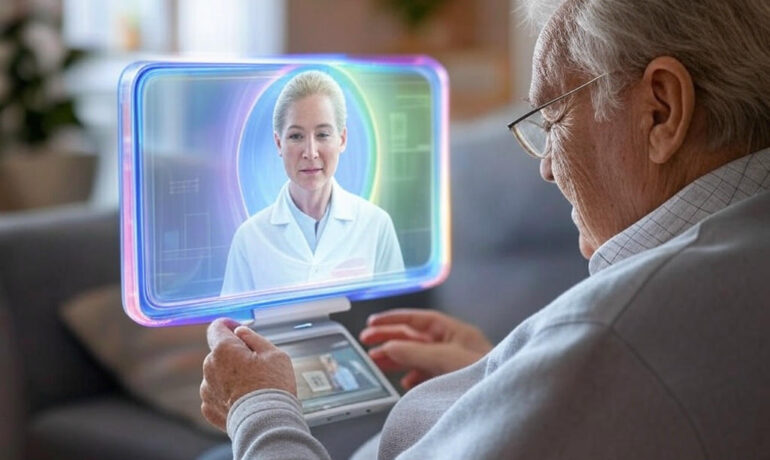
How 3 Health Systems Are Leveraging Telemedicine for Dementia Care Telemedicine is expanding access to dementia care, particularly for rural and elderly patients, though challenges like technology barriers and sustainability remain. Dementia—an umbrella term for cognitive and memory disorders—affects millions of Americans directly and indirectly. By 2060, nearly 1 million people in the U.S. are projected to develop dementia. While no cure exists, the growing prevalence underscores the need for accessible and effective care solutions. Telehealth has emerged as a critical tool in meeting this demand. The rapid adoption of virtual care during the COVID-19 pandemic transformed dementia care delivery. A 2024 study found that telehealth use surged among dementia patients, particularly those with long travel distances to clinics and the oldest age groups. For health systems like the University of Mississippi Medical Center (UMMC), telemedicine has been a game-changer. “COVID-19 changed things almost overnight,” said Dr. Kim Tarver, associate professor of medicine and director of clinical services at UMMC’s MIND Center. “We have patients who travel three hours to see us. Being able to communicate without requiring a clinic visit every time is incredibly helpful.” UMMC is among several health systems integrating telehealth into dementia care, though challenges like technology access and financial sustainability persist. Telehealth’s Role in Dementia Care: Benefits and Applications Dementia care is uniquely suited for telehealth. Virtual visits allow for evaluations, treatment adjustments, and follow-ups while offering privacy and flexibility that in-person visits cannot. At UMMC, clinicians conduct cognitive assessments like the Montreal Cognitive Assessment (MoCA) remotely. A nurse guides patients through the test via screen-sharing, while caregivers assist with physical exam components when needed. “I’ll ask the caregiver to perform parts of the exam, like cerebellar function tests, while I observe via video,” Tarver explained. Though in-person visits are still used for verification, virtual assessments have proven comparably accurate. Telemedicine also enables family members to discuss concerns privately—especially valuable when patients are unaware of or resistant to acknowledging their condition. Extending Dementia Care Through Virtual Workforce Solutions Health systems are also using telehealth to expand their dementia care workforce. At the University of California, San Francisco (UCSF), unlicensed but trained care navigators support families, handling routine assessments and triaging complex cases to specialists. “Navigators manage caseloads of families, consulting licensed experts only when needed,” said Dr. Katherine Possin, a neurology professor at UCSF. “This extends the reach of our limited dementia specialist workforce.” Similarly, Banner Health’s Dementia Care Partners program employs health coaches (Certified Nursing Assistants) to conduct initial assessments and provide ongoing support, reducing clinician workload. “If I train 30 people who each support 3,000 patients, the impact multiplies rapidly,” said Dr. Ganesh Gopalakrishna of Banner Alzheimer’s Institute. Banner also uses Project ECHO, a telehealth-based training model, to educate community providers—from physicians to elder care attorneys—on dementia care best practices. Overcoming Telehealth Challenges in Dementia Care Despite its benefits, implementing telehealth in dementia care presents hurdles: The Future of Telehealth in Dementia Care Despite obstacles, providers see immense value in virtual dementia care—reducing caregiver burden, preventing unnecessary hospitalizations, and improving patients’ quality of life. “I hope telehealth becomes the standard of care,” Possin said. As health systems refine their approaches, telemedicine promises to play an increasingly vital role in dementia care—bridging gaps in access and delivering support to patients and families when they need it most. Tectonic can help you transform telehealth in your organization. Contact us today. Like Related Posts Who is Salesforce? Who is Salesforce? Here is their story in their own words. From our inception, we’ve proudly embraced the identity of Read more Salesforce Marketing Cloud Transactional Emails Salesforce Marketing Cloud Transactional Emails are immediate, automated, non-promotional messages crucial to business operations and customer satisfaction, such as order Read more Salesforce Unites Einstein Analytics with Financial CRM Salesforce has unveiled a comprehensive analytics solution tailored for wealth managers, home office professionals, and retail bankers, merging its Financial Read more AI-Driven Propensity Scores AI plays a crucial role in propensity score estimation as it can discern underlying patterns between treatments and confounding variables Read more

Read More
AI-Driven Healthcare

The Future of Healthcare is Digital

Transforming Healthcare with Salesforce Health Cloud In our rapidly evolving healthcare world, digital transformation is no longer optional—it’s essential. Healthcare organizations must leverage innovative solutions to improve patient outcomes, streamline operations, and drive financial growth. Salesforce Health Cloud empowers providers, payers, and life sciences companies to deliver personalized, connected, and data-driven care. The Urgency of Digital Transformation in Healthcare Healthcare organizations face increasing pressure from regulatory requirements, patient expectations for seamless digital experiences, and operational inefficiencies. Traditional systems are often fragmented, making it difficult to provide a unified patient experience. Salesforce Health Cloud addresses these challenges by enhancing communication, centralizing data, and optimizing workflows. Key Benefits of Salesforce Health Cloud ✅ Enhanced Patient EngagementPatients expect convenience, transparency, and personalization. Health Cloud delivers seamless communication through patient portals, automated reminders, and AI-driven insights—leading to higher engagement and improved adherence to treatment plans. ✅ 360-Degree Patient ViewBy integrating data from electronic health records (EHRs), wearable devices, and other sources, Health Cloud provides a unified patient profile. This empowers providers and payers to make data-driven decisions that improve both clinical and business outcomes. ✅ Operational Efficiency & Cost ReductionHealth Cloud automates workflows, reduces redundancies, and improves productivity by integrating clinical, operational, and administrative processes. Real-time collaboration enhances care coordination across teams and organizations. ✅ AI-Powered Insights for Better Decision-MakingWith AI-driven analytics and predictive insights, healthcare organizations can identify at-risk populations, optimize resource allocation, and enhance population health management. Salesforce Einstein AI helps forecast trends and personalize care recommendations. ✅ Interoperability & Regulatory ComplianceNavigating complex healthcare regulations is easier with Health Cloud’s secure architecture, ensuring compliance while enabling seamless data exchange between systems and stakeholders. Why Healthcare Organizations Should Adopt Health Cloud Investing in digital transformation provides a competitive advantage by improving patient satisfaction, reducing operational costs, and driving better health outcomes. Salesforce Health Cloud enables organizations to future-proof their operations, boost revenue, and implement a seamless, value-based care model. Use Cases of Salesforce Health Cloud 🏥 Health Insurers – Improve member engagement, claims processing, and care management to enhance efficiency and reduce costs. 🏥 Hospitals & Health Systems – Streamline care coordination, minimize readmissions, and enhance patient experiences with personalized care plans. 🏥 Home Healthcare & Telemedicine – Enable remote patient monitoring and virtual care, improving accessibility while reducing hospital visits. 🏥 Life Sciences Companies – Accelerate drug development, streamline clinical trials, and enhance collaboration with providers and patients. The Future of Healthcare is Digital Salesforce Health Cloud is at the forefront of healthcare’s digital revolution. By leveraging AI, automation, and seamless integrations, healthcare leaders can improve patient experiences, drive operational efficiency, and ensure long-term success. Now is the time to embrace a data-driven approach to healthcare management. Like Related Posts Who is Salesforce? Who is Salesforce? Here is their story in their own words. From our inception, we’ve proudly embraced the identity of Read more Salesforce Marketing Cloud Transactional Emails Salesforce Marketing Cloud Transactional Emails are immediate, automated, non-promotional messages crucial to business operations and customer satisfaction, such as order Read more Salesforce Unites Einstein Analytics with Financial CRM Salesforce has unveiled a comprehensive analytics solution tailored for wealth managers, home office professionals, and retail bankers, merging its Financial Read more AI-Driven Propensity Scores AI plays a crucial role in propensity score estimation as it can discern underlying patterns between treatments and confounding variables Read more

Read More
Empowering Patient Self-Service with Salesforce

Empowering Patient Self-Service with Salesforce

Artificial intelligence is transforming healthcare, particularly in self-service solutions. However, innovation alone isn’t enough—hospitals must navigate compliance, integration, and security challenges to implement practical solutions. Let’s explore how Salesforce streamlines patient self-service while addressing these complexities. The Evolution of Self-Service in Healthcare Think about the last time you used self-checkout at a grocery store or booked a flight without speaking to an agent. Self-service isn’t just an option anymore; it’s an expectation—especially through chatbots and AI-powered agents. Healthcare is no different. Patients want to schedule appointments, check lab results, and pay bills without making a phone call. Self-service is faster, more convenient, and gives patients control over their healthcare experience. The Challenge: Overcoming Barriers to Patient Self-Service Despite its advantages, many hospitals hesitate to implement self-service tools. The reason? Healthcare presents unique challenges that standard self-service platforms aren’t equipped to handle. Integration Roadblocks Patients seek answers to various questions: Why was I charged for this? What does my lab result mean? When is my next appointment? The information needed to answer these questions is scattered across electronic health records (EHRs), billing systems, and scheduling tools. Without seamless integration, self-service solutions either provide limited responses or inaccurate information—leading to frustration and potential health risks. Compliance Challenges Healthcare is one of the most tightly regulated industries, and self-service platforms handle sensitive data such as medical records and payment details. To be viable, they must meet stringent standards, including HIPAA compliance, data encryption, authentication protocols, and audit requirements. Many general self-service solutions fail to meet these regulatory requirements, making legal teams hesitant to adopt them. Safety Concerns AI-generated errors, or hallucinations, pose significant risks in healthcare. Unlike retail—where a mistake may result in an incorrect product recommendation—errors in healthcare can lead to misdiagnoses, incorrect medications, or improper treatments. Patients trust hospital-affiliated chatbots, and any misinformation can have serious consequences. Without proper safeguards, self-service tools in healthcare present a risk hospitals cannot afford to take. The Solution: Salesforce for Patient Self-Service Salesforce offers a connected suite of solutions that address integration, compliance, and safety concerns, making patient self-service a reality. The key components include Health Cloud, Experience Cloud, and Agentforce, which work together to create a seamless and secure patient experience. Health Cloud: The Integration Engine Health Cloud unifies data from EHRs, billing systems, and scheduling tools to create a single patient profile. This enables patients to access their medical history, prescriptions, lab results, and appointments through a single interface—eliminating data silos and improving accessibility. Experience Cloud: The Patient Portal Experience Cloud provides an authenticated hub where patients can schedule appointments, access records, and make payments. It integrates with Health Cloud to deliver a personalized experience based on a patient’s medical history and preferences. This enables proactive healthcare management, including appointment reminders and tailored educational content. Agentforce: AI-Powered Assistance with Human Oversight Agentforce enhances patient interactions by handling complex inquiries without requiring cumbersome menu navigation. Unlike traditional chatbots, Agentforce offers human oversight—support agents can step in during a conversation or escalate interactions via phone or email. With access to unified patient profiles, agents can provide personalized support based on a patient’s health history. The Results: A Better Patient Experience By leveraging Salesforce, hospitals can overcome self-service challenges while enhancing patient engagement. The benefits include: Patient self-service is no longer a futuristic vision—it’s a necessity. With Salesforce, hospitals can implement solutions that are not only possible but practical, ensuring compliance, security, and a superior patient experience. Content updated March 2025. Like Related Posts Who is Salesforce? Who is Salesforce? Here is their story in their own words. From our inception, we’ve proudly embraced the identity of Read more Salesforce Marketing Cloud Transactional Emails Salesforce Marketing Cloud Transactional Emails are immediate, automated, non-promotional messages crucial to business operations and customer satisfaction, such as order Read more Salesforce Unites Einstein Analytics with Financial CRM Salesforce has unveiled a comprehensive analytics solution tailored for wealth managers, home office professionals, and retail bankers, merging its Financial Read more AI-Driven Propensity Scores AI plays a crucial role in propensity score estimation as it can discern underlying patterns between treatments and confounding variables Read more

Read More
Analytics tools like Einstein Analytics can identify patterns and trends in patient data, helping healthcare providers optimize workflows and improve the effectiveness of care delivery.

Clinical Data Management for Research Studies

Streamlined Patient Data Tracking for Clinical Trials Enhance your research study management by integrating comprehensive clinical data directly into participant records. This functionality provides study coordinators with immediate access to critical medical information while maintaining strict compliance standards. Key Benefits Implementation Requirements System Configuration Requirement Details Edition Lightning Experience License Enterprise/Unlimited with:• Life Sciences Cloud or• Health Cloud + Participant Enrollment Add-On Permissions • Clinical Trial Manager (full access)• Clinical Trial Coordinator (view/add) Clinical Data Objects Overview Organize patient medical information using these standardized objects: Core Patient Data Medication Tracking Medical History Observational Data Step-by-Step: Adding Clinical Data Advanced Integration Features Automated Processing Clinical data automatically feeds into: Cross-Functional Visibility Best Practices “Proper clinical data management reduces participant screening time by 40% while improving study compliance.”— Journal of Clinical Research, 2023 Like Related Posts Who is Salesforce? Who is Salesforce? Here is their story in their own words. From our inception, we’ve proudly embraced the identity of Read more Salesforce Unites Einstein Analytics with Financial CRM Salesforce has unveiled a comprehensive analytics solution tailored for wealth managers, home office professionals, and retail bankers, merging its Financial Read more AI-Driven Propensity Scores AI plays a crucial role in propensity score estimation as it can discern underlying patterns between treatments and confounding variables Read more Tectonic’s Successful Salesforce Track Record Salesforce Technology Services Integrator – Tectonic has successfully delivered Salesforce in a variety of industries including Public Sector, Hospitality, Manufacturing, Read more

Read More
Account Planning With Salesforce

CRM Analytics Limits

When using CRM Analytics, keep these limits in mind. API Call Limits These limits apply to all supported editions. API Call Limit Maximum concurrent CRM Analytics API calls per org 100 Maximum CRM Analytics API calls per user per hour 10,000 Dataset Row Storage Allocations per License In Salesforce org, your total row storage limit for all registered datasets combined depends on your license combination. Each license allocates a different number of rows. Baseline Row Allocation Allocated Rows CRM Analytics Plus 10 billion CRM Analytics Growth 100 million Sales Analytics 25 million Service Analytics 25 million Event Monitoring Analytics 50 million B2B Marketing Analytics 25 million CRM Analytics for Financial Services Cloud 25 million CRM Analytics for Health Cloud 25 million Extra Data Rows license 100 million Your total row storage limit is a combination of your active licenses. For example: Because the CRM Analytics Plus license includes the Sales Analytics and Service Analytics licenses, your total row allocation remains 10 billion. Similarly, the CRM Analytics Growth license includes the Sales Analytics and the Service Analytics licenses, so your total row allocation remains 100 million. However, if you obtain another Sales Analytics or Services Analytics license, your row limit increases by 25 million for each added license. Dataset Row Limits Each dataset supports up to 2 billion rows. If your Salesforce org has less than 2 billion allocated rows, each dataset supports up to your org’s allocated rows. Dataset Field Limits Value Limit Maximum number of fields in a dataset 5,000 (including up to 1,000 date fields) Maximum number of decimal places for each value in a numeric field in a dataset (overflow limit) 17 decimal placesWhen a value exceeds the maximum number of decimal places, it overflows. Both 100,000,000,000,000,000 and 10,000,000,000,000,000.0 overflow because they use more than 17 decimal places. A number also overflows if it’s greater (or less) than the maximum (or minimum) supported value. 36,028,797,018,963,968 overflows because its value is greater than 36,028,797,018,963,967. -36,028,797,018,963,968 overflows because it’s less than -36,028,797,018,963,967.When a number overflows, the resulting behavior in CRM Analytics is unpredictable. Sometimes CRM Analytics throws an error. Sometimes it replaces a numeric value with a null value. And sometimes mathematical calculations, such as sums or averages, return incorrect results. Occasionally, CRM Analytics handles numbers up to 19 digits without overflowing because they are within the maximum value for a 64-bit signed integer (263 – 1). But numbers of these lengths aren’t guaranteed to process.As a best practice, stick with numbers that are 17 decimal places or fewer. If numbers that would overflow are necessary, setting lower precision and scale on the dataset containing the large numbers sometimes prevents overflow. If your org hasn’t enabled the handling of numeric values, the maximum number of decimal places for each value in a numeric field in a dataset is 16. All orgs created after Spring ’17 have Null Measure Handling enabled. Maximum value for each numeric field in a dataset, including decimal places 36,028,797,018,963,967For example, if three decimal places are used, the maximum value is 36,028,797,018,963.967 Minimum value for each numeric field in a dataset, including decimal places -36,028,797,018,963,968For example, if five decimal places are used, the minimum value is -36,028,797,018,9.63968 Maximum number of characters in a field 32,000 Data Sync Limits If you extract more than 100 objects in your dataflows, contact Salesforce Customer Support before you enable data sync. Value Limit Maximum number of concurrent data sync runs 3 Maximum number of objects that can be enabled for data sync, including local and remote objects 100 Maximum amount of time each data sync job can run for local objects 24 hours Maximum amount of time each data sync job can run for remote objects 12 hours Data sync limits for each job:Marketo Connector (Beta)NetSuite ConnectorZendesk Connector Up to 100,000 rows or 500 MB per object, whichever limit is reached first Data sync limits for each job:Amazon Athena ConnectorAWS RDS Oracle ConnectorDatabricks ConnectorGoogle Analytics ConnectorGoogle Analytics Core Reporting V4 ConnectorOracle Eloqua ConnectorSAP HANA Cloud ConnectorSAP HANA Connector Up to 10 million rows or 5 GB per object, whichever limit is reached first Data sync limits for each job*:AWS RDS Aurora MySQL ConnectorAWS RDS Aurora PostgresSQL ConnectorAWS RDS MariaDB ConnectorAWS RDS MySQL ConnectorAWS RDS PostgreSQL ConnectorAWS RDS SQL Server ConnectorGoogle Cloud Spanner ConnectorMicrosoft Azure Synapse Analytics ConnectorMicrosoft Dynamics CRM ConnectorSalesforce External ConnectorSalesforce Contacts Connector for Marketing Cloud EngagementSalesforce OAuth 2.0 Connector for Marketing Cloud Engagement Up to 20 million rows or 10 GB per object, whichever limit is reached first Data sync limits for each job*:Amazon Redshift ConnectorAmazon S3 ConnectorCustomer 360 Global Profile Data Connector (Beta)Google BigQuery for Legacy SQL ConnectorGoogle BigQuery Standard SQL ConnectorHeroku Postgres ConnectorMicrosoft Azure SQL Database ConnectorSnowflake Input Connector Up to 100 million rows or 50 GB per object, whichever limit is reached first *When using these connectors, Salesforce Government Cloud org data is protected in transit with advanced encryption and can sync up to 10 million rows or 5 GB for each connected object, whichever limit is reached first. Note When using a Salesforce local input connection, CRM Analytics bulk API usage doesn’t count towards Salesforce bulk API limits. Use of the external Salesforce connection and output connection impacts your limits. The dataflow submits a separate bulk API call to extract data from each Salesforce object. The dataflow uses a batch size of 100,000–250,000, depending on whether the dataflow or the bulk API chunks the data. As a result, to extract 1 million rows from an object, the dataflow creates 4–10 batches. Recipe and Dataflow Limits Important In Winter ‘24, recipe runs over 2 minutes are counted against the limit. Previously, the recipe run counts weren’t correct. For more information, see Known Issue – Recipe runs are not counting towards the daily maximum run limit. Value Limit Maximum amount of time each recipe or dataflow can run 48 hours Maximum number of recipes 1,000 Maximum number of dataflows definitions (with data sync enabled) 100 Maximum number of dataflow and recipe runs in a rolling

Read More
process mining salesforce

Unlocking Salesforce Efficiency with Process Mining

The Hidden Power of Your Event Data Every click, field update, and approval in Salesforce leaves a digital footprint. Process mining transforms these breadcrumbs into actionable intelligence, revealing how your organization actually operates versus how you think it operates. Why Leading Enterprises Are Adopting Process Mining How Process Mining Revolutionizes Salesforce 1. Process X-Ray Vision Example: A medical device company discovered their quote approval process had 37 variations, with 68% bypassing compliance checks. 2. AI-Driven Optimization Engine Modern tools like Celonis and Hubbl don’t just diagnose—they prescribe: 3. Closed-Loop Improvement Top Process Mining Solutions for Salesforce Tool Key Strength Best For Celonis Enterprise-scale process intelligence Global deployments Hubbl Native Salesforce integration with AI nudges User adoption Apromore Open-source customization Technical teams Processity Compliance-focused analytics Healthcare/Finance Transformational Use Cases Sales Operations Service Cloud Health Cloud Implementation Roadmap “Process mining is like putting your Salesforce org under an MRI—you finally see all the blockages and irregularities that were invisible before.”— VP of Business Systems, Fortune 500 Tech Company Like Related Posts Who is Salesforce? Who is Salesforce? Here is their story in their own words. From our inception, we’ve proudly embraced the identity of Read more Salesforce Marketing Cloud Transactional Emails Salesforce Marketing Cloud Transactional Emails are immediate, automated, non-promotional messages crucial to business operations and customer satisfaction, such as order Read more Salesforce Unites Einstein Analytics with Financial CRM Salesforce has unveiled a comprehensive analytics solution tailored for wealth managers, home office professionals, and retail bankers, merging its Financial Read more AI-Driven Propensity Scores AI plays a crucial role in propensity score estimation as it can discern underlying patterns between treatments and confounding variables Read more
Read More
Salesforce Health Cloud

12 Transformative Benefits of Salesforce Health Cloud for Healthcare Organizations

Why Health Cloud Leads the Healthcare CRM Market Recognized as the #1 healthcare CRM by KLAS and Forrester, Salesforce Health Cloud is revolutionizing how providers, payers, biotech/pharma, and medical device companies deliver care and manage operations. This powerful platform unifies patient data, streamlines workflows, and enables personalized engagement at scale. Key Advantages by Healthcare Sector For Healthcare Providers For Health Plans & Payers For Biotech & Pharmaceutical Companies For Medical Device Companies Implementation Success Factors Critical Capabilities ROI Drivers ✅ 30% faster care coordination✅ 25% improvement in patient adherence✅ 40% reduction in manual data entry Why Partner with Tectonic? As a certified Salesforce partner with deep healthcare expertise, Tectonic helps organizations: “Health Cloud users report 125% ROI through reduced administrative costs and improved patient outcomes.” – Forrester TEI Study Ready to transform your healthcare operations?Contact us today! Elevate patient care, streamline operations, and drive growth with the healthcare CRM leader—powered by Tectonic’s implementation excellence. Like Related Posts Who is Salesforce? Who is Salesforce? Here is their story in their own words. From our inception, we’ve proudly embraced the identity of Read more Salesforce Marketing Cloud Transactional Emails Salesforce Marketing Cloud Transactional Emails are immediate, automated, non-promotional messages crucial to business operations and customer satisfaction, such as order Read more Salesforce Unites Einstein Analytics with Financial CRM Salesforce has unveiled a comprehensive analytics solution tailored for wealth managers, home office professionals, and retail bankers, merging its Financial Read more AI-Driven Propensity Scores AI plays a crucial role in propensity score estimation as it can discern underlying patterns between treatments and confounding variables Read more

Read More
Salesforce Health Cloud

Salesforce Health Cloud Information

Since its inception in 2016, Salesforce Health Cloud has evolved significantly, adapting to the intricacies of the sensitive and dynamic health industry. The latest addition to its offerings, Customer 360 for Health, represents a strategic move towards more empathetic care, bolstering patient trust and fostering team collaboration.

Read More
gettectonic.com