Implementation Archives - gettectonic.com - Page 10
Salesforce Marketing Cloud Personalization

AI and Marketing Personalization

AI Personalization Marketing: The Future of Customized Advertising Artificial intelligence (AI) is revolutionizing advertising by replacing generic mass marketing campaigns with highly targeted and relevant ads personalized through AI technology. Advanced AI and machine learning capabilities enable businesses to tailor and optimize marketing messages at scale. By leveraging extensive data insights, AI empowers businesses to understand customer needs and preferences on a personal level, allowing for customized messages and recommendations throughout the buyer’s journey. 5 Benefits of AI Personalization in Marketing Practical Applications of AI-Based Personalization in Marketing AI significantly enhances marketing effectiveness by analyzing extensive customer data to inform targeted campaigns. According to Babak Hodjat, CTO of Cognizant, integrating AI with business data empowers decision-making and drives key performance indicators. Explore more insights from Babak Hodjat in eWeek’s interview on AI’s transformative impact on marketing. AI-Powered Tools for Enhanced Personalization Challenges and Considerations for AI Personalization Implementation Implementing AI personalization presents challenges such as costs, ethical concerns, and data privacy considerations. Businesses must ensure transparent data practices and compliance with regulations like GDPR and CCPA to mitigate risks associated with data security and bias in AI algorithms. Best Practices for Effective AI Personalization Marketing Successful AI personalization strategies begin with clearly defined goals, ethical data practices, and the strategic use of AI tools to optimize marketing efforts. Regular monitoring and refinement based on data-driven insights ensure continuous improvement in campaign effectiveness and customer engagement. Conclusion AI personalization is reshaping marketing by delivering tailored experiences that drive customer engagement and business growth. Strategic implementation of AI tools enables marketers to unlock new levels of personalization while navigating ethical considerations and regulatory requirements. Embracing AI in marketing empowers brands to connect with customers on a deeper level, fostering loyalty and driving sustainable business success. Like Related Posts Who is Salesforce? Who is Salesforce? Here is their story in their own words. From our inception, we’ve proudly embraced the identity of Read more Salesforce Marketing Cloud Transactional Emails Salesforce Marketing Cloud Transactional Emails are immediate, automated, non-promotional messages crucial to business operations and customer satisfaction, such as order Read more Salesforce Unites Einstein Analytics with Financial CRM Salesforce has unveiled a comprehensive analytics solution tailored for wealth managers, home office professionals, and retail bankers, merging its Financial Read more AI-Driven Propensity Scores AI plays a crucial role in propensity score estimation as it can discern underlying patterns between treatments and confounding variables Read more

Read More
process mining salesforce

Unlocking Salesforce Efficiency with Process Mining

The Hidden Power of Your Event Data Every click, field update, and approval in Salesforce leaves a digital footprint. Process mining transforms these breadcrumbs into actionable intelligence, revealing how your organization actually operates versus how you think it operates. Why Leading Enterprises Are Adopting Process Mining How Process Mining Revolutionizes Salesforce 1. Process X-Ray Vision Example: A medical device company discovered their quote approval process had 37 variations, with 68% bypassing compliance checks. 2. AI-Driven Optimization Engine Modern tools like Celonis and Hubbl don’t just diagnose—they prescribe: 3. Closed-Loop Improvement Top Process Mining Solutions for Salesforce Tool Key Strength Best For Celonis Enterprise-scale process intelligence Global deployments Hubbl Native Salesforce integration with AI nudges User adoption Apromore Open-source customization Technical teams Processity Compliance-focused analytics Healthcare/Finance Transformational Use Cases Sales Operations Service Cloud Health Cloud Implementation Roadmap “Process mining is like putting your Salesforce org under an MRI—you finally see all the blockages and irregularities that were invisible before.”— VP of Business Systems, Fortune 500 Tech Company Like Related Posts Who is Salesforce? Who is Salesforce? Here is their story in their own words. From our inception, we’ve proudly embraced the identity of Read more Salesforce Marketing Cloud Transactional Emails Salesforce Marketing Cloud Transactional Emails are immediate, automated, non-promotional messages crucial to business operations and customer satisfaction, such as order Read more Salesforce Unites Einstein Analytics with Financial CRM Salesforce has unveiled a comprehensive analytics solution tailored for wealth managers, home office professionals, and retail bankers, merging its Financial Read more AI-Driven Propensity Scores AI plays a crucial role in propensity score estimation as it can discern underlying patterns between treatments and confounding variables Read more

Read More
Salesforce Experience Cloud

Nonprofit with Salesforce Experience Cloud

Transform Your Nonprofit with Salesforce Experience Cloud: A Digital Storefront for Engagement Think of Salesforce Experience Cloud as your Nonprofit’s digital storefront—always open, always inviting. This powerful Digital Experience Platform (DXP) enables you to create custom portals, communities, and hubs where donors, volunteers, and beneficiaries can seamlessly connect with your organization. Instead of juggling endless emails and spreadsheets, Experience Cloud centralizes interactions, making them self-service, intuitive, and engaging. With nonprofit-specific features, you can build customized, branded experiences without heavy development work. Here’s what makes Experience Cloud a game-changer: ✅ Drag-and-drop site builder for effortless customization✅ Prebuilt templates & Lightning components for quick deployment✅ Mobile Publisher for consistent branding across mobile apps✅ Built-in content management system (CMS)✅ Personalization tools like audience targeting & role-based access✅ Einstein AI-powered chatbots for instant responses✅ Gamification with badges & leaderboards✅ Google Analytics 4 integration for engagement insights✅ Advanced security with Lightning Locker & Clickjack protection …and much more. 🔍 Nonprofit Solutions You Can Build with Salesforce Experience Cloud 1️⃣ Program Applications & Intake Portals Managing program applications can be overwhelming without a structured system. Experience Cloud allows Nonprofits to create a self-service portal where applicants can submit forms, track status updates, and receive automated notifications—eliminating paper-based processes and endless email chains. With Dynamic Forms and Flow Builder, applications stay structured while automation accelerates approvals. Plus, since everything syncs to the Nonprofit Success Pack (NPSP), you’ll always have a real-time view of applicants and program impact. 2️⃣ Volunteer Portals Managing volunteers shouldn’t feel like a full-time job. With a Volunteer Portal, people can sign up, pick shifts, and track their hours—all without back-and-forth emails. Features like automated background checks and approval workflows ensure smooth operations. Meanwhile, Experience Cloud’s Chatter integration fosters engagement, helping you track who’s active, who’s disengaged, and who might need a little encouragement. 3️⃣ Community Partner Portals Nonprofits thrive on partnerships, and a Community Partner Portal keeps corporate sponsors, local businesses, and community groups connected. With this portal, partners can log in, access shared resources, submit funding applications, and track joint projects—all from one secure platform. Role-based access ensures that sensitive data stays protected while collaboration remains seamless. 4️⃣ Membership Portals If your nonprofit has a membership program, Experience Cloud helps you build a Member Portal where users can renew memberships, update information, and access exclusive content. Want to boost engagement? Introduce gamification with badges, leaderboards, and personalized event recommendations. Since everything is integrated with Salesforce CRM, you’ll gain real-time insights into member activity to keep engagement levels high. 5️⃣ Grant Management Portals Grant applications shouldn’t feel like a never-ending email thread. With Experience Cloud, you can create a Grant Management Portal where organizations apply for funding, track application progress, and submit reports—all in one place. Einstein AI can even prioritize applications based on predefined criteria, accelerating the review process. Grantors, in turn, can access real-time funding reports—enhancing transparency and trust. 6️⃣ E-Commerce & Donation Portals Looking to sell nonprofit merchandise or accept donations online? Experience Cloud seamlessly integrates with Salesforce Commerce Cloud, allowing you to build an e-commerce storefront for hassle-free transactions. Supporters can:💳 Make one-time or recurring donations🛍️ Purchase branded merchandise📜 Track donation history & receive personalized thank-you messages For secure transactions and easy donor tracking, you can integrate Stripe, PayPal, or other payment processors directly into your portal. 7️⃣ Voter Registration Portals If your nonprofit promotes civic engagement, Experience Cloud can power a Voter Registration Portal where users can check registration status, sign up to vote, and receive election reminders. With geolocation tools, voters can find polling places instantly, while Marketing Cloud integration allows you to send timely voter updates—ensuring higher participation in the democratic process. Implementing Salesforce Experience Cloud for Nonprofits Which Approach is Right for Your Nonprofit? Your ideal Experience Cloud implementation depends on your current CRM, budget, and long-term strategy. 1️⃣ Standalone Experience Cloud Implementation If your nonprofit already uses Salesforce CRM (but not NPSP), you can still implement Experience Cloud independently to create portals, volunteer hubs, and dashboards while maintaining your existing CRM as the system of record. Considerations:🔹 Custom Configuration – You’ll need to set up nonprofit-specific objects & automation.🔹 Permissions & Access – Well-structured security settings are crucial.🔹 CRM Integration – If using a non-Salesforce CRM, API integrations (e.g., MuleSoft, Zapier) will be required. This option is best for nonprofits that want external-facing engagement tools without fully shifting to the Salesforce Nonprofit ecosystem. 2️⃣ Experience Cloud + Nonprofit Cloud / NPSP For nonprofits already using Salesforce Nonprofit Cloud or NPSP, Experience Cloud becomes an extension of your engagement strategy. 🔹 Real-time donor, volunteer, and grant data sharing🔹 Prebuilt nonprofit features (fundraising, donor management, program tracking)🔹 Automation & AI-powered engagement 3️⃣ Experience Cloud + Third-Party Nonprofit CRMs Already using a third-party nonprofit CRM (like Raiser’s Edge NXT, Neon One, or DonorPerfect)? You can still leverage Experience Cloud, but strong integration is key. 🔹 Experience Cloud powers your donor, volunteer, or program portal🔹 API-based sync required for real-time data exchange🔹 Tools like MuleSoft or Zapier help bridge data gaps This approach is ideal for nonprofits wanting the flexibility of Experience Cloud without migrating their backend to Salesforce. Final Thought: Making Experience Cloud Work for Your Nonprofit No matter your approach, Salesforce Experience Cloud is a powerful tool to drive engagement and efficiency for nonprofits. However, successful implementation requires a well-thought-out strategy. Need expert guidance? A Salesforce implementation partner can help tailor Experience Cloud to fit your unique nonprofit needs, ensuring your digital storefront delivers maximum impact. Like Related Posts Who is Salesforce? Who is Salesforce? Here is their story in their own words. From our inception, we’ve proudly embraced the identity of Read more Salesforce Marketing Cloud Transactional Emails Salesforce Marketing Cloud Transactional Emails are immediate, automated, non-promotional messages crucial to business operations and customer satisfaction, such as order Read more Salesforce Unites Einstein Analytics with Financial CRM Salesforce has unveiled a comprehensive analytics solution tailored for wealth managers, home office professionals, and retail bankers, merging its Financial Read more AI-Driven Propensity Scores AI plays

Read More
IT Pilot Programs

IT Pilot Programs

The Role of IT Pilot Programs in Software Implementation Introducing new technology in a business environment can lead to unexpected challenges. A technology pilot helps mitigate risks by allowing a select group of employees to test the application, provide feedback, and refine the implementation before full deployment. While IT pilot programs can be conducted at different stages of the software purchasing process, this discussion focuses on pilots conducted when implementation is nearly complete. Benefits of an IT Pilot Program A well-executed pilot program offers several advantages: Challenges of an IT Pilot Program Despite its benefits, an IT pilot program can also introduce challenges: Are IT Pilot Programs Worth It? Before launching a pilot, project sponsors should consider: While IT pilot programs require careful execution, they can significantly enhance the success of a software implementation by refining the user experience, reducing risk, and improving adoption. When structured effectively, a pilot program becomes a powerful tool for ensuring a smooth technology rollout. Like Related Posts Who is Salesforce? Who is Salesforce? Here is their story in their own words. From our inception, we’ve proudly embraced the identity of Read more Salesforce Unites Einstein Analytics with Financial CRM Salesforce has unveiled a comprehensive analytics solution tailored for wealth managers, home office professionals, and retail bankers, merging its Financial Read more AI-Driven Propensity Scores AI plays a crucial role in propensity score estimation as it can discern underlying patterns between treatments and confounding variables Read more Tectonic’s Successful Salesforce Track Record Salesforce Technology Services Integrator – Tectonic has successfully delivered Salesforce in a variety of industries including Public Sector, Hospitality, Manufacturing, Read more
Read More
APIs and Software Development

Salesforce API Access Control

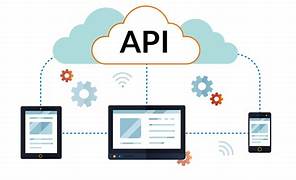
Salesforce API Access Control: A Complete Guide Understanding API Access Control Salesforce’s API Access Control feature provides robust security options for managing API access to your org. Available across Professional, Enterprise, Performance, Unlimited, and Developer Editions (in both Classic and Lightning), this feature lets you: Key Capabilities 1. Restricting API Access via Connected Apps 2. Managing Customer/Partner API Access Implementation Process To enable API Access Control: API Management via Anypoint Platform For organizations using MuleSoft’s Anypoint Platform to manage APIs, follow these steps to apply policies: Prerequisites Applying IP Whitelist Policy bash Copy Download curl ‘https://anypoint.mulesoft.com/apimanager/api/v1/organizations/<org_id>/environments/<env_id>/apis/<api_id>/policies’ \ -X POST \ -H ‘Accept: application/json, text/plain, */*’ \ -H ‘X-ANYPNT-ORG-ID: <org_id>’ \ -H ‘X-ANYPNT-ENV-ID: <env_id>’ \ -H ‘Content-Type: application/json;charset=utf-8’ \ –data-raw ‘{ “configurationData”: { “ipExpression”: “#[attributes.headers[”x-forwarded-for”]]”, “ips”: [“1.1.1.1”] }, “apiVersionId”: <api_id>, “pointcutData”: null, “policyTemplateId”: null, “groupId”: “68ef9520-24e9-4cf2-b2f5-620025690913”, “assetId”: “ip-allowlist”, “assetVersion”: “1.1.1” }’ Retrieving Policy Configuration To understand policy parameters: bash Copy Download curl ‘https://anypoint.mulesoft.com/apimanager/api/v1/organizations/<org_id>/environments/<env_id>/apis/<api_id>/policies’ \ -X GET \ -H ‘Accept: application/json, text/plain, */*’ \ -H ‘Authorization: Bearer <token>’ \ -H ‘X-ANYPNT-ENV-ID: <env_id>’ \ -H ‘Content-Type: application/json;charset=utf-8’ Best Practices By implementing these controls, organizations can significantly enhance their API security posture while maintaining necessary integration capabilities. Content updated February 2025. Like Related Posts Who is Salesforce? Who is Salesforce? Here is their story in their own words. From our inception, we’ve proudly embraced the identity of Read more Salesforce Marketing Cloud Transactional Emails Salesforce Marketing Cloud Transactional Emails are immediate, automated, non-promotional messages crucial to business operations and customer satisfaction, such as order Read more Salesforce Unites Einstein Analytics with Financial CRM Salesforce has unveiled a comprehensive analytics solution tailored for wealth managers, home office professionals, and retail bankers, merging its Financial Read more AI-Driven Propensity Scores AI plays a crucial role in propensity score estimation as it can discern underlying patterns between treatments and confounding variables Read more

Read More
Technical Debt

Don’t Let Salesforce Technical Debt Derail Your Next Upgrade!

A well-optimized Salesforce org is the foundation of a smooth upgrade and long-term success. But like any powerful, customizable platform, Salesforce naturally accumulates technical debt—especially as your business evolves. The good news? It’s manageable—if you take the right approach. Is Your Salesforce Org Carrying Hidden Technical Debt? Just like financial debt, unchecked technical debt can slow your growth, reduce agility, and frustrate users. Partnering with a Salesforce expert can help you quickly identify and resolve issues before they escalate—saving time, money, and headaches. Signs Your Salesforce Org Has Technical Debt You don’t need to be a developer to spot the symptoms. Technical debt often impacts users first, then spreads across your business. Watch for: Behind the Scenes: Developer & Admin Struggles Admins and developers face their own battles with tech debt, including: These issues don’t just slow performance—they make every future change harder, delaying releases and limiting your ability to leverage new Salesforce features. How Does Salesforce Technical Debt Happen? Even with a skilled team, tech debt creeps in through: The result? Your team spends more time patching problems than driving innovation—whether that’s streamlining quotes, improving service, or scaling operations. How to Manage (and Reduce) Salesforce Technical Debt A structured, three-phase approach keeps your org healthy: Start with a Salesforce Health Check A technical debt assessment from a trusted Salesforce partner can uncover hidden risks and create a clear roadmap for optimization. Real-World Impact: When Technical Debt Holds You Back Imagine you’re a fast-growing outdoor retailer. Salesforce helped you scale—but now, it’s slowing you down. Your Challenges: The Solution? A Strategic Optimization Plan The Results? Keep Your Org Healthy for the Long Haul Technical debt never disappears completely—but with the right partner, you can control it, reduce it, and prevent it from derailing your growth. Why Partner with Us? At Tectonic, we don’t just fix Salesforce—we transform it into a growth engine. Our mission is to simplify processes, empower teams, and drive measurable success. Ready to optimize your Salesforce org? Let’s talk. Like Related Posts Who is Salesforce? Who is Salesforce? Here is their story in their own words. From our inception, we’ve proudly embraced the identity of Read more Salesforce Marketing Cloud Transactional Emails Salesforce Marketing Cloud Transactional Emails are immediate, automated, non-promotional messages crucial to business operations and customer satisfaction, such as order Read more Salesforce Unites Einstein Analytics with Financial CRM Salesforce has unveiled a comprehensive analytics solution tailored for wealth managers, home office professionals, and retail bankers, merging its Financial Read more AI-Driven Propensity Scores AI plays a crucial role in propensity score estimation as it can discern underlying patterns between treatments and confounding variables Read more

Read More
Salesforce Data Cloud

Salesforce Data Cloud – The Ultimate Guide to Unified Customer Intelligence

Why Salesforce Data Cloud is Transforming Business Operations In today’s digital-first economy, customer data is your most valuable asset—if you can harness it effectively. Salesforce Data Cloud revolutionizes how enterprises unify, analyze, and activate customer data across every touchpoint. 5 Key Business Transformations The Data Cloud Advantage: Beyond Traditional CDPs Unlike legacy customer data platforms, Salesforce Data Cloud delivers: Feature Traditional Solutions Salesforce Data Cloud Data Integration Manual ETL processes Real-time harmonization AI Capabilities Basic segmentation Predictive insights & recommendations Activation Limited channel support Native Salesforce app integration Scalability Fixed data models Elastic cloud infrastructure Total Cost Hidden implementation fees Transparent consumption model Proven Results Across Industries Financial Services Healthcare Retail Implementation Roadmap Phase 1: Foundation (Weeks 1-4) Phase 2: Activation (Weeks 5-8) Phase 3: Scaling (Ongoing) Overcoming Common Challenges “Our data is too messy”→ Automated data quality tools clean and standardize information during ingestion “We can’t afford another platform”→ Consumption-based pricing starts at $25K/year with proven 3-5X ROI “Our team isn’t technical enough”→ No-code tools like Flow Builder enable business user configuration The Future of Data-Driven Business As AI reshapes customer expectations, Salesforce Data Cloud provides the essential infrastructure to: Leading organizations are already achieving: Next Steps for Your Data Transformation “Companies using Data Cloud see 47% faster decision-making and 32% higher customer satisfaction scores within 6 months.” – Forrester Consulting Study Unlock your data’s full potential. Contact our specialists today to begin your assessment. Like Related Posts Who is Salesforce? Who is Salesforce? Here is their story in their own words. From our inception, we’ve proudly embraced the identity of Read more Salesforce Marketing Cloud Transactional Emails Salesforce Marketing Cloud Transactional Emails are immediate, automated, non-promotional messages crucial to business operations and customer satisfaction, such as order Read more Salesforce Unites Einstein Analytics with Financial CRM Salesforce has unveiled a comprehensive analytics solution tailored for wealth managers, home office professionals, and retail bankers, merging its Financial Read more AI-Driven Propensity Scores AI plays a crucial role in propensity score estimation as it can discern underlying patterns between treatments and confounding variables Read more
Read More

Maximizing Business Efficiency with Salesforce Managed Services

The Importance of Salesforce Optimization In today’s super fast-paced business world, companies rely on Salesforce to streamline operations and reduce costs. As a leading customer relationship management (CRM) platform, Salesforce enables organizations to enhance workflows, improve efficiency, and drive better results. To maximize the value of your Salesforce platform, optimization is essential. This involves fine tuning the system to ensure ease of use, eliminating inefficiencies, and enhancing overall performance. However, managing Salesforce effectively requires significant time and resources—this is where Salesforce Managed Services come in. This Tectonic insight explores how Managed Services can elevate your Salesforce experience, driving improved business performance and maximizing return on investment. What is Salesforce Optimization? Salesforce optimization focuses on refining the platform to better align with your business needs. It involves continuous improvements in system configuration, workflows, and integrations to ensure peak performance. Given that business requirements evolve over time, optimization is an ongoing process rather than a one-time task. Through Managed Services, businesses can fine-tune settings, enhance workflows, and ensure seamless system integrations, leading to increased productivity and efficiency. How to Optimize Salesforce for Maximum Efficiency Optimizing Salesforce involves refining data management, automation, user experience, and security. Key areas of focus include: 1. Data Model Optimization 2. Indexing and Query Optimization 3. Managing Governor Limits 4. Data Loading and Migration 5. UI and Lightning Experience Optimization 6. Reporting and Dashboard Optimization 7. Security and Access Control 8. Performance Monitoring and Analysis Challenges in Salesforce Optimization Optimizing Salesforce can be complex, and failing to manage it properly can hinder performance. Common challenges include: Why Continuous Salesforce Optimization is Essential Ongoing optimization ensures that businesses maximize their Salesforce investment, enabling: Understanding Salesforce Managed Services Salesforce Managed Services offer a proactive approach to CRM optimization. Instead of managing Salesforce in-house, businesses can outsource expert professionals to ensure seamless operations, enhanced security, and continuous improvement. Key Benefits of Managed Services How Managed Services Improve Salesforce Performance Salesforce Managed Services take a proactive approach to optimization, preventing issues before they arise. Key areas of impact include: 1. Proactive Monitoring & Maintenance 2. Customization & Automation 3. Enhanced Data Integrity & Security 4. Seamless Third-Party Integrations Maximizing ROI with Managed Salesforce Services Optimizing Salesforce through Managed Services yields significant business benefits, including cost savings, operational efficiency, and revenue growth. 1. Cost Efficiency 2. Faster Implementation & Deployment 3. Improved User Adoption & Productivity 4. Measurable Business Growth Conclusion Salesforce optimization is crucial for maintaining an efficient and scalable CRM. By leveraging Managed Services, businesses can enhance system performance, improve data security, and increase operational efficiency in a cost-effective manner. A dedicated Salesforce Managed Service Provider like Tectonic ensures streamlined operations, optimized configurations, and enhanced user adoption, ultimately driving business growth. Elevate Your Salesforce Performance As your business grows, managing and optimizing Salesforce becomes increasingly complex. Our Managed Services provide expert support, ensuring that your CRM remains optimized, secure, and scalable. Looking to enhance your Salesforce strategy? Contact us today to optimize your Salesforce instance and unlock its full potential. Like Related Posts Who is Salesforce? Who is Salesforce? Here is their story in their own words. From our inception, we’ve proudly embraced the identity of Read more Salesforce Marketing Cloud Transactional Emails Salesforce Marketing Cloud Transactional Emails are immediate, automated, non-promotional messages crucial to business operations and customer satisfaction, such as order Read more Salesforce Unites Einstein Analytics with Financial CRM Salesforce has unveiled a comprehensive analytics solution tailored for wealth managers, home office professionals, and retail bankers, merging its Financial Read more AI-Driven Propensity Scores AI plays a crucial role in propensity score estimation as it can discern underlying patterns between treatments and confounding variables Read more

Read More
AI All Grown Up

Understanding Generative AI and Predictive AI

Understanding Generative AI and Predictive AI: A Synergistic Approach Artificial Intelligence (AI) is broadly categorized into two key branches: Generative AI and Predictive AI. Both play a crucial role across various industries, from healthcare and fintech to logistics and education. Their impact is undeniable, driving efficiency, accuracy, and innovation. However, this is not a debate about Generative AI versus Predictive AI. Instead, it is an exploration of both branches and how they contribute to technological advancement. Let’s dive in. Generative AI vs. Predictive AI: An Overview Generative AI has been around for decades, with early iterations like Generative Adversarial Networks (GANs) and Variational Autoencoders (VAEs). While these earlier models saw limited enterprise adoption, the success of ChatGPT demonstrated the vast potential of Generative AI in producing articulate, human-like content. Conversely, Predictive AI is widely used across industries to correlate data and support decision-making. It is particularly prevalent in applications like cybersecurity, inventory management, and digital twin technology. Businesses increasingly recognize the benefits of both AI branches. From automating processes to creating digital replicas for scenario testing, AI applications continue to evolve. The goal now is not to compare Generative AI and Predictive AI, but to understand their mechanisms and potential for seamless integration. Are you fully leveraging AI in your enterprise? If not, or if you have questions, feel free to reach out. Now, let’s delve into how these AI branches work. What is Generative AI? Generative AI is transforming industries by producing text, code, music, and even videos. Companies use it to analyze vast datasets and generate content instantaneously. Key Applications of Generative AI: By 2026, over 80% of businesses are expected to incorporate Generative AI into their workflows. While implementation can be complex, expert guidance can help streamline the process. How Does Generative AI Work? Generative AI leverages machine learning (ML) and big data to analyze input forms—such as text, images, or sound—and learn their structures. Once trained, it generates new content without merely replicating existing data, making it a powerful tool for innovation. Generative AI in Action: If you’re uncertain about how to implement Generative AI in your business, consulting with experts can provide clarity. What is Predictive AI? Predictive AI, or predictive analytics, forecasts future outcomes based on historical data. It empowers businesses to make informed decisions by identifying patterns and trends. Key Applications of Predictive AI: Predictive AI improves decision-making capabilities by analyzing large datasets and refining machine learning algorithms. Integrating it with other analytics tools enhances its effectiveness and mitigates implementation challenges. Predictive AI in Action: Predictive AI’s ability to anticipate market trends and consumer behavior makes it a valuable tool for businesses looking to stay ahead. Generative AI vs. Predictive AI: Key Differences While Generative AI focuses on creating new content based on learned data patterns, Predictive AI forecasts future outcomes using historical data. These two models are not competing forces; rather, they complement each other in building comprehensive business strategies. Both models require a strong foundation in data governance and cybersecurity to ensure ethical and effective AI implementation. The Future of AI: Generative vs. Predictive According to McKinsey, the combined impact of Generative and Predictive AI could contribute up to $4.4 trillion annually to the global economy. What’s Next for AI? Generative AI: Predictive AI: Both Generative and Predictive AI are poised to shape the future of AI-driven industries. Businesses that embrace both models will gain a competitive edge in innovation and strategic decision-making. Conclusion Generative and Predictive AI are not opposing technologies; they are complementary forces that drive efficiency, accuracy, and creativity. Their applications span numerous industries, proving their immense value in today’s tech-driven world. Navigating AI implementation can be complex, but expert guidance can simplify the process. If you have questions about integrating AI into your business, consulting with professionals can help you harness its full potential. The future of business is deeply intertwined with AI—taking the right steps today will ensure success in the years ahead. Let Tectonic take you to the AI world. Like Related Posts Who is Salesforce? Who is Salesforce? Here is their story in their own words. From our inception, we’ve proudly embraced the identity of Read more Salesforce Marketing Cloud Transactional Emails Salesforce Marketing Cloud Transactional Emails are immediate, automated, non-promotional messages crucial to business operations and customer satisfaction, such as order Read more Salesforce Unites Einstein Analytics with Financial CRM Salesforce has unveiled a comprehensive analytics solution tailored for wealth managers, home office professionals, and retail bankers, merging its Financial Read more AI-Driven Propensity Scores AI plays a crucial role in propensity score estimation as it can discern underlying patterns between treatments and confounding variables Read more

Read More

Einstein License for Service Cloud

Salesforce Einstein for Service Cloud combines AI technology with customer prioritization to enhance CRM solutions and deliver superior customer service experiences. Tectonic, as a trusted Salesforce implementation partner, can assist organizations in leveraging the full potential of Salesforce Einstein for Service Cloud to revolutionize their customer service operations.

Read More
Mastering Salesforce SOQL

Mastering Salesforce SOQL

Mastering SOQL: A Guide to Querying Salesforce Data Understanding SOQL Basics Salesforce Object Query Language (SOQL) is the powerful tool you’ll use to retrieve specific records from your Salesforce database. Similar to SQL’s SELECT statement but optimized for Salesforce, SOQL follows this basic structure: sql Copy Download SELECT Field1, Field2 FROM ObjectName WHERE conditions ORDER BY Field1 For quick reference to standard fields, consult the Salesforce Fields Reference. Crafting Effective WHERE Clauses Comparison Operators SOQL provides robust filtering capabilities with these operators: Example: sql Copy Download SELECT Name FROM Account WHERE AnnualRevenue > 1000000 AND Industry = ‘Technology’ Logical Operators Combine conditions with: Example: sql Copy Download SELECT Id, Name FROM Contact WHERE (Department = ‘Sales’ OR Department = ‘Marketing’) AND NOT Title LIKE ‘%Intern%’ Advanced Query Techniques Result Limiting Date Handling For date fields (YYYY-MM-DD format): sql Copy Download SELECT Id FROM Opportunity WHERE CloseDate = 2023-12-31 For datetime fields: sql Copy Download SELECT Id FROM Case WHERE CreatedDate = 2023-01-15T14:30:00Z Use .to_date() for date conversion and .strftime() for datetime formatting in formulas. Practical Implementation Triggers and Actions Workato provides specialized triggers and actions for SOQL: Basic queries: Full query support: Remember: Always include the ID field in SELECT statements for triggers. Setting Up Scheduled Queries Example scheduled query: sql Copy Download SELECT Id, Name, Status__c FROM Custom_Object__c WHERE LastModifiedDate = TODAY ORDER BY CreatedDate DESC LIMIT 200 Key Differences from SQL By mastering these SOQL techniques, you’ll efficiently extract exactly the data you need from your Salesforce org while working within the platform’s unique architecture. Like Related Posts Who is Salesforce? Who is Salesforce? Here is their story in their own words. From our inception, we’ve proudly embraced the identity of Read more Salesforce Marketing Cloud Transactional Emails Salesforce Marketing Cloud Transactional Emails are immediate, automated, non-promotional messages crucial to business operations and customer satisfaction, such as order Read more Salesforce Unites Einstein Analytics with Financial CRM Salesforce has unveiled a comprehensive analytics solution tailored for wealth managers, home office professionals, and retail bankers, merging its Financial Read more AI-Driven Propensity Scores AI plays a crucial role in propensity score estimation as it can discern underlying patterns between treatments and confounding variables Read more
Read More
Zendesk Launches AI Agent Builder

Scaling Your Salesforce Team with Staff Augmentation

As the demand for Salesforce experts continues to grow, businesses face challenges such as long hiring cycles, high recruitment costs, and skill shortages. These make it difficult to build a high-performing Salesforce team. However, there’s a smarter way to access top talent without the complexities of permanent hiring. The Power of Staff Augmentation Rather than relying on traditional Salesforce staffing firms, businesses can leverage staff augmentation to bring in experienced Salesforce professionals for short-term projects or ongoing support. This flexible approach helps organizations scale efficiently, reduce costs, and remain competitive. In this insight, we’ll explore how Salesforce staff augmentation enables businesses to build elite Salesforce teams and best practices for managing an augmented workforce. What Is Salesforce Staff Augmentation? Salesforce staff augmentation is a strategic staffing solution where companies hire external professionals to fill skill gaps temporarily or for specific projects. Instead of enduring lengthy hiring processes, firms can quickly onboard experienced Salesforce experts who match their project needs. Unlike outsourcing, which delegates entire projects to external agencies, staff augmentation keeps you in control—augmented professionals work alongside your internal team, ensuring seamless collaboration. Why Businesses Choose Staff Augmentation for Salesforce Teams Salesforce implementations, migrations, and customizations require specialized expertise. Companies are turning to staff augmentation because it offers a faster, more flexible alternative to traditional staffing agencies. Key Benefits: ✔ Immediate access to experts – No months-long recruitment process.✔ Cost efficiency – Avoid full-time salaries, benefits, and training expenses.✔ Scalability – Expand or reduce your team based on demand.✔ Expertise on demand – Get access to specialized skills without long-term commitments.✔ Seamless integration – Augmented staff work within your team, ensuring continuity. This model is ideal for companies facing fluctuating workloads, large-scale Salesforce projects, or critical skill gaps. Building a High-Performing Salesforce Team with Staff Augmentation Step 1: Identify the Skills You Need Before bringing in Salesforce professionals, define your requirements: By outlining these needs, you can ensure a smooth augmentation process and find professionals who align with your goals. Step 2: Choose the Right Staff Augmentation Partner Selecting a trusted staff augmentation provider is essential. Instead of relying on Salesforce staffing agencies, which often lack flexibility, choose a partner that provides on-demand Salesforce talent for both short-term and long-term projects. When evaluating partners, look for:✔ Salesforce talent expertise✔ Proven track record in placements✔ Flexible engagement models (short-term, long-term, or project-based)✔ Seamless onboarding and integration support By collaborating with a seasoned provider like Tectonic, companies can easily tap into pre-screened Salesforce professionals who match their project needs. Step 3: Ensure a Smooth Onboarding Process Once you’ve hired augmented staff, an effective onboarding process ensures smooth teamwork:✅ Provide access to essential tools and systems.✅ Define roles, responsibilities, and expectations.✅ Foster collaboration between in-house and augmented staff.✅ Assign mentors or key contacts for guidance. Structured onboarding enables augmented professionals to quickly contribute and stay aligned with your business objectives. Step 4: Continuously Evaluate and Optimize To maximize effectiveness, companies should regularly assess augmented professionals’ performance and impact: Optimizing your staff augmentation strategy over time ensures a high-performing Salesforce team that adapts to evolving business needs. Best Practices for Managing an Augmented Salesforce Team Unlike traditional Salesforce staffing firms, staff augmentation integrates professionals into daily operations rather than just placing hires. Encourage Collaboration Between In-House and Augmented Staff To ensure smooth communication and team cohesion:✔ Use collaboration tools like Slack, Microsoft Teams, or Salesforce Chatter.✔ Hold daily or weekly stand-ups to align goals.✔ Foster an inclusive culture where augmented staff feel valued.✔ Maintain clear guidelines for data access and security. Utilize Training and Upskilling Opportunities To maximize value, provide augmented staff with:✔ Salesforce training sessions and learning resources.✔ Opportunities to participate in internal knowledge-sharing.✔ Updates on new Salesforce features and releases. Upskilling both in-house and augmented professionals ensures your team remains highly skilled and adaptable. Overcoming Common Challenges in Staff Augmentation 1. Ensuring Smooth Team Integration 💡 Solution: Encourage open communication and structured onboarding to help new professionals integrate seamlessly. 2. Managing Security and Compliance Risks 💡 Solution: Implement Salesforce security best practices, such as role-based access control and Salesforce Shield to protect sensitive data. 3. Keeping External Talent Engaged and Motivated 💡 Solution: Provide incentives, involvement in key meetings, and professional development opportunities. 4. Addressing Communication Barriers 💡 Solution: Use structured meetings, clear guidelines, and collaboration tools to ensure seamless coordination. By leveraging Salesforce Shield, businesses can enhance security while ensuring compliance for external staff. Final Thoughts: Is Staff Augmentation Right for You? If your business needs immediate access to Salesforce expertise without long-term commitments, Salesforce staff augmentation is the perfect solution. By: …you can build a high-performing Salesforce team that drives your business forward. 💡 Need Salesforce specialists? Tectonic is a trusted Salesforce staff augmentation provider helping businesses scale efficiently and affordably. 📩 Ready to augment your Salesforce team? Contact us today to see how staff augmentation can transform your business! Like Related Posts Who is Salesforce? Who is Salesforce? Here is their story in their own words. From our inception, we’ve proudly embraced the identity of Read more Salesforce Marketing Cloud Transactional Emails Salesforce Marketing Cloud Transactional Emails are immediate, automated, non-promotional messages crucial to business operations and customer satisfaction, such as order Read more Salesforce Unites Einstein Analytics with Financial CRM Salesforce has unveiled a comprehensive analytics solution tailored for wealth managers, home office professionals, and retail bankers, merging its Financial Read more AI-Driven Propensity Scores AI plays a crucial role in propensity score estimation as it can discern underlying patterns between treatments and confounding variables Read more

Read More
Crucial Role of Data and Integration in AI at Dreamforce

Salesforce Data Integration

Salesforce Data Integration: A Comprehensive Guide Introduction Salesforce offers numerous tools to access, synchronize, and share data with external systems. However, selecting the right tool for your project is critical. This guide explores Salesforce’s data integration landscape, providing recommendations based on specific use cases—along with guidance on which tools to avoid. Scope of This Guide This decision guide focuses on data-level integrations involving Salesforce, covering: While these are just a subset of integration challenges faced by Salesforce Architects, future guides will address: Note: Many tools discussed here can also solve enterprise-wide integration challenges, but those use cases are beyond this guide’s scope. Key Takeaways Common Considerations for Choosing Data Integration Tools Before selecting a tool, evaluate these key factors: Area to Consider Key Questions Existing Tools & Landscape Is an ESB/ETL solution already in place? Are there compliance requirements? Are systems cloud or on-premise? Data Flow Does data need to move synchronously, asynchronously, or in batches? Should data be replicated? Which system is the source of truth? Implementation What’s the effort for non-Salesforce systems? Which teams will deliver integrations? What tools do they prefer? Maintainability Who will maintain the integration? What skills do they have (or need)? What’s the total cost of ownership? Data Volume Is it a large data volume (LDV) scenario? How frequent are bulk changes? What’s the impact of singleton updates? Limits Are complex transformations needed? Will data be combined from multiple sources? How often will integrations run per user? Overview of Data Integration Tools Tool Salesforce → External External → Salesforce Execution License Required? Apex Actions ✅ Yes ✅ Yes Server-side ❌ No Change Data Capture ✅ Yes ❌ No Server-side ❌ No* Custom Apex (REST/SOAP) ✅ Yes ✅ Yes Server-side ❌ No External Services ✅ Yes ❌ No Server-side ❌ No Generic Events (Legacy) ✅ Yes ❌ No Server-side ❌ No** Heroku Connect ✅ Yes ✅ Yes Server-side ✅ Yes MuleSoft Anypoint ✅ Yes ✅ Yes Server-side ✅ Yes MuleSoft Composer ✅ Yes ✅ Yes Server-side ✅ Yes Native Salesforce APIs ❌ No ✅ Yes Server-side ❌ No OmniScript ✅ Yes ✅ Yes Client-side**** ✅ Yes OmniStudio Integration ✅ Yes ✅ Yes Server-side ✅ Yes Outbound Messaging ⚠️ Not Ideal ❌ No Server-side ❌ No Platform Events ✅ Yes ✅ Yes Server-side ❌ No*** PushTopic (Legacy) ⚠️ Not Ideal ❌ No Server-side ❌ No** Salesforce Connect ✅ Yes ✅ Yes Server-side ✅ Yes ✅ = Recommended | ⚠️ = Possible but consider alternatives | ❌ = Not supported Notes: Other Tools (Not Primary Integration Solutions) While these tools support aspects of data movement, they should not be the foundation of an integration strategy: Final Recommendations By aligning the right tool with your use case, you can optimize performance, reduce technical debt, and ensure scalable integrations. Content updated April 2025. Like Related Posts Who is Salesforce? Who is Salesforce? Here is their story in their own words. From our inception, we’ve proudly embraced the identity of Read more Salesforce Marketing Cloud Transactional Emails Salesforce Marketing Cloud Transactional Emails are immediate, automated, non-promotional messages crucial to business operations and customer satisfaction, such as order Read more Salesforce Unites Einstein Analytics with Financial CRM Salesforce has unveiled a comprehensive analytics solution tailored for wealth managers, home office professionals, and retail bankers, merging its Financial Read more AI-Driven Propensity Scores AI plays a crucial role in propensity score estimation as it can discern underlying patterns between treatments and confounding variables Read more
Read More
gettectonic.com