
Metrics Archives - gettectonic.com - Page 4
What is a CRM

Customer Relationship Management

Salesforce has transformed the way businesses manage customer relationships, sales, and marketing. Its capabilities extend into the events industry, enabling seamless integration for event planning, marketing, sales, and attendee engagement. By leveraging Salesforce, event organizers can streamline lead management, automate marketing campaigns, track event performance, and enhance attendee experiences. This guide explores how Salesforce can optimize event success and drive higher ROI. Managing Leads with Salesforce Effective lead management is critical to maximizing event ROI. Salesforce offers powerful tools to streamline lead capture, scoring, nurturing, segmentation, and tracking—helping sales teams convert attendees into customers. Seamless Lead Capture Salesforce integrates with event registration forms, mobile apps, and onsite check-in systems to: A centralized approach provides a 360-degree view of each attendee, empowering sales and marketing teams to act strategically. AI-Powered Lead Scoring Salesforce’s AI-driven lead scoring prioritizes leads by tracking: This data-driven approach helps sales teams focus on the most promising leads for personalized follow-ups. Automated Lead Nurturing Salesforce automation tools keep leads engaged post-event through: Advanced Lead Segmentation Salesforce enables lead categorization for targeted outreach: Tracking Sales Opportunities with Salesforce Beyond lead management, Salesforce empowers event teams with tools to monitor revenue-generating opportunities, such as ticket sales, sponsorship deals, and exhibitor partnerships. Comprehensive Opportunity Management Salesforce enables tracking of every stage of the sales process, including: Real-Time Sales Pipeline Visibility Salesforce’s pipeline management tools allow teams to: Customizable Sales Reporting Salesforce reporting capabilities help event organizers: Automating Event Marketing Tasks with Salesforce Marketing automation is key to scaling outreach, enhancing engagement, and driving conversions. Salesforce provides tools that streamline marketing efforts, personalize communication, and measure campaign success. Email Marketing Automation Salesforce automates email campaigns to ensure timely communication: Social Media Integration & Management Salesforce allows teams to manage and track social media engagement from one platform: Integrating Salesforce with Event Technology Seamless integration between Salesforce and event technology centralizes data, improves efficiency, and enhances engagement. Event Management Platform Integration Salesforce integrates with platforms like Cvent, Bizzabo, and Eventbrite to enable: Mobile Event Apps & On-Site Engagement Tools Syncing Salesforce with mobile event apps provides real-time insights and tracking: Marketing Automation Tool Integrations Salesforce enhances marketing efficiency by integrating with platforms like HubSpot, Marketo, and Pardot: Reporting and Analytics: Unlocking Actionable Insights Salesforce provides robust analytics to help organizers measure performance, optimize strategies, and maximize ROI. Customizable Reports for Event Insights Salesforce enables comprehensive reporting on: ROI Analysis for Strategic Planning Salesforce’s ROI analysis tools help organizers: Best Practices for Using Salesforce for Events To maximize Salesforce’s value in event management, organizations should adopt best practices: 1. Data Hygiene: Keeping Information Accurate 2. Training & Adoption: Empowering Teams 3. Customization: Tailoring Salesforce for Event Needs 4. Integration Strategy: Creating a Unified Event Tech Ecosystem By implementing these best practices, organizations can fully leverage Salesforce to enhance event success, improve attendee engagement, and drive higher ROI. Like Related Posts Who is Salesforce? Who is Salesforce? Here is their story in their own words. From our inception, we’ve proudly embraced the identity of Read more Salesforce Marketing Cloud Transactional Emails Salesforce Marketing Cloud Transactional Emails are immediate, automated, non-promotional messages crucial to business operations and customer satisfaction, such as order Read more Salesforce Unites Einstein Analytics with Financial CRM Salesforce has unveiled a comprehensive analytics solution tailored for wealth managers, home office professionals, and retail bankers, merging its Financial Read more AI-Driven Propensity Scores AI plays a crucial role in propensity score estimation as it can discern underlying patterns between treatments and confounding variables Read more


Read More
Unlocking Efficiency with Salesforce Marketing Cloud Automation

Unlocking Efficiency with Salesforce Marketing Cloud Automation

Revolutionizing Marketing with Automation Salesforce Marketing Cloud automation is like having a personal assistant dedicated to your campaigns. It handles repetitive tasks, freeing you to focus on strategy and big-picture goals. Imagine designing a seamless customer journey without manually sending emails or determining the perfect timing—this is the power of advanced workflows in marketing. These tools streamline processes, enhance efficiency, and improve engagement. The Game-Changing Impact of Automation When I first started using Salesforce Marketing Cloud, it was a revelation. The automation tools allowed me to set up campaigns that practically ran themselves—like having an extra set of hands. For example, I created email sequences that responded to customer actions automatically. This meant engaging with customers at the right moments without lifting a finger. One standout experience was setting up a journey for free trial sign-ups. The system sent a welcome email, followed by usage-based tips. If a customer didn’t engage, an alternative path triggered a different message. This intelligent automation boosted engagement and conversions—marketing at its smartest. Transforming Marketing Operations: Doing More with Less Marketing Operations (Marketing Ops) is about maximizing impact with minimal effort. Advanced workflows reallocate resources effectively, shifting focus from task management to strategic growth. It’s like upgrading from a bicycle to a car—suddenly, you’re covering more ground, faster. Marketing Ops teams juggle campaign tracking, performance analysis, and strategy refinement. Automating these processes with Salesforce Marketing Cloud reduces mundane tasks, fostering innovation and continuous campaign optimization. For more insights on streamlining workflows, explore our guide on optimizing marketing automation. Beyond Emails: Personalization at Scale Automation isn’t just about sending emails—it’s about crafting personalized customer experiences. By intelligently segmenting your audience, you can ensure the right message reaches the right person at the right time, significantly increasing engagement. Of course, automation isn’t foolproof. Data accuracy is crucial. I once encountered a typo in a data field that misspelled a customer’s name—an embarrassing but valuable lesson in the importance of clean data. Always double-check your sources! Real-World Applications of Marketing Cloud Automation Automation enhances marketing efficiency across various scenarios: For more segmentation tips to improve email ROI, explore our in-depth guide. Getting Started: Small Steps, Big Impact If you’re wondering where to begin, the good news is that Salesforce Marketing Cloud scales with your needs. Start with a single campaign and gradually expand. As you become more comfortable, you’ll discover new ways to optimize automation. Leverage online resources—there are countless tutorials and guides available. And don’t hesitate to experiment—some of the best strategies emerge from trial and error. I remember my first attempt at automation. It wasn’t perfect, but the lessons I learned about timing and engagement refined future campaigns. It’s like learning to ride a bike—wobbly at first, but soon you’re cruising. Leveraging Analytics for Smarter Marketing Salesforce Marketing Cloud Engagement provides deep insights into customer engagement. Tracking these metrics enables data-driven decisions, optimizing experiences and increasing conversion rates. This is where the magic happens—understanding your audience to craft campaigns that truly resonate. And here’s a little secret: competition is fierce. Every company is competing for your customer’s attention. By optimizing Marketing Ops and leveraging advanced workflows, you gain a strategic edge. It’s like being the first to know about a secret sale. Conclusion: Embracing the Future of Marketing Automation Salesforce Marketing Cloud automation opens the door to endless possibilities. By implementing these workflows, marketing becomes more efficient, impactful, and personalized. Remember, you’re not just sending messages—you’re crafting experiences. That’s where true marketing magic lies. Ready to elevate your marketing game? Let’s talk. Like1 Related Posts Who is Salesforce? Who is Salesforce? Here is their story in their own words. From our inception, we’ve proudly embraced the identity of Read more Salesforce Marketing Cloud Transactional Emails Salesforce Marketing Cloud Transactional Emails are immediate, automated, non-promotional messages crucial to business operations and customer satisfaction, such as order Read more Salesforce Unites Einstein Analytics with Financial CRM Salesforce has unveiled a comprehensive analytics solution tailored for wealth managers, home office professionals, and retail bankers, merging its Financial Read more AI-Driven Propensity Scores AI plays a crucial role in propensity score estimation as it can discern underlying patterns between treatments and confounding variables Read more

Read More

Meta & Google Analytics (GA4) Integration

Meta & Google Analytics (GA4) Integration: The Complete Guide Unlock Powerful Advertising Insights Meta’s expanded integration with Google Analytics 4 (GA4) gives advertisers and marketers unprecedented visibility into campaign performance by combining: Now rolling out broadly, this integration helps advertisers optimize campaigns using deeper website engagement metrics beyond standard conversion tracking. Key Benefits for Advertisers 1. Smarter Campaign Optimization 2. Performance Boost 3. Unified Cross-Platform Tracking How to Set Up the Integration Critical Considerations ⚠️ Privacy ComplianceEvaluate data-sharing implications for regulated industries 📊 Data Quality MattersPoor GA4 setup = subpar campaign optimization ⏱ Patience RequiredAllow 2-14 days for full integration validation Maximizing the Integration ✅ Best Practices: The Bottom Line This integration represents a major leap forward for performance marketers. By combining Meta’s ad platform with GA4’s behavioral insights, advertisers gain: ✔ More precise targeting✔ Higher conversion rates✔ Better cross-channel attribution✔ Stronger ROI Ready to upgrade your tracking? Contact Tectonic today. #DigitalMarketing #MetaAds #GA4 #DataAnalytics #PerformanceMarketing Like Related Posts Who is Salesforce? Who is Salesforce? Here is their story in their own words. From our inception, we’ve proudly embraced the identity of Read more Salesforce Marketing Cloud Transactional Emails Salesforce Marketing Cloud Transactional Emails are immediate, automated, non-promotional messages crucial to business operations and customer satisfaction, such as order Read more Salesforce Unites Einstein Analytics with Financial CRM Salesforce has unveiled a comprehensive analytics solution tailored for wealth managers, home office professionals, and retail bankers, merging its Financial Read more AI-Driven Propensity Scores AI plays a crucial role in propensity score estimation as it can discern underlying patterns between treatments and confounding variables Read more

Read More
How AI is Transforming Self-Appraisals

How AI is Transforming Self-Appraisals

How AI is Transforming Self-Appraisals—Making Them Easier and Fairer for Employees and Managers Performance reviews are often dreaded—evaluating a year’s worth of your hard work can feel overwhelming, and many struggle to articulate their achievements objectively. But AI is changing that, making self-assessments more efficient, balanced, and even empowering—especially for groups like women, who often face biases in traditional reviews. The Rise of AI in Performance Reviews AI-powered tools are increasingly being used to streamline self-appraisals, helping employees structure their evaluations and align them with company goals. According to Microsoft’s 2024 Work Trend Index, 75% of knowledge workers—including engineers, scientists, and lawyers—already use AI in some capacity. The demand is clear: When Oracle introduced an AI-driven performance review system in 2023, 89% of employees said they were willing to be early adopters. “That shows how much people believe in this technology and how much they need it,” said Triparna de Vreede, a professor at the University of South Florida who studies AI and workplace well-being. Why Traditional Reviews Fall Short Conventional performance evaluations are often subjective, influenced by recency bias (where recent mistakes overshadow past successes) and workplace power dynamics. Employees may not always understand how their work contributes to broader business goals, while managers can struggle to provide unbiased feedback. “If you did great things all year but made one mistake last month, that can overshadow everything,” de Vreede explained. “AI helps standardize feedback so employees don’t feel like favoritism is at play.” How AI Improves the Process The Gender Gap in Self-Assessments Women frequently face challenges in performance reviews. A Textio study found that 38% of feedback for high-performing women contained exaggerated or clichéd language, and 75% were called “emotional”—compared to just 11% of men. Additionally, women tend to undersell their achievements. A 2022 National Bureau of Economic Research study found that women rated their performance at 46 out of 100, while men gave themselves 61. “AI can help women confidently showcase their impact without imposter syndrome getting in the way,” said de Vreede. The Human Touch Still Matters Despite AI’s benefits, human oversight remains crucial. Privacy concerns, transparency about data usage, and ensuring softer skills (like communication and teamwork) are evaluated fairly all require human judgment. “AI can’t fully understand human nuances, but it can prompt employees to reflect on them,” de Vreede noted. “The best reviews come from a collaboration between AI and the employee—not just AI doing all the work.” The Future of AI in Performance Reviews Companies like Oracle and Textio (used by 25% of Fortune 500 firms) are already refining AI-powered evaluations. However, de Vreede cautions against over-reliance: employees must still self-refect rather than letting AI do all the thinking. “AI can draft your review, but you need to refine it,” she said. “Otherwise, the evaluation loses its meaning.” As AI continues to evolve, it promises to make performance reviews less stressful, more accurate, and fairer for everyone—finally turning a dreaded process into one that actually helps employees grow. Salesforce AI can significantly enhance performance reviews by automating tasks, analyzing data, and providing actionable insights. AI tools can help streamline the review process, generate clearer and more unbiased feedback, and even predict future performance trends. Salesforce Einstein, for example, can analyze vast amounts of employee data to identify patterns and generate insights that inform performance reviews.  Here’s how Salesforce AI can be used in performance reviews: 1. Automating and Streamlining the Process: 2. Enhancing Accuracy and Objectivity: 3. Providing Actionable Insights: Examples of Salesforce AI Tools for Performance Reviews: Like Related Posts Who is Salesforce? Who is Salesforce? Here is their story in their own words. From our inception, we’ve proudly embraced the identity of Read more Salesforce Marketing Cloud Transactional Emails Salesforce Marketing Cloud Transactional Emails are immediate, automated, non-promotional messages crucial to business operations and customer satisfaction, such as order Read more Salesforce Unites Einstein Analytics with Financial CRM Salesforce has unveiled a comprehensive analytics solution tailored for wealth managers, home office professionals, and retail bankers, merging its Financial Read more AI-Driven Propensity Scores AI plays a crucial role in propensity score estimation as it can discern underlying patterns between treatments and confounding variables Read more

Read More
Salesforce and Healthcare

Aligning Payers and Providers for True Patient-Centered Care

Patient-centered care is an approach to healthcare that prioritizes the patient’s needs, values, and preferences. It involves treating patients with respect, dignity, and compassion, and ensuring that they are actively involved in their own healthcare decisions. Key Principles of Patient-Centered Care: Benefits of Patient-Centered Care: Improved patient satisfaction and adherence to treatment plans, Enhanced health outcomes, Reduced healthcare costs, and Stronger patient-provider relationships. Examples of Patient-Centered Care: Patient-centered care is a holistic approach to healthcare that focuses on the patient as an individual. By empowering patients and respecting their needs, it aims to improve their health and overall well-being. The Shared Vision vs. Systemic Barriers All healthcare stakeholders agree on one fundamental principle: care should revolve around patients’ needs and preferences. Yet despite this shared goal, competing priorities between payers and providers often create friction that undermines patient-centered care delivery. Theresa Dreyer of the Health Care Transformation Task Force observes: “Payers and providers both want patients to receive accessible, appropriate care. But the current system’s structure frequently puts these groups at odds.” Defining Patient-Centered Care At its core, patient-centered care means: “Imagine the care you’d want for your own family members,” Dreyer suggests. “That’s the standard we should apply across healthcare.” The Fee-for-Service Roadblock The dominant fee-for-service (FFS) model creates inherent conflicts: “FFS turns cost containment into a zero-sum negotiation,” Dreyer explains. “Value-based models offer a collaborative alternative.” Value-Based Care as the Unifying Framework 1. Quality-Focused Contracting 2. Streamlined Prior Authorization 3. Holistic Care Integration The Preventive Care Imperative The long-term nature of prevention creates systemic challenges: “Diabetes management today prevents kidney failure tomorrow,” Dreyer notes. “We need payment models that reward this foresight.” Building Collaborative Solutions For Payers: For Providers: Joint Opportunities: The Path Forward The healthcare industry stands at an inflection point. By embracing value-based models that: Payers and providers can transform their relationship from adversarial to collaborative—with patients as the ultimate beneficiaries. As Dreyer concludes: “Beyond the contracting details and quality metrics, we must remember our shared purpose: helping people achieve and maintain health. When we center that mission, the rest follows.” Like Related Posts Who is Salesforce? Who is Salesforce? Here is their story in their own words. From our inception, we’ve proudly embraced the identity of Read more Salesforce Marketing Cloud Transactional Emails Salesforce Marketing Cloud Transactional Emails are immediate, automated, non-promotional messages crucial to business operations and customer satisfaction, such as order Read more Salesforce Unites Einstein Analytics with Financial CRM Salesforce has unveiled a comprehensive analytics solution tailored for wealth managers, home office professionals, and retail bankers, merging its Financial Read more AI-Driven Propensity Scores AI plays a crucial role in propensity score estimation as it can discern underlying patterns between treatments and confounding variables Read more

Read More
Sending Emails Through Salesforce

Building Trust and Consistency in Email Marketing

Maintain Consistency Consistency in email volume and frequency is essential for a strong email marketing program. Once your IP addresses are warmed up, internet service providers (ISPs) expect regular sending patterns from each IP. Sudden spikes or dips in sending activity can impact your deliverability and sender reputation. Implement Email Authentication Email authentication ensures that emails sent from your business are genuinely from you, protecting your reputation from spammers attempting to impersonate your organization. Your email service provider can help set up authentication protocols such as: These systems prevent unauthorized senders from misusing your domain and enhance email security. Monitor Your Sending Practices Take ownership of your email deliverability by tracking key metrics: Regularly reviewing these insights helps you avoid common mistakes and optimize email performance. Demonstrate Customer Care Email marketing isn’t just about promotion—it’s a channel for building meaningful relationships with your audience. Show empathy by addressing customer concerns and providing valuable resources when they need them most. According to Salesforce Research’s State of the Connected Customer report, most customers appreciate having a spam filter. This underscores the importance of maintaining trust and relevance in your email strategy. Key Strategies to Build Trust with Email Recipients ✅ Deliver Valuable Content Ensure your emails provide useful information, industry insights, or practical solutions tailored to your audience’s needs. ✅ Personalize Your Messages Leverage recipient names, past interactions, and behavioral data to create personalized, relevant content that fosters engagement. ✅ Be Transparent Clearly communicate why you’re reaching out, how you use subscriber data, and avoid misleading tactics that can erode trust. ✅ Maintain Consistency Send emails at predictable intervals with a consistent brand voice and design to establish familiarity. ✅ Craft Clear Subject Lines Use concise, descriptive subject lines that accurately reflect the email’s content to improve open rates. ✅ Make Unsubscribing Easy Provide a simple opt-out option to respect user preferences and maintain a clean, engaged email list. ✅ Engage with Your Audience Encourage two-way communication by responding to replies, gathering feedback, and incorporating customer suggestions where applicable. ✅ Leverage Social Proof Include testimonials, customer reviews, or industry recognitions to build credibility and reinforce trust. ✅ Respect Privacy Regulations Comply with data protection laws and clearly communicate how you handle subscriber information. ✅ Use a Professional Email Address Send emails from a recognizable domain-based address rather than generic or free email providers. Common Email Marketing Mistakes to Avoid ❌ Overly Sales-Driven Content – Prioritize value and relationship-building over aggressive sales pitches. ❌ Spammy Tactics – Avoid misleading subject lines, excessive punctuation, and overly promotional language. ❌ Poor Email Design – Ensure emails are visually appealing, easy to read, and mobile-friendly. ❌ Outdated Email Lists – Regularly clean your subscriber list to remove inactive addresses and improve deliverability. By following these best practices, you can build stronger relationships with your audience, improve email engagement, and maintain a positive sender reputation. By Tectonic Marketing Opps Director, Shannan Hearne Like Related Posts Who is Salesforce? Who is Salesforce? Here is their story in their own words. From our inception, we’ve proudly embraced the identity of Read more Salesforce Marketing Cloud Transactional Emails Salesforce Marketing Cloud Transactional Emails are immediate, automated, non-promotional messages crucial to business operations and customer satisfaction, such as order Read more Salesforce Unites Einstein Analytics with Financial CRM Salesforce has unveiled a comprehensive analytics solution tailored for wealth managers, home office professionals, and retail bankers, merging its Financial Read more AI-Driven Propensity Scores AI plays a crucial role in propensity score estimation as it can discern underlying patterns between treatments and confounding variables Read more

Read More
B2B Customer Service with Agentforce

Agents are the Future of Customer Engagement

Agentic Customer Engagement is Here There was a time when customer service meant going into a brick and mortar building and talking to a person face to face. It was time consuming and did not guarantee a solution. The mail order business brought on the need for the 800 number to contact a merchant. The dot com boom brought customer engagement opportunities directly to our homes. Ios and Android apps brought customer engagement to our fingertips. Yet we still were dependent upon the availability of humans or at least chatbots. Customer service often repressed customer engagement, not enhanced it. Agents, like Salesforce Agentforce, brought 24 7 customer engagement to us no matter where we are, when it is, or how complicated our issue is. And agents improved customer service! What’s next? Robots and drones who deliver our items and answer our questions? Who knows. AI bots are transforming client relationships and customer service. To achieve unparalleled efficiency, these intelligent systems plan and automate difficult activities, make deft decisions, and blend in seamlessly with current workflows. Yes, it’s widely believed that AI agents will play a crucial role in the future of customer engagement, offering personalized, efficient, and consistent experiences across various channels.  Here’s why AI agents are poised to be a key driver in customer engagement: AI agents are becoming smarter every day, using machine learning and natural language processing to predict customer needs, handle complex queries with empathy and offer real-time, personalized assistance. How AI Agents Are Redefining Customer Engagement Marketing is undergoing a seismic transformation. Tectonic shift, if you will. The past decade was dominated by complex tech stacks and data integration—now, AI is shifting the focus back to what truly matters: crafting impactful content and campaigns. Welcome to the era of agentic customer engagement and marketing. The Rise of Marketing Agents Unlike traditional customer service agents handling one-to-one interactions, marketing agents amplify human expertise to engage audiences at scale—whether targeting broad segments or hyper-personalized personas. They ensure consistent, high-quality messaging across every channel while automating the intricate backend work of delivering the right content to the right customer at the right time. This shift is powered by rapid AI advancements: How Agentic Engagement Amplifies Marketing Marketing agents don’t replace human creativity—they extend it. Once strategists set guidelines, approve messaging, and define brand voice, agents execute with precision across channels. At Typeface, for example, AI securely learns brand tones and styles to generate on-brand imagery, text, and videos—ensuring every asset aligns with the company’s identity. Key Capabilities of Marketing Agents The Human-Agent Partnership AI agents don’t replace marketers—they empower them. Humans bring creativity, emotional intelligence, and strategic decision-making; agents handle execution, data processing, and scalability. Marketers will evolve into “agent wranglers”, setting objectives, monitoring performance, and ensuring alignment with business goals. Meanwhile, agents will work in interconnected ecosystems—where a content agent’s blog post triggers a social agent’s promotion, while a performance agent optimizes distribution, and a brand agent tracks reception. Preparing for the Agent Era To stay ahead, businesses should:✅ Start small, think big – Pilot agents in low-risk areas before scaling.✅ Train teams – Ensure marketers understand agent management.✅ Build governance frameworks – Define oversight and intervention protocols.✅ Strengthen data infrastructure – Clean, structured data fuels agent effectiveness.✅ Maintain human oversight – Regularly audit agent outputs for quality and alignment. Work with a Salesforce partner like Tectonic to prepare for the Agent Era. The Future is Agentic The age of AI-driven marketing isn’t coming—it’s here. Companies that embrace agentic engagement will unlock unprecedented efficiency, personalization, and impact. The question isn’t if you’ll adopt AI agents—it’s how soon. Ready to accelerate your strategy? Discover how Agentforce (Salesforce’s agentic layer) can cut deployment time by 16x while boosting accuracy by 70%. The future of marketing isn’t just automated—it’s autonomous, adaptive, and agentic. Are you prepared? The Future of Customer Experience: AI-Driven Efficiency and Innovation Businesses have long understood the connection between operational efficiency and superior customer experience (CX). However, the rapid advancement of AI-powered technologies, including next-generation hardware and virtual agents, is transforming this connection into a measurable driver of value creation. Increasingly well-documented use cases for generative AI (GenAI) demonstrate that companies can simultaneously deliver a vastly superior customer experience at a significantly lower cost-to-serve, resulting in substantial financial gains. From Customer Journeys to Autonomous Customer Missions To achieve this ideal balance, companies are shifting from traditional customer journeys—where users actively manage their own experiences via apps—to a more comprehensive approach driven by trusted autonomous agents. These agents are designed to complete specific tasks with minimal human involvement, creating an entirely new paradigm for customer engagement. While early implementations may be rudimentary, the convergence of hardware and AI will lead to sophisticated, seamless experiences far beyond current capabilities. AI-Enabled Internal and External Transformation AI is already driving transformation both internally and externally. Internally, it streamlines processes, enhances employee experiences, and significantly boosts productivity. In customer service operations, for example, GenAI has driven productivity improvements of 15% to 30%, with some companies targeting up to 80% efficiency gains. Externally, AI is reshaping customer interactions, making them more personalized, efficient, and intuitive. Virtual co-pilots assist customers by answering inquiries, processing returns, and curating tailored offers—freeing human employees to focus on complex issues that require nuanced decision-making. Linking Operational Efficiency to Customer Experience Leading organizations are demonstrating how AI-driven efficiencies translate into enhanced CX. Despite these gains, companies must raise the bar even further to fully capitalize on AI’s potential. The convergence of next-generation hardware with AI-driven automation presents an unprecedented opportunity to redefine customer engagement. From App-Driven Experiences to Autonomous Agents At Dreamforce 2024, Salesforce CEO Marc Benioff highlighted that service employees waste over 40% of their time on repetitive, low-value tasks. Similarly, customers face friction in making significant purchases or planning events. Google research indicates that travelers may engage in over 700 digital touchpoints when planning a trip—a fragmented and often frustrating experience. Imagine instead a network of proprietary and third-party agents seamlessly executing customer missions—such as purchasing a car or planning a vacation—without requiring constant user input. These AI agents

Read More
Shift From AI Agents to AI Agent Tool Use

Building Scalable AI Agents

Building Scalable AI Agents: Infrastructure, Planning, and Security The key building blocks of AI agents—planning, tool integration, and memory—demand sophisticated infrastructure to function effectively in production environments. As the technology advances, several critical components have emerged as essential for successful deployments. Development Frameworks & Architecture The ecosystem for AI agent development has matured, with several key frameworks leading the way: While these frameworks offer unique features, successful agents typically share three core architectural components: Despite these strong foundations, production deployments often require customization to address high-scale workloads, security requirements, and system integrations. Planning & Execution Handling complex tasks requires advanced planning and execution flows, typically structured around: An agent’s effectiveness hinges on its ability to: ✅ Generate structured plans by intelligently combining tools and knowledge (e.g., correctly sequencing API calls for a customer refund request).✅ Validate each task step to prevent errors from compounding.✅ Optimize computational costs in long-running operations.✅ Recover from failures through dynamic replanning.✅ Apply multiple validation strategies, from structural verification to runtime testing.✅ Collaborate with other agents when consensus-based decisions improve accuracy. While multi-agent consensus models improve accuracy, they are computationally expensive. Even OpenAI finds that running parallel model instances for consensus-based responses remains cost-prohibitive, with ChatGPT Pro priced at $200/month. Running majority-vote systems for complex tasks can triple or quintuple costs, making single-agent architectures with robust planning and validation more viable for production use. Memory & Retrieval AI agents require advanced memory management to maintain context and learn from experience. Memory systems typically include: 1. Context Window 2. Working Memory (State Maintained During a Task) Key context management techniques: 3. Long-Term Memory & Knowledge Management AI agents rely on structured storage systems for persistent knowledge: Advanced Memory Capabilities Standardization efforts like Anthropic’s Model Context Protocol (MCP) are emerging to streamline memory integration, but challenges remain in balancing computational efficiency, consistency, and real-time retrieval. Security & Execution As AI agents gain autonomy, security and auditability become critical. Production deployments require multiple layers of protection: 1. Tool Access Control 2. Execution Validation 3. Secure Execution Environments 4. API Governance & Access Control 5. Monitoring & Observability 6. Audit Trails These security measures must balance flexibility, reliability, and operational control to ensure trustworthy AI-driven automation. Conclusion Building production-ready AI agents requires a carefully designed infrastructure that balances:✅ Advanced memory systems for context retention.✅ Sophisticated planning capabilities to break down tasks.✅ Secure execution environments with strong access controls. While AI agents offer immense potential, their adoption remains experimental across industries. Organizations must strategically evaluate where AI agents justify their complexity, ensuring that they provide clear, measurable benefits over traditional AI models. Like1 Related Posts Who is Salesforce? Who is Salesforce? Here is their story in their own words. From our inception, we’ve proudly embraced the identity of Read more Salesforce Unites Einstein Analytics with Financial CRM Salesforce has unveiled a comprehensive analytics solution tailored for wealth managers, home office professionals, and retail bankers, merging its Financial Read more AI-Driven Propensity Scores AI plays a crucial role in propensity score estimation as it can discern underlying patterns between treatments and confounding variables Read more Tectonic’s Successful Salesforce Track Record Salesforce Technology Services Integrator – Tectonic has successfully delivered Salesforce in a variety of industries including Public Sector, Hospitality, Manufacturing, Read more

Read More
advanced analytics

Maximizing Sales Performance with Salesforce Sales Analytics

Salesforce, a leading CRM platform, provides powerful sales analytics tools that empower businesses to make data-driven decisions, boost productivity, and drive revenue growth. This guide highlights the importance of Salesforce Sales Analytics, its key features, and how to leverage them to optimize your sales team’s performance. Key Features of Salesforce Sales Analytics 1. Reports and Dashboards Salesforce’s reporting capabilities enable users to create custom dashboards and reports for real-time insights into lead conversion, sales performance, and other critical metrics. These visual tools help businesses track trends and make informed decisions effortlessly. 2. Einstein Analytics Powered by AI and machine learning, Einstein Analytics offers: 3. Sales Cloud Analytics Sales Cloud Analytics helps businesses: 4. Forecasting Tools Salesforce’s AI-powered forecasting tools provide accurate revenue projections by analyzing: How Different Teams Benefit from Sales Analytics ✅ Executives – Gain a high-level view of sales, service, and pipeline performance with real-time dashboards highlighting key business metrics. ✅ Sales Managers – Monitor team performance, track quota attainment, analyze pipeline changes, and optimize sales cycles to accelerate deal closures. ✅ Sales Representatives – Get insights into personal sales performance, pipeline activities, and quota attainment, allowing for quicker decision-making and identification of new business opportunities. ✅ Operations Teams – Analyze sales performance by customer, region, and source to optimize negotiation strategies and business development efforts. Setting Up the Salesforce Sales Analytics App 1. Launch Analytics Studio Navigate to Analytics Studio via the Sales Home page and click on the Apps button. 2. Search for Sales Analytics If the Sales Analytics App does not appear by default, use the search bar to locate it. 3. Access the Default Dashboard The default dashboard provides key metrics, including: 4. Customize Widgets Modify data representation by selecting the Edit button and customizing widgets to align with your business needs. 5. Adjust Goal Widgets Update goal widgets to match your sales targets and business objectives. 6. Explore Additional Dashboards Salesforce offers role-specific dashboards for Sales Managers, Executives, and other stakeholders to gain tailored insights. 7. Utilize the Lens Feature for Visualizations Leverage Lens to create object-specific visualizations, such as opportunities by time, stage, owner, and more. Conclusion Integrating Salesforce Sales Analytics with Tableau CRM creates a comprehensive Business Intelligence (BI) solution. However, businesses looking for a simpler or more cost-effective alternative may consider exporting Salesforce data into third-party analytics platforms for additional flexibility and ease of use. By leveraging Salesforce Sales Analytics, businesses can enhance forecasting, improve decision-making, and drive sales performance with real-time insights. Like1 Related Posts Who is Salesforce? Who is Salesforce? Here is their story in their own words. From our inception, we’ve proudly embraced the identity of Read more Salesforce Marketing Cloud Transactional Emails Salesforce Marketing Cloud Transactional Emails are immediate, automated, non-promotional messages crucial to business operations and customer satisfaction, such as order Read more Salesforce Unites Einstein Analytics with Financial CRM Salesforce has unveiled a comprehensive analytics solution tailored for wealth managers, home office professionals, and retail bankers, merging its Financial Read more AI-Driven Propensity Scores AI plays a crucial role in propensity score estimation as it can discern underlying patterns between treatments and confounding variables Read more

Read More
Salesforce Sales Engagement for Nonprofits

Salesforce Sales Engagement for Nonprofits

Supercharge Your Nonprofit’s Donor Outreach with Salesforce Sales Engagement It’s time for the annual donor campaign. The fundraising team is juggling hundreds—if not thousands—of emails, phone calls, and follow-ups. The budget depends on surpassing last year’s donations, but with limited staff and time, reaching every potential donor feels impossible. The executive director asks, “How can we maximize donor engagement without increasing headcount—or at least focus our resources on the most likely givers?” Sound familiar? Every nonprofit faces the challenge of doing more with less. Fortunately, Salesforce offers a solution to keep your team organized, on task, and working smarter: Salesforce Sales Engagement. What Is Salesforce Sales Engagement? Salesforce Sales Engagement acts as a high-powered assistant for fundraising, membership, or program teams. This productivity hub, embedded within Salesforce, streamlines daily activities through automation, organization, and AI-powered insights. Key benefits include:✅ Cadences & Work Queues – Ensure no email, call, or task slips through the cracks.✅ Centralized Outreach – Keep all donor interactions in one place for seamless engagement.✅ AI-Driven Optimization – Analyze performance and refine strategies based on data. Previously known as High-Velocity Sales, Sales Engagement accelerates development cycles and scales outreach efforts effortlessly. By prioritizing critical tasks and automating others, your team can focus on building meaningful relationships and securing commitments faster. Engagement Cadences: Your Fundraising Playbook in Action Cadences serve as step-by-step roadmaps, guiding teams on how and when to engage with donors, members, or program participants. Whether you’re running a donor drive, promoting event registrations, or managing renewals, cadences ensure consistency and efficiency. Two Types of Cadences: 1️⃣ Standard Cadences – A structured sequence of touchpoints (emails, calls, LinkedIn messages) over time, such as a 30-day donor onboarding journey.2️⃣ Quick Cadences – A single, repeatable action, like automatically sending a thank-you email after a donation. With Cadence Builder, customizing workflows for different donor segments is fast and easy. Actions dynamically adjust based on engagement—so if a donor opens an email, they might receive a follow-up call; if they don’t, a reminder email is sent instead. Best of all, your team doesn’t have to track or remember each step—Sales Engagement assigns tasks automatically to individual work queues, ensuring nothing gets missed. Data-Driven Decision-Making with Built-In Analytics To improve outreach, you need to measure it. Sales Engagement provides powerful dashboards and reports to evaluate performance and optimize your approach. ✅ Track email open rates, call response rates, and donor engagement trends.✅ Identify successful messaging and refine underperforming campaigns.✅ Tie engagement metrics to fundraising goals to measure real impact. Unlike basic email tracking, Sales Engagement helps nonprofits connect data-driven insights with mission outcomes—empowering smarter decision-making without complex process changes. Already Using Salesforce Flows for Outreach? If your nonprofit relies on Salesforce Flow for outreach, you may wonder if Sales Engagement is necessary. The answer? Yes—if you want to do more with less effort. While flows are great for automation, Sales Engagement goes further with built-in call scripts, AI-powered task prioritization, and adaptable cadences. It offers a more intuitive, flexible approach to donor engagement, reducing manual work and boosting efficiency. Ready to Transform Your Fundraising Strategy? Salesforce Sales Engagement isn’t just for corporations—it’s a game-changer for nonprofits, helping teams increase donations, memberships, and event participation with less effort and greater impact. Are you ready to work smarter, engage better, and raise more? Let’s get started. Contact Tectonic today. Like1 Related Posts Who is Salesforce? Who is Salesforce? Here is their story in their own words. From our inception, we’ve proudly embraced the identity of Read more Salesforce Marketing Cloud Transactional Emails Salesforce Marketing Cloud Transactional Emails are immediate, automated, non-promotional messages crucial to business operations and customer satisfaction, such as order Read more Salesforce Unites Einstein Analytics with Financial CRM Salesforce has unveiled a comprehensive analytics solution tailored for wealth managers, home office professionals, and retail bankers, merging its Financial Read more AI-Driven Propensity Scores AI plays a crucial role in propensity score estimation as it can discern underlying patterns between treatments and confounding variables Read more

Read More
Salesforce Energy and Utilities Cloud Explained

Salesforce Energy and Utilities Cloud Explained

Salesforce Energy and Utilities Cloud is a specialized industry solution built on the Salesforce platform, designed to meet the unique needs of energy and utility companies. It helps these organizations manage customer relationships, streamline operations, and drive digital transformation in an increasingly complex and regulated industry. The cloud solution provides tools for customer engagement, field service management, and regulatory compliance, among other functionalities. Key Features of Salesforce Energy and Utilities Cloud: Benefits of Salesforce Energy and Utilities Cloud: Use Cases: Implementation Considerations: In summary, Salesforce Energy and Utilities Cloud is a comprehensive solution designed to help energy and utility companies enhance customer engagement, streamline operations, and achieve regulatory compliance. By leveraging advanced technologies and industry-specific functionalities, utilities can drive digital transformation and improve overall performance. Like1 Related Posts Who is Salesforce? Who is Salesforce? Here is their story in their own words. From our inception, we’ve proudly embraced the identity of Read more Salesforce Marketing Cloud Transactional Emails Salesforce Marketing Cloud Transactional Emails are immediate, automated, non-promotional messages crucial to business operations and customer satisfaction, such as order Read more Salesforce Unites Einstein Analytics with Financial CRM Salesforce has unveiled a comprehensive analytics solution tailored for wealth managers, home office professionals, and retail bankers, merging its Financial Read more AI-Driven Propensity Scores AI plays a crucial role in propensity score estimation as it can discern underlying patterns between treatments and confounding variables Read more

Read More
Autonomous AI Service Agents

The Evolving Role of AI Agents in Key Industries

Legal Services The future of AI in the legal field lies in deeper collaboration between human lawyers and AI systems. AI agents will handle routine document processing, contract analysis, and compliance checks, while legal professionals focus on strategy, negotiation, and final validation. This approach ensures efficiency without compromising accuracy or legal accountability. Finance The financial sector has been an early adopter of AI agents, leveraging them for market analysis, trading, and risk management. 1. Market Analysis & Research 2. Trading & Investment 3. Risk Management Current Limitations: While results are promising, financial AI applications require strict risk management and regulatory oversight. Most firms start with narrowly scoped use cases—such as single-asset trading—before expanding into complex portfolio management. Research & Science AI agents are transforming scientific research by accelerating discovery while maintaining rigorous methodology. A multi-agent approach is proving valuable throughout the research lifecycle: This framework has already shown success in chemistry, where AI agents have identified novel catalysts and reaction pathways. With Google’s Gemini Deep Research, AI-driven knowledge synthesis is expanding beyond specialized fields to broader scientific domains. Challenges & Considerations: The key to success is integrating AI agents into existing research methodologies while preserving scientific rigor. Emerging AI Agent Trends Across industries, three core patterns define the evolution of AI agents: While AI agents hold immense potential, most industries remain in an experimental phase of adoption. Many organizations start with Retrieval-Augmented Generation (RAG) before advancing to fully autonomous agents. The Challenge of Implementation Adopting AI agents requires careful evaluation of their benefits vs. complexity: Organizations must balance innovation, security, and operational efficiency to maximize the impact of AI agents in their industries. Like Related Posts Who is Salesforce? Who is Salesforce? Here is their story in their own words. From our inception, we’ve proudly embraced the identity of Read more Salesforce Unites Einstein Analytics with Financial CRM Salesforce has unveiled a comprehensive analytics solution tailored for wealth managers, home office professionals, and retail bankers, merging its Financial Read more AI-Driven Propensity Scores AI plays a crucial role in propensity score estimation as it can discern underlying patterns between treatments and confounding variables Read more Tectonic’s Successful Salesforce Track Record Salesforce Technology Services Integrator – Tectonic has successfully delivered Salesforce in a variety of industries including Public Sector, Hospitality, Manufacturing, Read more

Read More
Salesforce Agentforce Details

Deploy Autonomous AI Agents

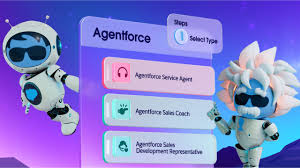
Agentforce: Deploy Autonomous AI Agents on the Salesforce Platform Agentforce empowers businesses to deploy autonomous AI agents that enhance productivity, customer experience, and operational efficiency. These AI agents act as an intelligent layer on the Salesforce Platform, working 24/7 to analyze data, make decisions, converse naturally, and execute multi-step workflows—all while aligning with your business needs. With Agentforce, you get:✔ AI Agent Builder – Customizable tools to design and deploy agents✔ Prebuilt Use Cases – Ready-to-deploy solutions for sales, service, marketing, and more✔ Scalable Autonomy – Agents that learn, adapt, and operate independently within defined guardrails Planning Your AI Agent: Key Considerations Before deploying an AI agent, carefully evaluate: 1. Use Case Definition & Scope 2. Business Value & Impact 3. Decision-Making & Autonomy 4. Risk & Guardrails 5. Data Readiness What Makes a Strong AI Use Case? Criteria Key Questions Value Will the AI agent improve efficiency, accuracy, or experience? Work Definition Can the task be clearly defined with structured steps? Decision-Making Can the AI operate autonomously within set rules? Risk Management Does the use case comply with security and regulatory needs? Data Quality Is the necessary data available and reliable? Next Steps: Deploying AI Agents Successfully Ready to Get Started? Agentforce lets you build an AI agent in days—but thoughtful planning ensures long-term success. Begin with a focused use case, validate quickly, and scale intelligently. Like Related Posts Who is Salesforce? Who is Salesforce? Here is their story in their own words. From our inception, we’ve proudly embraced the identity of Read more Salesforce Marketing Cloud Transactional Emails Salesforce Marketing Cloud Transactional Emails are immediate, automated, non-promotional messages crucial to business operations and customer satisfaction, such as order Read more Salesforce Unites Einstein Analytics with Financial CRM Salesforce has unveiled a comprehensive analytics solution tailored for wealth managers, home office professionals, and retail bankers, merging its Financial Read more AI-Driven Propensity Scores AI plays a crucial role in propensity score estimation as it can discern underlying patterns between treatments and confounding variables Read more
Read More
gettectonic.com