Sales Cloud Archives - gettectonic.com - Page 2
Salesforce’s Marketing Intelligence

Salesforce’s Marketing Intelligence

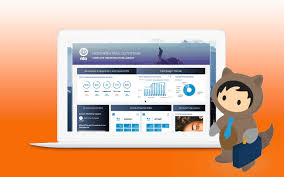
Introducing Salesforce’s Marketing Intelligence: The Future of Marketing Analytics For the past dozen years, many marketers have been enamored with a powerful marketing analytics tool—Datorama, now known as Salesforce Marketing Cloud Intelligence (MCI). Regarded as one of the most seamless solutions for unifying data across multiple sources, MCI was built by marketers for marketers. It enables users to effortlessly combine data, generate reports, and build dashboards using plain language and pre-built data models. Whether for simple smart-lens dashboards or complex automated reporting triggered by specific events, MCI has been a game-changer. To the delight of marketers everywhere, Salesforce announced on March 18, 2025, a new evolution of the tool: Marketing Intelligence (MI). Built on the Salesforce Platform, MI takes the best of MCI and integrates it with Data Cloud’s unified architecture while introducing agentic AI features that deliver actionable, conversational insights. So, without further ado, let’s explore this exciting new tool. What Is Marketing Intelligence? Marketing Intelligence (MI) is a new Salesforce application designed to simplify marketing data management, deliver trustworthy insights, and maximize marketing ROI. Built on Data Cloud and deeply connected to the Salesforce ecosystem, MI is fully extensible—equipping marketers with everything they need to create powerful, meaningful dashboards with minimal effort. Data Cloud for Marketers, Made Easy One of the standout features of MCI has always been its AI-powered data mapping, which auto-populates based on past usage and logical predictions. Additionally, many APIs come with prebuilt models, reducing the need for manual configuration. These capabilities have helped marketers transition smoothly into data modeling and dashboarding without requiring deep technical expertise. Happily, MI retains and enhances these features. Users can upload a TotalConnect file (a flat file of their choice) or connect via API—with options like Google Ads available at launch and more integrations coming soon. Selecting a connection like Google Ads pulls in formatted data, ready for quick mapping, allowing users to build dashboards in just three clicks. Clean, Intuitive Dashboards MI’s dashboards are sleek, fast-loading, and prebuilt—yet fully customizable. A major upgrade over MCI is the inclusion of generative AI summaries, which analyze campaigns and highlight what’s working (and what isn’t). This feature represents the future of dashboarding: not just displaying data trends but explaining them in plain language and suggesting next steps. Marketers can even ask their AI agent to take action based on these insights, streamlining optimization like never before. This functionality is particularly valuable in large implementations where different users extract different insights from the same dashboard. Instead of manually interpreting data, marketers can now ask their AI agent for recommendations—saving time and reducing guesswork. Harmonized Data Across Channels The core goal of any marketing analytics tool—whether Data Cloud, MCI, or MI—is to unify cross-channel data into actionable insights. Beyond standardized API mapping, MI harmonizes fields across datasets and uses a semantic model to logically connect data (e.g., aligning campaign names across paid media, CRM, and other tools—even when naming conventions differ). For Existing MCI Users: What’s New? Many longtime MCI users may wonder: Can a new version really live up to the original? The answer? Absolutely. Here’s why: 1. Normalization, Simplified In MCI, joining messy and clean data often requires manual effort—using formulas or restructuring campaigns. MI changes that. With Einstein AI-powered normalization, users can automatically standardize data without manual adjustments, making cross-channel reporting smoother than ever. 2. Semantic Modeling Flexibility While MCI offers prebuilt data models, MI introduces semantic modeling, allowing users to define custom relationships across datasets. This means greater flexibility in structuring data, adding fields, and evolving models as business needs change—all while maintaining seamless integration with Salesforce objects. 3. ROI & Attribution, Supercharged The best MCI implementations tie cost/engagement data to real ROI. MI takes this further by integrating with Sales Cloud objects, enabling clearer ROI visualization. Additionally, attribution modeling is now more robust, with support for first- and last-touch attribution—helping marketers validate performance and optimize spend. For New Users: Why Choose MI? 1. Best-in-Class Data Harmonization MCI has long been the gold standard for unifying marketing data. Now, MI enhances this with Data Cloud integration, AI normalization, and three-click setup—making it the ultimate solution for marketers. 2. Smarter, Faster Visualizations While MCI offers strong visualization options, MI improves on two key pain points: 3. Unmatched Customization Want to dynamically rename campaigns, merge traffic sources, or filter data based on custom logic? MI makes it possible with pattern extraction, semantic-layer calculated fields, and Einstein normalization—giving marketers unprecedented control. A New Era for Marketing Analytics Marketing Intelligence launched on March 18, 2025 (requiring Data Cloud and MI licenses). Marketers eager to explore this next-generation tool should contact their Salesforce account executive. MI represents a leap forward in intelligent dashboarding, streamlining marketing data in ways MCI only hinted at. For data-driven marketers, the future is here—and it’s more powerful than ever. Like1 Related Posts Who is Salesforce? Who is Salesforce? Here is their story in their own words. From our inception, we’ve proudly embraced the identity of Read more Salesforce Marketing Cloud Transactional Emails Salesforce Marketing Cloud Transactional Emails are immediate, automated, non-promotional messages crucial to business operations and customer satisfaction, such as order Read more Salesforce Unites Einstein Analytics with Financial CRM Salesforce has unveiled a comprehensive analytics solution tailored for wealth managers, home office professionals, and retail bankers, merging its Financial Read more AI-Driven Propensity Scores AI plays a crucial role in propensity score estimation as it can discern underlying patterns between treatments and confounding variables Read more

Read More
advanced analytics

Maximizing Sales Performance with Salesforce Sales Analytics

Salesforce, a leading CRM platform, provides powerful sales analytics tools that empower businesses to make data-driven decisions, boost productivity, and drive revenue growth. This guide highlights the importance of Salesforce Sales Analytics, its key features, and how to leverage them to optimize your sales team’s performance. Key Features of Salesforce Sales Analytics 1. Reports and Dashboards Salesforce’s reporting capabilities enable users to create custom dashboards and reports for real-time insights into lead conversion, sales performance, and other critical metrics. These visual tools help businesses track trends and make informed decisions effortlessly. 2. Einstein Analytics Powered by AI and machine learning, Einstein Analytics offers: 3. Sales Cloud Analytics Sales Cloud Analytics helps businesses: 4. Forecasting Tools Salesforce’s AI-powered forecasting tools provide accurate revenue projections by analyzing: How Different Teams Benefit from Sales Analytics ✅ Executives – Gain a high-level view of sales, service, and pipeline performance with real-time dashboards highlighting key business metrics. ✅ Sales Managers – Monitor team performance, track quota attainment, analyze pipeline changes, and optimize sales cycles to accelerate deal closures. ✅ Sales Representatives – Get insights into personal sales performance, pipeline activities, and quota attainment, allowing for quicker decision-making and identification of new business opportunities. ✅ Operations Teams – Analyze sales performance by customer, region, and source to optimize negotiation strategies and business development efforts. Setting Up the Salesforce Sales Analytics App 1. Launch Analytics Studio Navigate to Analytics Studio via the Sales Home page and click on the Apps button. 2. Search for Sales Analytics If the Sales Analytics App does not appear by default, use the search bar to locate it. 3. Access the Default Dashboard The default dashboard provides key metrics, including: 4. Customize Widgets Modify data representation by selecting the Edit button and customizing widgets to align with your business needs. 5. Adjust Goal Widgets Update goal widgets to match your sales targets and business objectives. 6. Explore Additional Dashboards Salesforce offers role-specific dashboards for Sales Managers, Executives, and other stakeholders to gain tailored insights. 7. Utilize the Lens Feature for Visualizations Leverage Lens to create object-specific visualizations, such as opportunities by time, stage, owner, and more. Conclusion Integrating Salesforce Sales Analytics with Tableau CRM creates a comprehensive Business Intelligence (BI) solution. However, businesses looking for a simpler or more cost-effective alternative may consider exporting Salesforce data into third-party analytics platforms for additional flexibility and ease of use. By leveraging Salesforce Sales Analytics, businesses can enhance forecasting, improve decision-making, and drive sales performance with real-time insights. Like1 Related Posts Who is Salesforce? Who is Salesforce? Here is their story in their own words. From our inception, we’ve proudly embraced the identity of Read more Salesforce Marketing Cloud Transactional Emails Salesforce Marketing Cloud Transactional Emails are immediate, automated, non-promotional messages crucial to business operations and customer satisfaction, such as order Read more Salesforce Unites Einstein Analytics with Financial CRM Salesforce has unveiled a comprehensive analytics solution tailored for wealth managers, home office professionals, and retail bankers, merging its Financial Read more AI-Driven Propensity Scores AI plays a crucial role in propensity score estimation as it can discern underlying patterns between treatments and confounding variables Read more

Read More
Close Date Predictions

Einstein Close Date Predictions Retirement

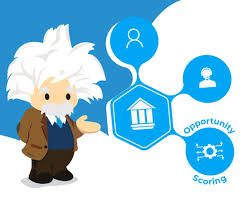
Important Update: Einstein Close Date Predictions Retirement (Spring ’25) Salesforce will retire Close Date Predictions (part of Einstein Deal Insights in Pipeline Inspection) in Spring ’25. To maintain powerful AI-driven sales forecasting, enable Einstein Opportunity Scoring, which provides:✅ Probability-to-close predictions✅ Key factors influencing each opportunity✅ Seamless integration with Pipeline Inspection What’s Changing? Recommended Action: Switch to Einstein Opportunity Scoring Most Sales Cloud users already have access—simply: 📌 Need help? See Einstein Deal Insights in Salesforce Help. What If I Do Nothing? After Spring ’25, Close Date Predictions will disappear. To avoid disruption:🔹 Adopt Einstein Opportunity Scoring for continuous AI-driven pipeline insights.🔹 Train teams on interpreting opportunity scores and actioning the AI’s recommendations. Questions? Contact Tectonic. Why This Matters:Einstein Opportunity Scoring offers deeper, explainable predictions to help reps prioritize deals and improve win rates. Upgrade now to keep your pipeline sharp!  Like Related Posts Who is Salesforce? Who is Salesforce? Here is their story in their own words. From our inception, we’ve proudly embraced the identity of Read more Salesforce Marketing Cloud Transactional Emails Salesforce Marketing Cloud Transactional Emails are immediate, automated, non-promotional messages crucial to business operations and customer satisfaction, such as order Read more Salesforce Unites Einstein Analytics with Financial CRM Salesforce has unveiled a comprehensive analytics solution tailored for wealth managers, home office professionals, and retail bankers, merging its Financial Read more AI-Driven Propensity Scores AI plays a crucial role in propensity score estimation as it can discern underlying patterns between treatments and confounding variables Read more
Read More

The Top Sales Software Tools to Power Your Team in 2025

For seasoned sales professionals, hitting ambitious targets is just part of the job. But in today’s hyper-competitive market, raw skill alone isn’t enough—you need the right sales software to maximize productivity, streamline lead management, and strengthen customer relationships. The difference between a good sales year and a record-breaking one often comes down to the tools your team uses. In this guide, we’ll break down the best sales software of 2025, highlighting key features that can transform your daily workflow. What Is Sales Software? Sales software automates and optimizes the sales process, helping businesses reduce costs, accelerate deals, and improve customer outcomes. From CRMs to AI-powered analytics, these tools empower sales leaders to:✔ Track rep performance & identify training gaps✔ Forecast revenue with greater accuracy✔ Manage leads efficiently across the pipeline✔ Automate repetitive tasks so teams focus on selling Core Functions of Sales Software Beyond CRMs, sales software includes conversation intelligence, incentive compensation management, and pipeline optimization platforms—each playing a critical role in a high-performing sales stack. Key Features to Look for in Sales Software Before choosing a solution, assess your team’s needs and budget. Here’s what to prioritize: ✅ Seamless Integrations – Must work with your existing CRM, HR, payroll, and ERP systems.✅ Advanced Analytics – Real-time dashboards and AI-driven insights for smarter decisions.✅ User-Friendly Design – If it’s hard to use, reps won’t adopt it.✅ Workflow Automation – AI-powered tools that cut manual tasks, giving reps 30%+ more selling time.✅ Robust Security – Protects sensitive customer and company data in a remote-work era.✅ Lead Tracking & Scoring – Identifies high-intent prospects to boost conversions. The 9 Best Sales Software Tools in 2025 Based on G2 & Capterra ratings (4+ stars), these platforms lead the pack: 1. Salesforce Sales Cloud Best for: AI-driven sales management✔ Lead prioritization with smart scoring✔ Autonomous AI agents for follow-ups✔ Real-time dashboards for performance tracking 2. Pipedrive Best for: Small businesses scaling fast✔ AI-generated email prompts✔ Pipeline visualization for deal tracking✔ Sales forecasting tools 3. Outreach Best for: Sales execution & engagement✔ AI-powered prospecting workflows✔ Win-loss analytics✔ Multi-channel sync (Email, LinkedIn, CRM) 4. HubSpot Sales Hub Best for: All-in-one CRM & automation✔ Customizable workflows✔ Built-in email tracking✔ User-friendly interface 5. SAP Sales Cloud Best for: Enterprise sales teams✔ Generative AI for forecasting✔ Mobile-friendly for field reps✔ Embedded analytics 6. Monday CRM Best for: Customizable workflows✔ AI auto-categorizes leads✔ Collaboration with marketing teams✔ Visual sales pipeline 7. Freshsales Best for: High-volume lead management✔ AI lead scoring✔ Email engagement tracking✔ Highly customizable 8. Apptivo Best for: SMBs needing flexibility✔ No-code automation✔ Duplicate lead prevention✔ Strong customer support 9. Zendesk Best for: Sales + customer service alignment✔ AI-assisted live chat✔ Omnichannel support✔ Seamless Salesforce integration How to Choose the Right Sales Software Before committing, ask:🔹 Does it integrate with our current stack?🔹 Will reps actually use it? (Ease of adoption is critical.)🔹 Can it scale with our growth?🔹 What’s the customer support like? Pro Tip: Get feedback from your sales team—what features would make their jobs easier? Final Thoughts The right sales software doesn’t just manage leads—it accelerates revenue, boosts rep productivity, and turns data into actionable insights. Whether you’re a startup or an enterprise, investing in the best tools ensures your team closes more deals, faster. Ready to upgrade your sales stack? Contact Tectonic today. Like Related Posts Who is Salesforce? Who is Salesforce? Here is their story in their own words. From our inception, we’ve proudly embraced the identity of Read more Salesforce Marketing Cloud Transactional Emails Salesforce Marketing Cloud Transactional Emails are immediate, automated, non-promotional messages crucial to business operations and customer satisfaction, such as order Read more Salesforce Unites Einstein Analytics with Financial CRM Salesforce has unveiled a comprehensive analytics solution tailored for wealth managers, home office professionals, and retail bankers, merging its Financial Read more AI-Driven Propensity Scores AI plays a crucial role in propensity score estimation as it can discern underlying patterns between treatments and confounding variables Read more
Read More
cloudingo for duplicates

Duplicate Data in Salesforce

Duplicate Data in Salesforce: A Sign of Growth, Not Just a Problem Most businesses see duplicate records in Salesforce as a nuisance—an inevitable byproduct of disconnected systems, human error, or inconsistent data entry. And while duplicates do create challenges, they also reveal something important: your business is growing. Duplicates often emerge when scaling—new teams, more tools, and increased customer interactions mean data pours in from multiple sources (marketing automation, sales outreach, support tickets, etc.). The issue isn’t the duplicates themselves; it’s how you handle them. The Hidden Opportunity in Duplicate Data Instead of treating duplicates as purely negative, consider them a chance to: 1. Build a More Complete Customer Picture A duplicate record often represents multiple touchpoints with the same customer. One entry may contain marketing engagement data, another sales notes, and a third support history. Merging them correctly creates a richer, more valuable profile—helping teams personalize interactions and improve customer experiences. 2. Identify Growth Trends A rise in duplicates can signal positive momentum: Tracking duplicates helps pinpoint where processes need refinement as your business scales. 3. Strengthen Data Governance Duplicates often indicate it’s time to revisit data management policies. A clear governance strategy—defining how records should be entered, maintained, and merged—keeps Salesforce clean and reliable. But strategy alone isn’t enough; training and buy-in ensure adoption across teams. 4. Improve Cross-Team Alignment Multiple records for the same contact may suggest siloed teams. Strategic deduplication creates a single source of truth, fostering collaboration and ensuring no opportunities slip through the cracks. Balancing Flexibility & Control Overly strict data entry rules can discourage Salesforce adoption—if users face too many hurdles, they may avoid logging critical information altogether. Yet, no structure leads to chaos: redundant efforts, misaligned reporting, and frustrated teams. The solution? Don’t prevent duplicates—manage them intelligently. The Right Way to Handle Duplicates Instead of blocking record creation, adopt a smarter approach that:✅ Allows users to work freely—Keep data entry frictionless while educating teams on governance best practices.✅ Automatically flags potential duplicates—Use real-time alerts to surface possible matches without manual checks.✅ Merges records intelligently—Preserve valuable data by consolidating records based on quality rules, not just deletion. How Cloudingo Helps Cloudingo enables businesses to maintain user flexibility while keeping data clean. By automating deduplication, it ensures Salesforce remains both easy to use and reliably structured—giving teams the freedom to work while leadership gets accurate insights. See Duplicates Differently Next time you spot duplicates in Salesforce, don’t just see a problem—see a sign of growth and an opportunity to refine your data strategy. When managed well, duplicates aren’t just acceptable; they’re a key part of scaling successfully. Ready to turn duplicates into an advantage? Explore how Cloudingo can help. Like Related Posts Who is Salesforce? Who is Salesforce? Here is their story in their own words. From our inception, we’ve proudly embraced the identity of Read more Salesforce Marketing Cloud Transactional Emails Salesforce Marketing Cloud Transactional Emails are immediate, automated, non-promotional messages crucial to business operations and customer satisfaction, such as order Read more Salesforce Unites Einstein Analytics with Financial CRM Salesforce has unveiled a comprehensive analytics solution tailored for wealth managers, home office professionals, and retail bankers, merging its Financial Read more AI-Driven Propensity Scores AI plays a crucial role in propensity score estimation as it can discern underlying patterns between treatments and confounding variables Read more
Read More
Salesforce Life Sciences Cloud and Honeywell

Salesforce Life Sciences Cloud and Honeywell

Honeywell’s TrackWise® Quality solution suite, in combination with Salesforce Life Sciences Cloud, will provide a comprehensive software platform for pharmaceutical and medical technology companies. Honeywell has expanded its strategic partnership with Salesforce, Inc. to introduce an integrated software platform designed for the life sciences industry. This platform, which includes Honeywell’s TrackWise Quality, Salesforce Life Sciences Cloud, Agentforce, and other solutions, aims to help pharmaceutical and medical technology companies accelerate the delivery of critical medications and healthcare devices with enhanced safety and cost efficiency. By digitizing and automating quality and compliance processes, Honeywell’s TrackWise Quality enables companies to manufacture products more efficiently, mitigate risks, reduce production costs, and bring safer products to market faster. Salesforce Life Sciences Cloud consolidates diverse data sources—such as clinical test results and medical records—to optimize interactions between pharmaceutical and medtech organizations, healthcare professionals, partners, and patients. This collaboration underscores the shared commitment of Honeywell and Salesforce to advancing automation and efficiency in the life sciences sector. “Our ongoing commitment to providing innovative software to manufacturers of critical life-supporting treatments centers around fostering trust between providers and patients,” said Frank Defesche, SVP & GM, Life Sciences at Salesforce. “The long-standing collaboration between Salesforce and Honeywell strengthens the life sciences industry by enhancing quality interactions and products, ultimately leading to improved patient outcomes.” “Partnering with Salesforce allows us to leverage our combined expertise in life sciences to drive operational efficiency, improve quality, and enhance patient-centric solutions through technology,” said Sunil Pandita, Vice President & General Manager of Honeywell Life Sciences. “From assisting patients in finding life-changing clinical trials to detecting anomalies in pharmaceutical manufacturing, Honeywell and Salesforce technologies are enabling better patient care.” Honeywell’s TrackWise Quality fosters a proactive approach to quality management by integrating industry best practices, advanced tracking and analytics, and artificial intelligence (AI) capabilities. This empowers life sciences companies to harness data more effectively, optimize performance, and enhance decision-making processes. Salesforce Life Sciences Cloud serves as a comprehensive, AI-powered engagement platform for pharmaceutical and medtech companies. Built on Sales Cloud and Service Cloud, it streamlines processes such as automating pharmacy benefit verification and expediting the screening of clinical trial candidates. These enhancements improve patient access, medication adherence, and accelerate diverse patient recruitment while reducing trial attrition. Additional Salesforce solutions within the platform include Agentforce, Data Cloud, and Analytics. As part of its continued commitment to life sciences customers, Honeywell has joined the Salesforce Agentforce Partner Network, a global ecosystem of partners developing solutions for regulatory-compliant training materials for life sciences professionals. To learn more about Honeywell’s industry-leading technologies for life sciences, visit: www.honeywell.com/us/en/industries/life-sciences. Salesforce, Salesforce Life Sciences Cloud, Agentforce, Data Cloud, and other names are trademarks of Salesforce, Inc. About Honeywell Honeywell is a diversified operating company serving a wide range of industries worldwide. Its business aligns with three key megatrends—automation, the future of aviation, and energy transition—supported by the Honeywell Accelerator operating system and Honeywell Forge IoT platform. As a trusted partner, Honeywell helps organizations address complex global challenges, delivering innovative solutions through its Aerospace Technologies, Industrial Automation, Building Automation, and Energy and Sustainability Solutions segments. For more news and updates on Honeywell, visit www.honeywell.com/newsroom. Like Related Posts Who is Salesforce? Who is Salesforce? Here is their story in their own words. From our inception, we’ve proudly embraced the identity of Read more Salesforce Marketing Cloud Transactional Emails Salesforce Marketing Cloud Transactional Emails are immediate, automated, non-promotional messages crucial to business operations and customer satisfaction, such as order Read more Salesforce Unites Einstein Analytics with Financial CRM Salesforce has unveiled a comprehensive analytics solution tailored for wealth managers, home office professionals, and retail bankers, merging its Financial Read more AI-Driven Propensity Scores AI plays a crucial role in propensity score estimation as it can discern underlying patterns between treatments and confounding variables Read more

Read More
Salesforce Sales Cloud Einstein

Salesforce Sales Cloud Einstein

Transforming Sales with Salesforce Sales Cloud Einstein In today’s data-driven business world, artificial intelligence (AI) is revolutionizing sales and customer relationship strategies. As the leading customer relationship management (CRM) platform, Salesforce introduces Sales Cloud Einstein, an AI-powered solution embedded within its Sales Cloud platform. This tool empowers businesses to streamline workflows, predict sales outcomes, and optimize customer engagement. This comprehensive insight explores the features, benefits, and costs of Sales Cloud Einstein, helping you determine how it can elevate your company’s sales performance. Key Features of Salesforce Sales Cloud Einstein Sales Cloud Einstein is packed with powerful AI-driven features, enabling sales teams to work smarter and close deals faster. Here are the key features: 1. Einstein Lead Scoring Automatically scores leads based on their likelihood to convert, using historical CRM data and patterns detected by AI. Key Metrics Impact Engagement history Prioritizes leads with recent activity Lead source Scores leads based on successful origins Demographics Highlights high-performing attributes like industry 2. Einstein Opportunity Scoring Assigns scores to opportunities in the pipeline, predicting their likelihood to close. Factor Impact on Scoring Stage progression Higher scores for quickly advancing deals Deal size Larger deals with strong progression rank higher Customer engagement Consistent interactions improve scores 3. Einstein Forecasting Delivers accurate sales forecasts by analyzing historical data, pipeline trends, and anomalies. Metric Value Added Pipeline health Predicts future revenue Win rate analysis Estimates likelihood of success Historical trends Enhances accuracy over time 4. Einstein Activity Capture Automatically logs customer interactions—emails, meetings, and calls—into Salesforce, reducing manual data entry. 5. Einstein Insights Provides actionable recommendations for the next best actions to close deals, using engagement history and deal data. 6. Einstein Email Insights Highlights key action items from emails using natural language processing (NLP). 7. Einstein Automated Contacts Detects and adds new contacts to Salesforce from emails and interactions, keeping records up to date. Benefits of Salesforce Sales Cloud Einstein Sales Cloud Einstein delivers a wide range of benefits: Costs of Salesforce Sales Cloud Einstein Sales Cloud Einstein is available as an add-on for Sales Cloud Enterprise or included in the Unlimited edition. Edition Cost (per user/month) Einstein Features Sales Cloud Enterprise $150 – $175 Lead Scoring, Opportunity Scoring, Activity Capture Sales Cloud Unlimited $300+ Full Einstein capabilities Add-On Pricing for Enterprise Edition: Feature Estimated Cost (per user/month) Einstein Forecasting $50 – $100 Einstein Activity Capture Available as an add-on Custom solutions (e.g., Einstein Discovery) may involve additional costs depending on the project scope and licensing requirements. Is Sales Cloud Einstein Right for Your Business? Sales Cloud Einstein is ideal if you: Final Thoughts Salesforce Sales Cloud Einstein is a game-changing tool that leverages AI to transform sales processes. With its powerful features and benefits, Einstein empowers businesses to boost productivity, enhance customer engagement, and drive revenue growth. Ready to integrate Einstein into your operations? Contact us for a personalized consultation and see how AI can elevate your sales performance. Like Related Posts Who is Salesforce? Who is Salesforce? Here is their story in their own words. From our inception, we’ve proudly embraced the identity of Read more Salesforce Marketing Cloud Transactional Emails Salesforce Marketing Cloud Transactional Emails are immediate, automated, non-promotional messages crucial to business operations and customer satisfaction, such as order Read more Salesforce Unites Einstein Analytics with Financial CRM Salesforce has unveiled a comprehensive analytics solution tailored for wealth managers, home office professionals, and retail bankers, merging its Financial Read more AI-Driven Propensity Scores AI plays a crucial role in propensity score estimation as it can discern underlying patterns between treatments and confounding variables Read more

Read More
Opportunity Scoring with Einstein

Agentforce Versus Einstein

Salesforce offers a variety of tools and platforms to help businesses manage customer relationships, automate processes, and leverage AI for better decision-making. Two of its prominent offerings in the customer service and AI space are Service Cloud (Agent Console) and Einstein AI. Here’s a comparison of Agent Console (part of Service Cloud) and Einstein: 1. Salesforce Agent Console (Service Cloud) The Agent Console is a core component of Salesforce’s Service Cloud, which is designed to help customer service agents manage cases, interactions, and customer data efficiently. Key Features: Use Case: The Agent Console is ideal for customer service teams that need a centralized platform to manage customer interactions and resolve issues quickly. 2. Salesforce Einstein Einstein is Salesforce’s AI platform that integrates artificial intelligence across Salesforce products, including Service Cloud, Sales Cloud, Marketing Cloud, and more. It provides predictive analytics, automation, and personalized recommendations. Key Features: Use Case: Einstein is ideal for organizations looking to leverage AI to enhance customer service, improve decision-making, and automate routine tasks. Agent Console vs. Einstein: Key Differences Feature/Aspect Agent Console (Service Cloud) Einstein AI Purpose Centralized platform for managing customer service operations. AI-powered insights, automation, and personalization. Core Functionality Case management, omnichannel support, and agent productivity tools. Predictive analytics, chatbots, and AI-driven recommendations. Automation Workflow automation for case management and task routing. AI bots and automated responses for customer inquiries. Insights Basic reporting and analytics for agent performance. Advanced predictive analytics and AI-driven insights. Integration Part of Service Cloud, focused on customer service. Integrated across Salesforce products (Sales, Service, Marketing, etc.). User Interaction Primarily used by customer service agents. Used by agents, managers, and customers (via bots). How They Work Together The Agent Console and Einstein are not mutually exclusive; they complement each other. For example: Which One Should You Use? In many cases, businesses use both together to create a seamless, AI-enhanced customer service experience. Like Related Posts Who is Salesforce? Who is Salesforce? Here is their story in their own words. From our inception, we’ve proudly embraced the identity of Read more Salesforce Marketing Cloud Transactional Emails Salesforce Marketing Cloud Transactional Emails are immediate, automated, non-promotional messages crucial to business operations and customer satisfaction, such as order Read more Salesforce Unites Einstein Analytics with Financial CRM Salesforce has unveiled a comprehensive analytics solution tailored for wealth managers, home office professionals, and retail bankers, merging its Financial Read more AI-Driven Propensity Scores AI plays a crucial role in propensity score estimation as it can discern underlying patterns between treatments and confounding variables Read more

Read More

Roles and Permissions

Role: A role is a set of predefined permissions related to specific tasks or responsibilities within an organization. Roles group users based on their job functions, simplifying the management of permissions. Permission: Permissions authorize users to perform specific actions within the system, such as viewing data, modifying records, or executing commands. Types of Users in Salesforce Salesforce end users are individuals who utilize Salesforce in their daily work. For instance: User Permissions in Salesforce A permission set is a collection of settings and permissions that grant users access to various tools and functions. Permission sets extend users’ functional access without altering their profiles and are the recommended method for managing user permissions. User permissions determine the tasks users can perform and the features they can access. For example: Multiple Permission Sets While users can only have one profile, they can have multiple permission sets, depending on the Salesforce edition. Number of Permissions in Salesforce According to Salesforce documentation, an organization can have up to 1,000 Permission Sets. Roles and Permissions in Salesforce In Salesforce: Managing User Permissions Viewing and Managing Permissions To view and manage permissions: Recommended Practices Editions and Permissions User permissions vary according to the Salesforce edition. Permissions can be enabled in permission sets and custom profiles, with descriptions available in the App Permissions or System Permissions pages. By understanding and effectively managing roles, permissions, and user types, organizations can ensure that users have the appropriate access to perform their duties efficiently within Salesforce. Like Related Posts Who is Salesforce? Who is Salesforce? Here is their story in their own words. From our inception, we’ve proudly embraced the identity of Read more Salesforce Marketing Cloud Transactional Emails Salesforce Marketing Cloud Transactional Emails are immediate, automated, non-promotional messages crucial to business operations and customer satisfaction, such as order Read more Salesforce Unites Einstein Analytics with Financial CRM Salesforce has unveiled a comprehensive analytics solution tailored for wealth managers, home office professionals, and retail bankers, merging its Financial Read more AI-Driven Propensity Scores AI plays a crucial role in propensity score estimation as it can discern underlying patterns between treatments and confounding variables Read more
Read More
Revenue Cloud

Salesforce Revenue Cloud

Salesforce Revenue Cloud is a comprehensive platform that manages the entire revenue lifecycle within the Salesforce ecosystem. It extends the capabilities of Sales Cloud and Service Cloud to handle all revenue-related tasks, from quoting and contracting to billing and revenue recognition.  Key Features and Functionality: Benefits of Using Revenue Cloud:  Like Related Posts Who is Salesforce? Who is Salesforce? Here is their story in their own words. From our inception, we’ve proudly embraced the identity of Read more Salesforce Marketing Cloud Transactional Emails Salesforce Marketing Cloud Transactional Emails are immediate, automated, non-promotional messages crucial to business operations and customer satisfaction, such as order Read more Salesforce Unites Einstein Analytics with Financial CRM Salesforce has unveiled a comprehensive analytics solution tailored for wealth managers, home office professionals, and retail bankers, merging its Financial Read more AI-Driven Propensity Scores AI plays a crucial role in propensity score estimation as it can discern underlying patterns between treatments and confounding variables Read more
Read More
AI Captivates the World

Salesforce Revenue Intelligence Explained

Revenue Intelligence: The AI-Powered Sales Game Changer What is Revenue Intelligence? Revenue intelligence transforms sales performance by using data and AI to uncover hidden risks and opportunities across your entire pipeline. It gives sales teams real-time insights to close revenue gaps, hit quotas, and improve forecast accuracy—all within their existing CRM workflow. How Revenue Intelligence Works Revenue intelligence software continuously analyzes: It delivers actionable insights directly in your CRM through:✔ Smart dashboards highlighting priority deals✔ AI-powered alerts on risks and opportunities✔ Visual sales trends and forecast analytics✔ Performance leaderboards for key metrics Why Every Sales Team Needs Revenue Intelligence Remember that deal that unexpectedly fell apart? Revenue intelligence helps you:🔍 Spot hidden risks (like silent stakeholders)💡 Catch missed signals (customer comments with buying intent)⚡ Take corrective action before it’s too late Who Benefits? Role Key Benefits Sales Leaders Monitor pipeline coverage trends, close revenue gaps Sales Managers Identify stalled deals, focus on high-value accounts Sales Reps Get next-step recommendations, manage high deal volumes Critical Revenue Intelligence Metrics Revenue intelligence tracks 4 key metric categories to keep your team on target: 1. Revenue Metrics 2. Forecast Metrics 3. Deal Health Metrics 4. Rep Performance How Revenue Intelligence Software Transforms Sales Replace gut-feeling forecasts with data-driven precision: ✅ Improves forecast accuracy with trend analysis✅ Surfaces stalled deals with recovery recommendations✅ Identifies whitespace opportunities automatically✅ Provides coaching insights for underperformers “Revenue Intelligence in Sales Cloud helped our team increase forecast accuracy by 32% while reducing deal slippage.” — Enterprise Sales Director Join the Data-Driven Sales Revolution Stop guessing and start knowing:🔹 Which deals need attention right now🔹 When to intervene before risks materialize🔹 How to consistently hit quota Ready to transform your sales process? Contact Tectonic today. Like Related Posts Who is Salesforce? Who is Salesforce? Here is their story in their own words. From our inception, we’ve proudly embraced the identity of Read more Salesforce Marketing Cloud Transactional Emails Salesforce Marketing Cloud Transactional Emails are immediate, automated, non-promotional messages crucial to business operations and customer satisfaction, such as order Read more Salesforce Unites Einstein Analytics with Financial CRM Salesforce has unveiled a comprehensive analytics solution tailored for wealth managers, home office professionals, and retail bankers, merging its Financial Read more AI-Driven Propensity Scores AI plays a crucial role in propensity score estimation as it can discern underlying patterns between treatments and confounding variables Read more
Read More
gettectonic.com