Sales Pipeline Archives - gettectonic.com - Page 2
Artificial Intelligence and Sales Cloud

Artificial Intelligence and Sales Cloud

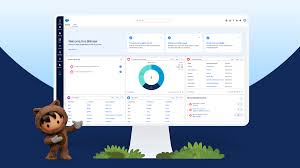
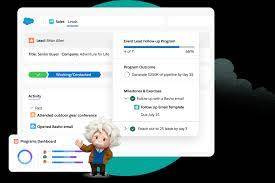
Artificial Intelligence and Sales Cloud AI enhances the sales process at every stage, making it more efficient and effective. Salesforce’s AI technology—Einstein—streamlines data entry and offers predictive analysis, empowering sales teams to maximize every opportunity. Artificial Intelligence and Sales Cloud explained. Artificial Intelligence and Sales Cloud Sales Cloud integrates several AI-driven features powered by Einstein and machine learning. To get the most out of these tools, review which features align with your needs and check the licensing requirements for each one. Einstein and Data Usage in Sales Cloud Einstein thrives on data. To fully leverage its capabilities within Sales Cloud, consult the data usage table to understand which types of data Einstein features rely on. Setting Up Einstein Opportunity Scoring in Sales Cloud Einstein Opportunity Scoring, part of the Sales Cloud Einstein suite, is available to eligible customers at no additional cost. Simply activate Einstein, and the system will handle the rest, offering predictive insights to improve your sales pipeline. Managing Access to Einstein Features in Sales Cloud Sales Cloud users can access Einstein Opportunity Scoring through the Sales Cloud Einstein For Everyone permission set. Ensure the right team members have access by reviewing the permissions, features included, and how to manage assignments. Einstein Copilot Setup for Sales Einstein Copilot helps sales teams stay organized by guiding them through deal management, closing strategies, customer communications, and sales forecasting. Each Copilot action corresponds to specific topics designed to optimize the sales process. Like1 Related Posts Who is Salesforce? Who is Salesforce? Here is their story in their own words. From our inception, we’ve proudly embraced the identity of Read more Salesforce Marketing Cloud Transactional Emails Salesforce Marketing Cloud Transactional Emails are immediate, automated, non-promotional messages crucial to business operations and customer satisfaction, such as order Read more Salesforce Unites Einstein Analytics with Financial CRM Salesforce has unveiled a comprehensive analytics solution tailored for wealth managers, home office professionals, and retail bankers, merging its Financial Read more AI-Driven Propensity Scores AI plays a crucial role in propensity score estimation as it can discern underlying patterns between treatments and confounding variables Read more

Read More
Salesforce 2024 outage

October 2024 Outage

On October 1st, 2024, Salesforce experienced a significant outage impacting over 80 instances, causing core services to slow to a crawl. The outage, which began around 6:30 UTC, remained unresolved over 8.5 hours later, with the root cause still unknown at that time. The outage has been particularly damaging, as Salesforce emphasizes trust as one of its core values, promoting transparency and reliability in its service delivery. While the Salesforce Trust website, which provides real-time system status updates, remained operational, some users reported difficulty accessing it when they needed outage details, adding to their frustration. This disruption has been a major blow to organizations that depend on Salesforce for essential business functions such as customer relationship management (CRM), sales pipelines, and workflow management. Key Facts About the Outage Am I Affected by the Salesforce Downtime? If you’re unsure whether your instance is affected, you can check the real-time list of impacted cases on the Salesforce Trust website. To do this, identify your organization’s instance (e.g., NA54, EU13) and compare it to the affected list. However, the Trust site itself has experienced intermittent outages during the incident. Customers have reported issues such as: If you’re encountering these problems, your Salesforce instance is likely impacted. How Salesforce is Responding Salesforce has initiated an emergency release in phases, with the first phase nearly complete. Afterward, validation checks will be performed to assess system stability. While some customers have reported that their instances have recovered, others continue to experience severe issues. Salesforce Support has provided general troubleshooting advice, such as using alternative browsers or clearing caches, but many users have found this ineffective, as the root cause lies within Salesforce’s infrastructure, not user-side configurations. What to Do Now Looking Ahead Although the root cause of the outage remains undetermined, Salesforce has committed to providing regular updates. Customers are encouraged to monitor the Salesforce Trust website and communicate with support teams. Once the cause is identified, Salesforce plans to release a detailed report on the incident and how they will prevent future occurrences. Conclusion Salesforce’s outage on October 1st has caused widespread disruption for businesses globally. While emergency updates are underway and some instances are recovering, full resolution may take time. In the meantime, staying updated and preparing for intermittent issues is critial for those who rely on Salesforce for their daily operations. Stay tuned for further updates as Salesforce continues working to restore full functionality across all affected instances. Like Related Posts Who is Salesforce? Who is Salesforce? Here is their story in their own words. From our inception, we’ve proudly embraced the identity of Read more Salesforce Marketing Cloud Transactional Emails Salesforce Marketing Cloud Transactional Emails are immediate, automated, non-promotional messages crucial to business operations and customer satisfaction, such as order Read more Salesforce Unites Einstein Analytics with Financial CRM Salesforce has unveiled a comprehensive analytics solution tailored for wealth managers, home office professionals, and retail bankers, merging its Financial Read more AI-Driven Propensity Scores AI plays a crucial role in propensity score estimation as it can discern underlying patterns between treatments and confounding variables Read more

Read More
Predictive Analytics

Predictive Analytics

Industry forecasts predict an annual growth rate of 6% to 7%, fueled by innovations in cloud computing, artificial intelligence (AI), and data engineering. In 2023, the global data analytics market was valued at approximately $41 billion and is expected to surge to $118.5 billion by 2029, with a compound annual growth rate (CAGR) of 27.1%. This significant expansion reflects the growing demand for advanced analytics tools that provide actionable insights. AI has notably enhanced the accuracy of predictive models, enabling marketers to anticipate customer behaviors and preferences with impressive precision. “We’re on the verge of a new era in predictive analytics, with tools like Salesforce Einstein Data Analytics revolutionizing how we harness data-driven insights to transform marketing strategies,” says Koushik Kumar Ganeeb, a Principal Member of Technical Staff at Salesforce Data Cloud and a distinguished Data and AI Architect. Ganeeb’s leadership spans initiatives like AI-powered Salesforce Einstein Data Analytics, Marketing Cloud Connector for Data Cloud, and Intelligence Reporting (Datorama). His expertise includes architecting vast data extraction pipelines that process trillions of transactions daily. These pipelines play a crucial role in the growth strategies of Fortune 500 companies, helping them scale their data operations efficiently by leveraging AI. Ganeeb’s visionary work has propelled Salesforce Einstein Data Analytics into the forefront of business intelligence. Under his guidance, the platform’s advanced capabilities—such as predictive modeling, real-time data analysis, and natural language processing—are now pivotal in transforming how businesses forecast trends, personalize marketing efforts, and make data-driven decisions with unprecedented precision. AI and Machine Learning: The Next Frontier Beginning in 2018, Salesforce Marketing Cloud, a leading engagement platform used by top enterprises, faced challenges in extracting actionable insights and enhancing AI capabilities from rapidly growing data across diverse systems. Ganeeb was tasked with overcoming these hurdles, leading to the development of the Salesforce Einstein Provisioning Process. This process involved the creation of extensive data import jobs and the establishment of standardized patterns based on consumer adoption learning. These automated jobs handle trillions of transactions daily, delivering critical engagement and profile data in real-time to meet the scalability needs of large enterprises. The data flows seamlessly into AI models that generate predictions on a massive scale, such as Engagement Scores and insights into messaging and language usage across the platform. “Integrating AI and machine learning into data analytics through Salesforce Einstein is not just a technological enhancement—it’s a revolutionary shift in how we approach data,” explains Ganeeb. “With our advanced predictive models and real-time data processing, we can analyze vast amounts of data instantly, delivering insights that were previously unimaginable.” This innovative approach empowers organizations to make more informed decisions, driving unprecedented growth and operational efficiency. Real-World Success Stories Under Ganeeb’s technical leadership, Salesforce Einstein Data Analytics has delivered remarkable results across industries by leveraging AI and machine learning to provide actionable insights and enhance business performance. In the past year, leading companies like T-Mobile, Fitbit, and Dell Technologies have reported significant improvements after integrating Einstein. Ganeeb’s proficiency in designing and scaling data engineering solutions has been critical in helping these enterprises optimize performance. “Scalability with Salesforce Einstein Data Analytics goes beyond managing data volumes—it ensures that every data point is converted into actionable insights,” says Ganeeb. His work processing petabytes of data daily underscores his commitment to precision and efficiency in data engineering. Navigating Data Ethics and Quality Despite the rapid growth of predictive analytics, Ganeeb emphasizes the importance of data ethics and quality. “The accuracy of predictive models depends on the integrity of the data,” he notes. Salesforce Einstein Data Analytics addresses this by curating datasets to ensure they are representative and free from bias, maintaining trust while delivering reliable insights. By implementing rigorous data quality checks and ethical considerations, Ganeeb ensures that Einstein Analytics not only delivers actionable insights but also fosters transparency and trust. This balanced approach is key to the responsible use of predictive analytics across various industries. Future Trends in Predictive Analytics The future of predictive analytics looks bright, with AI and machine learning poised to further refine the accuracy and utility of predictive models. “Success lies in embracing technological advancements while maintaining a human touch,” Ganeeb notes. “By combining AI-driven insights with human intuition, businesses can navigate market complexities and uncover new opportunities.” Ganeeb’s contributions to Salesforce Einstein Data Analytics exemplify this balanced approach, integrating cutting-edge technology with human insight to empower businesses to make strategic decisions. His work positions organizations to thrive in a data-driven world, helping them stay agile and competitive in an evolving market. Balancing Benefits and Challenges – Predictive Analytics While predictive analytics offers vast potential, Ganeeb recognizes the challenges. Ensuring data quality, addressing ethical concerns, and maintaining transparency are crucial for its responsible use. “Although challenges remain, the future of AI-based predictive analytics is promising,” Ganeeb asserts. His work with Salesforce Einstein Data Analytics continues to push the boundaries of marketing analytics, enabling businesses to harness the power of AI for transformative growth. Like1 Related Posts Who is Salesforce? Who is Salesforce? Here is their story in their own words. From our inception, we’ve proudly embraced the identity of Read more Salesforce Marketing Cloud Transactional Emails Salesforce Marketing Cloud Transactional Emails are immediate, automated, non-promotional messages crucial to business operations and customer satisfaction, such as order Read more Salesforce Unites Einstein Analytics with Financial CRM Salesforce has unveiled a comprehensive analytics solution tailored for wealth managers, home office professionals, and retail bankers, merging its Financial Read more AI-Driven Propensity Scores AI plays a crucial role in propensity score estimation as it can discern underlying patterns between treatments and confounding variables Read more

Read More
SaaS Data Protection from Own

SaaS Data Protection from Own

ENGLEWOOD CLIFFS, N.J.–(BUSINESS WIRE)–Own, the industry leader for SaaS data protection and activation, today announced the release of Continuous Data Protection for Salesforce customers, further strengthening its product offering to include unprecedented recovery and analysis capabilities. In an industry-first approach, Own Continuous Data Protection provides a turn-key solution that delivers significant value to customers that have mission-critical, frequently changing, or highly valuable data within Salesforce. Own is the only SaaS data protection platform that proactively detects and stores data changes in Salesforce by leveraging platform events to prevent data loss. “This innovative approach to Continuous Data Protection will provide our Salesforce customers with an unparalleled advantage for capturing every change to their data ” said Adrian Kunzle, Chief Technology Officer at Own. “From the company’s inception almost 10 years ago, it has been our goal to ensure that no company operating in the cloud loses their data. At Own, we are the first to reimagine Continuous Data Protection for greater data resilience and scalability, and to ensure business continuity. This new solution offers true continuous data protection, and equips our customers with the most complete dataset to enable greater data fidelity to power AI models.” Own’s release of Continuous Data Protection (CDP) is a groundbreaking development in data protection and activation. Traditionally, backup and recovery solutions that specialize in protecting SaaS application data leverage a high-frequency model that provides multiple snapshots per week or day. Continuous Data Protection from Own pushes data changes to a backup as they happen, allowing businesses to capture changes in their data in near real-time. In addition to creating a more resilient and scalable approach, the higher-fidelity datasets this offering creates will enable organizations to unlock new ways of leveraging analytics and AI models across their vital information. “This innovative approach to Continuous Data Protection will provide our Salesforce customers with an unparalleled advantage for capturing every change to their data,” said Adrian Kunzle, Chief Technology Officer at Own. “From the company’s inception almost 10 years ago, it has been our goal to ensure that no company operating in the cloud loses their data. At Own, we are the first to reimagine Continuous Data Protection for greater data resilience and scalability, and to ensure business continuity. This new solution offers true continuous data protection, and equips our customers with the most complete dataset to enable greater data fidelity to power AI models.” Continuous Data Protection is a step forward in the world of SaaS data protection, enabling Own Recover for Salesforce customers to recover rapidly changing, mission-critical data faster, enhancing data resiliency and scalability. Continuous Data Protection provides the ability to: The Continuous Data Protection offering will be generally available on August 19, 2024. About Own Own is the industry leader in SaaS data protection and activation, trusted by thousands of organizations to ensure the availability, security, and compliance of mission-critical data, while unlocking new ways to gain deeper insights faster. Own ensures data resiliency and empowers organizations to bring historical context to life for predictive insights and inspiration. By partnering with some of the world’s largest SaaS ecosystems such as Salesforce, ServiceNow and Microsoft Dynamics 365, Own enables customers around the world to truly own their data and transform their business. It’s their platform. It’s your data. Own it. Like Related Posts Who is Salesforce? Who is Salesforce? Here is their story in their own words. From our inception, we’ve proudly embraced the identity of Read more Salesforce Marketing Cloud Transactional Emails Salesforce Marketing Cloud Transactional Emails are immediate, automated, non-promotional messages crucial to business operations and customer satisfaction, such as order Read more Salesforce Unites Einstein Analytics with Financial CRM Salesforce has unveiled a comprehensive analytics solution tailored for wealth managers, home office professionals, and retail bankers, merging its Financial Read more AI-Driven Propensity Scores AI plays a crucial role in propensity score estimation as it can discern underlying patterns between treatments and confounding variables Read more

Read More
Understanding and Growing Your Monthly Recurring Revenue

Understanding and Growing Your Monthly Recurring Revenue

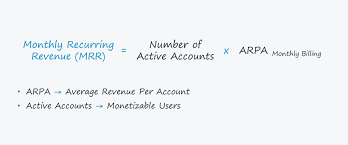
Understanding and Growing Your Monthly Recurring Revenue (MRR) Monthly Recurring Revenue (MRR) is a vital metric for subscription-based and managed services businesses. It indicates whether your business is growing or shrinking and is crucial for making strategic decisions. Understanding and Growing Your Monthly Recurring Revenue is a key to building, monitoring, and exploding your pipeline. What is Monthly Recurring Revenue (MRR)? While revenue represents your company’s total income, MRR is the predicted monthly revenue from active subscriptions. It includes all recurring charges such as subscriptions, service retainers, promos, discounts, and add-ons, but excludes one-time fees. Why is MRR Important? MRR provides insights into financial performance, growth potential, churn, and customer value. It is essential for strategic planning and investor relations. Benefits of Calculating MRR: Types of MRR: How to Calculate MRR: The basic formula for MRR is: MRR=Number of active accounts×Average monthly revenue per accounttext{MRR} = text{Number of active accounts} times text{Average monthly revenue per account}MRR=Number of active accounts×Average monthly revenue per account Steps to Calculate MRR: Example Calculation: MRR=(100×$50)+(50×$100)=$5,000+$5,000=$10,000text{MRR} = (100 times $50) + (50 times $100) = $5,000 + $5,000 = $10,000MRR=(100×$50)+(50×$100)=$5,000+$5,000=$10,000 So, the MRR for that month would be $10,000. Advanced MRR Calculations: Growing Your MRR: MRR is a crucial metric for understanding your customers, finances, and growth potential. By tracking and managing MRR, you can make informed decisions and drive sustainable business growth. As the subscription-based and managed services landscape evolves, prioritizing MRR is essential for improving and innovating revenue streams. Like Related Posts Who is Salesforce? Who is Salesforce? Here is their story in their own words. From our inception, we’ve proudly embraced the identity of Read more Salesforce Marketing Cloud Transactional Emails Salesforce Marketing Cloud Transactional Emails are immediate, automated, non-promotional messages crucial to business operations and customer satisfaction, such as order Read more Salesforce Unites Einstein Analytics with Financial CRM Salesforce has unveiled a comprehensive analytics solution tailored for wealth managers, home office professionals, and retail bankers, merging its Financial Read more AI-Driven Propensity Scores AI plays a crucial role in propensity score estimation as it can discern underlying patterns between treatments and confounding variables Read more

Read More
AI Captivates the World

Salesforce Revenue Intelligence Explained

Revenue Intelligence: The AI-Powered Sales Game Changer What is Revenue Intelligence? Revenue intelligence transforms sales performance by using data and AI to uncover hidden risks and opportunities across your entire pipeline. It gives sales teams real-time insights to close revenue gaps, hit quotas, and improve forecast accuracy—all within their existing CRM workflow. How Revenue Intelligence Works Revenue intelligence software continuously analyzes: It delivers actionable insights directly in your CRM through:✔ Smart dashboards highlighting priority deals✔ AI-powered alerts on risks and opportunities✔ Visual sales trends and forecast analytics✔ Performance leaderboards for key metrics Why Every Sales Team Needs Revenue Intelligence Remember that deal that unexpectedly fell apart? Revenue intelligence helps you:🔍 Spot hidden risks (like silent stakeholders)💡 Catch missed signals (customer comments with buying intent)⚡ Take corrective action before it’s too late Who Benefits? Role Key Benefits Sales Leaders Monitor pipeline coverage trends, close revenue gaps Sales Managers Identify stalled deals, focus on high-value accounts Sales Reps Get next-step recommendations, manage high deal volumes Critical Revenue Intelligence Metrics Revenue intelligence tracks 4 key metric categories to keep your team on target: 1. Revenue Metrics 2. Forecast Metrics 3. Deal Health Metrics 4. Rep Performance How Revenue Intelligence Software Transforms Sales Replace gut-feeling forecasts with data-driven precision: ✅ Improves forecast accuracy with trend analysis✅ Surfaces stalled deals with recovery recommendations✅ Identifies whitespace opportunities automatically✅ Provides coaching insights for underperformers “Revenue Intelligence in Sales Cloud helped our team increase forecast accuracy by 32% while reducing deal slippage.” — Enterprise Sales Director Join the Data-Driven Sales Revolution Stop guessing and start knowing:🔹 Which deals need attention right now🔹 When to intervene before risks materialize🔹 How to consistently hit quota Ready to transform your sales process? Contact Tectonic today. Like Related Posts Who is Salesforce? Who is Salesforce? Here is their story in their own words. From our inception, we’ve proudly embraced the identity of Read more Salesforce Marketing Cloud Transactional Emails Salesforce Marketing Cloud Transactional Emails are immediate, automated, non-promotional messages crucial to business operations and customer satisfaction, such as order Read more Salesforce Unites Einstein Analytics with Financial CRM Salesforce has unveiled a comprehensive analytics solution tailored for wealth managers, home office professionals, and retail bankers, merging its Financial Read more AI-Driven Propensity Scores AI plays a crucial role in propensity score estimation as it can discern underlying patterns between treatments and confounding variables Read more

Read More
outcome based selling

Outcome Based Selling

Unleash the Power of Outcome Based Selling: Focus on Future Outcomes, Not Just Products Outcome-based selling is akin to painting a vision of the future for your customers. It involves understanding their goals deeply and presenting your offering as the means to help them achieve those objectives. It’s a bit like asking the customer not what they expect the purchase to cost, but how much it is worth, so they cannot afford not to close the deal. Getting to the core of your customers’ desires requires more than just asking about their business goals. It involves delving deeper into their aspirations and challenges. This is where outcome-based methods of selling comes into play, enabling you to guide buyers towards envisioning a brighter future. Outcome-based selling is a sales strategy that centers on understanding a customer’s needs and desired outcomes. It prioritizes presenting your product or service as the key to achieving those outcomes, rather than merely focusing on its features and immediate benefits. Unlike traditional product-based selling, which emphasizes unique specifications, outcome-based selling revolves around demonstrating how your offering can contribute to the customer’s long-term success. How is outcome-based selling different from solution selling? While both approaches aim to address customer goals and pain points, outcome-based selling goes beyond solving a specific problem. Instead, it focuses on illustrating how your product or service can help customers achieve their broader business objectives. Solution selling, on the other hand, often involves addressing a specific challenge without necessarily considering the larger context of the customer’s goals. Why is outcome-based selling important, and what are the benefits? Outcome-based selling fosters trust and credibility by aligning your offerings with customer goals. This trust is crucial in today’s sales environment, where buyers expect sales reps to act as trusted advisors. When customers perceive you as a partner invested in their success, it increases the likelihood of closing deals and opens doors for upselling opportunities and referrals. Some key benefits of outcome-based selling include: Increased deal value: By focusing on customer outcomes, you may uncover additional selling opportunities that add value to the deal. Accelerated sales velocity: Prioritizing outcomes encourages buyers to provide critical information early in the sales process, speeding up deal progression. Long-term relationships: Demonstrating commitment to customer success builds trust and lays the foundation for future sales opportunities and referrals. Challenges of outcome-based selling Despite its benefits, outcome-based selling poses several challenges: Longer time commitment: Understanding customer goals requires in-depth discussions and may involve multiple meetings, making it a time-intensive process. Rep training: Shifting from a product-focused to an outcome-oriented mindset may require additional training and resources for sales reps to adapt successfully. Implementing outcome-based selling: A practical example Let’s walk through a hypothetical sales scenario involving La Familia Panaderia, a local bakery: Understanding the problem: Through open-ended questions, uncover Daniela Lopez’s concerns, such as payroll accuracy and comfort with new technology. Offering a solution: Highlight how your accounting software addresses Daniela’s needs, such as automating payroll and providing user-friendly features. Closing the deal: Present your software as the solution that fulfills Daniela’s desired outcomes, reassuring her with a demonstration and support resources. Tips for successful selling with an outcome-based focus Be a trusted advisor: Approach customer conversations with a consultative mindset, focusing on how you can help them achieve their goals. A subject matter expert provides advice in the customer’s best interest, not just the seller’s. Ask the right questions: Use open-ended questions to uncover customer pain points and desired outcomes, actively listening for opportunities to delve deeper. Articulate value: Clearly communicate how your product or service contributes to the buyer’s desired outcomes, backed by case studies and data. It is really about a method of selling that hinges on putting the customer first and guiding them towards achieving their goals. While it requires patience and understanding, the long-term benefits of building trust and fostering lasting relationships make it a worthwhile approach for sales professionals. Like1 Related Posts Who is Salesforce? Who is Salesforce? Here is their story in their own words. From our inception, we’ve proudly embraced the identity of Read more Salesforce Marketing Cloud Transactional Emails Salesforce Marketing Cloud Transactional Emails are immediate, automated, non-promotional messages crucial to business operations and customer satisfaction, such as order Read more Salesforce Unites Einstein Analytics with Financial CRM Salesforce has unveiled a comprehensive analytics solution tailored for wealth managers, home office professionals, and retail bankers, merging its Financial Read more AI-Driven Propensity Scores AI plays a crucial role in propensity score estimation as it can discern underlying patterns between treatments and confounding variables Read more

Read More
Marketing Cloud Growth and Advanced Editions

Marketing Cloud Growth and Advanced Editions

While Growth Edition is tailored to small businesses looking to get started with robust marketing automation, Advanced Edition caters to companies that need more sophisticated tools to scale personalization efforts, improve customer engagement, and streamline workflows. It offers additional features, including real-time journey testing, predictive AI for customer scoring, and advanced SMS capabilities, allowing businesses to enhance every touchpoint with their customers.

Read More
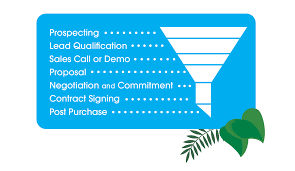
Sales Pipeline

Key Metrics of a Sales Pipeline

Key Metrics of a Sales Pipeline ensure you measure statistics that drive the needle to results. Initiate the optimization of your sales pipeline by incorporating vital elements that span distinct stages and pivotal metrics. Here are essential considerations: Lead Source: Determine how potential clients discover your business, whether through digital advertisements, print marketing, email campaigns, customer referrals, or alternative methods. Evaluate the effectiveness of each source in terms of conversion rates, enabling a focused approach on the most productive channels. Industry: Identify industries where your product resonates more effectively with clients. Concentrate marketing efforts on specific industries, tailoring strategies to align with their preferences and needs. Decision Makers Involved: Quantify the number of client-side contacts participating in the decision-making process. Customize strategies based on the roles of each contact, adapting approaches for CEOs, finance directors, or CTOs. Deal Size: Categorize buyers based on their willingness to invest, distinguishing between those with substantial budgets and those with more conservative ones. Tailor your presentations to accommodate the budget constraints and preferences of different segments. Probability to Close: Evaluate the likelihood of each lead transitioning into a customer. Consider factors like the sales pipeline stage, team interactions, and other criteria indicating the lead’s readiness to finalize a deal. Ensure the adaptability of your sales pipeline design, allowing for diverse analyses and inquiries. Regularly review and adjust your template to detect data anomalies, enabling the resolution of issues in your sales funnel and the maximization of opportunities to expedite your sales process. Key Metrics of a Sales Pipeline Like1 Related Posts Who is Salesforce? Who is Salesforce? Here is their story in their own words. From our inception, we’ve proudly embraced the identity of Read more Salesforce Marketing Cloud Transactional Emails Salesforce Marketing Cloud Transactional Emails are immediate, automated, non-promotional messages crucial to business operations and customer satisfaction, such as order Read more Salesforce Unites Einstein Analytics with Financial CRM Salesforce has unveiled a comprehensive analytics solution tailored for wealth managers, home office professionals, and retail bankers, merging its Financial Read more AI-Driven Propensity Scores AI plays a crucial role in propensity score estimation as it can discern underlying patterns between treatments and confounding variables Read more

Read More
Salesforce Automation

Salesforce Automation

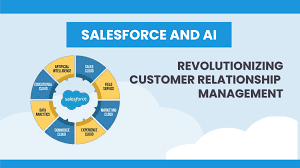
In today’s fast-paced business landscape, efficiency reigns supreme, and the optimization of processes is paramount for success. Salesforce automation tools stand as indispensable allies in this pursuit, empowering businesses to automate repetitive tasks, eliminate errors, and liberate valuable time for employees to focus on mission-critical endeavors. From sales to marketing and customer service, Salesforce offers a comprehensive suite of automation tools designed to enhance efficiency, productivity, and ultimately, profitability. This insight serves as a guide to the value and various components of Salesforce automation. At the core of Salesforce’s effectiveness lies its sophisticated suite of automation tools, reshaping how organizations manage and streamline their sales operations. For administrators entrusted with overseeing the Salesforce environment, mastering these automation tools transcends mere skill; it’s a strategic necessity. Salesforce Automation Tools empower administrators to craft and deploy intricate workflows, facilitating seamless coordination of tasks and processes within the CRM platform. From lead generation to deal closure, these tools offer a comprehensive array of features that can metamorphose manual, time-consuming tasks into streamlined, automated processes. As businesses aspire for agility and efficiency in their operations, administrators assume the role of architects, leveraging Salesforce automation tools to erect a robust foundation for success. This deep dive into Salesforce Automation Tools aims to arm administrators with the knowledge and insights required to navigate the platform’s intricacies adeptly. We will dive into the fundamental components of automation, including workflow rules, process builder, and flow builder, unraveling their functionalities and showcasing how they can be tailored to suit specific business requirements. Through real-world examples and practical guidance, this exploration seeks to empower administrators to unleash the full potential of Salesforce Automation Tools, transforming them into proficient conductors of the CRM symphony. As we embark on this journey, administrators will cultivate a comprehensive understanding of Salesforce’s automation capabilities, enabling them to optimize processes, enhance productivity, and elevate the overall user experience. Whether you’re a seasoned Salesforce administrator or a newcomer to the platform, this deep dive promises invaluable insights and hands-on expertise to navigate the dynamic realm of Salesforce automation with confidence and proficiency. What is Salesforce Automation? Salesforce automation represents a sophisticated sales management solution that automates pivotal sales components such as lead management, sales forecasting, and team performance management. Leveraging Software-as-a-Service (SaaS) products enables the automation of repetitive and redundant tasks and processes. Workflow rules enable organizations to design and enforce business processes systematically. For example, as leads progress through the sales pipeline, workflow rules can automatically assign tasks to sales representatives, update opportunity stages, and notify relevant stakeholders. By establishing these rules, administrators lay the groundwork for a more streamlined and error-resistant workflow, allowing teams to focus on high-impact activities while the system handles routine, rule-based tasks. Understanding the foundations of Salesforce automation through workflow rules is crucial for administrators seeking to optimize their CRM environment. As businesses evolve, the ability to adapt and scale automation becomes paramount. This foundational knowledge not only empowers administrators to create efficient workflows but also sets the stage for exploring more advanced automation tools within the Salesforce ecosystem, ensuring a robust and responsive foundation for the dynamic world of CRM. Centralized Data Storage and Enhanced Lead Tracking Centralizing customer-related data stands as one of the most significant advantages of Salesforce automation. This consolidation facilitates streamlined lead tracking, performance monitoring, and revenue prediction. By automating non-revenue-generating tasks, which can consume up to two-thirds of a sales representative’s time, sales teams can redirect their efforts towards high-impact, revenue-generating activities, thereby fostering overall business growth. Automated Sales Processes: Boosting Productivity The automation of repetitive sales processes emerges as a direct response to research indicating the imperative to enhance sales productivity. Through automation, sales representatives can leverage their time more effectively, focusing on tasks that directly contribute to revenue generation and organizational success. Understanding the Crucial Role of Salesforce Automation The importance of Salesforce automation cannot be overstated in the realm of sales management. By offering centralized data storage, streamlined lead tracking, and enhanced performance monitoring, Salesforce automation revolutionizes the sales landscape. Discover – Controllers in Salesforce: What It Is, Types and Features. Key Benefits of Salesforce Automation The benefits of Salesforce automation are manifold. Firstly, it facilitates the consolidation of customer-related data, enabling efficient lead tracking, reminder setting, and performance monitoring. Additionally, automation saves time and minimizes errors, allowing sales representatives to concentrate on revenue-generating activities such as deal closure and client relationship building. Moreover, Salesforce automation ensures a personalized and consistent customer experience, empowering sales reps to tailor interactions based on customer preferences and behaviors. Furthermore, Salesforce automation fosters efficient collaboration and communication within sales teams, providing a centralized platform for accessing essential information and insights. Additionally, it offers valuable analytics and insights to optimize sales strategies, analyzing customer behavior, sales performance, and market trends to drive revenue growth. Components of Salesforce Automation Lead Management: Involves collecting, tracking, and analyzing customer data and interactions to streamline the sales pipeline and convert leads into customers. Sales Forecasting: Enables organizations to make educated decisions and prepare for future development by forecasting sales revenue based on market analysis and demands. Team Performance Management: Involves monitoring sales team performance, identifying areas for improvement, and providing feedback and coaching to enhance team performance. Email and Social Media Marketing: Automates marketing platforms to communicate better with consumers and prospects, customizing campaigns based on customer preferences and behaviors. Workflow and Approval Processes: Ensures that sales processes follow established procedures and workflows, reducing manual errors and enhancing organizational performance. Data and Analytics: Tracks key performance indicators (KPIs) and provides actionable insights to inform decision-making and drive revenue growth. Streamlining Appointment Scheduling: Assists in scheduling sales appointments efficiently, mitigating the risk of double-booking meetings. Prioritizing Leads: Analyzes leads based on various metrics to maximize sales and productivity. Salesforce automation has revolutionized sales operations, fostering efficiency, effectiveness, and customer-centricity. As technology continues to evolve, Salesforce automation remains a critical tool for businesses striving to stay ahead of the competition and achieve their sales goals. In the dynamic world of Salesforce, administrators

Read More
ROI with Salesforce Campaigns

Capture ROI with Salesforce Campaigns in Sales Cloud

Efficiently Manage and Monitor Marketing Initiatives with Salesforce Campaigns. Aligning your campaign structure with business processes enables comprehensive reporting of ongoing marketing performance and return on investment (ROI) across various activities and segments. Calculating ROI for a Campaign in Salesforce: ROI percentage is determined by dividing the net gain (Value Won Opportunities in Campaign – Actual Cost) by the Actual Cost. Campaign ROI Analysis Report: Located on the Reports tab in the Campaign Reports folder, this report evaluates campaign performance using ROI and average cost. For each campaign in the report: Distinguishing Campaign Influence from ROI Reports: Campaign influence tracks pipeline and revenue for multiple campaigns, associating all campaigns of a contact role with an opportunity for pipeline and ROI reporting. This is particularly beneficial for extended deal cycles involving contributions from more than one campaign. Simple ROI Calculation: Sales growth minus marketing costs, divided by marketing cost, expresses the simple ROI as a percentage. Utilizing ROI with Salesforce Campaigns: Salesforce Campaigns serve as a crucial Salesforce object for marketers, acting as a centralized hub for campaign recipients, engagement, budget, and ROI. While initially appearing straightforward, Salesforce Campaigns reveal deeper interconnectedness within your Salesforce org as you delve further. Creating a Salesforce Campaign: Adding an Opportunity to a Campaign in Salesforce: Users can associate existing Opportunities with Campaign records by adding a standard field to the Opportunity record page layout. Editing the Opportunity Page Layout involves clicking the Opportunity tab and opening an Opportunity record. Differentiating Between Campaign and Opportunity in Salesforce: Opportunities can have only “One Primary Campaign,” while Campaign Influence allows one opportunity to be associated with multiple campaigns. Sales vs. Marketing Campaigns: Sales teams focus on moving individual prospects through the sales pipeline, while marketers concentrate on planning, executing campaigns, and producing content and marketing assets. Sometimes the same person or team develops content and campaigns for both. In larger organizations separate teams may work on each. Utilizing Campaign Hierarchy in Salesforce: Admins add the Parent Campaign field to campaign records before users can create a hierarchy. To build a tree of campaigns, users enter the campaign name into the Parent Campaign field, creating family units. A campaign hierarchy supports only one currency in its child campaigns. For help setting up and implementing Salesforce Campaigns contact Tectonic today. Like1 Related Posts Salesforce Marketing Cloud Transactional Emails Salesforce Marketing Cloud Transactional Emails are immediate, automated, non-promotional messages crucial to business operations and customer satisfaction, such as order Read more Asset Management Salesforce Can Salesforce do asset management? You can manage assets in Consumer Goods (desktop) and in the Consumer Goods offline mobile Read more Lookup Relationship in Salesforce What is Lookup relationship in Salesforce? Salesforce’s lookup relationships is a significant capability that allows users to connect two objects Read more Listview in Salesforce What is a listview in Salesforce? A list view is a filtered list of records where you can view records Read more

Read More
Salesforce Revenue Intelligence

Salesforce Revenue Intelligence

Achieve Sales Targets and Ensure Forecast Accuracy with Revenue Intelligence Salesforce Revenue Intelligence is a powerful data-driven sales solution designed to help sales teams hit their targets, grow pipelines, and ensure accurate forecasts. By combining Tableau CRM dashboards and analytics with a visual pipeline progress flow chart in Pipeline Inspection, Revenue Intelligence offers a comprehensive view of your sales pipeline. Key Features of Revenue Intelligence Unified Sales Insights Revenue Intelligence integrates several advanced tools, including: These features leverage AI, forecasting, and customer engagement data to help your sales team confidently close deals and drive revenue growth. Available for an Additional Cost Revenue Intelligence and its robust features are available as an add-on. For detailed pricing information, please contact your Salesforce account executive. Enhance Revenue and Build Stronger Pipelines with Revenue Insights Comprehensive Performance Insights Revenue Insights empowers sales teams with crucial performance insights to build stronger pipelines, improve forecast accuracy, and generate more revenue. It offers three embedded dashboards: Dynamic Pipeline Visualization With Pipeline Inspection, users can track changes in their pipeline dynamically. The Flow tab displays changes to opportunities across different forecast categories over time, allowing users to filter and focus on the most relevant data. By leveraging Salesforce Revenue Intelligence, sales teams can achieve unprecedented clarity and control over their sales processes, ensuring consistent growth and success. Like1 Related Posts Who is Salesforce? Who is Salesforce? Here is their story in their own words. From our inception, we’ve proudly embraced the identity of Read more Salesforce Marketing Cloud Transactional Emails Salesforce Marketing Cloud Transactional Emails are immediate, automated, non-promotional messages crucial to business operations and customer satisfaction, such as order Read more Salesforce Unites Einstein Analytics with Financial CRM Salesforce has unveiled a comprehensive analytics solution tailored for wealth managers, home office professionals, and retail bankers, merging its Financial Read more AI-Driven Propensity Scores AI plays a crucial role in propensity score estimation as it can discern underlying patterns between treatments and confounding variables Read more

Read More
Project Management With Asana and Salesforce

Project Management With Asana and Salesforce

Introducing the Revolutionary Asana Salesforce Integration Elevate Your Business with An Enhanced Workflow Efficiency Welcome to the world of a revolutionary blend of CRM and project management—the Asana Salesforce Integration. Opting for this intelligent integration sets your business on the path to unprecedented workflow efficiency. Ever wondered how to further streamline your workflows, intensify team synchronization, and deliver exceptional customer service? The answer lies in integrating your Asana project management tool with Salesforce’s CRM capabilities. Unleashing New Avenues for Business Operations The seamless integration of Asana and Salesforce brings the best of both worlds onto a single platform. Direct communication with your team becomes effortless, and vital business information is transmitted with precision and speed. This means deals progress faster, teams stay informed, and crucial workflows run without a hitch. Making significant business decisions requires hard data, and this powerful integration provides exactly that. Connecting Salesforce with Asana Goals delivers valuable insights that can propel your business forward. Key Takeaways Understanding the Asana Salesforce Integration In today’s fast-paced digital world, CRM software and project management tools evolve rapidly to enhance business efficiency and foster stronger customer connections. Navigating this evolution requires a deep understanding of these tools and their potential synergy. This piece focuses on Salesforce, a formidable player in cloud-based CRM software, and how its integration with Asana, a popular project management tool, can revolutionize your business operations and customer relationship management. What Is Salesforce? Salesforce is a pioneering force in CRM software, providing an exceptional cloud-based platform aimed at enhancing customer interaction and service quality. It serves as a comprehensive tool for managing customer data, tracking sales, and delivering targeted marketing campaigns. Salesforce focuses on forging deeper customer connections, finding prospects, and improving overall customer service. Why Integrate Your CRM with Asana? Integrating CRM software with a platform like Asana enhances its project management potential. Asana, designed to aid in planning, organizing, and executing projects, seamlessly links with Salesforce. This integration eliminates bottlenecks, streamlines internal processes, and improves communication between teams, allowing for easier data and idea exchanges that lead to effective, fast decision-making. The Unification of Sales and Project Management Business success hinges on acquiring and retaining customers. The integration of Salesforce’s CRM capabilities with Asana’s project management utilities results in a unified, powerful tool that optimizes workflows—from tracking sales progress to managing projects. The clear mapping of deal progress linked to strategic business goals creates a data-driven path forward. The Benefits of Combining Asana with Salesforce Integrating Asana and Salesforce unlocks new levels of efficiency and organization within your business. Individually renowned for their capabilities in project management and CRM, the combined strengths of these platforms significantly enhance productivity and streamline operations. Streamlining Your Sales Pipeline Integrating Asana and Salesforce enhances team efficiency and redefines sales pipeline management. This integration leads to improved deal cycles, automated workflows, and informed business decision-making. How to Set Up the Asana Salesforce Integration Setting up the Asana Salesforce integration is straightforward with the right guidance. Navigate to the Salesforce AppExchange, search for Asana for Salesforce, and click ‘Get It Now’. Customize the integration to best serve your organization’s needs, optimizing it for Salesforce’s Lightning Component or Salesforce Classic. Optimizing CRM Operations with Asana Projects Integrating Asana’s project management capabilities with Salesforce provides a new vista for CRM optimization. This coupling enables centralized access to contacts, opportunities, and deal information within Asana, enhancing visibility and operational efficiency. Fostering Team Collaboration Integrating Asana and Salesforce bridges the gap between task management and customer management systems, enhancing teamwork, communication, and project alignment. This synergy results in improved operational excellence and productivity. Enhancing the Customer Experience The Asana Salesforce combo delivers a phenomenal customer experience by improving customer handoff efficiency and enabling smooth transitions with customizable templates and automated workflows. This integration strengthens customer relationships through personalized interactions and efficient service. Automating Tasks for Streamlined Workflows The Asana Salesforce integration simplifies project handoffs and leverages Salesforce’s Process Builder to customize and automate workflows, enhancing cooperation between sales and service teams and maintaining real-time data alignment between platforms. Advanced Integration Options For businesses with complex integration needs, General Automation Platforms (GAP) offer a solution. These low-code platforms facilitate the creation of robust, tailored integrations, automating multistep processes and ensuring smooth data flow. Learning Resources Expand your understanding of the Asana Salesforce integration through resources like the Asana Help Center, Asana Academy’s demo videos, and personalized support from Asana’s dedicated team. The convergence of project management and CRM systems through integrations like Asana and Salesforce is reshaping business operations. This powerful combination enhances client experiences, refines operations, and drives substantial growth, offering a glimpse into the future of business productivity and success. Like Related Posts Who is Salesforce? Who is Salesforce? Here is their story in their own words. From our inception, we’ve proudly embraced the identity of Read more Salesforce Marketing Cloud Transactional Emails Salesforce Marketing Cloud Transactional Emails are immediate, automated, non-promotional messages crucial to business operations and customer satisfaction, such as order Read more Salesforce Unites Einstein Analytics with Financial CRM Salesforce has unveiled a comprehensive analytics solution tailored for wealth managers, home office professionals, and retail bankers, merging its Financial Read more AI-Driven Propensity Scores AI plays a crucial role in propensity score estimation as it can discern underlying patterns between treatments and confounding variables Read more

Read More
gettectonic.com