Salesforce Implementation Archives - gettectonic.com - Page 2
AI Revolution in Government

AI Revolution in Government

The AI Revolution in Government: Unlocking Efficiency and Public Trust As the AI boom accelerates, it’s essential to explore how artificial intelligence can streamline operations for government and public sector organizations. From enhancing data processing to bolstering cybersecurity and improving public planning, AI has the potential to make government services more efficient and effective for both agencies and constituents. AI Revolution in Government. The Role of AI in Public Sector Efficiency AI presents significant opportunities for government agencies to optimize their operations. By integrating AI-driven tools, public agencies can improve service delivery, boost efficiency, and foster greater trust between the public and private sectors. However, with these advancements comes the challenge of bridging the AI skills gap — a pressing concern as organizations ramp up investments in AI without enough trained professionals to support its deployment. According to a survey by SAS, 63% of decision-makers across various sectors, including government, believe they lack the AI and machine learning resources necessary to keep pace with the growing demand. This skills gap, combined with rapid AI adoption, has many workers concerned about the future of their jobs. Predictions from Goldman Sachs suggest that AI could replace 300 million full-time jobs globally, affecting nearly one-fifth of the workforce, particularly in fields traditionally considered automation-proof, such as administrative and legal professions. Despite concerns about job displacement, AI is also expected to create new roles. The World Economic Forum’s Future of Jobs Report estimates that 75% of companies plan to adopt AI, with 50% anticipating job growth. This presents a crucial opportunity for government organizations to upskill their workforce and ensure they are prepared for the changes AI will bring. Preparing for an AI-Driven Future in Government To fully harness the benefits of AI, public sector organizations must first modernize their data infrastructure. Data modernization is a key step in setting up a future-ready organization, allowing AI to operate effectively by leveraging accurate, connected, and real-time data. As AI automates lower-level tasks, government workers need to transition into more strategic roles, making it essential to invest in AI training and upskilling programs. AI Applications in GovernmentAI is already transforming various government functions, improving operations, and meeting the needs of citizens more effectively. The possibilities are vast: While AI holds immense potential, its successful adoption depends on having a digital-ready workforce capable of managing these applications. Yet, many government employees lack the data science and AI expertise needed to manage large citizen data sets and develop AI models that can improve service delivery. Upskilling the Government Workforce for AI Investing in AI education is critical to ensuring that government employees can meet the demands of the future. Countries like Finland and Singapore have already launched national AI training programs to prepare their populations for the AI-driven economy. For example, Finland’s “Elements of AI” program introduced AI basics to the public and has been completed by over a million people worldwide. Similarly, AI Singapore’s “AI for Everyone” initiative equips individuals and organizations with AI skills for social good. In the U.S., legislation is being considered to create an AI training program for federal supervisors and management officials, helping government leaders navigate the risks and benefits of AI in alignment with agency missions. The Importance of Trust and Data Security As public sector organizations embrace AI, trust is a critical factor. AI tools are only as effective as the data they rely on, and ensuring data integrity, security, and ethical use is paramount. The rise of the Chief Data Officer highlights the growing importance of managing and protecting government data. These roles not only oversee data management but also ensure that AI technologies are used responsibly, maintaining public trust and safeguarding privacy. By modernizing data systems and equipping employees with AI skills, government organizations can unlock the full potential of AI and automation. This transformation will help agencies better serve their communities, enhance efficiency, and build lasting trust with the people they serve. The Future of AI in Government The future of AI in government is bright, but organizations must take proactive steps to prepare for it. By unifying and securing their data, investing in AI training, and focusing on ethical AI deployment, public sector agencies can harness AI’s power to drive meaningful change. Ultimately, this is an opportunity for the public sector to improve service delivery, support their workforce, and build stronger connections with citizens. Like Related Posts Who is Salesforce? Who is Salesforce? Here is their story in their own words. From our inception, we’ve proudly embraced the identity of Read more Salesforce Unites Einstein Analytics with Financial CRM Salesforce has unveiled a comprehensive analytics solution tailored for wealth managers, home office professionals, and retail bankers, merging its Financial Read more AI-Driven Propensity Scores AI plays a crucial role in propensity score estimation as it can discern underlying patterns between treatments and confounding variables Read more Tectonic’s Successful Salesforce Track Record Salesforce Technology Services Integrator – Tectonic has successfully delivered Salesforce in a variety of industries including Public Sector, Hospitality, Manufacturing, Read more


Read More
Discharge Planning

Discharge Planning

Discharge planning is crucial for smoothly transitioning patients from hospital care to the next stage of their recovery. This process requires collaboration among patients, caregivers, and providers to create a personalized plan that ensures continuity of care after hospitalization. Effective discharge planning must consider the patient’s care needs, preferences, and concerns. When done well, it helps prevent readmissions and alleviates strain on both patients and hospitals. However, balancing clinical judgment with patient data can challenge care teams already burdened with heavy workloads. Jean Halpin, COO at Grant Medical Center, shared how the organization has integrated AI tools to predict discharge dates and automate parts of the discharge planning process, helping to streamline patient care. Challenges of Effective Discharge Planning Halpin emphasized that a streamlined discharge process is essential for reducing wait times and improving patient engagement. Yet, various factors influence how quickly patients are discharged, particularly in emergency rooms where delays can affect overall patient flow. “Most of the wait time we experience as patients boils down to a lengthy discharge process that isn’t effectively moving patients,” Halpin explained. “It’s a domino effect. Someone waiting in the ER for a bed is delayed because another patient hasn’t been discharged when they should have been.” To address these inefficiencies, Grant Medical Center implemented the Qventus Inpatient Solution. This tool integrates with electronic health records (EHRs) to analyze patient data—such as clinical notes, history, and labs—and provides recommendations on discharge timing. These insights have helped reduce ER wait times and improved patient flow. Integrating AI into Clinical Workflows Adopting AI in healthcare comes with integration challenges, particularly ensuring that tools enhance, rather than hinder, clinicians’ workflows. Halpin noted that the Qventus tool minimizes disruptions by seamlessly pulling EHR data to generate an estimated discharge date, allowing care teams to focus on patient care without extra administrative burdens. “As a patient’s health changes, the [discharge] date can fluctuate, but AI uses its data to predict the most accurate day based on similar cases,” Halpin explained. “The care teams can then review the date and determine whether they agree, without having to sift through records to develop their own recommendation.” Halpin also highlighted the value of AI in reducing the administrative load. Tasks like coordinating discharges to rehab facilities, ordering tests, and prescribing medication consume significant time, and automating these functions allows care teams to focus more on direct patient care. Embracing AI to Alleviate Healthcare Worker Burdens For healthcare systems adopting AI, accurately assessing its impact is critical. At Grant Medical Center, leadership is measuring success by evaluating employee satisfaction, patient outcomes, and administrative improvements—such as time and cost savings. “By improving our patient flow, we reduced unnecessary stays by nearly 1,400 days. Patients are happy to go home on time, and our care teams can focus on working at the top of their license,” said Halpin. Despite the benefits, Halpin stressed that implementing AI requires thoughtful onboarding to ensure staff are comfortable with the new tools. Training and support are key to making the transition seamless and enabling teams to see how AI can enhance their workflows. “Health system leaders should embrace advancements that help alleviate burdens for workers,” she said. “Once teams understand the tool, they can prioritize patient care while AI handles the time-consuming admin tasks.” Halpin concluded that embracing AI in discharge planning not only improves operational efficiency but also empowers healthcare teams to deliver better, more focused care. Like Related Posts Who is Salesforce? Who is Salesforce? Here is their story in their own words. From our inception, we’ve proudly embraced the identity of Read more Salesforce Unites Einstein Analytics with Financial CRM Salesforce has unveiled a comprehensive analytics solution tailored for wealth managers, home office professionals, and retail bankers, merging its Financial Read more AI-Driven Propensity Scores AI plays a crucial role in propensity score estimation as it can discern underlying patterns between treatments and confounding variables Read more Tectonic’s Successful Salesforce Track Record Salesforce Technology Services Integrator – Tectonic has successfully delivered Salesforce in a variety of industries including Public Sector, Hospitality, Manufacturing, Read more
Read More
Salesforce and the Customer-Centric Dealership

Salesforce and the Customer-Centric Dealership

Building Blocks for a Customer-Centric Dealership For a dealership to thrive, it must be truly customer-centric. As a Salesforce Implementation Partner, we at Tectonic know the key to success lies in prioritizing customer needs at every step. Growth, profitability, and market expansion come from consistently putting customers at the center of your strategies. Tectonic can help you implement Salesforce and the Customer-Centric Dealership. Customers as the Ultimate Scorekeepers Your customers are the true measure of your dealership’s success. Their evaluations extend far beyond pricing—they assess every touchpoint, from your website’s ease of use to the cleanliness of your parking lot, from your voicemail system to post-sale follow-ups. Each interaction shapes their perception. A single negative encounter, such as a poor experience with a parts associate, may not drive them away, but it certainly won’t motivate them to return. Creating positive, seamless interactions is crucial. Optimizing Customer-Centric Processes Are your processes truly serving your customers? Are they complimenting your dealership’s efficiency? Take something as routine as monthly statements. While they may be straightforward for your team, have you considered your customers’ perspectives? They may not even want a statement, or they might need quicker, more accessible responses to their inquiries. As customer expectations rise due to experiences with brands like Amazon and Starbucks, your dealership must ensure its processes meet or exceed those standards. A Customer portal like Salesforce Experience Cloud can put resources at your customers’ fingertips with the click of a button. Treating Customer Data as a Strategic Asset Customer data is one of your dealership’s most valuable assets. Yet, many dealerships struggle to fully utilize this resource. Are you effectively visualizing and leveraging your customer data? This data, gathered over years of operation, can drive strategic decision-making. To maximize its potential, it’s crucial to have a dedicated role—perhaps a Chief Data Officer—focused on managing, updating, and safeguarding this information. A well-managed data strategy unlocks insights that fuel customer-centric improvements. Letting Data Shape Your Processes With Salesforce, you can use customer data to quickly identify inefficiencies and enhance processes. Streamlined operations lead to happier customers and a more engaged team. For instance, if your manufacturer can deliver most parts within 24 hours, why maintain an overstocked inventory? By analyzing your inventory data, Salesforce can help you identify which parts are essential and which are surplus, allowing you to optimize stock levels and ensure smoother operations. Aligning your inventory with actual demand ensures your dealership functions efficiently, keeping both your customers and staff satisfied. Expert Guidance in Leveraging Salesforce for Growth Adopting a customer-centric approach and utilizing Salesforce to analyze and act on your data can transform your dealership. As your Salesforce Implementation Partner, we’re here to help you integrate these solutions to meet and exceed customer expectations while driving growth and profitability. Together, we can build a dealership that not only competes but thrives in today’s competitive market. With the future of AI, the connected car, and more; there has never been a betrter time to add Salesforce to your customer-centric tool box. Reach out to schedule an introductory call and start your journey toward a more customer-centric future. Like Related Posts Who is Salesforce? Who is Salesforce? Here is their story in their own words. From our inception, we’ve proudly embraced the identity of Read more Salesforce Marketing Cloud Transactional Emails Salesforce Marketing Cloud Transactional Emails are immediate, automated, non-promotional messages crucial to business operations and customer satisfaction, such as order Read more Salesforce Unites Einstein Analytics with Financial CRM Salesforce has unveiled a comprehensive analytics solution tailored for wealth managers, home office professionals, and retail bankers, merging its Financial Read more AI-Driven Propensity Scores AI plays a crucial role in propensity score estimation as it can discern underlying patterns between treatments and confounding variables Read more

Read More
Salesforce ERP Integration

Salesforce ERP Integration

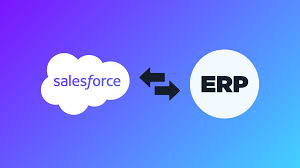
Unlock the Power of Salesforce and ERP Integration Salesforce is known worldwide for its unmatched capabilities as a CRM platform. But when integrated with an ERP system, the potential multiplies. Together, they create a cohesive environment where workflows are streamlined, financial processes are optimized, decision-making is enhanced, and customer relationships are improved—all within one unified system. However, you might have questions like: How does ERP integration with Salesforce work? or What are the benefits of this integration? Let’s jump in and answer all your questions! What is ERP and Its Benefits? ERP (Enterprise Resource Planning) is software that integrates multiple business functions into a single platform. It enables you to manage key processes like human resources, accounting, sales, inventory, compliance, and order management. What makes ERP systems unique is the shared database that gives all employees access to the same real-time information across departments. While different from a CRM platform, ERP can be integrated with Salesforce to further boost business efficiency and productivity. Key benefits of an ERP system include: How Do Salesforce and ERP Work Together? Salesforce focuses on managing customer relationships, sales, marketing, and service operations. In contrast, ERP systems handle core business processes like finance, human resources, and supply chain management. When Salesforce and ERP are integrated, they create a seamless data flow between both systems. This integration synchronizes key data, like transactions and customer information, providing unified visibility across departments. It enhances efficiency and delivers better customer experiences by offering personalized services. Why Integrate Your ERP with Salesforce? While Salesforce helps manage customer relationships, integrating it with an ERP system offers additional advantages: Types of Salesforce – ERP Integrations There are various ways to integrate Salesforce with an ERP, depending on your business needs: Choosing the Right ERP to Integrate with Salesforce Not sure which ERP system is right for your Salesforce integration? Consider the following factors: ERP Systems Compatible with Salesforce Salesforce’s flexibility allows it to integrate with most ERP systems, including Sage Intacct, Sage X3, Sage 300, Sage 100, Sage 50 US, and Acumatica, among others. This flexibility ensures you can find the right ERP for your business operations. Key Functionalities with Salesforce – ERP Integration Here are some essential features you can expect from Salesforce and ERP integration: Best Practices for Seamless Integration To ensure a smooth Salesforce and ERP integration, follow these best practices: Conclusion Integrating an ERP system with Salesforce CRM can transform your business by unlocking new levels of productivity, efficiency, and growth. As your integration partner, Tectonic offers expertise in Salesforce and third-party ERP systems. Ready to streamline your operations and boost performance? Contact us today to start your ERP-Salesforce integration journey! Like1 Related Posts Who is Salesforce? Who is Salesforce? Here is their story in their own words. From our inception, we’ve proudly embraced the identity of Read more Salesforce Marketing Cloud Transactional Emails Salesforce Marketing Cloud Transactional Emails are immediate, automated, non-promotional messages crucial to business operations and customer satisfaction, such as order Read more Salesforce Unites Einstein Analytics with Financial CRM Salesforce has unveiled a comprehensive analytics solution tailored for wealth managers, home office professionals, and retail bankers, merging its Financial Read more AI-Driven Propensity Scores AI plays a crucial role in propensity score estimation as it can discern underlying patterns between treatments and confounding variables Read more

Read More
Salesforce AI Tools for Healthcare

Salesforce AI Tools for Healthcare

Salesforce to Launch Pre-Built AI Tools for Healthcare in October Salesforce is introducing a new library of out-of-the-box AI tools specifically designed for healthcare operations, available through its Health Cloud. These generative AI features aim to streamline time-consuming tasks by integrating directly into clinician workflows, enhancing both the quality and efficiency of patient care. Key Features and Benefits Part of Salesforce’s broader initiative to address operational challenges across 15 industries, these healthcare-specific AI tools are embedded in each of its industry clouds. The Einstein Copilot, for example, will allow healthcare providers to generate patient summaries in natural language, leveraging new data management capabilities. This could enable care coordinators to view comprehensive patient summaries—such as care plans, prescriptions, and prior authorizations—before appointments. According to Salesforce, these AI-driven services, powered by Einstein prompts, are integrated within Health Cloud’s member accounts, simplifying administrative tasks like sending referrals and booking appointments. Data privacy and security remain a priority, with Einstein’s data masking and zero data retention layer ensuring patient information is protected. Beyond patient care, the new AI features will support business operations, including verifying insurance coverage, determining out-of-pocket costs, and ensuring eligibility—all designed to reduce administrative burdens and improve operational efficiency. Why It Matters Healthcare organizations often lack the resources to build and train their own AI models, a process that can cost upwards of 0 million. Salesforce’s pre-built AI capabilities provide an accessible solution, allowing organizations of all sizes to adopt AI tools tailored to their specific needs. By automating administrative processes, healthcare providers can focus more on patient care, with faster approvals and fewer manual tasks. Salesforce is positioning these tools to help organizations streamline workflows, reduce inefficiencies, and ultimately improve the patient experience. The features will be generally available in October, with pricing based on specific implementations. Industry Impact and Larger Trend The release of these healthcare-specific AI tools is part of Salesforce’s broader push into industry-specific AI. In March, Salesforce launched the Einstein AI Copilot within its Einstein 1 Platform, designed to leverage healthcare organizations’ unique data within its Health Data Cloud. New capabilities, such as patient services and benefits verification, aim to reduce platform switching, enabling faster approvals and supporting clinicians in real-time patient record updates. Salesforce’s investment in industry-specific AI comes at a time when many healthcare organizations are grappling with the rising costs of technology and labor. At the HIMSS AI in Healthcare Forum in Boston, leaders echoed the challenges of managing expansive technology footprints while balancing the need for AI-driven transformation. Operational workflows, particularly back-office processes, offer a low-risk area for AI deployment, as noted by Lee Schwamm, chief digital health officer at Yale New Haven Health System. On the Record “Organizations of every size and budget can now easily get started with practical AI tools that were purposefully designed to solve their unique challenges,” said Jeff Amann, executive vice president and general manager of Salesforce Industries. Salesforce’s new AI use case library, featuring more than 100 AI capabilities embedded across 15 industry clouds, underscores the company’s commitment to developing industry-specific solutions. For healthcare, these tools include automated patient matching for clinical trials, AI-generated prescriptions, and pre-visit summaries—helping organizations accelerate time to care and improve clinical outcomes. In addition, a new auto-matching tool for life sciences will assist in identifying eligible clinical trial participants, using both structured and unstructured data to reduce assessment time. These features allow healthcare CIOs to easily deploy AI capabilities designed to address their organization’s unique needs. Looking Ahead Salesforce’s latest AI tools for healthcare represent a significant step in the company’s strategy to bring industry-specific AI to market, with healthcare, life sciences, financial services, and retail among its top priorities. By offering pre-built, customizable solutions, Salesforce is making AI accessible to a broader range of organizations, enabling them to deliver value quickly while navigating the complexities of modern healthcare operations. Like1 Related Posts Who is Salesforce? Who is Salesforce? Here is their story in their own words. From our inception, we’ve proudly embraced the identity of Read more Salesforce Marketing Cloud Transactional Emails Salesforce Marketing Cloud Transactional Emails are immediate, automated, non-promotional messages crucial to business operations and customer satisfaction, such as order Read more Salesforce Unites Einstein Analytics with Financial CRM Salesforce has unveiled a comprehensive analytics solution tailored for wealth managers, home office professionals, and retail bankers, merging its Financial Read more AI-Driven Propensity Scores AI plays a crucial role in propensity score estimation as it can discern underlying patterns between treatments and confounding variables Read more

Read More
IntraEdge Higher Education

IntraEdge Higher Education

PHOENIX–(BUSINESS WIRE)–IntraEdge, Inc., a leading global technology products and services provider, recently announced its expanded investment in itsHigher Education division with the addition of new leadership to bolster their Salesforce service offerings. The new leaders each possess over 20 years of higher education experience and have a proven track record of building innovative and high performing consulting practices. “Our team has a proven track record of success in helping higher education institutions achieve their goals. We look forward to partnering with colleges and universities to leverage the power of Salesforce to improve student outcomes and operational efficiency.” The Higher Education division leadership team consists of Vince Salvato, Todd Edge, and Ryan Clemens. Salvato, who will be leading the division, is a recognized pioneer in Salesforce implementations for higher education. He brings a wealth of experience from his years working with higher education leaders, Salesforce, and ISV Partners. Edge and Clemens have a long history implementing Salesforce and other technologies for higher education leveraging global capabilities to assemble well balanced implementation teams. Together, this team boasts a proven track record of serving over 150 higher education institutions. Their collective history of successful Salesforce and technology implementations within higher education, coupled with IntraEdge’s 3,000+ global resources and complimentary product and service offerings, positions IntraEdge to deliver exceptional solutions. “We are thrilled to welcome Vince, Ryan, and Todd to the IntraEdge team,” said Kal Somani, CEO of IntraEdge. “Their combined experience and knowledge of the higher education landscape make them invaluable assets as we expand our footprint in this industry. By leveraging Salesforce’s powerful platform with IntraEdge’s full breadth of technology capabilities, we are confident in our ability to deliver exceptional solutions that address the unique challenges and opportunities facing higher education institutions.” IntraEdge redefines the typical implementation approach by delivering accelerated, cost-effective, and highly successful implementations. The company’s proven methodology and global delivery capabilities, combined with a team of seasoned higher education experts, will enable institutions to maximize the value of Salesforce while minimizing disruption to campus operations. IntraEdge’s Higher Education division offers a comprehensive suite of Salesforce-based solutions tailored to the specific needs of colleges and universities. With implementation, consulting, and value-add products and services, institutions can maximize the value of their Salesforce investment, including but not limited to Data Integration and Visualization, Digital Experience Strategy, Digital Content Strategy and Development, Managed and Capacity Services, AI Governance and Compliance Software. “We are excited to join IntraEdge and be a part of a world-class higher education practice,” said Salvato, Senior Vice President of Higher Education at IntraEdge. “Our team has a proven track record of success in helping higher education institutions achieve their goals. We look forward to partnering with colleges and universities to leverage the power of Salesforce to improve student outcomes and operational efficiency.” IntraEdge is proud to be a trusted partner to higher education institutions across North America. Our company is committed to delivering exceptional results and exceeding client expectations. Like Related Posts Who is Salesforce? Who is Salesforce? Here is their story in their own words. From our inception, we’ve proudly embraced the identity of Read more Salesforce Marketing Cloud Transactional Emails Salesforce Marketing Cloud Transactional Emails are immediate, automated, non-promotional messages crucial to business operations and customer satisfaction, such as order Read more Salesforce Unites Einstein Analytics with Financial CRM Salesforce has unveiled a comprehensive analytics solution tailored for wealth managers, home office professionals, and retail bankers, merging its Financial Read more AI-Driven Propensity Scores AI plays a crucial role in propensity score estimation as it can discern underlying patterns between treatments and confounding variables Read more

Read More
Salesforce for Public Loan Management

Salesforce for Public Loan Management

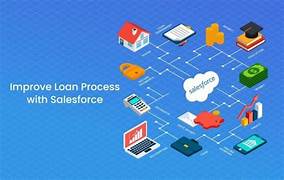
Public Loan Management Solutions: Optimized with Salesforce Technology In the dynamic world of financial services, public loan management has become increasingly important as organizations aim to improve efficiency, transparency, and borrower satisfaction. Leveraging cutting-edge technology is key to achieving these goals, and Salesforce offers a powerful platform for optimizing public loan management. This article explores how Salesforce’s capabilities can streamline and enhance various aspects of public loan management. The Role of Loan Boarding in Public Loan Management Loan boarding is a critical step where approved loans are entered into the system. This process typically includes data entry, document verification, and compliance checks. Salesforce’s customizable objects and automation features simplify this process by automating workflows, ensuring all necessary documents are collected and verified before the loan is boarded. Integrating external systems allows real-time data updates, minimizing errors and reducing manual intervention. Streamlining Handoff and Approval Processes Loan applications often require multiple approvals from stakeholders, which can be time-consuming and prone to delays. Salesforce facilitates efficient communication and collaboration through tools like Chatter, which allows instant messaging and file sharing. This ensures all stakeholders stay informed about application status changes, eliminating the need to switch between different platforms and speeding up the approval process. Disbursement Efficiency Timely fund disbursement is vital for maintaining borrower trust. Salesforce can automate disbursement processes by integrating payment gateways, accelerating fund transfers while providing borrowers with real-time updates on their disbursements. This enhances transparency and improves borrower satisfaction. Effective Management of Amortization Schedules Amortization schedules detail the repayment of loans over time, including both principal and interest. Salesforce’s reporting tools, combined with custom formulas, enable organizations to generate accurate, customized amortization schedules. These schedules can be easily updated if loan terms change, ensuring borrowers and lenders have up-to-date information. Simplifying Repayment Schedules Repayment schedules are essential for managing loan payments. Salesforce’s task management features allow organizations to automate reminders for upcoming payments, while borrowers can access personalized portals to view their schedules, promoting transparency and accountability. Customizable Loan Templates In public lending, creating flexible yet standardized loan templates is essential. Salesforce allows organizations to design customizable templates that meet both organizational policies and borrower needs, reducing onboarding time and improving efficiency. Comprehensive Document Management Managing loan-related documents is often challenging due to regulatory requirements and varying documentation needs. Salesforce’s integrated document management tools, such as Files and Content Libraries, provide secure storage and easy retrieval of documents, ensuring compliance and simplifying audits. Automating Interest Accruals and Invoicing Interest accruals require accurate tracking to ensure transparency for both lenders and borrowers. Salesforce’s invoicing automation ensures that billing cycles align with interest accruals, reducing administrative overhead and improving financial accuracy. Efficient Payment Processing and Waterfall Management Payment processing is essential for collecting repayments and adhering to waterfall structures, which determine how funds are allocated (e.g., to principal vs. interest). Salesforce integrates with NACHA/ACH for seamless payment processing and offers batch import capabilities for external payment records, improving cash flow management. Portfolio Management and Risk Assessment Managing a large portfolio of loans involves monitoring performance and assessing risks. Salesforce’s real-time analytics, reports, and dashboards provide managers with insights into portfolio performance, enabling data-driven decisions regarding portfolio adjustments, repayment patterns, and borrower risk. Enhancing Borrower Communication Consistent, clear communication is vital throughout the loan lifecycle, from initial inquiry to final repayment. Salesforce automates alerts and task assignments to ensure no critical communications are missed, keeping borrowers engaged and informed at every stage. Conclusion Salesforce technology offers a transformative approach to public loan management by enhancing operational efficiency, improving borrower experiences, and streamlining processes. Whether through automating document management, optimizing approval workflows, or managing payment cycles, Salesforce provides public lending organizations with the tools they need to deliver reliable, transparent, and efficient loan services to their constituents. By adopting Salesforce for public loan management, organizations not only improve internal operations but also elevate the borrower experience, ultimately contributing to community development and financial inclusion on a national scale. Like Related Posts Who is Salesforce? Who is Salesforce? Here is their story in their own words. From our inception, we’ve proudly embraced the identity of Read more Salesforce Marketing Cloud Transactional Emails Salesforce Marketing Cloud Transactional Emails are immediate, automated, non-promotional messages crucial to business operations and customer satisfaction, such as order Read more Salesforce Unites Einstein Analytics with Financial CRM Salesforce has unveiled a comprehensive analytics solution tailored for wealth managers, home office professionals, and retail bankers, merging its Financial Read more AI-Driven Propensity Scores AI plays a crucial role in propensity score estimation as it can discern underlying patterns between treatments and confounding variables Read more

Read More

Agentforce in Healthcare

The healthcare industry is on the brink of a digital revolution, and in this era, Salesforce Agentforce—a new AI technology in healthcare—is set to play a pivotal role in providing innovative solutions that enhance AI-driven patient engagement, streamline processes, and improve overall AI services in healthcare. Salesforce Agentforce AI integration in healthcare will lead to significant cost reductions and improved operational efficiency. Healthcare organizations that leverage Agentforce have reported substantial improvements in productivity by automating administrative tasks and streamlining workflows. In this insight, we’ll explore Salesforce Agentforce—the new AI technology in healthcare—the role of conversational AI in healthcare, and what the future holds for AI-driven medical solutions. What is Agentforce and How Does It Support Healthcare? Salesforce’s Agentforce is designed to provide healthcare organizations with fully tailored AI-powered agents that can operate various tasks. These AI agents can handle customer support enquiries, assist in sales processes, and even provide real-time coaching for healthcare professionals. Agentforce AI agents can manage appointment scheduling, follow-ups, and patient enquiries efficiently. The agents also integrate robust data protection protocols to ensure all patient information is securely handled, helping healthcare providers streamline administrative processes while maintaining high standards of security and compliance. By leveraging these AI services in healthcare, organizations can optimize workflows and improve overall efficiency. Challenges in Healthcare AI Integration Healthcare organisations can face several challenges when integrating new AI technology in healthcare. These challenges include data security concerns, the complexity of managing diverse patient needs, and ensuring workflow efficiency. One of the key obstacles is gaining a unified, up-to-date view of patients, providers, and payers while still ensuring multi-channel communication. Data security is a top priority for healthcare institutions, as they must safeguard patient information while complying with stringent regulations. Salesforce Agentforce tackles these challenges by providing advanced security measures, automated workflow optimisation, and real-time decision-making support. Pre-Built Use Cases for Healthcare Salesforce’s Agentforce includes multiple out-of-the-box AI capabilities that enhance AI patient engagement and improve healthcare operations. Some of its key applications include: • Intelligent Document Processing: AI-driven data extraction from medical records reduces administrative workload, allowing healthcare professionals to focus on patient care. • Medical History Summarization: AI agents summarize patient medical histories, prescriptions, andfactors that influence health and well-being, enabling caregivers to make more informed decisions. • Automated Appointment Scheduling: AI-driven systems manage patient appointments, reducing wait times and improving the overall patient experience. • Claims Processing Optimization: AI consolidates data for claims processing, reducing delays and enhancing revenue cycle management. • Trial Candidate Matching: AI-driven algorithms identify suitable candidates for clinical trials by analyzing demographic and medical data. Custom AI Agents for Healthcare Agentforce also enables healthcare organizations to create custom AI agents designed for specific operational needs. These AI agents help automate repetitive tasks, improve AI patient engagement, and optimize care management processes. • Patient Services: AI-driven chatbots summarize medical histories, generate personalized emails, and assist with healthcare assessments. • Provider Network Management: AI optimizes provider networks by assessing provider details and minimizing patient wait times. • Program and Patient Outcome Management: AI offers real-time insights into patient adherence to programs and provides recommendations to improve satisfaction rates. • Benefits Verification: AI streamlines benefits verification through automated call scripts and pharmacy benefits summaries. The Future of AI in Healthcare As AI technology continues to evolve, we can expect deeper integration of AI services in healthcare, particularly in robotic-assisted surgeries, automated patient monitoring, and virtual healthcare assistants. These innovations will not only enhance patient engagement but also reduce the burden on healthcare professionals by automating time-consuming administrative tasks. Conversational AI in healthcare is set to play an even bigger role in the industry. AI-powered chatbots and virtual assistants will become more sophisticated, offering more accurate diagnoses, providing mental health support, and assisting in real-time patient interactions. This will lead to a more seamless, accessible, and efficient healthcare system. With these developments, healthcare providers will need to continue prioritising AI ethics, data security, and compliance to ensure that AI implementation remains both safe and effective. By leveraging trusted AI solutions like Agentforce, healthcare organizations can stay ahead of the curve, delivering cutting-edge care while maintaining operational efficiency. Implementing Agentforce with Tectonic AI Consulting and Integration Specialists – Partnering with the right AI implementation experts ensures smooth integration and better alignment with your healthcare operational goals. Organizations working with Tectonic, a trusted AI and Salesforce implementation partner, can accelerate the deployment of Agentforce, ensuring optimal efficiency and productivity. Tectonic specializes in integrating new AI technology in healthcare to enhance operational efficiency and improve AI patient engagement. Our Salesforce team has helped multiple healthcare organizations seamlessly implement Agentforce, ensuring that AI-driven workflows are tailored to meet the specific needs of their providers and patients. By working with Tectonics, healthcare organizations can leverage: • Seamless AI Integration: Ensuring that Agentforce aligns with existing systems and operational workflows. • Custom AI Development: Designing AI-powered solutions that address key industry challenges. • Ongoing Support and Optimization: Continuous monitoring and improvement to maximise the effectiveness of conversational AI in healthcare. Healthcare providers who collaborate with Tectonic can unlock the full potential of Agentforce, leading to enhanced patient experiences and streamlined operations. The adoption of new AI technology in healthcare will reshape the industry. Agentforce addresses key challenges in healthcare by offering conversational AI in healthcare, AI-powered automation, and data-driven decision-making support. As AI continues to evolve, Agentforce will play an increasingly vital role in optimising AI services in healthcare, empowering medical professionals, and ensuring better patient outcomes. Contact Tectonic today to learn more about implementing Agentforce and modernising your healthcare services. Content updated February 2025. Like Related Posts Who is Salesforce? Who is Salesforce? Here is their story in their own words. From our inception, we’ve proudly embraced the identity of Read more Salesforce Marketing Cloud Transactional Emails Salesforce Marketing Cloud Transactional Emails are immediate, automated, non-promotional messages crucial to business operations and customer satisfaction, such as order Read more Salesforce Unites Einstein Analytics with Financial CRM Salesforce has unveiled a comprehensive analytics solution tailored

Read More
benefits of salesforce flow automation

Benefits of Salesforce Flow Automation

Salesforce Flow Automation offers robust tools to streamline operations, enhance productivity, and improve accuracy. Whether you’re new to Salesforce or refining existing workflows, here are five top tips for maximizing the benefits of Salesforce Flow Automation. 1. Define Clear Objectives Before creating any flows, clearly define your automation goals, whether it’s reducing manual data entry, accelerating approval processes, or ensuring consistent customer follow-ups. Having specific objectives will keep your flow design focused and help you measure the impact of your automation. 2. Leverage Pre-Built Flow Templates Salesforce provides a range of pre-built flow templates tailored to common business needs, saving time and effort. Start with these templates and customize them to suit your unique requirements, allowing you to implement efficient solutions without building from scratch. 3. Optimize Decision Elements Decision elements in Salesforce Flow enable branching logic based on set conditions. Use them to direct the flow according to specific criteria, such as routing different approval paths based on deal value or service type. This targeted approach ensures each scenario is handled effectively. 4. Thoroughly Test Before Deployment Testing is a critical part of the automation process. Before launching a new flow, test it in a sandbox environment to catch any issues. Cover a range of scenarios and edge cases to confirm that the flow works as expected, helping avoid disruptions and ensuring a smooth transition into live use. 5. Monitor and Continuously Improve Automation is an evolving process. After deploying flows, monitor their performance to ensure they’re achieving desired outcomes. Use Salesforce’s reporting tools to track metrics like completion rates and processing times. With this data, you can fine-tune your flows to boost efficiency and adapt to changing business needs. By following these tips, you can unlock the full potential of Salesforce Flow Automation, leading to streamlined processes and better business outcomes. Embrace automation to reduce manual work and keep focus on driving core business growth. Like Related Posts Who is Salesforce? Who is Salesforce? Here is their story in their own words. From our inception, we’ve proudly embraced the identity of Read more Salesforce Marketing Cloud Transactional Emails Salesforce Marketing Cloud Transactional Emails are immediate, automated, non-promotional messages crucial to business operations and customer satisfaction, such as order Read more Salesforce Unites Einstein Analytics with Financial CRM Salesforce has unveiled a comprehensive analytics solution tailored for wealth managers, home office professionals, and retail bankers, merging its Financial Read more AI-Driven Propensity Scores AI plays a crucial role in propensity score estimation as it can discern underlying patterns between treatments and confounding variables Read more

Read More
When The Customers Prefer Self-Service

When The Customers Prefer Self-Service

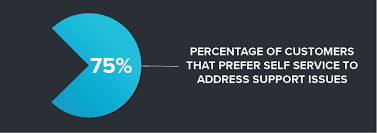
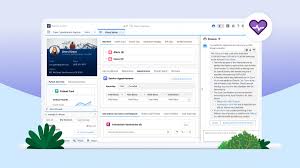
Assistance is crucial for complex issues, but for simpler problems, customers typically prefer the convenience of self-service tools like account portals, FAQs, and chatbots. This preference is especially strong among digital natives, such as millennials and Gen Z. However, deploying self-service tools requires careful planning. For instance, over two-thirds of customers abandon a company’s chatbot after a single negative experience, underscoring the importance of a positive initial interaction. Statistics show that 72% of customers use self-service portals, and 55% engage with self-service chatbots. The willingness of nearly half of all customers, including 60% of millennials, to pay more for superior customer service highlights the importance of customer experience in an era of price sensitivity. Customers expect instant responses, creating a scalability challenge for service teams but also an opportunity to offer premium service. Instant responses can set a company apart, as even well-regarded brands often struggle to maintain quick and seamless connections between customers and agents. Self-service platforms must be easily adjustable, not only to address areas needing improvement but also to adapt to changing market demands. Customers now expect proactive service rather than the traditional reactive approach. Despite this, customer service is often perceived as reactive. The time and effort customers spend resolving service issues are significant, especially when service teams are inconsistently trained and equipped, leading to a perception that quality service is a matter of luck. Consistency across channels, devices, and departments is highly valued but often lacking. Many customers find themselves repeating information to different representatives, indicating a fragmented information environment. Poorly integrated technology and processes leave 55% of customers feeling as if they interact with separate departments rather than a unified company. Disconnected experiences are a major source of frustration. Prompt resolution of issues is a top priority for customers, and many find it quicker to search for answers themselves than to contact the company. Self-service not only facilitates quick problem-solving but also empowers customers to address issues at their own pace and learn as much or as little as they wish. In terms of preferences, over 67% of customers prefer some form of self-service over speaking with a representative. Additionally, 73% prefer using the company’s website for support rather than relying on social media, SMS, or live chat apps. Don’t always assume the “latest and greatest” solutions available are the best solutions for your customers. A self-service strategy involves providing customers with tools to resolve their needs independently, reducing the need for representative assistance. Reduce staffing needs and increase speed to answers for customers. Its a win win. However, implementing self-service can face challenges, such as confusing navigation, lack of ongoing attention, inflexibility, failure to incorporate feedback, constraints on users, extra work, lack of human interaction, difficulty in personalization, and the need for continuous analysis and monitoring. Successful self-service integration requires addressing these factors to meet customer expectations. Contact Tectonic for assistance bringing your self-service solutions to your customers. Like1 Related Posts Who is Salesforce? Who is Salesforce? Here is their story in their own words. From our inception, we’ve proudly embraced the identity of Read more Salesforce Unites Einstein Analytics with Financial CRM Salesforce has unveiled a comprehensive analytics solution tailored for wealth managers, home office professionals, and retail bankers, merging its Financial Read more AI-Driven Propensity Scores AI plays a crucial role in propensity score estimation as it can discern underlying patterns between treatments and confounding variables Read more Tectonic’s Successful Salesforce Track Record Salesforce Technology Services Integrator – Tectonic has successfully delivered Salesforce in a variety of industries including Public Sector, Hospitality, Manufacturing, Read more
Read More
Qwary Salesforce Integration

Qwary Salesforce Integration

Qwary Enhances Customer Insights with New Salesforce Integration HERNDON, Va., Aug. 13, 2024 /PRNewswire/ — While surveys have long been a staple for gathering customer feedback, data entry often poses a challenge in obtaining comprehensive insights. Qwary’s new Salesforce integration aims to resolve this issue by enabling seamless data transfer and synchronization between the two platforms. This integration allows teams to consolidate customer information into a single hub, providing real-time visibility and enhancing strategic planning and collaboration. Key features include creating email campaigns, importing contacts, mapping survey results, and automating event-based workflows. What Is Qwary’s Salesforce Integration? Qwary’s Salesforce integration is designed to streamline the analysis of Salesforce survey data, offering a more efficient way to understand customer interactions with your brand. By integrating survey feedback with CRM data, this tool helps you quickly adapt your products and services to meet evolving customer needs. It tracks customer journeys, collects feedback, and reveals pain points, enabling you to deliver tailored solutions. Benefits of Using Qwary’s Salesforce Integration Qwary’s integration offers several notable benefits: Automate Feedback Collection The integration automates the feedback collection process by triggering surveys at strategic points in the customer lifecycle. This allows your team to act swiftly to foster engagement and generate leads. Gain Actionable Insights Seamlessly integrating with Salesforce CRM, Qwary scores, analyzes, and enriches customer data, helping your team identify emerging trends and seize opportunities for personalization and customer development. Synchronize Data Automatically With Qwary’s integration, your contact data is consolidated into a single, reliable source of truth. Whether you’re using Salesforce or Qwary, automated data synchronization ensures consistency and provides real-time updates. Collaborate Effectively The integration promotes effective teamwork by sharing data between Salesforce and Qwary, enabling your team to solve problems collaboratively and refine strategies to boost customer retention. Key Capabilities Qwary’s Salesforce integration excels in managing customer feedback, automating workflows, and consolidating contact data: Salesforce Workflow Automation The integration simplifies scheduling and automating survey triggers, eliminating manual processes. Surveys can be initiated via email or following significant events, with responses seamlessly mapped into Salesforce. This creates a comprehensive view of customer behavior, helping your team act on insights, strengthen connections, and enhance satisfaction. Contact Data Importation Qwary facilitates quick access to Salesforce contacts, providing a holistic view of your customer base. The integration streamlines contact data importation and updates, eliminating manual data entry and speeding up data management. Potential Business Impacts By combining automation, synchronization, and data consolidation with a user-friendly interface, Qwary’s Salesforce integration enhances your sales team’s ability to collect and leverage customer feedback. Immediate access to comprehensive consumer insights allows your business to respond promptly to customer needs, improving satisfaction and loyalty. Real-time data aggregation helps your company adapt quickly and refine offerings to exceed customer expectations. Stay Ahead with Qwary’s Salesforce Integration Qwary continuously updates its solutions to meet the evolving needs of businesses focused on customer engagement. Leveraging automation, synchronization, and advanced analytics through an accessible platform, Qwary’s Salesforce integration empowers your team to enhance offerings and connect with customers efficiently. By optimizing the use of survey data and Salesforce feedback, Qwary keeps your business at the forefront of market trends, enabling you to consistently delight your customers. Like Related Posts Who is Salesforce? Who is Salesforce? Here is their story in their own words. From our inception, we’ve proudly embraced the identity of Read more Salesforce Marketing Cloud Transactional Emails Salesforce Marketing Cloud Transactional Emails are immediate, automated, non-promotional messages crucial to business operations and customer satisfaction, such as order Read more Salesforce Unites Einstein Analytics with Financial CRM Salesforce has unveiled a comprehensive analytics solution tailored for wealth managers, home office professionals, and retail bankers, merging its Financial Read more AI-Driven Propensity Scores AI plays a crucial role in propensity score estimation as it can discern underlying patterns between treatments and confounding variables Read more

Read More
Einstein Chatbot

Einstein Chatbot

Businesses have increasingly adopted “chatbots” to provide quick answers to customer queries outside regular business hours or to route customers to the appropriate department after answering preliminary questions. While these chatbots can be useful, they often fall short in delivering the same level of value as human interaction, sometimes leading to frustration. Today, chatbots are advancing significantly, with Salesforce’s Einstein Service Agent leading this evolution. This technology offers notable benefits but also presents challenges that businesses must address for effective implementation. Advantages of Einstein Service Agent Seamless Integration with Salesforce: Unlike standalone AI tools, Einstein Service Agent leverages comprehensive customer profiles, purchase histories, and previous interactions to offer personalized responses. Its integration within established Salesforce workflows allows for rapid deployment, reducing both time and cost associated with implementation. Experience has shown that selecting technologies with built-in CRM or ERP integration is a significant advantage over those requiring separate integration efforts. Built on Salesforce’s Trust Layer: Einstein Service Agent ensures secure handling of customer data, adhering to relevant regulations. This enhances trust among businesses and their customers, facilitating smoother adoption. GenAI Capabilities: The AI can manage complex, multi-step tasks like processing returns or refunds, and deliver tailored responses based on specific customer needs, enhancing the overall customer experience. Scalability Across Salesforce Clouds: Einstein Service Agent is adaptable to various business needs and can evolve as those needs change. Whether a company expands, introduces new services, or shifts its customer service strategy, the agent can be scaled and customized to maintain long-term value and utility. Challenges in Implementing AI Agents Data Quality and Integration: The effectiveness of AI tools relies heavily on the quality of the data they access. Incomplete, outdated, or poorly maintained data can lead to inaccurate or ineffective responses. To address this, businesses should prioritize data quality through regular audits and ensure comprehensive and up-to-date customer information. Change Management and Employee Training: The introduction of AI can lead to resistance from employees concerned about job displacement or unfamiliarity with new technology. Businesses should invest in change management strategies, including clear communication about AI as a complement to, not a replacement for, human agents. Training programs should focus on helping employees work alongside AI tools, enhancing skills where human judgment and empathy are crucial. Balancing Customer Service: Over-reliance on AI may diminish the personal touch essential in customer service. AI should handle straightforward and repetitive inquiries, while more complex or sensitive issues should be escalated to human agents who can provide personalized responses. Considerations for a Successful Deployment Customization and Flexibility: Tailoring the AI to fit unique processes and customer service requirements may require additional configuration or custom development to align with the company’s goals and service expectations. Ethical and Bias Concerns: AI systems can unintentionally perpetuate biases present in their training data, leading to unfair interactions. Businesses must actively identify and mitigate biases, ensuring that their AI operates fairly and equitably. This includes regularly reviewing training data for biases, implementing safeguards, and maintaining a commitment to ethical AI practices. Customer Acceptance and User Experience: Some customers may be hesitant to interact with AI or have negative perceptions of automated service. To improve acceptance, businesses should design user-friendly AI interactions, ensure transparency, and provide clear options for escalating issues to human agents. Einstein Chatbot Implementing AI agents like Salesforce’s Einstein Service Agent can significantly enhance customer service efficiency, personalization, and scalability. However, businesses must carefully navigate challenges related to data quality, change management, and maintaining trust. A thoughtful approach to AI deployment can transform customer service operations and drive business growth. Like Related Posts Who is Salesforce? Who is Salesforce? Here is their story in their own words. From our inception, we’ve proudly embraced the identity of Read more Salesforce Marketing Cloud Transactional Emails Salesforce Marketing Cloud Transactional Emails are immediate, automated, non-promotional messages crucial to business operations and customer satisfaction, such as order Read more Salesforce Unites Einstein Analytics with Financial CRM Salesforce has unveiled a comprehensive analytics solution tailored for wealth managers, home office professionals, and retail bankers, merging its Financial Read more AI-Driven Propensity Scores AI plays a crucial role in propensity score estimation as it can discern underlying patterns between treatments and confounding variables Read more

Read More
Demandbase One for Sales iFrame

Demandbase One for Sales iFrame

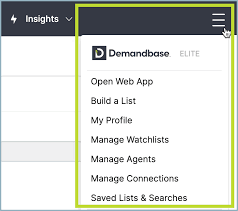
Understanding the Demandbase One for Sales iFrame in Salesforce The Demandbase One for Sales iFrame (formerly known as Sales Intelligence) allows sales teams to access deep, actionable insights directly within Salesforce. This feature provides account-level and people-level details, including engagement data, technographics, intent signals, and even relevant news, social media posts, and email communications. By offering this level of visibility, sales professionals can make informed decisions and take the most effective next steps on accounts. Key Points: Overview of the Demandbase One for Sales iFrame The iFrame is divided into several key sections: Account, People, Engagement, and Insights tabs. Each of these provides critical information to help you better understand and engage with the companies and people you’re researching. Account Tab People Tab Engagement Tab Final Notes: The Demandbase One for Sales iFrame is a powerful tool that provides a complete view of account activity, helping sales teams make informed decisions and drive results. Like Related Posts Who is Salesforce? Who is Salesforce? Here is their story in their own words. From our inception, we’ve proudly embraced the identity of Read more Salesforce Marketing Cloud Transactional Emails Salesforce Marketing Cloud Transactional Emails are immediate, automated, non-promotional messages crucial to business operations and customer satisfaction, such as order Read more Salesforce Unites Einstein Analytics with Financial CRM Salesforce has unveiled a comprehensive analytics solution tailored for wealth managers, home office professionals, and retail bankers, merging its Financial Read more AI-Driven Propensity Scores AI plays a crucial role in propensity score estimation as it can discern underlying patterns between treatments and confounding variables Read more

Read More
Benefits of Loan Software for Government Agencies on Salesforce

Benefits of Loan Software for Government Agencies on Salesforce

The Benefits of Loan Software for Government Agencies on Salesforce Government agencies managing loans face unique challenges in financial administration, and integrating loan software with Salesforce can greatly enhance their efficiency, accuracy, and transparency. This streamlined solution addresses key areas such as document management, borrower engagement, and robust reporting, making processes more efficient and improving service delivery. Centralized Document Management Loan software offers a central hub for managing extensive paperwork, helping government agencies manage loan applications, agreements, and compliance documents. Key benefits include: This centralized approach saves time and helps agencies maintain audit-ready records. Improved Borrower Management Loan software on Salesforce offers a seamless borrower management experience through custom borrower portals. Features include: By improving borrower relationships, agencies can foster trust and boost repayment rates. Powerful Reporting and Dashboards Salesforce’s loan software provides comprehensive reporting tools to support data-driven decision-making: These tools provide insights that help agencies manage loans efficiently while aligning with fiscal goals. Efficient Payment Processing Loan software simplifies payment workflows, providing: This automation improves payment accuracy and speeds up processing times for both agencies and borrowers. Conclusion Integrating loan software with Salesforce offers government agencies significant benefits, from enhanced document management to improved borrower engagement, advanced reporting, and efficient payment processing. These solutions help agencies better serve citizens while maintaining compliance and fiscal responsibility. Like Related Posts Who is Salesforce? Who is Salesforce? Here is their story in their own words. From our inception, we’ve proudly embraced the identity of Read more Salesforce Marketing Cloud Transactional Emails Salesforce Marketing Cloud Transactional Emails are immediate, automated, non-promotional messages crucial to business operations and customer satisfaction, such as order Read more Salesforce Unites Einstein Analytics with Financial CRM Salesforce has unveiled a comprehensive analytics solution tailored for wealth managers, home office professionals, and retail bankers, merging its Financial Read more AI-Driven Propensity Scores AI plays a crucial role in propensity score estimation as it can discern underlying patterns between treatments and confounding variables Read more

Read More
gettectonic.com