SSL Archives - gettectonic.com - Page 14
Coveo and Salesforce Data Cloud

Coveo and Salesforce Data Cloud

Coveo Integrates with Salesforce Data Cloud for Enhanced Data Access Coveo has officially integrated with Salesforce Data Cloud, providing companies with improved access to a broad range of data across the Salesforce ecosystem. This integration enhances the capabilities of Salesforce’s Service Cloud, Commerce Cloud, and Experience Cloud by offering secure access to a wide array of enterprise data sources and engagement data from Coveo-powered search experiences. By leveraging Coveo’s advanced indexing and security features, the integration enables enterprises to seamlessly inject external content into Salesforce experiences through Data Cloud. It also delivers comprehensive analytics across both platforms, allowing businesses to track interactions and touchpoints more effectively. “Coveo has worked closely with Salesforce on a global scale for over a decade,” said Laurent Simoneau, president and CTO of Coveo. “The integration of Coveo with Salesforce creates a powerful synergy, particularly beneficial for large enterprises with complex content ecosystems. Coveo’s robust indexing and relevance capabilities, combined with Salesforce Data Cloud, provide secure access to external data sources, boosting performance and delivering added value across all Salesforce Clouds. This integration sets a new standard for unifying enterprise data and elevating the customer experience.” Kishan Chetan, executive vice president and general manager of Service Cloud at Salesforce, emphasized the impact on service interactions: “Providing precise answers during service interactions is crucial for reducing service costs and improving customer satisfaction, especially for large enterprises managing vast amounts of content and diverse customer bases. Coveo’s ability to connect to extensive content sources and enhance relevance is a key enabler for enterprises with complex search needs in Service Cloud.” Like Related Posts Who is Salesforce? Who is Salesforce? Here is their story in their own words. From our inception, we’ve proudly embraced the identity of Read more Salesforce Marketing Cloud Transactional Emails Salesforce Marketing Cloud Transactional Emails are immediate, automated, non-promotional messages crucial to business operations and customer satisfaction, such as order Read more Salesforce Unites Einstein Analytics with Financial CRM Salesforce has unveiled a comprehensive analytics solution tailored for wealth managers, home office professionals, and retail bankers, merging its Financial Read more AI-Driven Propensity Scores AI plays a crucial role in propensity score estimation as it can discern underlying patterns between treatments and confounding variables Read more

Read More
Salesforce Agentforce Integration

Salesforce Agentforce Integration

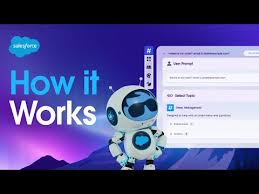
The rise of AI-powered solutions is transforming customer service, support, and automation. For organizations such as nonprofits, national associations, and large enterprises, delivering seamless customer experiences has become crucial. Salesforce’s Agentforce, a next-generation conversational AI tool, plays a vital role in this transformation. Designed to elevate customer support and interaction, Agentforce provides an intelligent and scalable solution for integrating AI chatbots into content management systems (CMS) like WordPress, Drupal, and HubSpot. Salesforce Agentforce Integration. In this detailed feature review, we will dive into the extensive capabilities of Salesforce Agentforce, analyzing its role as a conversational tool, its technical requirements, and the benefits it provides for nonprofits, national associations, and businesses. We’ll also compare its applications across various CMS platforms like Drupal, WordPress, and HubSpot, exploring its potential as a powerful AI assistant for website automation and customer interaction. Salesforce Agentforce: A Technical Perspective Salesforce Agentforce is an advanced AI-driven conversational assistant that seamlessly integrates into the Salesforce environment. By tapping into Salesforce CRM’s vast data resources, Agentforce serves as an intelligent interface, automating everything from initial customer inquiries to more personalized interactions. Utilizing natural language processing (NLP) and machine learning, it continually refines responses and scales interactions, making it an indispensable tool for organizations aiming to enhance customer service workflows. Agentforce integrates smoothly with Salesforce Service Cloud, automating both live chat support and chatbot responses. Additionally, it can connect with third-party platforms, including popular CMS solutions like WordPress, Drupal, and HubSpot, allowing organizations to centralize customer service operations in one interface. Core Features and Technical Architecture of Agentforce Natural Language Understanding (NLU) and Processing (NLP) Agentforce’s NLP capabilities are its backbone, allowing it to understand complex human language and respond contextually. This empowers it to manage initial inquiries as well as more sophisticated support requests. Agentforce’s NLU also enables it to work across different languages, dialects, and industry-specific terminology, making it particularly valuable for global organizations and national associations serving diverse audiences. Machine Learning for Continuous Improvement Agentforce’s machine learning feature enhances its ability to improve accuracy and understanding over time. Each interaction helps the chatbot evolve, making it more effective at delivering relevant, real-time responses. This model integrates directly with Salesforce’s data infrastructure, giving Agentforce access to historical data and interactions to offer highly personalized, context-aware answers. Deep Integration with Salesforce CRM As a Salesforce-native tool, Agentforce can harness CRM data in ways other AI tools cannot. By accessing customer histories, purchase data, and previous interactions, it creates personalized experiences that build customer trust. Nonprofits and associations can use this data to improve donor or member interactions, offering targeted support and outreach. Agentforce can also be tailored to retrieve specific datasets, such as an individual’s support history or ongoing service case updates. Cross-Platform Flexibility and API Integration Agentforce offers flexible APIs that enable integration with third-party systems, including CMS platforms like WordPress, Drupal, and HubSpot. This flexibility ensures that AI-powered chatbots can be deployed on organizational websites, providing a seamless experience for customers, donors, and members alike. Whether it’s a nonprofit using Drupal or a business on WordPress, Agentforce acts as the central hub for support and engagement, offering fluid interactions on top of your CMS. HubSpot users can further leverage Agentforce’s marketing features to align lead generation with personalized, chat-based interactions. Use Cases for Agentforce in Nonprofits, National Associations, and Businesses Nonprofit Organizations For nonprofits managing donor, volunteer, and beneficiary relationships, Agentforce offers scalable, automated support: National Associations National associations can use Agentforce to handle high volumes of inquiries from members and professionals: Businesses For service-based enterprises, Agentforce is essential for customer service: Salesforce Agentforce and CMS Integration: WordPress, Drupal, and HubSpot WordPress and Salesforce Agentforce Integration For WordPress users, Agentforce offers customizable chatbot widgets that enhance customer engagement, handle ecommerce inquiries, and integrate with WooCommerce for product support. Drupal and Agentforce Integration Drupal’s modular architecture allows Agentforce to automate membership management, provide multilingual support, and distribute content for nonprofits and associations. HubSpot and Agentforce Integration HubSpot users benefit from Agentforce’s ability to automate lead nurturing, sales and marketing workflows, and customer support, all while keeping HubSpot and Salesforce CRM data synchronized. Tectonic and Salesforce Agentforce Integration At Tectonic, we understand that adopting AI-powered solutions like Salesforce Agentforce is only the first step toward delivering exceptional customer experiences. We specialize in crafting, training, and implementing tailored AI chatbot solutions that enhance engagement, streamline processes, and drive growth, all while seamlessly integrating with your current website or mobile app. As a full-service digital strategy firm, Tectonic excels in integrating advanced tools like Salesforce Agentforce into platforms like WordPress, Drupal, and HubSpot, ensuring your automation strategies are executed with precision. From custom chatbot implementations to comprehensive digital strategy services, our team is dedicated to optimizing your website for engagement and lead generation. Like1 Related Posts Who is Salesforce? Who is Salesforce? Here is their story in their own words. From our inception, we’ve proudly embraced the identity of Read more Salesforce Marketing Cloud Transactional Emails Salesforce Marketing Cloud Transactional Emails are immediate, automated, non-promotional messages crucial to business operations and customer satisfaction, such as order Read more Salesforce Unites Einstein Analytics with Financial CRM Salesforce has unveiled a comprehensive analytics solution tailored for wealth managers, home office professionals, and retail bankers, merging its Financial Read more AI-Driven Propensity Scores AI plays a crucial role in propensity score estimation as it can discern underlying patterns between treatments and confounding variables Read more
Read More
Tableau Einstein Alliance

Tableau Einstein Alliance

We’re expanding our commitment to the future of data and analytics with the launch of the Tableau Einstein Alliance, an initiative designed to foster an ecosystem of visionary and innovative partners. These partners will help integrate Agentforce across every facet of analytics, positioning our customers to harness the full potential of AI. The future of data-driven insights is here, and our partners play a vital role in this journey. —Ryan Aytay, CEO, Tableau Salesforce Introduces Tableau Einstein Alliance Salesforce recently unveiled the Tableau Einstein Alliance, a new partner community for its Tableau Einstein users. This initiative aims to empower partners to excel in the “agent era” by offering exclusive benefits to support their development and implementation of AI-driven solutions and analytics agents. Members of the Alliance will gain access to product roadmaps, in-house expertise, and dedicated marketing support, as well as opportunities for co-selling. Moreover, Salesforce is offering these partners the ability to leverage the Alliance for building AI agents, apps, and solutions that maximize their clients’ investments in AI and data. What is Tableau Einstein? Launched in September, Tableau Einstein is an AI-powered visual analytics platform designed to scale and enhance data-driven workflows. It seamlessly integrates with Salesforce tools like Agentforce and its privacy framework, providing data professionals with the ability to create semantic models using real-time customer data. Tableau Einstein also features a marketplace where organizations can share analytical assets, and its APIs facilitate seamless collaboration. Teams can easily work together on data models, visualizations, and dashboards in a unified, drag-and-drop interface. Why Tableau Einstein Matters In discussing the platform, Ryan Aytay highlighted its transformative capabilities: “By leveraging high-performance AI to connect data, actions, and humans, autonomous and assistive agents are redefining business efficiency. They ensure that the data foundation you’re already using will continue to support your needs into the future. You no longer need to sift through data silos or be a specialist to access critical insights—data is now accessible to everyone.” With Tableau Einstein, Salesforce is setting a new standard for how businesses can achieve success with AI-powered, data-driven insights. Like Related Posts Who is Salesforce? Who is Salesforce? Here is their story in their own words. From our inception, we’ve proudly embraced the identity of Read more Salesforce Marketing Cloud Transactional Emails Salesforce Marketing Cloud Transactional Emails are immediate, automated, non-promotional messages crucial to business operations and customer satisfaction, such as order Read more Salesforce Unites Einstein Analytics with Financial CRM Salesforce has unveiled a comprehensive analytics solution tailored for wealth managers, home office professionals, and retail bankers, merging its Financial Read more AI-Driven Propensity Scores AI plays a crucial role in propensity score estimation as it can discern underlying patterns between treatments and confounding variables Read more

Read More
Ambient Invisible Intelligence

Ambient Invisible Intelligence

Ambient Invisible Intelligence (AII): The Silent Revolution in Smart Technology Redefining Human-Technology Interaction Ambient Invisible Intelligence (AII) represents the next evolution of smart systems – technology that works silently in the background, anticipating needs and delivering intelligent support without disruption. Unlike traditional AI that requires commands, AII creates an always-on, context-aware digital ecosystem that blends seamlessly into our environments. Core Principles of AII Systems 1. Unobtrusive Operation 2. Contextual Intelligence 3. Predictive Assistance Transformative Applications Across Industries Industry AII Implementation Impact Healthcare Ambient Clinical Intelligence (ACI) for automated medical documentation Reduces clinician burnout by 40% while improving record accuracy Smart Cities Adaptive traffic systems + energy optimization networks Lowers urban energy consumption by 25-30% Retail 4.0 Emotion-aware product displays + autonomous inventory drones Increases conversion rates by 18% while cutting stockouts Pharma Logistics Self-monitoring cold chain packaging + compliance bots Reduces vaccine spoilage by 90% Workplace Meeting transcription + automated workflow triggers Boosts team productivity by 35% The Technology Behind the Invisible AII systems combine: “Where traditional AI shouts for attention, AII whispers solutions at exactly the right moment.”— MIT Technology Review Implementation Challenges The Future of AII By 2027, Gartner predicts 60% of professional workflows will incorporate ambient intelligence features. The ultimate goal? Technology that enhances human capability while remaining virtually undetectable – the perfect digital assistant that’s always present but never intrusive. Are your systems ready for the invisible intelligence revolution? Like Related Posts Who is Salesforce? Who is Salesforce? Here is their story in their own words. From our inception, we’ve proudly embraced the identity of Read more Salesforce Unites Einstein Analytics with Financial CRM Salesforce has unveiled a comprehensive analytics solution tailored for wealth managers, home office professionals, and retail bankers, merging its Financial Read more AI-Driven Propensity Scores AI plays a crucial role in propensity score estimation as it can discern underlying patterns between treatments and confounding variables Read more Tectonic’s Successful Salesforce Track Record Salesforce Technology Services Integrator – Tectonic has successfully delivered Salesforce in a variety of industries including Public Sector, Hospitality, Manufacturing, Read more

Read More
Discharge Planning

Discharge Planning

Discharge planning is crucial for smoothly transitioning patients from hospital care to the next stage of their recovery. This process requires collaboration among patients, caregivers, and providers to create a personalized plan that ensures continuity of care after hospitalization. Effective discharge planning must consider the patient’s care needs, preferences, and concerns. When done well, it helps prevent readmissions and alleviates strain on both patients and hospitals. However, balancing clinical judgment with patient data can challenge care teams already burdened with heavy workloads. Jean Halpin, COO at Grant Medical Center, shared how the organization has integrated AI tools to predict discharge dates and automate parts of the discharge planning process, helping to streamline patient care. Challenges of Effective Discharge Planning Halpin emphasized that a streamlined discharge process is essential for reducing wait times and improving patient engagement. Yet, various factors influence how quickly patients are discharged, particularly in emergency rooms where delays can affect overall patient flow. “Most of the wait time we experience as patients boils down to a lengthy discharge process that isn’t effectively moving patients,” Halpin explained. “It’s a domino effect. Someone waiting in the ER for a bed is delayed because another patient hasn’t been discharged when they should have been.” To address these inefficiencies, Grant Medical Center implemented the Qventus Inpatient Solution. This tool integrates with electronic health records (EHRs) to analyze patient data—such as clinical notes, history, and labs—and provides recommendations on discharge timing. These insights have helped reduce ER wait times and improved patient flow. Integrating AI into Clinical Workflows Adopting AI in healthcare comes with integration challenges, particularly ensuring that tools enhance, rather than hinder, clinicians’ workflows. Halpin noted that the Qventus tool minimizes disruptions by seamlessly pulling EHR data to generate an estimated discharge date, allowing care teams to focus on patient care without extra administrative burdens. “As a patient’s health changes, the [discharge] date can fluctuate, but AI uses its data to predict the most accurate day based on similar cases,” Halpin explained. “The care teams can then review the date and determine whether they agree, without having to sift through records to develop their own recommendation.” Halpin also highlighted the value of AI in reducing the administrative load. Tasks like coordinating discharges to rehab facilities, ordering tests, and prescribing medication consume significant time, and automating these functions allows care teams to focus more on direct patient care. Embracing AI to Alleviate Healthcare Worker Burdens For healthcare systems adopting AI, accurately assessing its impact is critical. At Grant Medical Center, leadership is measuring success by evaluating employee satisfaction, patient outcomes, and administrative improvements—such as time and cost savings. “By improving our patient flow, we reduced unnecessary stays by nearly 1,400 days. Patients are happy to go home on time, and our care teams can focus on working at the top of their license,” said Halpin. Despite the benefits, Halpin stressed that implementing AI requires thoughtful onboarding to ensure staff are comfortable with the new tools. Training and support are key to making the transition seamless and enabling teams to see how AI can enhance their workflows. “Health system leaders should embrace advancements that help alleviate burdens for workers,” she said. “Once teams understand the tool, they can prioritize patient care while AI handles the time-consuming admin tasks.” Halpin concluded that embracing AI in discharge planning not only improves operational efficiency but also empowers healthcare teams to deliver better, more focused care. Like Related Posts Who is Salesforce? Who is Salesforce? Here is their story in their own words. From our inception, we’ve proudly embraced the identity of Read more Salesforce Unites Einstein Analytics with Financial CRM Salesforce has unveiled a comprehensive analytics solution tailored for wealth managers, home office professionals, and retail bankers, merging its Financial Read more AI-Driven Propensity Scores AI plays a crucial role in propensity score estimation as it can discern underlying patterns between treatments and confounding variables Read more Tectonic’s Successful Salesforce Track Record Salesforce Technology Services Integrator – Tectonic has successfully delivered Salesforce in a variety of industries including Public Sector, Hospitality, Manufacturing, Read more

Read More
Sales Incentives Can Boost Morale and Performance

Sales Incentives Can Boost Morale and Performance

Showing up to work is one thing, but bringing genuine enthusiasm to the job is another. How can you motivate your team to meet and exceed their goals? Sales incentives are a powerful tool to ignite motivation, but they aren’t one-size-fits-all. Figuring out the best structure for your team can lead to more energized, results-driven reps. In this Tectonic insight, we’ll explore different types of sales incentives, how they motivate teams, and best practices for implementing an effective incentive program that drives real results. What are Sales Incentives? Sales incentives are rewards given to sales reps, in addition to their base compensation, for exceptional performance. This often means hitting or exceeding sales targets. While financial bonuses are the most common, incentives can come in many forms, all designed to motivate specific behaviors or outcomes. Types of Sales Incentives Here are five common types of sales incentives to consider: How Sales Incentives Motivate Your Team Sales incentives help reinforce desired behaviors, offering a clear path to rewards. They provide a mutual win: your company increases sales, while reps enjoy additional rewards. Many sales professionals are naturally driven by competition, but incentives give everyone, competitive or not, something tangible to work toward. Incentives also boost employee satisfaction, reduce turnover, and show that you value hard work. This can save your organization the cost and hassle of recruiting and onboarding new talent. Sales Incentives That Actually Work While money is the most popular reward, mixing in creative incentives can add excitement to your program. Consider these options: Best Practices for Implementing Sales Incentives To create an effective sales incentive program, keep these points in mind: Measuring the Impact of Sales Incentives on Performance To assess the effectiveness of your incentive program, track key performance indicators (KPIs) such as: Sales Incentives Can Boost Morale and Performance The key to a successful sales incentive program is simplicity and transparency. By crafting a plan that’s easy to understand and aligned with your team’s motivations, you can drive better performance and improve job satisfaction at the same time. Like Related Posts Who is Salesforce? Who is Salesforce? Here is their story in their own words. From our inception, we’ve proudly embraced the identity of Read more Salesforce Marketing Cloud Transactional Emails Salesforce Marketing Cloud Transactional Emails are immediate, automated, non-promotional messages crucial to business operations and customer satisfaction, such as order Read more Salesforce Unites Einstein Analytics with Financial CRM Salesforce has unveiled a comprehensive analytics solution tailored for wealth managers, home office professionals, and retail bankers, merging its Financial Read more AI-Driven Propensity Scores AI plays a crucial role in propensity score estimation as it can discern underlying patterns between treatments and confounding variables Read more

Read More
Agentforce Unveiled

Agentforce Unveiled

Salesforce Unveils ‘Agentforce’ to Empower a Billion AI Agents by 2025 Salesforce has introduced Agentforce, a revolutionary suite of autonomous AI agents aimed at transforming service, sales, marketing, and commerce sectors. With Agentforce, companies can rapidly scale their operations, boost efficiency, and elevate customer satisfaction by leveraging intelligent agents that handle routine tasks and complex workflows. The Agentforce Atlas Reasoning Engine powers these agents, autonomously analyzing data, making decisions, and completing tasks. This engine enables organizations to easily build, customize, and deploy their own agents using intuitive low-code tools. In addition, the Agentforce Partner Network allows customers to integrate pre-built agents from industry leaders like AWS, Google, IBM, and Workday, offering even more flexibility. Real-world impact Companies like OpenTable, Saks, and Wiley are already deploying Agentforce within their existing systems to enhance workforce capabilities and scale operations. Agentforce works autonomously, retrieving the right data on demand, building action plans, and executing them without human intervention. However, when needed, it can seamlessly hand off tasks to human employees, providing an overview of interactions, customer details, and suggested next steps. For example, Wiley has reported a 40% increase in case resolution after implementing Agentforce to handle routine inquiries. During busy seasons, like back-to-school, Agentforce has helped Wiley streamline operations, freeing up employees to handle more complex cases. Saks is also leveraging Agentforce to elevate its personalized customer experiences, empowering employees with real-time insights to deliver exceptional service. A new era of AI-driven customer success Salesforce CEO Marc Benioff is confident that Agentforce represents the third wave of AI, surpassing traditional chatbots and copilots with its fully autonomous capabilities. “Agentforce is a revolutionary and trusted solution that seamlessly integrates AI across every workflow, embedding itself deeply into the heart of the customer journey. This means anticipating needs, strengthening relationships, driving growth, and taking proactive action at every touchpoint,” Benioff said. Unlike its predecessors, Agentforce operates independently, adapting to changing conditions using real-time data. Whether responding to a customer service inquiry, qualifying sales leads, or optimizing marketing campaigns, Agentforce makes timely, relevant decisions based on an organization’s custom settings. When more human oversight is required, the platform provides detailed summaries and recommendations to assist employees in making informed decisions. Agentforce’s scalability and future Salesforce’s ambitious goal is to empower one billion AI agents by the end of 2025. This bold vision stems from the understanding that 41% of employee time is often spent on repetitive, low-impact work, according to the Salesforce Trends in AI Report. By automating these tasks, Agentforce allows employees to focus on more strategic, high-value initiatives, creating a hybrid workforce that is more effective and adaptable. Benioff noted, “While others require you to DIY your AI, Agentforce offers a fully tailored, enterprise-ready platform designed for immediate impact and scalability. Our vision is bold, and this is what AI is meant to be.” As businesses worldwide continue to explore AI’s potential, Agentforce positions Salesforce as a leader in the next wave of AI innovation, where autonomous agents enhance every facet of business operations. With over 1,000 agents already active, the future of work is a dynamic blend of human expertise and AI-powered agents, enabling organizations to thrive in an increasingly competitive landscape. Like Related Posts Who is Salesforce? Who is Salesforce? Here is their story in their own words. From our inception, we’ve proudly embraced the identity of Read more Salesforce Marketing Cloud Transactional Emails Salesforce Marketing Cloud Transactional Emails are immediate, automated, non-promotional messages crucial to business operations and customer satisfaction, such as order Read more Salesforce Unites Einstein Analytics with Financial CRM Salesforce has unveiled a comprehensive analytics solution tailored for wealth managers, home office professionals, and retail bankers, merging its Financial Read more AI-Driven Propensity Scores AI plays a crucial role in propensity score estimation as it can discern underlying patterns between treatments and confounding variables Read more

Read More
Salesforce and the AI Revolution

Salesforce and the AI Revolution

In the early 2000s, Salesforce made waves in the tech world with its bold “No Software” marketing campaign, symbolized by the iconic image of the word “software” crossed out in a red circle. While it was a bit misleading—Salesforce still delivered software, just in the cloud—the campaign invited people to rethink software delivery. This marked the dawn of the cloud era, and businesses were ready for a change. Then, enter Salesforce and the AI Revolution. Today, we’re witnessing a similar shift with AI. The word “SaaS” is the latest to be crossed out in red, as AI-native applications, where AI is the core rather than an add-on, promise to disrupt service delivery at an unprecedented speed—far faster than cloud displaced on-premise software. Even Bessemer Venture Partners (BVP), a leader in identifying emerging AI trends, admits to being caught off guard by the rapid rise of AI. In its State of the Cloud 2024 report, which aptly declares “The Legacy Cloud is dead—long live AI Cloud!”, BVP highlights how even the most optimistic predictions couldn’t fully capture the pace and scale of AI’s impact. The AI Revolution: Opportunities and Disruption The AI market is evolving at breakneck speed, and entrepreneurs are scrambling to stake their claim in this quickly shifting landscape. In the early cloud era, companies like Box, Docusign, HubSpot, and Shopify found success by targeting specific business use cases with subscription-based, cloud-powered solutions. Similarly, today’s AI opportunity lies in industries where manual, repetitive tasks are still prevalent. Major AI players like OpenAI, Anthropic, and Mistral are investing billions in building large-scale language models (LLMs), but there’s a gap in the market for entrepreneurs to focus on verticals where human labor is still largely manual—such as legal, accounting, and outsourcing services. Traditionally, investors have shied away from these industries due to their reliance on manual labor, high costs, and low profit margins. But AI changes the game. Tasks once done manually can now be automated, transforming labor-intensive processes into scalable, high-margin operations. Services businesses that were once unattractive to investors will now attract attention as AI boosts profitability and efficiency. The Shift to AI-Native Applications The impact of AI-native applications will go beyond improving revenue models; they will fundamentally change how we interact with software. In the current SaaS model, users spend hours in applications, manually entering data and querying systems for answers. In contrast, AI-native B2B applications will solve problems end-to-end without requiring human input for every step. Software will work for users in the background, allowing them to focus on building relationships and making strategic decisions. However, humans won’t be removed from the equation. AI trained on real human intelligence in specific verticals will perform better than purely machine-based intelligence. The combination of human expertise and AI-native applications will drive significant, tangible business results. Avoid the “X of AI” Hype With excitement around AI reaching fever pitch, many startups are branding themselves as the “X of AI”—for instance, the “Salesforce of AI.” These claims are often surface-level, wrapping an AI solution around an existing LLM without delivering true innovation. To identify genuine AI-native solutions, look for these key characteristics: Spotting the Next AI Success Stories The AI space is noisy and crowded, and as more AI-native startups emerge, it will become even harder to separate the winners from the hype. The true innovators will be those who bring untapped data into the digital fold and streamline workflows that have historically been manual. To succeed, founders need deep knowledge of their vertical and a clear understanding of how to implement AI for real-world results. Above all, they must have the vision and drive to realize the full potential of AI-native applications, transforming industries and redefining service delivery. Like Related Posts Who is Salesforce? Who is Salesforce? Here is their story in their own words. From our inception, we’ve proudly embraced the identity of Read more Salesforce Marketing Cloud Transactional Emails Salesforce Marketing Cloud Transactional Emails are immediate, automated, non-promotional messages crucial to business operations and customer satisfaction, such as order Read more Salesforce Unites Einstein Analytics with Financial CRM Salesforce has unveiled a comprehensive analytics solution tailored for wealth managers, home office professionals, and retail bankers, merging its Financial Read more AI-Driven Propensity Scores AI plays a crucial role in propensity score estimation as it can discern underlying patterns between treatments and confounding variables Read more

Read More
Financial Services Cloud and Core

Financial Services Cloud and Core

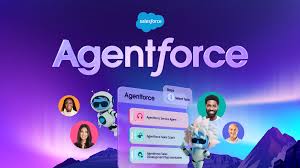
Remember When Salesforce First Launched Financial Services Cloud in 2016? The managed package introduced a standardized data model that transformed how banks, credit unions, and implementation partners utilized Salesforce. It was a game-changer! But Salesforce hasn’t stopped innovating. Since 2019, they’ve been enhancing the core platform to meet demands for greater performance and flexibility. Now, in 2024, Salesforce has rolled out its biggest core release yet: Financial Account Management Standard Objects. This strategic update could redefine how financial data is managed within Financial Services Cloud (FSC). Understanding these updates is essential for all FSC users. The introduction of standard objects signals a major shift in the platform. Staying informed ensures that your institution remains innovative and fully leverages Financial Services Cloud. Let’s explore what’s changing and why it matters. 1. A New Era for Financial Accounts Say goodbye to limitations and hello to flexibility! The core platform introduces a modern way to manage financial accounts: The elimination of financial account triggers is a huge win for performance. Salesforce’s new data model is designed to handle real-time integrations, which can be a game-changer for many institutions. But real-time integration isn’t necessary for everyone. Depending on your organization’s needs, you might find that a combination of batch integration, on-demand integration, and data visualization works best. If you’re dealing with slow nightly batch data loads due to financial account triggers, exploring the new standard objects could be the solution to your performance woes. 2. Core Offers Benefits for Everyone 3. The FSC Managed Package is Still Supported Salesforce has reassured customers that the FSC Managed Package will continue to be supported. However, with Core advancements, Salesforce is re-evaluating its long-term strategy to provide more streamlined and scalable solutions. While migration to Core isn’t mandatory, Salesforce’s ongoing focus on this new architecture suggests that aligning with the core platform may offer increasing benefits over time. To stay ahead of the curve and access the latest features, it’s wise to explore the potential advantages of migration. Tectonic can help assess your current environment, weigh the benefits of moving to Core, and develop a strategy that aligns with your business goals. 4. Exciting Core Enhancements Core introduces powerful new features that simplify financial data management, such as: 5. The Future Is Core, and You Need the Right Partner to Chart Your Course Salesforce’s shift toward Core highlights the platform’s future direction. While the managed package remains relevant for now, Core offers a more modern, flexible solution for managing financial data. To make the most of these changes and ensure a smooth transition, partnering with an experienced team like Tectonic is crucial. Transitioning to Core requires careful planning. Here’s a roadmap to guide you: Ready to Explore the Power of Core? Contact Tectonic today to learn how we can help guide your transition to Core and capture the full potential of these new features to drive your business forward. Like1 Related Posts Who is Salesforce? Who is Salesforce? Here is their story in their own words. From our inception, we’ve proudly embraced the identity of Read more Salesforce Marketing Cloud Transactional Emails Salesforce Marketing Cloud Transactional Emails are immediate, automated, non-promotional messages crucial to business operations and customer satisfaction, such as order Read more Salesforce Unites Einstein Analytics with Financial CRM Salesforce has unveiled a comprehensive analytics solution tailored for wealth managers, home office professionals, and retail bankers, merging its Financial Read more AI-Driven Propensity Scores AI plays a crucial role in propensity score estimation as it can discern underlying patterns between treatments and confounding variables Read more
Read More
Future of Customer Service

Future of Customer Service

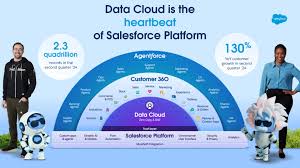
The Future of Customer Service Is Here—And It’s Smarter Than Ever Salesforce, the global leader in CRM, has just supercharged its Service Cloud with groundbreaking AI-powered updates. These aren’t just minor tweaks—they’re game-changing innovations designed to transform how businesses understand, engage with, and delight their customers. With new features like Einstein Conversation Mining, Generative AI Survey Summarization, and Knowledge-Powered AI, Salesforce is empowering companies to: ✔ Boost customer satisfaction with hyper-personalized interactions✔ Increase agent productivity through AI-driven insights✔ Drive revenue growth by resolving issues faster and smarter Curious how? Let’s dive into Salesforce’s cutting-edge conversational AI and explore how these tools revolutionize customer service. Salesforce Service Cloud: The Ultimate Customer Service Hub Service Cloud is a cloud-based customer service platform that helps businesses streamline support, strengthen relationships, and deliver exceptional experiences. Key features include: 🔹 Centralized Case Management – Track and resolve all customer queries in one place.🔹 Omnichannel Support – Engage seamlessly across email, phone, chat, and social media.🔹 Self-Service Portal – Empower customers with FAQs, guides, and troubleshooting resources.🔹 Agent Productivity Tools – Automate workflows, generate quick responses, and flag critical issues.🔹 Advanced Analytics – Monitor performance, track resolutions, and measure customer satisfaction in real time. Now, with AI-powered conversational intelligence, Service Cloud is taking customer support to the next level. Meet Salesforce’s AI Dream Team Salesforce’s latest AI innovations unlock deeper customer insights and smarter service solutions. Here’s how each feature works: 1. Einstein Conversation Mining – Listen, Learn, Act This AI acts like a supercharged listening tool, analyzing thousands of customer interactions (calls, emails, chats) to uncover hidden trends. It helps businesses: ✅ Spot frustrations early – Proactively address issues before they escalate.✅ Personalize experiences – Tailor responses based on individual customer needs. 2. Generative AI Survey Summarization – Turn Feedback into Action No more sifting through endless survey responses. This feature instantly summarizes open-ended feedback, delivering key insights like: ✅ Emerging customer sentiment trends – Know what’s working (and what’s not).✅ Hyper-targeted marketing – Refine campaigns using real customer feedback. 3. Knowledge-Powered AI – Smarter Support, Faster Resolutions Imagine an AI assistant whispering real-time solutions to your agents. This tool: ✅ Recommends relevant knowledge articles during live chats to speed up resolutions.✅ Auto-generates new knowledge base content from customer conversations. How AI Supercharges Your Support Team Salesforce’s conversational intelligence doesn’t just help customers—it empowers agents to work smarter and faster. Here’s how: 🔸 360° Customer Insights – Agents get full context from past interactions (emails, calls, chats) for personalized service.🔸 Instant Knowledge Access – AI surfaces relevant guides and solutions mid-conversation, cutting resolution time.🔸 Automated Issue Detection – AI identifies common problems and suggests fixes, freeing agents for complex cases.🔸 Data-Driven Coaching – Analyzes agent performance to highlight strengths and areas for improvement.🔸 Proactive Support – Detects trends and predicts issues before customers even complain. The Bottom Line: Smarter Service = Happier Customers + Faster Growth With Salesforce’s AI-powered Service Cloud, businesses can: 🚀 Resolve issues faster with AI-guided insights.💡 Personalize every interaction for deeper customer connections.📈 Boost efficiency and revenue by empowering agents with real-time intelligence. The future of customer service isn’t just automated—it’s intelligent, proactive, and customer-obsessed. Ready to Transform Your Customer Support? Let’s Talk! Like Related Posts Who is Salesforce? Who is Salesforce? Here is their story in their own words. From our inception, we’ve proudly embraced the identity of Read more Salesforce Marketing Cloud Transactional Emails Salesforce Marketing Cloud Transactional Emails are immediate, automated, non-promotional messages crucial to business operations and customer satisfaction, such as order Read more Salesforce Unites Einstein Analytics with Financial CRM Salesforce has unveiled a comprehensive analytics solution tailored for wealth managers, home office professionals, and retail bankers, merging its Financial Read more AI-Driven Propensity Scores AI plays a crucial role in propensity score estimation as it can discern underlying patterns between treatments and confounding variables Read more
Read More
Exploring Emerging LLM

Exploring Emerging LLM

Exploring Emerging LLM Agent Types and Architectures The Evolution Beyond ReAct AgentsThe shortcomings of first-generation ReAct agents have paved the way for a new era of LLM agents, bringing innovative architectures and possibilities. In 2024, agents have taken center stage in the AI landscape. Companies globally are developing chatbot agents, tools like MultiOn are bridging agents to external websites, and frameworks like LangGraph and LlamaIndex Workflows are helping developers build more structured, capable agents. However, despite their rising popularity within the AI community, agents are yet to see widespread adoption among consumers or enterprises. This leaves businesses wondering: How do we navigate these emerging frameworks and architectures? Which tools should we leverage for our next application? Having recently developed a sophisticated agent as a product copilot, we share key insights to guide you through the evolving agent ecosystem. What Are LLM-Based Agents? At their core, LLM-based agents are software systems designed to execute complex tasks by chaining together multiple processing steps, including LLM calls. These agents: The Rise and Fall of ReAct Agents ReAct (reason, act) agents marked the first wave of LLM-powered tools. Promising broad functionality through abstraction, they fell short due to their limited utility and overgeneralized design. These challenges spurred the emergence of second-generation agents, emphasizing structure and specificity. The Second Generation: Structured, Scalable Agents Modern agents are defined by smaller solution spaces, offering narrower but more reliable capabilities. Instead of open-ended design, these agents map out defined paths for actions, improving precision and performance. Key characteristics of second-gen agents include: Common Agent Architectures Agent Development Frameworks Several frameworks are now available to simplify and streamline agent development: While frameworks can impose best practices and tooling, they may introduce limitations for highly complex applications. Many developers still prefer code-driven solutions for greater control. Should You Build an Agent? Before investing in agent development, consider these criteria: If you answered “yes,” an agent may be a suitable choice. Challenges and Solutions in Agent Development Common Issues: Strategies to Address Challenges: Conclusion The generative AI landscape is brimming with new frameworks and fervent innovation. Before diving into development, evaluate your application needs and consider whether agent frameworks align with your objectives. By thoughtfully assessing the tools and architectures available, you can create agents that deliver measurable value while avoiding unnecessary complexity. Like Related Posts Who is Salesforce? Who is Salesforce? Here is their story in their own words. From our inception, we’ve proudly embraced the identity of Read more Salesforce Unites Einstein Analytics with Financial CRM Salesforce has unveiled a comprehensive analytics solution tailored for wealth managers, home office professionals, and retail bankers, merging its Financial Read more AI-Driven Propensity Scores AI plays a crucial role in propensity score estimation as it can discern underlying patterns between treatments and confounding variables Read more Tectonic’s Successful Salesforce Track Record Salesforce Technology Services Integrator – Tectonic has successfully delivered Salesforce in a variety of industries including Public Sector, Hospitality, Manufacturing, Read more
Read More
gettectonic.com