Tableau Next: The Autonomous Future of Analytics
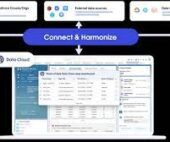
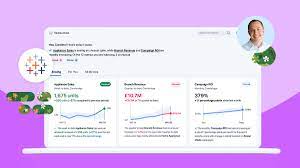
The way businesses harness data is undergoing a revolution—one where AI-driven insights seamlessly integrate with human decision-making. Tableau Next, the next evolution of Tableau powered by the Salesforce Platform and deeply integrated with Agentforce, is leading this transformation. With AI agents embedded directly into analytics workflows, Tableau Next delivers proactive, predictive, and actionable insights—helping organizations make faster, smarter decisions from trusted, unified data. What is Tableau Next? Tableau Next is the first agentic analytics platform, combining self-service analytics with AI-driven automation to deliver insights where you work. Built on the Salesforce Platform, it offers: ✅ Modular, composable analytics – Reusable components, AI-powered semantics, and consistent data across every workflow.✅ Embedded AI agents – Tableau Agent and Tableau Pulse work together to surface intelligent insights in real time.✅ Trusted, governed data – A unified metadata framework ensures accuracy and transparency.✅ Scalable, secure infrastructure – Powered by Data Cloud and Zero Copy Partner Network for seamless, cost-effective data integration. This isn’t just analytics—it’s autonomous intelligence that evolves with your business. Why Tableau Next? 1. AI Agents Bring Insights Where You Work Most companies struggle with insight overload—critical data gets buried in dashboards, lost in reports, or ignored because it doesn’t fit into daily workflows. Tableau Next changes that by:🔹 Pushing AI-driven insights directly into your workflow—no searching required.🔹 Forecasting trends with predictive and generative AI.🔹 Automating actions—so every team, from analysts to executives, can act faster. 2. Tableau Semantics: Trusted, Context-Rich Data Bad data leads to bad decisions. Tableau Next ensures every insight is grounded in accurate, contextualized data with:🔹 AI-enriched metadata – Business meaning is built into every dataset.🔹 Full data lineage – See where data comes from and how it’s processed.🔹 Consistent business language – No more confusion over metrics or KPIs. 3. Real-Time, Scalable Data Without the Headache Data today is scattered, siloed, and expensive to manage. Tableau Next solves this by:🔹 Connecting to any source—without moving or duplicating data (thanks to Zero Copy Partner Network).🔹 Unifying customer data with Salesforce Data Cloud.🔹 Scaling securely—built on the most trusted platform in enterprise SaaS. 4. Reusable, Composable Analytics for Maximum Flexibility Why rebuild the same dashboards and models repeatedly? Tableau Next introduces:🔹 A marketplace for sharing and discovering reusable analytics assets.🔹 API-driven extensibility—embed analytics into any third-party app.🔹 Custom AI agents tailored to your business needs. The Future of Analytics is Here For 20+ years, Tableau has set the standard for intuitive, powerful analytics. Now, Tableau Next takes it further—integrating AI, automation, and trusted data into every workflow. 🚀 Want to experience it today? Many Tableau Next features are already available in Tableau+, including:✔ Data Cloud for unified data modeling✔ Tableau Semantics for business context✔ Tableau Pulse for personalized metrics✔ Tableau Agent for AI-powered analytics The era of autonomous analytics has arrived. Are you ready? Like1 Related Posts Who is Salesforce? Who is Salesforce? Here is their story in their own words. From our inception, we’ve proudly embraced the identity of Read more Salesforce Marketing Cloud Transactional Emails Salesforce Marketing Cloud Transactional Emails are immediate, automated, non-promotional messages crucial to business operations and customer satisfaction, such as order Read more Salesforce Unites Einstein Analytics with Financial CRM Salesforce has unveiled a comprehensive analytics solution tailored for wealth managers, home office professionals, and retail bankers, merging its Financial Read more AI-Driven Propensity Scores AI plays a crucial role in propensity score estimation as it can discern underlying patterns between treatments and confounding variables Read more