
AI Agents Archives - gettectonic.com - Page 24
Generative AI Overview

Generative AI Overview

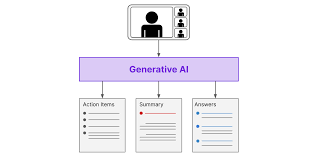
Editor’s Note: AI Cloud, Einstein GPT, and other cloud GPT products are now Einstein. For the latest on Salesforce Einstein The Rise of Generative AI: What It Means for Business and CRM Generative artificial intelligence (AI) made headlines in late 2022, sparking widespread curiosity and questions about its potential impact on various industries. What is Generative AI? Generative AI is a technology that creates new content—such as poetry, emails, images, or music—based on a set of input data. Unlike traditional AI, which focuses on classifying or predicting, generative AI can produce novel content with a human-like understanding of language, as noted by Salesforce Chief Scientist Silvio Savarese. However, successful generative AI depends on the quality of the input data. “AI is only as good as the data you give it, and you must ensure that datasets are representative,” emphasizes Paula Goldman, Salesforce’s Chief Ethical and Humane Use Officer. How Does Generative AI Work? Generative AI can be developed using several deep learning approaches, including: Other methods include Variational Autoencoders (VAEs) and Neural Radiance Fields (NeRFs), which generate new data or create 2D and 3D images based on sample data. Generative AI and Business Generative AI has captured the attention of global business leaders. A recent Salesforce survey found that 67% of IT leaders are focusing on generative AI in the next 18 months, with 33% considering it a top priority. Salesforce has long been exploring generative AI applications. For instance, CodeGen helps transform simple English prompts into executable code, and LAVIS makes language-vision AI accessible to researchers. More recently, Salesforce’s ProGen project demonstrated the creation of novel proteins using AI, potentially advancing medicine and treatment development. Ketan Karkhanis, Salesforce’s Executive VP and GM of Sales Cloud, highlights that generative AI benefits not just large enterprises but also small and medium-sized businesses (SMBs) by automating proposals, customer communications, and predictive sales modeling. Challenges and Ethical Considerations Despite its potential, generative AI poses risks, as noted by Paula Goldman and Kathy Baxter of Salesforce’s Ethical AI practice. They stress the importance of responsible innovation to ensure that generative AI is used safely and ethically. Accuracy in AI recommendations is crucial, and the authoritative tone of models like ChatGPT can sometimes lead to misleading results. Salesforce is committed to building trusted AI with embedded guardrails to prevent misuse. As generative AI evolves, it’s vital to balance its capabilities with ethical considerations, including its environmental impact. Generative AI can increase IT energy use, which 71% of IT leaders acknowledge. Generative AI at Salesforce Salesforce has integrated AI into its platform for years, with Einstein AI providing billions of daily predictions to enhance sales, service, and customer understanding. The recent launch of Einstein GPT, the world’s first generative AI for CRM, aims to transform how businesses interact with customers by automating content creation across various functions. Salesforce Ventures is also expanding its Generative AI Fund to $500 million, supporting AI startups and fostering responsible AI development. This expansion includes investments in companies like Anthropic and Cohere. As Salesforce continues to lead in AI innovation, the focus remains on creating technology that is inclusive, responsible, and sustainable, paving the way for the future of CRM and business. The Future of Business: AI-Powered Leadership and Decision-Making Tomorrow’s business landscape will be transformed by specialized, autonomous AI agents that will significantly change how companies are run. Future leaders will depend on these AI agents to support and enhance their teams, with AI chiefs of staff overseeing these agents and harnessing their capabilities. New AI-powered tools will bring businesses closer to their customers and enable faster, more informed decision-making. This shift is not just a trend—it’s backed by significant evidence. The Slack Workforce Index reveals a sevenfold increase in leaders seeking to integrate AI tools since September 2023. Additionally, Salesforce research shows that nearly 80% of global workers are open to an AI-driven future. While the pace of these changes may vary, it is clear that the future of work will look vastly different from today. According to the Slack Workforce Index, the number of leaders looking to integrate AI tools into their business has skyrocketed 7x since September 2023. Mick Costigan, VP, Salesforce Futures In the [still] early phases of a major technology shift, we tend to over-focus on the application of technology innovations to existing workflows. Such advances are important, but closing the imagination gap about the possible new shapes of work requires us to consider more than just technology. It requires us to think about people, both as the customers who react to new offerings and as the employees who are responsible for delivering them. Some will eagerly adopt new technology. Others will resist and drag their feet. Like1 Related Posts Who is Salesforce? Who is Salesforce? Here is their story in their own words. From our inception, we’ve proudly embraced the identity of Read more Salesforce Marketing Cloud Transactional Emails Salesforce Marketing Cloud Transactional Emails are immediate, automated, non-promotional messages crucial to business operations and customer satisfaction, such as order Read more Salesforce Unites Einstein Analytics with Financial CRM Salesforce has unveiled a comprehensive analytics solution tailored for wealth managers, home office professionals, and retail bankers, merging its Financial Read more AI-Driven Propensity Scores AI plays a crucial role in propensity score estimation as it can discern underlying patterns between treatments and confounding variables Read more


Read More
AI Assisting Nursing

AI Assisting Nursing

Leveraging AI to Alleviate the Documentation Burden in Nursing As the nursing profession grapples with increasing burnout, researchers are investigating the potential of large language models to streamline clinical documentation and care planning. Nurses play an essential role in delivering high-quality care and improving patient outcomes, but the profession is under significant strain due to shortages and burnout. AI Assisting Nursing could lessoning burnout while improving communication. What role could Salesforce play? The American Nurses Association (ANA) emphasizes that to maximize nurses’ potential, healthcare organizations must prioritize maintaining an adequate workforce, fostering healthy work environments, and supporting policies that back nurses. The COVID-19 pandemic has exacerbated existing challenges, including increased healthcare demand, insufficient workforce support, and a wave of retirements outpacing the influx of new nurses. Tectonic has nearly two decades of experience providing IT solutions for the health care industry. Salesforce, as a leader in the field of artificial intelligence, is a top tool for health care IT. AI Assisting Nursing In response to these growing demands, some experts argue that AI technologies could help alleviate some of the burden, particularly in areaTes like clinical documentation and administrative tasks. In a recent study published in the Journal of the American Medical Informatics Association, Dr. Fabiana Dos Santos, a post-doctoral research scientist at Columbia University School of Nursing, led a team to explore how a ChatGPT-based framework could assist in generating care plan suggestions for a lung cancer patient. In an interview with Healthtech Analytics, Dr. Santos discussed the potential and challenges of using AI chatbots in nursing. Challenges in Nursing Care Plan Documentation Creating care plans is vital for ensuring patients receive timely, adequate care tailored to their needs. Nurses are central to this process, yet they face significant obstacles when documenting care plans. AI Assisting Nursing and Salesforce as a customer relationship solution addresses those challenges. “Nurses are on the front line of care and spend a considerable amount of time interacting closely with patients, contributing valuable clinical assessments to electronic health records (EHRs),” Dr. Santos explained. “However, many documentation systems are cumbersome, leading to a documentation burden where nurses spend much of their workday interacting with EHRs. This can result in cognitive burden, stress, frustration, and disruptions to direct patient care.” The American Association of Critical-Care Nurses (AACN) highlights that electronic documentation is a significant burden, consuming an average of 40% of a nurse’s shift. Time spent on documentation inversely correlates with time spent on patient care, leading to increased burnout, cognitive load, and decreased job satisfaction. These factors, in turn, contribute to patient-related issues such as a higher risk of medical errors and hospital-acquired infections, which lower patient satisfaction. When combined with the heavy workloads nurses already manage, inefficient documentation tools can make care planning even more challenging. AI Assisting Nursing and Care Plans “The demands of direct patient care and managing multiple administrative tasks simultaneously limit nurses’ time to develop individualized care plans,” Dr. Santos continued. “The non-user-friendly interfaces of many EHR systems exacerbate this challenge, making it difficult to capture all aspects of a patient’s condition, including physical, psychological, social, cultural, and spiritual dimensions.” To address these challenges, Dr. Santos and her team explored the potential of ChatGPT to improve clinical documentation. “These negative impacts on a nurse’s workday underscore the urgency of improving EHR documentation systems to reduce these issues,” she noted. “AI tools, if well designed, can improve the process of developing individualized care plans and reduce the burden of EHR-related documentation.” The Promises and Pitfalls of AI Developing care plans requires nurses to draw from their expertise to address issues like symptom management and comfort care, especially for patients with complex needs. Dr. Santos emphasized that advanced technologies, such as generative AI (GenAI), could streamline this process by enhancing documentation workflows and assisting with administrative tasks. AI tools can rapidly process large amounts of data and generate care plans more quickly than traditional methods, potentially allowing nurses to spend more time on direct and holistic patient care. However, Dr. Santos stressed the importance of carefully validating AI models, ensuring that nurses’ clinical judgment and expertise play a central role in evaluating AI-generated care plans. “New technologies can help nurses improve documentation, leading to better descriptions of patient conditions, more accurate capture of care processes, and ultimately, improved patient outcomes,” she said. “This presents an important opportunity to use novel generative AI solutions to reduce nurses’ workload and act as a supportive documentation tool.” Despite the promise of AI as a support tool, Dr. Santos cautioned that chatbots require further development to be effectively implemented in nursing care plans. AI-generated outputs can contain inaccuracies or irrelevant information, necessitating careful review and validation by nurses. Additionally, AI tools may lack the nuanced understanding of a patient’s unique needs, which only a nurse can provide through personal, empathetic interactions, such as interpreting specific cultural or spiritual needs. Despite these challenges, large language models (LLMs) and other GenAI tools are generating significant interest in the healthcare industry. They are expected to be deployed in various applications, including EHR workflows and nursing efficiency. Dr. Santos’ research contributes to this growing field. To conduct the study, the researchers developed and validated a method for structuring ChatGPT prompts—guidelines that the LLM uses to generate responses—that could produce high-quality nursing care plans. The approach involved providing detailed patient information and specific questions to consider when creating an appropriate care plan. The research team refined the Patient’s Needs Framework over ten rounds using 22 diverse hypothetical patient cases, ensuring that the ChatGPT-generated plans were consistent and aligned with typical nursing care plans. “Our findings revealed that ChatGPT could prioritize critical aspects of care, such as oxygenation, infection prevention, fall risk, and emotional support, while also providing thorough explanations for each suggested intervention, making it a valuable tool for nurses,” Dr. Santos indicated. The Future of AI in Nursing While the study focused on care plans for lung cancer, Dr. Santos emphasized that this research is just the beginning of

Read More

Salesforce and AdvoLogix

SUGAR LAND, Texas, Aug. 12, 2024 /PRNewswire/ — AdvoLogix, a leader in legal technology, is excited to announce its groundbreaking Legal Assistant AI, a comprehensive suite of AI tools designed specifically for the legal industry. Law firms face mounting pressure to deliver exceptional client service while managing rising costs and complexities. This innovative solution seamlessly integrates with Salesforce, automating tasks and leveraging the power of AI to streamline law firm operations while ensuring security with its Trust and Safety Layer. Our AI’s Trust and Safety Layer, ensures that law firms can trust our technology to protect sensitive information. AdvoLogix Legal Assistant AI significantly enhances daily workflows with advanced capabilities such as document automation, financial management, client and matter intake, case management, and workflow optimization. Customizable based on unique data sets, these AI agents can be tailored to meet the specific needs of any legal organization. For example, law firms can create AI agents to address the nuanced requirements of particular clients or specialized areas of practice. The AI’s Trust and Safety Layer ensures secure data retrieval, grounding, prompt defense, and compliance, providing law firms with the confidence that their sensitive information is protected. By embedding these tools directly into the Salesforce platform, AdvoLogix delivers a powerful, integrated solution that leverages the power of AI in the context of daily law firm operations. Leveraging SALI Tags for Enhanced Data Management One of the standout features of the AdvoLogix Legal Assistant AI is its integration with the SALI (Standards Advancement for the Legal Industry) taxonomy. By leveraging Salesforce workflows, attorneys can quickly and accurately tag matters with SALI tags, enabling data-driven insights and improved matter management. This seamless integration ensures that valuable data is captured and utilized effectively to inform strategic decisions. Customizable AI Models for Tailored Legal Support AdvoLogix offers fine-tuned AI models specifically trained for legal activities. These models can be easily integrated into Salesforce workflows to automate tasks such as record and document retrieval, document summarization, and system data queries. Additionally, these AI models have the capability to ask and receive answers to general or specific legal questions on any topic, all from the perspective of an attorney. By leveraging the power of AI within the familiar Salesforce environment, legal professionals can focus on higher-value activities while the AI handles routine tasks. Some features are currently available in controlled release. A Commitment to Security and Accuracy “By embedding our AI capabilities into Salesforce workflows, we’ve developed a robust solution that allows legal professionals to benefit from AI services that are safe and highly efficient during normal work activities. Our AI’s Trust and Safety Layer, featuring secure data retrieval, grounding, prompt defense, and more, ensures that law firms can trust our technology to protect sensitive information. This focus on security, accuracy, and compliance is crucial for modern legal practices,” said Jonathan Reed, CEO of AdvoLogix. Experience the Future of Legal AI at ILTACON 2024 Visit AdvoLogix at Booth #346 to see live demonstrations of our Legal Assistant AI capabilities and discover how they can transform your firm’s operational efficiency. Our experts will be available to answer your questions and provide tailored insights into how our AI solutions can enhance your legal workflows and financial management. About AdvoLogix Founded in 2006, AdvoLogix is a premier provider of AI-driven technology solutions, helping businesses in the legal technology sector and beyond streamline operations, reduce costs, and improve productivity. With a broad range of native integrations that seamlessly integrate with Salesforce, AdvoLogix delivers measurable gains in productivity and efficiency. For more information, visit www.advologix.com and follow AdvoLogix on LinkedIn @AdvoLogix. Media Contact:Marketing DepartmentAdvoLogixmarketing@advologix.com Like Related Posts Who is Salesforce? Who is Salesforce? Here is their story in their own words. From our inception, we’ve proudly embraced the identity of Read more Salesforce Marketing Cloud Transactional Emails Salesforce Marketing Cloud Transactional Emails are immediate, automated, non-promotional messages crucial to business operations and customer satisfaction, such as order Read more Salesforce Unites Einstein Analytics with Financial CRM Salesforce has unveiled a comprehensive analytics solution tailored for wealth managers, home office professionals, and retail bankers, merging its Financial Read more AI-Driven Propensity Scores AI plays a crucial role in propensity score estimation as it can discern underlying patterns between treatments and confounding variables Read more

Read More
AI All Grown Up

Generative AI Tools

One of the most significant use cases for generative AI in business is customer service and support. Most of us have likely experienced the frustration of dealing with traditional automated systems. However, today’s advanced AI, powered by large language models and natural language chatbots, is rapidly improving these interactions. While many still prefer human agents for complex or sensitive issues, AI is proving highly capable of handling routine inquiries efficiently. Here’s an overview of some of the top AI-powered tools for automating customer service. Although the human element will always be essential in customer experience, these tools free up human agents from repetitive tasks, allowing them to focus on more complex challenges requiring empathy and creativity. Cognigy Cognigy is an AI platform designed to automate customer service voice and chat channels. It goes beyond simply reading FAQ responses by delivering personalized, context-sensitive answers in multiple languages. Cognigy’s AI Copilot feature enhances human contact center workers by offering real-time AI assistance during interactions, making both fully automated and human-augmented support possible. IBM WatsonX Assistant IBM’s WatsonX Assistant helps businesses create AI-powered personal assistants to streamline tasks, including customer support. With its drag-and-drop configuration, companies can set up seamless self-service experiences. The platform uses retrieval-augmented generation (RAG) to ensure that responses are accurate and up-to-date, continuously improving as it learns from customer interactions. Salesforce Einstein Service Cloud Einstein Service Cloud, part of the Salesforce platform, automates routine and complex customer service tasks. Its AI-powered Agentforce bots manage “low-touch” interactions, while “high-touch” cases are overseen by human agents supported by AI. Fully customizable, Einstein ensures that responses align with your brand’s tone and voice, all while leveraging enterprise data securely. Zendesk AI Zendesk, a leader in customer support, integrates generative AI to boost its service offerings. By using machine learning and natural language processing, Zendesk understands customer sentiment and intent, generates personalized responses, and automatically routes inquiries to the most suitable agent—be it human or machine. It also provides human agents with real-time guidance on resolving issues efficiently. Ada Ada is a conversational AI platform built for large-scale customer service automation. Its no-code interface allows businesses to create custom bots, reducing the cost of handling inquiries by up to 78% per ticket. By integrating domain-specific data, Ada helps improve both support efficiency and customer experience across omnichannel support environments. More AI Tools for Customer Service There are numerous other AI tools designed to enhance automated customer support: While AI tools are transforming customer service, the key lies in using them to complement human agents, allowing for a balance of efficiency and personalized care. Like Related Posts Who is Salesforce? Who is Salesforce? Here is their story in their own words. From our inception, we’ve proudly embraced the identity of Read more Salesforce Marketing Cloud Transactional Emails Salesforce Marketing Cloud Transactional Emails are immediate, automated, non-promotional messages crucial to business operations and customer satisfaction, such as order Read more Salesforce Unites Einstein Analytics with Financial CRM Salesforce has unveiled a comprehensive analytics solution tailored for wealth managers, home office professionals, and retail bankers, merging its Financial Read more AI-Driven Propensity Scores AI plays a crucial role in propensity score estimation as it can discern underlying patterns between treatments and confounding variables Read more

Read More
Small Language Models

Small Language Models

Large language models (LLMs) like OpenAI’s GPT-4 have gained acclaim for their versatility across various tasks, but they come with significant resource demands. In response, the AI industry is shifting focus towards smaller, task-specific models designed to be more efficient. Microsoft, alongside other tech giants, is investing in these smaller models. Science often involves breaking complex systems down into their simplest forms to understand their behavior. This reductionist approach is now being applied to AI, with the goal of creating smaller models tailored for specific functions. Sébastien Bubeck, Microsoft’s VP of generative AI, highlights this trend: “You have this miraculous object, but what exactly was needed for this miracle to happen; what are the basic ingredients that are necessary?” In recent years, the proliferation of LLMs like ChatGPT, Gemini, and Claude has been remarkable. However, smaller language models (SLMs) are gaining traction as a more resource-efficient alternative. Despite their smaller size, SLMs promise substantial benefits to businesses. Microsoft introduced Phi-1 in June last year, a smaller model aimed at aiding Python coding. This was followed by Phi-2 and Phi-3, which, though larger than Phi-1, are still much smaller than leading LLMs. For comparison, Phi-3-medium has 14 billion parameters, while GPT-4 is estimated to have 1.76 trillion parameters—about 125 times more. Microsoft touts the Phi-3 models as “the most capable and cost-effective small language models available.” Microsoft’s shift towards SLMs reflects a belief that the dominance of a few large models will give way to a more diverse ecosystem of smaller, specialized models. For instance, an SLM designed specifically for analyzing consumer behavior might be more effective for targeted advertising than a broad, general-purpose model trained on the entire internet. SLMs excel in their focused training on specific domains. “The whole fine-tuning process … is highly specialized for specific use-cases,” explains Silvio Savarese, Chief Scientist at Salesforce, another company advancing SLMs. To illustrate, using a specialized screwdriver for a home repair project is more practical than a multifunction tool that’s more expensive and less focused. This trend towards SLMs reflects a broader shift in the AI industry from hype to practical application. As Brian Yamada of VLM notes, “As we move into the operationalization phase of this AI era, small will be the new big.” Smaller, specialized models or combinations of models will address specific needs, saving time and resources. Some voices express concern over the dominance of a few large models, with figures like Jack Dorsey advocating for a diverse marketplace of algorithms. Philippe Krakowski of IPG also worries that relying on the same models might stifle creativity. SLMs offer the advantage of lower costs, both in development and operation. Microsoft’s Bubeck emphasizes that SLMs are “several orders of magnitude cheaper” than larger models. Typically, SLMs operate with around three to four billion parameters, making them feasible for deployment on devices like smartphones. However, smaller models come with trade-offs. Fewer parameters mean reduced capabilities. “You have to find the right balance between the intelligence that you need versus the cost,” Bubeck acknowledges. Salesforce’s Savarese views SLMs as a step towards a new form of AI, characterized by “agents” capable of performing specific tasks and executing plans autonomously. This vision of AI agents goes beyond today’s chatbots, which can generate travel itineraries but not take action on your behalf. Salesforce recently introduced a 1 billion-parameter SLM that reportedly outperforms some LLMs on targeted tasks. Salesforce CEO Mark Benioff celebrated this advancement, proclaiming, “On-device agentic AI is here!” Like Related Posts Who is Salesforce? Who is Salesforce? Here is their story in their own words. From our inception, we’ve proudly embraced the identity of Read more Salesforce Marketing Cloud Transactional Emails Salesforce Marketing Cloud Transactional Emails are immediate, automated, non-promotional messages crucial to business operations and customer satisfaction, such as order Read more Salesforce Unites Einstein Analytics with Financial CRM Salesforce has unveiled a comprehensive analytics solution tailored for wealth managers, home office professionals, and retail bankers, merging its Financial Read more AI-Driven Propensity Scores AI plays a crucial role in propensity score estimation as it can discern underlying patterns between treatments and confounding variables Read more

Read More
Einstein Chatbot

Einstein Chatbot

Businesses have increasingly adopted “chatbots” to provide quick answers to customer queries outside regular business hours or to route customers to the appropriate department after answering preliminary questions. While these chatbots can be useful, they often fall short in delivering the same level of value as human interaction, sometimes leading to frustration. Today, chatbots are advancing significantly, with Salesforce’s Einstein Service Agent leading this evolution. This technology offers notable benefits but also presents challenges that businesses must address for effective implementation. Advantages of Einstein Service Agent Seamless Integration with Salesforce: Unlike standalone AI tools, Einstein Service Agent leverages comprehensive customer profiles, purchase histories, and previous interactions to offer personalized responses. Its integration within established Salesforce workflows allows for rapid deployment, reducing both time and cost associated with implementation. Experience has shown that selecting technologies with built-in CRM or ERP integration is a significant advantage over those requiring separate integration efforts. Built on Salesforce’s Trust Layer: Einstein Service Agent ensures secure handling of customer data, adhering to relevant regulations. This enhances trust among businesses and their customers, facilitating smoother adoption. GenAI Capabilities: The AI can manage complex, multi-step tasks like processing returns or refunds, and deliver tailored responses based on specific customer needs, enhancing the overall customer experience. Scalability Across Salesforce Clouds: Einstein Service Agent is adaptable to various business needs and can evolve as those needs change. Whether a company expands, introduces new services, or shifts its customer service strategy, the agent can be scaled and customized to maintain long-term value and utility. Challenges in Implementing AI Agents Data Quality and Integration: The effectiveness of AI tools relies heavily on the quality of the data they access. Incomplete, outdated, or poorly maintained data can lead to inaccurate or ineffective responses. To address this, businesses should prioritize data quality through regular audits and ensure comprehensive and up-to-date customer information. Change Management and Employee Training: The introduction of AI can lead to resistance from employees concerned about job displacement or unfamiliarity with new technology. Businesses should invest in change management strategies, including clear communication about AI as a complement to, not a replacement for, human agents. Training programs should focus on helping employees work alongside AI tools, enhancing skills where human judgment and empathy are crucial. Balancing Customer Service: Over-reliance on AI may diminish the personal touch essential in customer service. AI should handle straightforward and repetitive inquiries, while more complex or sensitive issues should be escalated to human agents who can provide personalized responses. Considerations for a Successful Deployment Customization and Flexibility: Tailoring the AI to fit unique processes and customer service requirements may require additional configuration or custom development to align with the company’s goals and service expectations. Ethical and Bias Concerns: AI systems can unintentionally perpetuate biases present in their training data, leading to unfair interactions. Businesses must actively identify and mitigate biases, ensuring that their AI operates fairly and equitably. This includes regularly reviewing training data for biases, implementing safeguards, and maintaining a commitment to ethical AI practices. Customer Acceptance and User Experience: Some customers may be hesitant to interact with AI or have negative perceptions of automated service. To improve acceptance, businesses should design user-friendly AI interactions, ensure transparency, and provide clear options for escalating issues to human agents. Einstein Chatbot Implementing AI agents like Salesforce’s Einstein Service Agent can significantly enhance customer service efficiency, personalization, and scalability. However, businesses must carefully navigate challenges related to data quality, change management, and maintaining trust. A thoughtful approach to AI deployment can transform customer service operations and drive business growth. Like Related Posts Who is Salesforce? Who is Salesforce? Here is their story in their own words. From our inception, we’ve proudly embraced the identity of Read more Salesforce Marketing Cloud Transactional Emails Salesforce Marketing Cloud Transactional Emails are immediate, automated, non-promotional messages crucial to business operations and customer satisfaction, such as order Read more Salesforce Unites Einstein Analytics with Financial CRM Salesforce has unveiled a comprehensive analytics solution tailored for wealth managers, home office professionals, and retail bankers, merging its Financial Read more AI-Driven Propensity Scores AI plays a crucial role in propensity score estimation as it can discern underlying patterns between treatments and confounding variables Read more
Read More
Autonomous AI Service Agents

Autonomous AI Service Agents

Salesforce Set to Launch Autonomous AI Service Agents. Considering Tectonic only first wrote about Agentic AI in late June, its like Christmas in July! Salesforce is gearing up to introduce a new generation of customer service chatbots that leverage advanced AI tools to autonomously navigate through various actions and workflows. These bots, termed “autonomous AI agents,” are currently in pilot testing and are expected to be released later this year. Autonomous AI Service Agents Named Einstein Service Agent, these autonomous AI bots aim to utilize generative AI to understand customer intent, trigger workflows, and initiate actions within a user’s Salesforce environment, according to Ryan Nichols, Service Cloud’s chief product officer. By integrating natural language processing, predictive analytics, and generative AI, Einstein Service Agents will identify scenarios and resolve customer inquiries more efficiently. Traditional bots require programming with rules-based logic to handle specific customer service tasks, such as processing returns, issuing refunds, changing passwords, and renewing subscriptions. In contrast, the new autonomous bots, enhanced by generative AI, can better comprehend customer issues (e.g., interpreting “send back” as “return”) and summarize the steps to resolve them. Einstein Service Agent will operate across platforms like WhatsApp, Apple Messages for Business, Facebook Messenger, and SMS text, and will also process text, images, video, and audio that customers provide. Despite the promise of these new bots, their effectiveness is crucial, emphasized Liz Miller, an analyst at Constellation Research. If these bots fail to perform as expected, they risk wasting even more customer time than current technologies and damaging customer relationships. Miller also noted that successful implementation of autonomous AI agents requires human oversight for instances when the bots encounter confusion or errors. Customers, whether in B2C or B2B contexts, are often frustrated with the limitations of rules-based bots and prefer direct human interaction. It is annoying enough to be on the telephone repeating “live person” over and over again. It would be trafic to have to do it online, too. “It’s essential that these bots can handle complex questions,” Miller stated. “Advancements like this are critical, as they can prevent the bot from malfunctioning when faced with unprogrammed scenarios. However, with significant technological advancements like GenAI, it’s important to remember that human language and thought processes are intricate and challenging to map.” Nichols highlighted that the forthcoming Einstein Service Agent will be simpler to set up, as it reduces the need to manually program thousands of potential customer requests into a conversational decision tree. This new technology, which can understand multiple word permutations behind a service request, could potentially lower the need for extensive developer and data scientist involvement for Salesforce users. The pricing details for the autonomous Einstein Service Agent will be announced at its release. Like Related Posts Who is Salesforce? Who is Salesforce? Here is their story in their own words. From our inception, we’ve proudly embraced the identity of Read more Salesforce Marketing Cloud Transactional Emails Salesforce Marketing Cloud Transactional Emails are immediate, automated, non-promotional messages crucial to business operations and customer satisfaction, such as order Read more Salesforce Unites Einstein Analytics with Financial CRM Salesforce has unveiled a comprehensive analytics solution tailored for wealth managers, home office professionals, and retail bankers, merging its Financial Read more AI-Driven Propensity Scores AI plays a crucial role in propensity score estimation as it can discern underlying patterns between treatments and confounding variables Read more
Read More
Understanding AI Agents

Understanding AI Agents

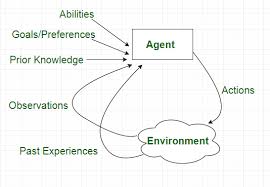
Understanding AI Agents: A Comprehensive Guide Artificial Intelligence (AI) has come a long way, offering systems that automate tasks and provide intelligent, responsive solutions. One key concept within AI is the AI agent—an autonomous system capable of perceiving its environment and taking actions to achieve specific goals. This guide explores AI agents, their types, working mechanisms, and how to build them using platforms like Microsoft Autogen and Google Vertex AI Agent Builder. It also highlights how companies like LeewayHertz and Markovate can assist in the development of AI agents. What is an AI Agent? AI agents are systems designed to interact with their environment autonomously. They process inputs, make decisions, and execute actions based on predefined rules or learned experiences. These agents range from simple rule-based systems to complex machine learning models that adapt over time. Types of AI Agents AI agents can be classified based on complexity and functionality: How AI Agents Work The working mechanism of an AI agent involves four key components: Architectural Blocks of an Autonomous AI Agent An autonomous AI agent typically includes: Building an AI Agent: The Basics Building an AI agent involves several essential steps: Microsoft Autogen: A Platform Overview Microsoft Autogen is a powerful tool for building AI agents, offering a range of features that simplify the development, training, and deployment process. Its user-friendly interface allows developers to create custom agents quickly. Key Steps to Building AI Agents with Autogen: Benefits of Autogen: Vertex AI Agent Builder: Enabling No-Code AI Development Google’s Vertex AI Agent Builder simplifies AI agent development through a no-code platform, making it accessible to users without extensive programming experience. Its drag-and-drop functionality allows for quick and efficient AI agent creation. Key Features of Vertex AI Agent Builder: Conclusion AI agents play a critical role in automating decision-making and performing tasks independently. Platforms like Microsoft Autogen and Google Vertex AI Agent Builder make the development of these agents more accessible, providing powerful tools for both novice and experienced developers. By leveraging these technologies and partnering with companies like LeewayHertz and Markovate, businesses can build custom AI agents that enhance automation, decision-making, and operational efficiency. Whether you’re starting from scratch or looking to integrate AI capabilities into your existing systems, the right tools can make the process seamless and effective. How do you think these tools stack up next to Salesforce AI Agents? Comment below. Content updated October 2024. Like Related Posts Who is Salesforce? Who is Salesforce? Here is their story in their own words. From our inception, we’ve proudly embraced the identity of Read more Salesforce Unites Einstein Analytics with Financial CRM Salesforce has unveiled a comprehensive analytics solution tailored for wealth managers, home office professionals, and retail bankers, merging its Financial Read more AI-Driven Propensity Scores AI plays a crucial role in propensity score estimation as it can discern underlying patterns between treatments and confounding variables Read more Tectonic’s Successful Salesforce Track Record Salesforce Technology Services Integrator – Tectonic has successfully delivered Salesforce in a variety of industries including Public Sector, Hospitality, Manufacturing, Read more

Read More
AI Agents in Line at HR

AI Agents in Line at HR

AI Agents in Line at HR may only be a satirical cartoon for a very short time. Sorry, Farside, but your AI bits may not be able to keep up with AI. July, 2034 — A new software unicorn has just emerged inbehind a bar in a pub in East London. Unicorn, by the way, descibes a startup company valued at over $1 billion, not necessarily with a billion dollar concept. Back to East London behind the soggy bar. Hey, its our fantasy. Besides if Amazon can start in a garage, isn’t anything possible? The CEO logs in as usual and gathers daily updates from the team. The Chief Technology Officer is suggesting a new feature to deploy. The Chief Product Officer wants to redesign the CRM (or whatever CRM has evolved to) integration. The Chief Revenue Officer is showing off the new pipeline, forecast by Accountant in a Box. The Chief Customer Officer is discussing the latest customer levitation tools and product feedback. The Chief Information Security Officer has found a new privacy conflict, which they are addressing with a newly-revised infrastructure set-up. And the Head of HR is fretting about the latest round of IT candidates. This sounds like every software business you’ve ever heard of. But the difference is that the CEO’s teammates are entirely AI, not human: The CTO is Lovable. The CPO is Cogna. The CCO is Gradient Labs. The CRO is 11x. The CISO is Zylon. Back to 2024: The Rise of AI Agents In 2024, the hottest topic in software is AI agents, or Agentic AI. Founders are rapidly standing up agentic applications that can solve specific needs in functions like sales and customer services — without a human required. Software buyers, seeing real opportunities to quickly improve their P&L, are swiftly building or purchasing these agentic products. Investors have poured hundreds of millions of dollars into startups in this space in recent months. Even Salesforce wasn’t launched with a silver AI spoon in its mouth. Salesforce began investing in artificial intelligence (AI) in 2014, when the company started acquiring machine learning startups and announced its Customer Success Platform. In 2016, Salesforce launched Einstein, its AI platform that supports several of its cloud services. Einstein is built into Salesforce products and includes features like natural language processing, machine learning, and predictive analytics. It helps organizations automate processes, make decisions based on insights, and improve the customer experience. YouTube How To Increase Revenue Using AI for CRM: Salesforce … Feb 12, 2024 — What is Salesforce Einstein? Salesforce Einstein is the first trusted artifici… TechForce Services How does Salesforce Use AI for Business Growth? Jan 31, 2024 — Powered by technologies like Machine Learning, Natural Language Processing, im… saasguru · LinkedIn · 7mo History of Salesforce AI From Predictive to Generative – LinkedIn Published Nov 27, 2023. In 2014, Salesforce, under the visionary leadership of… Twistellar AI in Salesforce: History, Present State and Prospects Organizations generate tons of data on marketing and sales, and surely your sales managers… Wikipedia Salesforce – Wikipedia In October 2014, Salesforce announced the development of its Customer Success Platform. Less than ten years ago, folks. Salesforce’s large database of data has helped the company address AI challenges quickly and with quality. The company’s data cloud offering provides AI with the right information at the right time, which can reduce friction and improve the customer experience.  Salesforce’s AI-powered solutions include: To catalyze this evolution, Salesforce strategically acquired RelateIQ in 2014. This move injected machine learning into the Salesforce ecosystem, capturing workplace communications data and providing valuable insights. Europe is home to many of these exciting companies. For example, H, a French AI agent startup, raised a $220 million seed round in May. Beyond RPA: The New Wave of AI Agents AI agents represent a significant step-change from Robotic Process Automation (RPA) bots, which, as explored last year, have several limitations due to their deterministic nature. Next-generation AI agents are non-deterministic, meaning that instead of stopping at a “dead end,” they can learn from mistakes and adjust their series of tasks. Not entirely unlock the mouse running the same maze over and over for the cheese. Eventually Mr. Squeakers learns which paths are dead ends and avoids them by making better choices at intersections. In AI Agents this makes them suited to complex and unstructured tasks and means they can transform the journey from intent to implementation in software development. They can deliver “pure work,” rather than acting only as a helpful co-pilot. The rise of AI agents is not only an opportunity to expand automation beyond what is possible with RPA but also to broadly redefine how knowledge work is performed. And by who. And even how is it defined. Given the right guardrails, next-generation AI agents have the potential to effectively and safely replace knowledge workers in many business scenarios. AI Agents in Action These agents are about to revolutionize the world of work as we know it and are already getting started. For example, Klarna recently revealed that its AI agent system handled two-thirds of customer chats in its first month in operation. While HR may not be swamped with AI CVs yet, it is certainly fathomable. One would suppose those candidates would have to be reviewed and interviewed by IT, not just HR. Here’s another deep thought. The internet of things (IoT) first appeared in a speech by Peter T. Lewis in September 1985. The Internet of Things (IoT) is a network of physical devices that can collect and transmit data over the internet using sensors, software, and other technologies. IoT devices can communicate with each other and with the cloud, and can even perform data analysis and be controlled remotely. The IoT concept was smart homes, health care environments, office spaces, and transportation. Only recently have we begun to think of the IoT as including the actual computers, or AI, in addition to sensored devices. It isn’t exactly a chicken and the egg question, but more of a

Read More
Generative AI Regulations

AI Manipulation

The Future of AI: Convenience and Risk Our lives are on the brink of being transformed by conversational AI agents designed to anticipate our needs, offer tailored information, and perform useful tasks on our behalf. These agents will rely on extensive personal data, including our interests, hobbies, backgrounds, aspirations, personality traits, and political views, all aimed at making our lives more convenient. What then will be the source of AI Manipulation? Advanced AI Agents: The Next Generation These AI agents are becoming increasingly sophisticated. OpenAI recently released GPT-4o, a next-generation chatbot capable of reading human emotions. It does this not only by analyzing the sentiment in written text but also by assessing voice inflections (if spoken to through a mic) and facial cues (if interacting via video). This rapid development signifies the future of computing. Google, for instance, announced Project Astra, an advanced seeing and talking responsive agent designed to interact conversationally while understanding its surroundings. This allows it to provide real-time interactive guidance and assistance. OpenAI’s Sam Altman has predicted that assistive agents will be the killer app for AI. He envisions a future where everyone has a personalized agent acting as a super-competent colleague, knowing everything about their life to take useful actions on their behalf. The Potential Risks-AI Manipulation While this sounds promising, significant risks accompany these advancements. As I wrote in VentureBeat last year, AI agents pose a risk to human agency through targeted manipulation. This risk is particularly acute as these agents become embedded in our mobile devices, which are gateways to our digital lives. These devices provide AI agents with a continuous flow of our personal information, enabling them to learn intimate details about us while filtering the content we receive. Such systems could become powerful tools for interactive manipulation. AI agents equipped with cameras and microphones will react to our environments without explicit prompts, potentially triggering targeted influences based on our activities and situations. Public Perception and Adoption Despite the creepy level of tracking and intervention, I predict that people will embrace this technology. These agents will be designed to make our lives easier, providing reminders, tutoring, and even social coaching. The competition among tech companies will drive rapid adoption, with individuals feeling disadvantaged if they do not use these features. By 2030, these technologies will likely be ubiquitous. The AI Manipulation Problem In my new book, “Our Next Reality,” I discuss how AI agents can empower us with mental superpowers while also serving as tools for persuasion. AI agents, designed for profit, will influence our thoughts and behaviors. They will be more effective than traditional content because they can engage us interactively, using sophisticated techniques based on extensive personal data. These agents will read our emotions with unparalleled precision, adapting their influence tactics in real-time. Without regulation, they could document our reactions to tailor their approaches, making them highly effective at persuasion. The agents’ appearances could also be optimized to maximize their impact on us personally. Feedback Control and the Need for Regulation The technical danger of AI agents lies in their feedback control capabilities. Given an “influence objective,” these agents can continuously adapt their strategies to maximize their impact on us. This ability is similar to heat-seeking missiles adjusting their path in real-time to hit a target. To mitigate this risk, regulators must impose strict limits on interactive conversational advertising, which is the gateway to more dangerous uses of these technologies. If unchecked, this could lead to an arms race among tech companies to develop the most effective conversational ads, ultimately driving misinformation and propaganda. The Urgent Need for Regulatory Action The time for policymakers to act is now. While traditional AI risks like generating misinformation at scale are significant, targeted interactive manipulation poses a far greater threat. Recent announcements from OpenAI and Google highlight the urgency for regulation. An outright ban or stringent limitations on interactive conversational advertising is a crucial first step. Without such measures, we risk allowing AI agents to become powerful tools of manipulation. Conclusion The future of AI holds both promise and peril. As conversational AI agents become integral to our daily lives, we must balance their benefits with the potential for abuse. Regulatory action is essential to ensure these technologies enhance our lives without compromising our autonomy. Louis Rosenberg, PhD, is an American technologist specializing in AI and XR. His new book, “Our Next Reality,” explores the impact of AI on society and is published by Hachette. He earned his PhD from Stanford, was a professor at California Polytechnic, and is currently CEO of Unanimous AI. This piece originally appeared in VentureBeat on 5/17/24. Like Related Posts Who is Salesforce? Who is Salesforce? Here is their story in their own words. From our inception, we’ve proudly embraced the identity of Read more Salesforce Unites Einstein Analytics with Financial CRM Salesforce has unveiled a comprehensive analytics solution tailored for wealth managers, home office professionals, and retail bankers, merging its Financial Read more AI-Driven Propensity Scores AI plays a crucial role in propensity score estimation as it can discern underlying patterns between treatments and confounding variables Read more Tectonic’s Successful Salesforce Track Record Salesforce Technology Services Integrator – Tectonic has successfully delivered Salesforce in a variety of industries including Public Sector, Hospitality, Manufacturing, Read more

Read More
Agentic AI is Here

Agentic AI is Here

Embracing the Era of Agentic AI: Redefining Autonomous Systems A new paradigm in artificial intelligence, known as “Agentic Artificial Intelligence,” is poised to revolutionize the capabilities of the known autonomous universe. This cutting-edge technology represents a significant leap forward in AI-driven decision-making and action, promising transformative impacts across various industries including healthcare, manufacturing, IT, finance, marketing, and HR. Agents are the way to go! There is no two ways about this. Looking into the progression of the Large Language Model based applications since last year, its not hard to see that the Agentic Process (agents as reusable, specific and dedicated single unit of work) — would be the way to build Gen AI applications. What is Agentic AI? Agentic Artificial Intelligence marks a departure from traditional AI models that primarily focus on passive observation and analysis. Unlike its predecessors, which often require human intervention to execute tasks, Agentic AI systems possess the autonomy to initiate actions independently based on their assessments. This allows them to navigate much more complex environments and undertake tasks with a level of initiative and adaptability previously unseen. At least outside of sci-fy movies. Real-World Applications of Agentic Artificial Intelligence Healthcare In healthcare, Agentic AI systems are transforming patient care. These systems autonomously monitor vital signs, administer medication, and assist in surgical procedures with unparalleled precision. By augmenting healthcare professionals’ capabilities, these AI-driven agents enhance patient outcomes and streamline care processes. Augmenting is the key word, here. Manufacturing and Logistics In manufacturing and logistics, Agentic AI optimizes operations and boosts efficiency. Intelligent agents handle predictive maintenance of machinery, autonomous inventory management, and robotic assembly. Leveraging advanced algorithms and sensor technologies, these systems anticipate issues, coordinate complex workflows, and adapt to real-time production demands, driving a shift towards fully autonomous production environments. Customer Service Within enterprises, AI agents are revolutionizing business operations across various departments. In customer service, AI-powered chatbots with Agentic Artificial Intelligence capabilities engage with customers in natural language, providing personalized assistance and resolving queries efficiently. This enhances customer satisfaction and allows human agents to focus on more complex tasks. Marketing and Sales Agentic Artificial Intelligence empowers marketing and sales teams to analyze vast datasets, identify trends, and personalize campaigns with unprecedented precision. By understanding customer behavior and preferences at a granular level, AI agents optimize advertising strategies, maximize conversion rates, and drive revenue growth. Finance and Accounting In finance and accounting, Agentic AI streamlines processes like invoice processing, fraud detection, and risk management. These AI-driven agents analyze financial data in real time, flag anomalies, and provide insights that enable faster, more informed decision-making, thereby improving operational efficiency. Ethical Considerations of Agentic Artificial Intelligence The rise of Agentic AI also brings significant ethical and societal challenges. Concerns about data privacy, algorithmic bias, and job displacement necessitate robust regulation and ethical frameworks to ensure responsible and equitable deployment of AI technologies. Navigating the Future with Agentic AI The advent of Agentic AI ushers in a new era of autonomy and innovation in artificial intelligence. As these intelligent agents permeate various facets of our lives and enterprises, they present both challenges and opportunities. To navigate this new world, we must approach it with foresight, responsibility, and a commitment to harnessing technology for the betterment of humanity. Like1 Related Posts Who is Salesforce? Who is Salesforce? Here is their story in their own words. From our inception, we’ve proudly embraced the identity of Read more Salesforce Marketing Cloud Transactional Emails Salesforce Marketing Cloud Transactional Emails are immediate, automated, non-promotional messages crucial to business operations and customer satisfaction, such as order Read more Salesforce Unites Einstein Analytics with Financial CRM Salesforce has unveiled a comprehensive analytics solution tailored for wealth managers, home office professionals, and retail bankers, merging its Financial Read more AI-Driven Propensity Scores AI plays a crucial role in propensity score estimation as it can discern underlying patterns between treatments and confounding variables Read more

Read More
AI Agents and Open APIs

AI Agents and Open APIs

How AI Agents and Open APIs Are Unlocking New Rebundling Opportunities While much of the 2023-24 excitement surrounding AI has focused on the capabilities of foundational models, the true potential of AI lies in reconfiguring value creation across vertical value chains, not just generating average marketing content. The Vertical AI Opportunity Most AI hype has centered on horizontal B2C applications, but the real transformative power of AI is in vertical B2B industries. This article delves into the opportunities within vertical AI and explores how companies can excel in this emerging space. Short-Term and Long-Term Strategies in Vertical AI In the short term, many vertical AI players focus on developing proprietary, fine-tuned models and user experiences to gain a competitive advantage. These niche models, trained on domain-specific data, often outperform larger foundational models in latency, accuracy, and cost. As models become more fine-tuned, changes in user experience (UX) must integrate these benefits into daily workflows, creating a flywheel effect. Vertical AI companies tend to operate as full-stack providers, integrating interfaces, proprietary models, and proprietary data. This level of integration enhances their defensibility because owning the user interface allows them to continually collect and refine data, improving the model. While this approach is effective in the short term, vertical AI players must consider the broader ecosystem to ensure long-term success. The Shift from Vertical to Horizontal Though vertical AI solutions may dominate in specific niches, long-term success requires moving beyond isolated verticals. Users ultimately prefer unified experiences that minimize switching between multiple platforms. To stay competitive in the long run, vertical AI players will need to evolve into horizontal solutions that integrate across broader ecosystems. Vertical Strategies and AI-Driven Rebundling Looking at the success of vertical SaaS over the last decade provides insight into the future of vertical AI. Companies like Square, Toast, and ServiceTitan have grown by first gaining adoption in a focused use case, then rapidly expanding by rebundling adjacent capabilities. This “rebundling” process—consolidating multiple unbundled capabilities into a comprehensive, customer-centric offering—helps vertical players establish themselves as the hub. The same principle applies to vertical AI, where the end game involves going vertical to later expand horizontally. AI’s Role in Rebundling The key to long-term competitive advantage in vertical AI lies not just in addressing a single pain point but in using AI agents to rebundle workflows. AI agents serve as a new hub for rebundling, enabling vertical AI players to integrate and coordinate diverse workflows across their solutions. Rebundling Workflows with AI Business workflows are often fragmented, spread across siloed software systems. Managers currently bundle these workflows together to meet business goals by coordinating across silos. But with advances in technology, B2B workflows are being transformed by increasing interoperability and the rise of AI agents. The Rebundling Power of AI Agents Unlike traditional software that automates specific tasks, AI agents focus on achieving broader goals. This enables them to take over the goal-seeking functions traditionally managed by humans, effectively unbundling goals from specific roles and establishing a new locus for rebundling. Vertical AI Players: Winners and Losers The effectiveness of vertical AI players will depend on the sophistication of their AI agents and the level of interoperability with third-party resources. Industries that offer high interoperability and sophisticated AI agents present the most significant opportunities for value creation. The End Game: From Vertical to Horizontal Ultimately, the goal for vertical AI players is to leverage their vertical advantage to develop a horizontal hub position. By using AI agents to rebundle workflows and integrate adjacent capabilities, vertical AI companies can transition from niche providers to central players in the broader ecosystem. This path—going vertical first to then expand horizontally—will define the winners in the AI-driven future of business transformation. Like Related Posts Who is Salesforce? Who is Salesforce? Here is their story in their own words. From our inception, we’ve proudly embraced the identity of Read more Salesforce Marketing Cloud Transactional Emails Salesforce Marketing Cloud Transactional Emails are immediate, automated, non-promotional messages crucial to business operations and customer satisfaction, such as order Read more Salesforce Unites Einstein Analytics with Financial CRM Salesforce has unveiled a comprehensive analytics solution tailored for wealth managers, home office professionals, and retail bankers, merging its Financial Read more AI-Driven Propensity Scores AI plays a crucial role in propensity score estimation as it can discern underlying patterns between treatments and confounding variables Read more

Read More
UX Principles for AI in Healthcare

Agentic Era of UX

The Agentic Era of UX The future of digital experience has arrived, but it’s fragmenting into countless micro-applications. The missing piece in AI user experience? The experience itself. It’s been almost a year and a half since generative AI burst onto the scene, heralded as transformative. But what have we actually seen in terms of user experience? Many companies released AI-powered summaries or search features, claimed them as revolutionary, and received applause—until the applause faded. The so-called “next era” of tech hasn’t yet delivered on its promise. We were given “the most profound technology since fire,” yet many implementations feel like candles that barely flicker. Many UX designers continue advocating for AI to solve genuine user needs. Technology must serve users, not just exist for its own sake. The core issue now is broader: AI has often been treated as a quick fix rather than a true UX transformation. Where user experience traditionally supports the entire journey, AI is being wedged into small, isolated tasks, losing the holistic perspective. For most companies, AI feels like a string of individual “use cases” rather than a full, cohesive UX meal. Many consulting firms push companies to prioritize use cases in terms of complexity and value, often resulting in chatbots that address a handful of user needs. There are notable exceptions, though. For example, Loom went beyond simple AI features to enhance the user’s entire workflow, supporting end-to-end functionality for video recording, transcription, editing, and even task management. Welcome to the Agentic Era of AI We’re now on the verge of the “agentic” era of AI. Industry leaders are abuzz with the potential of AI agents. OpenAI’s Sam Altman calls agents AI’s “killer function,” while other leaders predict this future is within reach, possibly within 3–18 months. The agentic promise is profound: AI agents, or “agentic workflows,” break down complex tasks into manageable steps, helping users complete intricate projects with autonomy. As Ezra Klein describes, imagine telling an AI to plan your child’s dragon-themed birthday party in Brooklyn, and the agent handles everything from booking to ordering the cake—transforming a casual AI prompt into tangible results. Today’s general-purpose models can’t handle this level of complexity independently. But agentic workflows make this possible by chaining AI actions, allowing systems to execute tasks step-by-step. A Vision for Agentic UX Design’s role in this era is to bring a vision of agentic UX to life. In traditional digital experiences, we build systems that assist users along their journey, but we still expect users to navigate the journey themselves. With an agentic UX, an AI partner supports the user at every step. This vision means UX will be defined by three pillars: Early examples are emerging, like Adobe’s Gen Studio, Intercom’s Copilot, and Dovetail’s Magic Experience, each taking steps toward a future where AI provides ongoing, meaningful support to users. An agentic UX doesn’t necessarily need to label itself “agent-powered.” Dovetail, for instance, offers a suite of “Magic” features where the AI partner plays a supporting role, from summarizing transcripts to highlighting key points. Over time, as AI evolves, these agents will assume greater responsibility in user journeys, shifting from supportive to proactive. Strategically Reinvent for the Agentic Era Adapting to the agentic era presents an opportunity—and a risk for those who ignore it. Currently, organizations are focused on laying the infrastructure for “AI readiness.” While that’s essential, it can obscure the longer-term vision of what’s possible. Until business leaders fully grasp the agentic UX’s potential, it’s up to design to step into a strategic role and make this vision vivid, relatable, and exciting. This requires more than launching a quick proof of concept; it demands a reimagining of digital experience. Here’s a recommended approach: It’s been a challenging year for design, with layoffs and value debates. But with the agentic era approaching, the strategic potential for UX is immense. Now is the time to rally, to guide organizations into a new era of digital experience where users are truly supported every step of the way. 4ox Like Related Posts Who is Salesforce? Who is Salesforce? Here is their story in their own words. From our inception, we’ve proudly embraced the identity of Read more Salesforce Unites Einstein Analytics with Financial CRM Salesforce has unveiled a comprehensive analytics solution tailored for wealth managers, home office professionals, and retail bankers, merging its Financial Read more AI-Driven Propensity Scores AI plays a crucial role in propensity score estimation as it can discern underlying patterns between treatments and confounding variables Read more Tectonic’s Successful Salesforce Track Record Salesforce Technology Services Integrator – Tectonic has successfully delivered Salesforce in a variety of industries including Public Sector, Hospitality, Manufacturing, Read more

Read More
Rise of AI Agents

Rise of AI Agents

The Rise of AI Agents in Enterprise Automation Rise of AI Agents… It sound a bit like a B grade satire movie. But its not satire or scary. AI Agents, powered by large language models (LLMs), represent a groundbreaking paradigm shift in software. Unlike previous automation technologies, AI agents can reason, collaborate, and act in ways similar to human behavior. This new era of Enterprise AI Agents marks a significant evolution from traditional Robotic Process Automation (RPA), expanding the scope from simple task-level automation to enhancing complex knowledge work. RPA stands for Robotic Process Automation, which uses software bots to automate digital tasks and streamline processes. RPA can help reduce costs and improve efficiency. There are three main types of RPA: attended, unattended, and hybrid From RPA to AI Agents: A Strategic Shift A decade after the emergence of RPA, the enterprise landscape is poised for another transformation with intelligent AI agents. These agents are not merely incremental improvements but a revolutionary technology requiring new skills and tools. They transcend the limitations of RPA, moving beyond rule-based automation to dynamic, context-aware operations. Transitioning from RPA to AI agents is a strategic initiative necessitating executive sponsorship. This shift also offers automation leaders and Centers of Excellence (CoEs) the chance to reimagine their roles as strategic enablers within the enterprise. The Evolution of Enterprise Automation Automating Tasks: RPA RPA gained popularity in the mid-2010s through companies like UiPath, leveraging record-and-playback style UI automation. Despite early skepticism about its fragility, RPA established itself as a cornerstone of low-code business applications. Automating Processes: Intelligent Automation (IA) IA extends beyond RPA by incorporating techniques like API automation and OCR. It signals a shift from point-and-click automation to process automation, often blending coding with low-code tools. However, IA remains rule-based, suitable for structured processes. Automating Work: Intelligent AI Agents AI agents introduce a new agentic planning and execution workflow. They natively understand unstructured data and processes, making them ideal for tasks described in natural language rather than rigid rules. AI agents can self-correct and seek human feedback, enhancing resilience compared to pre-programmed bots. Strategic Applications of AI Agents AI agents expand the possibilities of enterprise automation. While RPA remains effective for repetitive, structured tasks, AI agents bring new capabilities to areas requiring flexible reasoning and decision-making. Tactical Automation AI agents can augment existing RPA workflows, addressing tasks that precede or follow RPA routines. This initial integration helps expand automation’s reach within the enterprise. Standard Decisions in Standard Contexts For work involving standard decisions within platforms like ServiceNow or Salesforce, AI and automation solutions from these vendors are beneficial. These platforms continue to innovate, enhancing their data and process capabilities. Strategic Core Business Workflows The most significant impact of AI agents lies in complex, custom-context tasks central to the enterprise’s operations. Here, built-for-purpose enterprise AI agents can drive substantial value, allowing human workers to focus on more strategic activities. Implementing AI Agents: Steps to Get Started The Urgency of Adopting AI Agents The rapid pace of AI advancements necessitates immediate action. Traditional strategies that plan for future technology must pivot to embrace AI today. Forward-looking companies are already reaping significant benefits from AI, and delaying adaptation risks losing competitive advantage. AI agents are not just the next step in automation; they are a transformative technology redefining enterprise workflows. By acting now, businesses can harness AI agents’ full potential, driving innovation and maintaining relevance in an ever-evolving market. Like Related Posts Who is Salesforce? Who is Salesforce? Here is their story in their own words. From our inception, we’ve proudly embraced the identity of Read more Salesforce Unites Einstein Analytics with Financial CRM Salesforce has unveiled a comprehensive analytics solution tailored for wealth managers, home office professionals, and retail bankers, merging its Financial Read more AI-Driven Propensity Scores AI plays a crucial role in propensity score estimation as it can discern underlying patterns between treatments and confounding variables Read more Tectonic’s Successful Salesforce Track Record Salesforce Technology Services Integrator – Tectonic has successfully delivered Salesforce in a variety of industries including Public Sector, Hospitality, Manufacturing, Read more

Read More
gettectonic.com