Commerce Archives - gettectonic.com - Page 6
AI Agent Trends

AI Agent Trends

AI Agents: Key Statistics and Trends for 2025 “The agent revolution is real and as exciting as the cloud, social, and mobile revolutions,” remarked Salesforce Chair and CEO Marc Benioff. “It will provide a level of transformation that we’ve never seen.” With the general availability of Agentforce, the era of AI-powered agents is officially here. These intelligent software agents, designed to perform tasks autonomously or in collaboration with humans, are already transforming businesses by driving efficiency and improving customer outcomes. AI Agents in Action Companies across the globe are leveraging AI agents to achieve remarkable results. For example, Wiley has seen a 40% boost in case resolution rates with Agentforce, far surpassing their previous bot’s performance. Other success stories from Saks and Opentable reinforce the ROI potential of this groundbreaking technology. Salesforce research highlights data from consumers, employees, and business leaders worldwide, demonstrating how AI agents address key pain points while unlocking significant opportunities for enterprises and individuals alike. Why Consumers Need AI Agents Traditional customer service processes often frustrate consumers, leading to inefficiency and dissatisfaction: AI agents are transforming this landscape with immediate, personalized assistance that minimizes wait times and eliminates repeated explanations. Consumer sentiment indicates a growing acceptance of this technology: Why Enterprises Need AI Agents For enterprises, inefficiency is a persistent challenge. Time-consuming administrative tasks often prevent workers from focusing on strategic, customer-centric activities: AI adoption is increasingly a priority for revenue-generating teams, with measurable benefits: Salesforce experts emphasize that while AI has already proven its value in service, sales, marketing, and commerce, the surface of its potential has only just been scratched. The Agent-First Future As organizations adopt an agent-first approach, they unlock opportunities to redefine operations, increase efficiency, and drive innovation: AI agents are not just the future—they’re the present solution to enduring challenges, empowering businesses to meet the demands of a rapidly evolving digital economy. Like Related Posts Who is Salesforce? Who is Salesforce? Here is their story in their own words. From our inception, we’ve proudly embraced the identity of Read more Salesforce Marketing Cloud Transactional Emails Salesforce Marketing Cloud Transactional Emails are immediate, automated, non-promotional messages crucial to business operations and customer satisfaction, such as order Read more Salesforce Unites Einstein Analytics with Financial CRM Salesforce has unveiled a comprehensive analytics solution tailored for wealth managers, home office professionals, and retail bankers, merging its Financial Read more AI-Driven Propensity Scores AI plays a crucial role in propensity score estimation as it can discern underlying patterns between treatments and confounding variables Read more

Read More
Generative AI Energy Consumption Rises

AI for the Ho-Ho-Holidays

The Holiday Rush and AI’s Growing Role in Retail The holiday season is approaching quickly, with fewer days between Thanksgiving and Christmas this year than at any time since 2019. This condensed timeline makes Salesforce’s latest State of the Connected Customer report—this year titled State of the AI Connected Customer—particularly timely. The report, based on insights from over 15,000 consumers worldwide, focuses on the growing role of artificial intelligence (AI), specifically AI agents, in transforming customer experiences. With Salesforce’s recent launch of Agentforce, AI agents have taken center stage. According to Michael Affronti, SVP and General Manager of Commerce Cloud at Salesforce, the retail sector is already exploring this technology: “Retailers that we talk to are starting to implement AI agents. Unlike chatbots, AI agents can analyze customer data to make proactive recommendations and even take action. For consumers, AI agents create smoother checkout experiences, streamline returns, and deliver personalized shopping that feels like working with an incredible in-store associate. For retailers, AI agents drive higher margins and customer retention by delivering exceptional service. As we like to say, ‘There’s an agent for that.’” Rebuilding Trust with AI One of the most compelling use cases for AI agents, according to Affronti, lies in addressing declining consumer trust. Salesforce’s research highlights alarming trends: AI agents present an opportunity to rebuild trust by delivering reliable and transparent experiences. While consumer expectations for personalized service remain high, Salesforce data suggests that 30% of consumers would work with AI agents if it meant faster service. However, skepticism persists—curiosity is the top emotion associated with AI, followed closely by suspicion and anxiety. Transparency is crucial, as 40% of consumers are more likely to trust AI agents when their logic is explained, and there’s an option to escalate to a human. “Most people just want to know it’s AI, and then they’ll be comfortable,” Affronti notes. “Clarity about what the agent is doing, combined with the ability to talk to a real person, builds trust.” Three Opportunities for Retailers Affronti outlines three key strategies for retailers to embrace AI agents effectively this holiday season: Experimentation and Preparing for the Future For retailers not yet leveraging AI, Affronti advises starting small but experimenting now. For example, large brands like Saks are already piloting AI agents such as “Sophie,” which handles tasks like order management and learns new capabilities based on customer feedback. However, smaller businesses can also benefit from AI tools, such as generative AI for writing product descriptions or automating promotions, regardless of scale. “One of the great things about AI today is how democratized it has become,” Affronti explains. “Small businesses using Salesforce’s Commerce Cloud can leverage AI for tasks like creating product descriptions or automating translations, even if their catalog is limited.” Looking Ahead While this holiday season may not see a widespread rollout of AI-driven retail solutions, early adopters are already showcasing what’s possible. Retailers that embrace experimentation and lay the groundwork for AI-powered experiences today will likely see significant results by the 2025 holiday season. The key takeaway: now is the time to build the foundation for the future of AI in retail. Like Related Posts Who is Salesforce? Who is Salesforce? Here is their story in their own words. From our inception, we’ve proudly embraced the identity of Read more Salesforce Marketing Cloud Transactional Emails Salesforce Marketing Cloud Transactional Emails are immediate, automated, non-promotional messages crucial to business operations and customer satisfaction, such as order Read more Salesforce Unites Einstein Analytics with Financial CRM Salesforce has unveiled a comprehensive analytics solution tailored for wealth managers, home office professionals, and retail bankers, merging its Financial Read more AI-Driven Propensity Scores AI plays a crucial role in propensity score estimation as it can discern underlying patterns between treatments and confounding variables Read more

Read More
AI Agent Rivalry

AI Agent Rivalry

Microsoft and Salesforce’s AI Agent Rivalry Heats Up The battle for dominance in the AI agent space has escalated, with Salesforce CEO Marc Benioff intensifying his criticism of Microsoft’s AI solutions. Following remarks at Dreamforce 2024, Benioff took to X (formerly Twitter) to call out Microsoft for what he called “rebranding Copilot as ‘agents’ in panic mode.” The AI Agent rivalry winner may be determined not by flashy features but by delivering tangible, transformative outcomes for businesses navigating the complexities of AI adoption. AI Agent Rivalry. Benioff didn’t hold back, labeling Microsoft’s Copilot as “a flop”, citing issues like data leaks, inaccuracies, and requiring customers to build their own large language models (LLMs). In contrast, he touted Salesforce’s Agentforce as a solution that autonomously drives sales, service, marketing, analytics, and commerce without the complications he attributes to Microsoft’s offerings. Microsoft’s Copilot: A New UI for AI Microsoft recently unveiled new autonomous agent capabilities for Copilot Studio and Dynamics 365, positioning these agents as tools to enhance productivity across teams and functions. CEO Satya Nadella described Copilot as “the UI for AI” and emphasized its flexibility, allowing businesses to create, manage, and integrate agents seamlessly. Despite the fanfare, Benioff dismissed Copilot’s updates, likening it to “Clippy 2.0” and claiming it fails to deliver accuracy or transformational impact. Salesforce Expands Agentforce with Strategic Partnerships At Dreamforce 2024, Salesforce unveiled its Agentforce Partner Network, a global ecosystem featuring collaborators like AWS, Google Cloud, IBM, and Workday. The move aims to bolster the capabilities of Agentforce, Salesforce’s AI-driven platform that delivers tailored, autonomous business solutions. Agentforce allows businesses to deploy customizable agents without complex coding. With features like the Agent Builder, users can craft workflows and instructions in natural language, making the platform accessible to both technical and non-technical teams. Flexibility and Customization: Salesforce vs. Microsoft Both Salesforce and Microsoft emphasize AI’s transformative potential, but their approaches differ: Generative AI vs. Predictive AI Salesforce has doubled down on generative AI, with Einstein GPT producing personalized content using CRM data while also providing predictive analytics to forecast customer behavior and sales outcomes. Microsoft, on the other hand, combines generative and predictive AI across its ecosystem. Copilot not only generates content but also performs autonomous decision-making in Dynamics 365 and Azure, positioning itself as a comprehensive enterprise solution. The Rise of Multi-Agent AI Systems The competition between Microsoft and Salesforce reflects a broader trend in AI-driven automation. Companies like OpenAI are experimenting with frameworks like Swarm, which simplifies the creation of interconnected AI agents for tasks such as lead generation and marketing campaign development. Similarly, startups like DevRev are introducing conversational AI builders to design custom agents, offering enterprises up to 95% task accuracy without the need for coding. What Lies Ahead in the AI Agent Landscape? As Salesforce and Microsoft push the boundaries of AI integration, businesses are evaluating these tools for their flexibility, customization, and impact on operations. While Salesforce leads in CRM-focused AI, Microsoft’s integrated approach appeals to enterprises seeking cross-functional AI solutions. In the end, the winner may be determined not by flashy features but by delivering tangible, transformative outcomes for businesses navigating the complexities of AI adoption. AI Agent Rivalry. Like Related Posts Who is Salesforce? Who is Salesforce? Here is their story in their own words. From our inception, we’ve proudly embraced the identity of Read more Salesforce Marketing Cloud Transactional Emails Salesforce Marketing Cloud Transactional Emails are immediate, automated, non-promotional messages crucial to business operations and customer satisfaction, such as order Read more Salesforce Unites Einstein Analytics with Financial CRM Salesforce has unveiled a comprehensive analytics solution tailored for wealth managers, home office professionals, and retail bankers, merging its Financial Read more AI-Driven Propensity Scores AI plays a crucial role in propensity score estimation as it can discern underlying patterns between treatments and confounding variables Read more

Read More
Where LLMs Fall Short

LLM Economies

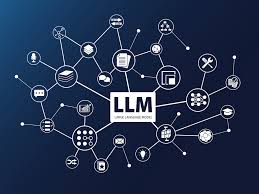
Throughout history, disruptive technologies have been the catalyst for major social and economic revolutions. The invention of the plow and irrigation systems 12,000 years ago sparked the Agricultural Revolution, while Johannes Gutenberg’s 15th-century printing press fueled the Protestant Reformation and helped propel Europe out of the Middle Ages into the Renaissance. In the 18th century, James Watt’s steam engine ushered in the Industrial Revolution. More recently, the internet has revolutionized communication, commerce, and information access, shrinking the world into a global village. Similarly, smartphones have transformed how people interact with their surroundings. Now, we stand at the dawn of the AI revolution. Large Language Models (LLMs) represent a monumental leap forward, with significant economic implications at both macro and micro levels. These models are reshaping global markets, driving new forms of currency, and creating a novel economic landscape. The reason LLMs are transforming industries and redefining economies is simple: they automate both routine and complex tasks that traditionally require human intelligence. They enhance decision-making processes, boost productivity, and facilitate cost reductions across various sectors. This enables organizations to allocate human resources toward more creative and strategic endeavors, resulting in the development of new products and services. From healthcare to finance to customer service, LLMs are creating new markets and driving AI-driven services like content generation and conversational assistants into the mainstream. To truly grasp the engine driving this new global economy, it’s essential to understand the inner workings of this disruptive technology. These posts will provide both a macro-level overview of the economic forces at play and a deep dive into the technical mechanics of LLMs, equipping you with a comprehensive understanding of the revolution happening now. Why Now? The Connection Between Language and Human Intelligence AI did not begin with ChatGPT’s arrival in November 2022. Many people were developing machine learning classification models in 1999, and the roots of AI go back even further. Artificial Intelligence was formally born in 1950, when Alan Turing—considered the father of theoretical computer science and famed for cracking the Nazi Enigma code during World War II—created the first formal definition of intelligence. This definition, known as the Turing Test, demonstrated the potential for machines to exhibit human-like intelligence through natural language conversations. The test involves a human evaluator who engages in conversations with both a human and a machine. If the evaluator cannot reliably distinguish between the two, the machine is considered to have passed the test. Remarkably, after 72 years of gradual AI development, ChatGPT simulated this very interaction, passing the Turing Test and igniting the current AI explosion. But why is language so closely tied to human intelligence, rather than, for example, vision? While 70% of our brain’s neurons are devoted to vision, OpenAI’s pioneering image generation model, DALL-E, did not trigger the same level of excitement as ChatGPT. The answer lies in the profound role language has played in human evolution. The Evolution of Language The development of language was the turning point in humanity’s rise to dominance on Earth. As Yuval Noah Harari points out in his book Sapiens: A Brief History of Humankind, it was the ability to gossip and discuss abstract concepts that set humans apart from other species. Complex communication, such as gossip, requires a shared, sophisticated language. Human language evolved from primitive cave signs to structured alphabets, which, along with grammar rules, created languages capable of expressing thousands of words. In today’s digital age, language has further evolved with the inclusion of emojis, and now with the advent of GenAI, tokens have become the latest cornerstone in this progression. These shifts highlight the extraordinary journey of human language, from simple symbols to intricate digital representations. In the next post, we will explore the intricacies of LLMs, focusing specifically on tokens. But before that, let’s delve into the economic forces shaping the LLM-driven world. The Forces Shaping the LLM Economy AI Giants in Competition Karl Marx and Friedrich Engels argued that those who control the means of production hold power. The tech giants of today understand that AI is the future means of production, and the race to dominate the LLM market is well underway. This competition is fierce, with industry leaders like OpenAI, Google, Microsoft, and Facebook battling for supremacy. New challengers such as Mistral (France), AI21 (Israel), and Elon Musk’s xAI and Anthropic are also entering the fray. The LLM industry is expanding exponentially, with billions of dollars of investment pouring in. For example, Anthropic has raised $4.5 billion from 43 investors, including major players like Amazon, Google, and Microsoft. The Scarcity of GPUs Just as Bitcoin mining requires vast computational resources, training LLMs demands immense computing power, driving a search for new energy sources. Microsoft’s recent investment in nuclear energy underscores this urgency. At the heart of LLM technology are Graphics Processing Units (GPUs), essential for powering deep neural networks. These GPUs have become scarce and expensive, adding to the competitive tension. Tokens: The New Currency of the LLM Economy Tokens are the currency driving the emerging AI economy. Just as money facilitates transactions in traditional markets, tokens are the foundation of LLM economics. But what exactly are tokens? Tokens are the basic units of text that LLMs process. They can be single characters, parts of words, or entire words. For example, the word “Oscar” might be split into two tokens, “os” and “car.” The performance of LLMs—quality, speed, and cost—hinges on how efficiently they generate these tokens. LLM providers price their services based on token usage, with different rates for input (prompt) and output (completion) tokens. As companies rely more on LLMs, especially for complex tasks like agentic applications, token usage will significantly impact operational costs. With fierce competition and the rise of open-source models like Llama-3.1, the cost of tokens is rapidly decreasing. For instance, OpenAI reduced its GPT-4 pricing by about 80% over the past year and a half. This trend enables companies to expand their portfolio of AI-powered products, further fueling the LLM economy. Context Windows: Expanding Capabilities


Read More
copilots and agentic ai

Copilots and Agentic AI

Agentic AI vs. Copilots: Defining the Future of Generative AI Artificial Intelligence has rapidly evolved, progressing from simple automation to generative models, to copilots. But now, a new player—Agentic AI—has emerged, promising to redefine the AI landscape. Is Agentic AI the next logical step, or will it coexist alongside copilots, each serving distinct roles? Copilots and Agentic AI. Generative AI: Creativity with a Human Touch Since the launch of ChatGPT, generative AI has dominated tech priorities, offering businesses the ability to generate content—text, images, videos, and more—from pre-defined data. However, while revolutionary, generative AI still relies heavily on human input to guide its output, making it a powerful collaborator rather than an autonomous actor. Enter Agentic AI: Autonomy Redefined Agentic AI represents a leap forward, offering systems that possess autonomy and the ability to act independently to achieve pre-defined goals. Unlike generative AI copilots that respond to human prompts, Agentic AI makes decisions, plans actions, and learns from experience. Think of it as Siri or Alexa—enhanced with autonomy and learning capabilities. Gartner recently spotlighted Agentic AI as its top technology trend for 2025, predicting that by 2028, at least 15% of day-to-day work decisions will be made autonomously, up from virtually none today. Agentforce and the Third Wave of AI Salesforce’s “Agentforce,” unveiled at Dreamforce, is a prime example of Agentic AI’s potential. These autonomous agents are designed to augment employees by handling tasks across sales, service, marketing, and commerce. Salesforce CEO Mark Benioff described it as the “Third Wave of AI,” going beyond copilots to deliver intelligent agents deeply embedded into customer workflows. Salesforce aims to empower one billion AI agents by 2025, integrating Agentforce into every aspect of customer success. Benioff took a swipe at competitors’ bolt-on generative AI solutions, emphasizing that Agentforce is deeply embedded for maximum value. The Role of Copilots: Collaboration First While Agentic AI gains traction, copilots like Microsoft’s Copilot Studio and SAP’s Joule remain critical for businesses focused on intelligent augmentation. Copilots act as productivity boosters, working alongside humans to optimize processes, enhance creativity, and provide decision-making support. SAP’s Joule, for example, integrates seamlessly into existing systems to optimize operations while leaving strategic decision-making in human hands. This collaborative model aligns well with businesses prioritizing agility and human oversight. Agentic AI: Opportunities and Challenges Agentic AI’s autonomy offers significant potential for streamlining complex processes, reducing human intervention, and driving productivity. However, it also comes with risks. Eleanor Watson, AI ethics engineer at Singularity University, warns that Agentic AI systems require careful alignment of values and goals to avoid unintended consequences like dangerous shortcuts or boundary violations. In contrast, copilots retain human agency, making them particularly suited for creative and knowledge-based roles where human oversight remains essential. Copilots and Agentic AI The choice between Agentic AI and copilots hinges on an organization’s priorities and risk tolerance. For simpler, task-specific applications, copilots excel by providing assistance without removing human input. Agentic AI, on the other hand, shines in complex, multi-task scenarios where autonomy is key. Dom Couldwell, head of field engineering EMEA at DataStax, emphasizes the importance of understanding when to deploy each model. “Use a copilot for specific, focused tasks. Use Agentic AI for complex, goal-oriented processes involving multiple tasks. And leverage Retrieval Augmented Generation (RAG) in both to provide context to LLMs.” The Road Ahead: Coexistence or Dominance? As AI evolves, Agentic AI and copilots may coexist, serving complementary roles. Businesses seeking full automation and scalability may gravitate toward Agentic AI, while those prioritizing augmented intelligence and human collaboration will continue to rely on copilots. Ultimately, the future of AI will be defined not by one model overtaking the other, but by how well each aligns with the specific needs, goals, and challenges of the organizations adopting them. Like1 Related Posts Who is Salesforce? Who is Salesforce? Here is their story in their own words. From our inception, we’ve proudly embraced the identity of Read more Salesforce Marketing Cloud Transactional Emails Salesforce Marketing Cloud Transactional Emails are immediate, automated, non-promotional messages crucial to business operations and customer satisfaction, such as order Read more Salesforce Unites Einstein Analytics with Financial CRM Salesforce has unveiled a comprehensive analytics solution tailored for wealth managers, home office professionals, and retail bankers, merging its Financial Read more AI-Driven Propensity Scores AI plays a crucial role in propensity score estimation as it can discern underlying patterns between treatments and confounding variables Read more

Read More
AI Agents as Tools of Trust

AI Agents as Tools of Trust

Salesforce Report Highlights AI Agents as Tools to Rebuild Consumer Trust For businesses of any size, the to-do list never ends. Monitoring customers, understanding their needs, and delivering products and services that align with their expectations are critical. Salesforce’s latest research, however, points to a troubling trend: consumer trust is at an all-time low. Yet, the report, State of the AI Connected Customer, also suggests that AI—particularly agentic AI—could help reverse this decline. Trust in Decline The key finding of the Salesforce report is stark: consumer trust in companies has taken a significant hit. Among 15,015 surveyed consumers, 72% say they trust companies less today than they did a year ago. Compounding this is the rapid advancement of AI; 60% of respondents believe that the rise of AI increases the importance of businesses being trustworthy. One major culprit behind eroding trust is the perceived mishandling of customer data. A staggering 65% of respondents feel companies are careless with data, adding to the skepticism. While high prices remain the top reason customers abandon brands, 43% pointed to poor customer service as a major deterrent. Can AI Agents Fill the Gap? The Salesforce report suggests that AI agents—when deployed transparently—could address many of the factors driving distrust and disengagement. Younger consumers, particularly Gen Z and millennials, appear more open to interacting with AI agents. Notable insights from the research include: However, trust is non-negotiable. Transparency is a critical factor for AI adoption: As Michael Affronti, SVP and General Manager of Salesforce Commerce Cloud, explains: “AI agents can help brands deliver consistent, personalized experiences for shoppers across every channel — deepening customer loyalty and ultimately driving more sales.” Building Trust Through Transparency The research underscores the potential for AI to transform customer interactions, but it also highlights the challenges. Transparency and accountability are essential for AI systems to inspire confidence and loyalty. Salesforce’s AI solutions are designed to prioritize transparency and foster reliable consumer experiences. Features such as clear agent identification and robust escalation paths are steps in the right direction. However, companies must double down on governance frameworks and safeguards to ensure AI agents handle data responsibly. Final Thoughts While the idea of using AI to rebuild consumer trust is promising, it’s not without its challenges. Establishing trust in AI itself remains a work in progress. Consumers expect companies to prioritize not only innovation but also ethics, security, and accountability. The Salesforce report demonstrates that younger consumers are already embracing AI as a way to address today’s service expectations. For Salesforce and other companies leveraging agentic AI, the key to success will lie in balancing cutting-edge technology with meaningful protections for customer data and experiences. The future of AI-driven customer engagement isn’t just about meeting expectations—it’s about exceeding them in a way that inspires confidence and loyalty. With the right approach, AI agents could be a vital tool for restoring consumer trust in an era where skepticism runs high. Like Related Posts Who is Salesforce? Who is Salesforce? Here is their story in their own words. From our inception, we’ve proudly embraced the identity of Read more Salesforce Marketing Cloud Transactional Emails Salesforce Marketing Cloud Transactional Emails are immediate, automated, non-promotional messages crucial to business operations and customer satisfaction, such as order Read more Salesforce Unites Einstein Analytics with Financial CRM Salesforce has unveiled a comprehensive analytics solution tailored for wealth managers, home office professionals, and retail bankers, merging its Financial Read more AI-Driven Propensity Scores AI plays a crucial role in propensity score estimation as it can discern underlying patterns between treatments and confounding variables Read more

Read More

Customization and Configuration in Salesforce

Salesforce Customization vs. Configuration: Choosing the Right Approach for Your Business Salesforce has become a top choice for businesses aiming to strengthen customer relationships and achieve their goals. Its flexibility to adapt to diverse needs through customization and configuration makes it stand out. While both approaches aim to tailor your Salesforce Org to meet specific business requirements, they differ in methodology and use cases. This insight will help you understand their differences and provide insights into when and how to choose between them. Let’s get the insight! What is Salesforce Customization? Salesforce customization involves enhancing your Salesforce Org by introducing tailored features, functionalities, and applications through coding. It goes beyond the out-of-the-box capabilities, enabling you to extend your platform to meet unique and complex business requirements. This approach requires expertise from a Salesforce developer who leverages tools such as Apex, Lightning Components, and the Salesforce Code Builder to create custom solutions. Examples of Customization: What is Salesforce Configuration? Salesforce configuration refers to adapting Salesforce’s native features to meet business needs without modifying the underlying code. By using tools such as drag-and-drop builders, configuration allows users—even those without technical expertise—to optimize the platform’s functionality. Examples of Configuration: Key Differences Between Customization and Configuration Basis Customization Configuration Level of Personalization High personalization, tailored to unique needs Limited to Salesforce’s native capabilities Implementation Requires coding expertise and detailed development Simpler, relies on drag-and-drop tools Time to Deploy Longer development cycles Faster implementation and deployment Maintenance Can require ongoing updates and compatibility adjustments during Salesforce upgrades Easier to maintain, as it aligns with standard platform updates Cost Higher costs due to skilled developer involvement Cost-effective; can be handled by in-house admins Risk Higher risks due to potential code conflicts or errors Lower risks, but over-configuration can lead to complexity Best Practices for Customization and Configuration Choosing the Right Approach The decision to opt for customization or configuration depends on factors like business requirements, budget, timeline, and project complexity. Sometimes, a hybrid approach that combines customization and configuration is the best solution, providing flexibility while optimizing costs and implementation speed. Why Partner with Salesforce Experts? Partnering with experienced Salesforce consultants at Tectonic ensures your Org is tailored to meet your specific business needs. They analyze your workflows, processes, and challenges to recommend the most effective approach—whether it’s customization, configuration, or a blend of both. At Tectonic, our team of 200+ Salesforce experts specializes in delivering tailored solutions that maximize ROI. From development to ongoing maintenance, we ensure your Salesforce Org aligns with your long-term goals. Ready to transform your Salesforce platform? Let’s discuss how we can help. Like Related Posts Who is Salesforce? Who is Salesforce? Here is their story in their own words. From our inception, we’ve proudly embraced the identity of Read more Salesforce Marketing Cloud Transactional Emails Salesforce Marketing Cloud Transactional Emails are immediate, automated, non-promotional messages crucial to business operations and customer satisfaction, such as order Read more Salesforce Unites Einstein Analytics with Financial CRM Salesforce has unveiled a comprehensive analytics solution tailored for wealth managers, home office professionals, and retail bankers, merging its Financial Read more AI-Driven Propensity Scores AI plays a crucial role in propensity score estimation as it can discern underlying patterns between treatments and confounding variables Read more

Read More
AI Agents and Consumer Trust

AI Agents and Consumer Trust

Salesforce Research Highlights Rising Stakes for Trust in the AI Era Salesforce’s latest State of the AI Connected Customer research reveals a trust crisis among consumers and highlights how AI is reshaping customer expectations. With 60% of consumers believing advances in AI make trust even more essential, businesses face mounting pressure to deliver trustworthy AI experiences. The stakes are especially high as AI agents gain traction, presenting an opportunity for brands to rebuild trust and drive engagement this holiday season—particularly among Gen Z, with nearly a third open to having AI shop on their behalf. Why It Matters As the holiday shopping season approaches, brands face the dual challenge of declining consumer trust and evolving expectations. With AI projected to influence more than 0 billion in global online sales this season, getting AI right is critical. AI agents—intelligent software capable of handling customer inquiries autonomously—can boost margins and enhance customer service by addressing issues like clunky purchasing and return processes. However, trust in these agents hinges on transparency and robust data practices. Key Insights from the Research Trust Is at an All-Time Low High Expectations for Seamless Experiences Customer service remains a critical loyalty driver: Younger Consumers Are Most Open to AI Agents Generations Z and millennials lead the charge in embracing AI agents for improved shopping experiences: However, transparency remains vital: Building Confidence in AI Agents The research underscores a mixed consumer sentiment toward AI, marked by curiosity (41%) and suspicion (44%). This presents an opportunity for brands to demystify AI’s benefits: Expert Perspectives Salesforce View:“Retailers face fierce competition this season as they aim to drive higher margins and meet rising customer expectations. AI agents enable consistent, personalized experiences across channels, fostering loyalty and boosting sales.”— Michael Affronti, SVP & GM, Commerce Cloud, Salesforce Customer Experience at Saks:“Agentforce has unlocked new potential for enhancing luxury shopping. By automating routine tasks like order tracking, our teams can focus on high-touch, personalized interactions. We’re excited to see how AI continues to elevate our service.”— Mike Hite, CTO, Saks Global Like Related Posts Who is Salesforce? Who is Salesforce? Here is their story in their own words. From our inception, we’ve proudly embraced the identity of Read more Salesforce Marketing Cloud Transactional Emails Salesforce Marketing Cloud Transactional Emails are immediate, automated, non-promotional messages crucial to business operations and customer satisfaction, such as order Read more Salesforce Unites Einstein Analytics with Financial CRM Salesforce has unveiled a comprehensive analytics solution tailored for wealth managers, home office professionals, and retail bankers, merging its Financial Read more AI-Driven Propensity Scores AI plays a crucial role in propensity score estimation as it can discern underlying patterns between treatments and confounding variables Read more

Read More
Winter 25 Release Notes

Winter 25 Release Experience Cloud

Salesforce Winter ’25 Release: 6 Key Enhancements to Experience Cloud The Salesforce Winter ’25 Release brings a fresh suite of updates to Experience Cloud, focusing on design customization, SEO optimization, and streamlined navigation for enhanced user engagement. We’ve summarized six major updates and additional enhancements that make this release a significant step forward for Experience Cloud sites. 1. Enhanced Design Options for LWR Sites Winter ’25 empowers site designers with more granular control over the look and feel of LWR (Lightning Web Runtime) sites. New customization options in the Experience Builder Theme panel now allow for specific styling of individual components like columns and buttons, offering a new level of precision in visual design. Additional features include a Scoped Header and Footer layout that allows fixed positioning for headers and footers, enhancing user experience with persistent navigation elements. Site admins can define unique color palettes for buttons across various states (default, hover, focus), and apply color schemes to individual columns, which can now be set in the Theme panel. Further text customizations for headings have also been added, allowing a personalized touch for every element on LWR sites. 2. SEO-Friendly URLs for Accounts and Contacts (Generally Available) To drive organic traffic, the Winter ’25 Release introduces SEO-friendly URL slugs for Account and Contact pages, replacing traditional record IDs with easily readable URLs. This enhancement allows search engines to better index content, making it easier for users to find your pages. Site managers can configure SEO-friendly URLs directly in the Administration panel and import slugs in bulk for faster setup. 3. Data Providers for LWR Sites (Beta) Experience Cloud now includes an option to configure data providers on LWR site pages, enabling seamless integration with data from various sources, including Apex and Record providers. Admins can specify data sources within Experience Builder, allowing for real-time data updates across components and pages, providing a more dynamic and responsive experience for users. 4. Revamped Navigation and New Components The Navigation Menu component has been revamped, allowing admins to design a more intuitive navigation experience for both desktop and mobile users. The beta Site Header component further enhances branding with logo placement and customizable headers, while the Grid component now ensures consistent cell height, improving the visual balance of page layouts. Tailored navigation menus for desktop and mobile screens can be customized for color, spacing, text styles, and more to provide an optimized experience across devices. 5. Expanded Data Cloud Integration for Event Tracking Winter ’25 expands Data Cloud integration to capture checkout, order, and cart events on enhanced LWR sites. Ecommerce-focused organizations can now record user interactions—like checkout initiation and address input—automatically, giving businesses richer insights into customer behavior. Data captured through these events can be viewed within Data Cloud, allowing admins to understand user engagement and optimize site design accordingly. 6. Salesforce File Linking for LWR Sites (Beta) The new File Upload Lightning Web Component enables file uploads directly from an LWR site to Salesforce, an option previously available only on Aura sites. This update streamlines the file transfer process, allowing guest users to upload files securely, which are then accessible within Salesforce. Additional Experience Cloud Enhancements In addition to the primary updates, Winter ’25 introduces several valuable, albeit smaller, features: Availability of Features Some Winter ’25 features will be accessible immediately after release, while others require setup by admins. Consider notifying users about these updates to ensure a smooth transition and to leverage the full potential of new functionalities. Like Related Posts Who is Salesforce? Who is Salesforce? Here is their story in their own words. From our inception, we’ve proudly embraced the identity of Read more Salesforce Marketing Cloud Transactional Emails Salesforce Marketing Cloud Transactional Emails are immediate, automated, non-promotional messages crucial to business operations and customer satisfaction, such as order Read more Salesforce Unites Einstein Analytics with Financial CRM Salesforce has unveiled a comprehensive analytics solution tailored for wealth managers, home office professionals, and retail bankers, merging its Financial Read more AI-Driven Propensity Scores AI plays a crucial role in propensity score estimation as it can discern underlying patterns between treatments and confounding variables Read more

Read More
AI FOMO

AI FOMO

Enterprise interest in artificial intelligence has surged in the past two years, with boardroom discussions centered on how to capitalize on AI advancements before competitors do. Generative AI has been a particular focus for executives since the launch of ChatGPT in November 2022, followed by other major product releases like Amazon’s Bedrock, Google’s Gemini, Meta’s Llama, and a host of SaaS tools incorporating the technology. However, the initial rush driven by fear of missing out (FOMO) is beginning to fade. Business and tech leaders are now shifting their attention from experimentation to more practical concerns: How can AI generate revenue? This question will grow in importance as pilot AI projects move into production, raising expectations for financial returns. Using AI to Increase Revenue AI’s potential to drive revenue will be a critical factor in determining how quickly organizations adopt the technology and how willing they are to invest further. Here are 10 ways businesses can harness AI to boost revenue: 1. Boost Sales AI-powered virtual assistants and chatbots can help increase sales. For example, Ikea’s generative AI tool assists customers in designing their living spaces while shopping for furniture. Similarly, jewelry insurance company BriteCo launched a GenAI chatbot that reduced chat abandonment rates, leading to more successful customer interactions and potentially higher sales. A TechTarget survey revealed that AI-powered customer-facing tools like chatbots are among the top investments for IT leaders. 2. Reduce Customer Churn AI helps businesses retain clients, reducing revenue loss and improving customer lifetime value. By analyzing historical data, AI can profile customer attributes and identify accounts at risk of leaving. AI can then assist in personalizing customer experiences, decreasing churn and fostering loyalty. 3. Enhance Recommendation Engines AI algorithms can analyze customer data to offer personalized product recommendations. This drives cross-selling and upselling opportunities, boosting revenue. For instance, Meta’s AI-powered recommendation engine has increased user engagement across its platforms, attracting more advertisers. 4. Accelerate Marketing Strategies While marketing doesn’t directly generate revenue, it fuels the sales pipeline. Generative AI can quickly produce personalized content, such as newsletters and ads, tailored to customer interests. Gartner predicts that by 2025, 30% of outbound marketing messages will be AI-generated, up from less than 2% in 2022. 5. Detect Fraud AI is instrumental in detecting fraudulent activities, helping businesses preserve revenue. Financial firms like Capital One use machine learning to detect anomalies and prevent credit card fraud, while e-commerce companies leverage AI to flag fraudulent orders. 6. Reinvent Business Processes AI can transform entire business processes, unlocking new revenue streams. For example, Accenture’s 2024 report highlighted an insurance company that expects a 10% revenue boost after retooling its underwriting workflow with AI. In healthcare, AI could streamline revenue cycle management, speeding up reimbursement processes. 7. Develop New Products and Services AI accelerates product development, particularly in industries like pharmaceuticals, where it assists in drug discovery. AI tools also speed up the delivery of digital products, as seen with companies like Ally Financial and ServiceNow, which have reduced software development times by 20% or more. 8. Provide Predictive Maintenance AI-driven predictive maintenance helps prevent costly equipment downtime in industries like manufacturing and fleet management. By identifying equipment on the brink of failure, AI allows companies to schedule repairs and avoid revenue loss from operational disruptions. 9. Improve Forecasting AI’s predictive capabilities enhance planning and forecasting. By analyzing historical and real-time data, AI can predict product demand and customer behavior, enabling businesses to optimize inventory levels and ensure product availability for ready-to-buy customers. 10. Optimize Pricing AI can dynamically adjust prices based on factors like demand shifts and competitor pricing. Reinforcement learning algorithms allow businesses to optimize pricing in real time, ensuring they maximize revenue even as market conditions change. Keeping ROI in Focus While AI offers numerous ways to generate new revenue streams, it also introduces costs in development, infrastructure, and operations—some of which may not be immediately apparent. For instance, research from McKinsey & Company shows that GenAI models account for only 15% of a project’s total cost, with additional expenses related to change management and data preparation often overlooked. To make the most of AI, organizations should prioritize use cases with a clear return on investment (ROI) and postpone those that don’t justify the expense. A focus on ROI ensures that AI deployments align with business goals and contribute to sustainable revenue growth. Like Related Posts Who is Salesforce? Who is Salesforce? Here is their story in their own words. From our inception, we’ve proudly embraced the identity of Read more Salesforce Marketing Cloud Transactional Emails Salesforce Marketing Cloud Transactional Emails are immediate, automated, non-promotional messages crucial to business operations and customer satisfaction, such as order Read more Salesforce Unites Einstein Analytics with Financial CRM Salesforce has unveiled a comprehensive analytics solution tailored for wealth managers, home office professionals, and retail bankers, merging its Financial Read more AI-Driven Propensity Scores AI plays a crucial role in propensity score estimation as it can discern underlying patterns between treatments and confounding variables Read more

Read More
TrueDialog Adds SMS Application for Salesforce Marketing Cloud Engagement

TrueDialog Adds SMS Application for Salesforce Marketing Cloud Engagement

TrueDialog Unveils SMS Integration for Salesforce Marketing Cloud

TrueDialog, a leader in SMS texting solutions, has expanded its Salesforce offerings with the launch of its SMS integration for Salesforce Marketing Cloud Engagement, complementing its existing Sales Cloud application. Now available on Salesforce AppExchange, this addition enables seamless documentation of SMS activities across the Salesforce Cloud ecosystem.

With TrueDialog’s integration for Salesforce Marketing Cloud, companies can incorporate SMS into customized, targeted marketing journeys. This includes sending promotional messages, geo-targeted offers, triggered alerts, order confirmations, account updates, and more—all as part of a cohesive customer engagement strategy.

TrueDialog’s solution uniquely enables SMS message flow across Salesforce Marketing Cloud, Sales Cloud, Service Cloud, and Education Cloud, ensuring communication continuity across platforms. “TrueDialog is the only provider offering bidirectional SMS integration between Salesforce Marketing Cloud and other Salesforce Clouds, including Sales, Service, Commerce, and Education Clouds,” said John Wright, CEO of TrueDialog. “Our solution records text messages on all relevant Salesforce Clouds, maintaining communication continuity between companies and their customers—something no other provider offers.”

The TrueDialog SMS application is fully native to Salesforce Marketing Cloud, allowing users to work within their regular workflow without switching applications to integrate SMS steps. TrueDialog also offers flexible options for short and long codes, automated 10DLC registration for long codes, and TrueDelivery, a tool for assessing SMS deliverability.

Read More
Transform Customer Experience

Transform Customer Experience

In today’s AI-driven business environment, customer experience (CX) has evolved from being a buzzword to a critical factor in determining success. It’s no longer enough for businesses to offer high-quality products or excellent service alone—today’s customers are always online, engaged, and seeking the most convenient, relevant, and enjoyable experiences. This is where Salesforce Data Cloud becomes a game-changer, providing the tools needed to meet modern customer expectations. Transforming Customer Experience with Salesforce Data Cloud Salesforce enables businesses to collect, integrate, and leverage critical customer information within its ecosystem, offering an all-encompassing view of each customer. This unified customer data allows organizations to forecast visitor trends, assess marketing impact, and predict customer behavior. As data-driven decision-making becomes increasingly central to business strategy, Salesforce Data Cloud and its Customer Data Platform (CDP) features provide a significant competitive edge—whether in e-commerce, fintech, or B2B industries. Data Cloud is more than just your traditional CDP. It’s the only data platform native to the world‘s #1 AI CRM. This means that marketers can quickly access and easily action on unified data – from across the entire business – to drive growth and increase customer lifetime value. Data Cloud’s Role in Enhancing CX By unifying data in one place, Salesforce Data Cloud enables organizations to access real-time customer insights. This empowers them to track customer activity across channels like email, social media, and online sales, facilitating targeted marketing strategies. Businesses can analyze customer behavior and deliver personalized messaging, aligning marketing, sales, and customer service efforts to ensure consistency. With these capabilities, Salesforce customers can elevate the CX by delivering the right content, at the right time, to the right audience, ultimately driving customer satisfaction and growth. New Features of Salesforce Data Cloud Salesforce continues to evolve, introducing cutting-edge features that reshape customer interaction: To fully maximize these features, partnering with a Salesforce Data Cloud consultant can help businesses unlock the platform’s full potential and refine their customer engagement strategies. Agentic AI Set to Supercharge Business Processes Salesforce’s vision extends beyond customer relationship management with the integration of Agentic AI through its Customer 360 platform. According to theCUBE Research analysts, this signals a shift toward using AI agents to automate complex business processes. These AI agents, built on Salesforce’s vast data resources, promise to revolutionize how companies operate, offering customized, AI-driven business tools. “If they can pull this off, where it becomes a more dynamic app platform, more personalized, really focused on those processes all the way back to the data, it’s going to be a clear win for them,” said Strechay. “They’re sitting on cloud; they’re sitting on IaaS. That’s a huge win from that perspective.” AI agents create a network of microservices that think and act independently, involving human intervention only when necessary. This division of labor allows businesses to capture expertise in routine tasks while freeing human workers to focus on more complex decision-making. However, the success of these AI agents depends on access to accurate and reliable data. As Gilbert explained, “Agents can call on other agents, and when they’re not confident of a step in a process or an outcome, they can then bounce up to an inbox for a human to supervise.” The goal isn’t to eliminate humans but to capture their expertise for simpler processes. Empowering Developers and Citizen Creators At the core of this AI-driven transformation is Salesforce’s focus on developers. The platform’s low-code tools allow businesses to easily customize AI agents and automate business processes, empowering both experienced developers and citizen creators. With simple language commands or goal-setting, companies can build and train these AI agents, streamlining operations. “It’s always going to be about good data—that’s the constant,” Bertrand said. “The second challenge is how to train agents and humans to work together effectively. While some entry-level jobs may be replaced, AI will continue to evolve, creating new opportunities in the future.” Is Salesforce Data Cloud the Right Fit for Your Business? Salesforce Data Cloud offers comprehensive capabilities for businesses of all sizes, but it’s essential to assess whether it aligns with your specific needs. The platform is particularly valuable for: For businesses that fit these scenarios, working with Salesforce’s partner ecosystem or a Data Cloud consultant can help ensure successful integration and optimization. What’s New in Salesforce’s Latest Release? The latest Salesforce Spring Release introduced several exciting features, further enhancing Salesforce Data Cloud: These updates reflect Salesforce’s commitment to providing innovative, data-driven solutions that enhance customer experiences and drive business success. Like Related Posts Who is Salesforce? Who is Salesforce? Here is their story in their own words. From our inception, we’ve proudly embraced the identity of Read more Salesforce Marketing Cloud Transactional Emails Salesforce Marketing Cloud Transactional Emails are immediate, automated, non-promotional messages crucial to business operations and customer satisfaction, such as order Read more Salesforce Unites Einstein Analytics with Financial CRM Salesforce has unveiled a comprehensive analytics solution tailored for wealth managers, home office professionals, and retail bankers, merging its Financial Read more AI-Driven Propensity Scores AI plays a crucial role in propensity score estimation as it can discern underlying patterns between treatments and confounding variables Read more

Read More
How Skechers Solved Its Ecommerce Challenges

How Skechers Solved Its Ecommerce Challenges

Skechers Boosts Direct-to-Consumer Sales with Ecommerce Platform Upgrades Skechers, now a global brand in 2024, credits its recent ecommerce platform upgrades for saving time and increasing direct-to-consumer sales. However, it wasn’t always equipped with the right technology to support its massive growth. During Salesforce’s Dreamforce conference in San Francisco, Eric Cheng, Skechers USA Inc.’s director of ecommerce architecture, shared insights into how key technology decisions helped the brand expand and enhance its website and content capabilities. “Today, we’re present in over 180 countries worldwide,” Cheng said, speaking on stage at the Moscone Center. Skechers’ journey began in 1992, and its expansion has taken the brand across borders, reaching millions of customers worldwide. “We connect hundreds of millions of customers through our retail stores and ecommerce platform to deliver a unique experience,” Cheng noted, emphasizing the need to meet the diverse demands of each market. Skechers ranks No. 273 in the Top 1000, Digital Commerce 360’s ranking of the largest North American e-retailers by online sales, where it is categorized as an Apparel & Accessories retailer. Digital Commerce 360 projects that Skechers will reach 0.65 million in online sales by 2024. Ecommerce Platform Challenges Cheng acknowledged that Skechers’ digital transformation wasn’t immediate: “The journey did not just happen overnight; it took time and effort.” Skechers faced challenges in three key areas: content management, scalability, and customer experience. The legacy system was inadequate, lacking robust tools for efficient content delivery, previewing scheduled content, and handling localization. As Cheng described, launching a marketing page often required the content team to be on standby at midnight—an unsustainable approach for 17 countries. How Skechers Solved Its Ecommerce Challenges To overcome these hurdles, Skechers partnered with Astound Digital. Together, they implemented Salesforce Service Cloud and Manhattan Active Omni for order management. Kyle Montgomery, senior vice president of commerce at Astound Digital, joined Cheng on stage and highlighted the goal: “Their vision was to unify, supply, and scale.” This transformation enabled Skechers to bring 17 countries in Europe, Japan, and North America onto a single platform. Jennifer Lane, Salesforce’s director of success guides, also emphasized the flexibility achieved using Salesforce’s Page Designer and localization solutions from Salesforce’s AppExchange. Integrations with Thomson Reuters for tax, CyberSource for payments, and Salesforce Marketing Cloud for personalization further enhanced Skechers’ capabilities. The Results Cheng highlighted three key improvements after the ecommerce overhaul. First, content creation and localization tools improved operational efficiency by over 500%. The time to launch in new markets was dramatically reduced from five months to just a few weeks. Additionally, Skechers saw a notable sales boost, with a 24.5% increase in its direct-to-consumer segment during Q1 2023. Skechers’ success demonstrates the significant impact of a well-executed ecommerce platform upgrade, allowing the brand to scale globally while improving customer experience and operational efficiency. Contact Tectonic to learn what Salesforce can do for you. Like Related Posts Who is Salesforce? Who is Salesforce? Here is their story in their own words. From our inception, we’ve proudly embraced the identity of Read more Salesforce Marketing Cloud Transactional Emails Salesforce Marketing Cloud Transactional Emails are immediate, automated, non-promotional messages crucial to business operations and customer satisfaction, such as order Read more Salesforce Unites Einstein Analytics with Financial CRM Salesforce has unveiled a comprehensive analytics solution tailored for wealth managers, home office professionals, and retail bankers, merging its Financial Read more AI-Driven Propensity Scores AI plays a crucial role in propensity score estimation as it can discern underlying patterns between treatments and confounding variables Read more

Read More
AI Agents and Digital Transformation

AI Agents and Digital Transformation

In the rapidly developingng world of technology, Artificial Intelligence (AI) is revolutionizing industries and reshaping how we interact with digital systems. One of the most promising advancements within AI is the development of AI agents. These intelligent entities, often powered by Large Language Models (LLMs), are driving the next wave of digital transformation by enabling automation, personalization, and enhanced decision-making across various sectors. AI Agents and digital transformation are here to stay. What is an AI Agent? An AI agent, or intelligent agent, is a software entity capable of perceiving its environment, reasoning about its actions, and autonomously working toward specific goals. These agents mimic human-like behavior using advanced algorithms, data processing, and machine-learning models to interact with users and complete tasks. LLMs to AI Agents — An Evolution The evolution of AI agents is closely tied to the rise of Large Language Models (LLMs). Models like GPT (Generative Pre-trained Transformer) have showcased remarkable abilities to understand and generate human-like text. This development has enabled AI agents to interpret complex language inputs, facilitating advanced interactions with users. Key Capabilities of LLM-Based Agents LLM-powered agents possess several key advantages: Two Major Types of LLM Agents LLM agents are classified into two main categories: Multi-Agent Systems (MAS) A Multi-Agent System (MAS) is a group of autonomous agents working together to achieve shared goals or solve complex problems. MAS applications span robotics, economics, and distributed computing, where agents interact to optimize processes. AI Agent Architecture and Key Elements AI agents generally follow a modular architecture comprising: Learning Strategies for LLM-Based Agents AI agents utilize various learning techniques, including supervised, reinforcement, and self-supervised learning, to adapt and improve their performance in dynamic environments. How Autonomous AI Agents Operate Autonomous AI agents act independently of human intervention by perceiving their surroundings, reasoning through possible actions, and making decisions autonomously to achieve set goals. AI Agents’ Transformative Power Across Industries AI agents are transforming numerous industries by automating tasks, enhancing efficiency, and providing data-driven insights. Here’s a look at some key use cases: Platforms Powering AI Agents The Benefits of AI Agents and Digital Transformation AI agents offer several advantages, including: The Future of AI Agents The potential of AI agents is immense, and as AI technology advances, we can expect more sophisticated agents capable of complex reasoning, adaptive learning, and deeper integration into everyday tasks. The future promises a world where AI agents collaborate with humans to drive innovation, enhance efficiency, and unlock new opportunities for growth in the digital age. AI Agents and Digital Transformation By partnering with AI development specialists at Tectonic, organizations can access cutting-edge solutions tailored to their needs, positioning themselves to stay ahead in the rapidly evolving AI-driven market. Agentforce Like Related Posts Who is Salesforce? Who is Salesforce? Here is their story in their own words. From our inception, we’ve proudly embraced the identity of Read more Salesforce Marketing Cloud Transactional Emails Salesforce Marketing Cloud Transactional Emails are immediate, automated, non-promotional messages crucial to business operations and customer satisfaction, such as order Read more Salesforce Unites Einstein Analytics with Financial CRM Salesforce has unveiled a comprehensive analytics solution tailored for wealth managers, home office professionals, and retail bankers, merging its Financial Read more AI-Driven Propensity Scores AI plays a crucial role in propensity score estimation as it can discern underlying patterns between treatments and confounding variables Read more

Read More
gettectonic.com