Data Accuracy Archives - gettectonic.com - Page 2
dbt Labs and Salesforce

dbt Labs and Salesforce

dbt Labs, a leader in analytics engineering, announced at Coalesce 2024 a groundbreaking partnership with Salesforce to integrate Salesforce Data Cloud’s AI, automation, and analytics capabilities with dbt Labs’ expertise in data transformation and metrics management. This collaboration aims to deliver a seamless, trustworthy, and comprehensive data experience for users. “Together, Salesforce and dbt Labs are redefining what’s possible with data,” said Ryan Segar, Chief Customer Officer at dbt Labs. “By integrating our solutions, we’re helping customers accelerate their analytics development journey, delivering powerful, flexible data insights that drive better business outcomes.” The partnership offers Salesforce Data Cloud, Tableau, and Agentforce users access to dbt Labs’ robust data transformation pipeline, ensuring high data accuracy, quality, and reliability. An independent metrics layer from dbt Labs will allow Salesforce and Tableau users to define, manage, and standardize key business metrics, providing consistent and comparable insights across platforms. This supports confident, data-driven decision-making directly within the flow of work. New integrations include the ability to connect dbt Semantic Layer with Tableau Pulse, export metrics from dbt Cloud to Tableau Cloud, and leverage dbt models within Tableau and Einstein. Future integrations will explore features such as alignment with Tableau Semantics and enabling instant Tableau analytics from the dbt Cloud console. Ali Tore, Senior Vice President of Advanced Analytics at Salesforce, emphasized the benefits of this collaboration: “By combining the strengths of dbt with Salesforce Data Cloud, we’re empowering customers with AI-powered insights built on a foundation of trusted, reliable data. This integration unlocks the full potential of their data to drive impactful business outcomes.” With over 50,000 teams already using dbt, Salesforce customers can now leverage advanced data modeling techniques trusted by leading global organizations. This partnership offers scalable, robust data modeling directly within Salesforce Data Cloud, benefiting both technical and non-technical users alike. Like Related Posts Who is Salesforce? Who is Salesforce? Here is their story in their own words. From our inception, we’ve proudly embraced the identity of Read more Salesforce Marketing Cloud Transactional Emails Salesforce Marketing Cloud Transactional Emails are immediate, automated, non-promotional messages crucial to business operations and customer satisfaction, such as order Read more Salesforce Unites Einstein Analytics with Financial CRM Salesforce has unveiled a comprehensive analytics solution tailored for wealth managers, home office professionals, and retail bankers, merging its Financial Read more AI-Driven Propensity Scores AI plays a crucial role in propensity score estimation as it can discern underlying patterns between treatments and confounding variables Read more


Read More
Collaborative Business Intelligence

Collaborative Business Intelligence

Collaborative Business Intelligence: Connecting Data and Teams In today’s data-driven world, the ability to interact with business intelligence (BI) tools is essential for making informed decisions. Collaborative business intelligence (BI), also known as social BI, allows users to engage with their organization’s data and communicate with data experts through the same platforms where they already collaborate. While self-service BI empowers users to generate insights, understanding the data’s context is critical to avoid misunderstandings that can derail decision-making. Collaborative BI integrates BI tools with collaboration platforms to bridge the gap between data analysis and communication, reducing the risks of misinterpretation. Traditional Business Intelligence Traditional BI involves the use of technology to analyze data and present insights clearly. Before BI platforms became widespread, data scientists and statisticians handled data analysis, making it challenging for non-technical professionals to digest the insights. BI evolved to automate visualizations, such as charts and dashboards, making data more accessible to business users. Previously, BI reports were typically available only to high-level executives. However, modern self-service BI tools democratize access, enabling more users—regardless of technical expertise—to create reports and visualize data, fostering better decision-making across the organization. The Emergence of Collaborative BI Collaborative BI is a growing trend, combining BI applications with collaboration tools. This approach allows users to work together synchronously or asynchronously within a shared platform, making it easier to discuss data reports in real time or leave comments for others to review. Whether it’s through Slack, Microsoft Teams, or social media apps, users can receive and discuss BI insights within their usual communication channels. This seamless integration of BI and collaboration tools offers a competitive edge, simplifying the process of sharing knowledge and clarifying data without switching between applications. Key Benefits of Collaborative Business Intelligence Leading Collaborative BI Platforms Here’s a look at some of the top collaborative BI platforms driving innovation in the market: Conclusion Collaborative BI empowers organizations by improving decision-making, democratizing data access, optimizing data quality, and ensuring data security. By integrating BI tools with collaboration platforms, businesses can streamline their operations, foster a culture of data-driven decision-making, and enhance overall efficiency. Choosing the right platform is key to maximizing the benefits of collaborative BI. Like Related Posts Who is Salesforce? Who is Salesforce? Here is their story in their own words. From our inception, we’ve proudly embraced the identity of Read more Salesforce Marketing Cloud Transactional Emails Salesforce Marketing Cloud Transactional Emails are immediate, automated, non-promotional messages crucial to business operations and customer satisfaction, such as order Read more Salesforce Unites Einstein Analytics with Financial CRM Salesforce has unveiled a comprehensive analytics solution tailored for wealth managers, home office professionals, and retail bankers, merging its Financial Read more AI-Driven Propensity Scores AI plays a crucial role in propensity score estimation as it can discern underlying patterns between treatments and confounding variables Read more

Read More
Introhive Relationship Intelligence Platform

Introhive Relationship Intelligence Platform

FREDERICTON, New Brunswick, September 12, 2024 – Introhive, the leading Relationship Intelligence platform, today announced that it is enabling its market leading, AI-Powered Relationship Intelligence for Salesforce Data Cloud empowering clients to understand in real-time the Relationship Intelligence associated with sales Opportunities Bringing Salesforce Data Cloud and AI together for enhanced insights Introhive’s integration brings the Customer 360 vision to life by providing a unified and enriched view of contact and relationship data, enabling organizations to derive advanced insights by overlaying their existing sales opportunities. As a leader in relationship intelligence and CRM data automation, Introhive provides unmatched data accuracy, ensuring reliable insights and actions from Data Cloud applications and AI tools like Salesforce Einstein Copilot. By transforming relationship data into actionable insights, organizations are empowered to make critical business decisions with confidence and turn connections into tangible business value. Enhanced decision-making with Salesforce Data Cloud “Our Relationship Intelligence capability for Salesforce Data Cloud enhances the solution we offer our clients and elevates Introhive’s role as a top-tier Data Ecosystem Partner on the Salesforce platform,” said Lee Blakemore, CEO of Introhive. “Clients will now enjoy all the benefits of Introhive’s Data Share, enhanced by Salesforce’s powerful platform, ensuring real-time access to trusted relationship data. This combination empowers firms to make critical business decisions with confidence and precision.” Lightning Web Components boost Salesforce Data Cloud integration To further strengthen its Salesforce offering, Introhive announced the launch of Lightning Web Components that seamlessly integrate powerful relationship intelligence in users flow of work. This strategic addition elevates relationship intelligence in Salesforce by making insights more contextual, accessible, and actionable. The components dynamically surface relevant relationship data, top contacts, and interaction history directly within Salesforce pages. This allows users to take proactive steps in managing their relationships, resulting in improved productivity, enhanced client retention, and accelerated revenue growth – all without disrupting existing workflows. Addressing data challenges with Salesforce Data Cloud integration In today’s data-driven business environment, organizations rely heavily on analytics for decision-making, recognizing that the quality and timeliness of information are crucial for effective data-driven strategies. Yet, siloed data, information overload, and constant context switching often lead to missed critical relationship insights, impeding businesses from fully leveraging their relationship capital to drive growth, retention, and informed business decisions. Unlocking the full potential of relationship data with Salesforce Data Cloud The addition of Introhive’s lightning web components and Data Cloud integration address these challenges by transforming how businesses manage and activate their relationship data to fuel business insights and inform decision making. This includes identifying open opportunities based on relationship strength and leveraging the best connected individuals to target accounts for strategic decision making and warm introductions. “With our integration with Salesforce Data Cloud, we’re tackling a major challenge businesses face: fully unlocking the value of their relationship data,” said Leyla Samiee, Chief Product Officer at Introhive. “Our goal is to eliminate data silos that hinder organizations from obtaining crucial relationship insights. By consistently delivering clean, reliable data, we’ve been leading this charge. This new partnership takes our efforts further by enabling smooth integration of data and interactions across various systems that impact our clients’ goals. Our Lightning Web Components, now enhanced with machine intelligence, provide real-time, actionable insights more efficiently. Through our collaboration with Salesforce Data Cloud, these services are integrated with Salesforce’s interactive platforms, offering improved visibility into relationship strength and key connections. This empowers organizations to strategically engage with their most valuable accounts, fostering growth and maximizing their relationship capital.” Salesforce Data Cloud empowers growth across industries As Salesforce maintains its position as the global CRM leader, Introhive’s enhanced offering strategically empowers organizations across industries such as accounting, consulting, legal and commercial real estate, to fully capitalize on their collective relationship network to drive their business forward. For more information about Introhive’s Data Cloud integration and Lightning Web Components, visit our website. About Introhive Introhive is the leading Relationship Intelligence Platform that empowers professional services firms to dismantle silos, fuel their CRM, and activate relationship data to foster collaboration and increase revenue. Trusted by world-renowned brands, Introhive supports over 750,000 users in 90+ countries. With offices in the US, Canada, and the UK, we’re committed to helping businesses optimize their revenue opportunities. Learn more at www.introhive.com. Like Related Posts Who is Salesforce? Who is Salesforce? Here is their story in their own words. From our inception, we’ve proudly embraced the identity of Read more Salesforce Marketing Cloud Transactional Emails Salesforce Marketing Cloud Transactional Emails are immediate, automated, non-promotional messages crucial to business operations and customer satisfaction, such as order Read more Salesforce Unites Einstein Analytics with Financial CRM Salesforce has unveiled a comprehensive analytics solution tailored for wealth managers, home office professionals, and retail bankers, merging its Financial Read more AI-Driven Propensity Scores AI plays a crucial role in propensity score estimation as it can discern underlying patterns between treatments and confounding variables Read more

Read More
Salesforce Data Quality Challenges and AI Integration

Salesforce Data Quality Challenges and AI Integration

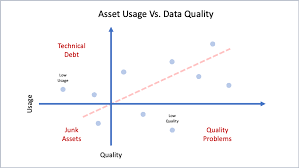
Salesforce Data Quality Challenges and AI Integration Salesforce is an incredibly powerful CRM tool, but like any system, it’s vulnerable to data quality issues if not properly managed. As organizations race to unlock the power of AI to improve sales and service experiences, they are finding that great AI requires great data. Let’s explore some of the most common Salesforce data quality challenges and how resolving them is key to succeeding in the AI era. 1. Duplicate Records Duplicate data can clutter your Salesforce system, leading to reporting inaccuracies and confusing AI-driven insights. Use Salesforce’s built-in deduplication tools or third-party apps that specialize in identifying and merging duplicate records. Implement validation rules to prevent duplicates from entering the system in the first place, ensuring cleaner data that supports accurate AI outputs. 2. Incomplete Data Incomplete data often results in missed opportunities and poor customer insights. This becomes especially problematic in AI applications, where missing data could skew results or lead to incomplete recommendations. Use Salesforce validation rules to make certain fields mandatory, ensuring critical information is captured during data entry. Regularly audit your system to identify missing data and assign tasks to fill in gaps. This ensures that both structured and unstructured data can be effectively leveraged by AI models. 3. Outdated Information Over time, data in Salesforce can become outdated, particularly customer contact details or preferences. Regularly cleanse and update your data using enrichment services that automatically refresh records with current information. For AI to deliver relevant, real-time insights, your data needs to be fresh and up to date. This is especially important when AI systems analyze both structured data (e.g., CRM entries) and unstructured data (e.g., emails or transcripts). 4. Inconsistent Data Formatting Inconsistent data formatting complicates analysis and weakens AI performance. Standardize data entry using picklists, drop-down menus, and validation rules to enforce proper formatting across all fields. A clean, consistent data set helps AI models more effectively interpret and integrate structured and unstructured data, delivering more relevant insights to both customers and employees. 5. Lack of Data Governance Without clear guidelines, it’s easy for Salesforce data quality to degrade, especially when unstructured data is added to the mix. Establish a data governance framework that includes policies for data entry, updates, and regular cleansing. Good data governance ensures that both structured and unstructured data are properly managed, making them usable by AI technologies like Large Language Models (LLMs) and Retrieval Augmented Generation (RAG). The Role of AI in Enhancing Data Management This year, every organization is racing to understand and unlock the power of AI, especially to improve sales and service experiences. However, great AI requires great data. While traditional CRM systems deal primarily with structured data like rows and columns, every business also holds a treasure trove of unstructured data in documents, emails, transcripts, and other formats. Unstructured data offers invaluable AI-driven insights, leading to more comprehensive, customer-specific interactions. For example, when a customer contacts support, AI-powered chatbots can deliver better service by pulling data from both structured (purchase history) and unstructured sources (warranty contracts or past chats). To ensure AI-generated responses are accurate and contextual, companies must integrate both structured and unstructured data into a unified 360-degree customer view. AI Frameworks for Better Data Utilization An effective way to ensure accuracy in AI is with frameworks like Retrieval Augmented Generation (RAG). RAG enhances AI by augmenting Large Language Models with proprietary, real-time data from both structured and unstructured sources. This method allows companies to deliver contextual, trusted, and relevant AI-driven interactions with customers, boosting overall satisfaction and operational efficiency. Tectonic’s Role in Optimizing Salesforce Data for AI To truly unlock the power of AI, companies must ensure that their data is of high quality and accessible to AI systems. Experts like Tectonic provide tailored Salesforce consulting services to help businesses manage and optimize their data. By ensuring data accuracy, completeness, and governance, Tectonic can support companies in preparing their structured and unstructured data for the AI era. Conclusion: The Intersection of Data Quality and AI In the modern era, data quality isn’t just about ensuring clean CRM records; it’s also about preparing your data for advanced AI applications. Whether it’s eliminating duplicates, filling in missing information, or governing data across touchpoints, maintaining high data quality is essential for leveraging AI effectively. For organizations ready to embrace AI, the first step is understanding where all their data resides and ensuring it’s suitable for their generative AI models. With the right data strategy, businesses can unlock the full potential of AI, transforming sales, service, and customer experiences across the board. Like Related Posts Who is Salesforce? Who is Salesforce? Here is their story in their own words. From our inception, we’ve proudly embraced the identity of Read more Salesforce Marketing Cloud Transactional Emails Salesforce Marketing Cloud Transactional Emails are immediate, automated, non-promotional messages crucial to business operations and customer satisfaction, such as order Read more Salesforce Unites Einstein Analytics with Financial CRM Salesforce has unveiled a comprehensive analytics solution tailored for wealth managers, home office professionals, and retail bankers, merging its Financial Read more AI-Driven Propensity Scores AI plays a crucial role in propensity score estimation as it can discern underlying patterns between treatments and confounding variables Read more
Read More
Salesforce Data Migration

Salesforce Data Migration

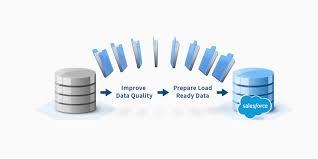
In today’s era of rapid digital transformation, efficient data migration has become increasingly important as cloud adoption gains momentum. Foundry’s research indicates that 63% of IT leaders have accelerated their cloud migrations, but 90% encounter challenges, often related to budget constraints. This emphasizes the need for meticulous planning and strategic execution. This insight focuses on Salesforce data migration, outlining why it’s essential and providing a nine-step plan for a successful migration. Additionally, we look into data preparation solutions and highlight Salesforce data migration tools, turning potential challenges into growth opportunities. Salesforce Data Migration Checklist Why is Data Migration Important? In 2011, we faced the challenge of transferring data from an old phone to a first smartphone. The contacts were especially important, but the outdated phone lacked any data transfer capabilities. Unwilling to manually re-enter everything, we researched extensively and discovered a method to extract the data into a CSV file. Converting it into vCard format, we successfully migrated all contacts. This personal experience illustrates the significance of data migration, not just for businesses but for everyday scenarios as well. For organizations, having a structured data migration plan is critical when transitioning from legacy systems to modern platforms like Salesforce. It enhances efficiency, scalability, and accessibility, supporting business growth through better data management, cost savings, and improved decision-making. Data migration also ensures integrity and security, aligning IT capabilities with evolving business needs and driving innovation in a fast-changing technological landscape. Learn how we helped Cresa migrate over 8,000 records to Salesforce with 100% accuracy. What is Salesforce Data Migration? Salesforce data migration refers to the process of transferring information from external systems—such as legacy CRM platforms or local databases—into Salesforce. This process not only preserves data integrity but also supports better decision-making, enhances customer service, and enables business growth. A well-planned Salesforce data migration strategy is critical for unlocking the full benefits of the platform and ensuring a seamless transition. Salesforce Data Migration Plan: 9 Key Steps Need Help with Data Migration to Salesforce?We offer consulting services to help you navigate your data migration challenges, from auditing to strategy execution. Contact Tectonic today. Practical Salesforce Data Migration ExampleUsing Data Loader, here’s a step-by-step guide to migrating a list of companies. After logging into Salesforce and selecting the Accounts object, you map fields from your CSV file, execute the migration, and review the logs to ensure accuracy. Like Related Posts Who is Salesforce? Who is Salesforce? Here is their story in their own words. From our inception, we’ve proudly embraced the identity of Read more Salesforce Marketing Cloud Transactional Emails Salesforce Marketing Cloud Transactional Emails are immediate, automated, non-promotional messages crucial to business operations and customer satisfaction, such as order Read more Salesforce Unites Einstein Analytics with Financial CRM Salesforce has unveiled a comprehensive analytics solution tailored for wealth managers, home office professionals, and retail bankers, merging its Financial Read more AI-Driven Propensity Scores AI plays a crucial role in propensity score estimation as it can discern underlying patterns between treatments and confounding variables Read more
Read More
Unlocking Enterprise AI Success

Unlocking Enterprise AI Success

Companies are diving into artificial intelligence. Unlocking enterprise AI success depends on four main factors. Tectonic is here to help you address each. Trust is Important-Trust is Everything Data is everything—it’s reshaping business models and steering the world through health and economic challenges. But data alone isn’t enough; in fact, it can be worse than useless—it’s a risk unless it’s trustworthy. The solution lies in a data trust strategy: one that maximizes data’s potential to create value while minimizing the risks associated with it. Data Trust is Declining, Not Improving Do you believe your company is making its data and data practices more trustworthy? If so, you’re in line with most business leaders. However, there’s a disconnect: consumers don’t share this belief. While 55% of business leaders think consumers trust them with data more than they did two years ago, only 21% of consumers report increased trust in how companies use their data. In fact, 28% say their trust has decreased, and a staggering 76% of global consumers view sharing their data with companies as a “necessary evil.” For companies that manage to build trust in their data, the benefits are substantial. Yet, only 37% of companies with a formal data valuation process involve privacy teams. Integrating privacy is just one aspect of building data trust, but companies that do so are already more than twice as likely as their peers to report returns on investment from key data-driven initiatives, such as developing new products and services, enhancing workforce effectiveness, and optimizing business operations. To truly excel, companies need to create an ongoing system that continually transforms raw information into trusted, business-critical data. Data is the Backbone-Data is the Key Data leaks, as shown below, are a major factor on data trust and quality. As bad as leaked data is to security, data availability is to being a data-driven organization. Extortionist Attack on Costa Rican Government Agencies In an unprecedented event in April 2022, the extortionist group Conti launched a cyberattack on Costa Rican government agencies, demanding a million ransom. The attack crippled much of the country’s IT infrastructure, leading to a declared state of emergency. Lapsus$ Attacks on Okta, Nvidia, Microsoft, Samsung, and Other Companies The Lapsus$ group targeted several major IT companies in 2022, including Okta, Nvidia, Microsoft, and Samsung. Earlier in the year, Okta, known for its account and access management solutions—including multi-factor authentication—was breached. Attack on Swissport International Swissport International, a Swiss provider of air cargo and ground handling services operating at 310 airports across 50 countries, was hit by ransomware. The attack caused numerous flight delays and resulted in the theft of 1.6 TB of data, highlighting the severe consequences of such breaches on global logistics. Attack on Vodafone Portugal Vodafone Portugal, a major telecommunications operator, suffered a cyberattack that disrupted services nationwide, affecting 4G and 5G networks, SMS messaging, and TV services. With over 4 million cellular subscribers and 3.4 million internet users, the impact was widespread across Portugal. Data Leak of Indonesian Citizens In a massive breach, an archive containing data on 105 million Indonesian citizens—about 40% of the country’s population—was put up for sale on a dark web forum. The data, believed to have been stolen from the “General Election Commission,” included full names, birth dates, and other personal information. The Critical Importance of Accurate Data There’s no shortage of maxims emphasizing how data has become one of the most vital resources for businesses and organizations. At Tectonic, we agree that the best decisions are driven by accurate and relevant data. However, we also caution that simply having more data doesn’t necessarily lead to better decision-making. In fact, we argue that data accuracy is far more important than data abundance. Making decisions based on incorrect or irrelevant data is often worse than having too little of the right data. This is why accurate data is crucial, and we’ll explore this concept further in the following sections. Accurate data is information that truly reflects reality or another source of truth. It can be tested against facts or evidence to verify that it represents something as it actually is, such as a person’s contact details or a location’s coordinates. Accuracy is often confused with precision, but they are distinct concepts. Precision refers to how consistent or varied values are relative to one another, typically measured against some other variable. Thus, data can be accurate, precise, both, or neither. Another key factor in data accuracy is the time elapsed between when data is produced and when it is collected and used. The shorter this time frame, the more likely the data is to be accurate. As modern businesses integrate data into more aspects of their operations, they stand to gain significant competitive advantages if done correctly. However, this also means there’s more at stake if the data is inaccurate. The following points will highlight why accurate data is critical to various facets of your company. Ease and speed of access Access speeds are measured in bytes per second (Bps). Slower devices operate in thousands of Bps (kBps), while faster devices can reach millions of Bps (MBps). For example, a hard drive can read and write data at speeds of 300MBps, which is 5,000 times faster than a floppy disk! Fast data refers to data in motion, streaming into applications and computing environments from countless endpoints—ranging from mobile devices and sensor networks to financial transactions, stock tick feeds, logs, retail systems, and telco call routing and authorization systems. Improving data access speeds can significantly enhance operational efficiency by providing timely and accurate data to stakeholders throughout an organization. This can streamline business processes, reduce costs, and boost productivity. However, data access is not just about retrieving information. It plays a crucial role in ensuring data integrity, security, and regulatory compliance. Effective data access strategies help organizations safeguard sensitive information from unauthorized access while making it readily available to those who are authorized. Additionally, the accuracy and availability of data are essential to prevent data silos

Read More
Salesforce on AI

Salesforce on AI

Marketing success hinges on delivering consistent, timely, and engaging content. According to the Salesforce State of Marketing report, 78% of high-performing marketers identify data as their most critical asset for creating cohesive customer journeys. Yet, only 49% report having a unified view of customer data sources. This disconnect highlights a significant challenge many marketing teams face in effectively leveraging their data. For organizations already invested in Salesforce, incorporating AI-driven business intelligence (BI) tools offers numerous benefits. These include reduced time to deliver insights, enhanced automation, increased innovation, improved agility, and cost savings. However, realizing these benefits depends on having high-quality data and robust data strategies. This insight explores AI-driven BI from a Salesforce perspective, highlighting its benefits, applications, and future trends. By understanding the potential of AI in BI, organizations can better harness their data to drive success and innovation. The Role of AI in Business Intelligence Integrating AI into BI systems elevates data analysis by offering deeper insights and predictive capabilities. Here’s how AI enhances BI: These examples demonstrate AI’s ability to improve BI systems by enhancing data accuracy, providing real-time insights, and improving forecasting. Salesforce’s AI Capabilities in BI Salesforce’s AI capabilities in BI are embodied in the versatile tool, Salesforce Einstein. Easily integrated with BI, Einstein automates tasks and delivers personalized insights. Companies using Einstein have reported a 20% increase in sales productivity. Here’s how Einstein can be utilized in various scenarios: These examples illustrate how Salesforce’s AI tools, particularly Einstein, can transform BI by automating routine tasks and delivering personalized insights, ultimately driving customer satisfaction and business growth. Future Trends in AI and BI The future of AI and BI promises even more advanced capabilities and innovations. As AI evolves, so too will the tools for BI. Here are some trends expected to emerge in the near future: These trends show that AI and BI are evolving rapidly. Companies that stay ahead of these developments will be well-positioned to leverage AI for greater innovation and efficiency. Next Steps AI-powered BI, especially with Salesforce, is transforming how businesses operate by providing deeper insights and better decision-making capabilities. To stay competitive and foster innovation, organizations must embrace AI. The quest is no longer just to be data-driven. It is to be data-decisioned. Here are some actionable steps: By taking these steps, businesses can fully leverage AI-driven BI and maintain a competitive edge in the fast-evolving digital playinf field of AI. Like Related Posts Who is Salesforce? Who is Salesforce? Here is their story in their own words. From our inception, we’ve proudly embraced the identity of Read more Salesforce Marketing Cloud Transactional Emails Salesforce Marketing Cloud Transactional Emails are immediate, automated, non-promotional messages crucial to business operations and customer satisfaction, such as order Read more Salesforce Unites Einstein Analytics with Financial CRM Salesforce has unveiled a comprehensive analytics solution tailored for wealth managers, home office professionals, and retail bankers, merging its Financial Read more AI-Driven Propensity Scores AI plays a crucial role in propensity score estimation as it can discern underlying patterns between treatments and confounding variables Read more

Read More
Salesforce Rollups

Salesforce Rollups

70% of Sales Teams Rely on CRM Systems, but 43% Struggle with Data Management—Here’s a Solution CRM platforms like Salesforce have become indispensable tools for modern sales teams aiming to optimize workflows and gain critical insights. Despite their importance, many teams still face challenges with data management, often due to the sheer volume of data that must be processed, organized, and analyzed. This growing need for streamlined data management has paved the way for innovative solutions like automated rollups in Salesforce. Ksolves has developed RollUp Magic, a one-stop solution for seamless Salesforce data management. Why RollUp Magic? RollUp Magic is designed to enhance the efficiency and effectiveness of sales teams by automating the calculation of rollup summaries based on specific criteria. This tool significantly reduces the burden of manual data handling, providing instant access to key metrics and ensuring the power of CRM systems is fully realized. In this insight, we’ll explore how RollUp Magic works, its key features, and how it can boost the efficiency of your sales team. Introduction to Automated Rollups Automated rollups in Salesforce aggregate data across related records without manual intervention, continuously updating key metrics like sums, averages, or counts. This automation not only saves time but also ensures consistency and accuracy in reporting, empowering organizations to make decisions based on the most current data. Manual vs. Automated Rollups Manual Rollups: Automated Rollups: Automated rollups offer a more efficient, accurate, and reliable way to manage and analyze Salesforce data compared to manual methods. Benefits of Automated Rollups for Sales Teams RollUp Magic: The Ultimate Tool for Automated Data Insights RollUp Magic simplifies and automates the data rollup process in Salesforce, allowing businesses to create custom rollups for any data, including lookup relationships. Here’s how RollUp Magic enhances Salesforce capabilities: Key Features of RollUp Magic for Sales Teams Metrics Sales Teams Can Track with RollUp Magic Conclusion Investing in Salesforce automation is a strategic move for any sales team. As industries move towards modern practices, Ksolves’ RollUp Magic emerges as a crucial tool, enabling teams to create rollup summaries for objects with lookup relationships, overcoming the limitations of standard fields. By leveraging Salesforce, sales teams can streamline workflows, enhance cross-department collaboration, and deliver exceptional client experiences. From optimizing deal forecasting to ensuring compliance, Salesforce equips sales professionals with the tools needed to succeed in a rapidly evolving marketplace. Like Related Posts Who is Salesforce? Who is Salesforce? Here is their story in their own words. From our inception, we’ve proudly embraced the identity of Read more Salesforce Marketing Cloud Transactional Emails Salesforce Marketing Cloud Transactional Emails are immediate, automated, non-promotional messages crucial to business operations and customer satisfaction, such as order Read more Salesforce Unites Einstein Analytics with Financial CRM Salesforce has unveiled a comprehensive analytics solution tailored for wealth managers, home office professionals, and retail bankers, merging its Financial Read more AI-Driven Propensity Scores AI plays a crucial role in propensity score estimation as it can discern underlying patterns between treatments and confounding variables Read more
Read More
Salesforce Data Migration Tools

Salesforce Data Migration

Salesforce Data Migration: A Key to CRM Success The migration of data into Salesforce is critical for the efficient functioning of Salesforce CRM. When executed correctly, it reduces data duplication, consolidates customer and operational data into a unified platform, and extends CRM capabilities beyond basic functionalities. Proper data migration serves as the foundation for advanced business intelligence and in-depth analytics. On the other hand, poorly managed migration can lead to transferring incorrect, duplicate, or corrupted data, compromising the system’s reliability. An efficient migration process safeguards data integrity, ensures a seamless transfer to Salesforce, and enhances overall organizational performance. What is Data Migration in Salesforce? Salesforce data migration is the process of transferring data from external systems, databases, or platforms into Salesforce. This process captures critical business information and integrates it into Salesforce’s CRM framework securely. The migration process also involves data cleansing, verification, and transforming data into formats compatible with Salesforce’s structure. Why You Need Salesforce Data Migration Importance Data migration is indispensable for companies looking to modernize their operations and enhance performance. With Salesforce, organizations can: Benefits Migrating Data from Legacy Systems to Salesforce Migrating data from legacy systems to Salesforce is essential for scalability and efficient data management. Key advantages include: Salesforce Data Migration Process Data migration involves transferring data into Salesforce to improve customer engagement and operational workflows. The process ensures data accuracy and compatibility with Salesforce’s architecture. Key Steps for Salesforce Data Migration Types of Salesforce Data Migration Top Salesforce Data Migration Tools Data Archiving in Salesforce Salesforce data archiving involves relocating unused or historical data to a separate storage area. This optimizes system performance and ensures easy access for compliance or analysis. Advantages Top Options for Data Archiving Best Practices for Salesforce Data Migration Conclusion Salesforce data migration is a pivotal step in transforming organizational processes and achieving CRM excellence. When done right, it improves efficiency, eliminates data duplication, and ensures accurate information storage. By following best practices, leveraging appropriate tools, and engaging migration specialists, organizations can unlock Salesforce’s full potential for scalability, automation, and advanced analytics. Successful migration paves the way for better decision-making and future growth. Like Related Posts Who is Salesforce? Who is Salesforce? Here is their story in their own words. From our inception, we’ve proudly embraced the identity of Read more Salesforce Marketing Cloud Transactional Emails Salesforce Marketing Cloud Transactional Emails are immediate, automated, non-promotional messages crucial to business operations and customer satisfaction, such as order Read more Salesforce Unites Einstein Analytics with Financial CRM Salesforce has unveiled a comprehensive analytics solution tailored for wealth managers, home office professionals, and retail bankers, merging its Financial Read more AI-Driven Propensity Scores AI plays a crucial role in propensity score estimation as it can discern underlying patterns between treatments and confounding variables Read more
Read More
Can We Customize Manufacturing Cloud For Our Business

Can We Customize Manufacturing Cloud For Our Business?

Yes, Salesforce Manufacturing Cloud Can Be Customized to Meet Your Business Needs Salesforce Manufacturing Cloud is designed to be highly customizable, allowing manufacturing organizations to tailor it to their unique business requirements. Whether it’s adapting the platform to fit specific workflows, integrating with third-party systems, or enhancing reporting capabilities, Salesforce provides robust customization options to meet the specific needs of manufacturers. Here are key ways Salesforce Manufacturing Cloud can be customized: 1. Custom Data Models and Objects Salesforce allows you to create custom objects and fields to track data beyond the standard model. This flexibility enables businesses to manage unique production metrics or product configurations seamlessly within the platform. Customization Options: 2. Sales Agreement Customization Sales Agreements in Salesforce Manufacturing Cloud can be tailored to reflect your business’s specific contract terms and pricing models. You can adjust agreement structures, including the customization of terms, conditions, and rebate tracking. Customization Options: 3. Custom Workflows and Automation Salesforce offers tools like Flow Builder and Process Builder, allowing manufacturers to automate routine tasks and create custom workflows that streamline operations. Customization Options: 4. Integration with Third-Party Systems Salesforce Manufacturing Cloud can integrate seamlessly with ERP systems (like SAP or Oracle), inventory management platforms, and IoT devices to ensure a smooth data flow across departments. Integration Options: 5. Custom Reports and Dashboards With Salesforce’s robust reporting tools, you can create custom reports and dashboards that provide real-time insights into key performance indicators (KPIs) relevant to your manufacturing operations. Customization Options: 6. Custom User Interfaces Salesforce Lightning allows you to customize user interfaces to meet the needs of different roles within your organization, such as production managers or sales teams. This ensures users have quick access to relevant data. Customization Options: Conclusion Salesforce Manufacturing Cloud provides a wide range of customization options to suit the unique needs of your manufacturing business. Whether it’s adjusting data models, automating processes, or integrating with external systems, Manufacturing Cloud can be tailored to meet your operational goals. By leveraging these customizations, manufacturers can optimize their operations, improve data accuracy, and gain real-time insights to boost efficiency. If you need help customizing Salesforce Manufacturing Cloud, Service Cloud, or Sales Cloud for your business, our Salesforce Manufacturing Cloud Services team is here to assist. Like Related Posts Who is Salesforce? Who is Salesforce? Here is their story in their own words. From our inception, we’ve proudly embraced the identity of Read more Salesforce Marketing Cloud Transactional Emails Salesforce Marketing Cloud Transactional Emails are immediate, automated, non-promotional messages crucial to business operations and customer satisfaction, such as order Read more Salesforce Unites Einstein Analytics with Financial CRM Salesforce has unveiled a comprehensive analytics solution tailored for wealth managers, home office professionals, and retail bankers, merging its Financial Read more AI-Driven Propensity Scores AI plays a crucial role in propensity score estimation as it can discern underlying patterns between treatments and confounding variables Read more

Read More
Salesforce Spiff

Salesforce Spiff

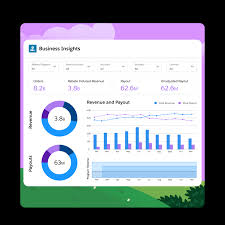
Incentive Compensation Management Boost seller motivation and performance with incentive compensation management software that offers real-time commission visibility. Salesforce Spiff. Automate commission calculations, reduce administrative tasks, and improve departmental alignment with compensation plans geared for revenue growth. Automate Commissions and Motivate Sellers Enhance collaboration across departments and align go-to-market priorities with effective incentive compensation management. Customized Rep Statements Empower sellers by providing commission statements, tracking progress against goals, and estimating potential earnings. Use commission tracing functionality to eliminate confusion and align organizational priorities with seller motivations. In-App Comments and Notifications Manage questions, comments, and disputes efficiently within a single platform. Promote cross-organizational collaboration through real-time comments and notifications. Commission Estimator Allow sellers to predict future earnings by providing data-driven insights into incentive estimates early in the sales process. This helps sellers and managers focus on high-impact deals. Flexible Setup Quickly set up incentive compensation plans, adapting to changes in team structure or compensation complexity. Track all plan adjustments with an audit log. Powerful Automation and Workflows Automate complex commission structures, including accelerators, tiers, and triggers. Calculate thousands of statements in seconds to ensure accuracy and efficiency. Seamless Integrations Integrate CRM, ERP, HCM, payroll, or other systems to create a real-time, single source of truth for all commission needs. Data Accuracy Use machine learning to automatically match records, eliminating manual errors and providing a reliable single source of truth. Deep Audit Trail Add effective dates to any user, plan, or logic, and lock historical statements to maintain accuracy. Manage one-off changes without concern. Automated Expense Reporting Maintain compliance under ASC 606 and IFRS 15 with automated, audit-ready expense reports. Use an intuitive interface to manage exceptions, fringe benefits, and varied commission types. Salesforce and Spiff: A Strategic Acquisition After pausing mergers and acquisitions over the past year, Salesforce acquired Spiff at the end of 2023. Previously an AppExchange partner, Spiff provided robust incentive compensation management functionality, calculating commissions for sales based on closed-won deals. Integration into Sales Cloud Salesforce has integrated “Salesforce Spiff” into Sales Cloud, emphasizing the importance of Incentive Compensation Management (ICM) for high-performing companies. With 90% of top-performing companies using incentive programs, this acquisition enhances Salesforce’s offerings. Growth and Market Presence Before the acquisition, Spiff had 1,000 customers and was growing at 100% year-over-year. Salesforce’s market share of approximately 23% in the Sales CRM market indicates significant growth potential for ICM. The Importance of ICM ICM software addresses the complexity of commission calculations, including various percentages for new sales, renewals, bonuses for new customers, accelerators, and team incentives. Accurate calculations across large sales teams are crucial for maintaining motivation and performance. This is a huge time saver. From Excel to Cloud Technology While Excel spreadsheets have been a traditional solution for ICM, Spiff’s cloud technology offers greater functionality and user-friendliness. And it interfaces directly with Sales Cloud. How Salesforce Spiff Works Available as an add-on for Sales Cloud customers from May 2024, Salesforce Spiff offers: Enhanced User Experience The low-code builder simplifies the creation of commission plans, saving time compared to Excel. Real-time commission visibility allows sales users to see potential earnings, motivating them to pursue lucrative opportunities. Final Thoughts Sales roles are essential for driving business revenue. Tools like Spiff provide transparency into potential earnings, significantly impacting sales teams’ motivation and performance. Integrating Spiff into Sales Cloud enhances Salesforce’s value proposition, helping businesses optimize their sales processes and achieve better results. Availability Salesforce Spiff will be available as an add-on for Sales Cloud customers in May 2024. Non-Salesforce customers can also purchase the product from Salesforce.com/salesforcespiff starting May 2024. Like Related Posts Who is Salesforce? Who is Salesforce? Here is their story in their own words. From our inception, we’ve proudly embraced the identity of Read more Salesforce Marketing Cloud Transactional Emails Salesforce Marketing Cloud Transactional Emails are immediate, automated, non-promotional messages crucial to business operations and customer satisfaction, such as order Read more Salesforce Unites Einstein Analytics with Financial CRM Salesforce has unveiled a comprehensive analytics solution tailored for wealth managers, home office professionals, and retail bankers, merging its Financial Read more AI-Driven Propensity Scores AI plays a crucial role in propensity score estimation as it can discern underlying patterns between treatments and confounding variables Read more
Read More
Harnessing Sales Data

Harnessing Sales Data

Harnessing Sales Data for Better Insights and Rapid Deal Closure Sales data is a critical asset for gaining insights and closing deals swiftly. With the ever-expanding data footprint, including customer response rates, leads in the pipeline, and quota attainment, tracking these metrics is essential. Ignoring them can be detrimental, as nearly all sales professionals recognize the importance of real-time data in meeting customer expectations, according to the Trends in Data and Analytics for Sales Report. However, concerns about data setup for generative AI and data accuracy persist. Sixty-three percent of sales professionals report that their company’s data isn’t optimized for AI, and only 42% are confident in their data’s accuracy. The demand for sales data has become a focal point for sales leaders and representatives, who increasingly rely on data to enhance customer engagement and productivity through trusted sources and AI integration. What is Sales Data? Sales data encompasses two main categories: external data, which includes information about prospects such as demographics, interests, behavior, and engagement; and internal sales data, including deal attributes and sales performance metrics. This data helps inform deal actions, assess progress toward sales targets or key performance indicators (KPIs), and supports tools like AI to enhance efficiency. Why is Sales Data Important? Sales data provides a measurable framework for all sales activities, enabling the setting of performance benchmarks and targets. It helps identify risks in the pipeline and highlights opportunities for upselling or fostering competition among sales reps. The data is also crucial for leveraging generative AI, which can automate tasks such as email drafting and sales pitch creation, provided the data is accurate and well-organized. Types of Sales Data Collecting and Utilizing Sales Data To effectively collect and utilize sales data, invest in a CRM system that serves as a centralized data repository with analytics capabilities. Automate data collection within the CRM, integrate data from other tools, and prioritize the security of sensitive information. Visualizing data through dashboards can help track progress toward business goals and make informed decisions. Real-Life Application: A Case Study A global consulting firm used sales data to enhance win rates and accelerate deal velocity. By integrating CRM analytics with data from various sources, the firm identified key deal attributes impacting success and adjusted strategies accordingly. The use of AI-driven “opportunity scores” further enabled the firm to monitor deal health and optimize resource allocation. Essential Tools for Harnessing Sales Data Turning Sales Data into Actionable Insights Regularly reviewing CRM-generated insights and adjusting strategies based on these insights is crucial for closing more deals and delivering consistent value to customers. By focusing on data-driven decision-making, sales teams can stay competitive and meet evolving customer needs. Like Related Posts Who is Salesforce? Who is Salesforce? Here is their story in their own words. From our inception, we’ve proudly embraced the identity of Read more Salesforce Marketing Cloud Transactional Emails Salesforce Marketing Cloud Transactional Emails are immediate, automated, non-promotional messages crucial to business operations and customer satisfaction, such as order Read more Salesforce Unites Einstein Analytics with Financial CRM Salesforce has unveiled a comprehensive analytics solution tailored for wealth managers, home office professionals, and retail bankers, merging its Financial Read more AI-Driven Propensity Scores AI plays a crucial role in propensity score estimation as it can discern underlying patterns between treatments and confounding variables Read more

Read More
gettectonic.com