What is the difference between Salesforce CDP and data Cloud?
AI Overview
Salesforce Data Cloud and Salesforce CDP (Customer Data Platform) are closely related, but Data Cloud is a broader, more comprehensive platform. Data Cloud extends the core CDP functionality to encompass all business data, not just customer data, and integrates it with the broader Salesforce ecosystem according to saasguru.
Here’s a breakdown of the key differences:
Salesforce CDP (Now part of Data Cloud):
- Core Functionality: Primarily focused on customer data, especially for marketing and sales.
- Focus: Data unification, identity resolution, and data activation for use in marketing campaigns and other applications.
- Data Focus: Primarily customer-centric data, including data from CRM, marketing platforms, and other relevant sources.
Salesforce Data Cloud:
- Broader Scope: Encompasses all business data, not just customer data, for a comprehensive view.
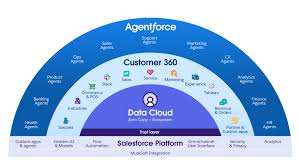
- Data Integration: Integrates with other Salesforce products, like Sales Cloud, Service Cloud, and Marketing Cloud.
- Real-time Capabilities: Offers real-time data ingestion, management, and activation, enabling real-time personalization and decision-making.
- AI & Automation: Integrates with Einstein AI and Flow for data-driven automation and insights.
- Customer 360: Provides a unified view of the customer across the entire Salesforce ecosystem.
Key Differences Summarized:
- Scope: CDP is customer-centric, while Data Cloud is enterprise-wide.
- Functionality: CDP focuses on customer data, while Data Cloud extends to other business data and integrates with the Salesforce ecosystem.
- Real-time Capabilities: Data Cloud offers real-time data ingestion and activation, which is a key differentiator.
- Integration: Data Cloud is deeply integrated with Salesforce, while CDP is more standalone.
In essence, Data Cloud is a more mature and broader evolution of the original CDP functionality, extending its benefits to a wider range of business data and applications within the Salesforce ecosystem according to Salesforce Ben.
Who is Salesforce? Here is their story in their own words. From our inception, we've proudly embraced the identity of Read more
Salesforce Marketing Cloud Transactional Emails are immediate, automated, non-promotional messages crucial to business operations and customer satisfaction, such as order Read more

Salesforce has unveiled a comprehensive analytics solution tailored for wealth managers, home office professionals, and retail bankers, merging its Financial Read more
AI plays a crucial role in propensity score estimation as it can discern underlying patterns between treatments and confounding variables Read more