

06Aug
The Evolving Arms Race of Cyber Threats
The cybersecurity arms race shows no signs of slowing, demanding constant vigilance and adaptation from security teams worldwide.
The cybersecurity arms race shows no signs of slowing, demanding constant vigilance and adaptation from security teams worldwide.

The Science and Limits of Predicting the Future: From Ancient Oracles to Modern AI The Enduring Human Fascination with Prediction Throughout human history, the ability to foresee future events has held immense cultural and practical value. In ancient Greece, individuals ranging from kings to common citizens sought guidance from oracles like the Pythia at Delphi, whose cryptic pronouncements shaped military campaigns and personal decisions. The 16th century saw Nostradamus gain fame for prophecies that appeared remarkably accurate—until closer examination revealed their retrospective flexibility. Modern society has replaced divination with data-driven forecasting, yet fundamental challenges persist. As Nobel laureate Niels Bohr observed, “Prediction is very difficult, especially when it comes to the future.” This axiom holds true whether examining: The Mechanics of Modern Forecasting Scientific prediction relies on five key principles: When these conditions align—as in weather forecasting—predictions achieve notable accuracy. The European Centre for Medium-Range Weather Forecasts’ 5-day predictions now match the accuracy of 1-day forecasts from 1980. Similarly, climate models consistently project global warming trends despite annual variability. Predictive Breakdowns: When Models Fail Structural changes create what machine learning experts call “concept drift,” where historical data becomes irrelevant. The COVID-19 pandemic demonstrated this dramatically: The financial sector faces even greater challenges due to reflexivity—where predictions influence the behaviors they attempt to forecast. As George Soros noted, “Market prices are always wrong in the sense that they present a biased view of the future.” The AI Revolution in Prediction Large language models (LLMs) like ChatGPT represent a predictive breakthrough by mastering sequential word prediction. Their success stems from: Recent advances suggest even chaotic systems may become partially predictable through neural networks. University of Maryland researchers demonstrated how machine learning can forecast aspects of chaotic systems without explicit equations—though fundamental limits remain. Quantum Uncertainty and the Future of Forecasting Two 20th century scientific revolutions reshaped our understanding of predictability: While machine learning can optimize probabilistic predictions, current evidence suggests it cannot overcome quantum uncertainty’s ontological barriers. As physicist Richard Feynman observed, “Nature isn’t classical, dammit, and if you want to make a simulation of nature, you’d better make it quantum mechanical.” Conclusion: The Evolving Frontier of Prediction From Delphi to deep learning, humanity’s quest to foresee the future continues evolving. Modern tools have replaced mystical pronouncements with statistical models, yet essential limitations persist. The most accurate predictions occur in systems where: As machine learning advances, new predictive frontiers emerge—from protein folding to economic tipping points. Yet the fundamental truth remains: the future retains its essential unpredictability, ensuring our continued need for both scientific rigor and adaptive resilience. Like Related Posts Who is Salesforce? Who is Salesforce? Here is their story in their own words. From our inception, we’ve proudly embraced the identity of Read more Salesforce Unites Einstein Analytics with Financial CRM Salesforce has unveiled a comprehensive analytics solution tailored for wealth managers, home office professionals, and retail bankers, merging its Financial Read more AI-Driven Propensity Scores AI plays a crucial role in propensity score estimation as it can discern underlying patterns between treatments and confounding variables Read more Tectonic’s Successful Salesforce Track Record Salesforce Technology Services Integrator – Tectonic has successfully delivered Salesforce in a variety of industries including Public Sector, Hospitality, Manufacturing, Read more
While GPT-4o introduced real-time text, image, and voice interactions, GPT-5 is rumored to add video processing to its multimodal capabilities. Users may be able to seamlessly switch between different data inputs (text, images, voice, and video) for a more natural experience.

Agentic AI: The Next Frontier in Government Efficiency As federal agencies face mounting pressure to streamline operations and reduce costs, AI-powered automation is emerging as a critical solution—and Salesforce is leading the charge. With its newly secured FedRAMP High authorization for Agentforce, Salesforce now enables civilian agencies handling sensitive data to deploy AI agents that automate complex workflows while maintaining strict compliance. Why This Matters Now The Department of Government Efficiency (DOGE) is aggressively pursuing cost-cutting measures, including workforce reductions—making AI-driven automation a strategic imperative. “Agencies are asking us, ‘Can you build a digital agent to solve this problem?’” says Paul Tatum, head of Salesforce’s Global Public Sector Solutions Engineering. “Their teams are doing incredible work, but they’re stretched thin.” How AI Agents Transform Government Workflows Salesforce’s AI agents specialize in decision-making support, particularly in high-stakes adjudication processes—such as:✔ Benefits approvals✔ Payment processing✔ Service request evaluations “Government policies are dense, complex, and constantly updated,” Tatum explains. “AI agents excel at parsing these rules and providing real-time recommendations—freeing up staff to focus on final decisions.” The Federal AI Copilot Model Rather than replacing humans, these AI agents act as intelligent assistants: Government Readiness for Agentic AI Federal agencies are uniquely positioned for AI adoption because:🔹 Data is well-structured & clean🔹 Use cases are clearly defined🔹 Documentation is thorough “The government is primed for this,” says Tatum. “AI will make agencies faster, more efficient, and more responsive to citizens.” A Competitive AI Landscape Salesforce isn’t alone in this space—Amazon, Google, and ServiceNow have also secured FedRAMP approvals for their AI agents. But with its deep federal footprint and seamless integration into existing Salesforce environments, Agentforce is positioned to be the game-changer. What’s Next? Salesforce is currently running demos and proofs of concept with multiple agencies. As AI adoption accelerates, one thing is clear: The future of government efficiency is automated, intelligent, and powered by AI. Like Related Posts Who is Salesforce? Who is Salesforce? Here is their story in their own words. From our inception, we’ve proudly embraced the identity of Read more Salesforce Marketing Cloud Transactional Emails Salesforce Marketing Cloud Transactional Emails are immediate, automated, non-promotional messages crucial to business operations and customer satisfaction, such as order Read more Salesforce Unites Einstein Analytics with Financial CRM Salesforce has unveiled a comprehensive analytics solution tailored for wealth managers, home office professionals, and retail bankers, merging its Financial Read more AI-Driven Propensity Scores AI plays a crucial role in propensity score estimation as it can discern underlying patterns between treatments and confounding variables Read more

Ransomware Resilience: Protecting Your Business in an Era of Escalating Threats A message of independence from Tectonic. The Rising Cost of Ransomware Attacks Ransomware remains one of the most disruptive cyber threats facing businesses today. This malicious software encrypts critical data, holding it hostage until a ransom is paid—often in untraceable cryptocurrency. While attack rates have slightly declined, the financial impact has surged dramatically: For SaaS-dependent businesses, the stakes are even higher. Data isn’t just information—it’s the foundation of operations, customer trust, and AI-driven decision-making. Why Backups Are a Double-Edged Sword in Ransomware Defense Backups are the most effective way to recover from an attack—but they’re also a prime target for cybercriminals. “When attackers cripple backups, victims lose their ability to restore data—dramatically increasing pressure to pay the ransom.”— Sophos Despite these risks, many companies remain unprepared: 6 Essential Safeguards for Ransomware-Resilient Backups 1. Cloud Infrastructure with Built-In Security 2. Real-Time Monitoring & Anomaly Detection 3. End-to-End Encryption 4. Frequent, Automated Recovery Testing 5. Precision Recovery to Minimize Downtime 6. Third-Party Audits & Compliance How Salesforce Backup & Recover Strengthens Resilience Salesforce Backup & Recover embeds security at every layer: ✔ Military-Grade Encryption – AES-256 protection for all backup data✔ Immutable Storage – Tamper-proof backups on AWS✔ Granular Recovery – Restore individual records without overwriting live data✔ Proactive Monitoring – AI-driven alerts for abnormal activity✔ Compliance-Ready – SOC 2, ISO 27001, and GDPR-aligned “After a ransomware attack locked our CRM, we restored 12TB of Salesforce data in under 4 hours—no ransom paid.”— CISO, Fortune 500 Manufacturing Firm The Bottom Line: Resilience Beats Ransom Paying ransoms funds criminal networks and offers no guarantee of data return. The only reliable strategy is proactive defense: In today’s threat-heavy world, data resilience isn’t optional—it’s survival. Like Related Posts Who is Salesforce? Who is Salesforce? Here is their story in their own words. From our inception, we’ve proudly embraced the identity of Read more Salesforce Marketing Cloud Transactional Emails Salesforce Marketing Cloud Transactional Emails are immediate, automated, non-promotional messages crucial to business operations and customer satisfaction, such as order Read more Salesforce Unites Einstein Analytics with Financial CRM Salesforce has unveiled a comprehensive analytics solution tailored for wealth managers, home office professionals, and retail bankers, merging its Financial Read more AI-Driven Propensity Scores AI plays a crucial role in propensity score estimation as it can discern underlying patterns between treatments and confounding variables Read more

Salesforce Launches Agentforce 3: The Next Evolution of Enterprise AI Agents Transforming Businesses with AI-Powered Digital Workforces Salesforce has unveiled Agentforce 3, a major upgrade to its AI agent platform designed to help enterprises build, optimize, and scale hybrid workforces combining AI agents and human employees. At the heart of the update is Agentforce Studio, a centralized hub where businesses can:✔ Design AI agents for specific tasks✔ Test interactions in real-world scenarios✔ Optimize performance with advanced analytics “We’ve moved past just deploying AI—now we’re refining it,” says Jayesh Govindarajan, Salesforce’s EVP of AI & Engineering. Solving the “Step Two” Problem: Making AI Agents Smarter & More Reliable While 3,000+ businesses are already building AI agents on Salesforce, a critical challenge emerged: How do you maintain and improve AI performance after deployment? Key Upgrades in Agentforce 3 🔹 Real-Time Observability – Track AI and human interactions via Agentforce Command Center🔹 Web Search & Citations – AI agents can now pull external data (with source transparency)🔹 Pre-Built Industry Tools – Accelerate deployment with 100+ ready-made AI actions🔹 Multi-LLM Support – Choose between OpenAI, Anthropic’s Claude, or Google Gemini🔹 Regulatory Compliance – FedRAMP High Authorization enables public sector use Real-World Impact: AI Agents in Action 1. OpenTable 2. 1-800Accountant 3. UChicago Medicine Pricing & Global Expansion The Future of AI at Work “Agentforce isn’t just automation—it’s a digital labor platform,” says Adam Evans, Salesforce’s AI lead. With open standards (MCP, A2A) and 20+ partner integrations (Stripe, Box, Atlassian), businesses can:✔ Scale AI without custom code✔ Maintain full governance✔ Continuously optimize performance The bottom line? AI agents are no longer experimental—they’re essential workforce multipliers. Companies that master them will outpace competitors in efficiency and customer experience. “With Agentforce, we’re gaining a holistic view of operations—enabling smarter decisions across every market.”—Athina Kanioura, Chief Strategy Officer, PepsiCo Next step for businesses? Start small, measure rigorously, and scale fast. The AI agent revolution is here. Like Related Posts Who is Salesforce? Who is Salesforce? Here is their story in their own words. From our inception, we’ve proudly embraced the identity of Read more Salesforce Marketing Cloud Transactional Emails Salesforce Marketing Cloud Transactional Emails are immediate, automated, non-promotional messages crucial to business operations and customer satisfaction, such as order Read more Salesforce Unites Einstein Analytics with Financial CRM Salesforce has unveiled a comprehensive analytics solution tailored for wealth managers, home office professionals, and retail bankers, merging its Financial Read more AI-Driven Propensity Scores AI plays a crucial role in propensity score estimation as it can discern underlying patterns between treatments and confounding variables Read more

The AI landscape is evolving at a breakneck pace, leaving many designers grappling with both its potential and its disruptions. Anthropic’s CEO warns that AI could displace up to 50% of entry-level white-collar jobs, while Zapier’s CEO emphasizes hiring for AI fluency. Meanwhile, new roles like “model designer” are emerging, and the industry is shifting toward super IC (individual contributor) roles. For product designers, the challenge isn’t just staying relevant—it’s continuing to grow, adapt, and find fulfillment in their craft amid these seismic shifts. Three Pillars for Thriving as an AI-Native Designer To navigate this transformation, designers must focus on three key areas: Combined with strategic thinking and human-centric skills, these pillars form the foundation for the next generation of designers. 1. AI Tools: Speed as the New Standard “Man is a tool-making animal.” — Benjamin Franklin AI represents a quantum leap in tool evolution, shifting from manual execution to intelligent collaboration. Speed is no longer optional—teams like ProcessMaker have gone from shipping twice a year to every two weeks, thanks to AI automation. According to Figma’s State of Design (2025), 68% of design teams now use AI for:✔ Wireframing automation✔ Visual asset generation✔ User feedback analysis Building a Personalized AI Stack There’s no one-size-fits-all approach. A UX researcher’s toolkit differs vastly from that of a conversational AI designer or a visual artist. After experimenting with over 60 AI tools, many designers find that only 4-10 truly enhance their workflow. The key is intentional adoption—not chasing trends, but asking:🔹 Is there a smarter, faster, or more thoughtful way to do this? As design leader Agustín Sánchez notes: “You’re not a great designer because you know the latest tools. You’re great because you know what to do with them.” Prompting as a Core Design Skill Early frustrations with AI outputs often stem from poor prompting, not model limitations. Treating AI as a collaborator—structuring context, tone, and intent—dramatically improves results. John Maeda frames it well: “Prompting is just like getting the AI up to speed—or nudging it in the right direction.” For those looking to sharpen their prompting skills, key resources include: 2. AI Fluency: Designing for Probabilistic Systems AI fluency means confidently navigating intent-driven, layered, and unpredictable systems. Unlike traditional GUI interfaces (click, scroll, menus), agentic AI requires a focus on outcomes over actions. Real-world AI products involve:✔ Orchestration & memory✔ Tool integrations✔ Agentic UX flows Understanding variability, failure modes, and misuse potential is critical for responsible design. Foundational AI Learning Resources Designing AI Interactions 3. Human Advantage: The Unautomatable Edge With GPT-4o and Veo-3 producing high-quality outputs at scale, designers must ask: What remains our uniquely human advantage? Craftsmanship in the Age of AI AI generates averages, not originality. Designer Michal Malewicz describes today’s creative landscape as an “era of meh”—flooded with generic AI outputs. This raises the bar: distinctive perspective, narrative intent, and aesthetic judgment matter more than ever. As Richard Sennett argues in The Craftsman, tools evolve, but mastery remains human. Creative Direction & Agency AI handles execution; humans define vision. Two designers using the same tools can produce radically different work based on values, intent, and creative direction. Julie Zhuo emphasizes: “Even as AI matches our skills, our ability to choose why and where to apply them remains distinctly human.” 4. The AI-Native Designer of 2030 The World Economic Forum predicts that by 2030, the most valuable skills will be:✔ Analytical & creative thinking✔ Technology literacy✔ Resilience & adaptability As Fabricio Teixeira notes, design fundamentals—collaboration, communication, problem-solving—are timeless, outlasting any tool. Meanwhile, “Super IC” roles are redefining seniority—valuing deep expertise over management. In a world where creation is faster and more accessible, a designer’s true moat lies in:🔹 Unique, reliable, and memorable AI experiences🔹 Mastery of storytelling and human-centered design Conclusion: Designing the Future, Not Just Adapting to It AI isn’t replacing designers—it’s redefining their role. The designers who thrive will be those who: The future belongs to those who orchestrate AI, not just use it. Like Related Posts Who is Salesforce? Who is Salesforce? Here is their story in their own words. From our inception, we’ve proudly embraced the identity of Read more Salesforce Unites Einstein Analytics with Financial CRM Salesforce has unveiled a comprehensive analytics solution tailored for wealth managers, home office professionals, and retail bankers, merging its Financial Read more AI-Driven Propensity Scores AI plays a crucial role in propensity score estimation as it can discern underlying patterns between treatments and confounding variables Read more Tectonic’s Successful Salesforce Track Record Salesforce Technology Services Integrator – Tectonic has successfully delivered Salesforce in a variety of industries including Public Sector, Hospitality, Manufacturing, Read more

Modernizing Government CX: How AI and Unified Platforms Can Transform Public Services Government agencies are under growing pressure to deliver personalized, proactive digital experiences that rival private-sector interactions. Yet many still struggle with disconnected legacy systems, strict compliance demands, and limited budgets. Emerging technologies—particularly AI and cloud platforms—offer solutions, but adoption remains a challenge. In a recent FedScoop podcast, Mia Jordan, former Federal CIO (USDA, Department of Education) and current Public Sector Transformation Advisor at Salesforce, breaks down the key hurdles—and how agencies can overcome them. The Core Challenge: “Digital but Not Connected” Many agencies have digitized services, but silos persist, leading to:🔹 “Swivel chair chaos” – Staff juggle multiple systems, slowing response times.🔹 Frustrating constituent experiences – Citizens face fragmented, confusing processes.🔹 Missed opportunities for automation – Manual work bogs down efficiency. “The challenge isn’t about will—it’s about wiring,” says Jordan. “Agencies may be digital, but they’re not always connected.” The Solution: Secure, Unified Engagement Platforms To bridge gaps, agencies need: 1. FedRAMP-Authorized Cloud Solutions Salesforce’s Agentforce and Marketing Cloud now hold FedRAMP High authorization, enabling secure, AI-driven engagement—even for high-sensitivity programs. 2. A Single System for Outreach “Too often, engagement lives in silos—an email tool here, a website there, a separate CRM,” Jordan notes. A unified platform (like Salesforce Marketing Cloud) ensures:✅ Consistent messaging across email, web, and SMS.✅ Real-time data sharing between teams.✅ Automated workflows to reduce manual tasks. 3. AI Agents That Go Beyond Chatbots Unlike basic chatbots, AI agents (like those in Salesforce Agentforce):🔹 Learn and act proactively – Drafting tailored content, triaging inquiries, flagging incomplete forms.🔹 Operate within existing systems – No disruptive overhauls needed. A Real-World Example: Rural Broadband, Transformed Jordan recalls the 2017 USDA rural broadband initiative, where: Today, a unified platform + AI agents could:✔ Automate application reviews.✔ Provide live dashboards for policymakers.✔ Guide citizens with personalized updates. The Big Win: Restoring Trust Through Clarity “Now you can guide people through their journey with clarity and confidence,” says Jordan. “That improves trust in government.” 🔗 Listen to the full podcast: [Here] TL;DR: Government CX doesn’t have to lag behind the private sector. With unified platforms + AI, agencies can cut chaos, boost efficiency, and rebuild public trust. Should all federal programs adopt AI-driven engagement? Share your take below. Like Related Posts Who is Salesforce? Who is Salesforce? Here is their story in their own words. From our inception, we’ve proudly embraced the identity of Read more Salesforce Marketing Cloud Transactional Emails Salesforce Marketing Cloud Transactional Emails are immediate, automated, non-promotional messages crucial to business operations and customer satisfaction, such as order Read more Salesforce Unites Einstein Analytics with Financial CRM Salesforce has unveiled a comprehensive analytics solution tailored for wealth managers, home office professionals, and retail bankers, merging its Financial Read more AI-Driven Propensity Scores AI plays a crucial role in propensity score estimation as it can discern underlying patterns between treatments and confounding variables Read more

Navigating the Cloud Security Imperative: A Strategic Approach for Government Agencies The State of Federal Cloud Adoption A recent Institute for Critical Infrastructure Technology report reveals a watershed moment in government IT: This rapid digital transformation coincides with an unprecedented threat landscape where ransomware, supply chain attacks, and nation-state threats exploit cloud vulnerabilities faster than traditional security measures can respond. CISA’s Blueprint for Cloud Security: BOD 25-01 The Secure Cloud Business Applications (SCuBA) project under Binding Operational Directive 25-01 provides more than compliance—it offers a strategic framework for secure cloud adoption. The directive mandates four pillars of cloud security: 1. Comprehensive Asset Visibility 2. Automated Security Assurance 3. Risk-Based Vulnerability Management 4. Zero Trust Architecture Alignment The Operational Advantage of BOD 25-01 Beyond compliance, the directive enables agencies to: The Path Forward As cloud becomes the federal IT foundation, agencies must: “BOD 25-01 represents the most consequential shift in federal cybersecurity since the creation of Continuous Diagnostics and Mitigation (CDM). It’s not about compliance—it’s about changing how we fundamentally secure the cloud.” — Former Federal CISO *The cloud transition is inevitable, but insecure cloud adoption is not. BOD 25-01 provides the playbook for doing cloud security right—the first time.* Like Related Posts Who is Salesforce? Who is Salesforce? Here is their story in their own words. From our inception, we’ve proudly embraced the identity of Read more Salesforce Unites Einstein Analytics with Financial CRM Salesforce has unveiled a comprehensive analytics solution tailored for wealth managers, home office professionals, and retail bankers, merging its Financial Read more AI-Driven Propensity Scores AI plays a crucial role in propensity score estimation as it can discern underlying patterns between treatments and confounding variables Read more Tectonic’s Successful Salesforce Track Record Salesforce Technology Services Integrator – Tectonic has successfully delivered Salesforce in a variety of industries including Public Sector, Hospitality, Manufacturing, Read more

Salesforce CEO Dismisses AI Job Loss Fears as “Alarmist,” Even as Company Cuts Hiring Due to AI San Francisco, CA — Salesforce isn’t alarmist about AI because they view it as a tool to augment human capabilities and enhance business processes, not as a threat to jobs. They are actively developing and implementing AI solutions like Einstein AI and Agentforce to improve efficiency and customer experience. While Salesforce has reduced some hiring in certain areas due to AI automation, they are also expanding hiring in other areas, according to the Business Journals. Salesforce CEO Marc Benioff pushed back against warnings of widespread job losses from artificial intelligence during the company’s Wednesday earnings call, calling such predictions “alarmist.” However, his remarks came just as one of his top executives confirmed that AI is already reducing hiring at the tech giant. The debate over AI’s impact on employment—from generative tools like ChatGPT to advanced robotics and hypothetical human-level “digital workers”—has raged in the tech industry for years. But tensions escalated this week when Anthropic CEO Dario Amodei told Axios that businesses and governments are downplaying the risk of AI rapidly automating millions of jobs. “Most of them are unaware that this is about to happen,” Amodei reportedly said. “It sounds crazy, and people just don’t believe it.” Benioff, however, dismissed the notion. When asked about Amodei’s comments, he argued that AI industry leaders are succumbing to groupthink. He emphasized that AI lacks consciousness and cannot independently run factories or build self-replicating machines. “We aren’t exactly even to that point yet where all these white-collar jobs are just suddenly disappearing,” Benioff said. “AI can do some things, and while this is very exciting in the enterprise, we all know it cannot do everything.” He cited AI’s tendency to produce inaccurate “hallucinations” as a key limitation, noting that even if AI drafts a press release, humans would still need to refine it. While expressing respect for Amodei, Benioff maintained that “some of these comments are alarmist and get a little aggressive in the current form of AI today.” Yet, even as Benioff downplayed AI’s threat to jobs, Salesforce COO Robin Washington revealed that the company is already cutting hiring due to AI efficiencies. AI agents now handle vast numbers of customer service inquiries, reducing the need for new hires. About 500 customer support employees are being shifted to “higher-impact, data-plus-AI roles.” Washington also told Bloomberg that Salesforce is hiring fewer engineers, as AI agents act as assistants, boosting productivity without expanding headcount. (One area still growing? Sales teams pitching AI to other companies, according to Chief Revenue Officer Miguel Milano.) Salesforce’s Agentforce landing page highlights its AI-human collaboration model, boasting “Agents + Humans. Driving Customer Success together since October 2024.” A live tracker shows AI handling nearly as many support requests as humans—though human agents still lead by about 12%. The Broader AI Fear Factor Public anxiety around AI centers on: Hollywood dystopias like The Terminator and Maximum Overdrive amplify these fears, but experts argue reality is far less dramatic. Why AI Panic May Be Overblown Dr. Sriraam Natarajan, a computer science professor at UT Dallas and an AI researcher, reassures that AI lacks consciousness and cannot “think” like humans. “AI-driven Armageddon is not happening,” Natarajan said. “‘The Terminator’ is a great movie, but it’s fiction.” Key limitations of current AI: Natarajan acknowledges risks—like bad actors misusing AI—but stresses that safeguards are a major research focus. “I don’t fear AI; I fear people who misuse AI,” he said. Rather than replacing jobs, Natarajan sees AI as a productivity booster, handling repetitive tasks while humans focus on creativity and strategy. He highlights AI’s potential in medicine, climate science, and disaster prediction—but emphasizes responsible deployment. The Bottom Line While Benioff and other tech leaders dismiss doomsday scenarios, AI is already reshaping hiring—even at Salesforce. The real challenge lies in balancing innovation with workforce adaptation, ensuring AI augments rather than replaces human roles. For now, the robots aren’t taking over—but they are changing how companies operate. Like Related Posts Who is Salesforce? Who is Salesforce? Here is their story in their own words. From our inception, we’ve proudly embraced the identity of Read more Salesforce Marketing Cloud Transactional Emails Salesforce Marketing Cloud Transactional Emails are immediate, automated, non-promotional messages crucial to business operations and customer satisfaction, such as order Read more Salesforce Unites Einstein Analytics with Financial CRM Salesforce has unveiled a comprehensive analytics solution tailored for wealth managers, home office professionals, and retail bankers, merging its Financial Read more AI-Driven Propensity Scores AI plays a crucial role in propensity score estimation as it can discern underlying patterns between treatments and confounding variables Read more
Salesforce Industry Clouds: Tailored Solutions for Public Sector Transformation Government-Specific CRM Built for the Digital Era Salesforce Public Sector Solutions (PSS) represents a paradigm shift in government technology, offering purpose-built applications that combine the power of CRM with public sector operational needs. This comprehensive suite enables agencies to modernize constituent services while maintaining rigorous compliance standards. Core Differentiators Public Sector Solutions Architecture 1. Foundation Layer ![Government Cloud Infrastructure] 2. Government Data Model Standard Object Enhanced Capability Case Violation tracking, benefit eligibility Account Citizen/business entity differentiation Inspection Mobile checklist workflows 3. Prebuilt Applications Diagram Code Download License & Permits Dynamic Forms Fee Automation Grants Mgmt Application Portal Disbursement Tracking Key Solution Areas 🆘 Emergency Program Management 📑 License & Permit Management 🔍 Inspection Management 💰 Grants Management Implementation Framework Phased Rollout Approach Add-On Modules Proven Outcomes BioMADE Case StudyChallenge: 9-month grant approval cyclesSolution: PSS Grants Management + DocuSignResults: Local Government Impact python Copy Download # Productivity metrics after PSS adoption print(f”Case resolution time: {before_hrs}hrs → {after_hrs}hrs”) print(f”Constituent satisfaction: {before_score} → {after_score}”) Typical Output:Case resolution time: 72hrs → 18hrsConstituent satisfaction: 62% → 89% Why Governments Choose Salesforce “PSS allowed us to stand up pandemic relief programs in 11 days – something that previously took 11 months.”— State CIO, Northeast U.S. Like Related Posts Who is Salesforce? Who is Salesforce? Here is their story in their own words. From our inception, we’ve proudly embraced the identity of Read more Salesforce Marketing Cloud Transactional Emails Salesforce Marketing Cloud Transactional Emails are immediate, automated, non-promotional messages crucial to business operations and customer satisfaction, such as order Read more Salesforce Unites Einstein Analytics with Financial CRM Salesforce has unveiled a comprehensive analytics solution tailored for wealth managers, home office professionals, and retail bankers, merging its Financial Read more AI-Driven Propensity Scores AI plays a crucial role in propensity score estimation as it can discern underlying patterns between treatments and confounding variables Read more
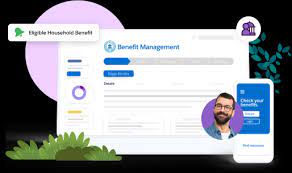
Salesforce Public Sector Solutions (PSS) represents a paradigm shift in government technology, offering purpose-built applications that combine the power of CRM with public sector operational needs. This comprehensive suite enables agencies to modernize constituent services while maintaining rigorous compliance standards. Core Differentiators Public Sector Solutions Architecture 1. Foundation Layer ![Government Cloud Infrastructure] 2. Government Data Model Standard Object Enhanced Capability Case Violation tracking, benefit eligibility Account Citizen/business entity differentiation Inspection Mobile checklist workflows 3. Prebuilt Applications Diagram Code Download License & Permits Dynamic Forms Fee Automation Grants Mgmt Application Portal Disbursement Tracking Key Solution Areas 🆘 Emergency Program Management 📑 License & Permit Management 🔍 Inspection Management 💰 Grants Management Implementation Framework Phased Rollout Approach Add-On Modules Proven Outcomes BioMADE Case StudyChallenge: 9-month grant approval cyclesSolution: PSS Grants Management + DocuSignResults: Local Government Impact python Copy Download # Productivity metrics after PSS adoption print(f”Case resolution time: {before_hrs}hrs → {after_hrs}hrs”) print(f”Constituent satisfaction: {before_score} → {after_score}”) Typical Output:Case resolution time: 72hrs → 18hrsConstituent satisfaction: 62% → 89% Why Governments Choose Salesforce “PSS allowed us to stand up pandemic relief programs in 11 days – something that previously took 11 months.”— State CIO, Northeast U.S. Like Related Posts Who is Salesforce? Who is Salesforce? Here is their story in their own words. From our inception, we’ve proudly embraced the identity of Read more Salesforce Marketing Cloud Transactional Emails Salesforce Marketing Cloud Transactional Emails are immediate, automated, non-promotional messages crucial to business operations and customer satisfaction, such as order Read more Salesforce Unites Einstein Analytics with Financial CRM Salesforce has unveiled a comprehensive analytics solution tailored for wealth managers, home office professionals, and retail bankers, merging its Financial Read more AI-Driven Propensity Scores AI plays a crucial role in propensity score estimation as it can discern underlying patterns between treatments and confounding variables Read more

Government customer service isn’t just about solving problems—it’s about building trust, efficiency, and accessibility for all citizens. That’s why innovations like Salesforce’s AI-powered Agentforce are transforming public sector operations. As reported in CX Today, 85% of Salesforce’s own customer inquiries are now resolved by Agentforce—proving that AI can dramatically reduce wait times, improve accuracy, and free up human agents for high-value tasks. What This Means for Government Agencies 1. Faster, More Accurate Citizen Services ✔ AI assistants can instantly handle common inquiries—benefits applications, tax questions, permit requests—reducing delays.✔ 24/7 self-service ensures citizens get answers anytime, without long hold times. 2. Empowered Public Sector Teams ✔ By automating routine tasks, employees focus on complex cases, policy work, and personalized support.✔ AI-driven insights help identify trends, improving service design and resource allocation. 3. Greater Efficiency & Cost Savings ✔ Reduced operational costs by minimizing manual processing.✔ Scalable solutions that adapt to demand spikes (e.g., tax season, emergencies). 4. Trust Through Transparency & Compliance ✔ Built-in audit trails, data security, and governance ensure AI aligns with public sector regulations.✔ Citizens gain clear, consistent, and accountable interactions. Agentforce: A Tailored Solution for Government Salesforce’s Agentforce is designed to meet the unique needs of the public sector, offering: 🔹 Automated Case Management – Smart routing, status tracking, and self-service portals.🔹 Real-Time Analytics – Predictive insights to anticipate citizen needs.🔹 Emergency Response Tools – Rapid communication during crises.🔹 Seamless Salesforce Integration – Leveraging Service Cloud, Marketing Cloud, and Einstein AI for end-to-end citizen engagement. The Future of Public Service is Here By integrating AI like Agentforce, governments can:✅ Deliver faster, more equitable services.✅ Optimize limited resources.✅ Restore public trust through transparency. The goal? A smarter, more responsive government that works better for everyone. Ready to transform your agency’s service delivery? Let’s discuss how AI can empower your team. #PublicSector #GovTech #AI #DigitalTransformation #CitizenExperience Like1 Related Posts Who is Salesforce? Who is Salesforce? Here is their story in their own words. From our inception, we’ve proudly embraced the identity of Read more Salesforce Marketing Cloud Transactional Emails Salesforce Marketing Cloud Transactional Emails are immediate, automated, non-promotional messages crucial to business operations and customer satisfaction, such as order Read more Salesforce Unites Einstein Analytics with Financial CRM Salesforce has unveiled a comprehensive analytics solution tailored for wealth managers, home office professionals, and retail bankers, merging its Financial Read more AI-Driven Propensity Scores AI plays a crucial role in propensity score estimation as it can discern underlying patterns between treatments and confounding variables Read more

Clinical trials are a cornerstone of drug development, yet they are often plagued by inefficiencies, long timelines, high costs, and challenges in patient recruitment and data analysis. Artificial intelligence (AI) is transforming this landscape by streamlining trial design, optimizing patient selection, and accelerating data analysis, ultimately enabling faster and more cost-effective treatment development. Optimizing Clinical Trials A study by the Tufts Center for the Study of Drug Development estimates that bringing a new drug to market costs an average of $2.6 billion, with clinical trials comprising a significant portion of that expense. “The time-consuming process of recruiting the right patients, collecting data, and manually analyzing it are major bottlenecks,” said Mohan Uttawar, co-founder and CEO of OneCell. AI is addressing these challenges by improving site selection, patient recruitment, and data analysis. Leveraging historical data, AI identifies optimal sites and patients with greater efficiency, significantly reducing costs and timelines. “AI offers several key advantages, from site selection to delivering results,” Uttawar explained. “By utilizing past data, AI can pinpoint the best trial sites and patients while eliminating unsuitable candidates, ensuring a more streamlined process.” One compelling example of AI’s impact is Exscientia, which designed a cancer immunotherapy molecule in under 12 months—a process that traditionally takes four to five years. This rapid development highlights AI’s potential to accelerate promising therapies from concept to patient testing. Enhancing Drug Development Beyond clinical trials, AI is revolutionizing the broader drug development process, particularly in refining trial protocols and optimizing site selection. “A major paradigm shift has emerged with AI, as these tools optimize trial design and execution by leveraging vast datasets and streamlining patient recruitment,” Uttawar noted. Machine learning plays a crucial role in biomarker discovery and patient stratification, essential for developing targeted therapies. By analyzing large datasets, AI uncovers patterns and insights that would be nearly impossible to detect manually. “The availability of large datasets through machine learning enables the development of powerful algorithms that provide key insights into patient stratification and targeted therapies,” Uttawar explained. The cost savings of AI-driven drug development are substantial. Traditional computational models can take five to six years to complete. In contrast, AI-powered approaches can shorten this timeline to just five to six months, significantly reducing costs. Regulatory and Ethical Considerations Despite its advantages, AI in clinical trials presents regulatory and ethical challenges. One primary concern is ensuring the robustness and validation of AI-generated data. “The regulatory challenges for AI-driven clinical trials revolve around the robustness of data used for algorithm development and its validation against existing methods,” Uttawar highlighted. To address these concerns, agencies like the FDA are working on frameworks to validate AI-driven insights and algorithms. “In the future, the FDA is likely to create an AI-based validation framework with guidelines for algorithm development and regulatory compliance,” Uttawar suggested. Data privacy and security are also crucial considerations, given the vast datasets needed to train AI models. Compliance with regulations such as HIPAA, ISO 13485, GDPR, and 21CFR Part 820 ensures data protection and security. “Regulatory frameworks are essential in defining security, compliance, and data privacy, making it mandatory for AI models to adhere to established guidelines,” Uttawar noted. AI also has the potential to enhance diversity in clinical trials by reducing biases in patient selection. By objectively analyzing data, AI can efficiently recruit diverse patient populations. “AI facilitates unbiased data analysis, ensuring diverse patient recruitment in a time-sensitive manner,” Uttawar added. “It reviews selection criteria and, based on vast datasets, provides data-driven insights to optimize patient composition.” Trends and Predictions The adoption of AI in clinical trials and drug development is expected to rise dramatically in the coming years. “In the next five years, 80-90% of all clinical trials will likely incorporate AI in trial design, data analysis, and regulatory submissions,” Uttawar predicted. Emerging applications, such as OneCell’s AI-based toolkit for predicting genomic signatures from high-resolution H&E Whole Slide Images, are particularly promising. This technology allows hospitals and research facilities to analyze medical images and identify potential cancer patients for targeted treatments. “This toolkit captures high-resolution images at 40X resolution and analyzes them using AI-driven algorithms to detect morphological changes,” Uttawar explained. “It enables accessible image analysis, helping physicians make more informed treatment decisions.” To fully realize AI’s potential in drug development, stronger collaboration between AI-focused companies and the pharmaceutical industry is essential. Additionally, regulatory frameworks must evolve to support AI validation and standardization. “Greater collaboration between AI startups and pharmaceutical companies is needed,” Uttawar emphasized. “From a regulatory standpoint, the FDA must establish frameworks to validate AI-driven data and algorithms, ensuring consistency with existing standards.” AI is already transforming drug development and clinical trials, enhancing efficiencies in site selection, patient recruitment, and data analysis. By accelerating timelines and cutting costs, AI is not only making drug development more sustainable but also increasing access to life-saving treatments. However, maximizing AI’s impact will require continued collaboration among technology innovators, pharmaceutical firms, and the regulatory bodies. As frameworks evolve to ensure data integrity, security, and compliance, AI-driven advancements will further shape the future of precision medicine—ultimately improving patient outcomes and redefining healthcare. Like Related Posts Who is Salesforce? Who is Salesforce? Here is their story in their own words. From our inception, we’ve proudly embraced the identity of Read more Salesforce Unites Einstein Analytics with Financial CRM Salesforce has unveiled a comprehensive analytics solution tailored for wealth managers, home office professionals, and retail bankers, merging its Financial Read more AI-Driven Propensity Scores AI plays a crucial role in propensity score estimation as it can discern underlying patterns between treatments and confounding variables Read more Tectonic’s Successful Salesforce Track Record Salesforce Technology Services Integrator – Tectonic has successfully delivered Salesforce in a variety of industries including Public Sector, Hospitality, Manufacturing, Read more

Selling has never been easy — and it’s not getting any simpler. Sales representatives are under constant pressure to research markets, navigate gatekeepers, and craft compelling pitches to win over decision-makers. But in today’s market, that’s not enough. Nearly 90% of business buyers expect personalized, insightful interactions — and delivering on that expectation requires more than persuasive messaging. It demands access to accurate, real-time data. The challenge? Sales reps often struggle to find the information they need. Instead of focusing on closing deals, they waste time chasing down customer data, piecing together fragmented insights, or working off outdated information. In fact: The root cause? Data silos. Data Silos are Crippling Sales Efficiency In most companies, critical customer data is scattered across: This fragmented data structure creates massive blind spots for sales teams. Consider this: The impact is costly — missed opportunities, slower deal cycles, and lost revenue. Without a unified approach to data management, sales teams remain limited by incomplete information, preventing them from delivering personalized, high-impact customer experiences. The Answer: Data Activation The solution isn’t just unifying your data — it’s activating it. Data activation means making your customer data accessible, actionable, and visible within your CRM so your sales team can use it in real-time. It eliminates the need to toggle between systems, request data from other teams, or work from static spreadsheets. Instead, activated data flows directly into the workflows and tools that your sales reps use every day — giving them everything they need to engage, sell, and close deals faster. Here’s what data activation looks like in practice: Data activation ensures that every team member works from the same, real-time, unified view of the customer — eliminating data silos and transforming sales productivity. Why Data Activation is a Game-Changer for Sales By bringing your unified data directly into your CRM, your sales team gains immediate access to valuable insights that drive better outcomes. Here are some powerful data types that become actionable through data activation: 1. Web Engagement Data Understand customer behavior based on their interactions with your website. Track which products or services they’ve browsed, downloaded, or engaged with — allowing your sales team to tailor conversations and offers accordingly. Use case: 2. Marketing Campaign Data Eliminate disjointed outreach by giving your sales team visibility into marketing campaigns. Sales reps can instantly see which emails, ads, or events a prospect engaged with — ensuring their outreach feels relevant, not redundant. Use case: 3. Consumption Data Track product usage, subscriptions, and consumption patterns from your ERP or product database. This data empowers sales reps to identify upsell and cross-sell opportunities or proactively prevent churn. Use case: 4. Unstructured Data (Emails, Call Logs, Chat Transcripts) Unlock insights from past customer interactions by analyzing emails, call center transcripts, chat logs, and even social media comments. Sales teams can use this data to understand sentiment, previous objections, and overall engagement history. Use case: 5. Billing and Subscription Data Integrate billing, purchase, and subscription information directly into your CRM. This allows sales reps to track contract renewals, upcoming billing cycles, or outstanding invoices — enabling more proactive and strategic outreach. Use case: 6. Third-Party Data for Enhanced Lead Scoring Enhance your lead scoring models with third-party data, such as firmographic information, buying intent signals, or demographic insights. This helps your team prioritize high-quality leads and drive faster conversions. Use case: Why Third-Party Data Tools Fall Short Many organizations attempt to solve their data challenges by investing in third-party data platforms like Snowflake, Databricks, or Redshift. While these tools excel at aggregating data, they introduce a new problem — they still create a data silo. The data sits outside of your CRM, meaning: This is why true data activation matters. It doesn’t just unify your data — it embeds it directly into your sales reps’ day-to-day tools, making insights instantly actionable. The Competitive Advantage of Data Activation By embracing data activation, your organization gains three major competitive advantages: ✅ 1. Increased Sales Productivity Sales reps no longer waste time tracking down information or switching between systems. With all customer data at their fingertips, they can spend more time building relationships and closing deals. ✅ 2. Enhanced Personalization at Scale With access to web behavior, campaign engagement, and product usage data, your team can personalize every interaction — at scale. This drives higher conversion rates and better customer experiences. ✅ 3. Smarter Forecasting and Planning By integrating billing, subscription, and past purchase data, sales managers gain accurate revenue forecasting and better visibility into growth opportunities. Activate Your Data. Unlock Your Revenue. The future of sales is not about more tools — it’s about better data accessibility. Data activation eliminates silos, unlocks powerful insights, and delivers real-time, actionable data directly into your CRM. This empowers your sales team to: The result? Faster sales, higher revenue, and exceptional customer experiences. Ready to activate your data and supercharge your sales performance? Start by bringing all your data — web, marketing, subscription, and service — directly into your CRM. Your sales team will thank you — and your revenue will show it. Like1 Related Posts Who is Salesforce? Who is Salesforce? Here is their story in their own words. From our inception, we’ve proudly embraced the identity of Read more Salesforce Marketing Cloud Transactional Emails Salesforce Marketing Cloud Transactional Emails are immediate, automated, non-promotional messages crucial to business operations and customer satisfaction, such as order Read more Salesforce Unites Einstein Analytics with Financial CRM Salesforce has unveiled a comprehensive analytics solution tailored for wealth managers, home office professionals, and retail bankers, merging its Financial Read more AI-Driven Propensity Scores AI plays a crucial role in propensity score estimation as it can discern underlying patterns between treatments and confounding variables Read more


