Ransomware Resilience: Protecting Your Business in an Era of Escalating Threats
A message of independence from Tectonic.
The Rising Cost of Ransomware Attacks
Ransomware remains one of the most disruptive cyber threats facing businesses today. This malicious software encrypts critical data, holding it hostage until a ransom is paid—often in untraceable cryptocurrency. While attack rates have slightly declined, the financial impact has surged dramatically:
- 59% of organizations were targeted by ransomware last year
- Average recovery costs (excluding ransom payments) soared to $2.73M—a 50% increase from 2023
- Downtime costs are typically 5–10x higher than the ransom itself
- Only 57% of compromised data is ever fully recovered
For SaaS-dependent businesses, the stakes are even higher. Data isn’t just information—it’s the foundation of operations, customer trust, and AI-driven decision-making.
Why Backups Are a Double-Edged Sword in Ransomware Defense
Backups are the most effective way to recover from an attack—but they’re also a prime target for cybercriminals.
- 94% of ransomware victims reported backup systems were targeted
- 57% of those attacks succeeded in compromising backups
“When attackers cripple backups, victims lose their ability to restore data—dramatically increasing pressure to pay the ransom.”
— Sophos
Despite these risks, many companies remain unprepared:
- Nearly 50% test backup recoverability twice a year or less
- Only 35% enforce strict 3-2-1 backup rules (3 copies, 2 media types, 1 offsite)
6 Essential Safeguards for Ransomware-Resilient Backups
1. Cloud Infrastructure with Built-In Security
- Choose backup solutions hosted on secure, enterprise-grade platforms (e.g., AWS, Azure)
- Verify providers leverage immutable storage (WORM—Write Once, Read Many) to prevent tampering
2. Real-Time Monitoring & Anomaly Detection
- Deploy AI-driven logging to flag suspicious activity (e.g., mass file deletions, unusual login attempts)
- Ensure 24/7 SOC oversight for rapid incident response
3. End-to-End Encryption
- 98% of encrypted backups are recovered safely—without data exposure
- Demand AES-256 encryption (at rest and in transit) from providers
4. Frequent, Automated Recovery Testing
- Simulate attacks quarterly to verify restore capabilities
- Prioritize solutions with automated integrity checks
5. Precision Recovery to Minimize Downtime
- Avoid “all-or-nothing” restores—seek granular recovery (single files, objects, or records)
- Ensure cross-object relationships (e.g., Salesforce metadata) remain intact post-recovery
6. Third-Party Audits & Compliance
- Require SOC 2 Type II, ISO 27001, or FedRAMP certifications
- Align with emerging regulations (e.g., SEC Cyber Rules, DORA for EU firms)
How Salesforce Backup & Recover Strengthens Resilience
Salesforce Backup & Recover embeds security at every layer:
✔ Military-Grade Encryption – AES-256 protection for all backup data
✔ Immutable Storage – Tamper-proof backups on AWS
✔ Granular Recovery – Restore individual records without overwriting live data
✔ Proactive Monitoring – AI-driven alerts for abnormal activity
✔ Compliance-Ready – SOC 2, ISO 27001, and GDPR-aligned
“After a ransomware attack locked our CRM, we restored 12TB of Salesforce data in under 4 hours—no ransom paid.”
— CISO, Fortune 500 Manufacturing Firm
The Bottom Line: Resilience Beats Ransom
Paying ransoms funds criminal networks and offers no guarantee of data return. The only reliable strategy is proactive defense:
- Isolate backups from primary networks
- Test restores quarterly
- Encrypt everything
- Partner with certified providers
In today’s threat-heavy world, data resilience isn’t optional—it’s survival.
🔔🔔 Follow us on LinkedIn 🔔🔔

Who is Salesforce? Here is their story in their own words. From our inception, we've proudly embraced the identity of Read more
Salesforce Marketing Cloud Transactional Emails are immediate, automated, non-promotional messages crucial to business operations and customer satisfaction, such as order Read more

Salesforce has unveiled a comprehensive analytics solution tailored for wealth managers, home office professionals, and retail bankers, merging its Financial Read more
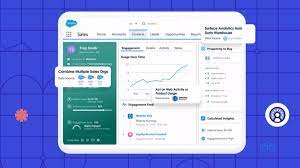
AI plays a crucial role in propensity score estimation as it can discern underlying patterns between treatments and confounding variables Read more