
Google Archives - gettectonic.com - Page 10
Ready or Not Here AI Agents Come

Ready or Not Here AI Agents Come

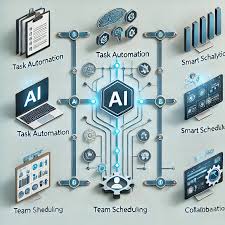
As organizations embrace the growing presence of AI agents, leaders must address concerns about allowing autonomous systems to operate in sensitive environments. AI agents, often viewed as the future of how enterprises deploy large language models, raise important questions around security and identity management. The rise of agentic AI has been notable in 2024, with Google launching its Vertex AI Agents, Salesforce introducing Agentforce, and AWS rolling out the re Agent for Amazon Bedrock. These agents promise to deliver significant value by executing tasks using natural language commands, reasoning through the best solutions, and taking action without human intervention. However, as Katie Norton, research manager for DevSecOps & Software Supply Chain Security at IDC, highlighted at Venafi’s Machine Identity Conference, AI agents present unique security challenges. Unlike robotic process automation (RPA), AI agents act autonomously, creating a need for secure machine identities, especially as they access sensitive data across multiple systems. Matt McLarty, CTO at Boomi, added that the complexity of managing agentic AI revolves around ensuring proper authentication and authorization. He pointed out scenarios where agents dynamically interact with systems, such as opening support tickets, which require secure verification of agent access rights. While these agents offer significant potential, businesses are not yet prepared to issue credentials for autonomous agents, according to McLarty. The current reliance on existing authentication and authorization systems needs to evolve to support these new AI capabilities. He also emphasized the importance of pairing agents with human oversight, ensuring that access and actions are traceable. As AI advances into its third wave, characterized by autonomous agents capable of reasoning and action, companies need to rethink their approaches to workforce collaboration. These agents will handle low-value, time-consuming tasks, while human workers focus on strategic initiatives. In sales, for example, AI agents will manage customer interactions, schedule meetings, and resolve basic issues, allowing salespeople to build deeper relationships. At Dreamforce 2024, Salesforce unveiled Agentforce, a platform that empowers organizations to build and deploy customized AI agents across service, sales, marketing, and commerce. This suite aims to increase efficiency, productivity, and customer satisfaction. However, for AI agents to succeed, they must complement human skills and operate within established guardrails. Organizations need to implement audit trails to ensure accountability and develop training programs for employees to effectively collaborate with AI. Ultimately, the future of work will feature a hybrid workforce where humans and AI agents work together to drive innovation and success. As companies move forward, they must ensure AI agents understand their limits and recognize when human intervention is necessary. This balance between AI-driven efficiency and human oversight will enable businesses to thrive in an ever-evolving landscape. Like Related Posts Who is Salesforce? Who is Salesforce? Here is their story in their own words. From our inception, we’ve proudly embraced the identity of Read more Salesforce Marketing Cloud Transactional Emails Salesforce Marketing Cloud Transactional Emails are immediate, automated, non-promotional messages crucial to business operations and customer satisfaction, such as order Read more Salesforce Unites Einstein Analytics with Financial CRM Salesforce has unveiled a comprehensive analytics solution tailored for wealth managers, home office professionals, and retail bankers, merging its Financial Read more AI-Driven Propensity Scores AI plays a crucial role in propensity score estimation as it can discern underlying patterns between treatments and confounding variables Read more

Read More
AI Productivity Paradox

AI Productivity Paradox

The AI Productivity Paradox: Why Aren’t More Workers Using AI Tooks Like ChatGPT?The Real Barrier Isn’t Technical Skills — It’s Time to Think Despite the transformative potential of tools like ChatGPT, most knowledge workers aren’t utilizing them effectively. Those who do tend to use them for basic tasks like summarization. Less than 5% of ChatGPT’s user base subscribes to the paid Plus version, indicating that a small fraction of potential professional users are tapping into AI for more complex, high-value tasks. Having spent over a decade building AI products at companies such as Google Brain and Shopify Ads, the evolution of AI has been clearly evident. With the advent of ChatGPT, AI has transitioned from being an enhancement for tools like photo organizers to becoming a significant productivity booster for all knowledge workers. Most executives are aware that today’s buzz around AI is more than just hype. They’re eager to make their companies AI-forward, recognizing that it’s now more powerful and user-friendly than ever. Yet, despite this potential and enthusiasm, widespread adoption remains slow. The real issue lies in how organizations approach work itself. Systemic problems are hindering the integration of these tools into the daily workflow. Ultimately, the question executives need to ask isn’t, “How can we use AI to work faster? Or can this feature be built with AI?” but rather, “How can we use AI to create more value? What are the questions we should be asking but aren’t?” Real-world ImpactRecently, large language models (LLMs)—the technology behind tools like ChatGPT—were used to tackle a complex data structuring and analysis task. This task would typically require a cross-functional team of data analysts and content designers, taking a month or more to complete. Here’s what was accomplished in just one day using Google AI Studio: However, the process wasn’t just about pressing a button and letting AI do all the work. It required focused effort, detailed instructions, and multiple iterations. Hours were spent crafting precise prompts, providing feedback, and redirecting the AI when it went off course. In this case, the task was compressed from a month-long process to a single day. While it was mentally exhausting, the result wasn’t just a faster process—it was a fundamentally better and different outcome. The LLMs uncovered nuanced patterns and edge cases within the data that traditional analysis would have missed. The Counterintuitive TruthHere lies the key to understanding the AI productivity paradox: The success in using AI was possible because leadership allowed for a full day dedicated to rethinking data processes with AI as a thought partner. This provided the space for deep, strategic thinking, exploring connections and possibilities that would typically take weeks. However, this quality-focused work is often sacrificed under the pressure to meet deadlines. Ironically, most people don’t have time to figure out how they could save time. This lack of dedicated time for exploration is a luxury many product managers (PMs) can’t afford. Under constant pressure to deliver immediate results, many PMs don’t have even an hour for strategic thinking. For many, the only way to carve out time for this work is by pretending to be sick. This continuous pressure also hinders AI adoption. Developing thorough testing plans or proactively addressing AI-related issues is viewed as a luxury, not a necessity. This creates a counterproductive dynamic: Why use AI to spot issues in documentation if fixing them would delay launch? Why conduct further user research when the direction has already been set from above? Charting a New Course — Investing in PeopleProviding employees time to “figure out AI” isn’t enough; most need training to fully understand how to leverage ChatGPT beyond simple tasks like summarization. Yet the training required is often far less than what people expect. While the market is flooded with AI training programs, many aren’t suitable for most employees. These programs are often time-consuming, overly technical, and not tailored to specific job functions. The best results come from working closely with individuals for brief periods—10 to 15 minutes—to audit their current workflows and identify areas where LLMs could be used to streamline processes. Understanding the technical details behind token prediction isn’t necessary to create effective prompts. It’s also a myth that AI adoption is only for those with technical backgrounds under 40. In fact, attention to detail and a passion for quality work are far better indicators of success. By setting aside biases, companies may discover hidden AI enthusiasts within their ranks. For example, a lawyer in his sixties, after just five minutes of explanation, grasped the potential of LLMs. By tailoring examples to his domain, the technology helped him draft a law review article he had been putting off for months. It’s likely that many companies already have AI enthusiasts—individuals who’ve taken the initiative to explore LLMs in their work. These “LLM whisperers” could come from any department: engineering, marketing, data science, product management, or customer service. By identifying these internal innovators, organizations can leverage their expertise. Once these experts are found, they can conduct “AI audits” of current workflows, identify areas for improvement, and provide starter prompts for specific use cases. These internal experts often better understand the company’s systems and goals, making them more capable of spotting relevant opportunities. Ensuring Time for ExplorationBeyond providing training, it’s crucial that employees have the time to explore and experiment with AI tools. Companies can’t simply tell their employees to innovate with AI while demanding that another month’s worth of features be delivered by Friday at 5 p.m. Ensuring teams have a few hours a month for exploration is essential for fostering true AI adoption. Once the initial hurdle of adoption is overcome, employees will be able to identify the most promising areas for AI investment. From there, organizations will be better positioned to assess the need for more specialized training. ConclusionThe AI productivity paradox is not about the complexity of the technology but rather how organizations approach work and innovation. Harnessing AI’s potential is simpler than “AI influencers” often suggest, requiring only

Read More
AI platform for automated task management

AI platform for automated task management

Salesforce Doubles Down on AI Innovation with Agentforce Salesforce, renowned for its CRM software used by over 150,000 businesses, including Amazon and Walmart, continues to push the boundaries of innovation. Beyond its flagship CRM, Salesforce also owns Slack, the popular workplace communication app. Now, the company is taking its AI capabilities to the next level with Agentforce—a platform that empowers businesses to build and deploy AI-powered digital agents for automating tasks such as creating sales reports and summarizing Slack conversations. What Problem Does Agentforce Solve? Salesforce has been leveraging AI for years, starting with the launch of Einstein in 2016. Einstein’s initial capabilities were limited to basic, scriptable tasks. However, the rise of generative AI created an opportunity to tackle more complex challenges, enabling tools to make smarter decisions and interpret natural language. This evolution led to a series of innovations—Einstein GPT, Einstein Copilot, and now Agentforce—a flexible platform offering prebuilt and customizable agents designed to meet diverse business needs. “Our customers wanted more. Some wanted to tweak the agents we offer, while others wanted to create their own,” said Tyler Carlson, Salesforce’s VP of Business Development. The Technology Behind Agentforce Agentforce is powered by Salesforce’s Atlas Reasoning Engine, developed in-house to drive smarter decision-making. The platform integrates with AI models from leading providers like OpenAI, Anthropic, Amazon, and Google, offering businesses a variety of tools to choose from. Slack, which Salesforce acquired in 2021, plays a pivotal role as a testing ground for these AI agents. Currently in beta, Agentforce’s Slack integration allows businesses to implement automations directly where employees work, enhancing usability. “Slack makes these tools easy to use and accessible,” Carlson noted. How Agentforce Stands Out Customizing AI for Business Needs With tools like Agentbuilder, businesses can create AI agents tailored to specific tasks. For instance, an agent could prioritize and sort incoming emails, respond to HR inquiries, or handle customer support using internal data. One standout example is Salesforce’s partnership with Workday to develop an AI-powered service agent for employee questions. Driving Results and Adoption Salesforce has already seen promising results from early trials, with Agentforce resolving 90% of customer inquiries autonomously. The company aims to expand adoption and functionality, allowing these agents to handle even larger workloads. “We’re building a bigger ecosystem of partners and skills,” Carlson emphasized. “By next year, we want Agentforce to be a must-have for businesses.” With Agentforce, Salesforce continues to cement its role as a leader in AI innovation, helping businesses work smarter, faster, and more effectively. Like Related Posts Who is Salesforce? Who is Salesforce? Here is their story in their own words. From our inception, we’ve proudly embraced the identity of Read more Salesforce Marketing Cloud Transactional Emails Salesforce Marketing Cloud Transactional Emails are immediate, automated, non-promotional messages crucial to business operations and customer satisfaction, such as order Read more Salesforce Unites Einstein Analytics with Financial CRM Salesforce has unveiled a comprehensive analytics solution tailored for wealth managers, home office professionals, and retail bankers, merging its Financial Read more AI-Driven Propensity Scores AI plays a crucial role in propensity score estimation as it can discern underlying patterns between treatments and confounding variables Read more

Read More
AI Agent Rivalry

AI Agent Rivalry

Microsoft and Salesforce’s AI Agent Rivalry Heats Up The battle for dominance in the AI agent space has escalated, with Salesforce CEO Marc Benioff intensifying his criticism of Microsoft’s AI solutions. Following remarks at Dreamforce 2024, Benioff took to X (formerly Twitter) to call out Microsoft for what he called “rebranding Copilot as ‘agents’ in panic mode.” The AI Agent rivalry winner may be determined not by flashy features but by delivering tangible, transformative outcomes for businesses navigating the complexities of AI adoption. AI Agent Rivalry. Benioff didn’t hold back, labeling Microsoft’s Copilot as “a flop”, citing issues like data leaks, inaccuracies, and requiring customers to build their own large language models (LLMs). In contrast, he touted Salesforce’s Agentforce as a solution that autonomously drives sales, service, marketing, analytics, and commerce without the complications he attributes to Microsoft’s offerings. Microsoft’s Copilot: A New UI for AI Microsoft recently unveiled new autonomous agent capabilities for Copilot Studio and Dynamics 365, positioning these agents as tools to enhance productivity across teams and functions. CEO Satya Nadella described Copilot as “the UI for AI” and emphasized its flexibility, allowing businesses to create, manage, and integrate agents seamlessly. Despite the fanfare, Benioff dismissed Copilot’s updates, likening it to “Clippy 2.0” and claiming it fails to deliver accuracy or transformational impact. Salesforce Expands Agentforce with Strategic Partnerships At Dreamforce 2024, Salesforce unveiled its Agentforce Partner Network, a global ecosystem featuring collaborators like AWS, Google Cloud, IBM, and Workday. The move aims to bolster the capabilities of Agentforce, Salesforce’s AI-driven platform that delivers tailored, autonomous business solutions. Agentforce allows businesses to deploy customizable agents without complex coding. With features like the Agent Builder, users can craft workflows and instructions in natural language, making the platform accessible to both technical and non-technical teams. Flexibility and Customization: Salesforce vs. Microsoft Both Salesforce and Microsoft emphasize AI’s transformative potential, but their approaches differ: Generative AI vs. Predictive AI Salesforce has doubled down on generative AI, with Einstein GPT producing personalized content using CRM data while also providing predictive analytics to forecast customer behavior and sales outcomes. Microsoft, on the other hand, combines generative and predictive AI across its ecosystem. Copilot not only generates content but also performs autonomous decision-making in Dynamics 365 and Azure, positioning itself as a comprehensive enterprise solution. The Rise of Multi-Agent AI Systems The competition between Microsoft and Salesforce reflects a broader trend in AI-driven automation. Companies like OpenAI are experimenting with frameworks like Swarm, which simplifies the creation of interconnected AI agents for tasks such as lead generation and marketing campaign development. Similarly, startups like DevRev are introducing conversational AI builders to design custom agents, offering enterprises up to 95% task accuracy without the need for coding. What Lies Ahead in the AI Agent Landscape? As Salesforce and Microsoft push the boundaries of AI integration, businesses are evaluating these tools for their flexibility, customization, and impact on operations. While Salesforce leads in CRM-focused AI, Microsoft’s integrated approach appeals to enterprises seeking cross-functional AI solutions. In the end, the winner may be determined not by flashy features but by delivering tangible, transformative outcomes for businesses navigating the complexities of AI adoption. AI Agent Rivalry. Like Related Posts Who is Salesforce? Who is Salesforce? Here is their story in their own words. From our inception, we’ve proudly embraced the identity of Read more Salesforce Marketing Cloud Transactional Emails Salesforce Marketing Cloud Transactional Emails are immediate, automated, non-promotional messages crucial to business operations and customer satisfaction, such as order Read more Salesforce Unites Einstein Analytics with Financial CRM Salesforce has unveiled a comprehensive analytics solution tailored for wealth managers, home office professionals, and retail bankers, merging its Financial Read more AI-Driven Propensity Scores AI plays a crucial role in propensity score estimation as it can discern underlying patterns between treatments and confounding variables Read more
Read More
Where LLMs Fall Short

LLM Economies

Throughout history, disruptive technologies have been the catalyst for major social and economic revolutions. The invention of the plow and irrigation systems 12,000 years ago sparked the Agricultural Revolution, while Johannes Gutenberg’s 15th-century printing press fueled the Protestant Reformation and helped propel Europe out of the Middle Ages into the Renaissance. In the 18th century, James Watt’s steam engine ushered in the Industrial Revolution. More recently, the internet has revolutionized communication, commerce, and information access, shrinking the world into a global village. Similarly, smartphones have transformed how people interact with their surroundings. Now, we stand at the dawn of the AI revolution. Large Language Models (LLMs) represent a monumental leap forward, with significant economic implications at both macro and micro levels. These models are reshaping global markets, driving new forms of currency, and creating a novel economic landscape. The reason LLMs are transforming industries and redefining economies is simple: they automate both routine and complex tasks that traditionally require human intelligence. They enhance decision-making processes, boost productivity, and facilitate cost reductions across various sectors. This enables organizations to allocate human resources toward more creative and strategic endeavors, resulting in the development of new products and services. From healthcare to finance to customer service, LLMs are creating new markets and driving AI-driven services like content generation and conversational assistants into the mainstream. To truly grasp the engine driving this new global economy, it’s essential to understand the inner workings of this disruptive technology. These posts will provide both a macro-level overview of the economic forces at play and a deep dive into the technical mechanics of LLMs, equipping you with a comprehensive understanding of the revolution happening now. Why Now? The Connection Between Language and Human Intelligence AI did not begin with ChatGPT’s arrival in November 2022. Many people were developing machine learning classification models in 1999, and the roots of AI go back even further. Artificial Intelligence was formally born in 1950, when Alan Turing—considered the father of theoretical computer science and famed for cracking the Nazi Enigma code during World War II—created the first formal definition of intelligence. This definition, known as the Turing Test, demonstrated the potential for machines to exhibit human-like intelligence through natural language conversations. The test involves a human evaluator who engages in conversations with both a human and a machine. If the evaluator cannot reliably distinguish between the two, the machine is considered to have passed the test. Remarkably, after 72 years of gradual AI development, ChatGPT simulated this very interaction, passing the Turing Test and igniting the current AI explosion. But why is language so closely tied to human intelligence, rather than, for example, vision? While 70% of our brain’s neurons are devoted to vision, OpenAI’s pioneering image generation model, DALL-E, did not trigger the same level of excitement as ChatGPT. The answer lies in the profound role language has played in human evolution. The Evolution of Language The development of language was the turning point in humanity’s rise to dominance on Earth. As Yuval Noah Harari points out in his book Sapiens: A Brief History of Humankind, it was the ability to gossip and discuss abstract concepts that set humans apart from other species. Complex communication, such as gossip, requires a shared, sophisticated language. Human language evolved from primitive cave signs to structured alphabets, which, along with grammar rules, created languages capable of expressing thousands of words. In today’s digital age, language has further evolved with the inclusion of emojis, and now with the advent of GenAI, tokens have become the latest cornerstone in this progression. These shifts highlight the extraordinary journey of human language, from simple symbols to intricate digital representations. In the next post, we will explore the intricacies of LLMs, focusing specifically on tokens. But before that, let’s delve into the economic forces shaping the LLM-driven world. The Forces Shaping the LLM Economy AI Giants in Competition Karl Marx and Friedrich Engels argued that those who control the means of production hold power. The tech giants of today understand that AI is the future means of production, and the race to dominate the LLM market is well underway. This competition is fierce, with industry leaders like OpenAI, Google, Microsoft, and Facebook battling for supremacy. New challengers such as Mistral (France), AI21 (Israel), and Elon Musk’s xAI and Anthropic are also entering the fray. The LLM industry is expanding exponentially, with billions of dollars of investment pouring in. For example, Anthropic has raised $4.5 billion from 43 investors, including major players like Amazon, Google, and Microsoft. The Scarcity of GPUs Just as Bitcoin mining requires vast computational resources, training LLMs demands immense computing power, driving a search for new energy sources. Microsoft’s recent investment in nuclear energy underscores this urgency. At the heart of LLM technology are Graphics Processing Units (GPUs), essential for powering deep neural networks. These GPUs have become scarce and expensive, adding to the competitive tension. Tokens: The New Currency of the LLM Economy Tokens are the currency driving the emerging AI economy. Just as money facilitates transactions in traditional markets, tokens are the foundation of LLM economics. But what exactly are tokens? Tokens are the basic units of text that LLMs process. They can be single characters, parts of words, or entire words. For example, the word “Oscar” might be split into two tokens, “os” and “car.” The performance of LLMs—quality, speed, and cost—hinges on how efficiently they generate these tokens. LLM providers price their services based on token usage, with different rates for input (prompt) and output (completion) tokens. As companies rely more on LLMs, especially for complex tasks like agentic applications, token usage will significantly impact operational costs. With fierce competition and the rise of open-source models like Llama-3.1, the cost of tokens is rapidly decreasing. For instance, OpenAI reduced its GPT-4 pricing by about 80% over the past year and a half. This trend enables companies to expand their portfolio of AI-powered products, further fueling the LLM economy. Context Windows: Expanding Capabilities

Read More
salesforce einstein insights

Salesforce Einstein Conversation Insights

Unlocking Einstein Conversation Insights in Salesforce: Setup, Integration, and Customization In this insight, we’ll guide you through setting up Einstein Conversation Insights in Salesforce, integrating it with platforms like Zoom, managing permissions, and customizing the dataflow schedule for optimal performance. As a marketer from way back when, little gets me as excited about the future of technology than marketing tools that make us smarter and faster. What is Einstein Conversation Insights? Einstein Conversation Insights (ECI) empowers teams to analyze and identify patterns, phrases, and areas of focus within voice and video interactions. By tracking terms and extracting actionable insights, managers and representatives can prioritize follow-ups and improve decision-making through detailed call logs and actionable dashboards. No longer are we hampered by the limitations of written text! Step 1: Enabling Einstein Conversation Insights To begin utilizing Einstein Conversation Insights: Step 2: Assigning Permissions To grant users access to ECI: Step 3: Connecting Recording Providers Voice Recording Providers To analyze call recordings: Video Recording Providers For video analysis, integrate your conferencing platform: Setting Up Zoom Integration To integrate Salesforce with Zoom: Once complete, users will need to link their Zoom accounts individually. A message will confirm successful setup. Click Take me there to finalize the connection. Step 4: Exploring the Conversation Insights App After linking your Zoom account, visit the Conversation Insights App under the Analytics tab. This app provides a comprehensive view of call details, recordings, and actionable insights, empowering teams to focus on strategic improvements. Step 5: Customizing Dataflow Schedule By default, ECI updates its dataflow every eight hours, refreshing your dashboards with new insights. To modify this schedule: Frequently Asked Questions 1. What are the benefits of Einstein Conversation Insights?Einstein Conversation Insights automates the transcription and analysis of calls, identifies trends, and recommends next steps to accelerate sales cycles and free up sales staff to focus on opportunity closing efforts. 2. Does ECI record calls?No, ECI does not record calls. Instead, it analyzes existing recordings from connected providers to generate insights. 3. Are there any limitations?Yes, Salesforce allows up to 100 custom insights, with each insight accommodating a maximum of 25 keywords, each up to 255 characters long. Conclusion Einstein Conversation Insights is a game-changing tool that analyzes voice and video interactions to provide actionable insights, empowering teams to make data-driven decisions. By integrating with Salesforce and platforms like Zoom, you can effortlessly track call details, identify trends, and streamline workflows. Customizing your dataflow schedule ensures your dashboards always reflect the latest information, enhancing efficiency and enabling timely decision-making. Ready to take your insights further? Start integrating Einstein Conversation Insights today! By Tectonic MarketingOpps Director, Shannan Hearne Like Related Posts Who is Salesforce? Who is Salesforce? Here is their story in their own words. From our inception, we’ve proudly embraced the identity of Read more Salesforce Marketing Cloud Transactional Emails Salesforce Marketing Cloud Transactional Emails are immediate, automated, non-promotional messages crucial to business operations and customer satisfaction, such as order Read more Salesforce Unites Einstein Analytics with Financial CRM Salesforce has unveiled a comprehensive analytics solution tailored for wealth managers, home office professionals, and retail bankers, merging its Financial Read more AI-Driven Propensity Scores AI plays a crucial role in propensity score estimation as it can discern underlying patterns between treatments and confounding variables Read more

Read More

AI’s Impact on Future Information Ecosystems

AI’s Impact on Future Information Ecosystems The proliferation of generative AI technology has ignited a renewed focus within the media industry on how to strategically adapt to its capabilities. Media professionals are now confronted with crucial questions: What are the most effective ways to leverage this technology for efficiency in news production and to enhance audience experiences? Conversely, what threats do these technological advancements pose? Is legacy media on the brink of yet another wave of disintermediation from its audiences? Additionally, how does the evolution of technology impact journalism ethics? AI’s Impact on Future Information Ecosystems. In response to these challenges, the Open Society Foundations (OSF) launched the AI in Journalism Futures project earlier this year. The first phase of this ambitious initiative involved an open call for participants to develop future-oriented scenarios that explore the potential driving forces and implications of AI within the broader media ecosystem. The project sought to answer questions about what might transpire among various stakeholders in 5, 10, or 15 years. As highlighted by Nick Diakopoulos, scenarios are a valuable method for capturing a diverse range of perspectives on complex issues. While predicting the future is not the goal, understanding a variety of plausible alternatives can significantly inform current strategic thinking. Ultimately, more than 800 individuals from approximately 70 countries contributed short scenarios for analysis. The AI in Journalism Futures project subsequently utilized these scenarios as a foundation for a workshop, which refined the ideas outlined in their report. Diakopoulos emphasizes the importance of examining this broad set of initial scenarios, which OSF graciously provided in anonymized form. This analysis specifically explores (1) the various types of impacts identified within the scenarios, (2) the associated timeframes for these impacts—whether they are short, medium, or long-term, and (3) the global differences in focus across regions, highlighting how different parts of the world emphasized distinct types of impacts. While many additional questions could be explored regarding this data—such as the drivers of impacts, final outcomes, severity, stakeholders involved, or technical capabilities emphasized—this analysis focuses primarily on impacts. Refining the Data The initial pool of 872 scenarios underwent a rigorous process of cleaning, filtering, transformation, and verification before analysis. Firstly, scenarios shorter than 50 words were excluded from consideration, resulting in 852 scenarios for analysis. Additionally, 14 scenarios that were not written in English were translated using Google Sheets. To enable geographic and temporal analysis, the country of origin for each scenario writer was mapped to their respective continents, and the free-text “timeframe” field was converted into numerical representations of years. Next, impacts were extracted from each scenario using an LLM (GPT-4 in this case). The prompts for the LLM were refined through iteration, with a clear definition established for what constitutes an “impact.” Diakopoulos defined an impact as “a significant effect, consequence, or outcome that an action, event, or other factor has in the scenario.” This definition encompasses not only the ultimate state of a scenario but also intermediate outcomes. The LLM was instructed to extract distinct impacts, with each impact represented by a one-sentence description and a short label. For instance, one impact could be described as, “The proliferation of flawed AI systems leads to a compromised information ecosystem, causing a general doubt in the reliability of all information,” labeled as “Compromised Information Ecosystem.” To ensure the accuracy of this extraction process, a random sample of five scenarios was manually reviewed to validate the extracted impacts against the established definition. All extracted impacts passed the checks, leading to confidence in scaling the analysis across the entire dataset. This process resulted in the identification of 3,445 impacts from the 852 scenarios. AI’s Impact on Future Information Ecosystems A typology of impact types was developed based on the 3,445 impact descriptions, utilizing a novel method for qualitative thematic analysis from a Stanford University study. This approach clusters input texts, synthesizes concepts that reflect abstract connections, and produces scoring definitions to assess the relevance of each original text. For example, a concept like “AI Personalization” might be defined by the question, “Does the text discuss how AI personalizes content or enhances user engagement?” Each impact description was then scored against these concepts to tabulate occurrence frequencies. Impacts of AI on Media Ecosystems Through this analytical approach, 19 impact themes emerged, along with their corresponding scoring definitions: Interestingly, many scenarios articulated themes around how AI intersects with fact-checking, trust, misinformation, ethics, labor concerns, and evolving business models. Although some concepts may not be entirely distinct, this categorization offers a meaningful overview of the key ideas represented in the data. Distribution of Impact Themes Comparing these findings with those in the OSF report reveals some discrepancies. For instance, while the report emphasizes personalization and misinformation, these themes were less prevalent in the analyzed scenarios. Moreover, themes such as the rise of AI agents and audience fragmentation were mentioned but did not cluster significantly in the analysis. To capture potentially interesting but less prevalent impacts, the clustering was rerun with a smaller minimum cluster size. This adjustment yielded hundreds more concept themes, revealing insights into longer-tail issues. Positive visions for generative AI included reduced language barriers and increased accessibility for marginalized audiences, while concerns about societal fragmentation and privacy were also raised. Impacts Over Time and Around the World The analysis also explored how the impacts varied based on the timeframe selected by writers and their geographic locations. Using a Chi-Squared test, it was determined that “AI Personalization” trends towards long-term implications, while both “AI Fact-Checking” and “AI and Misinformation” skew toward shorter-term issues. This suggests that scenario writers perceive misinformation impacts as imminent threats, likely reflecting ongoing developments in the media landscape. When examining the distribution of impacts by region, it was found that “AI Fact-Checking” was more frequently noted by writers from Africa and Asia, while “AI and Misinformation” was less prevalent in scenarios from African writers but more so in those from Asian contributors. This indicates a divergence in perspectives on AI’s role in the media ecosystem.

Read More
AI Research Agents

AI Research Agents

AI Research Agents: Transforming Knowledge Discovery by 2025 (Plus the Top 3 Free Tools) The research world is on the verge of a groundbreaking shift, driven by the evolution of AI research agents. By 2025, these agents are expected to move beyond being mere tools to becoming transformative assets for knowledge discovery, revolutionizing industries such as marketing, science, and beyond. Human researchers are inherently limited—they cannot scan 10,000 websites in an hour or analyze data at lightning speed. AI agents, however, are purpose-built for these tasks, providing efficiency and insights far beyond human capabilities. Here, we explore the anticipated impact of AI research agents and highlight three free tools redefining this space (spoiler alert: it’s not ChatGPT or Perplexity!). AI Research Agents: The New Era of Knowledge Exploration By 2030, the AI research market is projected to skyrocket from .1 billion in 2024 to .1 billion. This explosive growth represents not just advancements in AI but a fundamental transformation in how knowledge is gathered, analyzed, and applied. Unlike traditional AI systems, which require constant input and supervision, AI research agents function more like dynamic research assistants. They adapt their approach based on outcomes, handle vast quantities of data, and generate actionable insights with remarkable precision. Key Differentiator: These agents leverage advanced Retrieval Augmented Generation (RAG) technology, ensuring accuracy by pulling verified data from trusted sources. Equipped with anti-hallucination algorithms, they maintain factual integrity while citing their sources—making them indispensable for high-stakes research. The Technology Behind AI Research Agents AI research agents stand out due to their ability to: For example, an AI agent can deliver a detailed research report in 30 minutes, a task that might take a human team days. Why AI Research Agents Matter Now The timing couldn’t be more critical. The volume of data generated daily is overwhelming, and human researchers often struggle to keep up. Meanwhile, Google’s focus on Experience, Expertise, Authoritativeness, and Trustworthiness (EEAT) has heightened the demand for accurate, well-researched content. Some research teams have already reported time savings of up to 70% by integrating AI agents into their workflows. Beyond speed, these agents uncover perspectives and connections often overlooked by human researchers, adding significant value to the final output. Top 3 Free AI Research Tools 1. Stanford STORM Overview: STORM (Synthesis of Topic Outlines through Retrieval and Multi-perspective Question Asking) is an open-source system designed to generate comprehensive, Wikipedia-style articles. Learn more: Visit the STORM GitHub repository. 2. CustomGPT.ai Researcher Overview: CustomGPT.ai creates highly accurate, SEO-optimized long-form articles using deep Google research or proprietary databases. Learn more: Access the free Streamlit app for CustomGPT.ai. 3. GPT Researcher Overview: This open-source agent conducts thorough research tasks, pulling data from both web and local sources to produce customized reports. Learn more: Visit the GPT Researcher GitHub repository. The Human-AI Partnership Despite their capabilities, AI research agents are not replacements for human researchers. Instead, they act as powerful assistants, enabling researchers to focus on creative problem-solving and strategic thinking. Think of them as tireless collaborators, processing vast amounts of data while humans interpret and apply the findings to solve complex challenges. Preparing for the AI Research Revolution To harness the potential of AI research agents, researchers must adapt. Universities and organizations are already incorporating AI training into their programs to prepare the next generation of professionals. For smaller labs and institutions, these tools present a unique opportunity to level the playing field, democratizing access to high-quality research capabilities. Looking Ahead By 2025, AI research agents will likely reshape the research landscape, enabling cross-disciplinary breakthroughs and empowering researchers worldwide. From small teams to global enterprises, the benefits are immense—faster insights, deeper analysis, and unprecedented innovation. As with any transformative technology, challenges remain. But the potential to address some of humanity’s biggest problems makes this an AI revolution worth embracing. Now is the time to prepare and make the most of these groundbreaking tools. Like Related Posts Who is Salesforce? Who is Salesforce? Here is their story in their own words. From our inception, we’ve proudly embraced the identity of Read more Salesforce Marketing Cloud Transactional Emails Salesforce Marketing Cloud Transactional Emails are immediate, automated, non-promotional messages crucial to business operations and customer satisfaction, such as order Read more Salesforce Unites Einstein Analytics with Financial CRM Salesforce has unveiled a comprehensive analytics solution tailored for wealth managers, home office professionals, and retail bankers, merging its Financial Read more AI-Driven Propensity Scores AI plays a crucial role in propensity score estimation as it can discern underlying patterns between treatments and confounding variables Read more

Read More
Democratize Data with Einstein Copilot for Tableau

What is Einstein in Tableau?

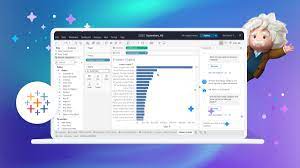
In the context of Tableau, “Einstein” refers to a suite of AI-powered features developed by Salesforce. These features, collectively known as Tableau Einstein, are designed to enhance Tableau’s capabilities by incorporating AI into various aspects of data analysis, from data preparation and visualization to prediction and recommendation.  Here’s a more detailed breakdown: In essence, Einstein in Tableau aims to empower users to make smarter decisions by incorporating AI into their data analysis workflows, providing insights, predictions, and recommendations that would otherwise be difficult or time-consuming to uncover manually. Like Related Posts Who is Salesforce? Who is Salesforce? Here is their story in their own words. From our inception, we’ve proudly embraced the identity of Read more Salesforce Marketing Cloud Transactional Emails Salesforce Marketing Cloud Transactional Emails are immediate, automated, non-promotional messages crucial to business operations and customer satisfaction, such as order Read more Salesforce Unites Einstein Analytics with Financial CRM Salesforce has unveiled a comprehensive analytics solution tailored for wealth managers, home office professionals, and retail bankers, merging its Financial Read more AI-Driven Propensity Scores AI plays a crucial role in propensity score estimation as it can discern underlying patterns between treatments and confounding variables Read more

Read More
Consider AI Agents Personas

Consider AI Agents Personas

Treating AI Agents as Personas: Introducing the Era of Agent-Computer Interaction The UX landscape is evolving. While the design community has quickly adopted Large Language Models (LLMs) as tools, we’ve yet to fully grasp their transformative potential. With AI agents now deeply embedded in digital products, they are shifting from tools to active participants in our digital ecosystems. This change demands a new design paradigm—one that views AI agents not just as extensions of human users but as independent personas in their own right. The Rise of Agent-Computer Interaction AI agents represent a new class of users capable of navigating interfaces autonomously and completing complex tasks. This marks the dawn of Agent-Computer Interaction (ACI)—a paradigm where user experience design encompasses the needs of both human users and AI agents. Humans still play a critical role in guiding and supervising these systems, but AI agents must now be treated as distinct personas with unique goals, abilities, and requirements. This shift challenges UX designers to consider how these agents interact with interfaces and perform their tasks, ensuring they are equipped with the information and resources necessary to operate effectively. Understanding AI Agents AI agents are intelligent systems designed to reason, plan, and work across platforms with minimal human intervention. As defined during Google I/O, these agents retain context, anticipate needs, and execute multi-step processes. Advances in AI, such as Anthropic’s Claude and its ability to interact with graphical interfaces, have unlocked new levels of agency. Unlike earlier agents that relied solely on APIs, modern agents can manipulate graphical user interfaces much like human users, enabling seamless interaction with browser-based applications. This capability creates opportunities for new forms of interaction but also demands thoughtful design choices. Two Interaction Approaches for AI Agents Design teams must evaluate these methods based on the task’s complexity and transparency requirements, striking the right balance between efficiency and oversight. Designing Experiences Considering AI Agents Personas As AI agents transition into active users, UX design must expand to accommodate their specific needs. Much like human personas, AI agents require a deep understanding of their capabilities, limitations, and workflows. Creating AI Agent Personas Developing personas for AI agents involves identifying their unique characteristics: These personas inform interface designs that optimize agent workflows, ensuring both agents and humans can collaborate effectively. New UX Research Methodologies UX teams should embrace innovative research techniques, such as A/B testing interfaces for agent performance and monitoring their interaction patterns. While AI agents lack sentience, they exhibit behaviors—reasoning, planning, and adapting—that require careful study and design consideration. Shaping the AI Mind AI agents derive their reasoning capabilities from Large Language Models (LLMs), but their behavior and effectiveness are shaped by UX design. Designers have a unique role in crafting system prompts and developing feedback loops that refine LLM behavior over time. Key Areas for Designer Involvement: This work positions UX professionals as co-creators of AI intelligence, shaping not just interfaces but the underlying behaviors that drive agent interactions. Keeping Humans in the Loop Despite the rise of AI agents, human oversight and control remain essential. UX practitioners must prioritize transparency and trust in agent-driven systems. Key Considerations: Using tools like agentic experience maps—blueprints that visualize the interactions between humans, agents, and products—designers can ensure AI systems remain human-centered. A New Frontier for UX The emergence of AI agents heralds a shift as significant as the transition from desktop to mobile. Just as mobile devices unlocked new opportunities for interaction, AI agents are poised to redefine digital experiences in ways we can’t yet fully predict. By embracing Agent-Computer Interaction, UX designers have an unprecedented opportunity to shape the future of human-AI collaboration. Those who develop expertise in designing for these intelligent agents will lead the way in creating systems that are not only powerful but also deeply human-centered. Like Related Posts Who is Salesforce? Who is Salesforce? Here is their story in their own words. From our inception, we’ve proudly embraced the identity of Read more Salesforce Unites Einstein Analytics with Financial CRM Salesforce has unveiled a comprehensive analytics solution tailored for wealth managers, home office professionals, and retail bankers, merging its Financial Read more AI-Driven Propensity Scores AI plays a crucial role in propensity score estimation as it can discern underlying patterns between treatments and confounding variables Read more Tectonic’s Successful Salesforce Track Record Salesforce Technology Services Integrator – Tectonic has successfully delivered Salesforce in a variety of industries including Public Sector, Hospitality, Manufacturing, Read more

Read More
Informed Decision-Making

Informed Decision-Making

Informed Decision-Making Through Data Visualization: Power BI vs. Tableau Today’s businesses need to make informed decisions by leveraging organized and analyzed data. Data visualization is a key method for extracting insights from this data, and Power BI and Tableau are two leading tools that often spark debate among experts. Both are highly regarded for their ability to visualize data, and CTOs frequently compare Power BI vs. Tableau to determine the best fit for their needs. Why Power BI and Tableau Stand OutBoth tools excel at data visualization, making them top choices for business intelligence (BI) solutions. They offer seamless integration with various platforms, can handle large volumes of data, and provide predictive analytics capabilities. To help CTOs and other decision-makers boost efficiency, let’s dive into a comparison of Power BI vs. Tableau and examine how each tool measures up. Power BI Microsoft’s Power BI is a leading BI tool designed to transform data from diverse sources into insightful visual reports. It allows users to create, share, and manage analytical reports, ensuring accessibility at all times. As part of the Microsoft ecosystem, Power BI is ideal for large organizations that already use Microsoft products. Tableau Tableau delivers powerful data visualization with flexible deployment options, allowing users to seamlessly access insights. With its integration into Salesforce Data Cloud, Tableau offers a fast and scalable way to work with customer data in real time. Its strong data-handling capabilities make it popular among larger organizations and data experts. Power BI vs. Tableau: Key Differences Let’s explore the key differences between Power BI and Tableau to guide your informed decision-making. Data Visualization and User Interface Data Integration and Connectivity for Informed Decision-Making Data Handling and Performance Ease of Learning Programming Tools Support Pricing Microsoft Power BI vs. Salesforce Tableau: Pros and Cons Power BI Pros Tableau Pros Which is Better: Power BI or Tableau? When comparing Microsoft Power BI vs. Tableau, the right choice depends on your organization’s size, technical expertise, and specific needs. For smaller businesses and those already using Microsoft tools, Power BI is often the best fit. On the other hand, larger organizations managing substantial datasets might favor Tableau for its advanced capabilities. Ultimately, the decision between Power BI vs. Tableau should be based on your unique business requirements and the level of technical expertise available within your team. Like Related Posts Who is Salesforce? Who is Salesforce? Here is their story in their own words. From our inception, we’ve proudly embraced the identity of Read more Salesforce Marketing Cloud Transactional Emails Salesforce Marketing Cloud Transactional Emails are immediate, automated, non-promotional messages crucial to business operations and customer satisfaction, such as order Read more Salesforce Unites Einstein Analytics with Financial CRM Salesforce has unveiled a comprehensive analytics solution tailored for wealth managers, home office professionals, and retail bankers, merging its Financial Read more AI-Driven Propensity Scores AI plays a crucial role in propensity score estimation as it can discern underlying patterns between treatments and confounding variables Read more
Read More
10 Top AI Jobs in 2025

10 Top AI Jobs in 2025

10 Top AI Jobs in 2025 As we approach 2025, the demand for AI expertise is on the rise. Companies are seeking professionals with a strong background in AI, paired with practical experience. This insight explores 10 of the top AI jobs, the skills they require, and the industries that are driving AI adoption. If you are of the camp worrying about artificial intelligence replacing you, read on to see how you can leverage AI to upskill your career. AI is increasingly becoming an integral part of our lives, influencing various sectors from healthcare and finance to manufacturing, retail, and education. It is automating routine tasks, enhancing user experiences, and improving decision-making processes. AI is transitioning from data centers into everyday devices such as smartphones, IoT devices, and autonomous vehicles, becoming more efficient and safer thanks to advancements in real-time processing, lower latency, and enhanced privacy measures. The ethical use of AI is also at the forefront, emphasizing fairness, transparency, and accountability in AI models and decision-making processes. This proactive approach to ethics contrasts with past technological advancements, where ethical considerations often lagged behind. The rapid growth of AI translates to an increasing number of job opportunities. Below, we discuss the skills sought in AI specialists, the industries adopting AI at a fast pace, and a rundown of the 10 hottest AI jobs for 2025. Top AI Job Skills While many programmers are self-taught, the AI field demands a higher level of expertise. An analysis of 15,000 job postings found that 77% of AI roles require a master’s degree, while only 8% of positions are available to candidates with just a high school diploma. Most job openings call for mid-level experience, with only 12% for entry-level roles. Interestingly, while remote work is common in IT, only 11% of AI jobs offer fully remote positions. Being a successful AI developer requires more than coding skills; proficiency in core AI programming languages (like Python, Java, and R) is essential. Additional skills in communication, digital marketing strategies, effective collaboration, and analytical abilities are also critical. Moreover, a basic understanding of psychology is beneficial for simulating human behavior, and knowledge of AI security, privacy, and ethical practices is increasingly necessary. Industries Embracing AI Certain sectors are rapidly adopting AI technologies, including: 10 Top AI Jobs AI job roles are evolving quickly. Specialists are increasingly in demand over generalists, with a focus on deep knowledge in specific areas. Here are 10 promising AI job roles for 2025, along with their expected salaries based on job postings. As AI continues to evolve, these roles will play a pivotal part in shaping the future of various industries. Preparing for a career in AI requires a combination of technical skills, ethical understanding, and a willingness to adapt to new technologies. As we’ve seen with Salesforce a push for upskilling in artificial intelligence is here. Like Related Posts Who is Salesforce? Who is Salesforce? Here is their story in their own words. From our inception, we’ve proudly embraced the identity of Read more Salesforce Marketing Cloud Transactional Emails Salesforce Marketing Cloud Transactional Emails are immediate, automated, non-promotional messages crucial to business operations and customer satisfaction, such as order Read more Salesforce Unites Einstein Analytics with Financial CRM Salesforce has unveiled a comprehensive analytics solution tailored for wealth managers, home office professionals, and retail bankers, merging its Financial Read more AI-Driven Propensity Scores AI plays a crucial role in propensity score estimation as it can discern underlying patterns between treatments and confounding variables Read more

Read More
AI Agents

AI Agents Interview

In the rapidly evolving world of large language models and generative AI, a new concept is gaining momentum: AI agents. AI Agents Interview explores. AI agents are advanced tools designed to handle complex tasks that traditionally required human intervention. While they may be confused with robotic process automation (RPA) bots, AI agents are much more sophisticated, leveraging generative AI technology to execute tasks autonomously. Companies like Google are positioning AI agents as virtual assistants that can drive productivity across industries. In this Q&A, Jason Gelman, Director of Product Management for Vertex AI at Google Cloud, shares insights into Google’s vision for AI agents and some of the challenges that come with this emerging technology. AI Agents Interview How does Google define AI agents? Jason Gelman: An AI agent is something that acts on your behalf. There are two key components. First, you empower the agent to act on your behalf by providing instructions and granting necessary permissions—like authentication to access systems. Second, the agent must be capable of completing tasks. This is where large language models (LLMs) come in, as they can plan out the steps to accomplish a task. What used to require human planning is now handled by the AI, including gathering information and executing various steps. What are current use cases where AI agents can thrive? Gelman: AI agents can be useful across a wide range of industries. Call centers are a common example where customers already expect AI support, and we’re seeing demand there. In healthcare, organizations like Mayo Clinic are using AI agents to sift through vast amounts of information, helping professionals navigate data more efficiently. Different industries are exploring this technology in unique ways, and it’s gaining traction across many sectors. What are some misconceptions about AI agents? Gelman: One major misconception is that the technology is more advanced than it actually is. We’re still in the early stages, building critical infrastructure like authentication and function-calling capabilities. Right now, AI agents are more like interns—they can assist, but they’re not yet fully autonomous decision-makers. While LLMs appear powerful, we’re still some time away from having AI agents that can handle everything independently. Developing the technology and building trust with users are key challenges. I often compare this to driverless cars. While they might be safer than human drivers, we still roll them out cautiously. With AI agents, the risks aren’t physical, but we still need transparency, monitoring, and debugging capabilities to ensure they operate effectively. How can enterprises balance trust in AI agents while acknowledging the technology is still evolving? Gelman: Start simple and set clear guardrails. Build an AI agent that does one task reliably, then expand from there. Once you’ve proven the technology’s capability, you can layer in additional tasks, eventually creating a network of agents that handle multiple responsibilities. Right now, most organizations are still in the proof-of-concept phase. Some companies are using AI agents for more complex tasks, but for critical areas like financial services or healthcare, humans remain in the loop to oversee decision-making. It will take time before we can fully hand over tasks to AI agents. AI Agents Interview What is the difference between Google’s AI agent and Microsoft Copilot? Gelman: Microsoft Copilot is a product designed for business users to assist with personal tasks. Google’s approach with AI agents, particularly through Vertex AI, is more focused on API-driven, developer-based solutions that can be integrated into applications. In essence, while Copilot serves as a visible assistant for users, Vertex AI operates behind the scenes, embedded within applications, offering greater flexibility and control for enterprise customers. The real potential of AI agents lies in their ability to execute a wide range of tasks at the API level, without the limitations of a low-code/no-code interface. Like Related Posts Who is Salesforce? Who is Salesforce? Here is their story in their own words. From our inception, we’ve proudly embraced the identity of Read more Salesforce Unites Einstein Analytics with Financial CRM Salesforce has unveiled a comprehensive analytics solution tailored for wealth managers, home office professionals, and retail bankers, merging its Financial Read more AI-Driven Propensity Scores AI plays a crucial role in propensity score estimation as it can discern underlying patterns between treatments and confounding variables Read more Tectonic’s Successful Salesforce Track Record Salesforce Technology Services Integrator – Tectonic has successfully delivered Salesforce in a variety of industries including Public Sector, Hospitality, Manufacturing, Read more

Read More
More AI Tools to Use

More AI Tools to Use

Additionally, Arc’s collaboration with Perplexity elevates browsing by transforming search experiences. Perplexity functions as a personal AI research assistant, fetching and summarizing information along with sources, visuals, and follow-up questions. Premium users even have access to advanced large language models like GPT-4 and Claude. Together, Arc and Perplexity revolutionize how users navigate the web. Like Related Posts Who is Salesforce? Who is Salesforce? Here is their story in their own words. From our inception, we’ve proudly embraced the identity of Read more Salesforce Unites Einstein Analytics with Financial CRM Salesforce has unveiled a comprehensive analytics solution tailored for wealth managers, home office professionals, and retail bankers, merging its Financial Read more AI-Driven Propensity Scores AI plays a crucial role in propensity score estimation as it can discern underlying patterns between treatments and confounding variables Read more Tectonic’s Successful Salesforce Track Record Salesforce Technology Services Integrator – Tectonic has successfully delivered Salesforce in a variety of industries including Public Sector, Hospitality, Manufacturing, Read more

Read More
gettectonic.com