Governance Archives - gettectonic.com - Page 10
Benefits of AI in Banking

Benefits of AI in Banking

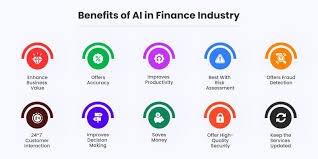
Artificial intelligence (AI) is rapidly gaining traction in the banking and finance sector, with generative AI (GenAI) emerging as a transformative force. Financial institutions are increasingly adopting AI technologies to automate processes, cut operational costs, and boost overall productivity, according to Sameer Gupta, North America Financial Services Organization Advanced Analytics Leader at EY. While traditional machine learning (ML) techniques are commonly used for fraud detection, loan approvals, and personalized marketing, banks are now advancing to incorporate more sophisticated technologies, including ML, natural language processing (NLP), and GenAI. Gupta notes that EY is observing a growing trend of banks using ML to enhance credit approvals, improve fraud detection, and refine marketing strategies, leading to greater efficiency and better decision-making. A recent survey by Gartner’s Jasleen Kaur Sindhu reveals that 58% of banking CIOs have either deployed or plan to deploy AI initiatives in 2024, with this number expected to rise to 77% by 2025. “This indicates not only the growing importance of AI but also its fundamental role in shaping how banks operate and deliver value to their customers,” Sindhu said. “AI is becoming essential to the success of banking institutions.” Here are five key benefits of AI applications in banking: Despite the benefits, concerns about AI in banking persist, particularly regarding data privacy, bias, and ethics. AI can inadvertently extract personal information and raise privacy issues. Regulatory challenges and the potential for AI systems to perpetuate biases are also major concerns. As AI technology evolves, banks are investing in robust governance frameworks, continuous monitoring, and adherence to ethical standards to address these risks. Looking ahead, AI is expected to revolutionize banking by delivering personalized services, enhancing customer interactions, and driving productivity. Deloitte forecasts that GenAI could boost productivity by up to 35% in the top 14 global investment banks, generating significant additional revenue per employee by 2026. Like Related Posts Who is Salesforce? Who is Salesforce? Here is their story in their own words. From our inception, we’ve proudly embraced the identity of Read more Salesforce Marketing Cloud Transactional Emails Salesforce Marketing Cloud Transactional Emails are immediate, automated, non-promotional messages crucial to business operations and customer satisfaction, such as order Read more Salesforce Unites Einstein Analytics with Financial CRM Salesforce has unveiled a comprehensive analytics solution tailored for wealth managers, home office professionals, and retail bankers, merging its Financial Read more AI-Driven Propensity Scores AI plays a crucial role in propensity score estimation as it can discern underlying patterns between treatments and confounding variables Read more

Read More
Data Governance for the AI Enterprise

Data Governance for the AI Enterprise

Salesforce Introduces Data Governance for the AI Enterprise Salesforce this month unveiled Data Governance for the AI Enterprise, a comprehensive suite of tools designed to help IT teams navigate the growing regulatory landscape surrounding generative AI. Why it matters: As governments worldwide work to implement stricter rules governing the use of AI, like the EU’s AI Act, data governance has become a top priority for businesses. According to Salesforce research, ensuring robust data security and governance is now the leading concern for Chief Data Officers. Cloud Data Security & Privacy SolutionsExplore the new suite: How Salesforce’s Data Governance for the AI Enterprise Can Help: Salesforce’s latest solution is designed to help companies proactively address both current and future regulations. Built on the Salesforce platform and integrated with Data Cloud, the suite offers advanced data management, enhanced security, and privacy features: Salesforce’s perspective:“Data governance is a top priority for every organization deploying AI, especially given the complexity of the regulatory landscape,” said Alice Steinglass, EVP and GM for Salesforce Platform. “Our Data Governance for the AI Enterprise suite equips businesses to tackle these challenges.” Customer success story:“Data encryption is essential to our data governance strategy,” said James Ferguson, Principal Security Architect at AWS. “With Salesforce’s flexible encryption solutions, we can maintain top-tier security while delivering innovative customer experiences.” Availability: For Data Cloud users: Like Related Posts Who is Salesforce? Who is Salesforce? Here is their story in their own words. From our inception, we’ve proudly embraced the identity of Read more Salesforce Marketing Cloud Transactional Emails Salesforce Marketing Cloud Transactional Emails are immediate, automated, non-promotional messages crucial to business operations and customer satisfaction, such as order Read more Salesforce Unites Einstein Analytics with Financial CRM Salesforce has unveiled a comprehensive analytics solution tailored for wealth managers, home office professionals, and retail bankers, merging its Financial Read more AI-Driven Propensity Scores AI plays a crucial role in propensity score estimation as it can discern underlying patterns between treatments and confounding variables Read more

Read More
New Technology Risks

New Technology Risks

Organizations have always needed to manage the risks that come with adopting new technologies, and implementing artificial intelligence (AI) is no different. Many of the risks associated with AI are similar to those encountered with any new technology: poor alignment with business goals, insufficient skills to support the initiatives, and a lack of organizational buy-in. To address these challenges, executives should rely on best practices that have guided the successful adoption of other technologies, according to management consultants and AI experts. When it comes to AI, this includes: However, AI presents unique risks that executives must recognize and address proactively. Below are 15 areas of risk that organizations may encounter as they implement and use AI technologies: Managing AI Risks While the risks associated with AI cannot be entirely eliminated, they can be managed. Organizations must first recognize and understand these risks and then implement policies to mitigate them. This includes ensuring high-quality data for AI training, testing for biases, and continuous monitoring of AI systems to catch unintended consequences. Ethical frameworks are also crucial to ensure AI systems produce fair, transparent, and unbiased results. Involving the board and C-suite in AI governance is essential, as managing AI risk is not just an IT issue but a broader organizational challenge. Like Related Posts Who is Salesforce? Who is Salesforce? Here is their story in their own words. From our inception, we’ve proudly embraced the identity of Read more Salesforce Marketing Cloud Transactional Emails Salesforce Marketing Cloud Transactional Emails are immediate, automated, non-promotional messages crucial to business operations and customer satisfaction, such as order Read more Salesforce Unites Einstein Analytics with Financial CRM Salesforce has unveiled a comprehensive analytics solution tailored for wealth managers, home office professionals, and retail bankers, merging its Financial Read more AI-Driven Propensity Scores AI plays a crucial role in propensity score estimation as it can discern underlying patterns between treatments and confounding variables Read more

Read More
A Company in Transition

A Company in Transition

OpenAI Restructures: Increased Flexibility, But Raises Concerns OpenAI’s decision to restructure into a for-profit entity offers more freedom for the company and its investors but raises questions about its commitment to ethical AI development. Founded in 2015 as a nonprofit, OpenAI transitioned to a hybrid model in 2019 with the creation of a for-profit subsidiary. Now, its restructuring, widely reported this week, signals a shift where the nonprofit arm will no longer influence the day-to-day operations of the for-profit side. CEO Sam Altman is set to receive equity in the newly restructured company, which will operate as a benefit corporation (B Corp), similar to competitors like Anthropic and Sama. A Company in Transition This move comes on the heels of a turbulent year. OpenAI’s board initially voted to remove Altman over concerns about transparency, but later rehired him after significant backlash and the resignation of several board members. The company has seen a number of high-profile departures since, including co-founder Ilya Sutskever, who left in May to start Safe Superintelligence (SSI), an AI safety-focused venture that recently secured $1 billion in funding. This week, CTO Mira Murati, along with key research leaders Bob McGrew and Barret Zoph, also announced their departures. OpenAI’s restructuring also coincides with an anticipated multi-billion-dollar investment round involving major players such as Nvidia, Apple, and Microsoft, potentially pushing the company’s valuation to as high as $150 billion. Complex But Expected Move According to Michael Bennett, AI policy advisor at Northeastern University, the restructuring isn’t surprising given OpenAI’s rapid growth and increasingly complex structure. “Considering OpenAI’s valuation, it’s understandable that the company would simplify its governance to better align with investor priorities,” said Bennett. The transition to a benefit corporation signals a shift towards prioritizing shareholder interests, but it also raises concerns about whether OpenAI will maintain its ethical obligations. “By moving away from its nonprofit roots, OpenAI may scale back its commitment to ethical AI,” Bennett noted. Ethical and Safety Concerns OpenAI has faced scrutiny over its rapid deployment of generative AI models, including its release of ChatGPT in November 2022. Critics, including Elon Musk, have accused the company of failing to be transparent about the data and methods it uses to train its models. Musk, a co-founder of OpenAI, even filed a lawsuit alleging breach of contract. Concerns persist that the restructuring could lead to less ethical oversight, particularly in preventing issues like biased outputs, hallucinations, and broader societal harm from AI. Despite the potential risks, Bennett acknowledged that the company would have greater operational freedom. “They will likely move faster and with greater focus on what benefits their shareholders,” he said. This could come at the expense of the ethical commitments OpenAI previously emphasized when it was a nonprofit. Governance and Regulation Some industry voices, however, argue that OpenAI’s structure shouldn’t dictate its commitment to ethical AI. Veera Siivonen, co-founder and chief commercial officer of AI governance vendor Saidot, emphasized the role of regulation in ensuring responsible AI development. “Major players like Anthropic, Cohere, and tech giants such as Google and Meta are all for-profit entities,” Siivonen said. “It’s unfair to expect OpenAI to operate under a nonprofit model when others in the industry aren’t bound by the same restrictions.” Siivonen also pointed to OpenAI’s participation in global AI governance initiatives. The company recently signed the European Union AI Pact, a voluntary agreement to adhere to the principles of the EU’s AI Act, signaling its commitment to safety and ethics. Challenges for Enterprises The restructuring raises potential concerns for enterprises relying on OpenAI’s technology, said Dion Hinchcliffe, an analyst with Futurum Group. OpenAI may be able to innovate faster under its new structure, but the reduced influence of nonprofit oversight could make some companies question the vendor’s long-term commitment to safety. Hinchcliffe noted that the departure of key staff could signal a shift away from prioritizing AI safety, potentially prompting enterprises to reconsider their trust in OpenAI. New Developments Amid Restructuring Despite the ongoing changes, OpenAI continues to roll out new technologies. The company recently introduced a new moderation model, “omni-moderation-latest,” built on GPT-4o. This model, available through the Moderation API, enables developers to flag harmful content in both text and image outputs. A Company in Transition As OpenAI navigates its restructuring, balancing rapid innovation with maintaining ethical standards will be crucial to sustaining enterprise trust and market leadership. Like Related Posts Who is Salesforce? Who is Salesforce? Here is their story in their own words. From our inception, we’ve proudly embraced the identity of Read more Salesforce Unites Einstein Analytics with Financial CRM Salesforce has unveiled a comprehensive analytics solution tailored for wealth managers, home office professionals, and retail bankers, merging its Financial Read more AI-Driven Propensity Scores AI plays a crucial role in propensity score estimation as it can discern underlying patterns between treatments and confounding variables Read more Tectonic’s Successful Salesforce Track Record Salesforce Technology Services Integrator – Tectonic has successfully delivered Salesforce in a variety of industries including Public Sector, Hospitality, Manufacturing, Read more

Read More
Data Cloud and Autonomous Agents

Data Cloud and Autonomous Agents

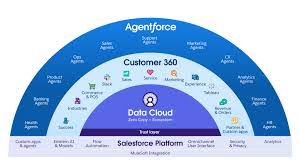
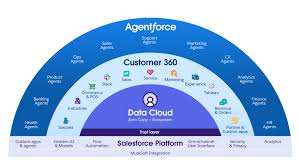
Salesforce is building momentum with Data Cloud, the heartbeat of its platform and foundation for Agentforce, fueled by strong business demand for unified data to deliver personalized, contextually relevant, and timely customer experiences across its Customer 360 applications, Flow, analytics, and Agentforce—Salesforce’s groundbreaking suite of autonomous AI agents. This week, Salesforce unveiled a major pivot in its AI strategy during its annual Dreamforce conference. The company is introducing AI tools that can handle tasks without human supervision, alongside a new pricing model. Customers will now pay US per conversation held by Salesforce’s new AI “agents,” which are designed to manage tasks such as customer service and scheduling sales meetings autonomously. This shift in strategy reflects Salesforce’s forward-thinking approach to AI and its potential to transform not only technology but also business models. By focusing on AI agents, Salesforce is responding to a market demand for increased workforce capacity without the need for full-time hires or gig workers—a point emphasized by CEO Marc Benioff during his keynote speech. Building on its predictive Einstein platform, Agentforce represents Salesforce’s next step in AI evolution. “Think of it as the next evolution of our AI wave,” said Muralidhar Krishnaprasad, Salesforce’s president and CTO. “We had AI wave one with Einstein’s predictive capabilities, AI wave two with generative AI copilots, and now we’re entering the age of agents.” Agentforce is designed to augment work by handling tasks across platforms, leveraging Salesforce’s Data Cloud to channel structured and unstructured data into agentic experiences. These agents, powered by the Atlas reasoning engine, use dynamic plans and Retrieval-Augmented Generation (RAG) techniques to address real-time customer questions and deliver actionable insights. Salesforce’s AI agents can operate autonomously, supporting businesses by handling a range of customer interactions and tasks with minimal human intervention. Adding to the AI-driven innovations, Salesforce introduced several new Data Cloud advancements that further enhance an organization’s ability to transform customer experiences using data and AI. These include: Data Cloud continues to drive impressive growth, with a 130% YoY increase in paid customers, processing 2.3 quadrillion records in the second quarter alone. Customers like The Adecco Group, Aston Martin, and Air India rely on Data Cloud to unify their data and deliver personalized, real-time customer experiences. For example, Air India uses Data Cloud to integrate data across its loyalty, reservations, and flight systems, allowing it to manage over 550,000 service cases each month. As AI reshapes the industry, Salesforce’s pivot to autonomous agents and a conversation-based pricing model shows its commitment to leading the charge in enterprise AI adoption, with Data Cloud as its driving force. Despite some software vendors struggling to capitalize on AI advancements, Salesforce’s new model positions it to thrive in a market where AI’s impact is just beginning to unfold. Like Related Posts Who is Salesforce? Who is Salesforce? Here is their story in their own words. From our inception, we’ve proudly embraced the identity of Read more Salesforce Marketing Cloud Transactional Emails Salesforce Marketing Cloud Transactional Emails are immediate, automated, non-promotional messages crucial to business operations and customer satisfaction, such as order Read more Salesforce Unites Einstein Analytics with Financial CRM Salesforce has unveiled a comprehensive analytics solution tailored for wealth managers, home office professionals, and retail bankers, merging its Financial Read more AI-Driven Propensity Scores AI plays a crucial role in propensity score estimation as it can discern underlying patterns between treatments and confounding variables Read more

Read More
How to Achieve AI Democratization

How to Achieve AI Democratization

AI democratization empowers non-experts by placing AI tools in the hands of everyday users, enabling them to harness the technology’s potential without requiring specialized technical skills. Today, IT leaders are increasingly focused on expanding AI’s benefits across the enterprise. The growing number of AI-based tools is making this more achievable. In some respects, democratization extends the concept of low- and no-code development—allowing non-developers to create software—into the realm of AI. However, it’s also about ensuring data is accessible and fostering data literacy throughout the organization. This doesn’t mean every employee needs to write machine learning scripts. Instead, it means business professionals should understand AI’s potential, identify relevant use cases, and apply insights to drive business outcomes. Achieving AI democratization is feasible, thanks to decentralized governance models and the emergence of AI-focused services. However, as with any new technology, democratization brings both benefits and challenges. How to Achieve AI Democratization AI is no longer reserved for experts. Tools like Google Colab and Microsoft’s Azure OpenAI Service have simplified AI development, enabling more employees to participate by writing and sharing code for various projects. To maximize the impact, enterprises must train business users on the basics of AI and how it can enhance their daily work. According to Arpit Mehra, Practice Director at Everest Group, decentralized governance models can help organizations build strategies for data and technology learning. Key strategies include: Arun Chandrasekaran, VP and Analyst at Gartner, also advises companies to focus on intelligent applications in areas such as customer engagement and talent acquisition, which can provide specialized training. Benefits and Challenges of AI Democratization AI democratization can significantly expand an organization’s capabilities. By placing AI in the hands of more employees, businesses reduce barriers to adoption, cut costs, and create highly accurate AI models. “Making AI more accessible broadens the scope of what businesses can achieve,” said Michael Shehab, PwC U.S. Technology and Innovation Leader. AI democratization also helps companies address IT talent shortages by upskilling employees and enabling them to integrate AI into their workflows. This approach improves productivity, allowing businesses to more easily spot trends and patterns within large data sets. However, challenges also arise. If AI is implemented without proper oversight, the technology is susceptible to bias. Poor training could lead to decision-making based on inaccurate or skewed data. Business leaders must ensure they understand who is using AI tools and establish standards for responsible use. Without careful testing, AI applications can automate mistakes that go unnoticed but may cause significant issues. Ed Murphy, SVP and Head of Data Science at 1010data, emphasizes the importance of testing to prevent these errors. To mitigate risks, organizations should invest in upskilling and reskilling employees. A well-defined training plan will enable nontechnical teams to participate in AI adoption and deployment effectively. Mehra from Everest Group also suggests exploring MLOps technologies to simplify AI development and streamline processes. Ultimately, AI democratization will benefit businesses that recognize AI’s potential beyond a small group of experts. While the benefits are clear, organizations must remain vigilant about the risks to ensure successful AI integration and reap the rewards of their efforts. Like1 Related Posts Who is Salesforce? Who is Salesforce? Here is their story in their own words. From our inception, we’ve proudly embraced the identity of Read more Salesforce Marketing Cloud Transactional Emails Salesforce Marketing Cloud Transactional Emails are immediate, automated, non-promotional messages crucial to business operations and customer satisfaction, such as order Read more Salesforce Unites Einstein Analytics with Financial CRM Salesforce has unveiled a comprehensive analytics solution tailored for wealth managers, home office professionals, and retail bankers, merging its Financial Read more AI-Driven Propensity Scores AI plays a crucial role in propensity score estimation as it can discern underlying patterns between treatments and confounding variables Read more

Read More
Data Governance Frameworks

Data Governance Frameworks

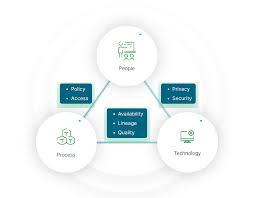
Examples of Data Governance Frameworks Data governance is not a one-size-fits-all approach. Organizations must carefully choose a framework that aligns with their unique goals, structure, and culture. Data is one of an organization’s most valuable assets, and proper governance is key to unlocking its potential. Without a well-designed framework, companies risk poor data quality, privacy breaches, regulatory noncompliance, and missed insights. A data governance framework provides a structured way to manage data throughout its lifecycle, including policies, processes, and standards to ensure data is accurate, accessible, and secure. By putting clear guidelines in place, organizations can increase trust in their data and improve decision-making. Key Pillars of a Data Governance Frameworks A robust data governance framework typically rests on four key pillars: 1. Center-Out Model The center-out model places a centralized team, such as a data governance council, at the core of the governance process. This group establishes policies and oversees data management across the organization, balancing consistency with flexibility for different departments. The Data Governance Institute’s framework is an example of this model. It focuses on creating a Data Governance Office responsible for managing key governance functions such as setting data policies, assigning data stewards, and monitoring compliance. The framework provides a clear structure while allowing business units some leeway in adapting governance practices to their needs. PwC’s model also adopts a center-out approach, with an emphasis on using data governance to monetize data assets. It highlights the importance of maintaining consistency while minimizing the risk of data silos. 2. Top-Down Model In the top-down model, data governance is driven by executive leadership, ensuring alignment with strategic goals. This model provides authority for enforcing governance standards but may face challenges if business units feel disconnected from the central governance team. McKinsey’s framework exemplifies this approach, focusing on integrating data governance with broader business transformation efforts. Executive leadership plays a key role in ensuring that governance initiatives receive the necessary attention and resources. 3. Hybrid Model The hybrid model combines centralized governance with flexibility for individual business units. It establishes an enterprise-wide framework while allowing departments to adapt governance practices to their specific needs. The Eckerson Group’s Modern Data Governance Framework represents a hybrid approach. It emphasizes the importance of people and culture, alongside technology and processes, and encourages organizations to create a roadmap for governance that evolves as needs change. This model provides a balance between centralized control and decentralized flexibility. 4. Bottom-Up Model In the bottom-up model, data governance is driven by subject matter experts and data stakeholders across the organization. This approach promotes collaboration and buy-in from the people closest to the data, ensuring that governance policies are practical and effective. The DAMA-DMBOK framework, developed by the Data Management Association, is a prime example. Although flexible, it often starts as a bottom-up initiative, driven by IT departments and data experts who later gain executive support. 5. Silo-In Model The silo-in model allows individual business units or departments to create their own governance practices. While this approach addresses localized data issues, it often leads to inconsistencies and challenges when the organization needs to integrate data across the enterprise. Though not widely recommended, the silo-in approach may emerge when specific business units take the initiative to establish governance due to regulatory requirements or data management needs within their domains. However, as organizations mature, they often transition to more holistic frameworks to support cross-functional collaboration and data integration. Choosing the Right Framework Selecting the right data governance framework involves evaluating the organization’s needs, structure, and culture. Whether an organization adopts a center-out, top-down, hybrid, bottom-up, or silo-in approach, success depends on involving key stakeholders, securing executive buy-in, and committing to continuous improvement. By treating data as a critical asset and implementing a governance framework that aligns with its business strategy, an organization can ensure that its data management practices support growth, innovation, and regulatory compliance. Like Related Posts Who is Salesforce? Who is Salesforce? Here is their story in their own words. From our inception, we’ve proudly embraced the identity of Read more Salesforce Marketing Cloud Transactional Emails Salesforce Marketing Cloud Transactional Emails are immediate, automated, non-promotional messages crucial to business operations and customer satisfaction, such as order Read more Salesforce Unites Einstein Analytics with Financial CRM Salesforce has unveiled a comprehensive analytics solution tailored for wealth managers, home office professionals, and retail bankers, merging its Financial Read more AI-Driven Propensity Scores AI plays a crucial role in propensity score estimation as it can discern underlying patterns between treatments and confounding variables Read more

Read More
Collaborative Business Intelligence

Collaborative Business Intelligence

Collaborative Business Intelligence: Connecting Data and Teams In today’s data-driven world, the ability to interact with business intelligence (BI) tools is essential for making informed decisions. Collaborative business intelligence (BI), also known as social BI, allows users to engage with their organization’s data and communicate with data experts through the same platforms where they already collaborate. While self-service BI empowers users to generate insights, understanding the data’s context is critical to avoid misunderstandings that can derail decision-making. Collaborative BI integrates BI tools with collaboration platforms to bridge the gap between data analysis and communication, reducing the risks of misinterpretation. Traditional Business Intelligence Traditional BI involves the use of technology to analyze data and present insights clearly. Before BI platforms became widespread, data scientists and statisticians handled data analysis, making it challenging for non-technical professionals to digest the insights. BI evolved to automate visualizations, such as charts and dashboards, making data more accessible to business users. Previously, BI reports were typically available only to high-level executives. However, modern self-service BI tools democratize access, enabling more users—regardless of technical expertise—to create reports and visualize data, fostering better decision-making across the organization. The Emergence of Collaborative BI Collaborative BI is a growing trend, combining BI applications with collaboration tools. This approach allows users to work together synchronously or asynchronously within a shared platform, making it easier to discuss data reports in real time or leave comments for others to review. Whether it’s through Slack, Microsoft Teams, or social media apps, users can receive and discuss BI insights within their usual communication channels. This seamless integration of BI and collaboration tools offers a competitive edge, simplifying the process of sharing knowledge and clarifying data without switching between applications. Key Benefits of Collaborative Business Intelligence Leading Collaborative BI Platforms Here’s a look at some of the top collaborative BI platforms driving innovation in the market: Conclusion Collaborative BI empowers organizations by improving decision-making, democratizing data access, optimizing data quality, and ensuring data security. By integrating BI tools with collaboration platforms, businesses can streamline their operations, foster a culture of data-driven decision-making, and enhance overall efficiency. Choosing the right platform is key to maximizing the benefits of collaborative BI. Like Related Posts Who is Salesforce? Who is Salesforce? Here is their story in their own words. From our inception, we’ve proudly embraced the identity of Read more Salesforce Marketing Cloud Transactional Emails Salesforce Marketing Cloud Transactional Emails are immediate, automated, non-promotional messages crucial to business operations and customer satisfaction, such as order Read more Salesforce Unites Einstein Analytics with Financial CRM Salesforce has unveiled a comprehensive analytics solution tailored for wealth managers, home office professionals, and retail bankers, merging its Financial Read more AI-Driven Propensity Scores AI plays a crucial role in propensity score estimation as it can discern underlying patterns between treatments and confounding variables Read more

Read More
Acceptable AI Use Policies

Acceptable AI Use Policies

With great power comes—when it comes to generative AI—significant security and compliance risks. Discover how AI acceptable use policies can safeguard your organization while leveraging this transformative technology. AI has become integral across various industries, driving digital operations and organizational infrastructure. However, its widespread adoption brings substantial risks, particularly concerning cybersecurity. A crucial aspect of managing these risks and ensuring the security of sensitive data is implementing an AI acceptable use policy. This policy defines how an organization handles AI risks and sets guidelines for AI system usage. Why an AI Acceptable Use Policy Matters Generative AI systems and large language models are potent tools capable of processing and analyzing data at unprecedented speeds. Yet, this power comes with risks. The same features that enhance AI efficiency can be misused for malicious purposes, such as generating phishing content, creating malware, producing deepfakes, or automating cyberattacks. An AI acceptable use policy is essential for several reasons: Crafting an Effective AI Acceptable Use Policy An AI acceptable use policy should be tailored to your organization’s needs and context. Here’s a general guide for creating one: Essential Elements of an AI Acceptable Use Policy A robust AI acceptable use policy should include: An AI acceptable use policy is not just a document but a dynamic framework guiding safe and responsible AI use within an organization. By developing and enforcing this policy, organizations can harness AI’s power while mitigating its risks to cybersecurity and data integrity, balancing innovation with risk management as AI continues to evolve and integrate into our digital landscapes. Like Related Posts Who is Salesforce? Who is Salesforce? Here is their story in their own words. From our inception, we’ve proudly embraced the identity of Read more Salesforce Unites Einstein Analytics with Financial CRM Salesforce has unveiled a comprehensive analytics solution tailored for wealth managers, home office professionals, and retail bankers, merging its Financial Read more AI-Driven Propensity Scores AI plays a crucial role in propensity score estimation as it can discern underlying patterns between treatments and confounding variables Read more Tectonic’s Successful Salesforce Track Record Salesforce Technology Services Integrator – Tectonic has successfully delivered Salesforce in a variety of industries including Public Sector, Hospitality, Manufacturing, Read more

Read More
IntraEdge Higher Education

IntraEdge Higher Education

PHOENIX–(BUSINESS WIRE)–IntraEdge, Inc., a leading global technology products and services provider, recently announced its expanded investment in itsHigher Education division with the addition of new leadership to bolster their Salesforce service offerings. The new leaders each possess over 20 years of higher education experience and have a proven track record of building innovative and high performing consulting practices. “Our team has a proven track record of success in helping higher education institutions achieve their goals. We look forward to partnering with colleges and universities to leverage the power of Salesforce to improve student outcomes and operational efficiency.” The Higher Education division leadership team consists of Vince Salvato, Todd Edge, and Ryan Clemens. Salvato, who will be leading the division, is a recognized pioneer in Salesforce implementations for higher education. He brings a wealth of experience from his years working with higher education leaders, Salesforce, and ISV Partners. Edge and Clemens have a long history implementing Salesforce and other technologies for higher education leveraging global capabilities to assemble well balanced implementation teams. Together, this team boasts a proven track record of serving over 150 higher education institutions. Their collective history of successful Salesforce and technology implementations within higher education, coupled with IntraEdge’s 3,000+ global resources and complimentary product and service offerings, positions IntraEdge to deliver exceptional solutions. “We are thrilled to welcome Vince, Ryan, and Todd to the IntraEdge team,” said Kal Somani, CEO of IntraEdge. “Their combined experience and knowledge of the higher education landscape make them invaluable assets as we expand our footprint in this industry. By leveraging Salesforce’s powerful platform with IntraEdge’s full breadth of technology capabilities, we are confident in our ability to deliver exceptional solutions that address the unique challenges and opportunities facing higher education institutions.” IntraEdge redefines the typical implementation approach by delivering accelerated, cost-effective, and highly successful implementations. The company’s proven methodology and global delivery capabilities, combined with a team of seasoned higher education experts, will enable institutions to maximize the value of Salesforce while minimizing disruption to campus operations. IntraEdge’s Higher Education division offers a comprehensive suite of Salesforce-based solutions tailored to the specific needs of colleges and universities. With implementation, consulting, and value-add products and services, institutions can maximize the value of their Salesforce investment, including but not limited to Data Integration and Visualization, Digital Experience Strategy, Digital Content Strategy and Development, Managed and Capacity Services, AI Governance and Compliance Software. “We are excited to join IntraEdge and be a part of a world-class higher education practice,” said Salvato, Senior Vice President of Higher Education at IntraEdge. “Our team has a proven track record of success in helping higher education institutions achieve their goals. We look forward to partnering with colleges and universities to leverage the power of Salesforce to improve student outcomes and operational efficiency.” IntraEdge is proud to be a trusted partner to higher education institutions across North America. Our company is committed to delivering exceptional results and exceeding client expectations. Like Related Posts Who is Salesforce? Who is Salesforce? Here is their story in their own words. From our inception, we’ve proudly embraced the identity of Read more Salesforce Marketing Cloud Transactional Emails Salesforce Marketing Cloud Transactional Emails are immediate, automated, non-promotional messages crucial to business operations and customer satisfaction, such as order Read more Salesforce Unites Einstein Analytics with Financial CRM Salesforce has unveiled a comprehensive analytics solution tailored for wealth managers, home office professionals, and retail bankers, merging its Financial Read more AI-Driven Propensity Scores AI plays a crucial role in propensity score estimation as it can discern underlying patterns between treatments and confounding variables Read more

Read More
Adopting Salesforce Security Policies

Adopting Salesforce Security Policies

Data breaches reached an all-time high in 2023, affecting more than 234 million individuals, and there’s no sign of the trend slowing down. At the center of this challenge is how organizations allocate resources to safeguard customer data. One of the most critical systems for managing this data is CRM platforms like Salesforce, used by over 150,000 U.S. businesses. However, security blind spots within Salesforce continue to pose significant risks. To address these concerns, the National Institute of Standards and Technology (NIST) offers a strategic framework for Salesforce security teams. In February 2024, NIST released Version 2.0 of its Cybersecurity Framework (CSF), marking the first major update in a decade. Key improvements include the introduction of a new “Govern” function, streamlining of categories to simplify usability, and updates to the “Respond” function to enhance incident management. This framework now applies across all industries, not just critical infrastructure. For Salesforce security leaders, these changes will significantly affect how they manage security, from aligning Salesforce practices with enterprise risk strategies to strengthening oversight of third-party apps. Here’s how these updates will influence Salesforce security going forward. What is the NIST Cybersecurity Framework 2.0? The NIST Cybersecurity Framework, first launched in 2014, was developed after an executive order by President Obama, aiming to provide a standardized set of guidelines to improve cybersecurity across critical infrastructure. The framework’s objectives include: The newly updated NIST CSF 2.0, released in 2024, expands on the original framework, providing organizations with structured, yet flexible, guidance for managing cybersecurity risks. It revolves around three core components: the CSF Core, CSF Profiles, and CSF Tiers. Key Components of NIST Cybersecurity Framework 2.0 These components help organizations understand, assess, and improve their cybersecurity posture, forming the basis for risk-informed strategies that align with organizational needs and the evolving threat landscape. Key Updates in the NIST Cybersecurity Framework 2.0 and Their Impact on Salesforce Security The 2024 updates to NIST CSF offer insights that Salesforce security leaders can use to align their strategies with evolving cybersecurity risks. Implementation Strategies for Salesforce Security Leaders To incorporate CSF 2.0 into Salesforce security operations, leaders should: Conclusion: Embracing NIST CSF 2.0 to Strengthen Salesforce Security The 2024 NIST Cybersecurity Framework updates offer crucial insights for Salesforce security leaders. By adopting these practices, organizations can enhance data protection, strengthen incident response capabilities, and ensure business continuity—critical for those relying on Salesforce for managing sensitive customer data. Like Related Posts Who is Salesforce? Who is Salesforce? Here is their story in their own words. From our inception, we’ve proudly embraced the identity of Read more Salesforce Marketing Cloud Transactional Emails Salesforce Marketing Cloud Transactional Emails are immediate, automated, non-promotional messages crucial to business operations and customer satisfaction, such as order Read more Salesforce Unites Einstein Analytics with Financial CRM Salesforce has unveiled a comprehensive analytics solution tailored for wealth managers, home office professionals, and retail bankers, merging its Financial Read more AI-Driven Propensity Scores AI plays a crucial role in propensity score estimation as it can discern underlying patterns between treatments and confounding variables Read more

Read More
Citizen Development

Citizen Development

As we progress through the era of digital transformation, citizen development has emerged as a key trend in the business landscape. This approach empowers end-users to create their applications, streamlining workflows and reshaping corporate operations. However, like any innovation, citizen development presents both advantages and challenges. In this article, we will explore the benefits, pros and cons of citizen development, and strategies to effectively leverage it within your organization. 1. The Rise of Citizen Development The popularity of citizen development is on the rise, as reflected by Statista, which reports a remarkable 24.6% growth in this sector since 2020. The increasing demand for software solutions in the corporate environment has made the traditional model of IT departments solely managing application development unsustainable. By enabling non-technical personnel to develop their applications, businesses can relieve pressure on IT teams, speed up solution delivery, and cultivate a more agile business model. Furthermore, investing in citizen development platforms fosters an inclusive and innovative workplace, allowing diverse perspectives to generate unique applications that meet specific workflow needs. 2. Benefits of Citizen Development for Companies 2.1 Accelerated Pace and Flexibility Citizen development tools facilitate rapid prototyping and quicker application rollouts. Non-technical personnel can design, modify, and launch applications according to immediate needs, enhancing agility and responsiveness. 2.2 Boosted Creativity Empowering your staff to create applications unlocks a wealth of untapped potential. Citizen development nurtures a culture of innovation, leading to tailored solutions that address specific business challenges. 2.3 Tailored App Design Citizen developers, as end-users, possess an in-depth understanding of their workflow requirements. This perspective enables them to develop applications that align closely with user needs, improving adoption and utility. 2.4 Heightened Productivity By reducing the back-and-forth between IT departments and end-users, citizen development streamlines operations, leading to enhanced efficiency. 2.5 Cost-Effectiveness Citizen development significantly cuts costs associated with traditional application development, such as hiring professional developers or outsourcing tasks. Rapid application rollouts also help seize business opportunities quickly, optimizing ROI. 2.6 Reduced Workload for IT Staff Enabling non-technical personnel to handle minor application development tasks lightens the load on IT teams, allowing them to focus on high-priority projects. 2.7 Enhanced Visibility and Accountability Many citizen development platforms include built-in analytics and reporting features, offering insights into application usage and performance. This transparency helps businesses track initiatives, make data-driven decisions, and continuously improve processes. 3. Implementing Citizen Development with Salesforce Solutions Given its extensive benefits, citizen development is a strategy many businesses are eager to adopt. Salesforce provides a powerful platform to effectively harness citizen development. Salesforce’s platform caters to both professional and citizen developers, offering a comprehensive suite of user-friendly tools for building applications and managing workflows. With built-in safeguards for data security and regulatory compliance, Salesforce for Public Sector and Tribal Governments ensures a smooth and secure citizen development process. Their clear deployment roadmap and thorough training programs equip businesses for success in their citizen development journey. 4. Partnering with Tectonic for Public Sector and Tribal Government Solutions Consider Tectonic as your trusted partner for PSS solutions. Tectonic is a distinguished provider of technology solutions with extensive expertise in Salesforce and process management. With a proven track record of successful projects, Tectonic has earned the trust of clients globally. Tectonic maintains a close partnership with Salesforce, ensuring a deep understanding of its advanced features, including process automation. As a Salesforce partner, Tectonic keeps clients updated on the latest advancements, delivering cutting-edge solutions tailored to their specific needs. By selecting Tectonic as your implementation partner for public sector Salesforce, you benefit from their vast experience and specialized knowledge. Tectonic provides a dedicated public sector team that excels in implementing secure and efficient solutions, working closely with our clients to address their unique challenges. Tectonic offers a comprehensive range of services, from initial implementation to ongoing support and maintenance. Their offerings include process modeling, application design, automation implementation, and roles management. With Tectonic’s expertise, you can ensure seamless integration of automation into your pss projects. To learn more about Tectonic’s public sector services, visit our services page, where you can explore their offerings, including Salesforce Managed Services. Tectonic’s Managed Services provide full support to ensure your public sector environment runs smoothly, covering automation management, data governance, and performance optimization. 5. Final Thoughts While citizen development presents both advantages and challenges, the benefits largely outweigh the potential drawbacks. Although there are concerns about data security and the need for proper governance, the positive impact of citizen development makes it a vital component of the digital transformation narrative. Successful implementation hinges on selecting the right platform and tools that align with your business model and workflow needs. Salesforce Public Sector Solution excels in this regard, offering a user-friendly suite of tools with a clear roadmap for deployment and top-notch support. Brining your public sector tech into the 21st century is an imperative. To fully realize the benefits of citizen development, businesses must strike a balance between empowerment and control. Establishing an environment that fosters innovation and efficiency, while also implementing a governance structure to mitigate risks, is essential. With careful planning, the right tools, and a culture of collaboration, the rewards of citizen development can be substantial. Whether you’re looking to enhance speed and agility, optimize costs, or cultivate a culture of innovation, citizen development offers a promising pathway forward. Embrace citizen development in Salesforce PSS, and set your business on the road to success. If you have any questions about implementing Salesforce Public Sector Solutions and its benefits, feel free to contact us to discuss your project. Like Related Posts Who is Salesforce? Who is Salesforce? Here is their story in their own words. From our inception, we’ve proudly embraced the identity of Read more Salesforce Unites Einstein Analytics with Financial CRM Salesforce has unveiled a comprehensive analytics solution tailored for wealth managers, home office professionals, and retail bankers, merging its Financial Read more AI-Driven Propensity Scores AI plays a crucial role in propensity score estimation as it can discern underlying patterns between treatments and confounding

Read More
Salesforce Data Quality Challenges and AI Integration

Salesforce Data Quality Challenges and AI Integration

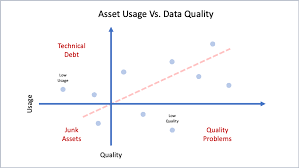
Salesforce Data Quality Challenges and AI Integration Salesforce is an incredibly powerful CRM tool, but like any system, it’s vulnerable to data quality issues if not properly managed. As organizations race to unlock the power of AI to improve sales and service experiences, they are finding that great AI requires great data. Let’s explore some of the most common Salesforce data quality challenges and how resolving them is key to succeeding in the AI era. 1. Duplicate Records Duplicate data can clutter your Salesforce system, leading to reporting inaccuracies and confusing AI-driven insights. Use Salesforce’s built-in deduplication tools or third-party apps that specialize in identifying and merging duplicate records. Implement validation rules to prevent duplicates from entering the system in the first place, ensuring cleaner data that supports accurate AI outputs. 2. Incomplete Data Incomplete data often results in missed opportunities and poor customer insights. This becomes especially problematic in AI applications, where missing data could skew results or lead to incomplete recommendations. Use Salesforce validation rules to make certain fields mandatory, ensuring critical information is captured during data entry. Regularly audit your system to identify missing data and assign tasks to fill in gaps. This ensures that both structured and unstructured data can be effectively leveraged by AI models. 3. Outdated Information Over time, data in Salesforce can become outdated, particularly customer contact details or preferences. Regularly cleanse and update your data using enrichment services that automatically refresh records with current information. For AI to deliver relevant, real-time insights, your data needs to be fresh and up to date. This is especially important when AI systems analyze both structured data (e.g., CRM entries) and unstructured data (e.g., emails or transcripts). 4. Inconsistent Data Formatting Inconsistent data formatting complicates analysis and weakens AI performance. Standardize data entry using picklists, drop-down menus, and validation rules to enforce proper formatting across all fields. A clean, consistent data set helps AI models more effectively interpret and integrate structured and unstructured data, delivering more relevant insights to both customers and employees. 5. Lack of Data Governance Without clear guidelines, it’s easy for Salesforce data quality to degrade, especially when unstructured data is added to the mix. Establish a data governance framework that includes policies for data entry, updates, and regular cleansing. Good data governance ensures that both structured and unstructured data are properly managed, making them usable by AI technologies like Large Language Models (LLMs) and Retrieval Augmented Generation (RAG). The Role of AI in Enhancing Data Management This year, every organization is racing to understand and unlock the power of AI, especially to improve sales and service experiences. However, great AI requires great data. While traditional CRM systems deal primarily with structured data like rows and columns, every business also holds a treasure trove of unstructured data in documents, emails, transcripts, and other formats. Unstructured data offers invaluable AI-driven insights, leading to more comprehensive, customer-specific interactions. For example, when a customer contacts support, AI-powered chatbots can deliver better service by pulling data from both structured (purchase history) and unstructured sources (warranty contracts or past chats). To ensure AI-generated responses are accurate and contextual, companies must integrate both structured and unstructured data into a unified 360-degree customer view. AI Frameworks for Better Data Utilization An effective way to ensure accuracy in AI is with frameworks like Retrieval Augmented Generation (RAG). RAG enhances AI by augmenting Large Language Models with proprietary, real-time data from both structured and unstructured sources. This method allows companies to deliver contextual, trusted, and relevant AI-driven interactions with customers, boosting overall satisfaction and operational efficiency. Tectonic’s Role in Optimizing Salesforce Data for AI To truly unlock the power of AI, companies must ensure that their data is of high quality and accessible to AI systems. Experts like Tectonic provide tailored Salesforce consulting services to help businesses manage and optimize their data. By ensuring data accuracy, completeness, and governance, Tectonic can support companies in preparing their structured and unstructured data for the AI era. Conclusion: The Intersection of Data Quality and AI In the modern era, data quality isn’t just about ensuring clean CRM records; it’s also about preparing your data for advanced AI applications. Whether it’s eliminating duplicates, filling in missing information, or governing data across touchpoints, maintaining high data quality is essential for leveraging AI effectively. For organizations ready to embrace AI, the first step is understanding where all their data resides and ensuring it’s suitable for their generative AI models. With the right data strategy, businesses can unlock the full potential of AI, transforming sales, service, and customer experiences across the board. Like Related Posts Who is Salesforce? Who is Salesforce? Here is their story in their own words. From our inception, we’ve proudly embraced the identity of Read more Salesforce Marketing Cloud Transactional Emails Salesforce Marketing Cloud Transactional Emails are immediate, automated, non-promotional messages crucial to business operations and customer satisfaction, such as order Read more Salesforce Unites Einstein Analytics with Financial CRM Salesforce has unveiled a comprehensive analytics solution tailored for wealth managers, home office professionals, and retail bankers, merging its Financial Read more AI-Driven Propensity Scores AI plays a crucial role in propensity score estimation as it can discern underlying patterns between treatments and confounding variables Read more
Read More
gettectonic.com