Governance Archives - gettectonic.com - Page 12
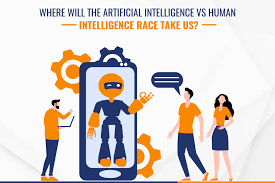
Where Will AI Take Us?

Where Will AI Take Us?

Author Jeremy Wagstaff wrote a very thought provoking article on the future of AI, and how much of it we could predict based on the past. This insight expands on that article. Artificial Intelligence (AI) refers to the simulation of human intelligence in machines that are programmed to think and learn. These machines can perform tasks that typically require human intelligence, such as visual perception, speech recognition, decision-making, and language translation. Many people think of artificial intelligence in the vein of how they personally use it. Some people don’t even realize when they are using it. Artificial intelligence has long been a concept in human mythology and literature. Our imaginations have been grabbed by the thought of sentient machines constructed by humans, from Talos, the enormous bronze automaton (self-operating machine) that safeguarded the island of Crete in Greek mythology, to the spacecraft-controlling HAL in 2001: A Space Odyssey. Artificial Intelligence comes in a variety of flavors, if you will. Artificial intelligence can be categorized in several ways, including by capability and functionality: You likely weren’t even aware of all of the above categorizations of artificial intelligence. Most of us still would sub set into generative ai, a subset of narrow AI, predictive ai, and reactive ai. Reflect on the AI journey through the Three C’s – Computation, Cognition, and Communication – as the guiding pillars for understanding the transformative potential of AI. Gain insights into how these concepts converge to shape the future of technology. Beyond a definition, what really is artificial intelligence, who makes it, who uses it, what does it do and how. Artificial Intelligence Companies – A Sampling AI and Its Challenges Artificial intelligence (AI) presents a novel and significant challenge to the fundamental ideas underpinning the modern state, affecting governance, social and mental health, the balance between capitalism and individual protection, and international cooperation and commerce. Addressing this amorphous technology, which lacks a clear definition yet pervades increasing facets of life, is complex and daunting. It is essential to recognize what should not be done, drawing lessons from past mistakes that may not be reversible this time. In the 1920s, the concept of a street was fluid. People viewed city streets as public spaces open to anyone not endangering or obstructing others. However, conflicts between ‘joy riders’ and ‘jay walkers’ began to emerge, with judges often siding with pedestrians in lawsuits. Motorist associations and the car industry lobbied to prioritize vehicles, leading to the construction of vehicle-only thoroughfares. The dominance of cars prevailed for a century, but recent efforts have sought to reverse this trend with ‘complete streets,’ bicycle and pedestrian infrastructure, and traffic calming measures. Technology, such as electric micro-mobility and improved VR/AR for street design, plays a role in this transformation. The guy digging out a road bed for chariots and Roman armies likely considered none of this. Addressing new technology is not easy to do, and it’s taken changes to our planet’s climate, a pandemic, and the deaths of tens of millions of people in traffic accidents (3.6 million in the U.S. since 1899). If we had better understood the implications of the first automobile technology, perhaps we could have made better decisions. Similarly, society should avoid repeating past mistakes with AI. The market has driven AI’s development, often prioritizing those who stand to profit over consumers. You know, capitalism. The rapid adoption and expansion of AI, driven by commercial and nationalist competition, have created significant distortions. Companies like Nvidia have soared in value due to AI chip sales, and governments are heavily investing in AI technology to gain competitive advantages. Listening to AI experts highlights the enormity of the commitment being made and reveals that these experts, despite their knowledge, may not be the best sources for AI guidance. The size and impact of AI are already redirecting massive resources and creating new challenges. For example, AI’s demand for energy, chips, memory, and talent is immense, and the future of AI-driven applications depends on the availability of computing resources. The rise in demand for AI has already led to significant industry changes. Data centers are transforming into ‘AI data centers,’ and the demand for specialized AI chips and memory is skyrocketing. The U.S. government is investing billions to boost its position in AI, and countries like China are rapidly advancing in AI expertise. China may be behind in physical assets, but it is moving fast on expertise, generating almost half of the world’s top AI researchers (Source: New York Times). The U.S. has just announced it will provide chip maker Intel with $20 billion in grants and loans to boost the country’s position in AI. Nvidia is now the third largest company in the world, entirely because its specialized chips account for more than 70 percent of AI chip sales. Memory-maker Micro has mostly run out of high-bandwidth memory (HBM) stocks because of the chips’ usage in AI—one customer paid $600 million up-front to lock in supply, according to a story by Stack. Back in January, the International Energy Agency forecast that data centers may more than double their electrical consumption by 2026 (Source: Sandra MacGregor, Data Center Knowledge). AI is sucking up all the payroll: Those tech workers who don’t have AI skills are finding fewer roles and lower salaries—or their jobs disappearing entirely to automation and AI (Source: Belle Lin at WSJ). Sam Altman of OpenAI sees a future where demand for AI-driven apps is limited only by the amount of computing available at a price the consumer is willing o pay. “Compute is going to be the currency of the future. I think it will be maybe the most precious commodity in the world, and I think we should be investing heavily to make a lot more compute.” Sam Altman, OpenAI CEO This AI buildup is reminiscent of past technological transformations, where powerful interests shaped outcomes, often at the expense of broader societal considerations. Consider early car manufacturers. They focused on a need for factories, components, and roads.


Read More
Gov Agencies AI Workforce Challenges

Gov Agencies AI Workforce Challenges

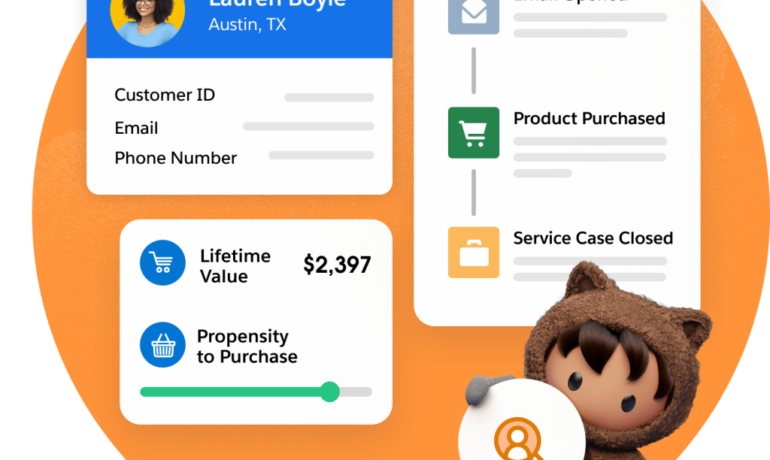
Federal agencies are placing a higher priority on providing AI training to their workforces with a focus on principles of transparency and accountability, officials announced at ATARC’s GITEC conference in Charlottesville, Virginia earlier. Gov Agencies AI Workforce Challenges. Alexis Bonnell, Air Force Research Laboratory CIO and Director of the Digital Capabilities Directorate, emphasized the importance of upholding existing ethics standards rather than creating new ones. She stressed that agencies need to exercise the ethical principles they have always been expected to follow. President Biden’s October 2023 executive order on artificial intelligence mandated that agencies develop ethical AI and establish AI offices, among other directives. While agencies like the Defense Department and the Department of Homeland Security are optimistic about AI’s potential, leaders remain cautious about its ethical implications and stress the importance of safe technology development. It’s not just technologists who require AI training. To ensure all employees understand AI’s risks and benefits, government leaders are prioritizing education and upskilling efforts. Steven Brand, Energy Deputy CIO of Resource Management, highlighted the initiative to provide foundational AI training across his department, emphasizing that the goal is not to make employees experts. Tammy Hornsby-Fink, Executive Vice President and System CISO at the Federal Reserve Bank of Richmond, emphasized the need for accessible learning opportunities for all department members, from data scientists to executive assistants, to grasp AI concepts in manageable increments. Hornsby-Fink also emphasized the importance of providing sandboxes for employees to experiment with new technologies safely, stressing that experimentation is key to understanding how these technologies can create business value. According to Tony Boese, Department of Veterans Affairs Interagency Programs Manager, consistent education is essential to combat misinformation about AI. He mentioned the agency’s ASPIRE data-literacy program, which leverages AI to identify skills gaps and tailor educational pathways for individuals. Karen Howard, IRS Office of Online Services Executive Director, highlighted the need to modernize recruitment strategies and change management principles to attract top talent and leverage digital transformation and AI effectively. Jamie Holcombe, U.S. Patent and Trademark Office CIO, emphasized the importance of diversifying agency workforces by bringing in new perspectives from industry, such as those from Silicon Valley, to move away from outdated organizational playbooks. Gov Agencies AI Workforce Challenges Like Related Posts Who is Salesforce? Who is Salesforce? Here is their story in their own words. From our inception, we’ve proudly embraced the identity of Read more Salesforce Unites Einstein Analytics with Financial CRM Salesforce has unveiled a comprehensive analytics solution tailored for wealth managers, home office professionals, and retail bankers, merging its Financial Read more AI-Driven Propensity Scores AI plays a crucial role in propensity score estimation as it can discern underlying patterns between treatments and confounding variables Read more Tectonic’s Successful Salesforce Track Record Salesforce Technology Services Integrator – Tectonic has successfully delivered Salesforce in a variety of industries including Public Sector, Hospitality, Manufacturing, Read more

Read More

Salesforce Unveils Einstein Copilot

Salesforce Unveils Einstein Copilot: A New Era in AI-Powered CRM Salesforce, the world’s leading customer relationship management (CRM) platform, has introduced Einstein Copilot, an advanced AI-powered assistant designed to revolutionize business interactions with CRM systems. Seamlessly integrated within Salesforce’s ecosystem, including Data Cloud, Einstein Copilot automates complex workflows, enhances operational efficiency, and delivers highly personalized customer insights. By leveraging AI, it empowers sales, marketing, and customer service teams while ensuring compliance with data privacy and governance standards. The Challenge: Enhancing CRM Efficiency with AI As customer relationships became more intricate, businesses sought a CRM solution that could: Salesforce responded by integrating cutting-edge AI capabilities into its CRM platform, ensuring a seamless, secure, and intelligent customer experience. The Einstein Copilot Solution Salesforce has embedded Einstein Copilot across its CRM applications, transforming customer relationships through AI-driven automation. By harnessing Data Cloud, Einstein Copilot accesses unified, reliable data to generate real-time insights, helping businesses make smarter decisions and enhance customer interactions. With customization tools like Copilot Builder, Prompt Builder, Skill Builder, and Model Builder, businesses can tailor Einstein Copilot to meet their unique needs. Integration with Salesforce extensions and external APIs further optimizes workflows, automating tasks and streamlining operations. Key Features of Einstein Copilot Results: Transforming CRM with AI Since its launch, Einstein Copilot has significantly improved customer satisfaction and operational productivity by: Challenges & Considerations Despite its success, deploying Einstein Copilot presented some challenges, including: The Future of Einstein Copilot Salesforce is committed to expanding Einstein Copilot’s capabilities, focusing on: Salesforce envisions Einstein Copilot setting a new benchmark in AI-driven CRM, enabling businesses to foster stronger customer relationships, drive growth, and streamline operations. About Salesforce Salesforce is the world’s leading CRM platform, empowering businesses with innovative solutions that blend cloud computing, artificial intelligence, and big data analytics. Since its founding in 1999, Salesforce has been at the forefront of digital transformation, helping organizations optimize operations and elevate customer engagement. Conclusion Einstein Copilot marks a transformative shift in CRM, leveraging AI to enhance efficiency, automate workflows, and deliver superior customer experiences. With AI-driven automation and intelligent decision-making, businesses can now focus on building long-lasting customer relationships that drive loyalty and success. Einstein Copilot is now Agentforce. Content updated January 2025. Like Related Posts Who is Salesforce? Who is Salesforce? Here is their story in their own words. From our inception, we’ve proudly embraced the identity of Read more Salesforce Marketing Cloud Transactional Emails Salesforce Marketing Cloud Transactional Emails are immediate, automated, non-promotional messages crucial to business operations and customer satisfaction, such as order Read more Salesforce Unites Einstein Analytics with Financial CRM Salesforce has unveiled a comprehensive analytics solution tailored for wealth managers, home office professionals, and retail bankers, merging its Financial Read more AI-Driven Propensity Scores AI plays a crucial role in propensity score estimation as it can discern underlying patterns between treatments and confounding variables Read more

Read More
Public Sector Care and Services Management

Public Sector Care and Services Management

Embracing Technology for Proactive Governance: Public Sector Care and Services Management In navigating the complexities of modern governance and service delivery, embracing technology trends presents an opportunity for governments to proactively address challenges and deliver impactful outcomes to the citizens they serve. Through strategic investment in reliable technology, governments can build trust with constituents, enhance the citizen experience, and drive cost savings. Public Sector Care and Services Management Salesforce, globally recognized as the leading CRM, consistently rises with its adaptable features tailored to diverse audiences. Its innovative solutions cater to unique needs across industries and sectors, including the public sector. Salesforce offers a suite of solutions designed to optimize operations within any public office setting, acknowledging the critical role of technology in enhancing efficiency. But Salesforce Public Services Solutions are not just a cookie-cutter government application. Public Sector Care and Services Management solutions from Salesforce are fully customizable. Understanding the Role of Salesforce in the Public Sector The public sector encompasses governmental bodies responsible for addressing fundamental citizen concerns at various levels, from local to federal. These entities can significantly enhance their efficiency by leveraging the right technological tools. Salesforce is committed to streamlining processes within the public sector, recognizing its pivotal role in ensuring effective governance. Expectations for government offices parallel those of private enterprises, with citizens expecting service quality comparable to the private sector. Therefore, public entities are tasked with delivering efficiency, agility, and direct engagement, thereby demonstrating their commitment to serving the populace. Salesforce offers a range of solutions tailored to meet the unique demands of the public sector. Tailored Salesforce Solutions for the Public Sector Salesforce’s offerings for the public sector comprise applications meticulously crafted to address specific government and constituent requirements. These flexible and secure e-government tools aim to revolutionize the sector’s operations by providing a comprehensive view of citizens and enhancing the effectiveness of public employees. By simplifying processes and fostering innovation, these solutions drive efficiency at both organizational and individual levels, facilitating smoother operations. Integrated into Public Sector Solutions, these offerings leverage Salesforce’s standard functionalities and Service Cloud capabilities. They enable the creation of an Experience Cloud site, granting citizens seamless access to government services. Some available solutions cater to general tasks managed by public sector agencies, including: Key Advantages of Salesforce Solutions for the Public Sector Salesforce solutions offer numerous advantages to the public sector, aligning with the demands of citizens and employees. These include enhanced citizen service, improved accessibility, agile responsiveness, employee experience enhancement, increased productivity, enhanced transparency, flexibility, adaptation, and cost reduction. Salesforce emerges as a crucial success tool in the public sector’s modernization journey, transforming processes to be more agile and efficient. For public sector and tribal government organizations seeking to implement Salesforce solutions tailored for the public sector, assistance from experienced teams like Tectonic can ensure a successful transition. Contact Tectonic today for Public Sector Care and Services Management. Like1 Related Posts Who is Salesforce? Who is Salesforce? Here is their story in their own words. From our inception, we’ve proudly embraced the identity of Read more Salesforce Marketing Cloud Transactional Emails Salesforce Marketing Cloud Transactional Emails are immediate, automated, non-promotional messages crucial to business operations and customer satisfaction, such as order Read more Salesforce Unites Einstein Analytics with Financial CRM Salesforce has unveiled a comprehensive analytics solution tailored for wealth managers, home office professionals, and retail bankers, merging its Financial Read more AI-Driven Propensity Scores AI plays a crucial role in propensity score estimation as it can discern underlying patterns between treatments and confounding variables Read more

Read More
Organizational AI Change Management

Organizational AI Change Management

The Future of AI: Transforming Organizational Culture and Decision-Making When envisioning the future, the greatest impact and necessary changes from AI will occur within organizations, not just through technology. Organizational AI Change Management will be a top down, but all the way down, process. AI’s influence extends beyond procedural steps, fundamentally altering organizational decision-making. Rethinking Organizational Structure AI demands a new perspective on organizational structure rather than just focusing on process or technology. This isn’t about achieving “AGI” or other speculative advancements, but about understanding AI’s true role in organizational change. Many companies aim to become “Data & AI Driven,” but what does that entail? Fundamentally, it means integrating technology into the business, where data reflects organizational reality, and AI is interwoven with roles and responsibilities. Cultural Shift Towards a 50% AI World Transitioning to a 50% AI-driven world involves more than adopting new technology or processes; it requires a profound cultural shift within the organization. People, Process, and Technology: A Holistic View A traditional Venn diagram of “People,” “Process,” and “Technology” illustrates governance, service models, and automation at their intersections. However, achieving true AI integration necessitates focusing on the overlaps and cultural changes, not just the components themselves. Cultural Foundations First For AI to succeed, organizations must start with cultural transformation. Changing how people think is the biggest challenge in any transformation process. AI’s Role in Decision-Making AI primarily impacts decisions, not just processes or technology. Processes, while essential, are merely tools for execution. AI calls for a paradigm shift, as it assumes decision-making roles, traditionally held by humans, within clear boundaries and domains of control. Organizational Accountability and AI Businesses must adapt to a model where AI operates under delegated authority from specific individuals, necessitating a shift in accountability and management. This approach redefines AI as a partner in decision-making rather than a mere tool. Digital Transformation and AI Integration Incorporating AI requires a new digital framework, moving beyond ad-hoc data and historical knowledge to a dynamic, organizationally-centric data platform. This “metamirror” provides a digital representation of the business, necessary for AI to function effectively. AI-Driven Organizational Models In this new model, both people and AIs operate within defined roles, with AIs accountable to their human counterparts. Organizational changes, such as promotions or departures, directly impact AI roles and responsibilities. The Organization as an Organism Richie Etwaru’s concept of an organization as an “organism” highlights the dynamic, interactive nature of AI-driven entities. This model integrates roles, processes, and technology into a cohesive, responsive system. Managing Change in an AI-Integrated World Managing change in an AI-driven world blurs the lines between technology and business functions. AI skills become integral to organizational roles, fundamentally altering how change is approached and managed. Preparing for a 50% AI Future A shift towards a 50% AI-driven world necessitates rethinking business culture. Being “Data & AI Driven” means the business takes responsibility for its data and integrates AI as a strategic partner. This requires a cultural transformation where data accuracy and AI alignment with business objectives are paramount. Embracing a Data & AI Culture To thrive in a 50% AI world, organizations must embrace a Data & AI culture. This involves taking accountability for data, ensuring AI’s decisions reflect reality, and aligning AI with business goals. Without this cultural shift, businesses risk merely using AI technology without fully integrating it into their strategic framework. aIn summary, achieving true AI integration means transforming the organizational culture, redefining roles and responsibilities, and creating a robust digital infrastructure that supports AI’s dynamic decision-making capabilities. Like Related Posts Who is Salesforce? Who is Salesforce? Here is their story in their own words. From our inception, we’ve proudly embraced the identity of Read more Salesforce Marketing Cloud Transactional Emails Salesforce Marketing Cloud Transactional Emails are immediate, automated, non-promotional messages crucial to business operations and customer satisfaction, such as order Read more Salesforce Unites Einstein Analytics with Financial CRM Salesforce has unveiled a comprehensive analytics solution tailored for wealth managers, home office professionals, and retail bankers, merging its Financial Read more AI-Driven Propensity Scores AI plays a crucial role in propensity score estimation as it can discern underlying patterns between treatments and confounding variables Read more

Read More
How to Implement AI for Business Transformation

How to Implement AI for Business Transformation

Harnessing the Power of AI for Business Transformation The age of artificial intelligence (AI) is here. How to Implement AI for Business Transformation? Once a niche technology confined to research labs and the realm of science fiction, AI has now become a mainstream force. Today, an estimated 35% of businesses are leveraging AI to enhance products, boost efficiency, and gain a competitive edge. However, for companies yet to begin their AI journey, the path to implementation can seem daunting. So how can organizations navigate the complexities of AI and unlock its potential to drive success? This comprehensive guide is designed to empower businesses to confidently adopt AI. We’ll break down what AI is, assess your organization’s readiness, help you develop a robust AI strategy, and explore how to implement and integrate AI across operations. Ultimately, this insight will show you how to embrace AI for continuous innovation, helping automate tasks, uncover insights, and future-proof your business. AI Era Demands an Intelligent Data Infrastructure AI consulting services and digital transformation partners like Tectonic underscore the technology’s immense value, helping organizations evaluate, implement, and scale AI initiatives. However, knowing where to start and who to trust can be challenging. This guide will provide best practices for planning and executing AI projects, helping you make informed decisions when selecting solutions and partners. By the end, your organization will be equipped with the knowledge and confidence needed to make AI a powerful competitive advantage. Understanding the AI Landscape Before diving into AI implementation, it’s important to understand what artificial intelligence is and the wide array of applications it offers. What is Artificial Intelligence? Artificial intelligence (AI) refers to software and machines designed to perform tasks that typically require human intelligence—such as visual perception, speech recognition, decision-making, and language translation. AI is already deeply integrated into many everyday products and services, including: Machine Learning Basics At the core of most AI systems is machine learning (ML), which involves training algorithms on vast datasets, enabling them to learn from examples without being explicitly programmed for every scenario. There are three main types of machine learning: Beyond ML, fields like natural language processing (NLP) focus on understanding human language, while computer vision analyzes visual content such as images and video. Real-World AI Applications Understanding the fundamentals of AI helps organizations align their needs with its capabilities. Common business use cases for AI include: Armed with this knowledge, businesses can better evaluate how AI fits into their goals and operations. Developing a Comprehensive AI Strategy Once you understand the AI landscape, the next step is developing a strategic plan to guide implementation. Establishing an AI Vision and Objectives AI adoption must align with clear financial and operational goals. Leadership teams should identify: Aligning stakeholders and executive leaders around specific use cases will drive urgency, investment, and commitment. AI Ethics and Governance AI adoption also requires guidelines for ethical usage, transparency, and accountability. Organizations should consider: Establishing these frameworks early ensures responsible and transparent AI usage. Resourcing an AI Program AI implementation requires the right talent and resources. Budget considerations should include: A Phased AI Adoption Roadmap Rather than attempting to scale AI all at once, organizations should adopt a phased approach: This roadmap balances short-term impact with long-term scalability. Choosing the Right AI Implementation Approach With your strategy in place, the next decision is how to implement AI. Three primary approaches are: The choice depends on your organization’s internal capabilities, desired level of customization, and timeline. Integrating AI into Your Operations Successful AI implementation requires careful planning and integration with existing operations. Develop an Integration Plan Consider how AI will interact with existing systems and workflows: Address Security and Privacy Ensure that AI systems comply with data privacy regulations and security protocols, especially when handling sensitive information. Drive Adoption Through Training Help staff understand how AI will augment their roles by providing training on how the algorithms work and how to interact with AI systems effectively. Monitor for Model Decay Implement processes to monitor and retrain models as needed to ensure continued performance and reliability. Embracing AI for Continuous Improvement AI should be viewed as an ongoing investment, driving continuous improvement across the organization. Encourage a Data-Driven Culture Empower teams to identify new AI use cases and experiment with AI-driven solutions. Provide the tools and frameworks to facilitate this culture of innovation. Foster Responsible AI Ensure that AI systems are transparent, accountable, and designed to augment human decision-making responsibly. Commit to Reskilling As AI capabilities evolve, continually upskill employees to ensure your workforce remains at the forefront of technological advancements. Unlocking the Future of AI The potential of AI to revolutionize businesses is clear. However, achieving success requires more than just technical capabilities. It demands thoughtful planning, strategic alignment, and a commitment to continuous improvement. By following this guide, your organization can confidently implement AI to unlock powerful data-driven insights, automate tasks, and achieve lasting competitive advantage. The future of AI is full of possibilities—are you ready to seize them? Tectonic is ready to help. How to Implement AI for Business Transformation Like Related Posts Who is Salesforce? Who is Salesforce? Here is their story in their own words. From our inception, we’ve proudly embraced the identity of Read more Salesforce Unites Einstein Analytics with Financial CRM Salesforce has unveiled a comprehensive analytics solution tailored for wealth managers, home office professionals, and retail bankers, merging its Financial Read more AI-Driven Propensity Scores AI plays a crucial role in propensity score estimation as it can discern underlying patterns between treatments and confounding variables Read more Tectonic’s Successful Salesforce Track Record Salesforce Technology Services Integrator – Tectonic has successfully delivered Salesforce in a variety of industries including Public Sector, Hospitality, Manufacturing, Read more

Read More
2024 AI and Machine Learning Trends

2024 AI and Machine Learning Trends

In 2023, the AI landscape experienced transformative changes following the debut of ChatGPT in November 2022, a landmark event for artificial intelligence. 2024 AI and Machine Learning Trends ahead, AI is set to dramatically alter global business practices and drive significant advancements across various sectors. Organizations are shifting their focus from experimental initiatives to real-time applications, reflecting a more mature understanding of AI’s capabilities while still being intrigued by generative AI technologies. Key AI and Machine Learning Trends for 2024 Here are the top trends shaping the AI and machine learning landscape for 2024: 1. Agentic AIAgentic AI is evolving from reactive to proactive systems. Unlike traditional AI that primarily responds to user inputs, these advanced AI agents demonstrate autonomy, proactivity, and the ability to independently set and pursue goals. 2. Open-Source AIOpen-source AI is democratizing access to sophisticated AI models and tools by offering free, publicly accessible alternatives to proprietary solutions. This trend has seen significant growth, with notable competitors like Mistral AI’s Mixtral models and Meta’s Llama 2 making strides in 2023. 3. Multimodal AIMultimodal AI integrates various types of inputs—such as text, images, and audio—mimicking human sensory capabilities. Models like GPT-4 from OpenAI showcase this ability, enhancing applications in fields like healthcare by improving diagnostic precision. 4. Customized Enterprise Generative AI ModelsThere is a rising interest in bespoke generative AI models tailored to specific business needs. While broad tools like ChatGPT remain widely used, niche-specific models are increasingly popular for their efficiency in addressing specialized requirements. 5. Retrieval-Augmented Generation (RAG)RAG combines text generation with information retrieval to boost the accuracy and relevance of AI-generated content. By reducing model size and leveraging external data sources, RAG is well-suited for business applications that require up-to-date factual information. 6. Shadow AIShadow AI, which refers to user-friendly AI tools used without formal IT approval, is gaining traction among employees seeking quick solutions or exploring new technologies. While it fosters innovation, it also raises concerns about data privacy and security. Looking Ahead to 2024 These trends highlight AI and machine learning’s expanding role across industries in 2024. Organizations must adapt to these advancements to remain competitive, balancing innovation with strong governance frameworks to ensure security and compliance. Staying informed about these developments will be crucial for leveraging AI’s transformative potential in the coming year. Like Related Posts Who is Salesforce? Who is Salesforce? Here is their story in their own words. From our inception, we’ve proudly embraced the identity of Read more Salesforce Marketing Cloud Transactional Emails Salesforce Marketing Cloud Transactional Emails are immediate, automated, non-promotional messages crucial to business operations and customer satisfaction, such as order Read more Salesforce Unites Einstein Analytics with Financial CRM Salesforce has unveiled a comprehensive analytics solution tailored for wealth managers, home office professionals, and retail bankers, merging its Financial Read more AI-Driven Propensity Scores AI plays a crucial role in propensity score estimation as it can discern underlying patterns between treatments and confounding variables Read more

Read More
Tableau Pulse

Effectively Using Tableau Pulse

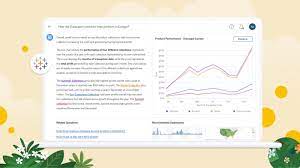
Here are several tips to guide you in effectively using Tableau Pulse: Begin with essential metrics, allowing users to adapt to Pulse gradually before introducing more features. Like1 Related Posts Who is Salesforce? Who is Salesforce? Here is their story in their own words. From our inception, we’ve proudly embraced the identity of Read more Salesforce Marketing Cloud Transactional Emails Salesforce Marketing Cloud Transactional Emails are immediate, automated, non-promotional messages crucial to business operations and customer satisfaction, such as order Read more Salesforce Unites Einstein Analytics with Financial CRM Salesforce has unveiled a comprehensive analytics solution tailored for wealth managers, home office professionals, and retail bankers, merging its Financial Read more AI-Driven Propensity Scores AI plays a crucial role in propensity score estimation as it can discern underlying patterns between treatments and confounding variables Read more

Read More
AI-Powered Data Management

AI-Powered Data Management

AI-Powered Data Management: Transforming Data into Strategic Assets What is AI Data Management? AI data management integrates artificial intelligence (AI) and machine learning (ML) to optimize data processes—automating workflows, improving accuracy, and unlocking deeper insights. By leveraging AI, organizations can enhance data quality, security, compliance, and analytics, making data more actionable for AI-driven applications. Key Capabilities of AI in Data Management 1. Intelligent Automation 2. Enhanced Data Quality 3. Advanced Security & Compliance 4. Smart Data Discovery & Classification 5. Predictive & Prescriptive Analytics Real-World Applications ✅ Automated Data Cleansing – AI validates and corrects data in real time, ensuring accuracy.✅ Intelligent Data Cataloging – AI scans and classifies data for easy retrieval and governance.✅ Predictive Modeling – Analyzes historical data to forecast trends (e.g., customer behavior, operational risks).✅ AI-Driven Cybersecurity – Monitors network activity to detect and block threats before they escalate. Business Benefits of AI Data Management 🔹 Higher Data Accuracy – Fewer errors, more reliable insights.🔹 Faster Decision-Making – AI extracts insights in seconds, not weeks.🔹 Cost Efficiency – Reduces manual labor and storage waste.🔹 Regulatory Readiness – Automates compliance reporting.🔹 Competitive Edge – Turns data into a strategic differentiator. The Future of AI in Data Management As AI evolves, expect: Conclusion AI-powered data management isn’t just an upgrade—it’s a paradigm shift. By integrating AI, organizations can automate workflows, enhance security, and extract unprecedented value from their data, positioning themselves ahead in the data-driven economy. Is your business ready to harness AI for smarter data management? Like Related Posts Who is Salesforce? Who is Salesforce? Here is their story in their own words. From our inception, we’ve proudly embraced the identity of Read more Salesforce Unites Einstein Analytics with Financial CRM Salesforce has unveiled a comprehensive analytics solution tailored for wealth managers, home office professionals, and retail bankers, merging its Financial Read more AI-Driven Propensity Scores AI plays a crucial role in propensity score estimation as it can discern underlying patterns between treatments and confounding variables Read more Tectonic’s Successful Salesforce Track Record Salesforce Technology Services Integrator – Tectonic has successfully delivered Salesforce in a variety of industries including Public Sector, Hospitality, Manufacturing, Read more

Read More
AI Transparency

AI Transparency Explained

Understanding AI Transparency AI transparency is about making the inner workings of an AI model clear and understandable, allowing us to see how it arrives at its decisions. It involves a variety of tools and practices that help us comprehend the model, the data it’s trained on, how errors and biases are identified and categorized, and how these issues are communicated to developers and users. As AI models have become more advanced, the importance of transparency has grown. A significant concern is that more powerful models are often more opaque, leading to the so-called “black box” problem. “Humans naturally struggle to trust something they can’t understand,” said Donncha Carroll, partner and chief data scientist at Lotis Blue Consulting. “AI hasn’t always proven itself to be unbiased, which makes transparency even more critical.” Defining AI Transparency AI transparency is essential for building trust, as it allows users to understand how decisions are made by AI systems. Since AI models are trained on data that can carry biases or risks, transparency is crucial for gaining the trust of users and those affected by AI decisions. “AI transparency is about clearly explaining the reasoning behind the output, making the decision-making process accessible and comprehensible,” said Adnan Masood, chief AI architect at UST. “It’s about demystifying AI and providing insight into its decision-making process.” Transparency is becoming increasingly vital due to its role in fostering trust, enabling auditability, ensuring compliance, and helping to identify and address potential biases. Without it, AI systems risk perpetuating harmful biases, making opaque decisions, or causing unintended consequences in high-risk scenarios, Masood added. Explainability and Interpretability in AI Transparency AI transparency is closely related to concepts like explainability and interpretability, though they are distinct. Transparency ensures that stakeholders can understand how an AI system operates, including its decision-making and data processing. This clarity is essential for building trust, especially in high-stakes applications. Explainability, on the other hand, provides understandable reasons for AI’s decisions, while interpretability refers to how predictable a model‘s outputs are based on its inputs. While both are crucial for achieving transparency, they don’t fully encompass it. Transparency also involves openness about how data is handled, the model’s limitations, potential biases, and the context of its usage. Ilana Golbin Blumenfeld, responsible AI lead at PwC, emphasized that transparency in process, data, and system design complements interpretability and explainability. Process transparency involves documenting and logging key decisions during system development and implementation, while data and system transparency involves informing users that an AI or automated system will use their data, and when they are interacting with AI, like in the case of chatbots. The Need for AI Transparency AI transparency is crucial for fostering trust between AI systems and users. Manojkumar Parmar, CEO and CTO at AIShield, highlighted the top benefits of AI transparency: Challenges of the Black Box Problem AI models are often evaluated based on their accuracy—how often they produce correct results. However, even highly accurate models can be problematic if their decision-making processes are opaque. As AI’s accuracy increases, its transparency often decreases, making it harder for humans to trust its outcomes. In the early days of AI, the black box problem was somewhat acceptable, but it has become a significant issue as algorithmic biases have been identified. For example, AI models used in hiring or lending have been found to perpetuate biases based on race or gender due to biased training data. Even highly accurate models can make dangerous mistakes, such as misclassifying a stop sign as a speed limit sign. These errors highlight the importance of understanding how AI reaches its conclusions, especially in critical applications like healthcare, where a misdiagnosis could be life-threatening. Transparency in AI makes it a better partner for human decision-making. In regulated industries, like banking, explainability is often a legal requirement before AI models can be deployed. Similarly, regulations like GDPR give individuals the right to understand how decisions involving their private data are made by AI systems. Weaknesses of AI Transparency While AI transparency offers many benefits, it also presents challenges: As AI models continuously evolve, they must be monitored and evaluated to maintain transparency and ensure they remain trustworthy and aligned with their intended outcomes. Balancing AI Transparency and Complexity Achieving AI transparency requires a balance between different organizational needs. When implementing AI, organizations should consider the following factors: Best Practices for Implementing AI Transparency Achieving AI transparency requires continuous collaboration and learning within an organization. Leaders and employees must clearly understand the system’s requirements from a business, user, and technical perspective. Blumenfeld suggests that providing AI literacy training can help employees contribute to identifying flawed responses or behaviors in AI systems. Masood recommends prioritizing transparency from the beginning of AI projects. This involves creating datasheets for datasets, model cards for models, rigorous auditing, and ongoing analysis of potential harm. Key Use Cases for AI Transparency AI transparency has many facets, and teams should address each potential issue that could hinder transparency. Parmar suggests focusing on the following use cases: The Future of AI Transparency AI transparency is an evolving field as the industry continually uncovers new challenges and develops better processes to address them. “As AI adoption and innovation continue to grow, we’ll see greater AI transparency, especially in the enterprise,” Blumenfeld predicted. However, approaches to transparency will vary based on the needs of different industries and organizations. Carroll anticipates that AI transparency efforts will also be shaped by factors like insurance premiums, particularly in areas where AI risks are significant. These efforts will be influenced by an organization’s overall system risk and evidence of best practices in model deployment. Masood believes that regulatory frameworks, like the EU AI Act, will play a key role in driving AI transparency. This shift toward greater transparency is crucial for building trust, ensuring accountability, and responsibly deploying AI systems. “The journey toward full AI transparency is challenging, with its share of obstacles,” Masood said. “But through collective efforts from practitioners, researchers, policymakers, and society, I’m optimistic that

Read More
Big Data and Data Visualization

Big Data and Data Visualization Explained

Data Visualization: Turning Complex Data into Clear Insights Data visualization is the practice of converting information into visual formats, such as maps or graphs, to make data more accessible and understandable. The primary purpose of data visualization is to highlight patterns, trends, and outliers within large data sets, allowing users to quickly glean insights. The term is often used interchangeably with information graphics, information visualization, and statistical graphics. The Role of Data Visualization in Data Science Data visualization is a crucial step in the data science process. After data is collected, processed, and modeled, it must be visualized to draw meaningful conclusions. It’s also a key component of data presentation architecture, a discipline focused on efficiently identifying, manipulating, formatting, and delivering data. Importance Across Professions Data visualization is essential across various fields. Teachers use it to display student performance, computer scientists to explore AI advancements, and executives to communicate information to stakeholders. In big data projects, visualization tools are vital for quickly summarizing large datasets, helping businesses make informed decisions. In advanced analytics, visualization is equally important. Data scientists use it to monitor and ensure the accuracy of predictive models and machine learning algorithms. Visual representations of complex algorithms are often easier to interpret than numerical outputs. Historical Context of Data Visualization Data visualization has evolved significantly over the centuries, long before the advent of modern technology. Today, its importance is more pronounced, as it enables quick and effective communication of information in a universally understandable manner. Why Data Visualization Matters Data visualization provides a straightforward way to communicate information, regardless of the viewer’s expertise. This universality makes it easier for employees to make decisions based on visual insights. Visualization offers numerous benefits for businesses, including: Advantages of Data Visualization Key benefits include: Challenges and Disadvantages Despite its advantages, data visualization has some challenges: Data Visualization in the Era of Big Data With the rise of big data, visualization has become more critical. Companies leverage machine learning to analyze vast amounts of data, and visualization tools help present this data in a comprehensible way. Big data visualization often employs advanced techniques, such as heat maps and fever charts, beyond the standard pie charts and graphs. However, challenges remain, including: Examples of Data Visualization Techniques Early computer-based data visualizations often relied on Microsoft Excel to create tables, bar charts, or pie charts. Today, more advanced techniques include: Common Use Cases for Data Visualization Data visualization is widely used across various industries, including: The Science Behind Data Visualization The effectiveness of data visualization is rooted in how humans process information. Daniel Kahneman and Amos Tversky’s research identified two methods of information processing: Visualization Tools and Vendors Data visualization tools are widely used for business intelligence reporting. These tools generate interactive dashboards that track performance across key metrics. Users can manipulate these visualizations to explore data in greater depth, and indicators alert them to data updates or important events. Businesses might use visualization of data software to monitor marketing campaigns or track KPIs. As tools evolve, they increasingly serve as front ends for sophisticated big data environments, assisting data engineers and scientists in exploratory analysis. Popular data visualization tools include Domo, Klipfolio, Looker, Microsoft Power BI, Qlik Sense, Tableau, and Zoho Analytics. While Microsoft Excel remains widely used, newer tools offer more advanced capabilities. Data visualization is a vital subset of the broader field of data analytics, offering powerful tools for understanding and leveraging business data across all sectors. Like Related Posts Who is Salesforce? Who is Salesforce? Here is their story in their own words. From our inception, we’ve proudly embraced the identity of Read more Salesforce Marketing Cloud Transactional Emails Salesforce Marketing Cloud Transactional Emails are immediate, automated, non-promotional messages crucial to business operations and customer satisfaction, such as order Read more Salesforce Unites Einstein Analytics with Financial CRM Salesforce has unveiled a comprehensive analytics solution tailored for wealth managers, home office professionals, and retail bankers, merging its Financial Read more AI-Driven Propensity Scores AI plays a crucial role in propensity score estimation as it can discern underlying patterns between treatments and confounding variables Read more

Read More
Generative AI Regulations

Salesforce, Data Science, and Generative AI

Is Salesforce utilized in the field of data science? Salesforce data science and Generative AI Data Science-as-a-Service (DSaaS) democratizes access to machine learning through the Salesforce Data Management Platform, enabling widespread adoption of data science capabilities. Utilizing Salesforce for Data Science Empowerment: The integration of Salesforce into data science represents a transformative endeavor aimed at democratizing machine learning through Data Science-as-a-Service (DSaaS). By leveraging the Salesforce Data Management Platform, the objective is to empower individuals across various domains with the potential of data science. Democratization of Data Science: DSaaS introduces a versatile workbench that capitalizes on machine learning to refine segmentation, enhance activation strategies, and uncover deeper insights. Through robust analytics tools, users can gain profound insights into individual customer behaviors. Supported by a formidable 20-petabyte analytics environment and a real-time big data infrastructure, data-driven analytics are taken to unprecedented levels. Harnessing Modeling Resources: Data owners enjoy the flexibility to harness their data, algorithms, and models either within the Salesforce Data Management Platform or within their independent environments. Spearheading this initiative is the Salesforce Unified Intelligence Platform (UIP) team, constructing a centralized data intelligence platform aimed at enriching business insights, enhancing user experience, improving product quality, and optimizing operational efficiency, all while upholding the core value of trust embedded in the Salesforce platform. Salesforce Data Science and Generative AI Emphasizing Security and Design: Security stands as a cornerstone of the Salesforce platform, with the UIP’s evolution tracing back to a transition from a colossal Hadoop cluster to UIP in public clouds. The architectural journey prioritized data classification early on, engaging in meticulous reviews with legal and security experts to classify data intended for storage within UIP. Adopting the “zero-trust infrastructure” principle, the architecture is fortified against both internal and external threats, ensuring robust defense mechanisms against potential data breaches. Unlocking Data Science Potential through DSaaS: DSaaS serves as a catalyst in democratizing machine learning through the Salesforce Data Management Platform, spotlighting the pivotal role of data science in fostering generative AI and cultivating trustworthy AI. Data scientists play a critical role in ensuring data quality and organization to steer clear of issues such as biased or irrelevant outcomes. Navigating Data Science Challenges: Despite the transformative potential of data science, businesses encounter various challenges including managing diverse data sources, scarcity of skilled professionals, data privacy and security concerns, data cleansing complexities, and effectively communicating findings to non-technical stakeholders. Proposed Solutions: Addressing these challenges involves leveraging data integration tools, investing in the upskilling and reskilling of data professionals, implementing robust data privacy measures, employing data governance tools for data cleansing, and honing communication skills for reporting findings to non-technical stakeholders. The success of generative AI hinges on well-organized data, and data science is pivotal in achieving this. Whether utilizing AI tools built with the expertise of data scientists or building a data science team, businesses can navigate the evolving landscape of AI and data science with confidence. Content updated March 2024. Like1 Related Posts Who is Salesforce? Who is Salesforce? Here is their story in their own words. From our inception, we’ve proudly embraced the identity of Read more Salesforce Marketing Cloud Transactional Emails Salesforce Marketing Cloud Transactional Emails are immediate, automated, non-promotional messages crucial to business operations and customer satisfaction, such as order Read more Salesforce Unites Einstein Analytics with Financial CRM Salesforce has unveiled a comprehensive analytics solution tailored for wealth managers, home office professionals, and retail bankers, merging its Financial Read more AI-Driven Propensity Scores AI plays a crucial role in propensity score estimation as it can discern underlying patterns between treatments and confounding variables Read more

Read More
data cloud and marketing cloud personalization

What is the Difference in a Data Lake and a Data Warehouse

Is a Data Lake Necessary? Difference in a Data Lake and a Data Warehouse? Do I need both? Both Data Lakes and Data Warehouses play crucial roles in the data processing and reporting infrastructure. They are complementary approaches rather than substitutes. Relevance of Data Lakes: Data lakes are losing popularity compared to their previous standing. Advanced storage solutions like data warehouses are progressively taking their place. Can Data Lakes Replace Data Warehouses? Data lakes do not directly replace data warehouses; they serve as supplementary technologies catering to different use cases with some overlap. Organizations typically have both a data lake and a data warehouse. Distinguishing Between Data Lakes and Data Warehouses: Data lakes and data warehouses serve as storage systems for big data, utilized by data scientists, data engineers, and business analysts. Despite some similarities, their differences are more significant than their commonalities, and understanding these distinctions is vital for aspiring data professionals. Data Lake vs. Data Warehouse: Key Differences: Data lakes aggregate structured and unstructured data from multiple sources, resembling real lakes with diverse inflows. Data warehouses, on the other hand, are repositories for pre-structured data intended for specific queries and analyses. Exploring Data Lakes: A data lake is a storage repository designed to capture and store large amounts of raw data, whether structured, semi-structured, or unstructured. This data, once in the lake, can be utilized for machine learning or AI algorithms and later transferred to a data warehouse. Data Lake Examples: Data lakes find applications in various sectors, such as marketing, education, and transportation, addressing business problems by collecting and analyzing data from diverse sources. Understanding Data Warehouses: A data warehouse is a centralized repository and information system designed for business intelligence. It processes and organizes data into categories called data marts, allowing for structured data storage from multiple sources. Data Warehouse Examples: Data warehouses support structured systems and technology for diverse industries, including finance, banking, and food and beverage, facilitating secure and accurate report generation. Data Warehouses compared to Data Lakes: Data warehouses contain processed and sanitized structured data, focusing on business intelligence, while data lakes store vast pools of unstructured, raw data, providing flexibility for future analysis. Key Differences Between Warehouses and Lakes: Intended purpose, audience, data structure, access and update cost, access model, and storage and computing are crucial factors distinguishing data warehouses and data lakes. Choosing Between Data Warehouse and Data Lake: The decision depends on organizational needs, value extracted from data analysis, and infrastructure costs. Organizations may opt for agility with a data lake, a data warehouse for larger data quantities, or a combination for maximum flexibility. A data lake stores raw, unstructured data indefinitely, providing cost-effective storage, while a data warehouse contains cleaned, processed, and structured data, optimized for strategic analysis based on predefined business needs. Data Warehouse, Data Lake, and Data Hub Differences: Data warehouses and data lakes primarily support analytic workloads, whereas data hubs focus on data integration, sharing, and governance, serving different purposes in the data landscape. Salesforce Data Cloud is a powerful data warehouse solution that allows companies to effectively manage and analyze their data. It provides users with the ability to stream input data from Salesforce and other sources, making it a comprehensive platform for data integration. Content updated February 2024. Like1 Related Posts Who is Salesforce? Who is Salesforce? Here is their story in their own words. From our inception, we’ve proudly embraced the identity of Read more Salesforce Marketing Cloud Transactional Emails Salesforce Marketing Cloud Transactional Emails are immediate, automated, non-promotional messages crucial to business operations and customer satisfaction, such as order Read more Salesforce Unites Einstein Analytics with Financial CRM Salesforce has unveiled a comprehensive analytics solution tailored for wealth managers, home office professionals, and retail bankers, merging its Financial Read more AI-Driven Propensity Scores AI plays a crucial role in propensity score estimation as it can discern underlying patterns between treatments and confounding variables Read more

Read More
gettectonic.com