
Governance Archives - gettectonic.com - Page 11
Healthcare IT and CrowdStrike

Healthcare IT and CrowdStrike

Learning from the CrowdStrike Outage: Enhancing Resilience and Incident Response Overview: In the wake of the CrowdStrike outage, businesses around the globe are focusing on restoring business continuity and bolstering their resilience for future incidents. On Friday, July 19, 2024, a faulty content update triggered crashes across approximately 8.5 million Windows devices, displaying the infamous blue screen of death. This affected a range of sectors, including hospitals and airlines. Although less than 1% of all Windows machines were impacted, the outage caused significant disruptions, particularly in healthcare. For instance, Mass General Brigham hospitals and clinics canceled all non-urgent visits on the day of the outage. Other major healthcare providers, such as Memorial Sloan Kettering Cancer Center, Cleveland Clinic, and Mount Sinai, also faced operational challenges. This incident was not a result of a cyberattack but rather a defective content configuration update to CrowdStrike’s Falcon threat detection platform. According to the company’s preliminary post-incident review, a bug in the content validator allowed the faulty update to pass through validation despite containing errors. “What we’re hearing is that the recovery is well underway. Most healthcare organizations I’ve been talking to are back up and running,” said David Finn, Executive Vice President of Governance, Risk, and Compliance at First Health Advisory, in an interview with TechTarget Editorial. “The scope was much smaller than some of the other issues we’ve seen in the recent past in healthcare, but the response was healthy. Still, I think there are a lot of lessons learned.” Health IT security experts suggest that this incident can serve as a valuable learning opportunity for improving future response and recovery strategies. Planning for the Inevitable “The bad thing is always going to happen,” Finn stated, drawing on his 40 years of experience in health IT security and privacy. “The trick is to plan for it, be prepared, and ensure your ability to recover and remain resilient.” Whether it’s a large-scale cyberattack, like the one at Change Healthcare in February 2024, or a global IT outage without malicious origins, healthcare organizations of all sizes must be ready to respond to a variety of incidents that could disrupt critical systems. Finn emphasized the importance of proactive due diligence and thorough incident response planning, particularly in identifying and addressing single points of failure. Preparing for potential operational challenges in advance can make all the difference when an incident actually occurs. “We have to change the way we think about deploying this stuff,” Finn added. “Software, fortunately or not, is written by human beings, and human beings will always make mistakes. It’s our job to protect against those kinds of mistakes.” The Importance of Resilience Cyber-resilience is essential for enabling organizations to quickly recover and restore operations. By understanding that incidents like the CrowdStrike outage are bound to occur, organizations can focus on building resilience to effectively manage such events. Finn highlighted the need for resilience and redundancy in response to incidents like the CrowdStrike outage. “I still trust CrowdStrike, but that trust doesn’t mean they’re going to be perfect every time,” Finn noted. Healthcare organizations responded quickly to the incident, despite the disruptions it caused. For instance, Mass General Brigham activated its incident command to manage its response, keeping clinics and emergency departments open for urgent cases. By Monday, July 22, they had resumed scheduled appointments and procedures. According to Erik Weinick, co-head of the privacy and cybersecurity practice at New York-based law firm Otterbourg, the CrowdStrike incident underscores the need for organizations to reassess their legal and technical risk protocols. “Although initial reports indicate that the incident was an accident, not an attack, organizations should use this incident as motivation to conduct information audits, penetration testing, update system mapping and software, including security patches, and remind users about best security practices like multifactor authentication and frequently changing difficult-to-guess passwords,” Weinick said. Essentially, organizations can leverage incidents like the CrowdStrike outage to strengthen their risk management strategies and enhance their cyber-resilience. Third-Party Risk Management Challenges Even with strict security controls in place, organizations are still vulnerable to risks from third-party vendors. As the interconnectedness of healthcare systems grows, so does the potential for third-party risks. The global IT outage highlighted the importance of third-party risk management and the associated challenges. In 2023 and 2022, some of the largest healthcare data breaches were caused by third-party vendors. “People probably did a lot of risk analysis around CrowdStrike, but I’ll bet no one ever asked what tools they use to produce their software,” Finn speculated. “Until we get standards in place for software development and certifications for software sold to critical infrastructure sectors, we’re going to have to dig a little deeper.” In response to the incident, CrowdStrike announced plans to enhance its software resilience and testing processes, including adding more validation checks to its Content Validator for Rapid Response Content to prevent the deployment of faulty content. The company also plans to conduct multiple independent third-party security code reviews to prevent similar incidents in the future. “On the legal front, organizations should review their vendor agreements to understand their obligations regarding privacy and data security, who their partners are working with, and what limitations exist on liability for incidents like the CrowdStrike outage,” Weinick advised. He also recommended checking business disruption insurance coverage and conducting tabletop exercises to rehearse business continuity and recovery procedures in the event of a systems outage. Key Takeaways The CrowdStrike outage reinforced essential IT and security considerations for organizations worldwide, particularly in the areas of resilience, third-party risk management, and incident response and recovery. By learning from this event, organizations can better prepare for future challenges and improve their overall cyber-resilience. Like Related Posts Who is Salesforce? Who is Salesforce? Here is their story in their own words. From our inception, we’ve proudly embraced the identity of Read more Salesforce Unites Einstein Analytics with Financial CRM Salesforce has unveiled a comprehensive analytics solution tailored for wealth managers, home office professionals, and retail bankers, merging its Financial Read more AI-Driven
Read More
2024 AI Glossary

2024 AI Glossary

Artificial intelligence (AI) has moved from an emerging technology to a mainstream business imperative, making it essential for leaders across industries to understand and communicate its concepts. To help you unlock the full potential of AI in your organization, this 2024 AI Glossary outlines key terms and phrases that are critical for discussing and implementing AI solutions. Tectonic 2024 AI Glossary Active LearningA blend of supervised and unsupervised learning, active learning allows AI models to identify patterns, determine the next step in learning, and only seek human intervention when necessary. This makes it an efficient approach to developing specialized AI models with greater speed and precision, which is ideal for businesses aiming for reliability and efficiency in AI adoption. AI AlignmentThis subfield focuses on aligning the objectives of AI systems with the goals of their designers or users. It ensures that AI achieves intended outcomes while also integrating ethical standards and values when making decisions. AI HallucinationsThese occur when an AI system generates incorrect or misleading outputs. Hallucinations often stem from biased or insufficient training data or incorrect model assumptions. AI-Powered AutomationAlso known as “intelligent automation,” this refers to the integration of AI with rules-based automation tools like robotic process automation (RPA). By incorporating AI technologies such as machine learning (ML), natural language processing (NLP), and computer vision (CV), AI-powered automation expands the scope of tasks that can be automated, enhancing productivity and customer experience. AI Usage AuditingAn AI usage audit is a comprehensive review that ensures your AI program meets its goals, complies with legal requirements, and adheres to organizational standards. This process helps confirm the ethical and accurate performance of AI systems. Artificial General Intelligence (AGI)AGI refers to a theoretical AI system that matches human cognitive abilities and adaptability. While it remains a future concept, experts predict it may take decades or even centuries to develop true AGI. Artificial Intelligence (AI)AI encompasses computer systems that can perform complex tasks traditionally requiring human intelligence, such as reasoning, decision-making, and problem-solving. BiasBias in AI refers to skewed outcomes that unfairly disadvantage certain ideas, objectives, or groups of people. This often results from insufficient or unrepresentative training data. Confidence ScoreA confidence score is a probability measure indicating how certain an AI model is that it has performed its assigned task correctly. Conversational AIA type of AI designed to simulate human conversation using techniques like NLP and generative AI. It can be further enhanced with capabilities like image recognition. Cost ControlThis is the process of monitoring project progress in real-time, tracking resource usage, analyzing performance metrics, and addressing potential budget issues before they escalate, ensuring projects stay on track. Data Annotation (Data Labeling)The process of labeling data with specific features to help AI models learn and recognize patterns during training. Deep LearningA subset of machine learning that uses multi-layered neural networks to simulate complex human decision-making processes. Enterprise AIAI technology designed specifically to meet organizational needs, including governance, compliance, and security requirements. Foundational ModelsThese models learn from large datasets and can be fine-tuned for specific tasks. Their adaptability makes them cost-effective, reducing the need for separate models for each task. Generative AIA type of AI capable of creating new content such as text, images, audio, and synthetic data. It learns from vast datasets and generates new outputs that resemble but do not replicate the original data. Generative AI Feature GovernanceA set of principles and policies ensuring the responsible use of generative AI technologies throughout an organization, aligning with company values and societal norms. Human in the Loop (HITL)A feedback process where human intervention ensures the accuracy and ethical standards of AI outputs, essential for improving AI training and decision-making. Intelligent Document Processing (IDP)IDP extracts data from a variety of document types using AI techniques like NLP and CV to automate and analyze document-based tasks. Large Language Model (LLM)An AI technology trained on massive datasets to understand and generate text. LLMs are key in language understanding and generation and utilize transformer models for processing sequential data. Machine Learning (ML)A branch of AI that allows systems to learn from data and improve accuracy over time through algorithms. Model AccuracyA measure of how often an AI model performs tasks correctly, typically evaluated using metrics such as the F1 score, which combines precision and recall. Natural Language Processing (NLP)An AI technique that enables machines to understand, interpret, and generate human language through a combination of linguistic and statistical models. Retrieval Augmented Generation (RAG)This technique enhances the reliability of generative AI by incorporating external data to improve the accuracy of generated content. Supervised LearningA machine learning approach that uses labeled datasets to train AI models to make accurate predictions. Unsupervised LearningA type of machine learning that analyzes and groups unlabeled data without human input, often used to discover hidden patterns. By understanding these terms, you can better navigate the AI implementation world and apply its transformative power to drive innovation and efficiency across your organization. Tectonic 2024 AI Glossary Like Related Posts Who is Salesforce? Who is Salesforce? Here is their story in their own words. From our inception, we’ve proudly embraced the identity of Read more Salesforce Unites Einstein Analytics with Financial CRM Salesforce has unveiled a comprehensive analytics solution tailored for wealth managers, home office professionals, and retail bankers, merging its Financial Read more AI-Driven Propensity Scores AI plays a crucial role in propensity score estimation as it can discern underlying patterns between treatments and confounding variables Read more Tectonic’s Successful Salesforce Track Record Salesforce Technology Services Integrator – Tectonic has successfully delivered Salesforce in a variety of industries including Public Sector, Hospitality, Manufacturing, Read more

Read More
Key Insights on Navigating AI Compliance

Key Insights on Navigating AI Compliance

Grammarly’s AI Regulatory Master Class: Key Insights on Navigating AI Compliance On August 27, 2024, Grammarly hosted an AI Regulatory Master Class webinar, featuring Scout Moran, Senior Product Counsel, and Alan Luk, Head of Governance, Risk, and Compliance (GRC). The event provided a comprehensive overview of the current and upcoming AI regulations affecting organizations’ AI strategies, along with guidance on evaluating AI solution providers, including those offering generative AI. While the webinar avoided deep legal analysis and did not serve as legal advice, Moran and Luk spotlighted key regulations emerging from both the U.S. and European Union (EU), highlighting the rapid response of regulatory bodies to AI’s growth. Overview of AI Regulations The AI regulatory landscape is changing quickly. A May 2024 report from law firm Davis & Gilbert noted that nearly 200 AI-related laws have been proposed across various U.S. states. Grammarly’s presentation emphasized the need for organizations to stay updated, as both U.S. and EU regulations are shaping the future of AI governance. The EU AI Act: A New Regulatory Framework The EU AI Act, which took effect on August 2, 2024, applies to AI system providers, importers, distributors, and others connected to the EU market, regardless of where they are based. As Moran pointed out, the Act is designed to ensure AI systems are deployed safely. Unsafe systems may be removed from the market, establishing a regulatory baseline that individual EU countries can strengthen with more stringent measures. However, the Act does not fully define “safety.” Legal experts Hadrien Pouget and Ranj Zuhdi noted that while safety requirements are crucial to the Act, they are currently broad, allowing room for further development of standards. The Act prohibits certain AI practices, such as manipulative systems, those exploiting personal vulnerabilities, and AI used to assess or predict criminal risk. AI systems are categorized into four risk levels: unacceptable, high-risk, limited risk, and minimal risk. High-risk systems—such as those in critical infrastructure or public services—face stricter regulation, while minimal-risk systems like spam filters have fewer requirements. Full enforcement of the Act will begin in 2025. U.S. AI Regulations Unlike the EU, the U.S. focuses more on national security than consumer safety in its AI regulation. The U.S. Executive Order on Safe, Secure, and Trustworthy AI addresses these concerns. At the state level, Moran highlighted trends such as requiring clear disclosure when interacting with AI and giving individuals the right to opt out of having their data used for AI model training. States like California and Utah are leading the way with specific laws (SB-1047 and SB-149, respectively) addressing accountability and disclosure in AI use. Key Considerations When Selecting AI Vendors Moran stressed the importance of thoroughly vetting AI vendors. Organizations should ensure vendors meet cybersecurity standards, such as SOC 2, and clearly define how their data will be used, particularly in training large language models (LLMs). “Eyes off” agreements, which prevent vendor employees from accessing customer data, should also be considered. Martha Buyer, a frequent contributor to No Jitter, emphasized verifying the originality of AI-generated content from providers like Grammarly or Microsoft Copilot. She urged caution in ensuring the ownership and authenticity of AI-assisted outputs. The Importance of Strong Third-Party Agreements Luk highlighted Grammarly’s commitment to data privacy, noting that the company neither sells customer data nor uses it to train models. Additionally, Grammarly enforces agreements preventing its third-party LLM providers from doing so. These contractual protections are crucial for safeguarding customer data. Organizations should also ensure third-party vendors adhere to strict guidelines, including securing customer data, encrypting it, and preventing unauthorized access. Vendors should maintain updated security certifications and manage risks like bias, which, while not entirely avoidable, must be actively addressed. Staying Ahead in a Changing Regulatory Environment Both Moran and Luk stressed the importance of ongoing monitoring. Organizations need to regularly reassess whether their vendors comply with their data-sharing policies and meet evolving regulatory standards. As AI technology and regulations continue to evolve, staying informed and agile will be critical for compliance and risk mitigation. In conclusion, organizations adopting AI-powered solutions must navigate a dynamic regulatory environment. As AI advances and regulations become more comprehensive, remaining vigilant and asking the right questions will be key to ensuring compliance and reducing risks. Like Related Posts Who is Salesforce? Who is Salesforce? Here is their story in their own words. From our inception, we’ve proudly embraced the identity of Read more Salesforce Unites Einstein Analytics with Financial CRM Salesforce has unveiled a comprehensive analytics solution tailored for wealth managers, home office professionals, and retail bankers, merging its Financial Read more AI-Driven Propensity Scores AI plays a crucial role in propensity score estimation as it can discern underlying patterns between treatments and confounding variables Read more Tectonic’s Successful Salesforce Track Record Salesforce Technology Services Integrator – Tectonic has successfully delivered Salesforce in a variety of industries including Public Sector, Hospitality, Manufacturing, Read more

Read More
Salesforce Data Snowflake and You

Salesforce Data Snowflake and You

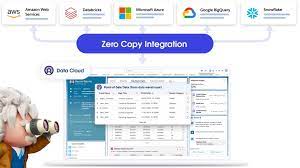
Unlock the Full Potential of Your Salesforce Data with Snowflake At Tectonic, we’ve dedicated years to helping businesses maximize their Salesforce investment, driving growth and enhancing customer experiences. Now, we’re expanding those capabilities by integrating with Snowflake.Imagine the power of merging Salesforce data with other sources, gaining deeper insights, and making smarter decisions—without the hassle of complex infrastructure. Snowflake brings this to life with a flexible, scalable solution for unifying your data ecosystem.In this insight, we’ll cover why Snowflake is essential for Salesforce users, how seamlessly it integrates, and why Tectonic is the ideal partner to help you leverage its full potential. Why Snowflake Matters for Salesforce Users Salesforce excels at managing customer relationships, but businesses today need data from multiple sources—e-commerce, marketing platforms, ERP systems, and more. That’s where Snowflake shines. With Snowflake, you can unify these data sources, enrich your Salesforce data, and turn it into actionable insights. Say goodbye to silos and blind spots. Snowflake is easy to set up, scales effortlessly, and integrates seamlessly with Salesforce, making it ideal for enhancing CRM data across various business functions.The Power of Snowflake for Salesforce Users Enterprise-Grade Security & GovernanceSnowflake ensures that your data is secure and compliant. With top-tier security and data governance tools, your customer data remains protected and meets regulatory requirements across platforms, seamlessly integrating with Salesforce. Cross-Cloud Data SharingSnowflake’s Snowgrid feature makes it easy for Salesforce users to share and collaborate on data across clouds. Teams across marketing, sales, and operations can access the same up-to-date information, leading to better collaboration and faster, more informed decisions. Real-Time Data ActivationCombine Snowflake’s data platform with Salesforce Data Cloud to activate insights in real-time, enabling enriched customer experiences through dynamic insights from web interactions, purchase history, and service touchpoints. Tectonic + Snowflake: Elevating Your Salesforce Experience Snowflake offers powerful data capabilities, but effective integration is key to realizing its full potential—and that’s where Tectonic excels. Our expertise in Salesforce, now combined with Snowflake, ensures that businesses can maximize their data strategies. How Tectonic Helps: Strategic Integration Planning: We assess your current data ecosystem and design a seamless integration between Salesforce and Snowflake to unify data without disrupting operations. Custom Data Solutions: From real-time dashboards to data enrichment workflows, we create solutions tailored to your business needs. Ongoing Support and Optimization: Tectonic provides continuous support, adapting your Snowflake integration to meet evolving data needs and business strategies. Real-World Applications Retail: Integrate in-store and e-commerce sales data with Salesforce for real-time customer insights. Healthcare: Unify patient data from wearables, EMRs, and support interactions for a holistic customer care experience. Financial Services: Enhance Salesforce data with third-party risk assessments, enabling quicker, more accurate underwriting. Looking Ahead: The Tectonic Advantage Snowflake opens up new possibilities for Salesforce-powered businesses. Effective integration, however, requires strategic planning and hands-on expertise. Tectonic has a long-standing track record of helping clients get the most out of Salesforce, and now, Snowflake adds an extra dimension to our toolkit. Whether you want to better manage data, unlock insights, or enhance AI initiatives, Tectonic’s combined Salesforce and Snowflake expertise ensures you’ll harness the best of both worlds. Stay tuned as we dive deeper into Snowflake’s features, such as Interoperable Storage, Elastic Compute, and Cortex AI with Arctic, and explore how Tectonic is helping businesses unlock the future of data and AI. Ready to talk about how Snowflake and Salesforce can transform your business? Contact Tectonic today! Like Related Posts Who is Salesforce? Who is Salesforce? Here is their story in their own words. From our inception, we’ve proudly embraced the identity of Read more Salesforce Marketing Cloud Transactional Emails Salesforce Marketing Cloud Transactional Emails are immediate, automated, non-promotional messages crucial to business operations and customer satisfaction, such as order Read more Salesforce Unites Einstein Analytics with Financial CRM Salesforce has unveiled a comprehensive analytics solution tailored for wealth managers, home office professionals, and retail bankers, merging its Financial Read more AI-Driven Propensity Scores AI plays a crucial role in propensity score estimation as it can discern underlying patterns between treatments and confounding variables Read more
Read More
More Cool AI Tools

Demystifying AI: Separating Fact from Fiction

1. The Consciousness Conundrum Myth: AI possesses human-like intelligence and consciousnessReality: Today’s AI, including advanced generative models, operates through pattern recognition—not genuine understanding. These systems process language statistically, without consciousness or emotional experience. Key Insight: AI can write poetry but doesn’t feel inspiration; it analyzes medical images without comprehending suffering. 2. The Future of Work Myth: AI will make human workers obsoleteReality: While AI automates 40-50% of repetitive tasks (McKinsey), it’s creating more jobs than it eliminates. The World Economic Forum predicts AI will generate 97 million new roles by 2025 focused on AI management, training, and ethical oversight. 3. The Bias Blind Spot Myth: AI delivers perfectly objective decisionsReality: A 2023 Stanford study found commercial AI systems exhibit demographic biases at alarming rates. For example: Solution: Regular bias audits and diverse training datasets are essential. 4. Emotional Intelligence Limits Myth: AI experiences human emotionsReality: While sentiment analysis achieves 85-90% accuracy in detecting emotions from text (MIT Tech Review), these systems simulate empathy without experiencing it—like a sophisticated mood ring. 5. The AGI Mirage Myth: Superintelligent AI is imminentReality: Current narrow AI excels at specific tasks but lacks the generalized reasoning of a five-year-old. OpenAI’s GPT-4 scores ~158 on IQ tests (human average: 100), yet fails at basic physical reasoning that toddlers master. 6. Transparency Spectrum Myth: All AI decisions are unexplainableReality: Tools like LIME and SHAP now visualize how models weigh factors in: Emerging Standard: The EU AI Act mandates explainability for high-risk applications. 7. Cost Realities Myth: AI implementation requires massive investmentReality: Cloud-based AI services now offer: 8. The Creativity Gap Myth: AI can replace human ingenuityReality: While AI generates plausible ideas, humans dominate in: 9. The Human-AI Partnership Myth: AI systems are autonomousReality: Every successful AI implementation requires: 10. ROI Realities Myth: AI guarantees business successReality: A 2024 Gartner survey found only 53% of AI projects move past pilot stage. Success factors include: Moving Forward Wisely Understanding these realities helps organizations: “The greatest danger of artificial intelligence isn’t that it will rebel against us, but that we’ll attribute superhuman capabilities to what is ultimately sophisticated pattern matching.”—Adapted from Pedro Domingos, “The Master Algorithm” Like Related Posts Who is Salesforce? Who is Salesforce? Here is their story in their own words. From our inception, we’ve proudly embraced the identity of Read more Salesforce Unites Einstein Analytics with Financial CRM Salesforce has unveiled a comprehensive analytics solution tailored for wealth managers, home office professionals, and retail bankers, merging its Financial Read more AI-Driven Propensity Scores AI plays a crucial role in propensity score estimation as it can discern underlying patterns between treatments and confounding variables Read more Tectonic’s Successful Salesforce Track Record Salesforce Technology Services Integrator – Tectonic has successfully delivered Salesforce in a variety of industries including Public Sector, Hospitality, Manufacturing, Read more

Read More
Where Will the Data Scientists Go

Where Will the Data Scientists Go

What Is to Become of the Data Scientist Role? This question frequently arises among executives, particularly as they navigate the changing roles of data teams, such as those at DataRobot. Where Will the Data Scientists Go may not be as relevant as what new places can they go with AI? The short answer? While tools may evolve, the core of data science remains steadfast. As the field of data science continues to expand, the role of the data scientist becomes increasingly vital. The need will grow, even as the role changes. Trust in AI is dependant upon human oversight. Beyond the Hype of Consumer AI The surge in consumer AI products has raised concerns among data scientists about the implications for their careers. However, these technologies are built on data and generate vast amounts of new data, presenting numerous opportunities. The real transformative potential lies in enterprise-scale automation. Enterprise-Scale Automation: The Data Scientist’s Domain Enterprise-scale automation involves creating large-scale, reliable systems. Data scientists are crucial in this effort, as they bring expertise in data exploration and systematic inference. They are uniquely positioned to identify automation opportunities, design testing and monitoring strategies, and collaborate with cross-functional teams to bring AI solutions from concept to implementation. As automation grows, the role of the data scientist is essential in ensuring these systems function effectively and safely, particularly in environments without human oversight. New Skills for Data Scientists: The Guardians of AI Applications Data scientists will need to acquire new skills to manage automation at scale, including securing the systems they build. Generative AI introduces new risks, such as potential vulnerabilities to prompt injections or other security threats. Governance and ensuring positive business impacts will become increasingly important, requiring a data science mindset. Building Great Data Teams in the Age of AI The future of data science will not be about automation replacing data scientists but about the evolution of roles and skills. Data scientists need to focus on the core foundations of their discipline rather than the specific tools they use, as tools will continue to evolve. Teams must be built intentionally, encompassing a range of skills and personalities necessary for successful enterprise automation. Business Leaders: Navigating the AI Landscape Business leaders will need to excel in decision-making, understanding the problems they aim to solve, and selecting the appropriate tools and teams. They will also need to manage evolving regulations, particularly those related to the design and deployment of AI systems. Data Scientists: Precision Thinkers at the Forefront Contrary to the belief that AI could replace coding skills, the essence of data science lies in precise thinking and clear communication. Data scientists excel in translating business needs into data-driven decisions and AI applications, ensuring that solutions are not only technically sound but also aligned with business objectives. This skill set will be crucial in the era of AI, as data scientists will play a key role in optimizing workflows, designing AI safety nets, and protecting their organization’s brand and reputation. The Evolving Role of Data Science The demand for precise, data-literate thinkers will only grow with the rise of enterprise AI systems. Whether they are called data scientists or another name, professionals who delve deeply into data and provide critical insights will remain essential in navigating the complexities of modern technology and business landscapes. Like Related Posts Who is Salesforce? Who is Salesforce? Here is their story in their own words. From our inception, we’ve proudly embraced the identity of Read more Salesforce Marketing Cloud Transactional Emails Salesforce Marketing Cloud Transactional Emails are immediate, automated, non-promotional messages crucial to business operations and customer satisfaction, such as order Read more Salesforce Unites Einstein Analytics with Financial CRM Salesforce has unveiled a comprehensive analytics solution tailored for wealth managers, home office professionals, and retail bankers, merging its Financial Read more AI-Driven Propensity Scores AI plays a crucial role in propensity score estimation as it can discern underlying patterns between treatments and confounding variables Read more

Read More
Building Trust in AI-Powered CRM

Building Trust in AI-Powered CRM

Building Trust in AI-Powered CRM: The Key to Successful Adoption Why Education and Trust Matter in AI-Driven CRM To maximize the benefits of AI-powered CRM systems, organizations must focus on two critical pillars: Despite growing AI adoption, Forrester’s research reveals significant gaps: 1. The AI Knowledge Gap 2. Trust Barriers in Generative AI Top concerns delaying genAI adoption:🔒 Security risks – Fear of leaking customer PII or confidential data⚖️ Compliance risks – Potential violations of GDPR, CCPA, or copyright laws✍️ Output reliability – AI-generated content may be misleading or inaccurate “Deploying unchecked AI responses can damage brand credibility. Human oversight remains essential.” 3. AI-Powered CRM: Security as a Competitive Advantage Businesses prioritize vendors who proactively address: How to Build AI Confidence in Your Organization For Employees ✔ Role-based AI training – Tailor education to sales, service, and marketing teams✔ Hands-on sandbox environments – Let teams test AI tools risk-free✔ Clear guidelines – Define approved vs. restricted AI use cases For Customers ✔ Transparent data policies – Explain how AI improves their experience✔ Opt-in controls – Let users manage data-sharing preferences✔ Human-AI collaboration – Ensure sensitive interactions always have human review The Path Forward While AI-powered CRM adoption continues rising, trust remains the differentiator. Companies that:✅ Invest in AI education✅ Prioritize responsible data practices✅ Choose vendors with robust security …will gain a competitive edge—turning AI skepticism into customer and employee confidence. Ready to implement AI-powered CRM the right way? Let Tectonic lead the way! Like Related Posts Who is Salesforce? Who is Salesforce? Here is their story in their own words. From our inception, we’ve proudly embraced the identity of Read more Salesforce Marketing Cloud Transactional Emails Salesforce Marketing Cloud Transactional Emails are immediate, automated, non-promotional messages crucial to business operations and customer satisfaction, such as order Read more Salesforce Unites Einstein Analytics with Financial CRM Salesforce has unveiled a comprehensive analytics solution tailored for wealth managers, home office professionals, and retail bankers, merging its Financial Read more AI-Driven Propensity Scores AI plays a crucial role in propensity score estimation as it can discern underlying patterns between treatments and confounding variables Read more

Read More
TEFCA could drive payer-provider interoperability

TEFCA could drive payer-provider interoperability

Bridging the Interoperability Gap: TEFCA’s Role in Payer-Provider Data Exchange The electronic health information exchange (HIE) between healthcare providers has seen significant growth in recent years. However, interoperability between healthcare providers and payers has lagged behind. The Trusted Exchange Framework and Common Agreement (TEFCA) aims to address this gap and enhance data interoperability across the healthcare ecosystem. TEFCA could drive payer-provider interoperability with a little help from the world of technology. TEFCA’s Foundation and Evolution TEFCA was established under the 21st Century Cures Act to improve health data interoperability through a “network of networks” approach. The Office of the National Coordinator for Health Information Technology (ONC) officially launched TEFCA in December 2023, designating five initial Qualified Health Information Networks (QHINs). By February 2024, two additional QHINs had been designated. The Sequoia Project, TEFCA’s recognized coordinating entity, recently released several key documents for stakeholder feedback, including draft standard operating procedures (SOPs) for healthcare operations and payment under TEFCA. During the 2024 WEDI Spring Conference, leaders from three QHINs—eHealth Exchange, Epic Nexus, and Kno2—discussed the future of TEFCA in enhancing provider and payer interoperability. ONC released Version 2.0 of the Common Agreement on April 22, 2024. Common Agreement Version 2.0 updates Common Agreement Version 1.1, published in November 2023, and includes enhancements and updates to require support for Health Level Seven (HL7®) Fast Healthcare Interoperability Resources (FHIR®) based transactions. The Common Agreement includes an exhibit, the Participant and Subparticipant Terms of Participation (ToP), that sets forth the requirements each Participant and Subparticipant must agree to and comply with to participate in TEFCA. The Common Agreement and ToPs incorporate all applicable standard operating procedures (SOPs) and the Qualified Health Information Network Technical Framework (QTF). View the release notes for Common Agreement Version 2.0 The Trusted Exchange Framework and Common AgreementTM (TEFCATM) has 3 goals: (1) to establish a universal governance, policy, and technical floor for nationwide interoperability; (2) to simplify connectivity for organizations to securely exchange information to improve patient care, enhance the welfare of populations, and generate health care value; and (3) to enable individuals to gather their health care information. Challenges in Payer Data Exchange Although the QHINs on the panel have made progress in facilitating payer HIE, they emphasized that TEFCA is not yet fully operational for large-scale payer data exchange. Ryan Bohochik, Vice President of Value-Based Care at Epic, highlighted the complexities of payer-provider data exchange. “We’ve focused on use cases that allow for real-time information sharing between care providers and insurance carriers,” Bohochik said. “However, TEFCA isn’t yet capable of supporting this at the scale required.” Bohochik also pointed out that payer data exchange is complicated by the involvement of third-party contractors. For example, health plans often partner with vendors for tasks like care management or quality measure calculation. This adds layers of complexity to the data exchange process. Catherine Bingman, Vice President of Interoperability Adoption for eHealth Exchange, echoed these concerns, noting that member attribution and patient privacy are critical issues in payer data exchange. “Payers don’t have the right to access everything a patient has paid for themselves,” Bingman said. “This makes providers cautious about sharing data, impacting patient care.” For instance, manual prior authorization processes frequently delay patient access to care. A 2023 AMA survey found that 42% of doctors reported care delays due to prior authorization, with 37% stating that these delays were common. Building Trust Through Use Cases Matt Becker, Vice President of Interoperability at Kno2, stressed the importance of developing specific use cases to establish trust in payer data exchange via TEFCA. “Payment and operations is a broad category that includes HEDIS measures, quality assurance, and provider monitoring,” Becker said. “Each of these requires a high level of trust.” Bohochik agreed, emphasizing that narrowing the scope and focusing on specific, high-value use cases will be essential for TEFCA’s adoption. “We can’t solve everything at once,” Bohochik said. “We need to focus on achieving successful outcomes in targeted areas, which will build momentum and community support.” He also noted that while technical data standards are crucial, building trust in the data exchange process is equally important. “A network is only as good as the trust it inspires,” Bohochik said. “If healthcare systems know that data requests for payment and operations are legitimate and secure, it will drive the scalability of TEFCA.” By focusing on targeted use cases, ensuring rigorous data standards, and building trust, TEFCA has the potential to significantly enhance interoperability between healthcare providers and payers, ultimately improving patient care and operational efficiency. Like Related Posts Who is Salesforce? Who is Salesforce? Here is their story in their own words. From our inception, we’ve proudly embraced the identity of Read more Salesforce Marketing Cloud Transactional Emails Salesforce Marketing Cloud Transactional Emails are immediate, automated, non-promotional messages crucial to business operations and customer satisfaction, such as order Read more Salesforce Unites Einstein Analytics with Financial CRM Salesforce has unveiled a comprehensive analytics solution tailored for wealth managers, home office professionals, and retail bankers, merging its Financial Read more AI-Driven Propensity Scores AI plays a crucial role in propensity score estimation as it can discern underlying patterns between treatments and confounding variables Read more
Read More
Who Calls AI Ethical

Who Calls AI Ethical

Background – Who Calls AI Ethical On March 13, 2024, the European Union (EU) enacted the EU AI Act, a move that some argue has hindered its position in the global AI race. This legislation aims to ‘unify’ the development and implementation of AI within the EU, but it is seen as more restrictive than progressive. Rather than fostering innovation, the act focuses on governance, which may not be sufficient for maintaining a competitive edge. The EU AI Act embodies the EU’s stance on Ethical AI, a concept that has been met with skepticism. Critics argue that Ethical AI is often misinterpreted and, at worst, a monetizable construct. In contrast, Responsible AI, which emphasizes ensuring products perform as intended without causing harm, is seen as a more practical approach. This involves methodologies such as red-teaming and penetration testing to stress-test products. This critique of Ethical AI forms the basis of this insight,and Eric Sandosham article here. The EU AI Act To understand the implications of the EU AI Act, it is essential to summarize its key components and address the broader issues with the concept of Ethical AI. The EU defines AI as “a machine-based system designed to operate with varying levels of autonomy and that may exhibit adaptiveness after deployment. It infers from the input it receives to generate outputs such as predictions, content, recommendations, or decisions that can influence physical or virtual environments.” Based on this definition, the EU AI Act can be summarized into several key points: Fear of AI The EU AI Act appears to be driven by concerns about AI being weaponized or becoming uncontrollable. Questions arise about whether the act aims to prevent job disruptions or protect against potential risks. However, AI is essentially automating and enhancing tasks that humans already perform, such as social scoring, predictive policing, and background checks. AI’s implementation is more consistent, reliable, and faster than human efforts. Existing regulations already cover vehicular safety, healthcare safety, and infrastructure safety, raising the question of why AI-specific regulations are necessary. AI solutions automate decision-making, but the parameters and outcomes are still human-designed. The fear of AI becoming uncontrollable lacks evidence, and the path to artificial general intelligence (AGI) remains distant. Ethical AI as a Red Herring In AI research and development, the terms Ethical AI and Responsible AI are often used interchangeably, but they are distinct. Ethics involve systematized rules of right and wrong, often with legal implications. Morality is informed by cultural and religious beliefs, while responsibility is about accountability and obligation. These constructs are continuously evolving, and so must the ethics and rights related to technology and AI. Promoting AI development and broad adoption can naturally improve governance through market forces, transparency, and competition. Profit-driven organizations are incentivized to enhance AI’s positive utility. The focus should be on defining responsible use of AI, especially for non-profit and government agencies. Towards Responsible AI Responsible AI emphasizes accountability and obligation. It involves defining safeguards against misuse rather than prohibiting use cases out of fear. This aligns with responsible product development, where existing legal frameworks ensure products work as intended and minimize misuse risks. AI can improve processes such as recruitment by reducing errors compared to human solutions. AI’s role is to make distinctions based on data attributes, striving for accuracy. The concern is erroneous discrimination, which can be mitigated through rigorous testing for bias as part of product quality assurance. Conclusion The EU AI Act is unlikely to become a global standard. It may slow AI research, development, and implementation within the EU, hindering AI adoption in the region and causing long-term harm. Humanity has an obligation to push the boundaries of AI innovation. As a species facing eventual extinction from various potential threats, AI could represent a means of survival and advancement beyond our biological limitations. Like Related Posts Who is Salesforce? Who is Salesforce? Here is their story in their own words. From our inception, we’ve proudly embraced the identity of Read more Salesforce Marketing Cloud Transactional Emails Salesforce Marketing Cloud Transactional Emails are immediate, automated, non-promotional messages crucial to business operations and customer satisfaction, such as order Read more Salesforce Unites Einstein Analytics with Financial CRM Salesforce has unveiled a comprehensive analytics solution tailored for wealth managers, home office professionals, and retail bankers, merging its Financial Read more AI-Driven Propensity Scores AI plays a crucial role in propensity score estimation as it can discern underlying patterns between treatments and confounding variables Read more

Read More
salesforce unified knowledge

The Low-Code Revolution

The Low-Code Revolution: How Salesforce is Democratizing CRM Customization Redefining CRM Development Through Visual Innovation Salesforce has pioneered a fundamental shift in customer relationship management by embracing low-code/no-code technology, transforming how organizations customize their CRM platforms. This revolutionary approach enables business users across departments to actively participate in solution development through intuitive visual interfaces rather than complex programming. The low-code movement represents more than just simplified development—it’s a strategic empowerment of business teams to rapidly adapt systems to evolving needs without creating IT bottlenecks. By 2025, Gartner predicts 70% of new applications will use low-code/no-code technologies, with Salesforce positioned at the forefront of this transformation. Understanding the Low-Code/No-Code Paradigm Visual Development for Business Agility Low-code/no-code platforms replace traditional programming with: This approach creates a spectrum of capability: The Strategic Advantages of Salesforce’s Approach 1. Accelerated Digital Transformation 2. Cost-Effective Innovation 3. Cross-Functional Collaboration Salesforce’s Low-Code Ecosystem Core Platform Capabilities Expanding Possibilities Real-World Impact Across Industries Financial Services A regional bank reduced loan processing time by 40% by enabling loan officers to build their own workflow automations using Salesforce Flow. Healthcare A hospital network created a patient intake portal in three days using Lightning App Builder, eliminating a six-month development backlog. Retail A global retailer empowered store managers to build custom inventory apps, improving stock accuracy by 25% without IT involvement. The Future of Enterprise Development Salesforce’s low-code strategy represents more than just simplified tools—it’s redefining the relationship between business needs and technical solutions. Key emerging trends include: Implementing a Successful Low-Code Strategy Organizations maximizing Salesforce’s low-code potential typically: Conclusion: The Democratization of Digital Transformation Salesforce’s low-code/no-code revolution represents a fundamental shift in how businesses approach CRM customization and digital innovation. By empowering business users to become active participants in solution development, organizations can achieve: As the platform continues to evolve, Salesforce is positioned to lead the next wave of enterprise software—where the power to transform business processes resides not just with technical teams, but across the entire organization. This democratization of development capability marks a new era of business agility and competitive advantage. Content updated April 2025. Like Related Posts Who is Salesforce? Who is Salesforce? Here is their story in their own words. From our inception, we’ve proudly embraced the identity of Read more Salesforce Marketing Cloud Transactional Emails Salesforce Marketing Cloud Transactional Emails are immediate, automated, non-promotional messages crucial to business operations and customer satisfaction, such as order Read more Salesforce Unites Einstein Analytics with Financial CRM Salesforce has unveiled a comprehensive analytics solution tailored for wealth managers, home office professionals, and retail bankers, merging its Financial Read more AI-Driven Propensity Scores AI plays a crucial role in propensity score estimation as it can discern underlying patterns between treatments and confounding variables Read more
Read More
Build a Culture of Data

Build a Culture of Data

What is a Data Culture? A Data Culture is the collective behaviors and beliefs of people who value, practice, and encourage the use of data to improve decision-making. As a result, data is woven into the operations, mindset, and identity of an organization. Why is a data culture important?  It enables more informed decision-making. With a data culture in place, decisions at all levels of the organization are based on data-driven insights rather than intuition or guesswork. This leads to more effective strategies and better outcomes. What is the difference in data culture and data strategy? Gartner defines data strategy as “a highly dynamic process employed to support the acquisition, organization, analysis, and delivery of data in support of business objectives.” In contrast, the culture around data comes together with data talent, data literacy, and data tools. Build a Culture of Data Building a data culture is crucial for companies to unlock valuable insights and make smarter, more strategic decisions. Here’s what leaders need to know to foster a data-driven environment: By following these steps and prioritizing the development of a data culture, leaders can empower their organizations to make informed decisions, drive growth, and stay ahead of the competition in today’s data-driven world. Data Maturity Understanding data maturity is crucial for organizations as it provides a framework for assessing their current state of data management and analytics capabilities. It serves as a tool to guide decision-making and prioritize initiatives aimed at advancing the organization’s data capabilities. By evaluating data maturity, organizations can identify gaps, set goals, and determine the necessary steps to progress along their data journey. Data maturity assessment typically involves evaluating various aspects of data management, including data governance, data quality, data infrastructure, analytics capabilities, and organizational culture around data. Based on the assessment, organizations can identify areas of strength and weakness and develop a roadmap for improvement. Furthermore, understanding data maturity enables organizations to track their progress over time. By periodically reassessing data maturity, organizations can measure how much they have advanced and identify areas that still require attention. This iterative process allows organizations to continuously improve their data capabilities and adapt to evolving business needs and technological advancements. In summary, understanding data maturity allows organizations to: Like1 Related Posts Who is Salesforce? Who is Salesforce? Here is their story in their own words. From our inception, we’ve proudly embraced the identity of Read more Salesforce Marketing Cloud Transactional Emails Salesforce Marketing Cloud Transactional Emails are immediate, automated, non-promotional messages crucial to business operations and customer satisfaction, such as order Read more Salesforce Unites Einstein Analytics with Financial CRM Salesforce has unveiled a comprehensive analytics solution tailored for wealth managers, home office professionals, and retail bankers, merging its Financial Read more AI-Driven Propensity Scores AI plays a crucial role in propensity score estimation as it can discern underlying patterns between treatments and confounding variables Read more

Read More
Salesforce's Get Ready for AI Report

Salesforce’s Get Ready for AI Report

Welcome to the future of business – Get Ready for AI is for analytics and data leaders. The tools for those who are interested in positioning themselves for AI success. From strategy to governance, you’ll learn what’s top-of-mind with other thought leaders, and see what actions you can take to be a more effective leader in a rapidly changing technology and business environment.  Salesforce’s Get Ready for AI Report This insight introduces four topics that are essential for data leaders beginning their AI journey: Access the full report here. Salesforce’s Get Ready for AI Report Data is at the center of any AI initiative, and organizations that are leading the way are focused on ensuring their data sources are current, authoritative, and complete. From talent, to strategy, to infrastructure, organizations that are prioritizing data across every business unit are ready to ride the AI wave. Positioning themselves for a significant competitive advantage over their peers. Salesforce’s Get Ready for AI Report As with any digital transformation, success depends on an enterprise-wide commitment. Data leaders are in a unique position to help guide their organizations through this transition, and achieve the benefits that AI can deliver. Like1 Related Posts Who is Salesforce? Who is Salesforce? Here is their story in their own words. From our inception, we’ve proudly embraced the identity of Read more Salesforce Marketing Cloud Transactional Emails Salesforce Marketing Cloud Transactional Emails are immediate, automated, non-promotional messages crucial to business operations and customer satisfaction, such as order Read more Salesforce Unites Einstein Analytics with Financial CRM Salesforce has unveiled a comprehensive analytics solution tailored for wealth managers, home office professionals, and retail bankers, merging its Financial Read more AI-Driven Propensity Scores AI plays a crucial role in propensity score estimation as it can discern underlying patterns between treatments and confounding variables Read more

Read More
gettectonic.com