Omni-Channel Archives - gettectonic.com - Page 2
Salesforce Summer 24 Service Release

Salesforce Summer 24 Service Release

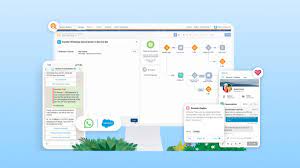
Service Salesforce Summer 24 Service Release. Check out new features that enable customer service agents to work faster and more productively across customer service channels. Salesforce Summer 24 Service Release Like Related Posts Who is Salesforce? Who is Salesforce? Here is their story in their own words. From our inception, we’ve proudly embraced the identity of Read more Salesforce Marketing Cloud Transactional Emails Salesforce Marketing Cloud Transactional Emails are immediate, automated, non-promotional messages crucial to business operations and customer satisfaction, such as order Read more Salesforce Unites Einstein Analytics with Financial CRM Salesforce has unveiled a comprehensive analytics solution tailored for wealth managers, home office professionals, and retail bankers, merging its Financial Read more AI-Driven Propensity Scores AI plays a crucial role in propensity score estimation as it can discern underlying patterns between treatments and confounding variables Read more

Read More
Salesforce Legacy Chat Service Retirement

Salesforce Legacy Chat Service Retirement

Salesforce is retiring their legacy Chat service (formerly Live Agent) including LiveAgent, Salesforce Chat, Embedded Chat and Service Chat; on February 14, 2026. Salesforce Legacy Chat Service Retirement. On February 14, 2026, Salesforce will sunset their legacy Chat features and functionality, and the feature set will no longer be available. Additionally, legacy Chat will no longer receive new features leading up to the retirement date but we will continue to deliver critical trust updates until the retirement date. Why is Salesforce Legacy Chat Service Retiring? In Summer ’22, Salesforce released a new first-party chat product and feature set. Messaging for In-App and Web, the new product, is built on Hyperforce and offers many of the Chat features that customers love. It also supports asynchronous and persistent conversations that can be picked back up at any time. You can continue using your current Chat services and implementations through the announced retirement date. However, all customers will need to migrate to Salesforce’s new Messaging for In-App and Web service before the announced retirement date. Affected Salesforce Clouds Service Cloud Unlimited + Edition Service Cloud – Unlimited Edition Service Cloud – Performance Edition Service Cloud – Performance Edition 1 Service Cloud – Einstein 1 Edition Sales and Service Cloud Unlimited Edition All Industry Cloud Unlimited Edition Service Cloud Enterprise Edition + Digital Engagement Sales Cloud Enterprise Edition + Digital Engagement Sales Cloud Unlimited Edition + Digital Engagement Sales and Service Cloud Enterprise Edition Edition + Digital Engagement Contact Tectonic if you need assistance preparing for these changes. Review the benefits of Messaging for In-App and Web, and compare the modernized channel to Salesforce’s legacy chat product. FEATURE CHAT MESSAGING FOR IN-APP MESSAGING FOR WEB Persistent Conversations Persistent Conversation History (with User Verification) No Yes Yes Asynchronous Conversations (with User Verification) No Yes Yes Cross-device conversations (with User Verification) No Yes Yes Session Continuity Across Tabs Yes N/A Yes Session Continuity Across Subdomains Yes N/A Yes Settings Route to Agent, Queue, Bot, or Skills Yes Yes Yes Automated Proactive Messaging No Yes No Proactive Messaging by Agents No Yes No Keyword-Based Automation Yes Yes Yes Omni-Channel Sidebar Support No Yes Yes Pre-Chat Form – Visible and Hidden Fields Yes Yes Yes Terms and Conditions Acceptance in Pre-Chat Yes Yes Yes Customize Pre-Chat with Lightning Web Components Yes Yes Yes Populate Pre-Chat API No Yes Yes Einstein Bot Support Yes Yes Yes Business Hours No Yes Yes Custom Branding and UI Labels Yes Yes Yes Multi-Language Support Yes Yes Yes Auto-Response: Conversation started/ended, agent joined, and so on. No Yes Yes Post-Chat URL Yes Yes Yes Salesforce Surveys Yes Yes Yes Estimated Wait Time No Yes Yes Idle Customer Timeout Yes Yes Yes Queue Position Yes No No Public REST API Yes No No Channel Menu Support Yes No Yes IP Blocking Yes No No Sensitive Data Rules Yes Yes Yes Agent Alias No Yes Yes Delete Data (API) No Yes Yes Individual-Object Linking Flow Template No Yes Yes Clone Mobile Deployment No Yes N/A Sneak Peek Yes No No Supervisor and Agent Experience Service Console Integration Yes Yes Yes Supervisor Monitoring Yes Yes Yes Flag Raise and Whisper Yes Yes Yes Transfer to Agent, Queue, or Skills Yes Yes Yes Browser Notification for Assigned Conversation Yes Yes Yes Outbound File Attachments No Yes Yes Einstein Reply Recommendations Support Yes Yes Yes Einstein Work Summaries Support Yes Yes Yes Actions and Recommendations Sidebar Support Yes Yes Yes Right-to-Left Language Support for Agents Yes Yes Yes Customer Experience Inbound File Attachments Yes Yes Yes Emoji Support No Yes Yes Read and Delivery Receipts No Yes Yes Push Notifications No Yes N/A Save Transcript Yes No No Message Search No Yes No Right-to-Left Language Support for End-Users Yes Yes Yes Supported Sites External Website Yes N/A Yes Experience Site Templates: Build Your Own (Aura), Customer Account Portal, Partner Central, Help Center, and Customer Service Yes N/A Yes LWR Experience Site Templates: Build Your Own (LWR) and Microsite (LWR) No N/A Yes Commerce Cloud Templates: B2B and B2B2C Commerce templates No N/A Yes Mobile Publisher Yes N/A Yes Like Related Posts Who is Salesforce? Who is Salesforce? Here is their story in their own words. From our inception, we’ve proudly embraced the identity of Read more Salesforce Marketing Cloud Transactional Emails Salesforce Marketing Cloud Transactional Emails are immediate, automated, non-promotional messages crucial to business operations and customer satisfaction, such as order Read more Salesforce Unites Einstein Analytics with Financial CRM Salesforce has unveiled a comprehensive analytics solution tailored for wealth managers, home office professionals, and retail bankers, merging its Financial Read more AI-Driven Propensity Scores AI plays a crucial role in propensity score estimation as it can discern underlying patterns between treatments and confounding variables Read more

Read More
demand generation web use cases for personalization

Demand Generation Web Use Cases for Personalization

Utilize effective personalization techniques adopted by businesses in online campaigns to stimulate demand generation. The term “demand generation” has somewhat faded from the marketing lexicon due to the emphasis on analytics, AI, and metrics for lead conversion. However, where does personalization fit into the broader scope of demand generation? Demand generation web use cases for personalization. Personalization plays a pivotal role in various aspects of demand generation: In lead nurturing, personalization is equally vital: Moreover, personalization is instrumental in lead acquisition efforts by delivering relevant experiences to all of your prospects. To effectively implement personalization, real-time insights into individual behaviors and interactions are essential. A comprehensive personalization solution should unify data from various channels and systems, enabling seamless cross-channel personalization. This includes “stitching” together anonymous and known user profiles, integrating data with complementary systems like CRMs and marketing platforms, and facilitating real-time omni-channel personalization. The key to successful personalization lies in understanding and addressing each individual’s unique needs and preferences. By adopting a customer-centric approach and setting clear objectives aligned with business goals, organizations can leverage personalization to enhance customer experiences, boost conversion rates, and drive measurable business growth. To execute a successful personalization strategy, organizations must: By following these steps and continuously optimizing personalization efforts, organizations can build stronger customer relationships, drive business growth, and maximize marketing ROI. Website personalization serves as the starting point for many companies embarking on their personalization journey. This entails ensuring that returning visitors encounter pages tailored to their previous experiences or recent purchases. It can also involve presenting new customers with product recommendations based on their current browsing session. The return on this initial investment can be substantial, with many companies witnessing a significant increase in conversion rates, sometimes by as much as 50% or more. For instance, a site converting 2% of visitors might see that figure rise to 3%, a dream scenario for digital marketers. Moreover, this boost in conversion rates can have far-reaching effects across marketing programs, leading to a reduction in overall customer acquisition costs. Tectonic now offers Personalization Implementation Solutions. The next stage in personalization maturity involves integrating a customer’s web and email experiences. This seamless connection between two major channels for customer engagement brings organizations closer to achieving an omni-channel personalization experience. Timely and relevant follow-up messages after a customer’s website visit or purchase can deepen relationships and enhance lifetime value without significant additional marketing expenditure. Finally, the ultimate goal is to extend personalization across all channels, ensuring consistent and tailored experiences wherever customers interact with your brand. However, achieving this can be challenging due to fragmented customer data across multiple channels, teams, and systems. An effective personalization solution should consolidate and synthesize this cross-channel information by maintaining unified customer profiles and enabling real-time omni-channel personalization. Testing is a crucial aspect of successful personalization efforts, allowing organizations to optimize campaigns and maximize engagement, conversions, and revenue. A robust personalization solution should facilitate A/B testing, measuring lift over control, evaluating impacts against specific goals, and filtering results by segment. Effective website personalization lays the foundation for broader personalization efforts across channels. By seamlessly integrating web and email experiences and extending personalization to all touchpoints, organizations can deliver tailored experiences that drive engagement, loyalty, and ultimately, business growth. By Tectonic’s Salesforce Marketing Platform Architect Shannan Hearne Like1 Related Posts Who is Salesforce? Who is Salesforce? Here is their story in their own words. From our inception, we’ve proudly embraced the identity of Read more Salesforce Marketing Cloud Transactional Emails Salesforce Marketing Cloud Transactional Emails are immediate, automated, non-promotional messages crucial to business operations and customer satisfaction, such as order Read more Salesforce Unites Einstein Analytics with Financial CRM Salesforce has unveiled a comprehensive analytics solution tailored for wealth managers, home office professionals, and retail bankers, merging its Financial Read more AI-Driven Propensity Scores AI plays a crucial role in propensity score estimation as it can discern underlying patterns between treatments and confounding variables Read more

Read More
Personalization With Customized AI-Driven Journeys

Personalization With Customized AI-Driven Journeys

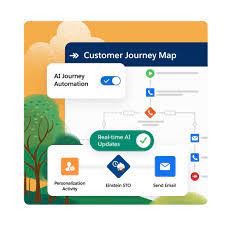
AI-Enabled Triggers for Guiding Customer Journeys – Personalization With Customized AI-Driven Journeys Initiate timely and relevant customer experiences that seamlessly lead individuals through their purchasing journey. Employ AI-powered decision-making to identify the most suitable next steps for customers, offering personalized suggestions based on real-time behavior, historical data, and business-specific datasets such as pricing and inventory. Deliver predefined experiences, such as browsing or cart abandonment journeys, while utilizing real-time interactions to determine the optimal content, channel, or offer for each customer. Efficiently extract insights by harnessing behavioral data and advanced analytics to visualize cross-channel customer journeys for both individuals and segments, identifying and resolving key friction points. Elevate customer acquisition, loyalty, and lifetime value by crafting personalized, omni-channel journeys that align with both customer desires and business objectives. Enable trigger-based customer journeys that facilitate immediate responses to customer actions, whether in the physical realm, such as entering a store and connecting to Wi-Fi, or in the virtual space, like visiting a shopping website. The Role of AI in Elevating the Customer Journey AI significantly contributes to heightened customer satisfaction, ultimately leading to improved retention. Address customer pain points in their preferred language and provide solutions tailored to their needs based on purchasing history and previous interactions with customer service. AI’s Influence Across Customer Journey Stages At each stage of the customer journey, AI transforms experiences by delivering personalized interactions from awareness to post-purchase. This transformation is made possible through automation, predictive analytics, and intelligent virtual agents. Transformative Impact of Generative AI on Customer Journeys Generative AI, exemplified by advanced language models like GPT-4, has the potential to revolutionize customer journeys. These models automate communication and content creation, dynamically adjusting tone and style to match customer preferences. For instance, Grammarly’s tone detector adapts communication based on the recipient’s profile and interaction history. Continuous Iteration and AI in Customer Journey Mapping In the era of digitization, AI-driven personalization surpasses traditional customer journey mapping based on a few personas. Organizations must harness AI and machine learning to create personalized journeys that enhance user experiences. The iterative improvement process involves collecting comprehensive data, utilizing AI for analysis and insights, implementing changes, and evaluating results through key performance indicators. Netflix: An AI Success Story Netflix serves as a prime example of AI success, continuously analyzing user behavior and preferences to refine content recommendation algorithms. This approach enhances personalization, leading to increased customer engagement and satisfaction. Integrating Generative AI into Existing Systems To fully capitalize on generative AI, integration into existing systems and processes is crucial. This may entail developing APIs to connect AI tools with customer relationship management (CRM) systems and content management systems. Testing and Continuous Enhancement Implementing AI-driven personalization necessitates a robust testing and evaluation process. Clearly defined key performance indicators and analytics capabilities are essential for measuring effectiveness and making continuous improvements. Like2 Related Posts Who is Salesforce? Who is Salesforce? Here is their story in their own words. From our inception, we’ve proudly embraced the identity of Read more Salesforce Marketing Cloud Transactional Emails Salesforce Marketing Cloud Transactional Emails are immediate, automated, non-promotional messages crucial to business operations and customer satisfaction, such as order Read more Salesforce Unites Einstein Analytics with Financial CRM Salesforce has unveiled a comprehensive analytics solution tailored for wealth managers, home office professionals, and retail bankers, merging its Financial Read more AI-Driven Propensity Scores AI plays a crucial role in propensity score estimation as it can discern underlying patterns between treatments and confounding variables Read more

Read More
Salesforce Pro Suite

Salesforce Pro Suite

Revolutionizing CRM: Introducing Salesforce Pro Suite In today’s dynamic business technology landscape, Salesforce has established itself as a leader in customer relationship management (CRM) solutions. The launch of Salesforce Pro Suite marks a significant milestone in their mission to empower businesses with cutting-edge tools designed to optimize operations, enhance customer engagement, and drive growth. This article explores the features, benefits, and potential of Salesforce Pro Suite, showcasing why it stands out as a transformative solution for businesses of all sizes. What is Salesforce Pro Suite? Salesforce Pro Suite is a comprehensive collection of integrated tools and services designed to augment the capabilities of Salesforce’s CRM platform. Tailored for modern businesses—from startups to large enterprises—it incorporates advanced functionalities such as artificial intelligence (AI), automation, and data analytics to boost productivity, foster collaboration, and facilitate informed decision-making. Unlock growth and deepen customer relationships with Pro Suite—the all-in-one CRM suite with marketing, sales, service, and commerce tools that scale with your business. Get the flexibility to automate tasks and customize your CRM to fit your specific needs with Pro Suite. Key Features of Salesforce Pro Suite Benefits of Salesforce Pro Suite Use Cases of Salesforce Pro Suite What Can You Do with Pro Suite? Conclusion Salesforce Pro Suite represents a significant advancement in CRM technology, offering a comprehensive suite of tools that cater to the diverse needs of modern businesses. By harnessing AI, automation, and advanced analytics, Pro Suite empowers organizations to optimize operations, enhance customer engagement, and make informed, data-driven decisions. Whether you’re a small startup or a large enterprise, Salesforce Pro Suite provides the scalability, flexibility, and security required to thrive in today’s competitive landscape. Like Related Posts Who is Salesforce? Who is Salesforce? Here is their story in their own words. From our inception, we’ve proudly embraced the identity of Read more Salesforce Marketing Cloud Transactional Emails Salesforce Marketing Cloud Transactional Emails are immediate, automated, non-promotional messages crucial to business operations and customer satisfaction, such as order Read more Salesforce Unites Einstein Analytics with Financial CRM Salesforce has unveiled a comprehensive analytics solution tailored for wealth managers, home office professionals, and retail bankers, merging its Financial Read more AI-Driven Propensity Scores AI plays a crucial role in propensity score estimation as it can discern underlying patterns between treatments and confounding variables Read more

Read More
Conversational Commerce

Conversational Commerce

“Hey Siri, find the top-rated red saddle pads.” This simple command exemplifies how conversational commerce is revolutionizing the digital shopping experience. While Siri and Alexa are training us to talk to our technology, traditional chatbots teach us to ask our technology in natural language to do something. Now, customers can utilize chatbots, messaging apps, and voice assistants to explore products and complete purchases online. This experiential shopping shift enables businesses to engage with consumers in a natural manner, seamlessly integrating into their everyday routines. With conversational AI, shopping feels akin to conversing with a friend. Thanks to advancements in generative AI, the process is becoming increasingly personalized, intuitive, and hassle-free. Here’s an overview of conversational commerce: What is conversational commerce? Conversational shopping tools involve enhancing sales through direct communication with customers. It encompasses automated conversation flows as well as interactions between sales and service representatives and customers via text or social media messaging. Ultimately, conversational commerce aims to establish meaningful, personalized connections with customers, combining the convenience of digital communication with the warmth of human language to drive sales and foster loyalty. Different Types of Conversational Commerce: The Role of AI in Conversational Commerce: AI plays a primary role in evolving conversational commerce by understanding consumer intent and guiding them through the purchasing process. Natural language processing (NLP) enables chatbots to comprehend inquiries and provide relevant responses, while machine learning analyzes customer data to offer personalized recommendations and streamline the purchase journey. Conversational Commerce and Social Commerce: Conversational commerce intersects with social commerce, capitalizing on platforms like Instagram and TikTok to build authentic connections with customers and facilitate seamless transactions embedded in their social interactions. Benefits of Conversational Commerce: Common Pitfalls and Solutions: By leveraging conversational commerce effectively, businesses can create seamless, personalized interactions that drive sales and foster long-term customer relationships. Like Related Posts Who is Salesforce? Who is Salesforce? Here is their story in their own words. From our inception, we’ve proudly embraced the identity of Read more Salesforce Marketing Cloud Transactional Emails Salesforce Marketing Cloud Transactional Emails are immediate, automated, non-promotional messages crucial to business operations and customer satisfaction, such as order Read more Salesforce Unites Einstein Analytics with Financial CRM Salesforce has unveiled a comprehensive analytics solution tailored for wealth managers, home office professionals, and retail bankers, merging its Financial Read more AI-Driven Propensity Scores AI plays a crucial role in propensity score estimation as it can discern underlying patterns between treatments and confounding variables Read more

Read More
What is Omni-Channel Salesforce

What is Omni-Channel Salesforce?

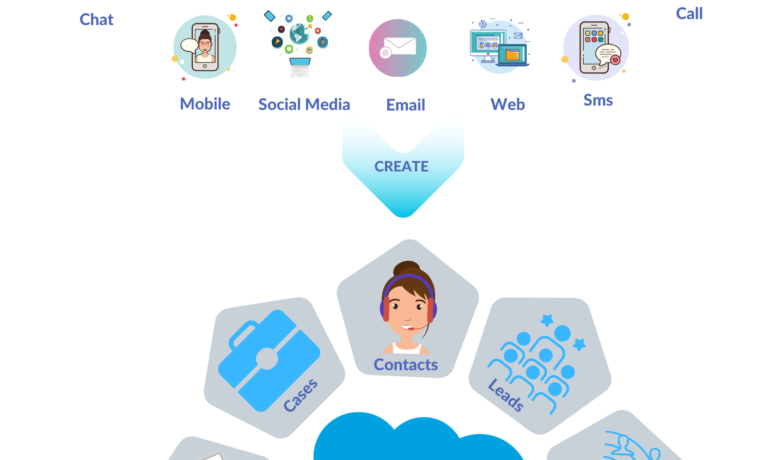
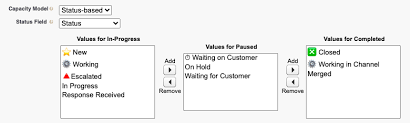
What is Omni-Channel Salesforce? Omni-Channel is a Salesforce feature designed for Customer Service and Console applications that automates the routing of various work items, such as Leads and Cases, to agents. It ensures that work items are assigned to agents based on their capacity, priority, skill set, and other criteria. Features of Omni-Channel Benefits Omni-Channel in Salesforce Enhanced Omni-Channel Setting Up and Using Omni-Channel Key Differences: Multichannel vs. Omni-Channel Route Work with Omni-Channel Omni-Channel is a flexible, customizable feature, and you can configure it declaratively—that is, without writing code. Use Omni-Channel to manage the priority of work items, which makes it a cinch to route important work items to agents quickly. Manage your agents’ capacity to take on work items so that they’re given only the number of assignments that they can handle. You can also define which agents can work on different types of assignments. For example, you can create one group of agents to respond to leads and sales inquiries, and another group that helps customers with support questions. Omni-Channel routes work requests to the most available and qualified support agents in the app. You can also provide real-time operational intelligence to support supervisors with Omni Supervisor. Agents no longer have to pick and choose work assignments manually from a queue, which saves everyone in your call center time, effort, and brainpower. Because it’s easier for agents to work on their assignments, they can assist your customers faster and more effectively and close assignments more quickly. Routing logic is applied when work is assigned to an owner. If field values on the work item are changed after the item is routed, the routing logic isn’t reapplied. Omni-Channel is supported in both Lightning Experience (recommended) and Salesforce Classic. You can run Omni-Channel in both standard and console apps. Route Work with Omni-Channel Use Omni-Channel to route work items to queues, agents, skills, and even Einstein Bots (on supported channels). Depending on your business needs, you can use different ways to route work, including Omni-Channel flows. Omni-Channel routes work based on the defined routing logic. When an agent is assigned a work item, they can accept it to begin working on it or decline it. When a work item is declined, Omni-Channel releases the agent’s capacity consumed by the work item. But the declined work item remains owned by the declining agent until the work is routed again. If the agent declines a work item or doesn’t accept the work item in the specified time period, Omni-Channel doesn’t try to route that work item to that agent again. If an agent accepts the work, they can transfer the work to another agent. NOTE We recommend using Enhanced Omni-Channel. Enhanced Omni-Channel features better and more extensive experiences for agents and supervisors than Standard Omni-Channel, and future Omni-Channel features are developed on Enhanced Omni-Channel. See Compare Standard and Enhanced Omni-Channel and Enable Omni-Channel. Set Up Omni-Channel Set up Omni-Channel to route any type of incoming work item to the most qualified, available support agents in your call center. Omni-Channel integrates seamlessly into both console and standard apps. NOTE We recommend using Enhanced Omni-Channel. Enhanced Omni-Channel features better and more extensive experiences for agents and supervisors than Standard Omni-Channel, and future Omni-Channel features are developed on Enhanced Omni-Channel. See Compare Standard and Enhanced Omni-Channel and Enable Omni-Channel. Test Your Omni-Channel Implementation Now that you’ve got Omni-Channel set up and enabled, test your implementation to make sure it’s working correctly. To test your implementation, route a work item to yourself. Sit back and relax. You’ll see an incoming request notification in Omni-Channel within a few seconds. Manage Agents, Queues, and Skills with Omni Supervisor Manage agents, queues, and skills in Omni Supervisor. Get to Know the Omni Supervisor TabsSupervisors can check the health of their call center in real time using the Agents, Queues Backlog, Assigned Work, and Skills Backlog tabs in Omni Supervisor. These tabs let supervisors see which work items are open and active, who’s assigned to what, and other details such as open capacities and average wait times for customers. Provide Customer Support for Real-Time Channels with Omni-Channel Service customers using their preferred means of real-time communication, including phone, messaging, or chat in standard and enhanced channels. You can accept and manage these types of support requests in Omni-Channel. If needed, while helping a customer, you can reach out to your supervisor to get support. Use the Omni-Channel Component to Work with CustomersTo begin receiving inbound requests from customers or to make outbound contacts, log in to the Omni-Channel component and update your status to indicate that you’re available. If you don’t see the Omni-Channel component in your app, check with your admin. Use the Omni-Channel Component to Work with Customers To begin receiving inbound requests from customers or to make outbound contacts, log in to the Omni-Channel component and update your status to indicate that you’re available. If you don’t see the Omni-Channel component in your app, check with your admin. When you mark your status as available in Omni-Channel, you begin receiving work requests, like phone calls. Work items assigned to you appear in Omni-Channel until you complete, transfer, or decline them. TIP By default, phone calls are taken through the same speakers and microphone your system device uses. To take calls through different audio devices, click the Settings icon on the Omni-Channel component and choose your preferred devices under Input and Output. The devices you choose are only set only for your current browser. For example, if you choose a device for Google Chrome, that device isn’t set for Mozilla Firefox. This feature isn’t available in Apple Safari browser. If you set up a service channel to use the tab-based capacity model, Omni-Channel determines agent capacity based on the open tabs. Each tab is a session for a specific work item. To close the work item and remove it from your Omni-Channel instance, close the tab for that item. The tab-based capacity model releases an agent’s capacity


Read More
Capacity Usage for Chat and Omni Routing

Capacity Usage for Chat and Omni Routing

When agents are assigned to chat buttons that use both Chat Routing (legacy Live Agent Routing) and Omni-Channel Routing, their capacity usage is determined based on the routing method used for each chat. Here’s a detailed breakdown: Chat Routing (Legacy Live Agent Routing) Omni-Channel Routing Example Scenario In this scenario, even though the agent has a total capacity of 3, they can only accept one Chat-routed chat and one Omni-routed chat because their remaining capacity after these two chats is less than 1 unit. Key Points of Capacity Usage for Chat and Omni Routing: This nuanced capacity calculation helps manage the agent’s workload effectively when using a combination of legacy Live Agent Routing and Omni-Channel Routing. Like Related Posts Who is Salesforce? Who is Salesforce? Here is their story in their own words. From our inception, we’ve proudly embraced the identity of Read more Salesforce Marketing Cloud Transactional Emails Salesforce Marketing Cloud Transactional Emails are immediate, automated, non-promotional messages crucial to business operations and customer satisfaction, such as order Read more Salesforce Unites Einstein Analytics with Financial CRM Salesforce has unveiled a comprehensive analytics solution tailored for wealth managers, home office professionals, and retail bankers, merging its Financial Read more AI-Driven Propensity Scores AI plays a crucial role in propensity score estimation as it can discern underlying patterns between treatments and confounding variables Read more

Read More
Salesforce Omni-Channel

Salesforce Omni-Channel

Omni-Channel in Salesforce is a feature embedded within the Customer Service and Console, facilitating the automated routing of various work items like Leads and Cases to agents. This feature intelligently distributes work items based on agent capacity, priority, skillset, and other factors. The multichannel approach emphasizes customer engagement, whereas the omnichannel strategy prioritizes customer experience. Multichannel endeavors to engage customers across various channels to enhance interaction, a fundamental metric in this approach. Routing Work with Omni-Channel: Omni-Channel is a versatile, customizable feature that can be configured without coding. It enables the management of work item priorities, ensuring prompt assignment of critical tasks to agents. Agents’ workload can be optimized to match their capacity, ensuring they handle an appropriate number of assignments. Moreover, agents can be designated for specific types of tasks, streamlining workflows. Omni-Channel routes work requests to available and qualified support agents within the application. Real-time operational insights are provided to supervisors through Omni Supervisor, eliminating the need for manual assignment selection. This efficiency saves time, effort, and enhances productivity, enabling agents to assist customers promptly and effectively. Important Note: Routing logic is applied upon work item assignment, and subsequent changes to field values do not trigger reapplication of routing logic. Omni-Channel is compatible with both Lightning Experience (preferred) and Salesforce Classic, functioning seamlessly in standard and console apps. Enhanced Omni-Channel is recommended over Standard Omni-Channel due to its superior features and ongoing development focus. It offers enhanced experiences for agents and supervisors, aligning with future Omni-Channel advancements. Set Up and Testing: Utilize Omni-Channel to route work items to queues, agents, skills, and Einstein Bots (on supported channels). Configuration options include Omni-Channel flows, catering to diverse business needs. Ensure successful implementation by setting up Omni-Channel to route incoming work items to qualified and available support agents seamlessly across console and standard apps. Subsequently, test the implementation to verify its functionality. Agent and Supervisor Management: Leverage Omni Supervisor to manage agents, queues, and skills efficiently. This tool provides comprehensive oversight, optimizing resource allocation and performance tracking. Customer Support and Benefits: Deliver real-time customer support across preferred communication channels, such as phone, messaging, or chat. Omni-Channel enhances customer insights, satisfaction, agent productivity, and operational cost-effectiveness, differentiating your business in the competitive landscape. Limitation Awareness: In instances where Omni-Channel agents encounter “LIMIT_EXCEEDED” errors, it may indicate queue capacity constraints. Monitoring queue load and managing work item volume is essential to prevent disruptions in routing and ensure uninterrupted service delivery. Like Related Posts Who is Salesforce? Who is Salesforce? Here is their story in their own words. From our inception, we’ve proudly embraced the identity of Read more Salesforce Marketing Cloud Transactional Emails Salesforce Marketing Cloud Transactional Emails are immediate, automated, non-promotional messages crucial to business operations and customer satisfaction, such as order Read more Salesforce Unites Einstein Analytics with Financial CRM Salesforce has unveiled a comprehensive analytics solution tailored for wealth managers, home office professionals, and retail bankers, merging its Financial Read more AI-Driven Propensity Scores AI plays a crucial role in propensity score estimation as it can discern underlying patterns between treatments and confounding variables Read more

Read More
Salesforce CDP Innovations

Salesforce CDP Innovations

New Salesforce CDP Innovations: Smarter, Faster, and More Personalized Customer Interactions Salesforce has launched new innovations for its Customer Data Platform (CDP), designed to help businesses leverage first-party data for more personalized customer experiences. Leading brands like Bank of Montreal and convenience store retailer Casey’s are already using Salesforce CDP to create a unified source of customer truth, streamlining interactions and providing frictionless customer experiences. The world is gradually recovering from the pandemic, and consumer behavior is shifting as shops, hotels, restaurants, and other establishments reopen. While customers are eager to engage in the experiences they’ve missed, companies recognize that digital innovations, such as curbside pickup and direct-to-consumer websites, which fueled pandemic-era growth, are here to stay. As expectations for personalized, connected experiences grow—with 70% of customers demanding this—many businesses struggle to unify customer data across systems, teams, and devices. This data fragmentation makes it difficult to create a single source of truth for customers. Salesforce CDP: Built on the World’s Leading CRM Salesforce CDP solves this challenge by capturing, unifying, and activating customer data across various touchpoints to drive more personalized experiences. Today’s new CDP features make data smarter, more connected, and easier to activate securely. Built on Salesforce’s #1 CRM platform, the CDP unifies data from sales, service, marketing, loyalty, and commerce systems, creating a comprehensive single source of truth. Businesses can then leverage this unified view for personalized marketing, advertising, analytics, and relationship-building strategies that increase customer loyalty and revenue. New Innovations in Salesforce CDP Include: How Businesses Are Using Salesforce CDP Availability of New Features: This insight helped you learn more about these innovations and how Salesforce CDP can enhance customer engagement from anywhere. Like Related Posts Who is Salesforce? Who is Salesforce? Here is their story in their own words. From our inception, we’ve proudly embraced the identity of Read more Salesforce Marketing Cloud Transactional Emails Salesforce Marketing Cloud Transactional Emails are immediate, automated, non-promotional messages crucial to business operations and customer satisfaction, such as order Read more Salesforce Unites Einstein Analytics with Financial CRM Salesforce has unveiled a comprehensive analytics solution tailored for wealth managers, home office professionals, and retail bankers, merging its Financial Read more AI-Driven Propensity Scores AI plays a crucial role in propensity score estimation as it can discern underlying patterns between treatments and confounding variables Read more

Read More
gettectonic.com