
Salesforce Einstein Archives - gettectonic.com - Page 3
Salesforce Einstein Copilot Security

Salesforce Einstein Copilot Security

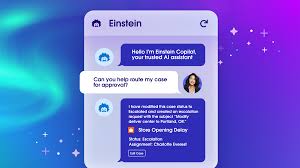
Salesforce Einstein Copilot Security: How It Works and Key Risks to Mitigate for a Safe Rollout With the official rollout of Salesforce Einstein Copilot, this conversational AI assistant is set to transform how sales, marketing, and customer service teams interact with both customers and internal documentation. Einstein Copilot understands natural language queries, streamlining daily tasks such as answering questions, generating insights, and performing actions across Salesforce to boost productivity. Salesforce Einstein Copilot Security However, alongside the productivity gains, it’s essential to address potential risks and ensure a secure implementation. This Tectonic insight covers: Einstein Copilot Use Cases Einstein Copilot enables users to: All of these actions can be performed with simple, natural language prompts, improving efficiency and outcomes. How Einstein Copilot Works Here’s a simplified breakdown of how Einstein Copilot processes prompts: The Einstein Trust Layer Salesforce has built the Einstein Trust Layer to ensure customer data is secure. Customer data processed by Einstein Copilot is encrypted, and no data is retained on the backend. Sensitive data, such as PII (Personally Identifiable Information), PCI (Payment Card Information), and PHI (Protected Health Information), is masked to ensure privacy. Additionally, the Trust Layer reduces biased, toxic, and unethical outputs by leveraging toxic language detection. Importantly, Salesforce guarantees that customer data will not be used to train the AI models behind Einstein Copilot or be shared with third parties. The Shared Responsibility Model Salesforce’s security approach is based on a shared responsibility model: This collaborative model ensures a higher level of security and trust between Salesforce and its customers. Best Practices for Securing Einstein Copilot Rollout Prepare Your Salesforce Org for Einstein Copilot To ensure a smooth rollout, it’s critical to assess your Salesforce security posture and ready your data. Tools like Salesforce Shield can help organizations by: By following these steps, you can utilize the power of Einstein Copilot while ensuring the security and integrity of your data. Like1 Related Posts Who is Salesforce? Who is Salesforce? Here is their story in their own words. From our inception, we’ve proudly embraced the identity of Read more Salesforce Marketing Cloud Transactional Emails Salesforce Marketing Cloud Transactional Emails are immediate, automated, non-promotional messages crucial to business operations and customer satisfaction, such as order Read more Salesforce Unites Einstein Analytics with Financial CRM Salesforce has unveiled a comprehensive analytics solution tailored for wealth managers, home office professionals, and retail bankers, merging its Financial Read more AI-Driven Propensity Scores AI plays a crucial role in propensity score estimation as it can discern underlying patterns between treatments and confounding variables Read more

Read More
Salesforce AI Evolves with the Generative AI Landscape

Salesforce AI Evolves with the Generative AI Landscape

Salesforce AI: Powering Customer Relationship Management Salesforce is a leading CRM solution that has long delivered cutting-edge cloud technologies to manage customer relationships effectively. In recent months, the platform has further advanced with the integration of generative AI and AI-powered features, primarily through its AI engine, Einstein. Salesforce AI Evolves with the Generative AI Landscape. To explore how AI operates within the Salesforce ecosystem and how various business teams can leverage these innovations, this guide delves into Salesforce’s AI capabilities, products, and features. Salesforce AI: Transforming CRM Capabilities Salesforce remains a top choice in the CRM software market, offering one of the most comprehensive solutions for managing relationships across departments, industries, and initiatives. Through dedicated cloud platforms, Salesforce enables teams to oversee marketing, sales, customer service, e-commerce, and more, with tools focused on delivering enhanced customer experiences supported by powerful data analytics. With the introduction of generative AI, Salesforce has significantly elevated its native automation, workflow management, data analytics, and assistive capabilities for customer lifecycle management. Einstein Copilot exemplifies this innovation, aiding internal users with tasks such as outreach, analysis, and improving external user experiences. What is Salesforce Einstein? Salesforce Einstein is an AI-driven suite of tools integrated natively into various Salesforce Cloud applications, including Sales Cloud, Marketing Cloud, Service Cloud, and Commerce Cloud. It also operates through assistive technologies like Einstein Copilot. Einstein is built on a multitenant platform and incorporates numerous automated machine learning features to unify organizational data with CRM capabilities. Designed to make intelligent, data-driven decisions, Einstein requires no additional installation, offering a seamless user experience when paired with a compatible subscription plan. 7 Key Features of Salesforce Einstein 7 Applications of Salesforce Einstein Future Trends in Salesforce AI Bottom Line: Salesforce AI Evolves with the Generative AI Landscape Salesforce continues to enhance its AI-powered features, keeping pace with advancements in generative and predictive AI. Whether new to the platform or a seasoned user, Salesforce offers innovative, AI-centric solutions to streamline customer relationship management and business operations. Like1 Related Posts Who is Salesforce? Who is Salesforce? Here is their story in their own words. From our inception, we’ve proudly embraced the identity of Read more Salesforce Marketing Cloud Transactional Emails Salesforce Marketing Cloud Transactional Emails are immediate, automated, non-promotional messages crucial to business operations and customer satisfaction, such as order Read more Salesforce Unites Einstein Analytics with Financial CRM Salesforce has unveiled a comprehensive analytics solution tailored for wealth managers, home office professionals, and retail bankers, merging its Financial Read more AI-Driven Propensity Scores AI plays a crucial role in propensity score estimation as it can discern underlying patterns between treatments and confounding variables Read more
Read More
Embedded Salesforce Einstein

Embedded Salesforce Einstein

In a world where data is everything, businesses are constantly seeking ways to better understand their customers, streamline operations, and make smarter decisions. Enter Salesforce Einstein—a powerful AI solution embedded within the Salesforce platform that is revolutionizing how companies operate, regardless of size. By leveraging advanced analytics, automation, and machine learning, Einstein helps businesses boost efficiency, drive innovation, and deliver exceptional customer experiences. Embedded Salesforce Einstein is the answer. Here’s how Salesforce Einstein is transforming business: Imagine anticipating customer needs, market trends, or operational challenges before they happen. While it’s not magic, Salesforce Einstein’s AI-powered insights and predictions come remarkably close. By transforming vast amounts of data into actionable insights, Einstein enables businesses to anticipate future scenarios and make well-informed decisions. Industry insight: In financial services, success hinges on anticipating market shifts and client needs. Banks and investment firms leverage Einstein to analyze historical market data and client behavior, predicting which financial products will resonate next. For example, investment advisors might receive AI-driven recommendations tailored to individual clients, boosting engagement and satisfaction. Manufacturers also benefit from Einstein’s predictive maintenance tools, which analyze data from machinery to anticipate equipment failures. A car manufacturer, for instance, could use these insights to schedule maintenance during off-peak hours, minimizing downtime and preventing costly disruptions. Personalization is now a necessity. Salesforce Einstein elevates personalization by analyzing customer data to offer tailored recommendations, messages, and services. Industry insight: In e-commerce, personalized recommendations are often the key to converting browsers into loyal customers. An online bookstore using Einstein might analyze browsing history and past purchases to suggest new releases in genres the customer loves, driving repeat sales. In healthcare, Einstein’s personalization can improve patient outcomes by providing customized follow-up care. Hospitals can use Einstein to analyze patient histories and treatment data, offering reminders tailored to each patient’s needs, improving adherence to care plans and speeding recovery. Salesforce Einstein’s sales intelligence tools, such as Lead Scoring and Opportunity Insights, enable sales teams to focus on the most promising leads. This targeted approach drives higher conversion rates and more efficient sales processes. Industry insight: In real estate, Einstein helps agents manage numerous leads by scoring potential buyers based on their engagement with property listings. A buyer who repeatedly views homes in a specific area is flagged, prompting agents to prioritize their outreach, accelerating the sales process. In the automotive industry, Einstein identifies leads closer to purchasing by analyzing behaviors such as online vehicle configuration and test drive bookings. This allows sales teams to focus on high-potential buyers, closing deals faster. Automation is at the heart of Salesforce Einstein’s ability to streamline processes and boost productivity. By automating repetitive tasks like data entry and customer inquiries, Einstein frees employees to focus on strategic activities, improving overall efficiency. Industry insight: In insurance, Einstein Bots can handle routine tasks like policy inquiries and claim submissions, freeing up human agents for more complex issues. This leads to faster response times and reduced operational costs. In banking, Einstein-powered chatbots manage routine inquiries such as balance checks or transaction histories. By automating these interactions, banks reduce the workload on call centers, allowing agents to provide more personalized financial advice. Einstein Discovery democratizes data analytics, making it easier for non-technical users to explore data and uncover actionable insights. This tool identifies key business drivers and provides recommendations, making data accessible for all. Industry insight: In healthcare, predictive insights are helping providers identify patients at risk of chronic conditions like diabetes. With Einstein Discovery, healthcare providers can flag at-risk individuals early, implementing targeted care plans that improve outcomes and reduce long-term costs. For energy companies, Einstein Discovery analyzes data from sensors and weather patterns to predict equipment failures and optimize resource management. A utility company might use these insights to schedule preventive maintenance ahead of storms, reducing outages and enhancing service reliability. More Than a Tool – Embedded Salesforce Einstein Salesforce Einstein is more than just an AI tool—it’s a transformative force enabling businesses to unlock the full potential of their data. From predicting trends and personalizing customer experiences to automating tasks and democratizing insights, Einstein equips companies to make smarter decisions and enhance performance across industries. Whether in retail, healthcare, or technology, Einstein delivers the tools needed to thrive in today’s competitive landscape. Tectonic empowers organizations with Salesforce solutions that drive organizational excellence. Contact Tectonic today. Like1 Related Posts Who is Salesforce? Who is Salesforce? Here is their story in their own words. From our inception, we’ve proudly embraced the identity of Read more Salesforce Marketing Cloud Transactional Emails Salesforce Marketing Cloud Transactional Emails are immediate, automated, non-promotional messages crucial to business operations and customer satisfaction, such as order Read more Salesforce Unites Einstein Analytics with Financial CRM Salesforce has unveiled a comprehensive analytics solution tailored for wealth managers, home office professionals, and retail bankers, merging its Financial Read more AI-Driven Propensity Scores AI plays a crucial role in propensity score estimation as it can discern underlying patterns between treatments and confounding variables Read more
Read More
Salesforce AI Tools for Healthcare

Salesforce AI Tools for Healthcare

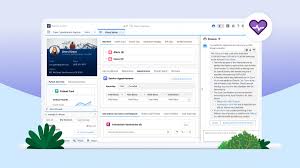
Salesforce to Launch Pre-Built AI Tools for Healthcare in October Salesforce is introducing a new library of out-of-the-box AI tools specifically designed for healthcare operations, available through its Health Cloud. These generative AI features aim to streamline time-consuming tasks by integrating directly into clinician workflows, enhancing both the quality and efficiency of patient care. Key Features and Benefits Part of Salesforce’s broader initiative to address operational challenges across 15 industries, these healthcare-specific AI tools are embedded in each of its industry clouds. The Einstein Copilot, for example, will allow healthcare providers to generate patient summaries in natural language, leveraging new data management capabilities. This could enable care coordinators to view comprehensive patient summaries—such as care plans, prescriptions, and prior authorizations—before appointments. According to Salesforce, these AI-driven services, powered by Einstein prompts, are integrated within Health Cloud’s member accounts, simplifying administrative tasks like sending referrals and booking appointments. Data privacy and security remain a priority, with Einstein’s data masking and zero data retention layer ensuring patient information is protected. Beyond patient care, the new AI features will support business operations, including verifying insurance coverage, determining out-of-pocket costs, and ensuring eligibility—all designed to reduce administrative burdens and improve operational efficiency. Why It Matters Healthcare organizations often lack the resources to build and train their own AI models, a process that can cost upwards of 0 million. Salesforce’s pre-built AI capabilities provide an accessible solution, allowing organizations of all sizes to adopt AI tools tailored to their specific needs. By automating administrative processes, healthcare providers can focus more on patient care, with faster approvals and fewer manual tasks. Salesforce is positioning these tools to help organizations streamline workflows, reduce inefficiencies, and ultimately improve the patient experience. The features will be generally available in October, with pricing based on specific implementations. Industry Impact and Larger Trend The release of these healthcare-specific AI tools is part of Salesforce’s broader push into industry-specific AI. In March, Salesforce launched the Einstein AI Copilot within its Einstein 1 Platform, designed to leverage healthcare organizations’ unique data within its Health Data Cloud. New capabilities, such as patient services and benefits verification, aim to reduce platform switching, enabling faster approvals and supporting clinicians in real-time patient record updates. Salesforce’s investment in industry-specific AI comes at a time when many healthcare organizations are grappling with the rising costs of technology and labor. At the HIMSS AI in Healthcare Forum in Boston, leaders echoed the challenges of managing expansive technology footprints while balancing the need for AI-driven transformation. Operational workflows, particularly back-office processes, offer a low-risk area for AI deployment, as noted by Lee Schwamm, chief digital health officer at Yale New Haven Health System. On the Record “Organizations of every size and budget can now easily get started with practical AI tools that were purposefully designed to solve their unique challenges,” said Jeff Amann, executive vice president and general manager of Salesforce Industries. Salesforce’s new AI use case library, featuring more than 100 AI capabilities embedded across 15 industry clouds, underscores the company’s commitment to developing industry-specific solutions. For healthcare, these tools include automated patient matching for clinical trials, AI-generated prescriptions, and pre-visit summaries—helping organizations accelerate time to care and improve clinical outcomes. In addition, a new auto-matching tool for life sciences will assist in identifying eligible clinical trial participants, using both structured and unstructured data to reduce assessment time. These features allow healthcare CIOs to easily deploy AI capabilities designed to address their organization’s unique needs. Looking Ahead Salesforce’s latest AI tools for healthcare represent a significant step in the company’s strategy to bring industry-specific AI to market, with healthcare, life sciences, financial services, and retail among its top priorities. By offering pre-built, customizable solutions, Salesforce is making AI accessible to a broader range of organizations, enabling them to deliver value quickly while navigating the complexities of modern healthcare operations. Like1 Related Posts Who is Salesforce? Who is Salesforce? Here is their story in their own words. From our inception, we’ve proudly embraced the identity of Read more Salesforce Marketing Cloud Transactional Emails Salesforce Marketing Cloud Transactional Emails are immediate, automated, non-promotional messages crucial to business operations and customer satisfaction, such as order Read more Salesforce Unites Einstein Analytics with Financial CRM Salesforce has unveiled a comprehensive analytics solution tailored for wealth managers, home office professionals, and retail bankers, merging its Financial Read more AI-Driven Propensity Scores AI plays a crucial role in propensity score estimation as it can discern underlying patterns between treatments and confounding variables Read more

Read More
Introhive Relationship Intelligence Platform

Introhive Relationship Intelligence Platform

FREDERICTON, New Brunswick, September 12, 2024 – Introhive, the leading Relationship Intelligence platform, today announced that it is enabling its market leading, AI-Powered Relationship Intelligence for Salesforce Data Cloud empowering clients to understand in real-time the Relationship Intelligence associated with sales Opportunities Bringing Salesforce Data Cloud and AI together for enhanced insights Introhive’s integration brings the Customer 360 vision to life by providing a unified and enriched view of contact and relationship data, enabling organizations to derive advanced insights by overlaying their existing sales opportunities. As a leader in relationship intelligence and CRM data automation, Introhive provides unmatched data accuracy, ensuring reliable insights and actions from Data Cloud applications and AI tools like Salesforce Einstein Copilot. By transforming relationship data into actionable insights, organizations are empowered to make critical business decisions with confidence and turn connections into tangible business value. Enhanced decision-making with Salesforce Data Cloud “Our Relationship Intelligence capability for Salesforce Data Cloud enhances the solution we offer our clients and elevates Introhive’s role as a top-tier Data Ecosystem Partner on the Salesforce platform,” said Lee Blakemore, CEO of Introhive. “Clients will now enjoy all the benefits of Introhive’s Data Share, enhanced by Salesforce’s powerful platform, ensuring real-time access to trusted relationship data. This combination empowers firms to make critical business decisions with confidence and precision.” Lightning Web Components boost Salesforce Data Cloud integration To further strengthen its Salesforce offering, Introhive announced the launch of Lightning Web Components that seamlessly integrate powerful relationship intelligence in users flow of work. This strategic addition elevates relationship intelligence in Salesforce by making insights more contextual, accessible, and actionable. The components dynamically surface relevant relationship data, top contacts, and interaction history directly within Salesforce pages. This allows users to take proactive steps in managing their relationships, resulting in improved productivity, enhanced client retention, and accelerated revenue growth – all without disrupting existing workflows. Addressing data challenges with Salesforce Data Cloud integration In today’s data-driven business environment, organizations rely heavily on analytics for decision-making, recognizing that the quality and timeliness of information are crucial for effective data-driven strategies. Yet, siloed data, information overload, and constant context switching often lead to missed critical relationship insights, impeding businesses from fully leveraging their relationship capital to drive growth, retention, and informed business decisions. Unlocking the full potential of relationship data with Salesforce Data Cloud The addition of Introhive’s lightning web components and Data Cloud integration address these challenges by transforming how businesses manage and activate their relationship data to fuel business insights and inform decision making. This includes identifying open opportunities based on relationship strength and leveraging the best connected individuals to target accounts for strategic decision making and warm introductions. “With our integration with Salesforce Data Cloud, we’re tackling a major challenge businesses face: fully unlocking the value of their relationship data,” said Leyla Samiee, Chief Product Officer at Introhive. “Our goal is to eliminate data silos that hinder organizations from obtaining crucial relationship insights. By consistently delivering clean, reliable data, we’ve been leading this charge. This new partnership takes our efforts further by enabling smooth integration of data and interactions across various systems that impact our clients’ goals. Our Lightning Web Components, now enhanced with machine intelligence, provide real-time, actionable insights more efficiently. Through our collaboration with Salesforce Data Cloud, these services are integrated with Salesforce’s interactive platforms, offering improved visibility into relationship strength and key connections. This empowers organizations to strategically engage with their most valuable accounts, fostering growth and maximizing their relationship capital.” Salesforce Data Cloud empowers growth across industries As Salesforce maintains its position as the global CRM leader, Introhive’s enhanced offering strategically empowers organizations across industries such as accounting, consulting, legal and commercial real estate, to fully capitalize on their collective relationship network to drive their business forward. For more information about Introhive’s Data Cloud integration and Lightning Web Components, visit our website. About Introhive Introhive is the leading Relationship Intelligence Platform that empowers professional services firms to dismantle silos, fuel their CRM, and activate relationship data to foster collaboration and increase revenue. Trusted by world-renowned brands, Introhive supports over 750,000 users in 90+ countries. With offices in the US, Canada, and the UK, we’re committed to helping businesses optimize their revenue opportunities. Learn more at www.introhive.com. Like Related Posts Who is Salesforce? Who is Salesforce? Here is their story in their own words. From our inception, we’ve proudly embraced the identity of Read more Salesforce Marketing Cloud Transactional Emails Salesforce Marketing Cloud Transactional Emails are immediate, automated, non-promotional messages crucial to business operations and customer satisfaction, such as order Read more Salesforce Unites Einstein Analytics with Financial CRM Salesforce has unveiled a comprehensive analytics solution tailored for wealth managers, home office professionals, and retail bankers, merging its Financial Read more AI-Driven Propensity Scores AI plays a crucial role in propensity score estimation as it can discern underlying patterns between treatments and confounding variables Read more
Read More
Predictive Analytics

Predictive Analytics

Industry forecasts predict an annual growth rate of 6% to 7%, fueled by innovations in cloud computing, artificial intelligence (AI), and data engineering. In 2023, the global data analytics market was valued at approximately $41 billion and is expected to surge to $118.5 billion by 2029, with a compound annual growth rate (CAGR) of 27.1%. This significant expansion reflects the growing demand for advanced analytics tools that provide actionable insights. AI has notably enhanced the accuracy of predictive models, enabling marketers to anticipate customer behaviors and preferences with impressive precision. “We’re on the verge of a new era in predictive analytics, with tools like Salesforce Einstein Data Analytics revolutionizing how we harness data-driven insights to transform marketing strategies,” says Koushik Kumar Ganeeb, a Principal Member of Technical Staff at Salesforce Data Cloud and a distinguished Data and AI Architect. Ganeeb’s leadership spans initiatives like AI-powered Salesforce Einstein Data Analytics, Marketing Cloud Connector for Data Cloud, and Intelligence Reporting (Datorama). His expertise includes architecting vast data extraction pipelines that process trillions of transactions daily. These pipelines play a crucial role in the growth strategies of Fortune 500 companies, helping them scale their data operations efficiently by leveraging AI. Ganeeb’s visionary work has propelled Salesforce Einstein Data Analytics into the forefront of business intelligence. Under his guidance, the platform’s advanced capabilities—such as predictive modeling, real-time data analysis, and natural language processing—are now pivotal in transforming how businesses forecast trends, personalize marketing efforts, and make data-driven decisions with unprecedented precision. AI and Machine Learning: The Next Frontier Beginning in 2018, Salesforce Marketing Cloud, a leading engagement platform used by top enterprises, faced challenges in extracting actionable insights and enhancing AI capabilities from rapidly growing data across diverse systems. Ganeeb was tasked with overcoming these hurdles, leading to the development of the Salesforce Einstein Provisioning Process. This process involved the creation of extensive data import jobs and the establishment of standardized patterns based on consumer adoption learning. These automated jobs handle trillions of transactions daily, delivering critical engagement and profile data in real-time to meet the scalability needs of large enterprises. The data flows seamlessly into AI models that generate predictions on a massive scale, such as Engagement Scores and insights into messaging and language usage across the platform. “Integrating AI and machine learning into data analytics through Salesforce Einstein is not just a technological enhancement—it’s a revolutionary shift in how we approach data,” explains Ganeeb. “With our advanced predictive models and real-time data processing, we can analyze vast amounts of data instantly, delivering insights that were previously unimaginable.” This innovative approach empowers organizations to make more informed decisions, driving unprecedented growth and operational efficiency. Real-World Success Stories Under Ganeeb’s technical leadership, Salesforce Einstein Data Analytics has delivered remarkable results across industries by leveraging AI and machine learning to provide actionable insights and enhance business performance. In the past year, leading companies like T-Mobile, Fitbit, and Dell Technologies have reported significant improvements after integrating Einstein. Ganeeb’s proficiency in designing and scaling data engineering solutions has been critical in helping these enterprises optimize performance. “Scalability with Salesforce Einstein Data Analytics goes beyond managing data volumes—it ensures that every data point is converted into actionable insights,” says Ganeeb. His work processing petabytes of data daily underscores his commitment to precision and efficiency in data engineering. Navigating Data Ethics and Quality Despite the rapid growth of predictive analytics, Ganeeb emphasizes the importance of data ethics and quality. “The accuracy of predictive models depends on the integrity of the data,” he notes. Salesforce Einstein Data Analytics addresses this by curating datasets to ensure they are representative and free from bias, maintaining trust while delivering reliable insights. By implementing rigorous data quality checks and ethical considerations, Ganeeb ensures that Einstein Analytics not only delivers actionable insights but also fosters transparency and trust. This balanced approach is key to the responsible use of predictive analytics across various industries. Future Trends in Predictive Analytics The future of predictive analytics looks bright, with AI and machine learning poised to further refine the accuracy and utility of predictive models. “Success lies in embracing technological advancements while maintaining a human touch,” Ganeeb notes. “By combining AI-driven insights with human intuition, businesses can navigate market complexities and uncover new opportunities.” Ganeeb’s contributions to Salesforce Einstein Data Analytics exemplify this balanced approach, integrating cutting-edge technology with human insight to empower businesses to make strategic decisions. His work positions organizations to thrive in a data-driven world, helping them stay agile and competitive in an evolving market. Balancing Benefits and Challenges – Predictive Analytics While predictive analytics offers vast potential, Ganeeb recognizes the challenges. Ensuring data quality, addressing ethical concerns, and maintaining transparency are crucial for its responsible use. “Although challenges remain, the future of AI-based predictive analytics is promising,” Ganeeb asserts. His work with Salesforce Einstein Data Analytics continues to push the boundaries of marketing analytics, enabling businesses to harness the power of AI for transformative growth. Like1 Related Posts Who is Salesforce? Who is Salesforce? Here is their story in their own words. From our inception, we’ve proudly embraced the identity of Read more Salesforce Marketing Cloud Transactional Emails Salesforce Marketing Cloud Transactional Emails are immediate, automated, non-promotional messages crucial to business operations and customer satisfaction, such as order Read more Salesforce Unites Einstein Analytics with Financial CRM Salesforce has unveiled a comprehensive analytics solution tailored for wealth managers, home office professionals, and retail bankers, merging its Financial Read more AI-Driven Propensity Scores AI plays a crucial role in propensity score estimation as it can discern underlying patterns between treatments and confounding variables Read more
Read More
Salesforce Einstein SDR and Sales Coach Agents

Salesforce Einstein SDR and Sales Coach Agents

Salesforce Introduces Autonomous AI Sales Agents: Einstein SDR Agent and Einstein Sales Coach Agent Salesforce, the leading CRM for sales, has announced two new fully autonomous AI sales agents: Einstein Sales Development Rep (SDR) Agent and Einstein Sales Coach Agent. These groundbreaking agents, set to be generally available in October, are designed to help sales teams accelerate growth by handling key sales functions autonomously. Built on the Einstein 1 Agentforce Platform, these agents are poised to transform how sales teams operate, allowing them to focus on more complex deals while automating routine tasks. Einstein SDR Agent: Automating Pipeline 24/7 The Einstein SDR Agent autonomously engages with inbound leads, nurturing pipelines around the clock. Unlike traditional chatbots, which can only respond to pre-programmed queries, the Einstein SDR Agent uses advanced AI to make decisions, prioritize actions, and handle various lead interactions. Whether it’s answering product questions, managing objections, or booking meetings, the SDR Agent ensures that every response is trusted, accurate, and personalized, grounded in your company’s CRM and external data. Key features of the Einstein SDR Agent include: Einstein Sales Coach Agent: Enhancing Seller Performance Through AI-Driven Role-Play Einstein Sales Coach Agent takes sales enablement to the next level by autonomously engaging in role-plays with sellers. Whether simulating a buyer during discovery, pitch, or negotiation calls, the Sales Coach Agent uses generative AI to convert text into speech, providing a realistic training environment. This agent helps sellers refine their skills by offering personalized feedback based on real deal contexts. Key features of the Einstein Sales Coach Agent include: Accenture’s Collaboration with Salesforce Accenture, a global leader in business consulting, will leverage these new AI agents to enhance deal team effectiveness, scale support for more deals, and allow their sales teams to concentrate on the most complex transactions. According to Sara Porter, Global Sales Excellence Lead at Accenture, these AI-driven tools will empower their sales practitioners with advanced technology and processes to drive more intelligent customer conversations and accelerate revenue. Salesforce’s Vision for AI in Sales Salesforce sees these autonomous AI agents as a key part of the future of sales. By integrating AI that can generate high-quality pipeline and provide personalized coaching, sales teams can focus on higher-value deals and better prepare for them. Ketan Karkhanis, EVP and GM of Sales Cloud, emphasizes that every AI conversation must translate into ROI, and these new agents are designed to do just that by augmenting human sales teams to accelerate growth. Availability Both Einstein SDR Agent and Einstein Sales Coach Agent will be generally available in October, with additional functionalities expected to be rolled out throughout the year. Learn More: Note: Any unreleased services or features mentioned here are not currently available and may be subject to changes. Customers should base their purchasing decisions from Salesforce on currently available features. Like Related Posts Who is Salesforce? Who is Salesforce? Here is their story in their own words. From our inception, we’ve proudly embraced the identity of Read more Salesforce Marketing Cloud Transactional Emails Salesforce Marketing Cloud Transactional Emails are immediate, automated, non-promotional messages crucial to business operations and customer satisfaction, such as order Read more Salesforce Unites Einstein Analytics with Financial CRM Salesforce has unveiled a comprehensive analytics solution tailored for wealth managers, home office professionals, and retail bankers, merging its Financial Read more AI-Driven Propensity Scores AI plays a crucial role in propensity score estimation as it can discern underlying patterns between treatments and confounding variables Read more
Read More
Generative AI Overview

Generative AI Overview

Editor’s Note: AI Cloud, Einstein GPT, and other cloud GPT products are now Einstein. For the latest on Salesforce Einstein The Rise of Generative AI: What It Means for Business and CRM Generative artificial intelligence (AI) made headlines in late 2022, sparking widespread curiosity and questions about its potential impact on various industries. What is Generative AI? Generative AI is a technology that creates new content—such as poetry, emails, images, or music—based on a set of input data. Unlike traditional AI, which focuses on classifying or predicting, generative AI can produce novel content with a human-like understanding of language, as noted by Salesforce Chief Scientist Silvio Savarese. However, successful generative AI depends on the quality of the input data. “AI is only as good as the data you give it, and you must ensure that datasets are representative,” emphasizes Paula Goldman, Salesforce’s Chief Ethical and Humane Use Officer. How Does Generative AI Work? Generative AI can be developed using several deep learning approaches, including: Other methods include Variational Autoencoders (VAEs) and Neural Radiance Fields (NeRFs), which generate new data or create 2D and 3D images based on sample data. Generative AI and Business Generative AI has captured the attention of global business leaders. A recent Salesforce survey found that 67% of IT leaders are focusing on generative AI in the next 18 months, with 33% considering it a top priority. Salesforce has long been exploring generative AI applications. For instance, CodeGen helps transform simple English prompts into executable code, and LAVIS makes language-vision AI accessible to researchers. More recently, Salesforce’s ProGen project demonstrated the creation of novel proteins using AI, potentially advancing medicine and treatment development. Ketan Karkhanis, Salesforce’s Executive VP and GM of Sales Cloud, highlights that generative AI benefits not just large enterprises but also small and medium-sized businesses (SMBs) by automating proposals, customer communications, and predictive sales modeling. Challenges and Ethical Considerations Despite its potential, generative AI poses risks, as noted by Paula Goldman and Kathy Baxter of Salesforce’s Ethical AI practice. They stress the importance of responsible innovation to ensure that generative AI is used safely and ethically. Accuracy in AI recommendations is crucial, and the authoritative tone of models like ChatGPT can sometimes lead to misleading results. Salesforce is committed to building trusted AI with embedded guardrails to prevent misuse. As generative AI evolves, it’s vital to balance its capabilities with ethical considerations, including its environmental impact. Generative AI can increase IT energy use, which 71% of IT leaders acknowledge. Generative AI at Salesforce Salesforce has integrated AI into its platform for years, with Einstein AI providing billions of daily predictions to enhance sales, service, and customer understanding. The recent launch of Einstein GPT, the world’s first generative AI for CRM, aims to transform how businesses interact with customers by automating content creation across various functions. Salesforce Ventures is also expanding its Generative AI Fund to $500 million, supporting AI startups and fostering responsible AI development. This expansion includes investments in companies like Anthropic and Cohere. As Salesforce continues to lead in AI innovation, the focus remains on creating technology that is inclusive, responsible, and sustainable, paving the way for the future of CRM and business. The Future of Business: AI-Powered Leadership and Decision-Making Tomorrow’s business landscape will be transformed by specialized, autonomous AI agents that will significantly change how companies are run. Future leaders will depend on these AI agents to support and enhance their teams, with AI chiefs of staff overseeing these agents and harnessing their capabilities. New AI-powered tools will bring businesses closer to their customers and enable faster, more informed decision-making. This shift is not just a trend—it’s backed by significant evidence. The Slack Workforce Index reveals a sevenfold increase in leaders seeking to integrate AI tools since September 2023. Additionally, Salesforce research shows that nearly 80% of global workers are open to an AI-driven future. While the pace of these changes may vary, it is clear that the future of work will look vastly different from today. According to the Slack Workforce Index, the number of leaders looking to integrate AI tools into their business has skyrocketed 7x since September 2023. Mick Costigan, VP, Salesforce Futures In the [still] early phases of a major technology shift, we tend to over-focus on the application of technology innovations to existing workflows. Such advances are important, but closing the imagination gap about the possible new shapes of work requires us to consider more than just technology. It requires us to think about people, both as the customers who react to new offerings and as the employees who are responsible for delivering them. Some will eagerly adopt new technology. Others will resist and drag their feet. Like1 Related Posts Who is Salesforce? Who is Salesforce? Here is their story in their own words. From our inception, we’ve proudly embraced the identity of Read more Salesforce Marketing Cloud Transactional Emails Salesforce Marketing Cloud Transactional Emails are immediate, automated, non-promotional messages crucial to business operations and customer satisfaction, such as order Read more Salesforce Unites Einstein Analytics with Financial CRM Salesforce has unveiled a comprehensive analytics solution tailored for wealth managers, home office professionals, and retail bankers, merging its Financial Read more AI-Driven Propensity Scores AI plays a crucial role in propensity score estimation as it can discern underlying patterns between treatments and confounding variables Read more

Read More
Salesforce on AI

Salesforce on AI

Marketing success hinges on delivering consistent, timely, and engaging content. According to the Salesforce State of Marketing report, 78% of high-performing marketers identify data as their most critical asset for creating cohesive customer journeys. Yet, only 49% report having a unified view of customer data sources. This disconnect highlights a significant challenge many marketing teams face in effectively leveraging their data. For organizations already invested in Salesforce, incorporating AI-driven business intelligence (BI) tools offers numerous benefits. These include reduced time to deliver insights, enhanced automation, increased innovation, improved agility, and cost savings. However, realizing these benefits depends on having high-quality data and robust data strategies. This insight explores AI-driven BI from a Salesforce perspective, highlighting its benefits, applications, and future trends. By understanding the potential of AI in BI, organizations can better harness their data to drive success and innovation. The Role of AI in Business Intelligence Integrating AI into BI systems elevates data analysis by offering deeper insights and predictive capabilities. Here’s how AI enhances BI: These examples demonstrate AI’s ability to improve BI systems by enhancing data accuracy, providing real-time insights, and improving forecasting. Salesforce’s AI Capabilities in BI Salesforce’s AI capabilities in BI are embodied in the versatile tool, Salesforce Einstein. Easily integrated with BI, Einstein automates tasks and delivers personalized insights. Companies using Einstein have reported a 20% increase in sales productivity. Here’s how Einstein can be utilized in various scenarios: These examples illustrate how Salesforce’s AI tools, particularly Einstein, can transform BI by automating routine tasks and delivering personalized insights, ultimately driving customer satisfaction and business growth. Future Trends in AI and BI The future of AI and BI promises even more advanced capabilities and innovations. As AI evolves, so too will the tools for BI. Here are some trends expected to emerge in the near future: These trends show that AI and BI are evolving rapidly. Companies that stay ahead of these developments will be well-positioned to leverage AI for greater innovation and efficiency. Next Steps AI-powered BI, especially with Salesforce, is transforming how businesses operate by providing deeper insights and better decision-making capabilities. To stay competitive and foster innovation, organizations must embrace AI. The quest is no longer just to be data-driven. It is to be data-decisioned. Here are some actionable steps: By taking these steps, businesses can fully leverage AI-driven BI and maintain a competitive edge in the fast-evolving digital playinf field of AI. Like Related Posts Who is Salesforce? Who is Salesforce? Here is their story in their own words. From our inception, we’ve proudly embraced the identity of Read more Salesforce Marketing Cloud Transactional Emails Salesforce Marketing Cloud Transactional Emails are immediate, automated, non-promotional messages crucial to business operations and customer satisfaction, such as order Read more Salesforce Unites Einstein Analytics with Financial CRM Salesforce has unveiled a comprehensive analytics solution tailored for wealth managers, home office professionals, and retail bankers, merging its Financial Read more AI-Driven Propensity Scores AI plays a crucial role in propensity score estimation as it can discern underlying patterns between treatments and confounding variables Read more

Read More
AI All Grown Up

Generative AI Tools

One of the most significant use cases for generative AI in business is customer service and support. Most of us have likely experienced the frustration of dealing with traditional automated systems. However, today’s advanced AI, powered by large language models and natural language chatbots, is rapidly improving these interactions. While many still prefer human agents for complex or sensitive issues, AI is proving highly capable of handling routine inquiries efficiently. Here’s an overview of some of the top AI-powered tools for automating customer service. Although the human element will always be essential in customer experience, these tools free up human agents from repetitive tasks, allowing them to focus on more complex challenges requiring empathy and creativity. Cognigy Cognigy is an AI platform designed to automate customer service voice and chat channels. It goes beyond simply reading FAQ responses by delivering personalized, context-sensitive answers in multiple languages. Cognigy’s AI Copilot feature enhances human contact center workers by offering real-time AI assistance during interactions, making both fully automated and human-augmented support possible. IBM WatsonX Assistant IBM’s WatsonX Assistant helps businesses create AI-powered personal assistants to streamline tasks, including customer support. With its drag-and-drop configuration, companies can set up seamless self-service experiences. The platform uses retrieval-augmented generation (RAG) to ensure that responses are accurate and up-to-date, continuously improving as it learns from customer interactions. Salesforce Einstein Service Cloud Einstein Service Cloud, part of the Salesforce platform, automates routine and complex customer service tasks. Its AI-powered Agentforce bots manage “low-touch” interactions, while “high-touch” cases are overseen by human agents supported by AI. Fully customizable, Einstein ensures that responses align with your brand’s tone and voice, all while leveraging enterprise data securely. Zendesk AI Zendesk, a leader in customer support, integrates generative AI to boost its service offerings. By using machine learning and natural language processing, Zendesk understands customer sentiment and intent, generates personalized responses, and automatically routes inquiries to the most suitable agent—be it human or machine. It also provides human agents with real-time guidance on resolving issues efficiently. Ada Ada is a conversational AI platform built for large-scale customer service automation. Its no-code interface allows businesses to create custom bots, reducing the cost of handling inquiries by up to 78% per ticket. By integrating domain-specific data, Ada helps improve both support efficiency and customer experience across omnichannel support environments. More AI Tools for Customer Service There are numerous other AI tools designed to enhance automated customer support: While AI tools are transforming customer service, the key lies in using them to complement human agents, allowing for a balance of efficiency and personalized care. Like Related Posts Who is Salesforce? Who is Salesforce? Here is their story in their own words. From our inception, we’ve proudly embraced the identity of Read more Salesforce Marketing Cloud Transactional Emails Salesforce Marketing Cloud Transactional Emails are immediate, automated, non-promotional messages crucial to business operations and customer satisfaction, such as order Read more Salesforce Unites Einstein Analytics with Financial CRM Salesforce has unveiled a comprehensive analytics solution tailored for wealth managers, home office professionals, and retail bankers, merging its Financial Read more AI-Driven Propensity Scores AI plays a crucial role in propensity score estimation as it can discern underlying patterns between treatments and confounding variables Read more
Read More
Data Cloud and Genpact

Data Cloud and Genpact

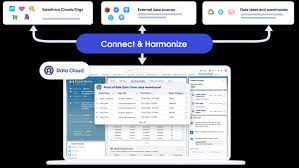
Genpact (NYSE: G), a global professional services and solutions firm delivering outcomes that shape the future, announced today its integration with Salesforce Data Cloud to offer AI-driven industry-specific cloud solutions to transform operations and drive competitive advantages for enterprises. Genpact’s integration with Data Cloud will solve issues associated with disconnected and unstructured data, including poor quality, accessibility, and scalability. By combining Genpact’s deep industry knowledge in consumer goods, life sciences, manufacturing, banking, and insurance, with Data Cloud, businesses can improve decision-making, optimize operations, and drive growth. “To navigate an increasingly complex business environment, business leaders must unlock the full potential of their data assets – but they can only do so if they have a more holistic view,” said Riju Vashisht, Chief Growth Officer, Genpact. “Our partnership with Salesforce combines our data, technology, and AI expertise and a global talent pool with the Salesforce Data Cloud, helping businesses break down data silos, gain real-time insights, and deliver personalized experiences at scale.” Data Cloud offers a 360-degree view of the customer every team can act on by seamlessly connecting, unifying, and activating data that lives in silos across an organization. This allows Genpact to better enable automation, analytics, and personalized engagement. Genpact has also launched a comprehensive training program for its employees on Salesforce’s Einstein AI and Data Cloud platforms to enhance skills and boost innovation to stay ahead in the AI landscape.  “Data Cloud is the platform powering organizations’ data and AI driven engagement. Data Cloud seamlessly harmonizes and unifies structured and unstructured data to deliver integrated experiences,” said Rahul Auradkar, EVP and GM, Unified Data Services and Einstein, Salesforce. “The AI revolution is about data, Data Cloud in concert with Salesforce Einstein 1 platform drives predictive and generative AI, automation, and analytics for customer engagement.” Genpact’s collaboration with Salesforce underscores the company’s commitment to delivering high-quality solutions and achieving client satisfaction within the Salesforce ecosystem. Visit here for more information about Genpact and Salesforce. About Genpact Genpact (NYSE: G) is a global professional services and solutions firm delivering outcomes that shape the future. Our 125,000+ people across 30+ countries are driven by our innate curiosity, entrepreneurial agility, and desire to create lasting value for clients. Powered by our purpose – the relentless pursuit of a world that works better for people – we serve and transform leading enterprises, including the Fortune Global 500, with our deep business and industry knowledge, digital operations services, and expertise in data, technology, and AI. Like Related Posts Who is Salesforce? Who is Salesforce? Here is their story in their own words. From our inception, we’ve proudly embraced the identity of Read more Salesforce Marketing Cloud Transactional Emails Salesforce Marketing Cloud Transactional Emails are immediate, automated, non-promotional messages crucial to business operations and customer satisfaction, such as order Read more Salesforce Unites Einstein Analytics with Financial CRM Salesforce has unveiled a comprehensive analytics solution tailored for wealth managers, home office professionals, and retail bankers, merging its Financial Read more AI-Driven Propensity Scores AI plays a crucial role in propensity score estimation as it can discern underlying patterns between treatments and confounding variables Read more
Read More
Salesforce Automated Case Routing

Understand Salesforce Automated Case Routing

Simplified Case Management with Automation Customer service becomes easier, faster, and more effective with automation tools. A well-organized case management system ensures that customer inquiries are routed to the right person, get the correct answers, and are resolved promptly. Delays or errors in responses can lead to customer dissatisfaction, making efficient case routing critical. Salesforce Service Cloud offers robust automation tools to simplify case management and ensure the right service agents handle cases efficiently, minimizing errors and maximizing customer satisfaction. Efficient Handling of Multi-Channel Case Creation With cases being generated from multiple service channels like web, email, phone, and chat, managing them efficiently can be challenging. Service agents often spend significant time prioritizing, sorting, and assigning cases manually, which can reduce productivity. Moreover, identifying agents with specialized skills and assigning appropriate cases to them can be time-consuming. Automating this process ensures optimal resource utilization, faster resolutions, and higher customer satisfaction. Salesforce provides several tools for routing cases to the right agents: Additionally, advanced automation tools enhance case-routing efficiency: Omni-Channel Routing: Revolutionizing Case Management Omni-Channel Routing is a powerful feature that transforms inefficient systems into streamlined workflows. Without it, agents often rely on manual processes, such as selecting cases from lists, which can result in: Omni-Channel automatically assigns cases to qualified and available agents in real-time, ensuring balanced workloads and prioritizing urgent cases. It seamlessly integrates with both Salesforce Classic and Lightning Experience, saving time and enabling agents to focus on resolving cases quickly. Routing Techniques: Case Assignment Rules: Simplifying Small Business Needs Case Assignment Rules automate case ownership by assigning cases to specific users or queues based on predefined criteria. These rules apply to all cases, regardless of origin, including web-to-case, email-to-case, and more. Key Features: Escalation Rules: Prioritizing Unresolved Cases Escalation Rules help identify and resolve cases that remain unresolved within a specific timeframe. They reassign cases to specific users or teams and send notifications, ensuring: Rules are configured with business hours and time-based criteria to determine when cases should be escalated. Einstein Case Classification & Routing: AI-Powered Efficiency Salesforce Einstein uses machine learning to predict and populate case record fields automatically, reducing agent effort and improving accuracy. How It Works: Einstein Case Routing combines AI predictions with assignment or skill-based routing rules to assign cases to the most suitable agents, improving resolution speed and customer satisfaction. Conclusion Automated case routing transforms customer service by improving productivity, efficiency, and resolution speed. While Omni-Channel Routing is the most comprehensive tool for case management, Escalation and Assignment Rules also play vital roles for smaller business needs. Together, these tools enable businesses to deliver exceptional customer experiences. Like1 Related Posts Who is Salesforce? Who is Salesforce? Here is their story in their own words. From our inception, we’ve proudly embraced the identity of Read more Salesforce Marketing Cloud Transactional Emails Salesforce Marketing Cloud Transactional Emails are immediate, automated, non-promotional messages crucial to business operations and customer satisfaction, such as order Read more Salesforce Unites Einstein Analytics with Financial CRM Salesforce has unveiled a comprehensive analytics solution tailored for wealth managers, home office professionals, and retail bankers, merging its Financial Read more AI-Driven Propensity Scores AI plays a crucial role in propensity score estimation as it can discern underlying patterns between treatments and confounding variables Read more
Read More
Salesforce Data Cloud Pioneer

Salesforce Data Cloud Pioneer

While many organizations are still building their data platforms, Salesforce Data Cloud Pioneer has made a significant leap forward. By seamlessly incorporating metadata integration, Salesforce has transformed the modern data stack into a comprehensive application platform known as the Einstein 1 Platform. Led by Muralidhar Krishnaprasad, executive vice president of engineering at Salesforce, the Einstein 1 Platform is built on the company’s metadata framework. This platform harmonizes metadata and integrates it with AI and automation, marking a new era of data utilization. The Einstein 1 Platform: Innovations and Capabilities Salesforce’s goal with the Einstein 1 Platform is to empower all business users—salespeople, service engineers, marketers, and analysts—to access, use, and act on all their data, regardless of its location, according to Krishnaprasad. The open, extensible platform not only unlocks trapped data but also equips organizations with generative AI functionality, enabling personalized experiences for employees and customers. “Analytics is very important to know how your business is doing, but you also want to make sure all that data and insights are actionable,” Krishnaprasad said. “Our goal is to blend AI, automation, and analytics together, with the metadata layer being the secret sauce.” Salesforce Data Cloud Pioneer In a conversation with George Gilbert, senior analyst at theCUBE Research, Krishnaprasad discussed the platform’s metadata integration, open-API technology, and key features. They explored how its extensibility and interoperability enhance usability across various data formats and sources. Metadata Integration: Accommodating Any IT Environment The Einstein 1 Platform is built on Trino, the federated open-source query engine, and Spark for data processing. It offers a rich set of connectors and an open, extensible environment, enabling organizations to share data between warehouses, lake houses, and other systems. “We use a hyper-engine for sub-second response times in Tableau and other data explorations,” Krishnaprasad explained. “This in-memory overlap engine ensures efficient data processing.” The platform supports various machine learning options and allows users to integrate their own large language models. Whether using Salesforce Einstein, Databricks, Vertex, SageMaker, or other solutions, users can operate without copying data. The platform includes three levels of extensibility, enabling organizations to standardize and extend their customer journey models. Users can start with basic reference models, customize them, and then generate insights, including AI-driven insights. Finally, they can introduce their own functions or triggers to act on these insights. The platform continuously performs unification, allowing users to create different unified graphs based on their needs. “We’re a multimodal system, considering your entire customer journey,” Krishnaprasad said. “We provide flexibility at all levels of the stack to create the right experience for your business.” The Triad of AI, Automation, and Analytics The platform’s foundation ingests, harmonizes, and unifies data, resulting in a standardized metadata model that offers a 360-degree view of customer interactions. This approach unlocks siloed data, much of which is in unstructured forms like conversations, documents, emails, audio, and video. “What we’ve done with this customer 360-degree model is to use unified data to generate insights and make these accessible across application surfaces, enabling reactions to these insights,” Krishnaprasad said. “This unlocks a comprehensive customer journey.” For instance, when a customer views an ad and visits the website, salespeople know what they’re interested in, service personnel understand their concerns, and analysts have the information needed for business insights. These capabilities enhance customer engagement. “Couple this with generative AI, and we enable a lot of self-service,” Krishnaprasad added. “We aim to provide accurate answers, elevating data to create a unified model and powering a unified experience across the entire customer journey.” Like Related Posts Who is Salesforce? Who is Salesforce? Here is their story in their own words. From our inception, we’ve proudly embraced the identity of Read more Salesforce Marketing Cloud Transactional Emails Salesforce Marketing Cloud Transactional Emails are immediate, automated, non-promotional messages crucial to business operations and customer satisfaction, such as order Read more Salesforce Unites Einstein Analytics with Financial CRM Salesforce has unveiled a comprehensive analytics solution tailored for wealth managers, home office professionals, and retail bankers, merging its Financial Read more AI-Driven Propensity Scores AI plays a crucial role in propensity score estimation as it can discern underlying patterns between treatments and confounding variables Read more
Read More
Salesforce Workday Partnership

Salesforce Workday Partnership

Salesforce and Workday Partner to Launch AI-Powered Employee Service Agent Salesforce (NYSE: CRM), the leading AI CRM platform, and Workday, Inc. (NASDAQ: WDAY), a leader in enterprise cloud applications for finance and HR, today announced a strategic partnership to develop a new AI-powered employee service agent. This solution will enhance employee experiences by automating routine tasks, providing personalized support, and delivering data-driven insights across Salesforce and Workday platforms. A Unified Data Foundation for Enhanced Employee Services The partnership will integrate HR and financial data from Workday with CRM data from Salesforce, creating a unified data foundation. This integration will enable the development of AI-driven use cases that increase productivity, reduce costs, and improve the employee experience. A key feature will be the seamless incorporation of Workday into Slack, allowing for enhanced automation and collaboration around HR and financial records, using AI. The new AI employee service agent, built on Salesforce’s Agentforce Platform and Einstein AI, alongside Workday AI, will cater to various employee service needs, such as onboarding, health benefits management, and career development. This agent will utilize a company’s data to interact with employees in natural language, offering personalized support and executing tasks based on trusted business rules and permissions. Enhancing Employee and Customer Success “The AI opportunity lies in augmenting employees and delivering exceptional customer experiences. Our collaboration with Workday will empower businesses to create remarkable experiences using generative and autonomous AI, allowing employees to efficiently find answers, learn new skills, solve problems, and take actions.” Marc Benioff, Chair and CEO of Salesforce Carl Eschenbach, CEO of Workday, highlighted the integration’s benefits: “By combining our platforms, data, and AI capabilities, we empower customers to deliver unmatched AI-powered employee experiences, leading to happier customers and substantial business value.” Key Features of the Partnership Benefits for Employees and Employers For Employees: For Employers: Sal Companieh, Chief Digital and Information Officer at Cushman & Wakefield, noted the strategic advantage: “The integration of Workday and Salesforce will streamline workflows and deliver more personalized, AI-powered employee experiences, significantly enhancing our operational efficiency.” “The shared data foundation between Workday and Salesforce will enable these partners to deliver transformative AI capabilities, enhancing employee experiences and driving business performance.” R “Ray” Wang, CEO of Constellation Research, Inc. About Workday Workday is a leading enterprise platform that helps organizations manage their most important assets – their people and money. The Workday platform is built with AI at the core to help customers elevate people, supercharge work, and move their business forever forward. Workday is used by more than 10,500 organizations around the world and across industries – from medium-sized businesses to more than 60% of the Fortune 500. For more information about Workday, visit workday.com. Like Related Posts Who is Salesforce? Who is Salesforce? Here is their story in their own words. From our inception, we’ve proudly embraced the identity of Read more Salesforce Marketing Cloud Transactional Emails Salesforce Marketing Cloud Transactional Emails are immediate, automated, non-promotional messages crucial to business operations and customer satisfaction, such as order Read more Salesforce Unites Einstein Analytics with Financial CRM Salesforce has unveiled a comprehensive analytics solution tailored for wealth managers, home office professionals, and retail bankers, merging its Financial Read more AI-Driven Propensity Scores AI plays a crucial role in propensity score estimation as it can discern underlying patterns between treatments and confounding variables Read more

Read More
Einstein Code Generation and Amazon SageMaker

Einstein Code Generation and Amazon SageMaker

Salesforce and the Evolution of AI-Driven CRM Solutions Salesforce, Inc., headquartered in San Francisco, California, is a leading American cloud-based software company specializing in customer relationship management (CRM) software and applications. Their offerings include sales, customer service, marketing automation, e-commerce, analytics, and application development. Salesforce is at the forefront of integrating artificial general intelligence (AGI) into its services, enhancing its flagship SaaS CRM platform with predictive and generative AI capabilities and advanced automation features. Einstein Code Generation and Amazon SageMaker. Salesforce Einstein: Pioneering AI in Business Applications Salesforce Einstein represents a suite of AI technologies embedded within Salesforce’s Customer Success Platform, designed to enhance productivity and client engagement. With over 60 features available across different pricing tiers, Einstein’s capabilities are categorized into machine learning (ML), natural language processing (NLP), computer vision, and automatic speech recognition. These tools empower businesses to deliver personalized and predictive customer experiences across various functions, such as sales and customer service. Key components include out-of-the-box AI features like sales email generation in Sales Cloud and service replies in Service Cloud, along with tools like Copilot, Prompt, and Model Builder within Einstein 1 Studio for custom AI development. The Salesforce Einstein AI Platform Team: Enhancing AI Capabilities The Salesforce Einstein AI Platform team is responsible for the ongoing development and enhancement of Einstein’s AI applications. They focus on advancing large language models (LLMs) to support a wide range of business applications, aiming to provide cutting-edge NLP capabilities. By partnering with leading technology providers and leveraging open-source communities and cloud services like AWS, the team ensures Salesforce customers have access to the latest AI technologies. Optimizing LLM Performance with Amazon SageMaker In early 2023, the Einstein team sought a solution to host CodeGen, Salesforce’s in-house open-source LLM for code understanding and generation. CodeGen enables translation from natural language to programming languages like Python and is particularly tuned for the Apex programming language, integral to Salesforce’s CRM functionality. The team required a hosting solution that could handle a high volume of inference requests and multiple concurrent sessions while meeting strict throughput and latency requirements for their EinsteinGPT for Developers tool, which aids in code generation and review. After evaluating various hosting solutions, the team selected Amazon SageMaker for its robust GPU access, scalability, flexibility, and performance optimization features. SageMaker’s specialized deep learning containers (DLCs), including the Large Model Inference (LMI) containers, provided a comprehensive solution for efficient LLM hosting and deployment. Key features included advanced batching strategies, efficient request routing, and access to high-end GPUs, which significantly enhanced the model’s performance. Key Achievements and Learnings Einstein Code Generation and Amazon SageMaker The integration of SageMaker resulted in a dramatic improvement in the performance of the CodeGen model, boosting throughput by over 6,500% and reducing latency significantly. The use of SageMaker’s tools and resources enabled the team to optimize their models, streamline deployment, and effectively manage resource use, setting a benchmark for future projects. Conclusion and Future Directions Salesforce’s experience with SageMaker highlights the critical importance of leveraging advanced tools and strategies in AI model optimization. The successful collaboration underscores the need for continuous innovation and adaptation in AI technologies, ensuring that Salesforce remains at the cutting edge of CRM solutions. For those interested in deploying their LLMs on SageMaker, Salesforce’s experience serves as a valuable case study, demonstrating the platform’s capabilities in enhancing AI performance and scalability. To begin hosting your own LLMs on SageMaker, consider exploring their detailed guides and resources. Like Related Posts Who is Salesforce? Who is Salesforce? Here is their story in their own words. From our inception, we’ve proudly embraced the identity of Read more Salesforce Marketing Cloud Transactional Emails Salesforce Marketing Cloud Transactional Emails are immediate, automated, non-promotional messages crucial to business operations and customer satisfaction, such as order Read more Salesforce Unites Einstein Analytics with Financial CRM Salesforce has unveiled a comprehensive analytics solution tailored for wealth managers, home office professionals, and retail bankers, merging its Financial Read more AI-Driven Propensity Scores AI plays a crucial role in propensity score estimation as it can discern underlying patterns between treatments and confounding variables Read more

Read More
gettectonic.com