

scalability Archives - gettectonic.com - Page 11
Salesforce Data Migration Tools

Salesforce Data Migration

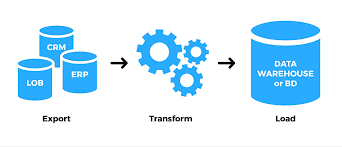
Salesforce Data Migration: A Key to CRM Success The migration of data into Salesforce is critical for the efficient functioning of Salesforce CRM. When executed correctly, it reduces data duplication, consolidates customer and operational data into a unified platform, and extends CRM capabilities beyond basic functionalities. Proper data migration serves as the foundation for advanced business intelligence and in-depth analytics. On the other hand, poorly managed migration can lead to transferring incorrect, duplicate, or corrupted data, compromising the system’s reliability. An efficient migration process safeguards data integrity, ensures a seamless transfer to Salesforce, and enhances overall organizational performance. What is Data Migration in Salesforce? Salesforce data migration is the process of transferring data from external systems, databases, or platforms into Salesforce. This process captures critical business information and integrates it into Salesforce’s CRM framework securely. The migration process also involves data cleansing, verification, and transforming data into formats compatible with Salesforce’s structure. Why You Need Salesforce Data Migration Importance Data migration is indispensable for companies looking to modernize their operations and enhance performance. With Salesforce, organizations can: Benefits Migrating Data from Legacy Systems to Salesforce Migrating data from legacy systems to Salesforce is essential for scalability and efficient data management. Key advantages include: Salesforce Data Migration Process Data migration involves transferring data into Salesforce to improve customer engagement and operational workflows. The process ensures data accuracy and compatibility with Salesforce’s architecture. Key Steps for Salesforce Data Migration Types of Salesforce Data Migration Top Salesforce Data Migration Tools Data Archiving in Salesforce Salesforce data archiving involves relocating unused or historical data to a separate storage area. This optimizes system performance and ensures easy access for compliance or analysis. Advantages Top Options for Data Archiving Best Practices for Salesforce Data Migration Conclusion Salesforce data migration is a pivotal step in transforming organizational processes and achieving CRM excellence. When done right, it improves efficiency, eliminates data duplication, and ensures accurate information storage. By following best practices, leveraging appropriate tools, and engaging migration specialists, organizations can unlock Salesforce’s full potential for scalability, automation, and advanced analytics. Successful migration paves the way for better decision-making and future growth. Like Related Posts Who is Salesforce? Who is Salesforce? Here is their story in their own words. From our inception, we’ve proudly embraced the identity of Read more Salesforce Marketing Cloud Transactional Emails Salesforce Marketing Cloud Transactional Emails are immediate, automated, non-promotional messages crucial to business operations and customer satisfaction, such as order Read more Salesforce Unites Einstein Analytics with Financial CRM Salesforce has unveiled a comprehensive analytics solution tailored for wealth managers, home office professionals, and retail bankers, merging its Financial Read more AI-Driven Propensity Scores AI plays a crucial role in propensity score estimation as it can discern underlying patterns between treatments and confounding variables Read more
Read More
Einstein Code Generation and Amazon SageMaker

Einstein Code Generation and Amazon SageMaker

Salesforce and the Evolution of AI-Driven CRM Solutions Salesforce, Inc., headquartered in San Francisco, California, is a leading American cloud-based software company specializing in customer relationship management (CRM) software and applications. Their offerings include sales, customer service, marketing automation, e-commerce, analytics, and application development. Salesforce is at the forefront of integrating artificial general intelligence (AGI) into its services, enhancing its flagship SaaS CRM platform with predictive and generative AI capabilities and advanced automation features. Einstein Code Generation and Amazon SageMaker. Salesforce Einstein: Pioneering AI in Business Applications Salesforce Einstein represents a suite of AI technologies embedded within Salesforce’s Customer Success Platform, designed to enhance productivity and client engagement. With over 60 features available across different pricing tiers, Einstein’s capabilities are categorized into machine learning (ML), natural language processing (NLP), computer vision, and automatic speech recognition. These tools empower businesses to deliver personalized and predictive customer experiences across various functions, such as sales and customer service. Key components include out-of-the-box AI features like sales email generation in Sales Cloud and service replies in Service Cloud, along with tools like Copilot, Prompt, and Model Builder within Einstein 1 Studio for custom AI development. The Salesforce Einstein AI Platform Team: Enhancing AI Capabilities The Salesforce Einstein AI Platform team is responsible for the ongoing development and enhancement of Einstein’s AI applications. They focus on advancing large language models (LLMs) to support a wide range of business applications, aiming to provide cutting-edge NLP capabilities. By partnering with leading technology providers and leveraging open-source communities and cloud services like AWS, the team ensures Salesforce customers have access to the latest AI technologies. Optimizing LLM Performance with Amazon SageMaker In early 2023, the Einstein team sought a solution to host CodeGen, Salesforce’s in-house open-source LLM for code understanding and generation. CodeGen enables translation from natural language to programming languages like Python and is particularly tuned for the Apex programming language, integral to Salesforce’s CRM functionality. The team required a hosting solution that could handle a high volume of inference requests and multiple concurrent sessions while meeting strict throughput and latency requirements for their EinsteinGPT for Developers tool, which aids in code generation and review. After evaluating various hosting solutions, the team selected Amazon SageMaker for its robust GPU access, scalability, flexibility, and performance optimization features. SageMaker’s specialized deep learning containers (DLCs), including the Large Model Inference (LMI) containers, provided a comprehensive solution for efficient LLM hosting and deployment. Key features included advanced batching strategies, efficient request routing, and access to high-end GPUs, which significantly enhanced the model’s performance. Key Achievements and Learnings Einstein Code Generation and Amazon SageMaker The integration of SageMaker resulted in a dramatic improvement in the performance of the CodeGen model, boosting throughput by over 6,500% and reducing latency significantly. The use of SageMaker’s tools and resources enabled the team to optimize their models, streamline deployment, and effectively manage resource use, setting a benchmark for future projects. Conclusion and Future Directions Salesforce’s experience with SageMaker highlights the critical importance of leveraging advanced tools and strategies in AI model optimization. The successful collaboration underscores the need for continuous innovation and adaptation in AI technologies, ensuring that Salesforce remains at the cutting edge of CRM solutions. For those interested in deploying their LLMs on SageMaker, Salesforce’s experience serves as a valuable case study, demonstrating the platform’s capabilities in enhancing AI performance and scalability. To begin hosting your own LLMs on SageMaker, consider exploring their detailed guides and resources. Like Related Posts Who is Salesforce? Who is Salesforce? Here is their story in their own words. From our inception, we’ve proudly embraced the identity of Read more Salesforce Marketing Cloud Transactional Emails Salesforce Marketing Cloud Transactional Emails are immediate, automated, non-promotional messages crucial to business operations and customer satisfaction, such as order Read more Salesforce Unites Einstein Analytics with Financial CRM Salesforce has unveiled a comprehensive analytics solution tailored for wealth managers, home office professionals, and retail bankers, merging its Financial Read more AI-Driven Propensity Scores AI plays a crucial role in propensity score estimation as it can discern underlying patterns between treatments and confounding variables Read more

Read More

Zendesk Agent Copilot for Voice

Zendesk Agent Copilot for Voice is an AI-powered tool designed to enhance the efficiency and effectiveness of customer service agents during voice interactions. It leverages artificial intelligence to provide real-time assistance, enabling agents to deliver faster, more accurate, and personalised support to customers over phone calls. Here’s an overview of its key features and benefits: Key Features of Zendesk Agent Copilot for Voice Benefits of Zendesk Agent Copilot for Voice Use Cases for Zendesk Agent Copilot for Voice How It Works Zendesk Agent Copilot for Voice integrates with your existing voice infrastructure and uses advanced natural language processing (NLP) and machine learning (ML) to analyse conversations in real time. It pulls data from Zendesk’s knowledge base, CRM, and other integrated systems to provide agents with the most relevant information and recommendations. Why It Matters In today’s competitive landscape, delivering exceptional customer service is critical. Zendesk Agent Copilot for Voice empowers agents to handle calls more effectively, reduces operational inefficiencies, and ensures a seamless, personalised experience for customers. By combining human expertise with AI-driven insights, it sets a new standard for voice-based customer support. If you’re considering implementing Zendesk Agent Copilot for Voice, it’s worth exploring how it aligns with your specific customer service goals and workflows. The tool is particularly valuable for businesses with high call volumes or those looking to enhance their voice support capabilities with AI-driven innovation. Like Related Posts Who is Salesforce? Who is Salesforce? Here is their story in their own words. From our inception, we’ve proudly embraced the identity of Read more Salesforce Unites Einstein Analytics with Financial CRM Salesforce has unveiled a comprehensive analytics solution tailored for wealth managers, home office professionals, and retail bankers, merging its Financial Read more AI-Driven Propensity Scores AI plays a crucial role in propensity score estimation as it can discern underlying patterns between treatments and confounding variables Read more Tectonic’s Successful Salesforce Track Record Salesforce Technology Services Integrator – Tectonic has successfully delivered Salesforce in a variety of industries including Public Sector, Hospitality, Manufacturing, Read more
Read More
Sales CRM - Do You Need It

Sales CRM – Do You Need It

Every sale is a story of connecting needs with solutions and questions with answers. A sales customer relationship management (CRM) system is essential for facilitating these connections. It helps track customer interactions and creates meaningful engagements that drive business forward. However, many sales organizations are not fully utilizing this powerful, game changing tool. According to the latest State of Sales report, two-thirds of sales professionals feel overwhelmed by too many sales applications, and only 37% believe their organizations fully leverage their CRM systems. Let’s explore how a sales CRM can improve productivity and streamline operations to enhance every customer interaction. What is a Sales CRM? A sales CRM is software designed to help sales teams manage their interactions with customers and streamline pipeline management. It securely stores customer data, leverages the power of artificial intelligence (AI) to automate key tasks and generate content, and optimizes sales processes to increase efficiency and revenue. Why is a Sales CRM Important? The State of Sales report indicates that 69% of sales professionals need efficient tools to manage job complexity. A sales CRM helps teams stay organized by storing customer details in one place, making it easier to track past interactions, follow up on leads, and close deals. This reduces time spent on administrative tasks, allowing salespeople to focus more on connecting with customers and closing sales. Today’s CRMs are more than just databases. With AI capabilities, sales teams can access and analyze customer information and automate tasks such as drafting sales emails and prioritizing tasks, transforming them into a highly efficient revenue-generating unit. How Does a CRM Help Increase Sales? A CRM assists sales representatives in suggesting products or services that meet customer needs, following up on leads, and reconnecting at the right time. For example, if a customer has expressed interest in a product, the CRM records this interaction. When that product becomes available at a discount, the salesperson can reach out with a personalized offer. CRMs can also automate follow-up reminders, encouraging customers toward a purchase. Here’s how a CRM can be applied at each stage of the sales cycle: 5 CRM Best Practices A CRM system is most effective when it supports a well-defined sales strategy. Here are some tips to enhance CRM use: Does Your Company Need a Sales CRM? To determine the need for a sales CRM, evaluate current sales processes and future goals. A CRM is particularly beneficial for business if: Tips for Choosing the Best CRM Selecting the right CRM involves considering your unique business needs. What will you gain? What will it cost? How will you implement it? How will you train sales teams to use it? Key factors include: Use Your CRM to Tell More Sales Success Stories A sales CRM serves as a comprehensive record with 360 degree views of customer interactions, helping improve productivity, foster meaningful customer engagement, and craft better success stories for your business. Like Related Posts Who is Salesforce? Who is Salesforce? Here is their story in their own words. From our inception, we’ve proudly embraced the identity of Read more Salesforce Marketing Cloud Transactional Emails Salesforce Marketing Cloud Transactional Emails are immediate, automated, non-promotional messages crucial to business operations and customer satisfaction, such as order Read more Salesforce Unites Einstein Analytics with Financial CRM Salesforce has unveiled a comprehensive analytics solution tailored for wealth managers, home office professionals, and retail bankers, merging its Financial Read more AI-Driven Propensity Scores AI plays a crucial role in propensity score estimation as it can discern underlying patterns between treatments and confounding variables Read more
Read More
Tableau Cloud Hyperforce

Tableau Cloud Hyperforce

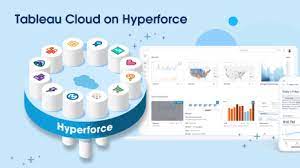
What to Know About Tableau Cloud Migration to Hyperforce Tableau Cloud is transitioning to Hyperforce, Salesforce’s next-generation infrastructure for the public cloud, in the second half of 2024. This shift promises enhanced security, scalability, and compliance, allowing customers to better manage data residency and adhere to local regulations. Here’s a closer look at what Hyperforce is, the benefits it brings to Tableau Cloud, and how to learn more about this significant upgrade. What is Hyperforce? Hyperforce is Salesforce’s advanced infrastructure architecture tailored for the public cloud. It marks a significant technological advancement, enabling applications to perform with greater security and efficiency. Unlike traditional hardware-dependent setups, Hyperforce is built on a foundation of code, allowing seamless deployment across global regions. This flexibility ensures effective data residency management and compliance with local laws. This might be a good time to consider moving to Tableau Cloud. Shifting workloads to software-as-a-service (SaaS) solutions has been an increasing priority for organizations for years. As we build for a world facing new economic challenges and uncertainty, executives have increasingly looked to Tableau Cloud, our SaaS offering, to help them develop their own competitive advantages, easily scale, and maximize efficiency. Flexera’s 2023 State of the Cloud reports that 51% of data is now in the public cloud, and nearly half of their survey respondents indicated their organization plans to move from on-premises software to SaaS. More and more organizations are turning to cloud solutions to reduce operational costs and drive their own digital transformation. Benefits of Tableau Cloud on Hyperforce When Tableau Cloud transitions to Hyperforce, customers will experience immediate benefits while retaining the familiar user experience and functionality. Here’s what to expect: Leveraging Salesforce Innovations Hyperforce enables Tableau Cloud to integrate more effectively with Salesforce’s existing innovations and integrations, fostering faster innovation. A notable example is Tableau Cloud Private Connect, which allows secure connections between Tableau Cloud and popular cloud data warehouses and lakes via a private connection, enhancing data transit security. Learning More About the Migration To delve deeper into Salesforce’s Hyperforce platform and the Tableau Cloud migration, refer to the Hyperforce FAQ and the Tableau Cloud Hyperforce Migration article. This migration marks an exciting phase for Tableau Cloud, promising unparalleled scalability, security, and compliance. The enhanced regional availability and compliance standards will enable more organizations worldwide to leverage Tableau Cloud, while the platform’s flexibility will spur faster AI-powered analytics innovations. For those interested in the technical details and implications of this transition, contact Tectonic today. Tableau Cloud is always on the latest version Tableau, which means you get access all of the innovations as soon as they’re available. That means all Tableau AI features that we develop are available to your data community right away. As transformational technologies like LLMs are integrated into Tableau Pulse, your teams can use them to stay up to date on all the most essential metrics immediately. Like Related Posts Who is Salesforce? Who is Salesforce? Here is their story in their own words. From our inception, we’ve proudly embraced the identity of Read more Salesforce Marketing Cloud Transactional Emails Salesforce Marketing Cloud Transactional Emails are immediate, automated, non-promotional messages crucial to business operations and customer satisfaction, such as order Read more Salesforce Unites Einstein Analytics with Financial CRM Salesforce has unveiled a comprehensive analytics solution tailored for wealth managers, home office professionals, and retail bankers, merging its Financial Read more AI-Driven Propensity Scores AI plays a crucial role in propensity score estimation as it can discern underlying patterns between treatments and confounding variables Read more
Read More
what is a data lake

What is a Data Lake?

A data lake is a centralized repository that stores vast amounts of data, both structured and unstructured, in its native format, enabling organizations to store and analyze diverse data sources for various applications, including analytics, machine learning, and business intelligence.  Here’s a more detailed explanation: Like Related Posts Who is Salesforce? Who is Salesforce? Here is their story in their own words. From our inception, we’ve proudly embraced the identity of Read more Salesforce Unites Einstein Analytics with Financial CRM Salesforce has unveiled a comprehensive analytics solution tailored for wealth managers, home office professionals, and retail bankers, merging its Financial Read more AI-Driven Propensity Scores AI plays a crucial role in propensity score estimation as it can discern underlying patterns between treatments and confounding variables Read more Tectonic’s Successful Salesforce Track Record Salesforce Technology Services Integrator – Tectonic has successfully delivered Salesforce in a variety of industries including Public Sector, Hospitality, Manufacturing, Read more

Read More
Technical Debt

Understanding and Managing Technical Debt in Salesforce

Salesforce is a powerful and dynamic CRM platform with a vast array of tools and features. Given its complexity, users must make critical decisions daily—whether creating custom objects, automating workflows, nurturing leads, or developing applications. Each choice impacts how effectively Salesforce is utilized, influencing both short-term success and long-term sustainability. However, users often opt for the quickest solution rather than the most robust one. While this may provide immediate results, it can lead to inefficiencies and challenges over time. This is where technical debt comes into play. What Is Technical Debt in Salesforce? Technical debt refers to the hidden cost an organization incurs when prioritizing speed over quality in software development and system configuration. It results from taking shortcuts that may seem convenient at first but ultimately require additional work—often in the form of rework, maintenance, or system inefficiencies. A Real-World Analogy Imagine you’re on a trek and encounter two paths leading to the same destination. The shorter route is steep and exhausting, while the longer path includes rest stops and is easier on your body. Although the shorter path may seem efficient, it leaves you drained. Similarly, in Salesforce, quick fixes—such as writing redundant code, skipping documentation, or excessive customization—may seem efficient initially but create long-term complications, leading to technical debt. Common Causes of Technical Debt in Salesforce Types of Technical Debt in Salesforce Identifying and Measuring Technical Debt To assess technical debt, consider both business-related and technical questions: Business-Related Questions Technical Questions How to Avoid Technical Debt in Salesforce Final Thoughts Technical debt is an inevitable challenge in any complex system, but with proactive planning and best practices, it can be minimized. The key is to prioritize sustainability over speed—choosing well-structured, scalable solutions rather than quick fixes that may lead to costly rework in the future. By maintaining best practices, regular system reviews, and strategic planning, organizations can optimize their Salesforce environment for efficiency, scalability, and long-term success. Like Related Posts Who is Salesforce? Who is Salesforce? Here is their story in their own words. From our inception, we’ve proudly embraced the identity of Read more Salesforce Marketing Cloud Transactional Emails Salesforce Marketing Cloud Transactional Emails are immediate, automated, non-promotional messages crucial to business operations and customer satisfaction, such as order Read more Salesforce Unites Einstein Analytics with Financial CRM Salesforce has unveiled a comprehensive analytics solution tailored for wealth managers, home office professionals, and retail bankers, merging its Financial Read more AI-Driven Propensity Scores AI plays a crucial role in propensity score estimation as it can discern underlying patterns between treatments and confounding variables Read more

Read More
Salesforce Revenue Lifecycle

Salesforce Revenue Lifecycle

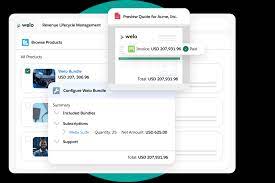
Revenue Lifecycle Management (RLM) with Revenue Cloud empowers businesses to drive profitable growth by automating the entire product-to-cash process. From managing product catalogs and pricing to order fulfillment and billing, RLM streamlines operations and accelerates revenue generation. Salesforce Revenue Lifecycle. Here’s how businesses can leverage RLM for efficient revenue lifecycle management: Additionally, RLM is available in Lightning Experience and requires a Revenue Lifecycle Management license in Sales Cloud and Service Cloud for Enterprise, Unlimited, and Developer editions. Key features of RLM include: As businesses navigate the subscription economy, RLM offers a scalable, flexible, and efficient omni-channel platform for transacting revenue. By addressing growth, churn reduction, and profitability gains, RLM empowers organizations to scale and grow, leveraging modular components and APIs to support various sales motions and use cases. With ongoing innovation and industry expertise, Salesforce and partners like Tectonic are committed to helping subscription companies achieve profitable and efficient growth with Revenue Cloud and Revenue Lifecycle Management. Like Related Posts Who is Salesforce? Who is Salesforce? Here is their story in their own words. From our inception, we’ve proudly embraced the identity of Read more Salesforce Marketing Cloud Transactional Emails Salesforce Marketing Cloud Transactional Emails are immediate, automated, non-promotional messages crucial to business operations and customer satisfaction, such as order Read more Salesforce Unites Einstein Analytics with Financial CRM Salesforce has unveiled a comprehensive analytics solution tailored for wealth managers, home office professionals, and retail bankers, merging its Financial Read more AI-Driven Propensity Scores AI plays a crucial role in propensity score estimation as it can discern underlying patterns between treatments and confounding variables Read more
Read More
The Growing Role of AI in Cloud Management

The Growing Role of AI in Cloud Management

AI technologies are redefining cloud management by automating IT systems, improving security, optimizing cloud costs, enhancing data management, and streamlining the provisioning of AI services across complex cloud ecosystems. With the surging demand for AI, its ability to address technological complexities makes a unified cloud management strategy indispensable for IT teams. Cloud and security platforms have steadily integrated AI and machine learning to support increasingly autonomous IT operations. The rapid rise of generative AI (GenAI) has further spotlighted these AI capabilities, prompting vendors to prioritize their development and implementation. Adnan Masood, Chief AI Architect at UST, highlights the transformative potential of AI-driven cloud management, emphasizing its ability to oversee vast data centers hosting millions of applications and services with minimal human input. “AI automates tasks such as provisioning, scaling, cost management, monitoring, and data migration,” Masood explains, showcasing its wide-ranging impact. From Reactive to Proactive Cloud Management Traditionally, CloudOps relied heavily on manual intervention and expertise. AI has shifted this paradigm, introducing automation, predictive analytics, and intelligent decision-making. This evolution enables enterprises to transition from reactive, manual management to proactive, self-optimizing cloud environments. Masood underscores that this shift allows cloud systems to self-manage and optimize with minimal human oversight. However, organizations must navigate challenges, including complex data integration, real-time processing limitations, and model accuracy concerns. Business hurdles like implementation costs, uncertain ROI, and maintaining the right balance between AI automation and human oversight also require careful evaluation. AI’s Transformation of Cloud Computing AI has reshaped cloud management into a more proactive and efficient process. Key applications include: “AI enhances efficiency, scalability, and flexibility for IT teams,” says Agustín Huerta, SVP of Digital Innovation at Globant. He views AI as a pivotal enabler of automation and optimization, helping businesses adapt to rapidly changing environments. AI also automates repetitive tasks such as provisioning, performance monitoring, and cost management. More importantly, it strengthens security across cloud infrastructure by detecting misconfigurations, vulnerabilities, and malicious activities. Nick Kramer of SSA & Company highlights how AI-powered natural language interfaces simplify cloud management, transforming it from a technical challenge to a logical one. With conversational AI, business users can manage cloud operations more efficiently, accelerating problem resolution. AI-Enabled Cloud Management Tools Ryan Mallory, COO at Flexential, categorizes AI-powered cloud tools into: The Rise of Self-Healing Cloud Systems AI enables cloud systems to detect, resolve, and optimize issues with minimal human intervention. For instance, AI can identify system failures and trigger automatic remediation, such as restarting services or reallocating resources. Over time, machine learning enhances these systems’ accuracy and reliability. Key Applications of AI in Cloud Management AI’s widespread applications in cloud computing include: Benefits of AI in Cloud Management AI transforms cloud management by enabling autonomous systems capable of 24/7 monitoring, self-healing, and optimization. This boosts system reliability, reduces downtime, and provides businesses with deeper analytical insights. Chris Vogel from S-RM emphasizes that AI’s analytical capabilities go beyond automation, driving strategic business decisions and delivering measurable value. Challenges of AI in Cloud Management Despite its advantages, AI adoption in cloud management presents challenges, including: AI’s Impact on IT Departments AI’s growing influence on cloud management introduces new responsibilities for IT teams, including managing unauthorized AI systems, ensuring data security, and maintaining high-quality data for AI applications. IT departments must provide enterprise-grade AI solutions that are private, governed, and efficient while balancing the costs and benefits of AI integration. Future Trends in AI-Driven Cloud Management Experts anticipate that AI will revolutionize cloud management, much like cloud computing reshaped IT a decade ago. Prasad Sankaran from Cognizant predicts that organizations investing in AI for cloud management will unlock opportunities for faster innovation, streamlined operations, and reduced technical debt. As AI continues to evolve, cloud environments will become increasingly autonomous, driving efficiency, scalability, and innovation across industries. Businesses embracing AI-driven cloud management will be well-positioned to adapt to the complexities of tomorrow’s IT landscape. Like Related Posts Who is Salesforce? Who is Salesforce? Here is their story in their own words. From our inception, we’ve proudly embraced the identity of Read more Salesforce Unites Einstein Analytics with Financial CRM Salesforce has unveiled a comprehensive analytics solution tailored for wealth managers, home office professionals, and retail bankers, merging its Financial Read more AI-Driven Propensity Scores AI plays a crucial role in propensity score estimation as it can discern underlying patterns between treatments and confounding variables Read more Tectonic’s Successful Salesforce Track Record Salesforce Technology Services Integrator – Tectonic has successfully delivered Salesforce in a variety of industries including Public Sector, Hospitality, Manufacturing, Read more

Read More
The Autonomous Customer Service Revolution

The Autonomous Customer Service Revolution

The Autonomous Customer Service Revolution: Strategies for Future-Ready Businesses The New Era of Customer Experience Today’s consumers demand instant, personalized service across all channels – a standard that 88% say directly influences their repurchase decisions. Autonomous customer service, powered by cutting-edge AI, is emerging as the transformative solution to meet these expectations while driving operational efficiency. Defining Autonomous Customer Service Unlike traditional AI-assisted service, autonomous systems leverage: “Digital agents represent a quantum leap beyond conventional self-service,” explains Yacov Salomon, SVP of Engineering for Service Cloud. “We’re witnessing a fundamental transformation in how businesses engage customers.” How Autonomous Systems Operate The Human-AI Collaboration Model Contrary to replacement fears, autonomous AI enhances human roles by: “These systems excel at specific tasks with machine precision,” notes Salomon, “while enabling human agents to focus on creative problem-solving and emotional intelligence.” Strategic Advantages Benefit Impact 24/7 Global Availability 40% reduction in after-hours support costs Instant Resolution 3-5x faster response times Personalized Engagement 25% increase in CSAT scores Operational Scalability 10x inquiry capacity without added staff Predictive Insights 15-30% improvement in first-contact resolution Implementation Roadmap Service Cloud: The Autonomous Advantage Salesforce’s AI-powered solution delivers: Einstein Copilot for Service Trusted AI Infrastructure The Next Frontier Emerging innovations will bring: “Customer service is becoming the new growth engine,” predicts Salomon. “Autonomous AI creates revenue opportunities while delivering exceptional experiences at scale.” Getting Started Businesses can immediately: The autonomous revolution isn’t coming—it’s here. Organizations that strategically implement these solutions today will define the customer experience standards of tomorrow. Like Related Posts Who is Salesforce? Who is Salesforce? Here is their story in their own words. From our inception, we’ve proudly embraced the identity of Read more Salesforce Marketing Cloud Transactional Emails Salesforce Marketing Cloud Transactional Emails are immediate, automated, non-promotional messages crucial to business operations and customer satisfaction, such as order Read more Salesforce Unites Einstein Analytics with Financial CRM Salesforce has unveiled a comprehensive analytics solution tailored for wealth managers, home office professionals, and retail bankers, merging its Financial Read more AI-Driven Propensity Scores AI plays a crucial role in propensity score estimation as it can discern underlying patterns between treatments and confounding variables Read more

Read More
TEFCA could drive payer-provider interoperability

TEFCA could drive payer-provider interoperability

Bridging the Interoperability Gap: TEFCA’s Role in Payer-Provider Data Exchange The electronic health information exchange (HIE) between healthcare providers has seen significant growth in recent years. However, interoperability between healthcare providers and payers has lagged behind. The Trusted Exchange Framework and Common Agreement (TEFCA) aims to address this gap and enhance data interoperability across the healthcare ecosystem. TEFCA could drive payer-provider interoperability with a little help from the world of technology. TEFCA’s Foundation and Evolution TEFCA was established under the 21st Century Cures Act to improve health data interoperability through a “network of networks” approach. The Office of the National Coordinator for Health Information Technology (ONC) officially launched TEFCA in December 2023, designating five initial Qualified Health Information Networks (QHINs). By February 2024, two additional QHINs had been designated. The Sequoia Project, TEFCA’s recognized coordinating entity, recently released several key documents for stakeholder feedback, including draft standard operating procedures (SOPs) for healthcare operations and payment under TEFCA. During the 2024 WEDI Spring Conference, leaders from three QHINs—eHealth Exchange, Epic Nexus, and Kno2—discussed the future of TEFCA in enhancing provider and payer interoperability. ONC released Version 2.0 of the Common Agreement on April 22, 2024. Common Agreement Version 2.0 updates Common Agreement Version 1.1, published in November 2023, and includes enhancements and updates to require support for Health Level Seven (HL7®) Fast Healthcare Interoperability Resources (FHIR®) based transactions. The Common Agreement includes an exhibit, the Participant and Subparticipant Terms of Participation (ToP), that sets forth the requirements each Participant and Subparticipant must agree to and comply with to participate in TEFCA. The Common Agreement and ToPs incorporate all applicable standard operating procedures (SOPs) and the Qualified Health Information Network Technical Framework (QTF). View the release notes for Common Agreement Version 2.0 The Trusted Exchange Framework and Common AgreementTM (TEFCATM) has 3 goals: (1) to establish a universal governance, policy, and technical floor for nationwide interoperability; (2) to simplify connectivity for organizations to securely exchange information to improve patient care, enhance the welfare of populations, and generate health care value; and (3) to enable individuals to gather their health care information. Challenges in Payer Data Exchange Although the QHINs on the panel have made progress in facilitating payer HIE, they emphasized that TEFCA is not yet fully operational for large-scale payer data exchange. Ryan Bohochik, Vice President of Value-Based Care at Epic, highlighted the complexities of payer-provider data exchange. “We’ve focused on use cases that allow for real-time information sharing between care providers and insurance carriers,” Bohochik said. “However, TEFCA isn’t yet capable of supporting this at the scale required.” Bohochik also pointed out that payer data exchange is complicated by the involvement of third-party contractors. For example, health plans often partner with vendors for tasks like care management or quality measure calculation. This adds layers of complexity to the data exchange process. Catherine Bingman, Vice President of Interoperability Adoption for eHealth Exchange, echoed these concerns, noting that member attribution and patient privacy are critical issues in payer data exchange. “Payers don’t have the right to access everything a patient has paid for themselves,” Bingman said. “This makes providers cautious about sharing data, impacting patient care.” For instance, manual prior authorization processes frequently delay patient access to care. A 2023 AMA survey found that 42% of doctors reported care delays due to prior authorization, with 37% stating that these delays were common. Building Trust Through Use Cases Matt Becker, Vice President of Interoperability at Kno2, stressed the importance of developing specific use cases to establish trust in payer data exchange via TEFCA. “Payment and operations is a broad category that includes HEDIS measures, quality assurance, and provider monitoring,” Becker said. “Each of these requires a high level of trust.” Bohochik agreed, emphasizing that narrowing the scope and focusing on specific, high-value use cases will be essential for TEFCA’s adoption. “We can’t solve everything at once,” Bohochik said. “We need to focus on achieving successful outcomes in targeted areas, which will build momentum and community support.” He also noted that while technical data standards are crucial, building trust in the data exchange process is equally important. “A network is only as good as the trust it inspires,” Bohochik said. “If healthcare systems know that data requests for payment and operations are legitimate and secure, it will drive the scalability of TEFCA.” By focusing on targeted use cases, ensuring rigorous data standards, and building trust, TEFCA has the potential to significantly enhance interoperability between healthcare providers and payers, ultimately improving patient care and operational efficiency. Like Related Posts Who is Salesforce? Who is Salesforce? Here is their story in their own words. From our inception, we’ve proudly embraced the identity of Read more Salesforce Marketing Cloud Transactional Emails Salesforce Marketing Cloud Transactional Emails are immediate, automated, non-promotional messages crucial to business operations and customer satisfaction, such as order Read more Salesforce Unites Einstein Analytics with Financial CRM Salesforce has unveiled a comprehensive analytics solution tailored for wealth managers, home office professionals, and retail bankers, merging its Financial Read more AI-Driven Propensity Scores AI plays a crucial role in propensity score estimation as it can discern underlying patterns between treatments and confounding variables Read more

Read More
mulesoft and healthcare

MuleSoft and Healthcare

Driving Innovation in Healthcare Through Data Interoperability Healthcare organizations are navigating an unprecedented surge in patient data, which is critical for communication, research, and management. This data plays a pivotal role in modernizing healthcare and improving outcomes, particularly with the shift toward a Value-Based Care Model. However, 81% of IT leaders report that much of this data remains trapped in silos, hindering innovation and negatively impacting patient satisfaction. The Importance of Interoperability in Healthcare Improving Patient Outcomes and Managing RiskLeading healthcare organizations understand that achieving interoperability—seamless data exchange across clinical and non-clinical systems—is vital. Beyond supporting Value-Based Care, interoperability drives patient satisfaction, loyalty, and cost-efficiency. By enabling accurate data sharing, healthcare providers can: Interoperability also supports proactive preventative care, reducing long-term healthcare costs and boosting life expectancy. Regulatory Mandates: The Interoperability and Patient Access Final RuleSince May 1, 2020, the Centers for Medicare & Medicaid Services (CMS) have mandated interoperability through the Interoperability and Patient Access Final Rule. This legislation holds U.S. healthcare providers accountable for: Non-compliance can result in significant fines and public reporting of violations, further emphasizing the criticality of achieving interoperability. The Challenge of ImplementationDespite its clear benefits—improved patient outcomes, compliance, and cost savings—achieving interoperability poses challenges. Technological complexities and siloed data structures hinder seamless integration. This is where MuleSoft, a Salesforce company, provides a powerful solution. How MuleSoft Enables Interoperability in Healthcare Breaking Down Silos with API-Led IntegrationMuleSoft is a trusted partner for leading healthcare organizations, offering secure, scalable solutions to eliminate data silos. Recognized as a Leader in Gartner’s Magic Quadrant for iPaaS, MuleSoft empowers providers with its HIPAA-compliant Anypoint Platform, facilitating interoperability through API-led integration. Key Features and Benefits Transforming Healthcare with MuleSoft The digital transformation of healthcare is accelerating, driven by evolving regulations, patient expectations, and a dynamic global environment. MuleSoft stands at the forefront of this shift, empowering healthcare organizations to: By partnering with MuleSoft, healthcare organizations can embrace innovation and build healthier connections—one integration at a time. Contact Tectonic today to get started. Like Related Posts Who is Salesforce? Who is Salesforce? Here is their story in their own words. From our inception, we’ve proudly embraced the identity of Read more Salesforce Marketing Cloud Transactional Emails Salesforce Marketing Cloud Transactional Emails are immediate, automated, non-promotional messages crucial to business operations and customer satisfaction, such as order Read more Salesforce Unites Einstein Analytics with Financial CRM Salesforce has unveiled a comprehensive analytics solution tailored for wealth managers, home office professionals, and retail bankers, merging its Financial Read more AI-Driven Propensity Scores AI plays a crucial role in propensity score estimation as it can discern underlying patterns between treatments and confounding variables Read more

Read More
Salesforce Hyperforce Summer 24 Release Notes

Salesforce Hyperforce Summer 24 Release Notes

Hyperforce is the next-generation Salesforce infrastructure architecture built for the public cloud. Salesforce Hyperforce Summer 24 Release Notes. It provides Salesforce applications with compliance, security, privacy, agility and scalability and gives customers more choice over data residency. Salesforce Hyperforce Summer 24 Release Notes Hyperforce is Salesforce’s renewed infrastructure architecture, based on the consumption of public cloud services. It has been designed to offer customers a more powerful and easily scalable platform. In this new scenario, Salesforce does not manage physical resources. What is the difference between Hyperforce and Lightning? The Lightning Platform is the core infrastructure in Salesforce whereas, Hyperforce is a new infrastructure model provided by the CRM platform. Like Related Posts Who is Salesforce? Who is Salesforce? Here is their story in their own words. From our inception, we’ve proudly embraced the identity of Read more Salesforce Marketing Cloud Transactional Emails Salesforce Marketing Cloud Transactional Emails are immediate, automated, non-promotional messages crucial to business operations and customer satisfaction, such as order Read more Salesforce Unites Einstein Analytics with Financial CRM Salesforce has unveiled a comprehensive analytics solution tailored for wealth managers, home office professionals, and retail bankers, merging its Financial Read more AI-Driven Propensity Scores AI plays a crucial role in propensity score estimation as it can discern underlying patterns between treatments and confounding variables Read more

Read More
gettectonic.com