
Transportation Archives - gettectonic.com - Page 2
Salesforce for Travel, Transportation, and Hospitality

Hotel Salesforce CRM for Hospitality

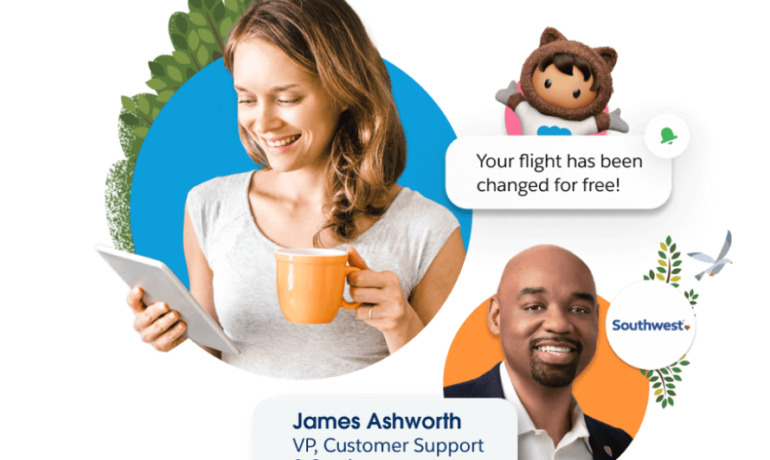
Salesforce offers hospitality professionals the tools to address marketing, sales, and customer support needs through the Marketing, Service, and Sales Cloud. Hotel Salesforce CRM for Hospitality. Customer Relationship Management (CRM) software tailored for hotels assists in engaging guests, managing reservations, coordinating projects, and streamlining communications. Hotel CRM software simplifies operations within the hospitality sector. Salesforce for Hospitality Customer Experience In the travel industry, particularly in hotels, customer experience reigns supreme. Hotels serve as temporary homes for guests, making their experience pivotal in determining future patronage. However, with the surge in travel and advancements in technology, the demand for personalized experiences has escalated. Meeting these expectations is essential not only for standing out in a competitive market but also for maintaining a positive online reputation. As travel becomes more accessible and prices decrease, managing a large volume of customers while delivering personalized experiences presents a significant challenge. Hotels must deepen their understanding of customers to avoid losing them amid the crowd. This is where CRM comes into play. CRMs for Hospitality CRM entails managing customer expectations, interactions, and loyalty to provide the most personalized journey possible. Modern CRM solutions, often cloud-based and mobile-compatible, leverage AI and big data to comprehend customers better and deliver proactive solutions, ensuring timely and relevant interactions. Hotel CRMs are specifically designed to address the unique needs of the hospitality industry. They assist in monitoring online reviews and social media chatter, enabling prompt responses to maintain a positive online reputation. Quick problem-solving is crucial in hotels, and CRM tools streamline issue resolution by providing relevant customer information promptly. Moreover, hotel CRMs enhance guest experiences by facilitating personalized journeys from initial contact to post-stay interactions. Mobile access is essential for guests, and many CRM platforms offer tools for building mobile apps and portals to enhance convenience. Hotel Salesforce CRM for Hospitality Ultimately, CRM systems empower hotels to manage customer loyalty effectively, offering better communication, multi-channel advertising, and useful employee tools. For hotels seeking these benefits, choosing the right CRM is crucial. Salesforce stands out as a top platform for hotel CRM, providing comprehensive solutions to meet diverse industry needs. In today’s travel and hospitality industry, efficiency and exceptional guest experiences are paramount. To achieve this, companies must focus on automating routine tasks, unifying data, and leveraging AI for insights. Exceptional experiences remain the best way to attract and retain customers, driving efficient growth even in challenging times. If your hotel or hospitality destination is looking to increase guest satisfaction, contact Tectonic about Salesforce today. Like1 Related Posts Who is Salesforce? Who is Salesforce? Here is their story in their own words. From our inception, we’ve proudly embraced the identity of Read more Salesforce Marketing Cloud Transactional Emails Salesforce Marketing Cloud Transactional Emails are immediate, automated, non-promotional messages crucial to business operations and customer satisfaction, such as order Read more Salesforce Unites Einstein Analytics with Financial CRM Salesforce has unveiled a comprehensive analytics solution tailored for wealth managers, home office professionals, and retail bankers, merging its Financial Read more AI-Driven Propensity Scores AI plays a crucial role in propensity score estimation as it can discern underlying patterns between treatments and confounding variables Read more

Read More
ai and sustainability

AI and Sustainability

Climate Change: A Global Crisis Demanding Urgent Action Climate change is one of the most critical challenges of our time, accelerating at an unprecedented pace. Rising global temperatures, melting polar ice, surging sea levels, and intensifying extreme weather events are destabilizing ecosystems, endangering biodiversity, and jeopardizing human communities worldwide. The future of our planet and the well-being of generations to come depend on decisive action—reducing greenhouse gas emissions, shifting to renewable energy, and embracing sustainable practices. Artificial intelligence (AI) is emerging as a vital tool in this fight, offering innovative technological solutions to advance sustainability efforts. AI for a Sustainable Future Sustainability is about meeting society’s environmental, social, and economic needs without compromising future generations’ ability to do the same. With mounting pressure on Earth’s resources and growing recognition of the need for responsible practices, sustainability has never been more crucial. The United Nations’ 17 Sustainable Development Goals (SDGs) provide a global framework for fostering sustainable progress. AI stands at the forefront of this movement, enabling smarter resource management, waste reduction, and more efficient systems—while also demanding careful consideration of its own environmental impact. Key Areas Where AI Drives Sustainability Beyond these areas, AI aids sustainability across industries—streamlining manufacturing processes, designing energy-efficient buildings, and advancing green technologies. The Hidden Cost: AI’s Carbon Footprint Despite its benefits, AI has a significant environmental downside. Data centers, which power AI systems, consume vast amounts of energy—accounting for roughly 1% of global electricity use—and this demand is rising. Much of this energy comes from non-renewable sources, contributing to carbon emissions. Additionally, hardware production involves resource-intensive processes, from mining rare metals to managing electronic waste. It is not totally unimaginable that the “tree huggers” and “nuclear power haters” are dusting off their signs to protest the surging power demands of AI. To maximize AI’s sustainability potential, we must address its environmental impact. This includes: By balancing AI’s advantages with its ecological costs, we can harness its power to build a greener future—without undermining the very goals it seeks to achieve. Like Related Posts Who is Salesforce? Who is Salesforce? Here is their story in their own words. From our inception, we’ve proudly embraced the identity of Read more Salesforce Unites Einstein Analytics with Financial CRM Salesforce has unveiled a comprehensive analytics solution tailored for wealth managers, home office professionals, and retail bankers, merging its Financial Read more AI-Driven Propensity Scores AI plays a crucial role in propensity score estimation as it can discern underlying patterns between treatments and confounding variables Read more Tectonic’s Successful Salesforce Track Record Salesforce Technology Services Integrator – Tectonic has successfully delivered Salesforce in a variety of industries including Public Sector, Hospitality, Manufacturing, Read more

Read More
Turtle Bay Salesforce Journey

Proud to Be A Part of the Turtle Bay Salesforce Journey

Turtle Bay a featured Success story at Salesforce TralblazerDX and more. Proud to be part of the Turtle Bay Salesforce journey! Learn how Tectonic can help you increase bookings. Proud to be part of the Turtle Bay Salesforce journey Travel Transportation Salesforce Tectonic has helped hospitality clients create a real-time view of their guests to surprise and delight them with personalized service across every interaction. Salesforce provides tailored solutions for the hospitality, tourism, resort and travel industry, helping businesses in this sector deliver exceptional customer experiences, streamline operations, and drive growth. These solutions leverage the power of the Salesforce Customer 360 platform to centralize data, enhance communication, and provide a personalized experience for guests. Salesforce provides technologies that digitally transform travel, tourism, and hospitality businesses. About the Company Nestled on O‘ahu’s legendary North Shore, Turtle Bay Resort spans 1,300 pristine acres with 12 miles of nature trails, seven secluded beaches, 408 ocean-view rooms, 42 Ocean Bungalows, a 468-acre Kuilima Farm, championship golf course, and Nalu Spa, with activities including surfing, kayaking, horseback riding, biking, helicopter tours, and more. Turtle Bay Resort is a sustainable and completely self-sufficient resort, cultivating all of the ingredients for its restaurants directly from the property. “We are dedicated to delivering the most incredible experience for each and every single one of our guests, personalizing their stays to their needs and wants. The Salesforce Einstein platform makes it easy for us to achieve this.” Lynette EugenioDirector of Marketing, Turtle Bay Resort Like2 Related Posts Who is Salesforce? Who is Salesforce? Here is their story in their own words. From our inception, we’ve proudly embraced the identity of Read more Salesforce Marketing Cloud Transactional Emails Salesforce Marketing Cloud Transactional Emails are immediate, automated, non-promotional messages crucial to business operations and customer satisfaction, such as order Read more Salesforce Unites Einstein Analytics with Financial CRM Salesforce has unveiled a comprehensive analytics solution tailored for wealth managers, home office professionals, and retail bankers, merging its Financial Read more AI-Driven Propensity Scores AI plays a crucial role in propensity score estimation as it can discern underlying patterns between treatments and confounding variables Read more
Read More
Digitalization in Travel and Transportation Industries

Digitalization in Travel and Transportation Industries

The transportation industry is currently experiencing a rapid evolution, compelling companies to reimagine themselves within their ecosystem and opening up numerous opportunities for growth. Digitalization in Travel and Transportation Industries covers a myriad of tools and technologies. The competitive landscape is in a state of flux, with startups challenging established players and the introduction of innovative products and services in mobility, transportation, and logistics. Digitalization, Travel, Transportation, and Hospitality Digitization has emerged as the primary driver of change, pushing transportation companies to innovate and transform. To stay in step with industry standards, these companies must adapt to dynamic regulations, including those related to trade, customs, tariffs, and more. The Tectronic Transportation and Mobility teams provide purpose-led transformative services to help clients in the transportation industry enhance the global movement of people and goods. In the travel industry, ongoing digital transformation translates to increased online convenience for most travelers. Essential elements of travel, such as decision-making, journey arrangements, and overall experience, are becoming automated. Digitization not only simplifies travel planning but also empowers tourism organizations to deliver personalized visitor experiences while gaining insights into preferences and exploration behavior. Digital transformation in the travel industry involves utilizing technology to modernize and revolutionize the operations and customer interactions of travel businesses. The integration of technology across travel stages, from planning and booking to the actual travel experience, has enhanced convenience and revolutionized the industry, particularly through online booking and reservation systems. The digitalization of transport infrastructure involves incorporating every stage in the supply chain and vehicles into the digital realm, with personal identification on the Internet and software control. Digital Tourism Digital tourism trends encompass various digital technologies integrated into the tourism industry, including virtual reality experiences, online booking tools, personalized travel recommendations through AI, and social media for destination marketing. Digital transformation has streamlined the check-in and check-out process in the hospitality industry. Online check-in enhances the customer service journey, providing a more effortless experience. Technologies like digital keys contribute to an improved traveler experience. Artificial intelligence and machine learning are increasingly prevalent in the travel and hospitality industry, enhancing and personalizing customer experiences throughout the journey. The Online Travel Market The online travel market is expected to grow further, driven by factors such as increased internet penetration, rising popularity of mobile devices, and the growing demand for personalized travel experiences. Examples of digital transformation in the industry include the implementation of biometric technology for secure identification, the enhancement of mobile internet speed through 5G connectivity, and the growing use of voice technology for hands-free and convenient travel planning. In the hospitality and tourism industry, digital transformation goes beyond efficiency and cost savings, offering benefits like an enhanced customer experience through personalized services based on data analytics and valuable insights into customer preferences, enabling tailored offerings. Like2 Related Posts Salesforce Unites Einstein Analytics with Financial CRM Salesforce has unveiled a comprehensive analytics solution tailored for wealth managers, home office professionals, and retail bankers, merging its Financial Read more Tectonic’s Successful Salesforce Track Record Salesforce Technology Services Integrator – Tectonic has successfully delivered Salesforce in a variety of industries including Public Sector, Hospitality, Manufacturing, Read more Asset Management Salesforce Can Salesforce do asset management? You can manage assets in Consumer Goods (desktop) and in the Consumer Goods offline mobile Read more What is Salesforce? Salesforce is cloud-based CRM software. It makes it easier for companies to find more prospects, close more deals, and connect Read more

Read More
data cloud and marketing cloud personalization

What is the Difference in a Data Lake and a Data Warehouse

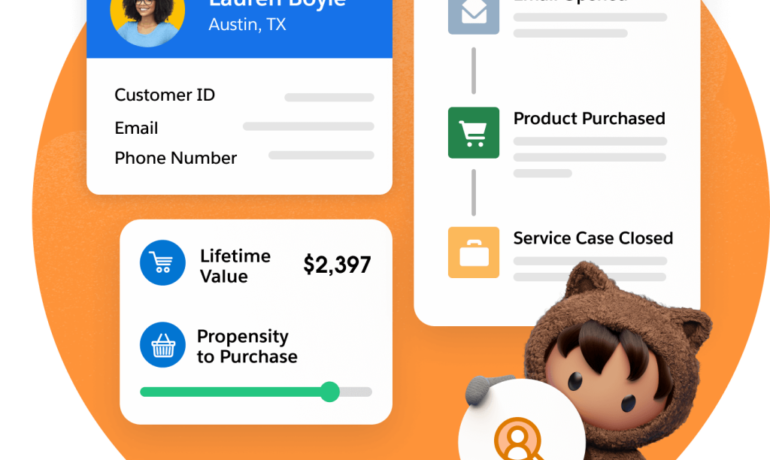
Is a Data Lake Necessary? Difference in a Data Lake and a Data Warehouse? Do I need both? Both Data Lakes and Data Warehouses play crucial roles in the data processing and reporting infrastructure. They are complementary approaches rather than substitutes. Relevance of Data Lakes: Data lakes are losing popularity compared to their previous standing. Advanced storage solutions like data warehouses are progressively taking their place. Can Data Lakes Replace Data Warehouses? Data lakes do not directly replace data warehouses; they serve as supplementary technologies catering to different use cases with some overlap. Organizations typically have both a data lake and a data warehouse. Distinguishing Between Data Lakes and Data Warehouses: Data lakes and data warehouses serve as storage systems for big data, utilized by data scientists, data engineers, and business analysts. Despite some similarities, their differences are more significant than their commonalities, and understanding these distinctions is vital for aspiring data professionals. Data Lake vs. Data Warehouse: Key Differences: Data lakes aggregate structured and unstructured data from multiple sources, resembling real lakes with diverse inflows. Data warehouses, on the other hand, are repositories for pre-structured data intended for specific queries and analyses. Exploring Data Lakes: A data lake is a storage repository designed to capture and store large amounts of raw data, whether structured, semi-structured, or unstructured. This data, once in the lake, can be utilized for machine learning or AI algorithms and later transferred to a data warehouse. Data Lake Examples: Data lakes find applications in various sectors, such as marketing, education, and transportation, addressing business problems by collecting and analyzing data from diverse sources. Understanding Data Warehouses: A data warehouse is a centralized repository and information system designed for business intelligence. It processes and organizes data into categories called data marts, allowing for structured data storage from multiple sources. Data Warehouse Examples: Data warehouses support structured systems and technology for diverse industries, including finance, banking, and food and beverage, facilitating secure and accurate report generation. Data Warehouses compared to Data Lakes: Data warehouses contain processed and sanitized structured data, focusing on business intelligence, while data lakes store vast pools of unstructured, raw data, providing flexibility for future analysis. Key Differences Between Warehouses and Lakes: Intended purpose, audience, data structure, access and update cost, access model, and storage and computing are crucial factors distinguishing data warehouses and data lakes. Choosing Between Data Warehouse and Data Lake: The decision depends on organizational needs, value extracted from data analysis, and infrastructure costs. Organizations may opt for agility with a data lake, a data warehouse for larger data quantities, or a combination for maximum flexibility. A data lake stores raw, unstructured data indefinitely, providing cost-effective storage, while a data warehouse contains cleaned, processed, and structured data, optimized for strategic analysis based on predefined business needs. Data Warehouse, Data Lake, and Data Hub Differences: Data warehouses and data lakes primarily support analytic workloads, whereas data hubs focus on data integration, sharing, and governance, serving different purposes in the data landscape. Salesforce Data Cloud is a powerful data warehouse solution that allows companies to effectively manage and analyze their data. It provides users with the ability to stream input data from Salesforce and other sources, making it a comprehensive platform for data integration. Content updated February 2024. Like1 Related Posts Who is Salesforce? Who is Salesforce? Here is their story in their own words. From our inception, we’ve proudly embraced the identity of Read more Salesforce Marketing Cloud Transactional Emails Salesforce Marketing Cloud Transactional Emails are immediate, automated, non-promotional messages crucial to business operations and customer satisfaction, such as order Read more Salesforce Unites Einstein Analytics with Financial CRM Salesforce has unveiled a comprehensive analytics solution tailored for wealth managers, home office professionals, and retail bankers, merging its Financial Read more AI-Driven Propensity Scores AI plays a crucial role in propensity score estimation as it can discern underlying patterns between treatments and confounding variables Read more
Read More
Salesforce for Transportation and Logistics

Transportation, Logistics, The Cloud, and CRM

Transportation and logistics and crm. Typically, the state of transportation and logistics (T&L) mirrors the state of the economy, with FedEx earnings serving as a reliable indicator of how the rest of the players in the industry are doing. However, the past few years have been anything but normal. The pandemic led to a surge in demand, marked by container-filled ports and a nationwide hunt for truck drivers. After navigating two years of high intensity, T&L now faces challenges such as inflation, the Ukraine war, ongoing supply chain disruptions, the threat of recession, climbing interest rates, higher fuel costs, and overly cautious consumer behavior. Where are the Challenges? Compounding these issues is a staffing crisis in the industry, with a global shortage of warehouse workers, dock personnel, drivers, pilots, and rail crews that is expected to persist. In such uncertain times, successful transportation and logistics companies are taking strategic steps to future-proof themselves. One key strategy involves unifying customer data on a single platform to enhance efficiency and readiness for various scenarios. Smart transportation and logistics organizations plan for best, expected, and worst-case scenarios by monitoring critical signals such as capacity in key lanes, customer spending by lane, and customer lifetime value. Unifying customer data across sales, service, and operations enables informed decision-making, focusing investments where needed and optimizing resources. Manual Processes Despite this, much of T&L business, especially in sales, marketing, and customer service, relies on manual processes like phone calls, spreadsheets, and email. Centralized customer data is crucial for applying intelligence and analytics to process trends, segmenting customers, and analyzing their value. Companies investing in data unification report significant cost savings and efficiency benefits, including a 25% reduction in IT costs. Centralized customer data is also leveraged to enhance shipper experiences. T&L leaders use artificial intelligence (AI) to predict customer retention and potential churn, allowing proactive steps to be taken. Real-time data intelligence empowers customer service agents to make informed decisions swiftly. Access to shipper-specific on-time delivery performance provides valuable insights and strengthens client relationships. Transportation and Logistics and CRM More than half of T&L organizations are investing in cloud connectivity and data sharing, with 18% deriving the most value in sales and marketing, customer relationship management (CRM), distribution, and end-to-end visibility. These strategic investments are proving instrumental in navigating the complexities of the current economic landscape. Is it time to explore Salesforce CRM for your company? Contact Tectonic today. Like2 Related Posts Who is Salesforce? Who is Salesforce? Here is their story in their own words. From our inception, we’ve proudly embraced the identity of Read more Salesforce Marketing Cloud Transactional Emails Salesforce Marketing Cloud Transactional Emails are immediate, automated, non-promotional messages crucial to business operations and customer satisfaction, such as order Read more Salesforce Unites Einstein Analytics with Financial CRM Salesforce has unveiled a comprehensive analytics solution tailored for wealth managers, home office professionals, and retail bankers, merging its Financial Read more AI-Driven Propensity Scores AI plays a crucial role in propensity score estimation as it can discern underlying patterns between treatments and confounding variables Read more
Read More
Salesforce Success Story

Case Study: Salesforce Innovation for Hospitality

Major hospitality management firm, moves to the cloud and adopts Google Cloud and Salesforce to improve operational insights and decision-making. Tectonic assisted them to move to the cloud and obtatin quicker, actionable insights with business intelligence. Salesforce Innovation for Hospitality.

Read More
Salesforce Service Cloud

Differences Between Salesforce Sales Cloud and Salesforce Service Cloud Explained

Salesforce Sales Cloud focuses on the sales process, while Salesforce Service Cloud is dedicated to customer service and support. Sales Cloud is designed for managing leads, opportunities, and sales forecasts, whereas Service Cloud is tailored for handling customer inquiries and cases. Both Sales Cloud and Service Cloud share critical features as they are built on the core Salesforce Platform. If your business primarily emphasizes sales, Sales Cloud is the ideal choice. If your focus is more on customer service, then Service Cloud is the preferred option. For businesses involved in both sales and customer service, both Sales Cloud and Service Cloud may be the best Salesforce solution. Difference Between Sales Cloud and Service Cloud: Sales Cloud streamlines sales and marketing efforts, focusing on lead management and increasing sales. Service Cloud helps support agents provide excellent customer service, resolving issues proactively. Functions Included in Service Cloud but not in Sales Cloud: Service Cloud includes specialized functions for customer support, such as omnichannel case routing, Web-to-Case and Email-to-Case conversion, and configurable assignment rules to streamline support agents’ work. Sales Cloud Features: Service Cloud Features: Agent Productivity (Service Cloud): Call Center Management (Service Cloud): Live Chat (Service Cloud): Customer Portal (Service Cloud): Ticket Management (Service Cloud): Like2 Related Posts Who is Salesforce? Who is Salesforce? Here is their story in their own words. From our inception, we’ve proudly embraced the identity of Read more Salesforce Marketing Cloud Transactional Emails Salesforce Marketing Cloud Transactional Emails are immediate, automated, non-promotional messages crucial to business operations and customer satisfaction, such as order Read more Salesforce Unites Einstein Analytics with Financial CRM Salesforce has unveiled a comprehensive analytics solution tailored for wealth managers, home office professionals, and retail bankers, merging its Financial Read more AI-Driven Propensity Scores AI plays a crucial role in propensity score estimation as it can discern underlying patterns between treatments and confounding variables Read more
Read More
Improving Customer Experiences with Salesforce

Improving Customer Experiences with Salesforce

Sustaining competitiveness continues to demand businesses prioritize personalization and agility in their customer experience strategy in 2023. Improved Customer Experiences with Salesforce are attainable. Read on. “You are caller number 10; please stay on the line.” A few years ago, a phone message like this from a company was a standard part of the customer experience. But today, customers expect more. They expect callback options. They expect to open a chat window on your website, send a text message or a tweet, and get a near-instant reply. They expect that you already know who they are when they call, that you’re aware of their most recent order, and that you understand what they need next. They don’t want to repeat their information. And they definitely don’t want to wait. Improved Customer Experiences with Salesforce Here are ways to enhance your customer experience program: Enhancing Customer Experience for Brand Loyalty: Advance Personalized Experiences: By concentrating on these core areas, organizations can navigate the evolving CX landscape, delivering exceptional customer experiences. Tectonic is poised to collaborate, customizing Salesforce tools to craft remarkable customer experiences. CX-Customer experience, gets thrown around a lot. But how is it defined, and what does it mean? “Customer experience and service have converged, it’s more than call centers and successful responses to problems. It is service opportunities in sales, support, and marketing. Delivering great customer experiences now means providing amazing, almost magical service at every opportunity.” Peter Schwartz, Salesforce senior vice president of strategic planning What Does Customer Experience Mean? Customer experience encompasses every interaction a prospect or customer has with a business, spanning various channels and touchpoints. Here’s how to enhance customer experience with Salesforce: Customers have always wanted a consistently good buying experience and the best value they can get. If they’re not happy buying expensive razor blades, they can sign up for inexpensive monthly delivery. If they’re fed up with mediocre hotel chains that don’t offer value, why not try Airbnb? The Good News The good news? Customers are willing to pay a premium for great experiences, and not just great products and services. This means businesses have an opportunity to increase revenue by delighting their customers in a way that no one else can. What are the 3Rs of customer experience? Science shows that customers are looking for 3 things in every interaction. These can be summarized in the 3 service values: be reliable, be responsive and build relationships. What are the six pillars of customer experience excellence? Developed by KPMG Nunwood of the UK following research involving more than one million customers across three continents, the system spotlights six key principles as the building blocks for customer experience success: personalization, integrity, expectations, resolution, time and effort, and empathy. Like2 Related Posts Who is Salesforce? Who is Salesforce? Here is their story in their own words. From our inception, we’ve proudly embraced the identity of Read more Salesforce Marketing Cloud Transactional Emails Salesforce Marketing Cloud Transactional Emails are immediate, automated, non-promotional messages crucial to business operations and customer satisfaction, such as order Read more Salesforce Unites Einstein Analytics with Financial CRM Salesforce has unveiled a comprehensive analytics solution tailored for wealth managers, home office professionals, and retail bankers, merging its Financial Read more AI-Driven Propensity Scores AI plays a crucial role in propensity score estimation as it can discern underlying patterns between treatments and confounding variables Read more

Read More
Industry Cloud

Tectonic’s Salesforce Industry Experience

Tectonic’s Salesforce Industry Experience spans 16+ years of work focused on certain industry areas. Tectonic has worked in all of the following industries implementing and customizing Salesforce: Put Tectonic’s Industry Experience to work for your organization. Our industry and Salesforce expertise will have you up and running in no time. Casino Case Study Government Case Study Healthcare Payer Case Study Tectonic’s Salesforce Industry Experience Implementing Salesforce can be complex. Getting it wrong can be costly. From 5 to 5000 users, across Sales, Service and Marketing clouds, Tectonic has the process and patterns to help you plan, design and implement your solution right the first time. Whether this is your first Salesforce implementation or expansion of users or additional clouds, we can guide you from inception to delivery. Misalignment of your business needs and your system configuration create low adoption and usage rates that erode your Salesforce ROI. Tectonic’s technology professionals use our proven industry expertise and collaborate with business partners to deliver business value. From minor tweaks and retraining to reimplementation, we assess your situation and execute a customized solution to meet your needs. Like Related Posts Who is Salesforce? Who is Salesforce? Here is their story in their own words. From our inception, we’ve proudly embraced the identity of Read more Salesforce Marketing Cloud Transactional Emails Salesforce Marketing Cloud Transactional Emails are immediate, automated, non-promotional messages crucial to business operations and customer satisfaction, such as order Read more Salesforce Unites Einstein Analytics with Financial CRM Salesforce has unveiled a comprehensive analytics solution tailored for wealth managers, home office professionals, and retail bankers, merging its Financial Read more AI-Driven Propensity Scores AI plays a crucial role in propensity score estimation as it can discern underlying patterns between treatments and confounding variables Read more

Read More
Salesforce Success Story

Case Study: Service Cloud Marketing Cloud Hospitality

Resort company builds loyalty and drives sales increase across all sites using data and segmentation. hospitality salesforce service marketing case study. Industry: Hospitality Located at the epicenter of Honolulu’s most exciting neighborhoods, resort offers guaranteed oceanfront panoramic views in guestrooms and luxury suites. The hotel also has its own golf course. Problem: Implemented : Technologies integrated : Our solution? Results: Tectonic has assisted customers in generating a live view of their visitors so they can pleasantly surprise and amuse them with customized service during every engagement. Salesforce offers customized solutions for the travel and hospitality industries, assisting companies in this field to provide outstanding client experiences, optimize workflows, and spur expansion. These solutions make use of the Salesforce Customer 360 platform to improve communication, organize data, and give visitors a customized experience. Salesforce offers digital transformation technology for travel, tourist, and hospitality industries. If you are considering a Salesforce hospitality implementation, contact Tectonic today. Like2 Related Posts Who is Salesforce? Who is Salesforce? Here is their story in their own words. From our inception, we’ve proudly embraced the identity of Read more Salesforce Marketing Cloud Transactional Emails Salesforce Marketing Cloud Transactional Emails are immediate, automated, non-promotional messages crucial to business operations and customer satisfaction, such as order Read more Salesforce Unites Einstein Analytics with Financial CRM Salesforce has unveiled a comprehensive analytics solution tailored for wealth managers, home office professionals, and retail bankers, merging its Financial Read more AI-Driven Propensity Scores AI plays a crucial role in propensity score estimation as it can discern underlying patterns between treatments and confounding variables Read more
Read More
Salesforce for Hospitality

Salesforce for Hospitality

Transforming Hospitality with Salesforce CRM The hospitality industry, known for its expansive options and fierce competition, faces challenges from small hotels to globally recognized resorts. Beyond traditional amenities like clean rooms and Wi-Fi, evolving customer expectations demand highly personalized services for enhanced comfort and swift issue resolution. Salesforce CRM emerges aremains a tool for managing customer interactions and elevating the operations of various players in the hospitality sector. Leading establishments such as Quest Apartment Hotels, Carlson Hotels Worldwide, and HotelTonight harness the capabilities of Salesforce CRM to enhance their services. Salesforce for Hospitality Beyond the realm of hotels, the world’s most widely used CRM solution empowers the entire hospitality industry, encompassing transportation and travel, to deliver personalized and seamless customer experiences. Transportation companies leverage real-time query management and dynamic services to navigate the future of freight efficiently. Simultaneously, travel and hospitality entities utilize data-driven insights to tailor travel options, incorporate artificial intelligence for personalized recommendations, and establish connected guest services, ensuring unparalleled comfort and satisfaction. In essence, Salesforce CRM offers the hospitality industry unified customer views, heightened customer satisfaction and loyalty, invaluable analytics data, automation solutions, and prompt customer service. Its implementation accelerates industry efficiency, fostering innovation and driving continuous improvements in the realm of hospitality. Content updated September 2023. Like Related Posts Who is Salesforce? Who is Salesforce? Here is their story in their own words. From our inception, we’ve proudly embraced the identity of Read more Salesforce Marketing Cloud Transactional Emails Salesforce Marketing Cloud Transactional Emails are immediate, automated, non-promotional messages crucial to business operations and customer satisfaction, such as order Read more Salesforce Unites Einstein Analytics with Financial CRM Salesforce has unveiled a comprehensive analytics solution tailored for wealth managers, home office professionals, and retail bankers, merging its Financial Read more AI-Driven Propensity Scores AI plays a crucial role in propensity score estimation as it can discern underlying patterns between treatments and confounding variables Read more

Read More
Salesforce Quickstart

Salesforce Quickstarts

What are Salesforce Quickstarts from Tectonic? A Salesforce Quickstart Package is a streamlined implementation process designed for companies seeking swift implementation of Salesforce. This limited engagement focuses on crucial planning, decision-making, standard and custom configurations, and essential user and admin training. It is tailored for small to medium-sized businesses aiming for a prompt Salesforce deployment, covering sales, marketing, service, and more. Who is it for? Key Benefits What you’ll receive . Partner Assistance in Implementing Salesforce with Quickstart A Salesforce consulting partner, like Tectonic, can assist in assessing needs, configuring Quickstart packages, providing training and support, adopting best practices, and optimizing the Salesforce environment. Tectonic offers ready-to-launch Quickstart packages and Accelerators, ensuring faster system fulfillment, cost reduction, secure scaling, and enhanced customer experience. Salesforce Quickstarts – also referred to as Salesforce Implementation Solutions Like1 Related Posts Who is Salesforce? Who is Salesforce? Here is their story in their own words. From our inception, we’ve proudly embraced the identity of Read more Salesforce Marketing Cloud Transactional Emails Salesforce Marketing Cloud Transactional Emails are immediate, automated, non-promotional messages crucial to business operations and customer satisfaction, such as order Read more Salesforce Unites Einstein Analytics with Financial CRM Salesforce has unveiled a comprehensive analytics solution tailored for wealth managers, home office professionals, and retail bankers, merging its Financial Read more AI-Driven Propensity Scores AI plays a crucial role in propensity score estimation as it can discern underlying patterns between treatments and confounding variables Read more

Read More
Salesforce Loyalty Management

Salesforce Loyalty Management Explained

In January 2021, Salesforce unveiled Loyalty Management, aiming to assist businesses in actively engaging and rewarding their customers. Employing a user-friendly interface without the need for coding, the platform empowers businesses to construct scalable loyalty programs. This flexibility extends to the creation of diverse programs, such as tiered memberships or points-per-purchase. Loyalty Management is adaptable, allowing configuration to seamlessly integrate with Experience Cloud for customer sign-ups and Marketing Cloud for content delivery. With Loyalty Management as an end-to-end solution that helps you create intelligent, personalized engagements that increase customer loyalty. Loyalty Management is versatile and can cater to B2B and B2C business needs in any industry. With the Loyalty Management app, create and set up loyalty programs.  Loyalty Management lets you configure programs that fit the exact needs of your business and your customers. “Businesses in every industry are tasked with reimagining their loyalty strategies and Salesforce is equipped to help them with a flexible platform that helps them create unique programs. Loyalty Management, built on the Salesforce platform, helps organizations deliver innovative programs for customer recognition, reward, and retention. Nurture relationships and create lasting loyalty on the world’s #1 CRM. With Loyalty Management, your business can engage with customers in meaningful ways — bringing value to their experience and to your business. Leverage Customer 360 to deliver unique experiences with Salesforce customer loyalty. Generate a single source of truth for members that enables personalization at scale and weaves loyalty throughout the customer experience. Make loyalty a business strategy informed by the power of Salesforce Customer 360 Get a unified view of your program members to engage them with relevant and personalized experiences Make loyalty more than a program and bring it into every touch point in the customer or partner journey Deliver more dynamic and personal loyalty experiences for customers by removing silos and connecting member data across multiple systems. Create a consistent customer reward program experience — rewarding them for their engagement and their loyalty across every interaction and touch point they have with your business. Like1 Related Posts Who is Salesforce? Who is Salesforce? Here is their story in their own words. From our inception, we’ve proudly embraced the identity of Read more Salesforce Marketing Cloud Transactional Emails Salesforce Marketing Cloud Transactional Emails are immediate, automated, non-promotional messages crucial to business operations and customer satisfaction, such as order Read more Salesforce Unites Einstein Analytics with Financial CRM Salesforce has unveiled a comprehensive analytics solution tailored for wealth managers, home office professionals, and retail bankers, merging its Financial Read more AI-Driven Propensity Scores AI plays a crucial role in propensity score estimation as it can discern underlying patterns between treatments and confounding variables Read more
Read More
Salesforce Marketing Cloud

What is the Difference in Lists and a Data Extensions in Salesforce Marketing Cloud

There are two different methods to store and segment subscriber data within Marketing Cloud: Lists and Data Extensions. Lists have limited functionality, whereas Data Extensions provide full flexibility to store and relate subscriber information. Salesforce Marketing Cloud lists and data extensions are the primary ways to manage your subscriber data. What is the difference between data extension and list in Marketing Cloud? In short, lists are best used for specific email sends lacking advanced data or segmentation, whereas data extensions can be used for basically any type of communication or data management need. If the goal is to organize data with simplicity, go for lists. What is data extension in Marketing Cloud? A data extension is a table that contains your data. With Marketing Cloud Connect, push tracking data from the Marketing Cloud back to your Sales or Service Cloud orgs using Salesforce data extensions (SFDEs). Data extensions are also filterable. What are the data extension limits for Marketing Cloud? There is currently no limit for the amount of rows that can exist within a Data Extension. This means that, without Row Based Data Retention, a Data extension can grow exponentially without any real upper limit. What is a list in Marketing Cloud? Lists are a default way of storing data in Marketing Cloud Email Studio. You can set different attributes for your customers by using lists, which represent a collection of customers and provide a simple method for audience segmentation. These attributes are used to store the position of the customer in a given list. List can be configured to send a welcome email when a subscriber opts in, and can have double opt-in. You will also hear groups mentioned. Groups are smaller segments of a list. When to Opt for Marketing Cloud Data Extensions There are two primary scenarios that distinctly indicate the need for utilizing a data extension rather than a list: Fluctuating Values Over Time: Data Relationship via a 3rd Data Point: Like Related Posts Who is Salesforce? Who is Salesforce? Here is their story in their own words. From our inception, we’ve proudly embraced the identity of Read more Salesforce Marketing Cloud Transactional Emails Salesforce Marketing Cloud Transactional Emails are immediate, automated, non-promotional messages crucial to business operations and customer satisfaction, such as order Read more Salesforce Unites Einstein Analytics with Financial CRM Salesforce has unveiled a comprehensive analytics solution tailored for wealth managers, home office professionals, and retail bankers, merging its Financial Read more AI-Driven Propensity Scores AI plays a crucial role in propensity score estimation as it can discern underlying patterns between treatments and confounding variables Read more

Read More
gettectonic.com