UX Archives - gettectonic.com - Page 7
Benefits of Salesforce Experience Cloud

Benefits of Salesforce Experience Cloud

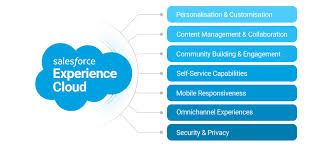
Salesforce Experience Cloud: Transforming Digital Customer Engagement To understand the Benefits of Salesforce Experience Cloud we must understand what a customer or partner portal is intended to do. Salesforce Experience Cloud, previously known as Community Cloud, is a powerful digital experience platform (DXP) designed to help organizations create and deliver exceptional, customer-centric experiences across multiple channels. This platform goes beyond community management, offering tools for building and managing websites, portals, mobile apps, and integrating social media. Benefits of Salesforce Experience Cloud explored. Built on Salesforce Customer 360, Experience Cloud gives businesses a comprehensive view of their customers by connecting data from various sources. With these insights, businesses can create personalized experiences tailored to each customer’s preferences and needs. Organizations can use Experience Cloud to design portals, websites, and communities, providing seamless access to relevant information, collaboration tools, and resources. The platform’s flexibility allows businesses to enhance customer satisfaction, improve partner collaboration, and boost employee productivity. Key Benefits of Salesforce Experience Cloud Salesforce Experience Cloud offers numerous benefits that help businesses deliver seamless experiences across the customer journey. Here are some of its key advantages: 1. Seamless Integration Experience Cloud integrates effortlessly with other Salesforce products like Sales Cloud and Service Cloud, providing a unified platform for comprehensive customer management. 2. Scalability and Customization The platform is highly scalable, allowing businesses to expand their communities as they grow. With extensive customization options, businesses can tailor the platform to meet their specific needs and branding requirements. 3. Security and Trust Salesforce is known for its robust security features, ensuring customer data is protected at all times. Businesses can confidently manage sensitive customer information within Experience Cloud. 4. Extensive AppExchange Ecosystem Salesforce’s AppExchange marketplace provides access to a wide range of pre-built integrations and apps that enhance the functionality of Experience Cloud, allowing businesses to customize and extend their platform capabilities. Real-World Uses of Salesforce Experience Cloud Salesforce Experience Cloud is used by businesses across various industries to improve customer engagement, enhance collaboration, and boost productivity. Some key use cases include: 1. Partner Portals Experience Cloud enables businesses to create dedicated partner portals where partners can collaborate with internal teams, access resources, and share leads. This accelerates partner engagement and streamlines business processes. 2. Self-Service Portals Businesses can offer 24/7 self-service portals, allowing customers to access product information, troubleshoot common issues, and track their interactions. These portals help reduce the workload on support teams and enhance customer satisfaction. 3. Customer Communities Experience Cloud allows businesses to create customer communities where users can find personalized content, engage with other users, and access self-service resources. This promotes collaboration and reduces the strain on customer support teams. 4. Employee Communities Internal employee communities serve as hubs for company-wide communication, training, and collaboration. Employees can access resources, share knowledge, and seek support, ultimately boosting engagement and productivity. 5. Branded Mobile Apps Businesses can use Experience Cloud to develop branded mobile apps that give customers, partners, and employees convenient access to services, resources, and information on the go. 6. Social Media Integration Experience Cloud integrates with popular social media platforms, allowing businesses to engage with customers directly, share content, and respond to inquiries. Top Features of Salesforce Experience Cloud Salesforce Experience Cloud is packed with features that enhance customer engagement, streamline operations, and improve overall efficiency: Companies Using Salesforce Experience Cloud Nike and PUMA leverage Experience Cloud for personalization. Nike’s loyalty program and Puma’s mobile shopping experience are enhanced by the platform’s built-in mobile UX design and technical architecture, resulting in better customer engagement and increased sales. Bank of America and Wells Fargo use Experience Cloud to offer customer support through self-service portals and community forums, improving customer satisfaction and gathering valuable feedback. IBM uses the platform to create collaborative communities for employees and customers alike. With integrated tools like Salesforce Einstein and IBM Watson, the company has enhanced internal collaboration and customer service. Hulu uses Salesforce to power its Help Center, where customers can find answers, engage with other viewers, and leave feedback that shapes Hulu’s content. OpenTable relies on Experience Cloud for its Diner Help portal, a one-stop shop for dining-related queries, enhancing the user experience and operational efficiency. Choosing the Right Salesforce Experience Cloud Partner for Implementation When implementing Salesforce Experience Cloud, choosing the right partner is crucial to ensure success. Look for a partner with: With the right partner, like Tectonic, businesses can fully grasp the power of Salesforce Experience Cloud to deliver exceptional digital experiences that foster customer loyalty, drive business growth, and improve operational efficiency. Content updated October 2024. Like Related Posts Who is Salesforce? Who is Salesforce? Here is their story in their own words. From our inception, we’ve proudly embraced the identity of Read more Salesforce Marketing Cloud Transactional Emails Salesforce Marketing Cloud Transactional Emails are immediate, automated, non-promotional messages crucial to business operations and customer satisfaction, such as order Read more Salesforce Unites Einstein Analytics with Financial CRM Salesforce has unveiled a comprehensive analytics solution tailored for wealth managers, home office professionals, and retail bankers, merging its Financial Read more AI-Driven Propensity Scores AI plays a crucial role in propensity score estimation as it can discern underlying patterns between treatments and confounding variables Read more

Read More
The Evolution of Salesforce Data Cloud

The Evolution of Salesforce Data Cloud

The Evolution of Salesforce Data Cloud Salesforce’s journey to Data Cloud started with its acquisition of Krux in 2016, which was later rebranded as Salesforce DMP. This transformation gained momentum in 2019 when Salesforce introduced its customer data platform (CDP), incorporating Salesforce DMP. Subsequent acquisitions of Datorama, MuleSoft, Tableau, and Evergage (now Interaction Studio) enriched Salesforce CDP’s functionality, creating today’s robust Data Cloud. Understanding Customer Data Platforms (CDPs) A customer data platform (CDP) aggregates customer data from multiple channels to create a unified customer profile, enabling deeper insights and real-time personalization. A CDP serves as a centralized customer data repository, merging isolated databases from marketing, service, and ecommerce to enable easy access to customer insights. Salesforce’s “State of Marketing” report highlights the impact of CDPs, noting that 78% of high-performing businesses use CDPs, compared to 58% of underperformers. This analysis explores the evolution of CDPs and their role in transforming customer relationship management (CRM) and the broader tech ecosystem, turning customer data into real-time interactions. Key Functions of a Customer Data Platform (CDP) CDPs perform four main functions: data collection, data harmonization, data activation, and data insights. Origins of Customer Data Platforms (CDPs) CDPs evolved as the latest advancement in customer data management, driven by the need for a unified marketing data repository. Unlike earlier tools that were often limited to specific channels, CDPs enable real-time data synchronization and cross-platform engagement. Advances in AI, automation, and machine learning have made this level of segmentation and personalization attainable. The Future of Customer Data Platforms (CDPs) The next generation of CDPs, like Salesforce’s Data Cloud, supports real-time engagement across all organizational functions—sales, service, marketing, and commerce. Data Cloud continuously harmonizes and updates customer data, integrating seamlessly with Salesforce products to process over 100 billion records daily. With Data Cloud, organizations gain: Benefits of a Customer Data Platform (CDP) CDPs provide comprehensive insights into customer interactions, supporting personalization and cross-selling. Beyond segmentation, they serve as user-friendly platforms for audience analysis and data segmentation, simplifying day-to-day data management. Data Cloud allows organizations to transform customer data into personalized, seamless experiences across every customer touchpoint. Leading brands like Ford and L’Oréal utilize Data Cloud to deliver connected, real-time interactions that enhance customer engagement. The Need for Customer Data Platforms (CDPs) CDPs address critical data management challenges by unifying disjointed data sources, resolving customer identities, and enabling seamless segmentation. These capabilities empower companies to maximize the potential of their customer data. CDP vs. CRM CDPs are an evolution of traditional CRM, focusing on real-time, highly personalized interactions. While CRMs store known customer data, CDPs like Data Cloud enable real-time engagement, making it the world’s first real-time CRM by powering Salesforce’s Customer 360. Selecting the Right CDP When choosing a CDP, the focus often falls into two areas: insights and engagement. An insights-oriented CDP prioritizes data integration and management, while an engagement-focused CDP leverages data for real-time personalization. Data Cloud combines both, integrating real-time CDP capabilities to deliver unmatched insights and engagement across digital platforms. Content updated October 2024. Like Related Posts Who is Salesforce? Who is Salesforce? Here is their story in their own words. From our inception, we’ve proudly embraced the identity of Read more Salesforce Marketing Cloud Transactional Emails Salesforce Marketing Cloud Transactional Emails are immediate, automated, non-promotional messages crucial to business operations and customer satisfaction, such as order Read more Salesforce Unites Einstein Analytics with Financial CRM Salesforce has unveiled a comprehensive analytics solution tailored for wealth managers, home office professionals, and retail bankers, merging its Financial Read more AI-Driven Propensity Scores AI plays a crucial role in propensity score estimation as it can discern underlying patterns between treatments and confounding variables Read more
Read More
Improving customer experiences with Marketing Cloud Personalization

Attention Maps vs. Heatmaps

Attention Maps vs. Heatmaps: How to Choose the Right Tool for UX Optimization Staring at a heatmap and unsure if you’re interpreting it correctly? Misreading data can lead to misguided changes—fixing what isn’t broken while missing critical issues. This guide cuts through the noise, helping you choose between AI-powered attention maps and traditional heatmaps so you can optimize designs with confidence. Attention Maps vs. Heatmaps: Key Differences Feature Attention Maps Traditional Heatmaps Data Source AI predictions (no real users needed) Real user interactions (clicks, scrolls, hovers) Best For Pre-launch design testing Post-launch behavior analysis Strengths Predicts visual focus, optimizes layouts before going live Tracks actual engagement, identifies usability issues Limitations Not 100% accurate—needs real-world validation Requires sufficient traffic for meaningful insights When to Use Attention Maps What They Do AI-generated attention maps predict where users will look first—highlighting high-impact zones (red/orange) and overlooked areas (blue/green). Best For: ✅ Pre-launch testing (landing pages, ads, UI designs)✅ Optimizing visual hierarchy (headlines, CTAs, key visuals)✅ A/B testing layouts before investing in traffic Top Attention Map Tools When to Use Traditional Heatmaps What They Show Heatmaps visualize real user behavior—click patterns, scroll depth, and hover activity—helping you spot engagement trends and friction points. Best For: ✅ Post-launch analysis (conversion funnels, drop-off points)✅ Identifying usability issues (ignored CTAs, confusing navigation)✅ Improving existing pages based on real interactions Top Heatmap Tools Real-World Use Cases 1. eCommerce (Use Heatmaps) 2. Landing Pages (Use Attention Maps First, Then Heatmaps) 3. SaaS Platforms (Use Heatmaps) 4. Content Sites (Use Heatmaps) Which Should You Use? Pro Tip: Think of attention maps as a movie trailer (predicting engagement) and heatmaps as box office results (showing what actually worked). Like Related Posts Who is Salesforce? Who is Salesforce? Here is their story in their own words. From our inception, we’ve proudly embraced the identity of Read more Salesforce Unites Einstein Analytics with Financial CRM Salesforce has unveiled a comprehensive analytics solution tailored for wealth managers, home office professionals, and retail bankers, merging its Financial Read more AI-Driven Propensity Scores AI plays a crucial role in propensity score estimation as it can discern underlying patterns between treatments and confounding variables Read more Tectonic’s Successful Salesforce Track Record Salesforce Technology Services Integrator – Tectonic has successfully delivered Salesforce in a variety of industries including Public Sector, Hospitality, Manufacturing, Read more

Read More
Use Salesforce Data Protection Services

Use Salesforce Data Protection Services

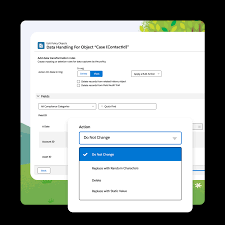
Ensuring Data Security in Salesforce: Use Salesforce Data Protection Services How is Data Protected in Salesforce? Salesforce.com employs cutting-edge Internet security technology, including Secure Socket Layer (SSL) with server authentication and data encryption, ensuring the protection of user information during access via supported web browsers. Why Use Salesforce Data Protection Services? Data Security is imperative to meet evolving privacy standards and safeguard sensitive information shared over the internet. Unauthorized access could pose significant risks to the entire organization, making data security a crucial aspect. Salesforce GDPR Certification: Yes, Salesforce is GDPR certified, as confirmed in Section 11 of the Data Processing Addendum, where Salesforce commits to providing reasonable assistance to customers. Salesforce CCPA Compliance with Customer 360: Salesforce 360 facilitates CCPA compliance by seamlessly connecting Marketing Cloud to Sales Cloud, ensuring a cohesive flow of customer data across the organization. Introduction to Salesforce Shield: Salesforce Shield comprises three security tools – Shield Platform Encryption, Event Monitoring, and Field Audit Trail – embedded into critical business applications to enhance trust, compliance, and governance. Data Protection and Privacy Regulations: Salesforce assists companies in complying with various data protection and privacy regulations, including GDPR, CCPA, PIPA, LGPD, PIPEDA, and more, offering guidance on common privacy principles. Guidance for Data Management and Privacy Compliance: Salesforce provides tools for efficient data management and privacy compliance, covering aspects such as data deletion, consent management, restriction of processing, data access and portability, and privacy center functionalities. Encryption of Data at Rest with Salesforce Shield Platform Encryption: Salesforce Shield Platform Encryption encrypts data at rest within servers, databases, search index files, and the file system, preserving functionality and ensuring secure storage. Use Salesforce Data Protection Services: To enable Data Privacy and Protection in Salesforce, users can navigate through Lightning Experience or Salesforce Classic, accessing the setup and entering “Data Protection and Privacy” in the Quick Find box. Various Data Security Settings in Salesforce: Salesforce offers multiple data security settings, including Object-Level Security through profiles, Permission Sets, Permission Set Groups, Ownership-Based Sharing Rules, Criteria-Based Sharing Rules, and Guest User Sharing Rules. Salesforce Data Ownership and Digital Chain of Custody: Salesforce Data Ownership involves maintaining a Digital Chain of Custody, ensuring meticulous tracking of data through each replication process. This guarantees data remains under control and protected at all times. Salesforce and DLP Functionality: Salesforce does not have built-in Data Loss Prevention (DLP) functionality. It relies on third-party apps like Nightfall to provide DLP capabilities, crucial for maintaining compliance with regulations such as HIPAA and PCI. Like Related Posts Who is Salesforce? Who is Salesforce? Here is their story in their own words. From our inception, we’ve proudly embraced the identity of Read more Salesforce Marketing Cloud Transactional Emails Salesforce Marketing Cloud Transactional Emails are immediate, automated, non-promotional messages crucial to business operations and customer satisfaction, such as order Read more Salesforce Unites Einstein Analytics with Financial CRM Salesforce has unveiled a comprehensive analytics solution tailored for wealth managers, home office professionals, and retail bankers, merging its Financial Read more AI-Driven Propensity Scores AI plays a crucial role in propensity score estimation as it can discern underlying patterns between treatments and confounding variables Read more

Read More
Sales Cloud Innovation Driven by UX Design Principles

Enhance UX With Keyboard Accessibility

Enhancing User Experience (UX) with Keyboard Accessibility Keyboard accessibility plays a crucial role in creating more inclusive and scalable products. While many individuals can navigate a computer using a mouse, there are those with mobility- or dexterity-related accessibility needs who rely on alternative devices like head wands or switch controls. The foundation of these alternative interactions is keyboard access. Enhance UX With Keyboard Accessibility for greater user experiences. In a world where approximately 16% of the population has at least one disability, prioritizing keyboard accessibility becomes paramount. Salesforce, a company committed to equality, incorporates this principle into its product design, ensuring that every user, regardless of their abilities, can effectively engage with their products. Enhance UX With Keyboard Accessibility But what does keyboard accessibility entail? Essentially, it means that any action achievable with a mouse should also be accomplishable with a keyboard. This foundational principle accommodates various user needs, such as screen readers for the blind or voice commands. The consistent factor across these diverse modes of interaction is the reliance on keyboard access. Let’s explore an alternative interaction pattern called “click to create” that serves as a keyboard-accessible substitute for drag-and-drop functionalities, addressing accessibility issues in the Email Builder of Marketing Cloud. This pattern allows users, including those with mobility challenges, to add content through keyboard strokes. By incorporating “click to create” into a new keyboard-accessible version of the Email Builder, Salesforce ensures compliance with keyboard accessibility standards and facilitates content creation for all users. To elevate keyboard accessibility during the product design process, consider these five key moments: By integrating keyboard accessibility considerations at each of these key moments, designers, product managers, and engineers can collaboratively contribute to creating products that are accessible to all users. The mantra “Can I do it with a keyboard?” serves as a constant reminder to prioritize inclusivity throughout the product development cycle, making accessibility a shared responsibility among all contributors. Like1 Related Posts Who is Salesforce? Who is Salesforce? Here is their story in their own words. From our inception, we’ve proudly embraced the identity of Read more Salesforce Marketing Cloud Transactional Emails Salesforce Marketing Cloud Transactional Emails are immediate, automated, non-promotional messages crucial to business operations and customer satisfaction, such as order Read more Salesforce Unites Einstein Analytics with Financial CRM Salesforce has unveiled a comprehensive analytics solution tailored for wealth managers, home office professionals, and retail bankers, merging its Financial Read more AI-Driven Propensity Scores AI plays a crucial role in propensity score estimation as it can discern underlying patterns between treatments and confounding variables Read more

Read More
Salesforce Lightning

Why Migrate From Salesforce Classic to Salesforce Lightning?

Why Switch from Salesforce Classic to Lightning? Salesforce is actively advancing the Lightning interface, and the reasons are compelling. The Lightning platform offers numerous advantages, including an improved user interface, quicker development times, and extensive customization options. With user-friendly features like drag-and-drop functionality, Lightning enhances the overall user experience (UX). Many companies are opting to migrate from Salesforce Classic to Salesforce Lightning to leverage these benefits and more. Salesforce Classic Salesforce Classic served as the primary interface until 2016, but today, it is considered outdated. Investing in Lightning Experience is driven by the desire to deliver a superior user experience, adopt features solving business challenges, enhance processes, and gain access to Lightning innovation and rapid app development technology. Given that Salesforce Lightning is faster, provides advanced customization features, and boasts easier navigation compared to Classic, transitioning to Lightning in 2023 can be a strategic decision for your business. Lightning also integrates Salesforce Einstein, offering reporting, analytics, and generative AI capabilities. Salesforce Lightning In contrast to Classic, the Lightning development platform enables non-technical users to effortlessly create customized apps without programming knowledge. Due to its sleek UI, faster performance, regular feature releases, and comprehensive usability, Salesforce Lightning has become the preferred CRM for businesses. Migration However, migrating from Salesforce Classic to Lightning, or any other CRM to Lightning, presents challenges, including high implementation time. Opting for a phased rollout is an effective approach to overcome these challenges. While challenges may arise, a strategic plan executed by experienced Salesforce Lightning Support can ensure a seamless and timely migration. If you’re ready to migrate to Salesforce Lightning, especially if your Salesforce is highly customized, it’s crucial to document all changes made in Classic and identify corresponding solutions in Lightning. If handling the complexities of Classic seems daunting, consider engaging a Salesforce Migration partner like Tectonic to conduct a full Salesforce audit before migrating to Salesforce Lightning, ensuring a smooth transition. Content updated December 2023. Like2 Related Posts Who is Salesforce? Who is Salesforce? Here is their story in their own words. From our inception, we’ve proudly embraced the identity of Read more Salesforce Marketing Cloud Transactional Emails Salesforce Marketing Cloud Transactional Emails are immediate, automated, non-promotional messages crucial to business operations and customer satisfaction, such as order Read more Salesforce Unites Einstein Analytics with Financial CRM Salesforce has unveiled a comprehensive analytics solution tailored for wealth managers, home office professionals, and retail bankers, merging its Financial Read more AI-Driven Propensity Scores AI plays a crucial role in propensity score estimation as it can discern underlying patterns between treatments and confounding variables Read more
Read More
Digital Transformation for Life Sciences

Digital Transformation for Life Sciences

In hindsight, one remarkable aspect of the COVID crisis was the speed with which vaccines passed through regulatory approval processes to address the pandemic emergency. Approvals that would typically take years were expedited to mere months, a pace not usually seen in the life sciences industry. It was an extraordinary situation, as Paul Shawah, Senior Vice President of Commercial Strategy at Veeva Systems, notes: “There were things that were unnaturally fast during COVID. There was a shifting of priorities, a shifting of focus. In some cases, you had the emergency approvals or the expedited approvals of the vaccines that you saw in the early days, so there was faster growth. Everything was kind of different in the COVID environment.” Today, the industry is not operating at that same rapid pace, but the impact of this acceleration remains significant: “What it did do is it challenged companies to think about why can’t we operate faster at a steady state? There was an old steady state, then there was COVID speed. The industry is trying to get to a new steady state. It won’t be as fast as during COVID because of unique circumstances, but expectations are now much higher. This drives a need to modernize systems, embrace the cloud, become more digital, and improve efficiency.” Companies like Veeva, alongside enterprise giants such as Salesforce, SAP, and Oracle, specialize in this market and play crucial roles in life sciences digitization. According to a McKinsey study, about 45% of tech spending in life sciences goes to three key technologies: applied Artificial Intelligence, industrialized Machine Learning, and Cloud Computing. Over 80% of the top 20 global pharma and medtech companies are operating in the cloud to some extent. However, a study by Accenture found that life sciences firms are among the lowest in achieving benefits from cloud investments, with only 43% satisfied with their results and less than a quarter confident that cloud migration initiatives will deliver the promised value within expected time frames. This presents both a challenge and an opportunity. Frank Defesche, SVP & GM of Life Sciences at Salesforce, sees it as the latter, stating: “The life sciences industry faces increased competition, evolving patient expectations, and ongoing pressure to bring devices and drugs to market faster. With rising drug costs, frustrated doctors, and varying regulatory scrutiny, life sciences organizations must find ways to do more with less.” The industry also contends with an unprecedented influx of data and disparate systems, making it difficult to move quickly. Addressing changes one by one is too slow and costly. Defesche believes that a systemic solution, fueled by connected data and Artificial Intelligence (AI), is key to overcoming these challenges. Paul Shawah of Veeva emphasizes the unique challenges of the life sciences sector: “Life sciences firms primarily do two things: discover and develop medicines, and commercialize them by educating doctors and getting the right drugs to patients. The drug development cycle includes clinical trials, managing everything related to drug safety, the manufacturing process, and ensuring quality. They also manage regulatory registrations. On the commercial side, it’s about reaching out to doctors and healthcare professionals.” Veeva’s Vault platform is designed for life sciences, with customers like Merck, Eli Lilly, and Boehringer Ingelheim. Shawah acknowledges it’s “still relatively early days” for cloud computing adoption but notes successes in areas like CRM, where Veeva achieved over 80% market share by standardizing processes and reducing technical debt. Other areas, like parts of the clinical trials process, remain largely untapped by cloud computing. Shawah sees opportunities to improve patient experiences and make the process more efficient. AI represents a significant area of opportunity. Shawah explains Veeva’s approach: “I’ll break AI into two categories: traditional AI, Machine Learning, and data science, which we’ve been doing for a long time, and generative AI, which is new. We’re focusing on finding use cases that create sustainable, repeatable value. We’re building capabilities into our Vault platform to support AI.” Joe Ferraro, VP of Product, Life Sciences at Salesforce, emphasizes AI’s critical role: “We are born out of the data and AI era, and we’re taking that philosophy into everything we do from a product standpoint. We aim to move from creating a system of record to a system of insight, using data and AI to transform how users interact with software.” Ferraro highlights the need for change: “Organizations told us, ‘Please don’t build the same thing we have now. We are mired in fragmented experiences. Our sales and marketing teams aren’t talking, and our medical and commercial teams don’t understand each other.’ Life Sciences Cloud aims to move the industry from these fragmented experiences to an end-to-end, AI-powered experience engine.” The COVID crisis highlighted the critical role of the life sciences industry. There’s a massive opportunity for digital transformation, whether through specialists like Veeva or enterprise players like Salesforce, Oracle, and SAP. Data must be the foundation of any solution, especially amidst the current AI hype cycle. Ensuring this data is well-managed is a crucial starting point for industry-wide change. Like Related Posts Who is Salesforce? Who is Salesforce? Here is their story in their own words. From our inception, we’ve proudly embraced the identity of Read more Salesforce Marketing Cloud Transactional Emails Salesforce Marketing Cloud Transactional Emails are immediate, automated, non-promotional messages crucial to business operations and customer satisfaction, such as order Read more Salesforce Unites Einstein Analytics with Financial CRM Salesforce has unveiled a comprehensive analytics solution tailored for wealth managers, home office professionals, and retail bankers, merging its Financial Read more AI-Driven Propensity Scores AI plays a crucial role in propensity score estimation as it can discern underlying patterns between treatments and confounding variables Read more

Read More
Salesforce Automation

Salesforce Automation

In today’s fast-paced business landscape, efficiency reigns supreme, and the optimization of processes is paramount for success. Salesforce automation tools stand as indispensable allies in this pursuit, empowering businesses to automate repetitive tasks, eliminate errors, and liberate valuable time for employees to focus on mission-critical endeavors. From sales to marketing and customer service, Salesforce offers a comprehensive suite of automation tools designed to enhance efficiency, productivity, and ultimately, profitability. This insight serves as a guide to the value and various components of Salesforce automation. At the core of Salesforce’s effectiveness lies its sophisticated suite of automation tools, reshaping how organizations manage and streamline their sales operations. For administrators entrusted with overseeing the Salesforce environment, mastering these automation tools transcends mere skill; it’s a strategic necessity. Salesforce Automation Tools empower administrators to craft and deploy intricate workflows, facilitating seamless coordination of tasks and processes within the CRM platform. From lead generation to deal closure, these tools offer a comprehensive array of features that can metamorphose manual, time-consuming tasks into streamlined, automated processes. As businesses aspire for agility and efficiency in their operations, administrators assume the role of architects, leveraging Salesforce automation tools to erect a robust foundation for success. This deep dive into Salesforce Automation Tools aims to arm administrators with the knowledge and insights required to navigate the platform’s intricacies adeptly. We will dive into the fundamental components of automation, including workflow rules, process builder, and flow builder, unraveling their functionalities and showcasing how they can be tailored to suit specific business requirements. Through real-world examples and practical guidance, this exploration seeks to empower administrators to unleash the full potential of Salesforce Automation Tools, transforming them into proficient conductors of the CRM symphony. As we embark on this journey, administrators will cultivate a comprehensive understanding of Salesforce’s automation capabilities, enabling them to optimize processes, enhance productivity, and elevate the overall user experience. Whether you’re a seasoned Salesforce administrator or a newcomer to the platform, this deep dive promises invaluable insights and hands-on expertise to navigate the dynamic realm of Salesforce automation with confidence and proficiency. What is Salesforce Automation? Salesforce automation represents a sophisticated sales management solution that automates pivotal sales components such as lead management, sales forecasting, and team performance management. Leveraging Software-as-a-Service (SaaS) products enables the automation of repetitive and redundant tasks and processes. Workflow rules enable organizations to design and enforce business processes systematically. For example, as leads progress through the sales pipeline, workflow rules can automatically assign tasks to sales representatives, update opportunity stages, and notify relevant stakeholders. By establishing these rules, administrators lay the groundwork for a more streamlined and error-resistant workflow, allowing teams to focus on high-impact activities while the system handles routine, rule-based tasks. Understanding the foundations of Salesforce automation through workflow rules is crucial for administrators seeking to optimize their CRM environment. As businesses evolve, the ability to adapt and scale automation becomes paramount. This foundational knowledge not only empowers administrators to create efficient workflows but also sets the stage for exploring more advanced automation tools within the Salesforce ecosystem, ensuring a robust and responsive foundation for the dynamic world of CRM. Centralized Data Storage and Enhanced Lead Tracking Centralizing customer-related data stands as one of the most significant advantages of Salesforce automation. This consolidation facilitates streamlined lead tracking, performance monitoring, and revenue prediction. By automating non-revenue-generating tasks, which can consume up to two-thirds of a sales representative’s time, sales teams can redirect their efforts towards high-impact, revenue-generating activities, thereby fostering overall business growth. Automated Sales Processes: Boosting Productivity The automation of repetitive sales processes emerges as a direct response to research indicating the imperative to enhance sales productivity. Through automation, sales representatives can leverage their time more effectively, focusing on tasks that directly contribute to revenue generation and organizational success. Understanding the Crucial Role of Salesforce Automation The importance of Salesforce automation cannot be overstated in the realm of sales management. By offering centralized data storage, streamlined lead tracking, and enhanced performance monitoring, Salesforce automation revolutionizes the sales landscape. Discover – Controllers in Salesforce: What It Is, Types and Features. Key Benefits of Salesforce Automation The benefits of Salesforce automation are manifold. Firstly, it facilitates the consolidation of customer-related data, enabling efficient lead tracking, reminder setting, and performance monitoring. Additionally, automation saves time and minimizes errors, allowing sales representatives to concentrate on revenue-generating activities such as deal closure and client relationship building. Moreover, Salesforce automation ensures a personalized and consistent customer experience, empowering sales reps to tailor interactions based on customer preferences and behaviors. Furthermore, Salesforce automation fosters efficient collaboration and communication within sales teams, providing a centralized platform for accessing essential information and insights. Additionally, it offers valuable analytics and insights to optimize sales strategies, analyzing customer behavior, sales performance, and market trends to drive revenue growth. Components of Salesforce Automation Lead Management: Involves collecting, tracking, and analyzing customer data and interactions to streamline the sales pipeline and convert leads into customers. Sales Forecasting: Enables organizations to make educated decisions and prepare for future development by forecasting sales revenue based on market analysis and demands. Team Performance Management: Involves monitoring sales team performance, identifying areas for improvement, and providing feedback and coaching to enhance team performance. Email and Social Media Marketing: Automates marketing platforms to communicate better with consumers and prospects, customizing campaigns based on customer preferences and behaviors. Workflow and Approval Processes: Ensures that sales processes follow established procedures and workflows, reducing manual errors and enhancing organizational performance. Data and Analytics: Tracks key performance indicators (KPIs) and provides actionable insights to inform decision-making and drive revenue growth. Streamlining Appointment Scheduling: Assists in scheduling sales appointments efficiently, mitigating the risk of double-booking meetings. Prioritizing Leads: Analyzes leads based on various metrics to maximize sales and productivity. Salesforce automation has revolutionized sales operations, fostering efficiency, effectiveness, and customer-centricity. As technology continues to evolve, Salesforce automation remains a critical tool for businesses striving to stay ahead of the competition and achieve their sales goals. In the dynamic world of Salesforce, administrators

Read More
Industry Cloud

Tectonic’s Salesforce Industry Experience

Tectonic’s Salesforce Industry Experience spans 16+ years of work focused on certain industry areas. Tectonic has worked in all of the following industries implementing and customizing Salesforce: Put Tectonic’s Industry Experience to work for your organization. Our industry and Salesforce expertise will have you up and running in no time. Casino Case Study Government Case Study Healthcare Payer Case Study Tectonic’s Salesforce Industry Experience Implementing Salesforce can be complex. Getting it wrong can be costly. From 5 to 5000 users, across Sales, Service and Marketing clouds, Tectonic has the process and patterns to help you plan, design and implement your solution right the first time. Whether this is your first Salesforce implementation or expansion of users or additional clouds, we can guide you from inception to delivery. Misalignment of your business needs and your system configuration create low adoption and usage rates that erode your Salesforce ROI. Tectonic’s technology professionals use our proven industry expertise and collaborate with business partners to deliver business value. From minor tweaks and retraining to reimplementation, we assess your situation and execute a customized solution to meet your needs. Like Related Posts Who is Salesforce? Who is Salesforce? Here is their story in their own words. From our inception, we’ve proudly embraced the identity of Read more Salesforce Marketing Cloud Transactional Emails Salesforce Marketing Cloud Transactional Emails are immediate, automated, non-promotional messages crucial to business operations and customer satisfaction, such as order Read more Salesforce Unites Einstein Analytics with Financial CRM Salesforce has unveiled a comprehensive analytics solution tailored for wealth managers, home office professionals, and retail bankers, merging its Financial Read more AI-Driven Propensity Scores AI plays a crucial role in propensity score estimation as it can discern underlying patterns between treatments and confounding variables Read more
Read More
Value of Queues in Salesforce

Value of Queues in Salesforce

Salesforce Queues serve as a streamlined and collaborative solution for the management of records and tasks. The value of queues in Salesforce is the ease of access they provide for records. They offer an organized and automated method to structure, distribute, and assign work items among users or teams efficiently. Visualize a Salesforce Queue as a virtual container or repository that holds a collection of records or tasks. These items encompass leads, cases, opportunities, or any standard/custom object in your Salesforce org. Instead of manually assigning individual records to specific users, the queue becomes the focal point for distributing work seamlessly. Value of Queues in Salesforce The utility of Salesforce Queues shines in situations where multiple users or teams collaborate in handling incoming requests or overseeing a specific record type. For instance, a customer support team may utilize a queue for incoming cases, allowing any team member to access and work on cases from the shared queue. Significance of Salesforce Queues: In sales and support teams, the influx of leads and issues demanding resolution is often substantial. Without proper assignment of this workload, inefficiencies and mismanagement can arise. Salesforce Queues play a pivotal role in addressing this challenge. A queue acts as an orderly arrangement of records, especially leads, ensuring systematic prioritization and handling. Through the use of queues, collaborating team members can efficiently distribute and manage the workload associated with these records. This collaborative framework empowers employees to share responsibilities and address tasks as they become available. Records remain within the queue until claimed by an individual user. The implementation of queues benefits both the organization’s workforce and its customers. It prevents employee overload by ensuring a balanced distribution of tasks while ensuring prompt attention to customer concerns. As a result, this approach guarantees that no records are overlooked or left unattended. Like Related Posts Who is Salesforce? Who is Salesforce? Here is their story in their own words. From our inception, we’ve proudly embraced the identity of Read more Salesforce Marketing Cloud Transactional Emails Salesforce Marketing Cloud Transactional Emails are immediate, automated, non-promotional messages crucial to business operations and customer satisfaction, such as order Read more Salesforce Unites Einstein Analytics with Financial CRM Salesforce has unveiled a comprehensive analytics solution tailored for wealth managers, home office professionals, and retail bankers, merging its Financial Read more AI-Driven Propensity Scores AI plays a crucial role in propensity score estimation as it can discern underlying patterns between treatments and confounding variables Read more

Read More
Salesforce Success Story

Case Study: Service Cloud Marketing Cloud Hospitality

Resort company builds loyalty and drives sales increase across all sites using data and segmentation. hospitality salesforce service marketing case study. Industry: Hospitality Located at the epicenter of Honolulu’s most exciting neighborhoods, resort offers guaranteed oceanfront panoramic views in guestrooms and luxury suites. The hotel also has its own golf course. Problem: Implemented : Technologies integrated : Our solution? Results: Tectonic has assisted customers in generating a live view of their visitors so they can pleasantly surprise and amuse them with customized service during every engagement. Salesforce offers customized solutions for the travel and hospitality industries, assisting companies in this field to provide outstanding client experiences, optimize workflows, and spur expansion. These solutions make use of the Salesforce Customer 360 platform to improve communication, organize data, and give visitors a customized experience. Salesforce offers digital transformation technology for travel, tourist, and hospitality industries. If you are considering a Salesforce hospitality implementation, contact Tectonic today. Like2 Related Posts Who is Salesforce? Who is Salesforce? Here is their story in their own words. From our inception, we’ve proudly embraced the identity of Read more Salesforce Marketing Cloud Transactional Emails Salesforce Marketing Cloud Transactional Emails are immediate, automated, non-promotional messages crucial to business operations and customer satisfaction, such as order Read more Salesforce Unites Einstein Analytics with Financial CRM Salesforce has unveiled a comprehensive analytics solution tailored for wealth managers, home office professionals, and retail bankers, merging its Financial Read more AI-Driven Propensity Scores AI plays a crucial role in propensity score estimation as it can discern underlying patterns between treatments and confounding variables Read more

Read More
Connected Culture

Creating a Connected Workplace Culture

Creating a Connected Workplace Culture: Bridging the Physical and Digital Divide In today’s workplace, fostering genuine employee connection is no longer a luxury—it’s a critical business imperative. With the widespread adoption of remote and hybrid work models, organizations face mounting challenges in creating meaningful employee experiences and cultivating team cohesion. Yet, the need for connection has never been more urgent. The Cost of Disconnection Recent findings reveal a stark reality: over half of U.S. employees report feeling disconnected. This issue extends beyond personal dissatisfaction, becoming a crisis for organizations striving to attract, engage, and retain top talent. Employees who feel connected to their workplace culture are: The Challenge of Distance and Distraction Physical Separation Remote and hybrid work environments have minimized the spontaneous interactions and informal conversations that naturally foster camaraderie. This lack of face-to-face contact can lead to feelings of isolation and fragmented workplace cultures. Technology Overload At the same time, the explosion of workplace apps has created a disorganized digital landscape. With countless tools for HR, benefits, payroll, learning, and more, employees often struggle to navigate an overwhelming maze of applications. This fragmentation not only hinders productivity but also amplifies cognitive overload and decision fatigue, further diminishing the employee experience. So, how can organizations overcome these barriers and build a connected workplace culture in an age of physical distance and digital distractions? Building a Connected Workplace Strategy Connection doesn’t happen by chance. It requires deliberate planning, adaptability, and a deep understanding of the evolving workplace dynamic. Here’s how organizations can take intentional steps toward fostering meaningful connections: 1. Act with Purpose 2. Leverage the Right Tools 3. Prioritize Clear and Open Communication 4. Embrace Feedback 5. Commit to Continuous Improvement Moving Forward: Connection as a Competitive Advantage A connected workplace culture isn’t just about improving employee satisfaction—it’s a strategic advantage that drives engagement, productivity, and retention. By bridging the physical and digital divide with intentional actions and meaningful tools, organizations can foster stronger, more connected teams prepared to thrive in a modern, dynamic work environment. Like Related Posts Who is Salesforce? Who is Salesforce? Here is their story in their own words. From our inception, we’ve proudly embraced the identity of Read more Salesforce Unites Einstein Analytics with Financial CRM Salesforce has unveiled a comprehensive analytics solution tailored for wealth managers, home office professionals, and retail bankers, merging its Financial Read more AI-Driven Propensity Scores AI plays a crucial role in propensity score estimation as it can discern underlying patterns between treatments and confounding variables Read more Tectonic’s Successful Salesforce Track Record Salesforce Technology Services Integrator – Tectonic has successfully delivered Salesforce in a variety of industries including Public Sector, Hospitality, Manufacturing, Read more
Read More
Salesforce Sales Enablement

Customers Re-Evaluate Their Priorities

Compounding factors such as inflation and technological advancements are prompting individuals to reconsider their priorities. While impacting how and where they allocate their finances, it directly impacts businesses as well.. A substantial 62% of consumers have recently reevaluated their priorities, with the cost of living ranking as the primary influencer and obtaining better deals being the most common reason for brand switches. Customers Re-Evaluate Their Priorities and vote with their money. While financial considerations remain a focal point, customers are not solely driven by the pursuit of cost-effectiveness. Other crucial factors include product quality and the overall customer experience. Remarkably, 80% of customers emphasize that the experience provided by a company is as significant as the products and services offered. While companies are burdened by this trend it also emphasizes the need for technology. Marketing automation and personalization. Knowing enough about your customer to reach them with the right message at the right time on the right channel. Enter Salesforce Salesforce Omnichannel is a flexible and customizable Salesforce feature. It helps businesses to seamlessly connect with customers across multiple channels, be they physical stores, email, chat, social media, phone, or SMS. And best of all, anyone can implement the omnichannel approach without coding knowledge! Salesforce Personalization learns everything about your customer and presents them with personalized offers and messaging how they want it when they want it where they want it. Salesforce Marketing Cloud provides marketing automation power. Salesforce Sales Cloud serves customers with ease. Salesforce Data Cloud stores the customer information from all business sources and drives interaction powered by AI. Attitudes Shift Over two years into the global pandemic, a shift in attitudes towards work, home, spending, interactions, and well-being is evident among many Americans. The majority now express a preference for spending on experiences rather than products, with a focus on home-centered activities. Additionally, there is a notable inclination towards in-person interactions rather than substituting them with digital services. This “great rethink” emphasizes that post-pandemic society is unlikely to revert to its previous state. A pivotal aspect of this great rethink is the evolving attitude towards work. While the initial stages of the pandemic saw individuals deprioritizing work due to stress, burnout, and remote work, new economic realities have set in. Customers Re-Evaluate Their Priorities Rising living costs and the possibility of a recession are causing a shift in sentiment, with fewer Americans viewing deprioritizing work as an affordable luxury anymore. Consumer sentiment regarding an improved work-life balance is showing signs of reversal, with the percentage of those feeling they have more time to enjoy today decreasing from nearly 70% in September 2021 to 51% in May 2022. A recent survey conducted by Accenture, encompassing 25,000 consumers across 22 countries, sheds light on how the pandemic has prompted a reevaluation of consumer purchasing behavior. Accenture identifies a segment of consumers called “Reimagined,” representing those who have changed their buying habits across various industries. These consumers expect companies to understand and address their changing needs during disruptive times, with a significant portion expressing disappointment in companies that have not provided adequate support. Considering these insights, Accenture identifies five purchasing motivations that align with consumers’ desires for improved well-being and confidence in the products, services, and companies they engage with. These motivations – health and safety, service and personal care, ease and convenience, product origin, and trust and reputation – carry implications for businesses, including those in the events industry. Impact on Events Applying these motivations to the context of business events, event organizers must prioritize safety protocols, personalize communications, provide digital and hybrid event options, incorporate sustainability practices, and build trust through consistent alignment with organizational values and mission statements. As consumers remain open to new experiences, now is an opportune time for experimentation and innovation within the events landscape. Salesforce to the Rescue If amidst this great re-think you are re-thinking how you do business, contact Tectonic today to learn how Salesforce could be the solution you need. Content updated November 2023. Like Related Posts Who is Salesforce? Who is Salesforce? Here is their story in their own words. From our inception, we’ve proudly embraced the identity of Read more Salesforce Marketing Cloud Transactional Emails Salesforce Marketing Cloud Transactional Emails are immediate, automated, non-promotional messages crucial to business operations and customer satisfaction, such as order Read more Salesforce Unites Einstein Analytics with Financial CRM Salesforce has unveiled a comprehensive analytics solution tailored for wealth managers, home office professionals, and retail bankers, merging its Financial Read more AI-Driven Propensity Scores AI plays a crucial role in propensity score estimation as it can discern underlying patterns between treatments and confounding variables Read more

Read More
gettectonic.com